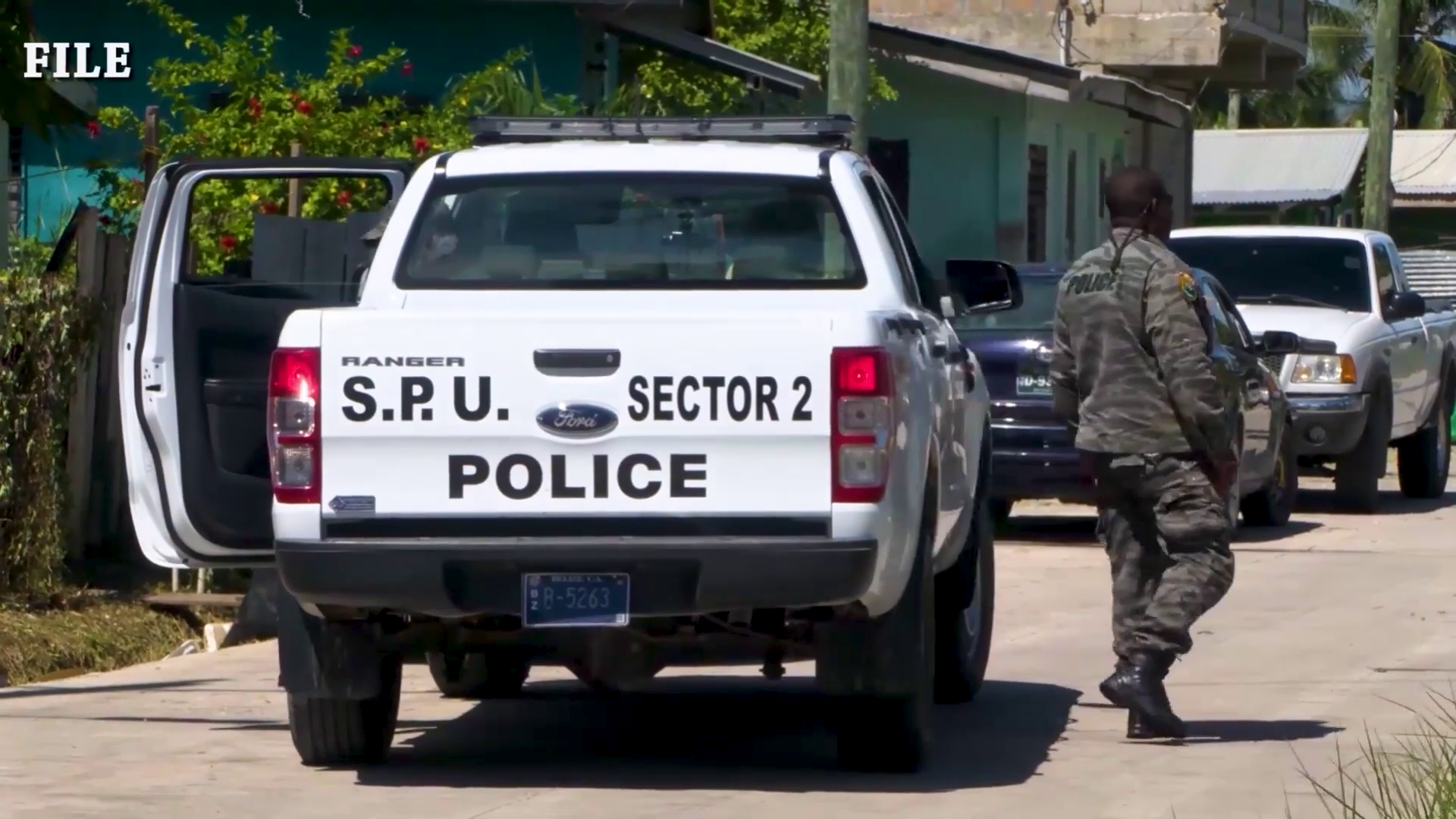
Less than a fortnight after Belize wrapped up a one-month State of Emergency (SOE) targeting gang-related criminal activity, a fresh wave of deadly violence has reignited public and political debate over whether the emergency security measures delivered on their promises. With growing public skepticism over the effectiveness of the government’s high-profile crackdown, local reporters pressed senior leadership at the Ministry of Home Affairs to address lingering questions: did the SOE achieve its core goals, or does the recent spike in killings prove the initiative fell short of its objectives?
In an exclusive response to media queries, Rear Admiral Elton Bennett, chief executive officer of the Ministry of Home Affairs, defended the multi-pronged policing strategy implemented during the SOE, pushing back against claims that the renewed violence invalidates the emergency measure’s impact.
Bennett explained that during the State of Emergency, authorities deployed a layered approach to address chronic gang violence concentrated in Belize City. The first pillar of the strategy was a aggressive, targeted law enforcement crackdown focused on high-risk hardened criminals and known gang affiliates. What was initially framed as a Belize City-focused operation was later expanded to outlying regional areas to ensure no high-priority targets could evade capture, Bennett said, noting that this hard-line intervention produced clear, positive results in disrupting criminal networks.
Crucially, Bennett emphasized that the hard enforcement action was always paired with complementary intervention and mediation initiatives designed to de-escalate long-standing inter-gang tensions. Even for suspects detained and incarcerated at the Kobe Foundation during the SOE, the League of Indigenous Unions (LIU) conducted regular engagement sessions, hosting between two and three mediation sessions for incarcerated individuals to address root causes of conflict between rival groups.
When directly asked whether the surge in violent incidents over the most recent weekend serves as a full indictment of the SOE’s work, Bennett flatly rejected that framing. “Not at all,” he stated, arguing that the individuals driving the recent violence are deeply entrenched in criminal activity and extremely resistant to behavioral change, regardless of the intervention efforts deployed by authorities.
“These individuals are very hard to crack and regardless of what intervention effort we may make attempt at, these individuals are very hard to deal with when it comes to changing their intent,” Bennett explained. “All we can do is to make every effort to have the hard police presence and try to achieve deterrence through policing efforts and make every effort to go into these individual communities, which we did to a large extent.”
The SOE, which covered Belize City and its surrounding rural communities, remained in effect for a full 30 days before being lifted by authorities earlier this month. This report is adapted from a transcript of an evening television newscast originally published by the local outlet.