作者: admin

  • Jealous man questions woman about her underwear, beats her

    Jealous man questions woman about her underwear, beats her

    A domestic violence case that unfolded in the Caribbean nation of St. Vincent and the Grenadines has concluded with a legal ruling holding an abusive partner accountable for his violent actions. 32-year-old Fidel Francois, a carpenter and mason from the Chauncey community, was handed down a sentence by Senior Magistrate Tamika McKenzie at the Kingstown Magistrate’s Court that requires him to pay EC$500 in immediate compensation to his 23-year-old former girlfriend Kittanna Codougan, also a resident of Chauncey. If Francois fails to meet the compensation requirement, he will face a five-month prison sentence.

    Francois entered a guilty plea to a charge of assault causing actual bodily harm, which was committed in Chauncey on the evening of March 20. The court heard full details of the incident and the history of the couple’s relationship, which had spanned more than nine months marked by repeated verbal and physical conflicts that were never reported to police before the March confrontation.

    The chain of events that led to the violent outburst began when the pair returned from the capital city of Kingstown and stopped at Rasto’s Bar in the South Leeward village. Codougan gave Francois money to purchase drinks as she had promised, then returned home early to begin cleaning. When Francois arrived at the residence minutes later, he was already consumed by suspicion that Codougan had been unfaithful. He confronted her, questioned what she had been doing, blocked her path when she tried to move past him, and ultimately stepped close to smell her clothing before demanding to know where she had been and whether she was wearing underwear.

    Codougan did not respond to the invasive questions and moved to the home’s porch to escape the confrontation, but Francois followed her and attempted to force her back inside. When she refused and instead walked toward the public road, Francois grabbed her, continued demanding she return inside, and escalated to brutal violence: he shoved her into a wall, punched and slapped her across multiple areas of her body, wrapped both hands around her throat, lifted her off the ground, and pressed her against the wall. After releasing her initially, Francois fled toward the road only to return and resume the assault. He then went into the home, retrieved a nail gun and attempted to power it to threaten Codougan, and when the tool failed to turn on, he returned inside and emerged carrying an axe and other tools, threatening to kill her.

    Local law enforcement from the Questelles Police Station was contacted immediately, and officers arrived within minutes to take Francois into custody. During court proceedings, Codougan told the magistrate she requested EC$5,000 in compensation, explaining that since the choking assault, she has experienced persistent depression, frequent crying spells, and ongoing pain in her neck and back. Medical evidence presented to the court confirmed Codougan suffered visible injuries including swelling, bruising, and superficial open wounds. She also told the court she no longer feels safe around Francois, and that he returned to her home after the attack and threatened to burn the property down.

    During mitigation, Francois pushed back on some details of the prosecution’s account. He admitted to smelling Codougan’s clothing, claiming he only acted after seeing another man leave the property when he returned from the bar, and said he only slapped her after she bit his shoulder. He denied choking her, lifting her, or pushing her against a wall, as well as denied threatening to burn down the home, claiming he only returned to retrieve a forgotten mobile phone. He told the court he felt regret shortly after the incident.

    Magistrate McKenzie rejected Francois’ claims of remorse, noting she found no genuine evidence of contrition in his statements and actions. She considered imposing a six-and-a-half-month prison term, but ultimately sentenced Francois to a nine-month good behavior bond set at EC$1,000, in addition to the immediate compensation order. If Francois violates the terms of his bond, he will be required to pay the full EC$1,000 immediately or serve six months behind bars.

  • $10b Afreximbank shield for C’bean, African economies amidst Gulf crisis

    $10b Afreximbank shield for C’bean, African economies amidst Gulf crisis

    Against the backdrop of an escalating Gulf crisis that has roiled global commodity markets and supply chains since late February, the African Export-Import Bank (Afreximbank) has launched a landmark $10 billion Gulf Crisis Response Programme (GCRP) to buffer vulnerable African and Caribbean economies, financial institutions and businesses from the fallout of the ongoing regional turmoil. The Gulf region stands as one of the world’s most critical hubs for core global commodities: it is a leading supplier of crude oil, liquefied natural gas (LNG) and agricultural fertilizers, while the Strait of Hormuz—one of the busiest and most strategically vital shipping chokepoints on the planet—carries nearly a fifth of the world’s daily oil consumption. When the crisis escalated, it sent immediate shockwaves across global trade and pricing systems, with developing economies in Africa and the CARICOM bloc disproportionately bearing the brunt of the disruption. The most severe impacts have fallen on nations that depend heavily on imports of fuel, food and fertilizers, as well as those whose trade routes rely on Gulf shipping corridors. Beyond commodity markets, the crisis has also upended foreign direct investment flows, crippled regional tourism sectors and cut off critical remittance inflows that millions of households rely on. Designed to address these overlapping vulnerabilities, the GCRP targets four core priorities to deliver immediate relief and build long-term stability. First, the program will provide urgently needed short-term foreign exchange and liquidity support to vulnerable member states, ensuring they can maintain uninterrupted imports of essential goods including fuel, LNG, food, fertilizers and pharmaceuticals. Second, it will empower African energy and mineral exporters to leverage shifting trade patterns and elevated commodity prices by expanding productive capacity for strategic raw materials, offering pre-export financing, working capital support and inventory financing to help market participants adapt to new trade routes. Third, the program delivers targeted short-term relief to member states whose tourism and aviation sectors have suffered steep losses from the crisis, helping these industries avoid permanent damage and maintain operations through the period of volatility. Finally, the GCRP includes a medium- to long-term resilience-building component, focused on expanding productive capacity for energy and mineral producers and exporters, while accelerating work on key energy, port and logistics infrastructure projects that were delayed by the crisis. Speaking on the program’s official launch on March 31, George Elombi, President and Chairman of Afreximbank’s Board of Directors, emphasized that targeted crisis response is core to the bank’s institutional mission. “We understand how our economies work and the pain points associated with these transitory crises,” Elombi noted. He added that the program will not only help African and Caribbean nations adjust smoothly to the current upheaval, but also strengthen their ability to withstand future shocks by supporting structural transformation of local economies. The GCRP is the latest in a series of timely emergency interventions rolled out by Afreximbank over the past decade. Previous initiatives have successfully helped cushion regional economies from the impact of major global shocks including the 2015/16 commodity price crash, the 2020/2021 COVID-19 pandemic, and the 2023/24 Ukraine crisis, building on the bank’s established track record of rapid, targeted support for developing economies in times of global instability.

  • Tancoo, Young clash over business closures

    Tancoo, Young clash over business closures

    A growing wave of business closures is sweeping across Trinidad and Tobago, triggering a bitter political blame game between the current United National Congress (UNC) administration and the former People’s National Movement (PNM) government over who is responsible for the country’s deep economic distress. Over the past three weeks alone, multiple well-established local businesses have announced permanent shutdowns or major restructuring, marking one of the sharper downturns for the private sector in recent memory. Among the latest closures is Bick’s Auto, a long-running auto parts supplier in Penal, which announced it would shut its Penal branch and hold a liquidation sale, even giving away bulk steel components for free to clear inventory ahead of closing. Kristina’s, a beloved local shoe retailer that has operated on Port of Spain’s Frederick Street for more than 30 years, also confirmed it would close that location at the end of April. In an emotional social media announcement, the brand framed the Frederick Street outlet as more than a store, noting it had been a community hub where generations of customers built relationships and made memories. While the chain’s nine other locations will remain open, the closure of the flagship branch has been felt deeply by local shoppers. Undercover Garden Centre, a popular Santa Cruz plant and gardening retailer, is also leaving its current location to prepare for relocation, though its weekly farmers’ market will continue operation under new management. Soapmakers Paradise, a Tacarigua-based craft supply business, announced its permanent closure after more than a year of attempting to stay open amid persistent operational challenges. The company explained that repeated struggles to access sufficient foreign exchange – a long-running pain point for local import-reliant businesses – ultimately forced the decision to shut down permanently, after the business had already extended operations for a year in response to customer requests. As the closure trend accelerates, the country’s top political figures have traded sharp accusations over which administration created the crisis. Current Finance Minister Davendranath Tancoo placed full blame on the previous PNM government, arguing that the outgoing administration’s flawed economic policies left the current government with an economy that had contracted by 20% when the UNC took power nearly a year ago. When asked directly for a message to struggling small business owners fighting to stay open, Tancoo declined to comment directly on their plight, instead hitting out at local media for failing to hold the prior PNM administration accountable for its economic mismanagement. He pushed back against critical coverage of the current government’s performance, claiming that the UNC has already rolled out a series of pro-growth policies that will drive a future economic resurgence, and argued that media outlets continue to ignore the lasting damage of 10 years of PNM rule. Former prime minister Stuart Young, representing the opposition PNM, rejected Tancoo’s claims and turned the blame back on the current UNC administration led by Prime Minister Kamla Persad-Bissessar. Young argued that the UNC’s own policy decisions have devastated the economy: he pointed to the government’s decision to lay off more than 40,000 public sector workers and sweeping tax increases implemented in the administration’s first national budget, which have left households with less disposable income and driven sharp increases in the cost of living. Young noted that small businesses are not just struggling, but closing at record rates, with bars and restaurants hit particularly hard by what he described as “inhumane” new tax policies. He also condemned Tancoo for hosting a celebratory government event amid widespread economic hardship, calling it a slap in the face to tens of thousands of struggling families who face food insecurity. Independent economic analysis has framed the current wave of closures as an expected growing pain amid a long, slow transition period for Trinidad and Tobago’s energy-reliant economy. Leading local economist Dr. Roger Hosein explained that persistent foreign exchange shortages, a core challenge that has forced multiple businesses to close, are a temporary issue tied to the country’s current energy production cycle. Hosein noted that while the next two and a half years will remain difficult for businesses, a gradual economic recovery is expected starting in 2027, when the new Manatee gas field and other small natural gas projects come online. The International Monetary Fund, which recently completed an official visit to the country, has also projected a gradual growth pickup between 2027 and 2030, which should ease foreign exchange constraints as energy export revenues rise. Hosein added that if proposed cross-border energy projects, including the Dragon gas field and development of Venezuelan gas reserves for processing in Trinidad and Tobago, move forward, the recovery will be even stronger. In the near term, he advised struggling businesses to prioritize survival strategies, including targeted cost cutting, expanded marketing and networking to boost sales, and hold on until improved economic conditions arrive.

  • WASA repairing leak at Beetham

    WASA repairing leak at Beetham

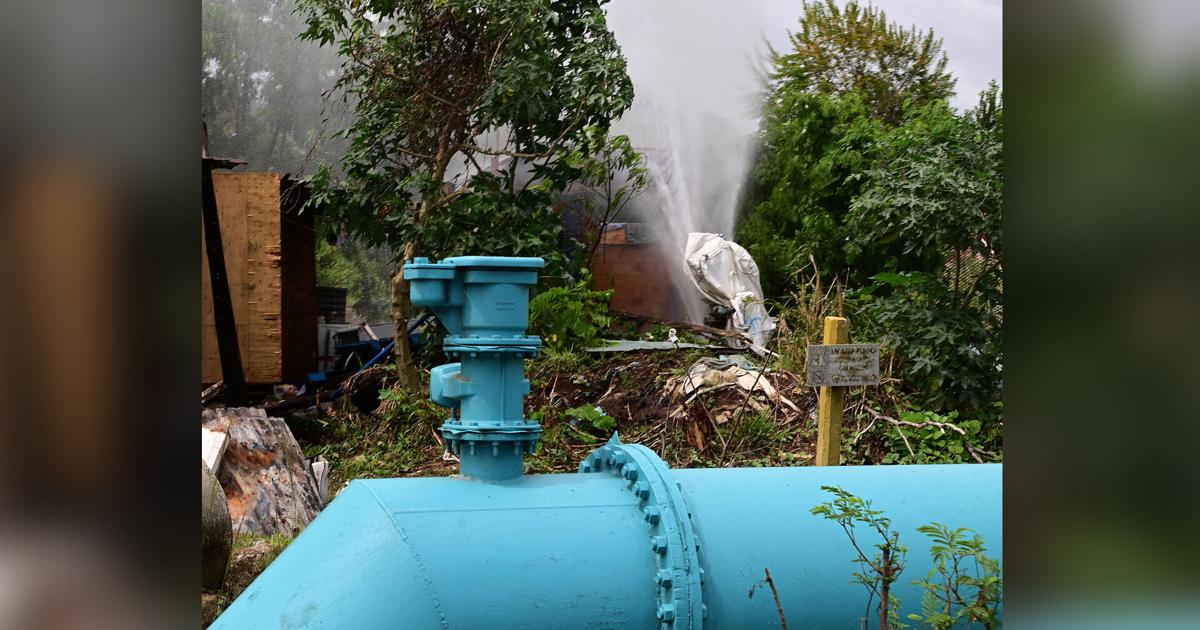
    A sudden significant leak on a critical 36-inch water transmission main in Trinidad’s Beetham Gardens has triggered widespread water service disruptions across more than 20 communities in and around Port of Spain, prompting the country’s Water and Sewerage Authority (WASA) to launch an emergency repair operation with a clear phased timeline for full service restoration. The incident was first reported on Monday, with WASA confirming the leak stemmed from a faulty air valve weld on the main artery that feeds the region’s water distribution network. According to WASA’s official statement, the leak immediately forced an unplanned shutdown of the El Socorro Booster Station and the adjacent El Socorro High Lift Station — two key facilities that maintain water pressure and flow to the greater Port of Spain area. The outage rippled across a wide swath of the capital region, cutting supply to neighborhoods including Knaggs Hill, Picton II Reservoir, Black River, Barataria, Laventille, Morvant, East Dry River, St Barbs, Gonzales, Long Circular, Dundonald Hill, Dibe, Woodbrook, St James, Cocorite, Belmont, Cascade and St Ann’s. An additional five zones along Boundary Road, Boundary Road Extension, Aranjuez Main Road, El Socorro Road and Don Miguel Road lost service when the High Lift Station went offline. WASA officials confirmed that responding teams activated emergency public safety protocols immediately after receiving the leak alert. To create a safe working environment for repair crews, teams have begun adjusting control valves and draining the affected section of the 36-inch booster line, a necessary preparatory step before full repairs can commence. The authority has laid out a step-by-step timeline for restoring service to affected areas: by 6 a.m. on the day following the leak detection, the El Socorro Booster Station will restart operations at 50 percent capacity, and the High Lift Station will be brought back online. Full 100 percent production at the booster station is projected to be achieved by 8 p.m. on April 7, 2026, bringing water systems back to full pre-leak operational capacity. WASA acknowledged that the unplanned outage has caused major inconvenience for residents and businesses relying on the distribution network, noting that crews are working around the clock to resolve the issue as quickly as possible. In a statement, the organization emphasized that the safety of frontline repair workers and the general public remains its top priority, and that repairs will not be rushed to cut timelines at the cost of long-term infrastructure integrity or worker safety. It also thanked affected communities for their patience during the restoration process. While WASA moves forward with repairs, the incident has drawn public criticism from local environmental non-governmental organization Fishermen and Friends of the Sea. Corporate secretary Gary Aboud, who shared a video of the active leak on social media, claimed that the leak is tied to broader systemic issues: he alleged that private residents have been illegally constructing properties directly on top of WASA-owned utility lines, creating avoidable risk to critical public water infrastructure. Aboud called on WASA to intervene to address the illegal construction and end the waste of clean drinking water, noting that the communities most in need of reliable water access are the ones hit hardest by the resulting outages. “It’s just not right that we should be so wasteful. It’s not right that lawlessness should be allowed to endanger the public good. And the people who need it (water) the most are suffering the most,” Aboud said in his social media post.

  • Kamla firm on Barnett

    Kamla firm on Barnett

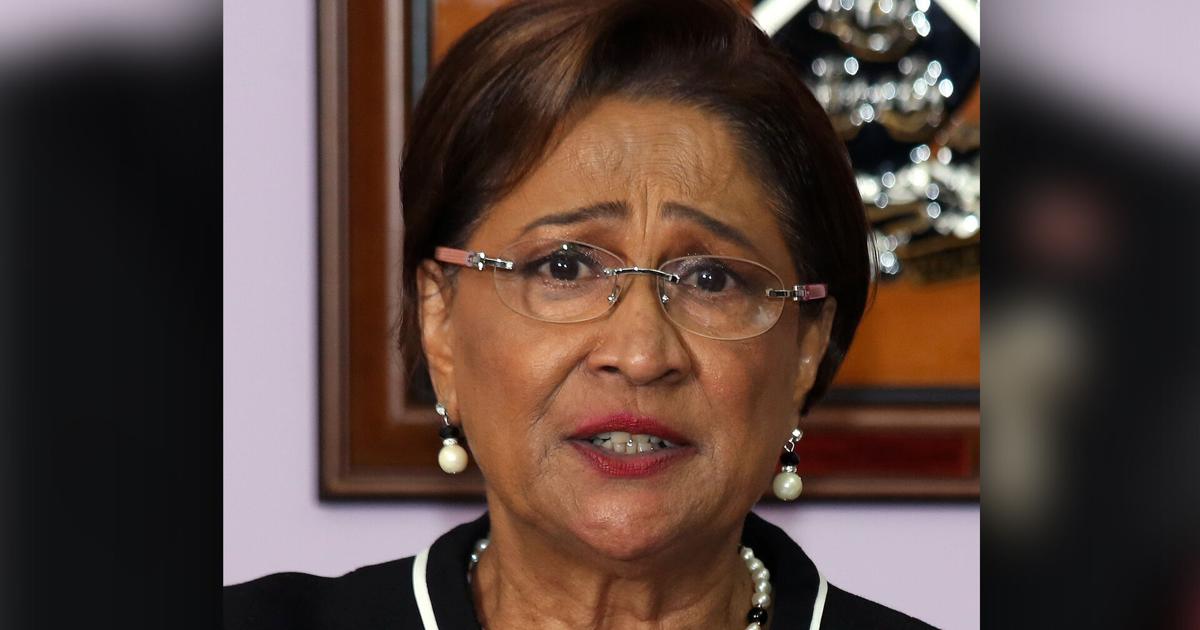
    A growing procedural dispute within the Caribbean Community (CARICOM) has taken center stage, as Prime Minister Kamla Persad-Bissessar of Trinidad and Tobago has doubled down on demands for full transparency surrounding the controversial reappointment of Secretary-General Dr. Carla Barnett.

    In a public statement shared to Facebook on Monday, Persad-Bissessar condemned the reappointment process as “surreptitious and odious”, and made clear her administration would not back down from challenging the outcome until the matter is addressed with full openness. While Trinidad and Tobago, CARICOM’s single largest budget contributor, remains fully committed to the regional bloc, the prime minister warned that her government would offer “no quarter” to the organization and its secretariat until procedural fairness is restored.

    Far from being an ordinary bureaucratic appointment, Persad-Bissessar emphasized the five-year term of the secretary-general carries sweeping long-term consequences for Trinidad and Tobago, touching core national priorities including economic trajectory, domestic security, regional integration efforts, and foreign policy direction. “In the interest of my citizens’ well-being, I will mercilessly, relentlessly, and if needed, ruthlessly publicly prosecute this matter until transparency is achieved,” she said.

    The row dates back to the 50th Regular Meeting of the Conference of Heads of Government hosted by St. Kitts and Nevis, where Dr. Barnett’s second term, set to begin in August 2026, was approved. Per the Trinidad and Tobago government’s account, the reappointment was never added to the meeting’s official provisional agenda, never debated or voted on during the public plenary session, and was only addressed during a closed-door heads of government retreat from which Trinidad and Tobago and other member states were barred from sending their authorized representatives.

    Trinidad and Tobago argues the process directly violates Article 24 of the Revised Treaty of Chaguaramas, the foundational legal framework of CARICOM, which requires the full Conference of Heads of Government to formally consider and approve all secretary-general appointments. In legal terms, the government maintains the reappointment is ultra vires, or outside the legal bounds of the treaty.

    Official objections have been moving forward for months: On March 25, 2026, Foreign and CARICOM Affairs Minister Sean Sobers formally submitted Trinidad and Tobago’s objection in an official letter to CARICOM Chair Dr. Terrance Drew. Two days later, Sobers reaffirmed the position on the floor of Trinidad and Tobago’s parliament. On March 31, the government sent two additional formal requests for clarification: one addressed to Drew and Barnett, asking for full details on when the item was added to meeting materials, what communications were sent to member states, whether post-meeting notifications were issued after the joint closing communiqué, and why the matter was treated as confidential. A separate request was sent by the Foreign Ministry’s permanent secretary to the Chef-de-Cabinet of the Secretary-General’s Office, seeking all relevant documentation related to the process.

    As of Persad-Bissessar’s latest statement, no response has been received from CARICOM leadership. The prime minister noted that past reappointments, including the 2016 selection, followed long-established, inclusive procedures that incorporated input from all heads of government, and the current process falls far short of CARICOM’s own written rules of procedure. “The people of Trinidad and Tobago who finance 22% of CARICOM’s budget deserve transparency, accountability, and faithful adherence to agreed rules,” she said.

    Addressing parliament last month, Minister Sobers expanded on the government’s position, arguing that the furtive process has already caused “irreparable harm” to the regional bloc, noting that Trinidad and Tobago was completely sidelined from the decision. He commended Persad-Bissessar for openly raising concerns about institutional shortcomings during the February CARICOM heads meeting, saying he hoped other regional and global leaders would show similar courage to address procedural gaps openly.

    Sobers stressed that all CARICOM citizens are owed confidence in the institution’s governance, which can only exist if all actions align with the Revised Treaty of Chaguaramas. As the bloc’s largest annual contributor, he added, Trinidad and Tobago is owed the basic respect of inclusive, rule-following process. The government has proposed placing the reappointment dispute on the official agenda for the next CARICOM Heads of Government meeting, scheduled to take place July 5-8 in St. Lucia.

    Despite the standoff, Sobers reaffirmed that Trinidad and Tobago remains committed to reforming and revitalizing CARICOM and its secretariat to ensure the institution meets the needs of the entire region. The government recognizes the critical importance of the CARICOM single market to private sector growth across the bloc, he noted, pointing out that Trinidad and Tobago is both the largest importer and largest exporter of goods within CARICOM. At its core, the dispute is a defense of national interests and institutional integrity, not a rejection of regional cooperation: “We are a country that abides by the rules of CARICOM. We conduct our business with transparency and accountability, and we expect the same for all within the community,” Sobers said. He also outlined the scale of Trinidad and Tobago’s annual contributions to core CARICOM institutions, including $35.5 million to the CARICOM Secretariat, $25 million to the CARICOM Development Fund, $1.4 million to the Caribbean Disaster Emergency Management Agency, $16.1 million to CARICOM IMPACS, $10.3 million to the Caribbean Examinations Council, $14 million to the Caribbean Public Health Agency (CARPHA), $23.3 million to the Caribbean Industrial Research Institute, and $1.3 million to the CARICOM Competition Commission.

  • Authorities using ‘soft power’ on youth violence — for now

    Authorities using ‘soft power’ on youth violence — for now

    A growing wave of youth and gang-related violence across schools and public spaces in St. Vincent and the Grenadines has pushed national security and law enforcement officials to outline a graduated response, with community and family-focused soft power interventions as the first step, while explicitly leaving the door open for stricter hard power measures if the crisis escalates.

    Recent high-profile incidents have underscored the urgency of the problem. On March 1, 2026, 17-year-old student athlete Alia McDowall died 16 months after she was stabbed in the throat outside her Peters Hope school. Just weeks later, a brutal chopping death of a man known as Munt-I in Barrouallie on March 23 was filmed and widely shared across social media platforms, drawing public outrage over the glorification of violence. Multiple violent altercations have also been recorded at secondary schools across the country, including a widely circulated video of a brawl between two students at Barrouallie Secondary School that came after McDowall’s death. Police have even documented one case of a parent being arrested for fighting with students at that same institution.

    West St. George Secondary School (WSGSS), a 21-year-old secondary campus, has emerged as a key focal point of the crisis. During a March 10 consultation on school violence hosted by the Ministry of National Security and the national police force, WSGSS principal Afi Marti detailed a litany of persistent issues plaguing the school: open gang affiliation among students, ongoing violence, bullying, illegal marijuana trade and consumption on campus, widespread disregard for institutional authority, and the circulation of explicit sex tapes involving students. Police confirmed that students at WSGSS have openly aligned themselves with two competing criminal factions, the Sixx and 7even gangs.

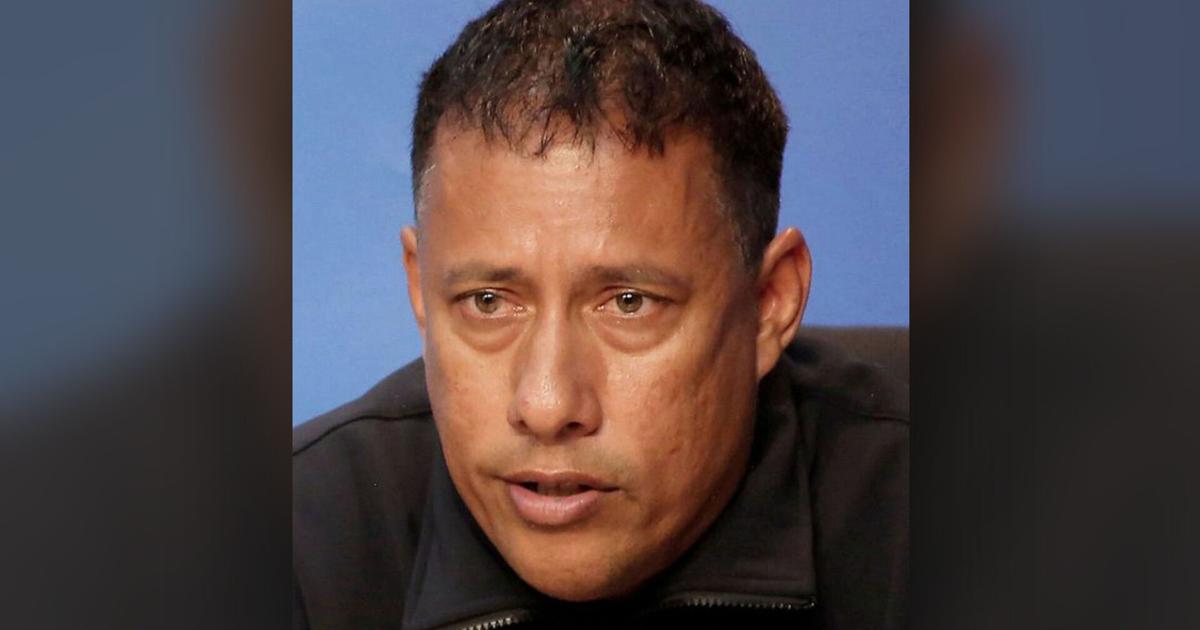
    Speaking at an official press conference in Kingstown on April 1, 2026, Commissioner of Police Enville Williams shared updates on law enforcement’s actions at WSGSS following the principal’s disclosure. Authorities conducted targeted searches of the campus, and seized a large cache of scissors and other prohibited items, similar to contraband confiscated from students at a recent inter-secondary school sports competition. Williams emphasized that the problem of students bringing weapons and edged tools to school is not isolated to WSGSS, noting that most of the seized scissors are intended for cutting marijuana, a reality officials can no longer afford to ignore.

    Williams outlined law enforcement’s preferred approach, stressing that he and national security leaders prioritize soft power interventions over aggressive, intrusive measures. He said officials want to avoid the step of stationing permanent police officers in schools, a model already implemented in neighboring Trinidad and Tobago that Williams argued would be counterproductive for St. Vincent and the Grenadines’ small, close-knit society. Instead, he made a public appeal to parents to take a proactive role by checking their children’s bags, ensuring no weapons or prohibited items are brought to campus. He also called on parents to act as peacemakers, urging them to pursue official legal and school channels to resolve conflicts rather than encouraging retaliation and providing children with weapons to carry to school, which only perpetuates the cycle of violence.

    The police commissioner also called out the role of social media and bystanders in fueling violence, noting that onlookers often film fights and other violent altercations for likes and shares instead of intervening to stop the conflict. He warned that sharing graphic violent content violates the country’s Cybercrime Act, and explained that widespread circulation of these videos encourages copycat violence, as perpetrators seek the same social media attention. Williams urged a return to St. Vincent and the Grenadines’ traditional community values, where adults teach children to reject criminal behavior and uphold shared standards of right and wrong.

    National Security Minister and Chairman of the Regional Security System (RSS) Leacock echoed the commitment to soft power first during the press briefing, confirming that the regional security bloc stands ready to provide additional assistance if the situation spirals beyond local control. Leacock noted that a top priority for RSS member states is harmonizing cross-border legislation to crack down on gangs, illegal firearms, and criminal activity in schools, echoing the ongoing national debate in Trinidad and Tobago over whether permanent police presence in schools is the right solution.

    Leacock pointed to existing soft power initiatives already underway, including a public outreach campaign run by the National Broadcasting Corporation designed to steer young people away from violence. He also noted that family breakdown is a root cause of much of the rising youth violence, emphasizing that the family remains the foundational unit of society. Leacock stressed that while RSS backup is available if needed, national leaders hope and pray that escalating to more extreme hard power measures will not be necessary.

  • ‘THREATS’ TO STRAY CATS

    ‘THREATS’ TO STRAY CATS

    Unconfirmed reports of a planned poisoning campaign targeting stray cats at Trinidad and Tobago’s iconic Caroni Bird Sanctuary have sparked urgent action from animal welfare advocates and concerned community members, who gathered at the ecologically sensitive site on Wednesday to demand the adoption of long-term, humane population control strategies instead of lethal cruelty.

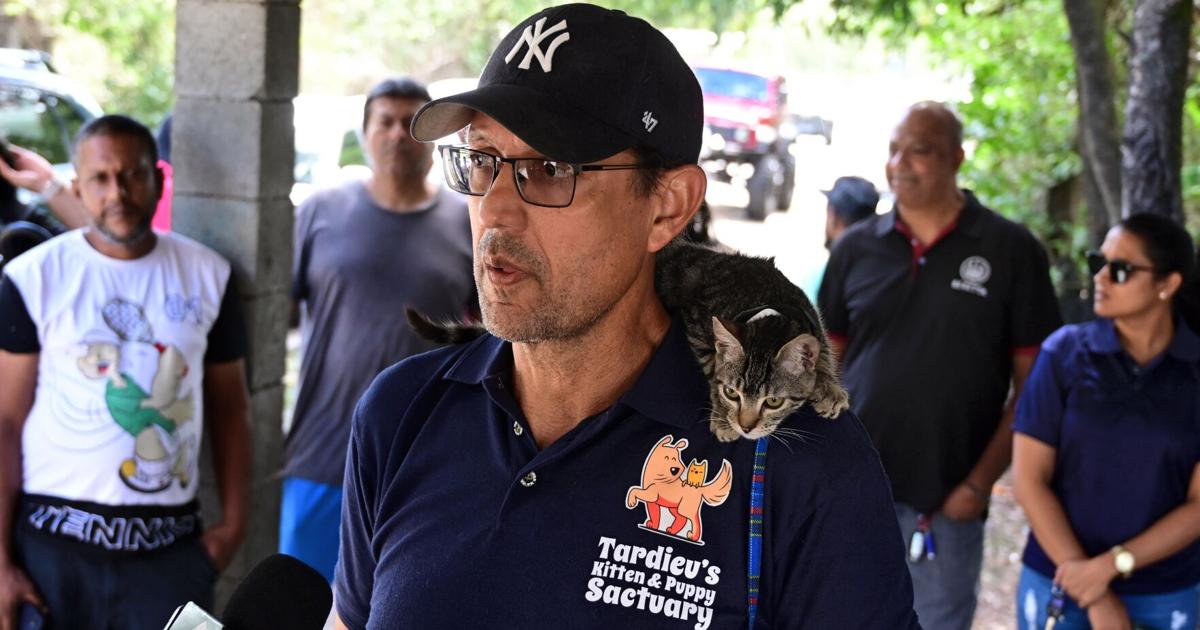
    A group of 12 demonstrators, led by Clifford Tardieu, founder of the Valencia-based Tardieu Kitten and Puppy Sanctuary, used the gathering to feed at-risk stray cats and rescue vulnerable animals—just moments before speaking to local media outlet *Express*, Tardieu pulled three abandoned kittens from the sanctuary grounds, animals he noted would almost certainly have perished without human intervention. Tardieu explained the demonstration was organized after advocates received unconfirmed tips that local parties intended to poison the feral cat colony that roams the popular tourist site.

    Tardieu, a lifelong animal rescuer, emphasized that poisoning is not only morally abhorrent but also ecologically destructive and ultimately ineffective at solving overpopulation. Unlike quick, painless death, he explained, poisoned animals suffer prolonged, agonizing decline, creating dangerous ripple effects throughout the Caroni ecosystem. Scavenging species native to the sanctuary—including vultures and local crab populations—often feed on the carcasses of poisoned animals, leading to secondary poisoning across the food chain. Toxic compounds from poison can also seep into local soil and water systems, damaging the fragile wetland habitat that draws thousands of tourists to the site each year.

    “It becomes a trickle-down effect—this is no longer just an issue for the cats, the entire ecosystem is put at risk by one single cruel action,” Tardieu told reporters. He further argued that the premeditated nature of poisoning, which requires hiding poison in food to lure unsuspecting animals, reveals a dangerous lack of conscience that could extend beyond harming animals.

    Beyond the environmental and ethical harms of poisoning, Tardieu noted that culling entire feral colonies does nothing to fix the root cause of overpopulation: the ongoing abandonment of unsterilized pets. Even if all current stray cats were killed, he explained, the empty territory created by a cull would quickly be repopulated by new fertile stray animals that are dumped in the area, allowing populations to rebound rapidly. Tardieu added that many of the existing stray cats at the sanctuary have already been sterilized, meaning their removal would only clear space for unsterilized animals to breed unchecked.

    Instead of lethal control, Tardieu called for cross-sector collaboration between the Trinidad and Tobago government and private businesses to build a network of professionally managed, humane animal sanctuaries across the country. His vision for these facilities includes large, open enclosures—some as big as a football field—where rescued animals can live in near-natural conditions with consistent access to food and veterinary care, with humane euthanasia only used as a last resort for terminally ill or severely injured animals that cannot be saved.

    Tardieu also highlighted the potential economic benefits of such a network, noting that the Caroni Bird Sanctuary already generates significant foreign exchange from international tourism, many of whom enjoy interacting and feeding the site’s stray cats. A purpose-built sanctuary on-site could become an additional tourist attraction, generating ongoing revenue to support animal care while addressing the overpopulation problem. Decentralizing sanctuaries across regions including Arima, Valencia, San Fernando and Mayaro, he added, would prevent overcrowding at any single facility and reduce the incentive for people to dump unwanted animals in protected natural sites like the Caroni Bird Sanctuary.

    While the most proven long-term solution to stray overpopulation remains widespread trap-neuter-return (TNR) programs, Tardieu explained that independent rescuers across the country—estimated at roughly 100 people total—are stretched dangerously thin by a lack of funding and resources. All 256 animals currently housed at his own sanctuary have been sterilized, he noted, but independent operations cannot keep up with growing demand without public and private support. He called for the government to subsidize spay and neuter procedures and for private companies to contribute funding and logistical support to expand access to population control services.

    In a public statement released amid the demonstration, Nanan Caroni Bird Sanctuary Tours, the main tour operator at the site, distanced itself from any planned poisoning, noting that it has already implemented its own humane TNR program for the sanctuary’s cat colony, which an official estimates numbers between 50 and 75 animals. The company emphasized that it shares advocates’ commitment to cat welfare and has already taken steps to manage the population humanely, including organizing regular feeding stations, advocating for cat adoptions, and collaborating with animal welfare groups to monitor the colony.

    “There is no verified evidence of intentional harm to cats at the sanctuary,” the company’s Facebook post read. “What we do know is that unmanaged populations lead to suffering, and that’s what we are addressing with a structured humane programme.” The company echoed Tardieu’s point that culling and removal do not solve overpopulation, noting that removing entire colonies creates a “vacuum effect” that draws new stray cats into the area. “The only proven humane method is sterilisation and population control,” the statement read, adding that the sensitive ecological status of the site requires a structured, thoughtful approach that protects both cats and native wildlife. The company called on all stakeholders to work together toward a shared solution and shared contact information for anyone with information about potential harm to cats.

    In an official press release responding to the public outcry, Trinidad and Tobago’s Ministry of Agriculture and Fisheries reminded the public that animal cruelty is a criminal offense under the country’s Summary Offences Act and Animals (Diseases and Importation) Act. While the ministry did not directly reference the reported planned poisoning at Caroni, it condemned animal cruelty as “heinous and inhumane” and reiterated the government’s unwavering commitment to protecting animal welfare across the country. The ministry called on any member of the public with information about actual or planned animal cruelty to contact local police or the ministry via its dedicated toll-free tip lines, to ensure offenders are held accountable under the law.

  • Gary: ‘Begging’ won’t help

    Gary: ‘Begging’ won’t help

    A former top Trinidadian law enforcement official has pushed back against recent calls for public cooperation with police, arguing that meaningful public support can only be earned through structured institutional reform, enhanced accountability, and updated operational practices — not by simply begging citizens to step forward.

    Gary Griffith, who previously served as Commissioner of Police, made his remarks in response to recent comments from Homeland Security Minister Roger Alexander. During a recent media interview, Alexander urged members of the public to share actionable intelligence with police to help combat the country’s persistent crime challenges. In a public statement posted to his Facebook page yesterday, Griffith acknowledged that Alexander’s call for greater public collaboration is a reasonable starting point, but stressed that urging citizens to participate without addressing systemic barriers will not deliver the crime-fighting results the government is seeking.

    Griffith explained that law-abiding residents are extremely reluctant to change their long-standing patterns of behavior and share sensitive information with authorities, especially when widespread concerns about personal safety and institutional trust remain unaddressed. While he affirmed that human intelligence is the single most critical asset in effective crime fighting — with ordinary residents often holding key details that can solve or prevent serious offenses — he noted that robust protective mechanisms must be in place to allow people to come forward without fear of violent retaliation from criminal groups.

    To illustrate his point, Griffith pointed to a series of public engagement initiatives rolled out during his tenure as police commissioner that were designed to lower barriers to reporting. These included open direct communication channels between residents and senior police leadership, a dedicated police mobile app, and secure online incident reporting systems that allowed people to share information without exposing their identity or requiring an in-person visit to a local police station. He also highlighted the former Gender-Based Violence Unit, which deployed specially trained officers to take reports from survivors in their own homes, a model that directly addressed concerns about confidentiality and sensitivity and drove measurable increases in reporting rates. Griffith claimed that the rollback or elimination of these successful programs has directly contributed to a sharp drop in public engagement with law enforcement.

    Beyond accessible reporting systems, Griffith emphasized that internal accountability within the Police Service is non-negotiable for rebuilding public trust. For the public to actively cooperate, he said, residents must have full confidence that officer misconduct will be investigated and addressed promptly, and that all policing activities are carried out to professional, service-first standards. He again referenced reforms implemented during his tenure, including the rollout of body-worn cameras for patrol officers, mandatory polygraph testing for new and serving personnel, and specialized ethics and community engagement training — measures he said significantly boosted transparency and public confidence. Griffith expressed deep concern that these systems are no longer fully operational or consistently enforced under current leadership.

    Griffith also criticized current policing strategy, calling out the continued heavy reliance on roadblocks as a primary enforcement tool. He argued that this approach represents an outdated, reactive model of policing that does not align with the intelligence-led best practices used by effective law enforcement agencies across the globe. By contrast, he noted, the proactive traffic management and sustained community engagement strategies his administration implemented helped build far higher levels of public trust and voluntary cooperation.

    The former commissioner concluded that eroding public confidence does not just harm citizens — it also damages police morale, as reduced trust cuts off the flow of actionable intelligence officers need to do their jobs safely and effectively. He stressed that improving police-public relations requires deep institutional change, including policies that prioritize accountability, protect civilian informants, and embed consistent professionalism across all ranks. While Griffith said he fully supports the goal of greater public cooperation to fight crime, he made clear that this outcome can only be achieved after the government implements systemic changes that directly address the public’s core concerns and rebuild confidence in law enforcement.

  • Digital Nomad Summit Santo Domingo boosts DR’s global profile with new speakers and cross-border initiatives

    Digital Nomad Summit Santo Domingo boosts DR’s global profile with new speakers and cross-border initiatives

    The Dominican Republic’s ambitions to claim the title of a leading regional hub for remote work, innovation, and cross-border commerce took a major step forward this week, as organizers of the Digital Nomad Summit Santo Domingo (DNS) announced key updates to its upcoming 2026 program, confirmed high-profile speakers, and expanded institutional and strategic partnerships.

    Organized by Successment, Latin America’s top specialist firm for innovation and revenue operations focused on emerging market ecosystems, the DNS has grown into the premier global gathering connecting entrepreneurs, investors, policymakers, and global digital talent across the Caribbean and Latin America corridor. This year’s event builds on that momentum with new programming designed to turn conversation into tangible commercial and collaborative action.

    Three leading figures from the Dominican public and private sectors have been confirmed as keynote speakers, each bringing unique perspective to the country’s growing innovation competitiveness. Arlette Palacio, who leads the Sustainability Committee at the American Chamber of Commerce in the Dominican Republic (AMCHAMDR) and serves as founder and CEO of education innovator Educology, will explore how sustainable practices, intentional talent development, and private-sector leadership combine to build world-class competitive innovation ecosystems. Armando J. Manzueta Peña, Vice Minister of Innovation & Technology at the country’s Ministry of Public Administration (MAP), will deliver insights on public service modernization, the expansion of digital government infrastructure, and building citizen-centric economic frameworks that support long-term productive growth. Rounding out the confirmed speaker lineup is Biviana Riveiro, Executive Director of ProDominicana, who will outline the Dominican Republic’s national strategy to grow services exports, boost global competitiveness, and cement the country’s position as the go-to regional hub for cross-border innovation.

    Beyond keynote programming, DNS is rolling out two new core initiatives designed to foster real-time business connections. The first is a dedicated startup track, headlined by a national and regional pitch competition being developed in partnership with leading Dominican institutions, with final sponsorship backing from groups including Eurocámara RD currently in the final stages of confirmation. This track is explicitly designed to elevate emerging homegrown and regional founders, turning the summit itself into an active deal-making environment for early-stage investment and partnership. The 2026 edition will also expand cross-border innovation collaboration, connecting Dominican public and private institutions with global and regional peers across key sectors aligned with digital nomad and remote work growth: real estate, tourism, technology, policy, foreign investment, and diaspora capital mobilization.

    Organizers have also confirmed a new Digital Nomad Influencer Roundtable, featuring a roster of creators with deep established reach among U.S. audiences and digital nomad communities: Nicole (@itsnickiiabreu), Rosalyn (@smartcaribbean), Julio & Anthony (@dominicanbridge), and Jay (@iamjayabroad). The roundtable will focus on elevating the Dominican Republic’s profile as an attractive destination for global remote workers and location-independent professionals. Confirmed media partners for the event include leading local online outlet Dominican Today and leading business publication Periódico elDinero, while discussions are ongoing with a slate of high-profile potential sponsors including Arajet, ProDominicana, Google, SoftBank, Mastercard, Visa, the Dominican Ministry of Tourism, ADOEXPO, BanReservas, Asociación Cibao, UNIBE, and PUCMM. Organizers project total attendance will surpass 300 regional and international business and policy leaders.

    Two exclusive global debuts are also scheduled for the 2026 summit. DNS will host the worldwide launch of the *Dominican Innovation & Transnational Export Report 2026 (DITER 2026)*, endorsed by leading Dominican academic institution INTEC and small business development body Promipymes. The report will deliver granular, up-to-date data on the current state of the Dominican Republic’s innovation economy and its export competitiveness for global stakeholders. Successment will also publicly launch ZARI Mobility, the Dominican Republic’s first fintech platform focused on risk modeling, built to expand financial inclusion and support data-driven decision-making for businesses and investors operating in emerging markets.

    In a statement shared alongside the program announcement, Jonathan Joel Mentor, Principal and CEO of Successment and founder of the Digital Nomad Summit Santo Domingo, framed the event as a turning point for the region’s innovation ecosystem. “The Dominican Republic is no longer talking about innovation—we’re executing it. The Digital Nomad Summit is where global and local actors come together to build real commercial relationships across borders. Our goal is simple: create a deal-room environment where the Dominican Republic stands as the Japan of the Caribbean—disciplined, competitive, and open for global business. This Summit is an inflection point for the region’s innovation economy.”

    Now established as the Caribbean-LATAM Corridor’s leading event at the intersection of innovation, remote work mobility, and cross-border commerce, DNS brings together public sector leaders, global investors, international digital talent, and private-sector innovators to reimagine competitiveness for emerging market economies. More information about the event, registration, and updates can be found on the official summit website at www.digitalnomadsummit.co.

  • COE expands weather alerts as heavy rains continue across Dominican Republic

    COE expands weather alerts as heavy rains continue across Dominican Republic

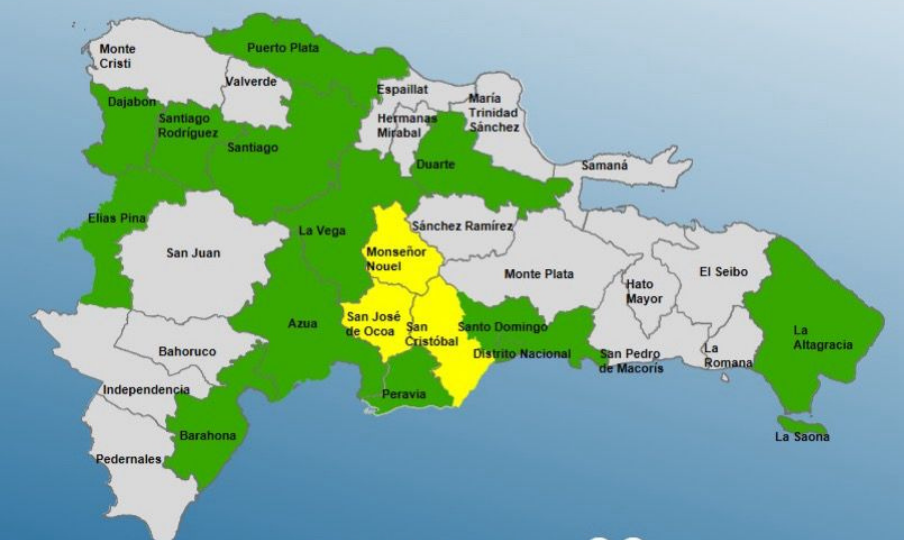
    SANTO DOMINGO — A low-pressure trough paired with moisture-laden east-southeast winds has triggered widespread rainfall across the Dominican Republic, prompting emergency officials to roll out tiered weather alerts across 15 administrative regions of the country. The nation’s Emergency Operations Center confirmed Tuesday that three central and southern provinces have been placed under yellow alert, the second-highest warning level for imminent hazardous weather, while 12 additional provinces and the National District remain under lower-level green alert conditions.

    The three regions placed under yellow alert, which calls for heightened preparedness for potential weather-related emergencies, are Monseñor Nouel, San José de Ocoa, and San Cristóbal. Under the green alert designation, authorities continue monitoring conditions for potential deterioration in popular and populated areas including the capital province of Santo Domingo, the second-largest city Santiago, coastal tourist hub Puerto Plata, La Vega, La Altagracia — home to the major resort destination Punta Cana — and Duarte, among other zones.

    Forecasters from the Dominican Institute of Meteorology note that the unstable weather pattern has already brought rain events of varying intensity to almost every corner of the country. Over the coming hours, the agency predicts the unsettled conditions will persist, bringing moderate to intense downpours, scattered thunderstorms, and even the possibility of small hail accumulations across multiple alert-level provinces.

    In line with the alert declarations, national emergency management officials have issued clear public safety guidance to avoid preventable weather-related accidents. Residents and visitors in affected regions are strongly urged not to attempt crossing swollen rivers, streams, or steep ravines where water levels have risen rapidly, and to avoid all recreational water activities in the declared alert zones until conditions improve.