作者: admin

  • Sixteen new certified tour guides graduate in Kalinago Territory under UNDP-supported programme

    Sixteen new certified tour guides graduate in Kalinago Territory under UNDP-supported programme

    Sixteen Kalinago Territory community members have officially become certified professional tour guides, marking a major milestone in efforts to grow inclusive, community-led indigenous tourism and expand local economic opportunity across the region.

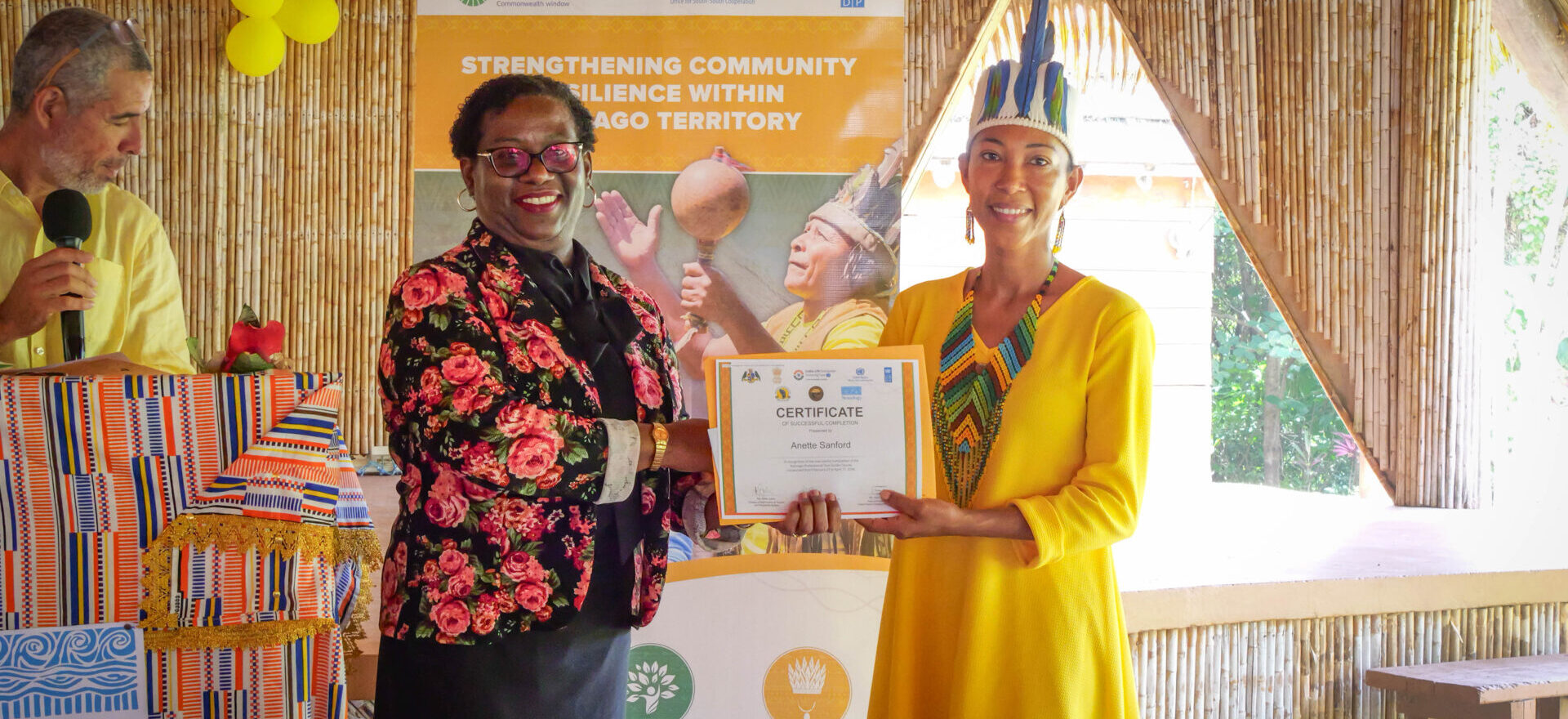
    The graduating cohort, made up of 10 women and six men, completed a rigorous, months-long training initiative before receiving their certification during a formal ceremony hosted at Barana Autê. The event drew a cross-section of attendees, including senior Dominican government officials, Kalinago community leadership, representatives from international development partners, local institutional stakeholders, and family members of the graduates, who gathered to honor the participants’ hard work and reaffirm shared commitments to sustainable, community-centered tourism development in the territory.

    Among the distinguished guests in attendance were Cozier Frederick, Dominica’s Minister for Environment, Rural Modernisation, Kalinago Upliftment and Constituency Empowerment; Annette Sanford, Chief of the Kalinago people; Duane Silverstein, Executive Director of conservation non-profit SeaCology; delegates from Dominica State College; members of the Kalinago Council; UNDP representatives; and other invited stakeholders.

    The training programme was organized through a collaborative partnership between the Kalinago Council, Dominica State College, and the Dominica Hotel and Tourism Association. Joint funding for the initiative was provided by the Strengthening Community Resilience in the Kalinago Territory (SCR-K) Project and SeaCology. The SCR-K Project itself is financed by the Government of India and implemented by the United Nations Development Programme (UNDP) in coordination with the Government of Dominica through the Ministry of Environment, Rural Modernisation, Kalinago Upliftment and Constituency Empowerment. The broader initiative works alongside the Kalinago Council and other local and national partners to build resilient local livelihoods through a range of focus areas: climate-smart agriculture, sustainable forest management, eco-indigenous tourism, and community capacity building.

    UNDP officials note that the tour guide training perfectly embodies the collaborative, community-centered approach at the core of the SCR-K Project. The Kalinago Council had already prioritized tour guide capacity building as a key step to grow tourism within the territory, and the initiative aligns directly with one of the SCR-K Project’s core objectives: expanding access to training for micro, small, and medium-sized enterprises (MSMEs) and tourism stakeholders in the eco-indigenous tourism sector. By aligning with the council’s existing priorities and partnering with local and organizational stakeholders, the project avoided redundant efforts and maximized long-term development impact for the community.

    Run from February 21 to April 4, 2026, the curriculum blended structured classroom instruction with hands-on fieldwork and practical exercises to equip participants with the full range of knowledge and skills needed to deliver authentic, high-quality visitor experiences. Instruction was led by faculty from Dominica State College, with additional technical support provided by the Dominica Hotel and Tourism Association. The curriculum covered a diverse set of core competencies: tourism industry fundamentals, Kalinago Territory history, cultural and heritage interpretation for Kalinago traditions, local flora and fauna identification, birdwatching and natural heritage interpretation, customer service, professional ethics, emergency first aid, and practical on-the-ground tour management techniques. To earn their certification, graduates were required to pass both comprehensive written examinations and hands-on practical assessments.

    Addressing the gathering of graduates and guests, Minister Cozier Frederick emphasized that the training represents far more than just learning tour leadership skills. “Guide training is far more than learning how to lead a tour. It is about becoming ambassadors of our people, our culture, and our environment. Through proper training, we preserve and share our history with accuracy and pride. We provide visitors with meaningful and memorable experiences that reflect the true identity of our community. We also develop the knowledge and skills to ensure the safety and well-being of those in our care. Guide training creates valuable employment opportunities and strengthens our tourism industry by promoting professionalism and excellence. Most importantly, it inspires us to protect our natural environment and cultural heritage so that future generations can continue to benefit from them,” Frederick said.

    Kalinago Chief Annette Sanford also commended the graduates for their dedication throughout the programme, and reminded them of their unique responsibility to share the authentic history and identity of the Kalinago people with the world. “As tour guides, you now hold a very special responsibility. You have the privilege of telling the Kalinago story the way it deserves to be told. For many years, textbooks and outside narratives have misrepresented who we are. We have often said that these stories need correcting. Well, we are part of that correction. Every visitor we guide gives you an opportunity to tell the truth. Tell them our story with confidence. Tell it with pride. Tell it with authenticity,” Sanford stated.

    Speaking on behalf of UNDP, Project Analyst Sawana Fabien noted that the graduation ceremony marks far more than the successful completion of a single training course. “Today is a celebration of commitment, perseverance, and your willingness to invest in yourselves, your families, and your community. When the Kalinago Council identified this training as one of its priorities, the SCR-K Project responded because we believe development should be driven by the aspirations of communities themselves – not by what a project thinks a community needs. That is the essence of partnership, and I believe the relationship between UNDP, the Government of Dominica, the Kalinago Council, and our implementing partners is one that should be celebrated. Our commitment does not end today. We remain committed to working alongside the Kalinago people, listening to your priorities, strengthening local capacity, and building partnerships that create opportunities for today and for future generations,” Fabien said. She added that the SCR-K Project centers its work on building community resilience by investing in people, local institutions, and collaborative partnerships, so communities have the skills, confidence, and access to opportunity needed to lead their own sustainable development trajectories.

    SeaCology Executive Director Duane Silverstein also reaffirmed his organization’s longstanding commitment to supporting conservation and community-led development initiatives that protect the Kalinago Territory’s one-of-a-kind natural and cultural heritage.

    Looking ahead, the newly certified guides are expected to play a transformative role in advancing the Kalinago Territory’s long-term vision for indigenous tourism, while opening new pathways for local employment, community entrepreneurship, and grassroots leadership. As Dominica prepares for a projected increase in international visitor arrivals, driven in part by the expansion of the country’s tourism infrastructure including the opening of a new international airport, the training programme ensures the Kalinago Territory is well-positioned to welcome guests with authentic, high-quality cultural and nature-based tourism experiences.

    Beyond equipping individual participants with marketable professional skills, the initiative is also expected to strengthen the Kalinago community’s ability to manage tourism growth sustainably, safeguard irreplaceable cultural heritage, and ensure that the full economic benefits of tourism development remain within the local territory. UNDP confirms that the SCR-K Project will continue its work alongside the Kalinago Council and its partner organizations to support additional initiatives that build resilient local livelihoods, empower indigenous communities, and preserve the Kalinago Territory’s distinctive cultural and environmental heritage for future generations.
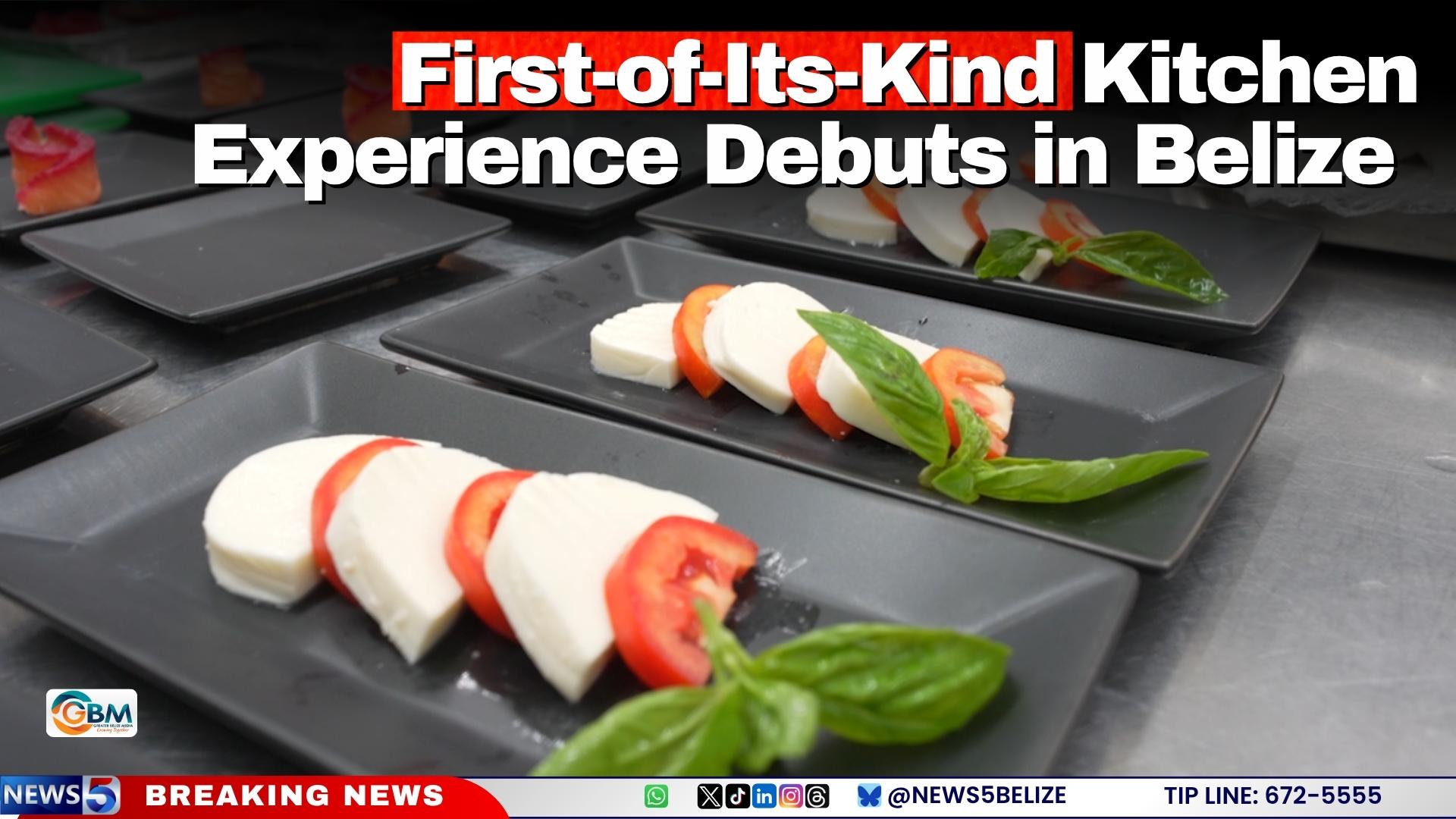

  • First-of-Its-Kind Kitchen Experience Debuts in Belize

    First-of-Its-Kind Kitchen Experience Debuts in Belize

    On July 1, 2026, Central American nation Belize welcomed a one-of-a-kind culinary innovation when 3 Senses Lounge, a restaurant located in the scenic Vanilla Hills region of Cayo District, launched its inaugural interactive kitchen party experience. This new concept marks an unprecedented shift in Belize’s dining landscape, inviting diners to step beyond the traditional dining room and directly into the heart of the restaurant’s kitchen space.

    The brainchild of co-owners Claudia Konig and Franklin Syrowatka, the experience revolves around a core, straightforward mission: to connect diners to the full story behind every dish they enjoy. Under this new model, the kitchen is reimagined not as a closed-off back-of-house workspace, but as a performance stage open to guests at any point during their visit. Diners can watch their meals take shape firsthand as skilled chefs work right in front of them, before sampling dishes from a curated 17-item tasting menu that can be customized to each guest’s preferences, including portion sizes and visit frequency.

    For the restaurant’s leadership, transparency is at the heart of the new offering. Syrowatka emphasized that the kitchen itself is a key part of the experience the team wants to share with visitors. “We are extremely proud of every part of our operation, from the purpose-built kitchen space and state-of-the-art appliances to the meticulous process we follow to craft elevated cuisine,” he explained. “High-level cooking is far more than the finished plate that hits the table — it involves hours of careful preparation and intentional technique, and we want to give the public a chance to see that process unfold directly.”

    Sous-chef Luis Maroquin, who leads much of the in-kitchen preparation for the experience, noted that the open-kitchen format fundamentally reshapes the relationship between diners and their food. For most restaurant goers, the entire cooking process happens out of sight: guests receive a finished plate, but never get to see how it was assembled, how plating decisions were made, or how a chef’s creative idea transforms from a concept onto the plate. “This experience changes that,” Maroquin said. “Now, diners can walk away saying they saw the entire creative process come to life right in front of their eyes.”

    While interactive open-kitchen dining concepts have grown in popularity across major global food scenes, Konig confirmed that this is the first permanent offering of its kind in Belize. “I have never encountered any similar dining experience anywhere in the country, so this is truly a first for Belize’s culinary community,” she said. The launch paves the way for a new style of immersive dining in the country, blending culinary craft with interactive entertainment for food locals and tourists alike.

  • Edline Harris unveiled as Roseau South candidate, promises community-centred leadership

    Edline Harris unveiled as Roseau South candidate, promises community-centred leadership

    Dominica’s United Progressive Party (UPP) has formally unveiled Edline Harris as its electoral candidate for the Roseau South constituency, framing her as a deeply connected local leader dedicated to advancing community interests ahead of the upcoming vote. At her official launch event, Harris accepted the party’s nomination, framing her candidacy as a natural extension of lifelong ties to the area and a deeply rooted ambition to lift the quality of life for all district residents.

    Calling the nomination one of the most transformative milestones of her life, Harris emphasized that she is not stepping into the race as just another political hopeful, but as a proud “daughter of the soil” who has shared in the daily joys and struggles of Roseau South residents. Opening her address, she framed her campaign as entirely people-focused, rejecting personal ambition in favor of amplifying the voices of ordinary constituents who have long been sidelined by political leadership.

    Harris argued that countless residents of the constituency have felt ignored and unrepresented for far too long, and pledged to be a visible, accessible public servant that remains engaged with community needs long after election day. “I will keep listening, learning, advocating, and working every single day to build a better Roseau South,” she told assembled supporters, outlining a broad, actionable policy agenda tailored to local economic and social needs.

    At the core of Harris’ vision is a constituency where young people can build meaningful careers and access high-quality education without relocating away from their home country. To support local economic vitality, she has proposed targeted policy frameworks to boost small business growth by attracting new investment and fostering local innovation. One of her flagship infrastructure proposals is the development of a commercial juicing factory in Roseau South, a project she says will create hundreds of local jobs, strengthen Dominica’s agricultural sector, and deliver broad economic benefits to both the constituency and the entire island nation.

    Harris also laid out plans to revitalize Roseau South’s bayside waterfront, proposing environmental upgrades and public space improvements that would position the area as a top tourist destination. The project would encourage longer visitor stays, driving more revenue for local restaurants, retailers, and cultural attractions while advancing sustainable, environmentally conscious economic growth.

    To address longstanding local transportation challenges, Harris has proposed constructing a new bypass road connecting the communities of Newtown and Loubière, a project designed to cut chronic congestion on routes entering and exiting Roseau, reducing commute times for workers, students and businesses. For the island’s floriculture sector, she proposed positioning the communities of Eggleston and Giraudel as Dominica’s official “flower basket”, and upgrading the existing Flower Show Site into a year-round tourist attraction that generates consistent income for local farmers, vendors, and transportation providers.

    Upgrading core community infrastructure is another central policy priority for Harris. She emphasized that every neighborhood deserves access to properly paved, well-maintained roads to improve public safety, reduce vehicle costs, and expand access to essential services including schools, healthcare facilities, and local businesses. Beyond infrastructure, Harris has pledged to advance greater governmental transparency and accountability, promising a constituency where leaders collaborate with residents rather than speak at them, and transparency replaces bureaucratic secrecy.
    “Restoring hope to the community will be the foundation of my leadership,” Harris said, framing hope as the core driver of stronger families, empowered young people, and meaningful national progress. She called on Roseau South residents to join her in building a grassroots movement rooted in compassion, integrity, and the core belief that every resident deserves to be seen and heard. She urged voters to reject political division, embrace mutual respect and open dialogue, and prioritize national and community interests over partisan gain.

    In closing, Harris encouraged all eligible residents to confirm their voter registration and participate in the upcoming election, describing voting as a fundamental democratic duty. In her full keynote address, she expanded on her people-first approach, noting that her campaign centers the needs of struggling single mothers, unemployed young graduates, dignity-seeking senior citizens, and persevering small business owners – all groups that have felt unheard by past leadership. “Leadership is not measured by titles, it is measured by the lives you improve and the trust you earn through consistent service,” she said, promising to remain present in communities year-round, rather than only appearing during campaign season.
    “We have a shared opportunity to write a new chapter for Roseau South, one built on hard work, honesty, unity, and hope instead of empty promises,” she added, ending her address with a blessing for the constituency and the Commonwealth of Dominica.

  • Digicel Guyana offers free unlimited calls to Venezuela following earthquakes

    Digicel Guyana offers free unlimited calls to Venezuela following earthquakes

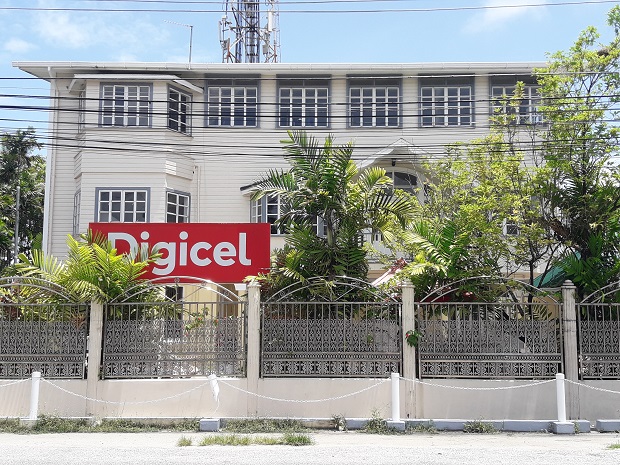
    In the wake of catastrophic twin earthquakes that hit northern Venezuela in late June 2026, a major regional telecommunications provider has stepped forward to support cross-border connection for families and communities grappling with the disaster. Digicel Guyana announced Tuesday that it is immediately rolling out a complimentary unlimited calling offer for its customers to reach contacts in Venezuela, as rescue efforts continue amid rising casualty numbers.

    The disaster, which struck on June 24, began with a 7.2-magnitude foreshock that was followed within seconds by a stronger 7.5-magnitude mainshock. The powerful back-to-back quakes have left a trail of widespread destruction across northern regions of the country, with the capital Caracas and the coastal city of La Guaira reporting the most severe damage. As search and rescue teams work around the clock to locate survivors trapped in collapsed structures, official death toll has climbed into the thousands, with thousands more injured and hundreds of people still reported missing.

    For Guyana, a neighboring Caribbean nation with extensive cross-border personal, social and economic ties to Venezuela, the disaster has left many residents anxious to check on the safety of loved ones and business partners. In a statement announcing the new initiative, Digicel Guyana emphasized that as a neighbor, the company and the country stand in full solidarity with Venezuela through this ongoing crisis. Company leadership noted that access to affordable, reliable communication has become the most urgent need for many Guyanese with connections to earthquake-impacted areas.

    “In moments like these, connection is everything,” said Deonarine Gopaul, Chief Executive Officer of Digicel Guyana and Suriname, in a press statement. “We want our customers to be able to check on their loved ones, offer support, and stay close to the people who matter most without worrying about the cost of a phone call.”

    The free unlimited calling service went into effect immediately following the announcement, and Digicel has urged its customers to take advantage of the offer to reach out to affected contacts, share updates, and provide much-needed emotional comfort to those navigating the aftermath of the disaster. As rescue operations extend into their second week, the initiative is expected to remove a major financial barrier for families desperate for information about their loved ones across the border.

  • Bushy Park Circuit set to host Fast Parts Caribbean GT Challenge

    Bushy Park Circuit set to host Fast Parts Caribbean GT Challenge

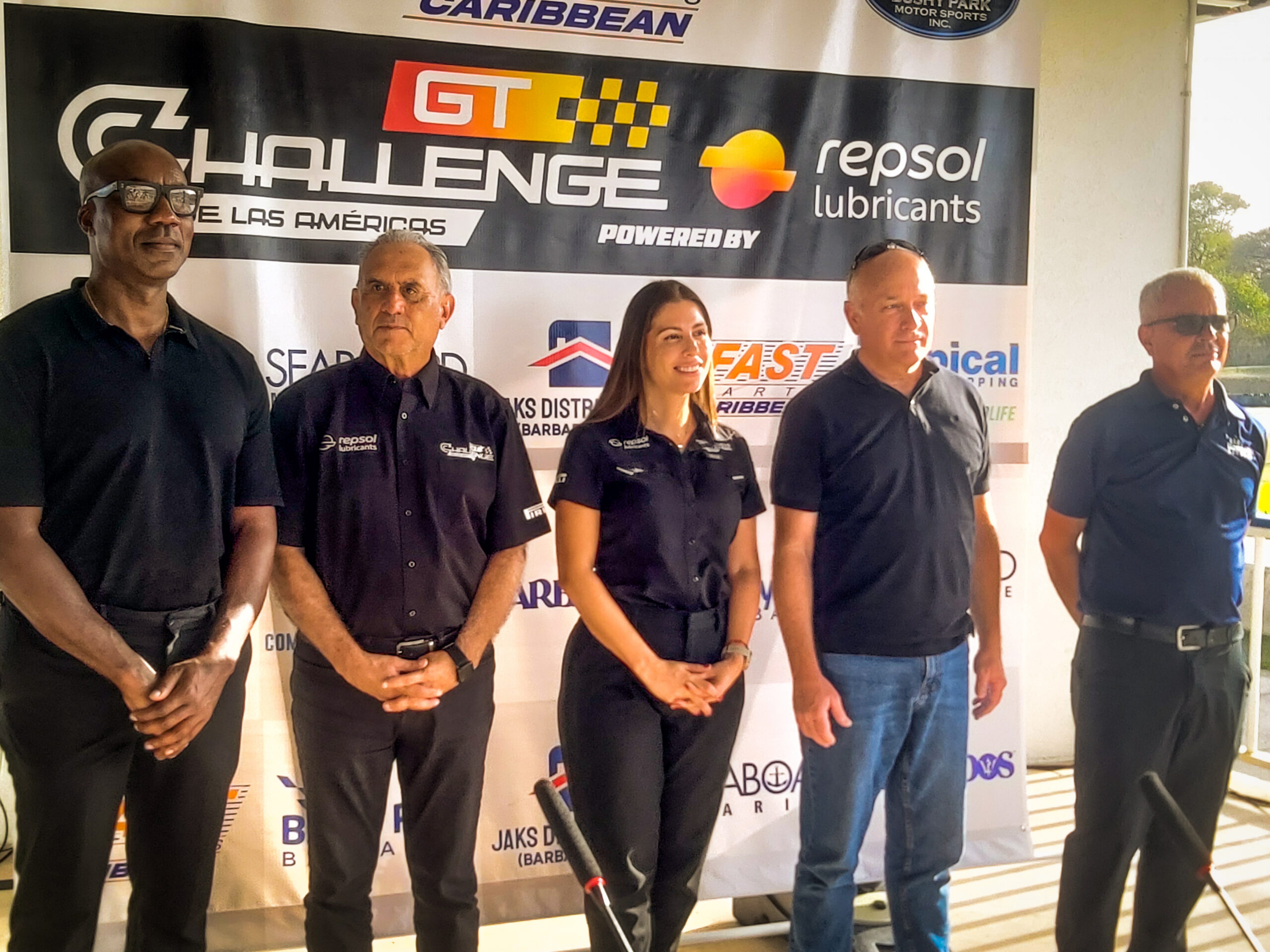
    After years of limited regional motorsport activity, international circuit racing is gearing up for a landmark return to Barbados’ Bushy Park Circuit next month, marking the Caribbean island’s first ever hosting of a round of the GT Challenge de las Américas. The two-day competition, which will run from August 29 to 30 under the local title Fast Parts Caribbean GT Challenge, is set to assemble a dynamic field of drivers spanning North America, Latin America and the Caribbean, including competitors from Canada, the United States, Trinidad and Tobago and local entrants. Racing fans and spectators in attendance will get a front-row look at high-performance vehicles from some of the most iconic luxury and performance automotive brands in the world, including Lamborghini, McLaren and Porsche. The announcement was made during an official media briefing held at the Bushy Park Circuit on Tuesday, where Caribbean franchise holder Franklyn Boodram — who also serves as a team principal and competing driver — outlined the growing momentum for elite motorsport across the region. Boodram explained that after a multi-year lull in organized regional racing, he began competing in events across Latin and Central America, earning consistent success before working to expand the series into the Caribbean with stops first in Guyana, and now Barbados. “Bushy Park already has the infrastructure we need to host this level of racing; only a few small adjustments were required to get it ready,” Boodram noted in the briefing. He also shared the logistical timeline for the event, revealing that the competing vehicles are currently being held at the port of Guyana ahead of that country’s series round scheduled for July 11 to 12. Immediately after the Guyana race concludes, all the machinery will be transported directly to Barbados, arriving at Bushy Park just one week later. Kurt Seabra, facility manager at Bushy Park Circuit, emphasized that the event extends far beyond just on-track competition, framing it as a unique opportunity to showcase Barbados’ natural beauty, vibrant culture and renowned hospitality to the global motorsport community. “We are incredibly grateful to Eduardo Aguilar, Silvia Bermudez and Franklyn Boodram from the GT Challenge for trusting us with the chance to host this prestigious series,” Seabra said. “Their confidence in Bushy Park, Barbados and the entire Caricom region means more than we can say.” Founded in 2019 by Eduardo Aguilar, the GT Challenge de las Américas was created with a clear mission: to unify the top performance racing cars and drivers from across Latin America into a single cohesive, competitive championship. Anderson King, marketing director at Barbados Tourism Marketing Inc. (BTMI), noted that after observing the championship firsthand, his organization quickly recognized its dual potential: as a world-class motorsport event, and as a strategic platform that aligns perfectly with Barbados’ long-term tourism growth goals. “As we work to expand our footprint across Latin America, partnerships like this one allow us to connect with entirely new audiences, strengthen longstanding regional ties, and cement Barbados’ reputation as a top-tier destination that delivers unbeatable leisure experiences and elite international sporting events,” King explained. For Barbados, the event marks not just a return to international racing, but a major step forward in positioning the island as a leading hub for sports tourism in the Caribbean.

  • Amendments Coming for the Cybercrime Law? PM Briceño Weights In

    Amendments Coming for the Cybercrime Law? PM Briceño Weights In

    In the wake of a controversial arrest that has sparked debate over overreach and political weaponization of state legislation, Belizean Prime Minister John Briceño has confirmed that proposed amendments to the country’s Cybercrime Act are on track to be introduced as early as the next sitting of the House of Representatives. The push for revisions comes after a high-profile case against opposition figure Alberto August, which ended with all charges being abruptly dropped earlier this week, raising serious constitutional questions about the legislation that enabled his arrest.

    On May 30, August, former deputy chairman of the opposition United Democratic Party (UDP), was arrested under Section 15(4) of the 2020s Cybercrime Act following a formal complaint filed by then-Home Affairs Minister Oscar Mira. August was held in police custody for 28 hours, during which law enforcement seized his personal mobile devices as part of their investigation. The case was transferred to Belize’s Director of Public Prosecutions (DPP) for an independent review after a leadership change at the Home Affairs Ministry, and the DPP ultimately determined there was no viable legal basis to pursue charges, leading to their discontinuation this Tuesday.

    Speaking to reporters on July 1, 2026, Prime Minister Briceño revealed that he had requested the Attorney General conduct a full review of the Cybercrime Act’s contested provisions after the August case drew public scrutiny. The Attorney General’s review concluded that key sections of the existing law, including the provision used to arrest August, likely violate the country’s constitution. “I asked the attorney general to take a look at it, and he thinks that it is unconstitutional. So quite likely, hopefully, at the next house meeting we’ll have to make some amendments to that,” Briceño told reporters.

    The prime minister voiced full public support for the DPP’s decision to drop all charges against August, while issuing a rare caution to sitting politicians about the dangers of allowing state institutions to be perceived as tools for targeting political rivals. “I think the public has a problem when they would feel that the minister is using the state to go after their enemies. We should not go down that road because once you go down that road, others can then take abuse of it,” Briceño said. He was careful to clarify that his warning was not an accusation against Mira, adding that he did not believe the former minister had acted out of political malice, and that law enforcement genuinely believed they had a legal basis to proceed with the arrest. Briceño also praised interim Home Affairs Minister Julius Espat for making what he called the right decision to immediately refer the case to the DPP for independent assessment, confirming that the DPP (a woman, per Briceño’s comments) concluded no charges could be sustained.

    The impending amendments mark a major shift in policy just years after the Cybercrime Act was first enacted, and signal that the government is responding to public concern over potential misuse of the sweeping legislation. The case has reignited long-running debates over the balance between national digital security and constitutional protections for free speech and due process in Belize, with the upcoming parliamentary vote on amendments set to be closely watched by civil society groups and political observers across the country.

  • Central Bank Unveils New National Symbols Coin Series

    Central Bank Unveils New National Symbols Coin Series

    In a formal announcement made on July 1, 2026, the Central Bank of Belize has introduced its brand-new National Symbols Coin Series, a redesigned collection of circulation coins set to enter general use across the country this coming September. The new line of coins, produced by Canada’s state-owned Royal Canadian Mint, is crafted to highlight and celebrate Belize’s unique sovereign and cultural identity, tying directly to the nation’s heritage.

    Each denomination in the series carries a distinct design tied to national identity: the one-dollar coin bears a detailed outline map of Belize, while all lower denominations feature different official national symbols of the country. This new coin series acts as a complementary addition to the National Heroes banknote series that the central bank launched into circulation in 2025, completing a multi-year modernization of Belize’s national currency.

    Crucially, the central bank has clarified that the new coins will not immediately replace existing circulation pieces that bear the portrait of the late Queen Elizabeth II. Those older coins will retain their status as legal tender indefinitely, and the public faces no requirement to exchange or deposit their current holdings. The older coins will be gradually removed from circulation through natural attrition over the coming years as the new series becomes more widespread.

    While the new coins retain the exact same physical dimensions as their existing counterparts to ensure compatibility with existing vending machines and cash handling infrastructure, they incorporate multiple functional and design updates. The base materials have been switched from the previous composition to nickel-plated and bronze-plated steel, a change that boosts overall coin durability for longer circulation life and cuts down on manufacturing costs for the central bank. Design-specific updates include a unique ten-sided edge on the one-cent coin, and a distinct bronze finish for the one-dollar denomination to help with quick identification by users.

    To mark the official launch of the new circulation series, the Central Bank of Belize will also release a limited-run collector’s coin: a specially painted fifty-cent piece featuring the national Mahogany Tree, Belize’s national tree. This commemorative collectible will be sold exclusively as a numismatic item for coin collectors and will not be released into general public circulation.

  • Ariza renames secondary schools scholarship in honour of Merryl Baptiste-Lord

    Ariza renames secondary schools scholarship in honour of Merryl Baptiste-Lord

    Grenada’s Ariza Credit Union has announced a meaningful change to one of its key community programs, rebranding its existing secondary school scholarship as the Merryl Baptiste-Lord Memorial Scholarship. The renaming pays tribute to the late Merryl Baptiste-Lord, a long-serving volunteer whose lifelong dedication to education and youth empowerment left a lasting legacy across both the credit union and the broader Grenadian community.

    Baptiste-Lord, affectionately known as Sister Baptiste-Lord by her colleagues, contributed more than 20 years of service to Ariza’s Scholarship Awards Committee. She stepped into the role of committee chair in 2012, a position she held steadily until her passing in April 2026. Widely admired for her relentless commitment to expanding educational access for young Grenadians, she played a foundational role in refining the scholarship program’s structure and supporting hundreds of students as they navigated their secondary education journeys.

    A lifelong educator by calling, Baptiste-Lord dedicated the vast majority of her professional and volunteer work to teaching, mentoring, and uplifting Grenada’s youth. Through her work on the Scholarship Awards Committee, she built personal connections with nearly every scholarship recipient and their families, offering consistent encouragement, practical guidance, and motivation as students worked toward their academic goals. Her warm, rousing speeches at annual scholarship award ceremonies became a beloved tradition, where she repeatedly highlighted education’s unique power to transform lives and open new opportunities. These addresses earned her deep respect from both Ariza members and the student community alike.

    In a statement released by the credit union, Ariza Board of Directors President Sister Alana Twum-Barimah praised Baptiste-Lord’s enduring impact. “Merryl Baptiste-Lord was the epitome of a dedicated educator,” Twum-Barimah said. “She exemplified every one of Ariza’s core values, and never missed an opportunity to emphasize how critical education is at every stage of life. Her passion for seeing students succeed shone through in every task she took on.”

    Beyond her work selecting qualified candidates each year, Baptiste-Lord went to extraordinary lengths to support recipients long after they received their awards. She maintained close track of students’ academic progress, followed their post-graduation professional achievements, and even retained the names of recipients from decades earlier, celebrating every milestone they reached with palpable pride. Her attention and care turned a simple financial award into a long-term support system for generations of young Grenadians.

    Today, the renamed scholarship continues the core mission Baptiste-Lord championed, carrying forward her values of commitment, academic excellence, perseverance, community service, and lifelong learning. Ariza Credit Union encourages all future recipients of the Merryl Baptiste-Lord Memorial Scholarship to embody these principles in their own academic and personal journeys.

    The scholarship provides five years of continuous financial assistance and institutional support to recipients throughout their secondary education, removing financial barriers that might otherwise prevent young people from reaching their full potential and achieving their academic dreams.

  • Belize Pitches Robotics as the Caribbean’s Next Big Game Changer

    Belize Pitches Robotics as the Caribbean’s Next Big Game Changer

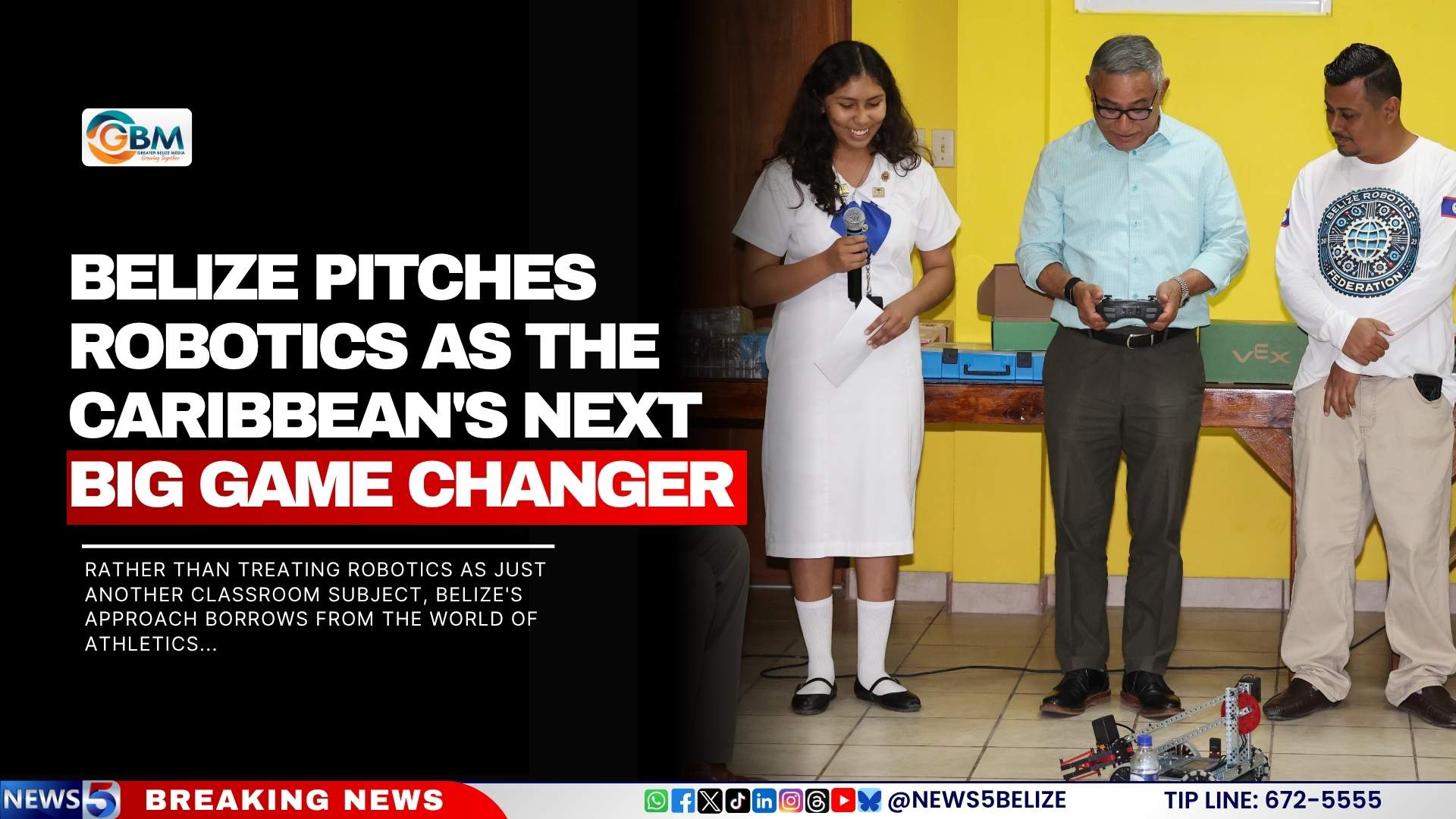
    In a landmark push to position technology as a core driver of regional progress, Belize is stepping onto the global stage to share its trailblazing approach to robotics advancement, pitching it as a transformative force that could reshape education, innovation and economic expansion across the entire Caribbean. The small Central American nation brought its nationally institutionalized “Robotics as a Sport” initiative to the first-ever Caribbean STEM Engine for Economic Development (SEED) Summit 2026, where leaders framed the program as a replicable blueprint for preparing youth for the digital workforce of tomorrow while laying the foundation for more resilient, dynamic regional economies.

    Hosted by the Caribbean Science Foundation, in formal collaboration with Barbados’ Ministry of Innovation, Industry, Science and Technology and local innovation incubator FUTURE Barbados, the 2026 SEED Summit gathered a cross-sector audience of top stakeholders: educators, research scientists, startup founders, impact investors and regional government officials, all convened to explore how strategic investment in science and technology can unlock inclusive, long-term growth across Caribbean nations.

    Leading Belize’s delegation to the summit was Jamie Lee Usher, who serves dual roles as vice principal of student affairs at Saint Catherine Academy and president of the Belize Robotics Federation. During her keynote presentation, Usher spotlighted Belize’s historic distinction as the first country worldwide to grant official national recognition to robotics as a competitive sport—a classification that has helped expand access to robotics programming far beyond niche tech circles, embedding it into mainstream youth development and education frameworks.

    Usher’s presentation sparked energetic, productive discussion among regional education and innovation leaders, with Belize formally calling on other Caribbean countries to integrate robotics-focused strategies into their national development agendas. Proponents argue that widespread adoption of similar programs can boost participation in science, technology, engineering and mathematics (STEM) fields across the region, strengthen workforce readiness for emerging digital roles, and open new, sustainable economic opportunities for young Caribbean people who too often face limited professional pathways.

    Belize’s community-centered approach to robotics development aligns seamlessly with the overarching mission of the SEED Summit: the collective agreement that intentional investment in education, entrepreneurial ecosystems and homegrown innovation today is the most reliable path to building the new industries and high-quality jobs that will sustain Caribbean economies tomorrow.

    Beyond technical coding and engineering skills, Usher emphasized that the sport-centric robotics model cultivates a broad set of transferable soft skills that are critical for long-term success. “Students are pushed to think critically, tackle complex real-world problems, collaborate seamlessly in teams, communicate their ideas clearly, and keep persevering even when their designs fail,” Usher explained in her address. “These are not just the traits that make successful robotics competitors. These are exactly the qualities that the future Caribbean workforce and leadership will need to thrive in a rapidly changing global economy.” Closing out her presentation on the core philosophy that drives Belize’s program, Usher summed up its impact simply: “Skills pay the bills.”

  • West Indies women reflect on World Cup elimination

    West Indies women reflect on World Cup elimination

    The ICC Women’s T20 World Cup campaign for West Indies came to an abrupt end in the semifinal stage, with two of the team’s key players pointing to inconsistent execution of their core game plan as the deciding factor in their premature exit. This elimination followed a lopsided eight-wicket defeat to powerhouse Australia at The Oval on Tuesday, a result that marked West Indies’ third consecutive loss after a promising unbeaten opening run through the first three matches of the tournament.

    All-rounder Jannillea Glasgow, one of the team’s most versatile performers, opened up about the squad’s reflections after the defeat. She emphasized that the team’s critical mistake was failing to adopt their signature aggressive, focused style of play from the very first delivery of key matches. “I think we just have to believe in ourselves from ball one and the get-go,” Glasgow explained. “You just come here and cricket is played on the day, you just come and play the right cricket on that day.”

    Fast-bowler Aaliyah Alleyne echoed Glasgow’s assessment, adding that despite the disappointing result, the team’s internal morale never fully fractured through the campaign’s ups and downs. She noted that even after an unexpected loss to Ireland earlier in the tournament, the squad still managed to battle their way into the semifinal round, proving their resilience off the pitch. “At the end of the day Australia came out and came hard at us, and we had no answers,” Alleyne added, acknowledging the defending champions’ dominant performance on the day.

    Both players took time to express sincere gratitude to the West Indies fanbase that supported the team throughout the tournament, even as results turned south in the knockout stage. Glasgow acknowledged that the semifinal exit fell far short of the title aspirations both the team and fans held, but struck an optimistic note for future tournaments. “To the supporters out there, thanks very much but hopefully in the future there are better things to come,” she said.

    Alleyne highlighted how far the women’s game has come for West Indies, noting that the growing crowd support marked a significant shift from earlier years when the team had far less public backing. “When you look back years ago, we didn’t have a following and now we see everyone keep saying go girls, keep going, we’re backing y’all 110 per cent,” she said. “So I just want to say thank you and keep supporting us. We have more to come.”