Barbados stands on the cusp of a major public health transformation, with a groundbreaking piece of legislation tabled in Parliament this Wednesday that would, for the first time in the nation’s history, establish a formal, regulated system for deceased organ donation. Health stakeholders and patient advocates across the country are hailing the Human Tissue Transplant Bill as a life-saving intervention that will relieve overburdened dialysis services and expand critical treatment access for an estimated 30,000 Barbadians at risk of end-stage kidney failure.
Currently, the Caribbean nation only permits kidney transplants from living donors, a restriction that has left the vast majority of renal patients dependent on long-term dialysis while waiting for rarely available matching organs. The new legislation lays out a clear regulatory framework for the recovery and transplantation of human tissue after death, creating a formal pathway to unlock the life-giving potential of deceased donation.
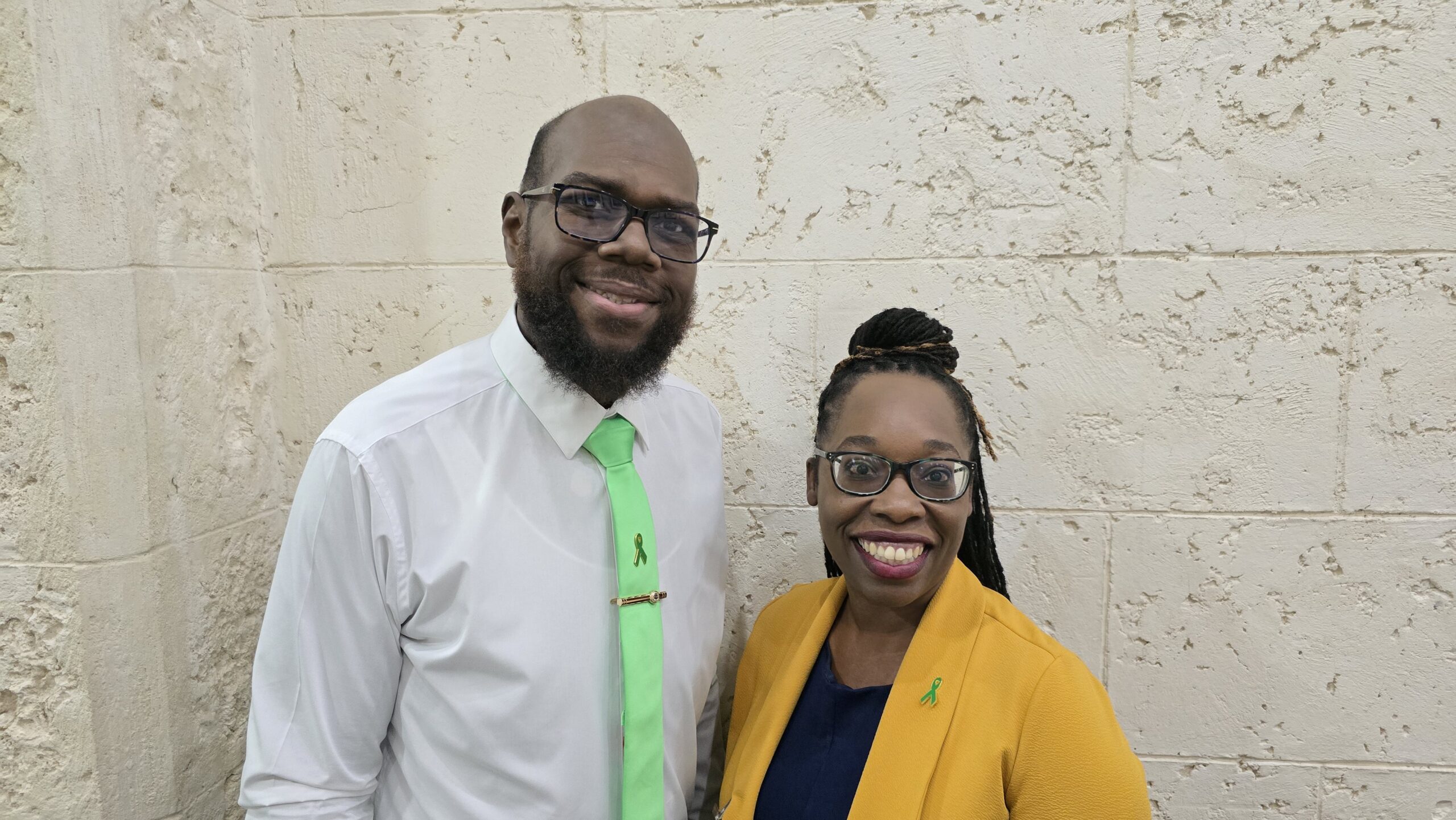
Sadie-Ann Sisnett, president of the Barbados Kidney Association, emphasized that the bill comes at a critical moment for the nation’s strained renal care system. “Right now, we have 400 people active on dialysis between the Queen Elizabeth Hospital (QEH) and private provider SILS Dialysis Barbados,” Sisnett explained in an interview with Barbados TODAY. “But 13 percent of our population – roughly 20,000 to 30,000 people – are currently living with stage 4 kidney disease, progressing to the end-stage that requires dialysis or a transplant.”
The existing system is stretched far beyond its capacity, Sisnett noted, with resource shortages forcing many patients who require dialysis three times weekly to receive only two treatments. Even with outsourcing to private providers, demand continues to outpace the system’s ability to keep up. This backlog makes the expansion of transplant options through deceased donation all the more urgent, as transplants remove patients from long-term dialysis waiting lists entirely.
Barbados’ current living donor program only carries out two to three transplants per year, a number stakeholders aim to grow to 10 annually with the addition of deceased donation. Beyond reducing dialysis demand, early detection and expanded transplant access can stop kidney disease progression before it reaches irreversible end stages, preventing many patients from ever needing dialysis in the first place.
For Dr. Margaret O’Shea, a renal transplant surgeon at QEH, the introduction of the bill after years of advocacy is an emotionally profound milestone. “I’m overjoyed, almost tearful, thinking about what this will mean for patients waiting for organs, and for people who want to leave a legacy of giving after death,” she said. “There is such joy in the act of donation, and an even greater joy for the recipient receiving that gift of life.”
Allan Haynes, founder and president of Kidney Caribbean and a dialysis patient of nine years, shared a personal testament to the transformative impact of organ transplants: his sister received a living donor kidney that functioned for 45 years, allowing her to raise a child and three grandchildren before her recent passing. Haynes called the proposed legislation life-changing, particularly for young patients whose entire futures hang in the balance while waiting for treatment.
Adrian Boyce, vice-president of the Barbados Kidney Association, described the bill as a watershed moment that will go down as a historic milestone for Barbados. “This sets a precedent for our nation’s health care history,” Boyce noted. “It will not only elevate our standing internationally but, most importantly, it will save lives – not just for kidney patients, but for anyone in need of liver or other organ transplants, once surgical capacity is in place. This is undeniably a step in the right direction.”
Beyond clinical benefits, the legislation addresses broad social and economic harms caused by the current lack of transplant access, Sisnett explained. Many working-age dialysis patients are forced to leave employment or cut hours drastically, as regular dialysis treatments disrupt daily life, leaving many reliant on welfare even when they are the primary breadwinners for their families. A successful transplant allows patients to return to work, resume normal daily life, and contribute to national productivity again.
“The impact goes far beyond just health,” Sisnett, who received a kidney transplant herself, shared. “It took nine years after my marriage before my husband and I could have a child, because that was only possible after my transplant. Right now, we have falling birth rates across Barbados, and hundreds of people of childbearing age on dialysis with more joining that list every year. This is not just a health issue – it is an issue of national productivity, it affects every sector of our society. What this bill can do for individual families, and for our entire nation, is incredible.”