作者: admin

  • Haitians under TPS, without work permits as of July 10, 2026

    Haitians under TPS, without work permits as of July 10, 2026

    On June 25, 2026, the U.S. Supreme Court greenlit a long-contested Trump administration policy to end Temporary Protected Status (TPS) for Haitian migrants residing in the United States, triggering urgent alarm from human rights groups and Haitian communities across Florida, the state home to the nation’s largest Haitian immigrant population. The court’s ruling clears the way for a full wind-down of protections, with the Department of Homeland Security confirming that existing work authorization for Haitian TPS holders will expire on July 10, 2026, as part of an administrative transition period for lower court implementation of the decision.

    Human Rights Watch (HRW) partnered with Miami-based community organization Sant La Haitian Neighborhood Center to investigate the potential impacts of the termination, conducting interviews with 40 Haitian TPS beneficiaries across South Florida and 15 leaders from local immigrant advocacy groups, alongside reviewing government and international organizational data. The findings, released July 2, 2026, paint a stark picture of fear and pre-existing instability for Haitian migrant families, who warn that losing TPS protections will expose them to deadly violence if deported and upend decades of economic and social integration in the U.S.

    Juanita Goebertus, HRW’s Americas Director, emphasized that the termination would put Haitian migrants directly in harm’s way, noting that Haiti has suffered catastrophic deterioration of security and humanitarian conditions since TPS was first granted to Haitians in 2010 following a devastating earthquake. One 28-year-old Haitian beneficiary interviewed for the report described losing TPS as a de facto death sentence, explaining that deportees returning from the U.S. are routinely targeted for extortion and kidnapping by armed criminal groups that control large swathes of Haiti. With no savings to meet ransom demands, he said deportation would almost certainly lead to his killing.

    Before the Supreme Court’s ruling, roughly 330,000 Haitians held TPS status across the U.S., 158,000 of whom resided in Florida. These migrants work across critical sectors of the state’s economy, including healthcare, elder care, construction, tourism, and hospitality. Analysis from bipartisan immigration advocacy group FWD.us shows that Florida’s Haitian TPS holders contribute an estimated $2.6 billion annually to the state’s gross domestic product, with $1.5 billion of that activity generated in the Miami metropolitan area alone.

    HRW’s investigation found that many families were already grappling with cascading economic and social hardship in the months leading up to the ruling. Expired work permits, extended delays in status renewals, and employer confusion about the legal status of TPS holders had already pushed some into unemployment, cut household incomes for many others, and left families unable to cover basic costs including rent, groceries, and medical care. Some parents have pulled their children out of public schools, and many beneficiaries have skipped necessary medical appointments to avoid encounters with immigration enforcement authorities.

    International bodies have repeatedly warned against forced deportations to Haiti. Since 2022, both the United Nations High Commissioner for Refugees (UNHCR) and the Office of the United Nations High Commissioner for Human Rights (OHCHR) have issued repeated calls for all nations to refrain from sending Haitians back to their home country, citing widespread human rights abuses, life-threatening safety and public health risks, and the complete absence of conditions that would enable safe, dignified, and sustainable return.

    Thamara Labrousse, a representative of Sant La, noted that the consequences of the TPS termination extend far beyond individual migrant families, saying “Haitian TPS holders have built their lives in this country and are an integral part of the social and economic fabric of communities across Florida and the nation.” Local workplaces, schools, and entire regional economies depend on the labor and contributions of Haitian migrants, she added.

    Advocacy groups are now pressing Congress to take immediate emergency action to reverse the impending termination. HRW and Sant La are calling on the U.S. Senate to quickly pass a bill already approved by the House of Representatives that would extend TPS protections for Haitian migrants through April 2029. The organizations also urged Congress to use the upcoming debate over broader comprehensive immigration reform to create permanent pathways to legal permanent residence and long-term stable protection for all TPS beneficiaries, who have built deep social and economic ties to the United States over more than a decade.
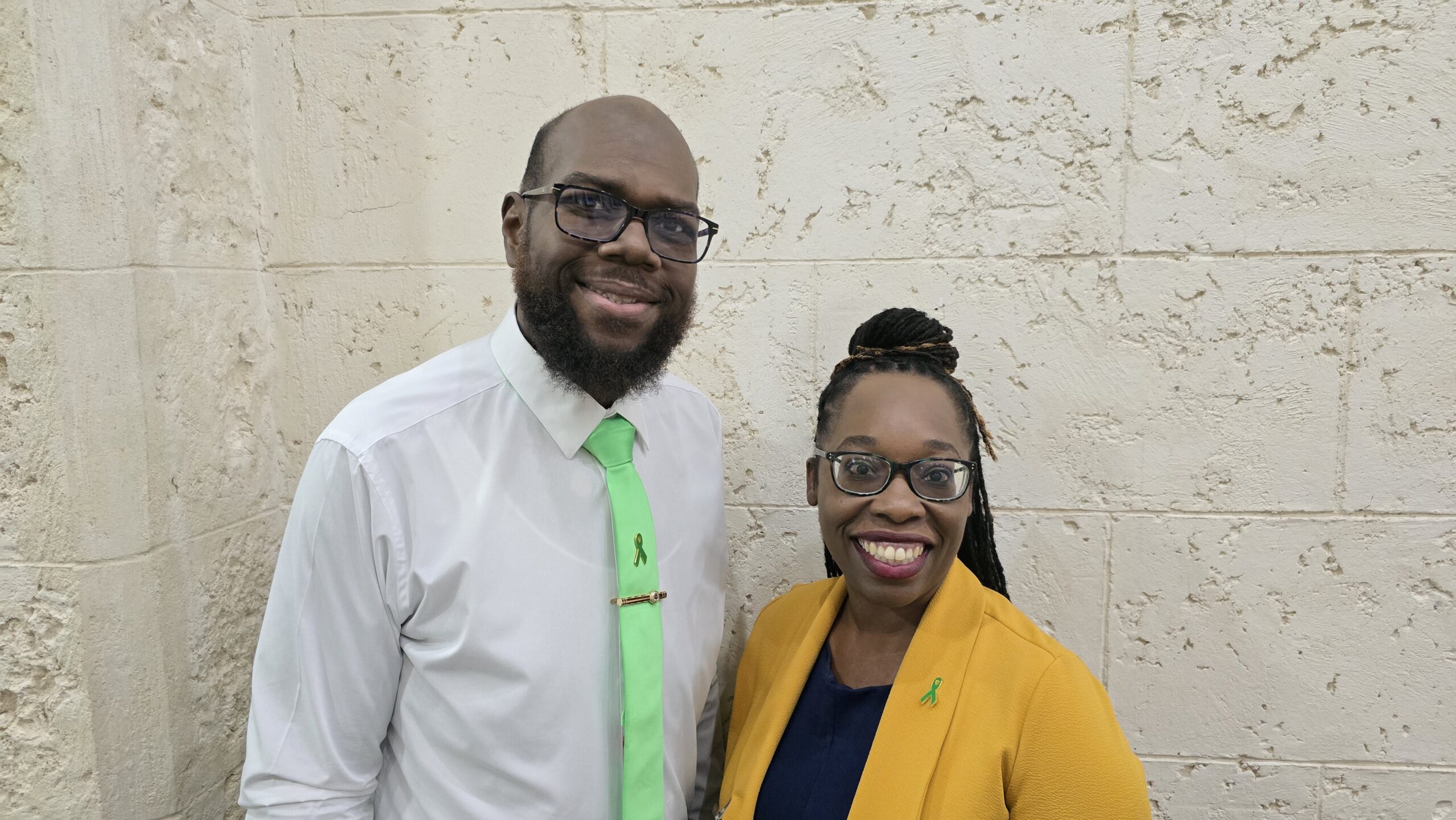

  • ‘Gift of life’: Bill ‘could expand organ donation, ease dialysis burden’

    ‘Gift of life’: Bill ‘could expand organ donation, ease dialysis burden’

    Barbados stands on the cusp of a major public health transformation, with a groundbreaking piece of legislation tabled in Parliament this Wednesday that would, for the first time in the nation’s history, establish a formal, regulated system for deceased organ donation. Health stakeholders and patient advocates across the country are hailing the Human Tissue Transplant Bill as a life-saving intervention that will relieve overburdened dialysis services and expand critical treatment access for an estimated 30,000 Barbadians at risk of end-stage kidney failure.

    Currently, the Caribbean nation only permits kidney transplants from living donors, a restriction that has left the vast majority of renal patients dependent on long-term dialysis while waiting for rarely available matching organs. The new legislation lays out a clear regulatory framework for the recovery and transplantation of human tissue after death, creating a formal pathway to unlock the life-giving potential of deceased donation.

    Sadie-Ann Sisnett, president of the Barbados Kidney Association, emphasized that the bill comes at a critical moment for the nation’s strained renal care system. “Right now, we have 400 people active on dialysis between the Queen Elizabeth Hospital (QEH) and private provider SILS Dialysis Barbados,” Sisnett explained in an interview with Barbados TODAY. “But 13 percent of our population – roughly 20,000 to 30,000 people – are currently living with stage 4 kidney disease, progressing to the end-stage that requires dialysis or a transplant.”

    The existing system is stretched far beyond its capacity, Sisnett noted, with resource shortages forcing many patients who require dialysis three times weekly to receive only two treatments. Even with outsourcing to private providers, demand continues to outpace the system’s ability to keep up. This backlog makes the expansion of transplant options through deceased donation all the more urgent, as transplants remove patients from long-term dialysis waiting lists entirely.

    Barbados’ current living donor program only carries out two to three transplants per year, a number stakeholders aim to grow to 10 annually with the addition of deceased donation. Beyond reducing dialysis demand, early detection and expanded transplant access can stop kidney disease progression before it reaches irreversible end stages, preventing many patients from ever needing dialysis in the first place.

    For Dr. Margaret O’Shea, a renal transplant surgeon at QEH, the introduction of the bill after years of advocacy is an emotionally profound milestone. “I’m overjoyed, almost tearful, thinking about what this will mean for patients waiting for organs, and for people who want to leave a legacy of giving after death,” she said. “There is such joy in the act of donation, and an even greater joy for the recipient receiving that gift of life.”

    Allan Haynes, founder and president of Kidney Caribbean and a dialysis patient of nine years, shared a personal testament to the transformative impact of organ transplants: his sister received a living donor kidney that functioned for 45 years, allowing her to raise a child and three grandchildren before her recent passing. Haynes called the proposed legislation life-changing, particularly for young patients whose entire futures hang in the balance while waiting for treatment.

    Adrian Boyce, vice-president of the Barbados Kidney Association, described the bill as a watershed moment that will go down as a historic milestone for Barbados. “This sets a precedent for our nation’s health care history,” Boyce noted. “It will not only elevate our standing internationally but, most importantly, it will save lives – not just for kidney patients, but for anyone in need of liver or other organ transplants, once surgical capacity is in place. This is undeniably a step in the right direction.”

    Beyond clinical benefits, the legislation addresses broad social and economic harms caused by the current lack of transplant access, Sisnett explained. Many working-age dialysis patients are forced to leave employment or cut hours drastically, as regular dialysis treatments disrupt daily life, leaving many reliant on welfare even when they are the primary breadwinners for their families. A successful transplant allows patients to return to work, resume normal daily life, and contribute to national productivity again.

    “The impact goes far beyond just health,” Sisnett, who received a kidney transplant herself, shared. “It took nine years after my marriage before my husband and I could have a child, because that was only possible after my transplant. Right now, we have falling birth rates across Barbados, and hundreds of people of childbearing age on dialysis with more joining that list every year. This is not just a health issue – it is an issue of national productivity, it affects every sector of our society. What this bill can do for individual families, and for our entire nation, is incredible.”

  • Derde helft WK 2026: Sensationele comeback van België na knotsgekke thriller tegen Senegal

    Derde helft WK 2026: Sensationele comeback van België na knotsgekke thriller tegen Senegal

    The 2026 FIFA World Cup produced one of its most unforgettable knockout matches on July 1, as Belgium pulled off a stunning late comeback to defeat Senegal 3-2 after extra time at Seattle’s Lumen Field, with captain Youri Tielemans writing his name into tournament history with the latest goalscoring record.

    From the opening whistle, Senegal dominated possession and pinned Belgium deep in their own half. Ismaila Sarr struck the woodwork early on, and Belgian goalkeeper Thibaut Courtois was forced into multiple urgent saves to keep his side level. Just before the first hydration break, Habib Diarra broke the deadlock, tapping home a rebound after Sarr’s header hit the frame of the goal, putting Senegal ahead 1-0. Though Belgium carved out half-chances through star playmaker Kevin De Bruyne, Charles de Ketelaere and Jeremy Doku, they failed to find a clinical finish, and Senegal retained their narrow lead going into halftime.

    After the break, Belgium manager turned to striker Romelu Lukaku to add physical presence up front, but the substitution did not immediately turn the tide. In the 51st minute, Sarr doubled Senegal’s advantage, controlling a long ball expertly before curling a fine finish past Courtois to make it 2-0. Facing elimination, the Belgian coach made two further attacking changes in the 56th minute, withdrawing De Bruyne and Doku for Dodi Lukebakio and Nicolas Raskin, before adding Thomas Meunier to shore up the defensive flank later in the half.

    The game’s dramatic turning point came in the final five minutes of regulation. In the 86th minute, Lukaku nodded Meunier’s low cross into the back of the net to halve Senegal’s lead to 1-2. Just three minutes later, Tielemans converted a Leandro Trossard cross with a header, after Senegal goalkeeper Mory Diaw could only parry the initial effort, leveling the score at 2-2 and sending a stunned Senegal side into extra time. Late in regulation, Idrissa Gueye came close to snatching a late winner for Senegal with a long-range effort that drifted just wide of the post, while a heated discussion broke out between the two sides over match ball disputes before the referee could reset play.

    Extra time began with both sides trading cautious possession as fatigue set in across the pitch. Senegal brought on fresh attacking players to reignite their threat, but Belgium continued to push for a winner. In the 121st minute, a VAR review overturned an initial on-field decision, awarding Belgium a penalty after Lamine Camara brought down Tielemans inside the 18-yard box. The Belgian captain stepped up calmly to slot the penalty home in the 125th minute of play, making it 3-2, and in doing so, he secured his place in World Cup history: this strike is now the latest goal ever scored in the history of the men’s FIFA World Cup.

    Senegal threw everything forward in the final minutes of extra time, earning a dangerous long-range free kick that tested Courtois, but the Belgian goalkeeper and his defensive backline held firm to protect their lead. Late on, substitute Dodi Lukebakio hit the woodwork as Belgium came close to adding a fourth.

    After the final whistle, Senegal manager Pape Thiaw spoke with characteristic sportsmanship about the devastating result. “I do not want to comment on the referee’s decision,” he said. “We are out of the tournament, and that hurts. We could not hold onto our 2-0 lead, and we have to congratulate Belgium on the win.”

    This rollercoaster, last-gasp victory cements the match as one of the most memorable in World Cup history, a showcase of the unbreakable resilience, relentless passion and unscripted magic that makes international football the world’s most beloved sport. For Belgium, the comeback sends them through to the tournament’s round of 16, while Senegal will leave Seattle ruing a missed opportunity that slipped from their grasp in the closing moments of regulation.

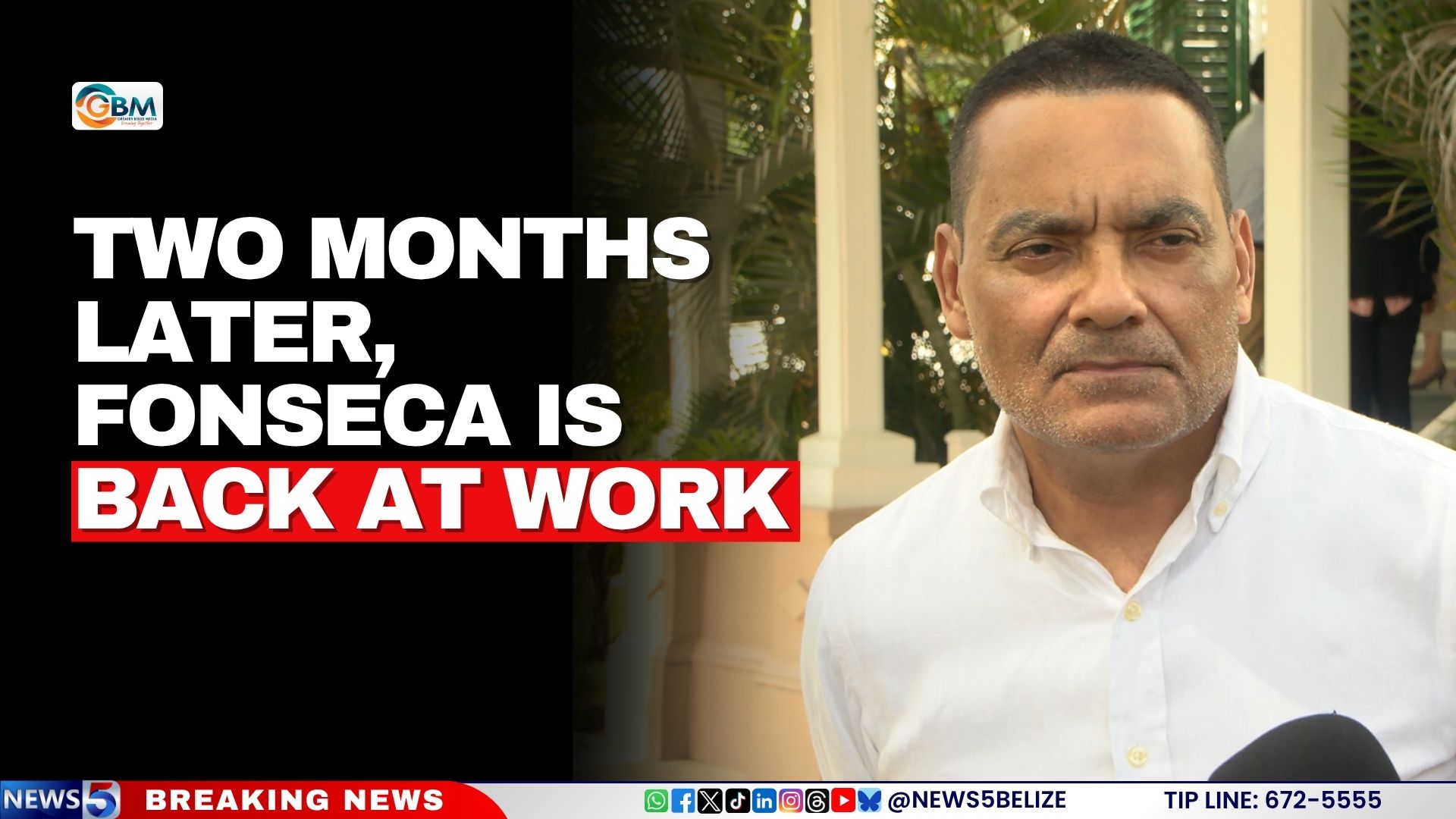
  • Two Months Later, Fonseca Is Back at Work

    Two Months Later, Fonseca Is Back at Work

    Nearly eight weeks after undergoing a life-saving triple bypass heart procedure, Belize’s top diplomat Francis Fonseca has officially returned to his post as Foreign Affairs Minister, marking his first public appearance at a key national event on Tuesday. The 45th Independence theme launch, held July 1, 2026, served as the backdrop for Fonseca’s comeback, where he opened up about his recovery journey to local outlet News 5.

    The minister acknowledged that while his recovery is progressing well, he has not yet regained full physical strength following the major cardiac surgery. “I’m doing great. It’s only been two months, so obviously I’m not 100%, but I’m getting there. But I feel really good,” Fonseca told reporters at the event.

    In the immediate aftermath of the procedure, Fonseca explained he stepped back entirely from official duties to prioritize healing, sticking to a strict recovery regimen designed by his medical team. Over the past several weeks, however, he has slowly re-engaged with the work of his ministry, checking in with his team and getting up to speed on ongoing diplomatic and domestic priorities. “The first few weeks, I really was completely focused on my recovery. But certainly in the last few weeks… I’ve been more in tune with what is happening and more in touch with my offices,” he added.

    The unexpected medical leave, which came with little advance warning for the government and public, drew an outpouring of goodwill from across the small Central American nation. Fonseca emphasized that he was deeply moved by the widespread support he received, noting that messages of encouragement came from Belizeans of all political backgrounds, bridging partisan divides at a time of national uncertainty around his health. “I’m very grateful for the outpouring of support and love and prayers received from Belizeans across the country, across the political divide,” he said.

  • Here’s The Theme For This Year’s September Celebrations

    Here’s The Theme For This Year’s September Celebrations

    On July 1, 2026, Belize’s National Celebrations Commission officially launched the official theme for the country’s upcoming 45th independence anniversary celebrations. Selected from submissions, the winning entry “Look At Me. I Am Belize at 45” was created by Amber Mariano, and will act as the unifying slogan for all September festival events held across the nation.

    Bernard Wagner, Mayor of Belize City, shared his perspective on the new theme during the unveiling ceremony, emphasizing that it centers and honors the ordinary Belizean people who have shaped the nation’s journey over the decades. “While 45 years may appear as a short passage in the long history of a nation, every one of these years has been filled with countless stories of bravery, perseverance, creative thinking, sacrifice, and unwavering hope,” Wagner explained. “These are the narratives of everyday Belizeans accomplishing truly remarkable things that form the backbone of our country.”

    The event also marked the return of NCC Chairman Francis Fonseca to his official duties following a two-month absence. Fonseca used the announcement as an opportunity to frame Belize’s 45-year national story within a larger global context, highlighting the country’s recent landmark achievement in resolving its long-running territorial dispute with neighboring Guatemala. Fonseca noted that this peaceful resolution stands as a powerful example of Belize’s core values. “Right here in Belize, we have an incredibly special achievement to celebrate this year,” he stated. “What was once our greatest existential threat as a nation is being resolved not through violence and bloodshed, but through the international judicial system. We have intentionally chosen the path of peace, diplomacy, and respect for the rule of law.”

    Monday’s official theme unveiling marks the official start of full-scale preparations for the national September Celebrations, which will bring together communities across the entire country in marking the 45th year of Belize’s independence.

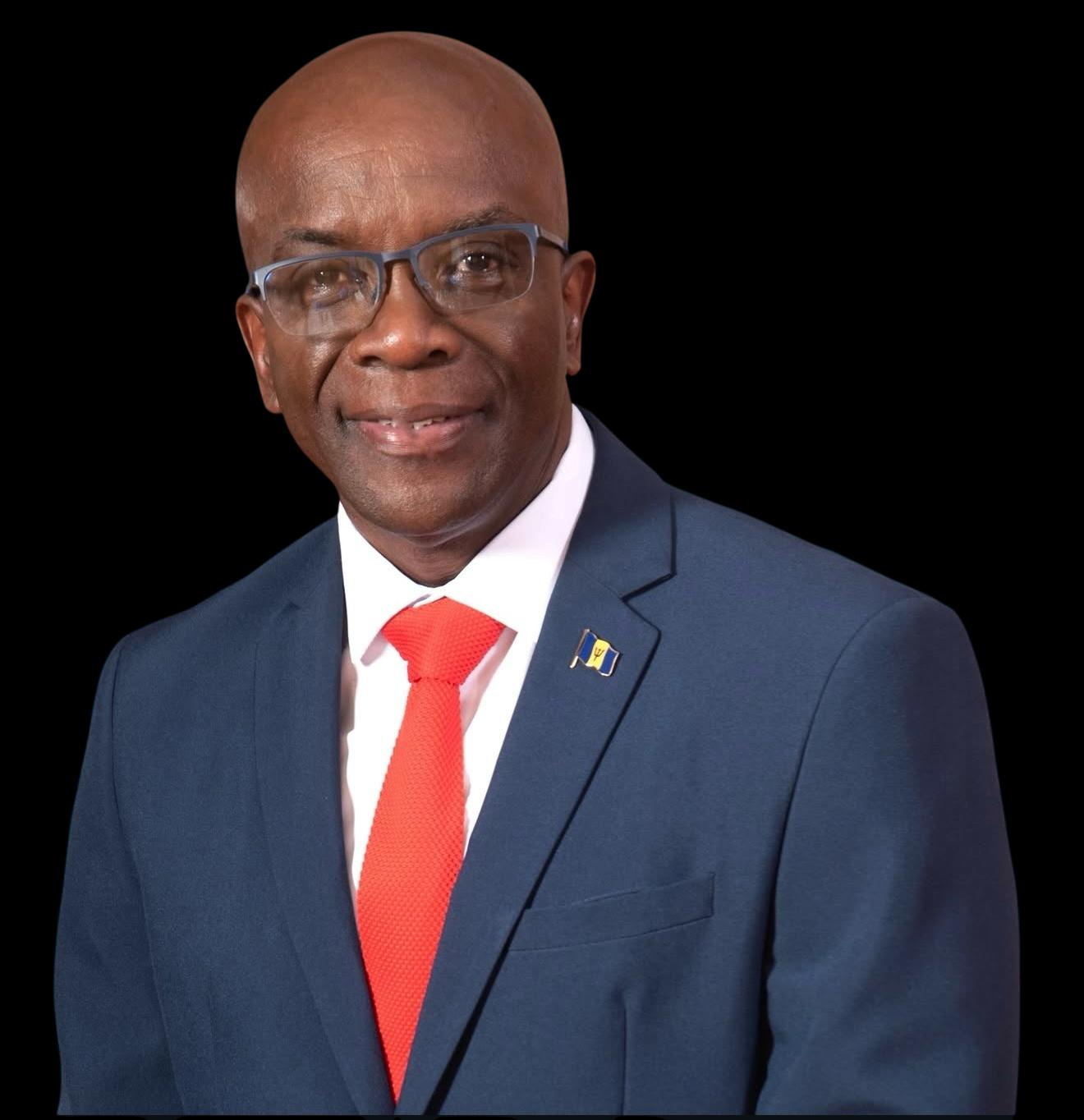
  • Sport ‘can help steer’ youth away from crime

    Sport ‘can help steer’ youth away from crime

    Barbados is grappling with a sharp upward trend in violent crime, and the island nation’s top sports official is calling for sport to be positioned as a core strategy to steer at-risk young people away from violence and toward life-changing positive opportunities. Charles Griffith, Minister of Sports and Community Empowerment, laid out his vision in an official statement emphasizing that while law enforcement remains a critical pillar of public safety, meaningful crime prevention must start long before any offense is committed — by strengthening family and community structures and opening tangible, accessible pathways for youth.

    Griffith acknowledged the widespread anxiety that the recent crime wave has sparked across all segments of Barbadian society. As of the current year, the country has recorded 28 homicides, a toll that has left dozens of families grieving lost loved ones, communities shaken by pervasive fear and uncertainty, and the entire nation engaged in urgent reflection on how to reverse this troubling trajectory. Offering his sincere condolences to all households affected by the killings, Griffith stressed that the moment calls for solution-focused action rather than despair. “This is not a moment for despair. It is a moment for action, reflection and collective responsibility,” he said.

    The minister pushed back against the idea that increased policing alone can resolve Barbados’ ongoing crime crisis. “While we fully support the efforts of the Barbados Police Service and all agencies involved in maintaining law and order, we must recognise that building a safer society requires more than enforcement alone,” Griffith explained. “Crime prevention begins long before an offence is committed. It starts with strong families, supportive communities, positive role models and meaningful opportunities for our people, particularly our young people.”

    Against that backdrop, Griffith made the case that sport holds unique transformative power to shape the trajectories of young Barbadians and reinforce community cohesion. Beyond athletic achievement and competition, he argued, sport instills core life values that support positive development: discipline, collaborative teamwork, mutual respect, adaptive leadership and persistent perseverance. These foundational skills create space for intentional personal growth and cross-generational social connection, while offering consistent structure, a clear sense of purpose, and a feeling of belonging for young people who may otherwise lack access to supportive networks. Most importantly, Griffith noted, sport provides young people with a positive outlet to channel their energy, talent and ambition, rather than pushing them toward harmful, violent activity.

    Many Barbadians across generations have already attested to sport’s stabilizing impact, Griffith shared, with countless residents crediting athletic programs with helping them stay focused during personal and communal hardship, while opening doors to higher education, professional careers, and lifelong mentorship relationships.

    Building on that proven impact, the Ministry of Sports and Community Empowerment will continue expanding investments in community-centered programs, youth outreach initiatives, accessible sporting opportunities, and personal development workshops, all designed to build confidence and transferable life skills for the island’s young people. Griffith clarified that these investments are far more than investments in recreation: “These efforts are not simply about recreation. They are about building character, encouraging responsibility and providing positive alternatives to the influences that can sometimes lead young people down the wrong path.”

    In a direct appeal to Barbadian youth, Griffith urged young people to reject violence as a solution and actively leverage the public and community opportunities available to them. “Your future is worth protecting. Do not allow anyone to convince you that violence is a pathway to respect or success. Real strength is found in discipline, real confidence comes from achievement, real leadership comes from making positive choices, even when faced with challenges or adversity,” he said. He encouraged all young residents to join local sports clubs, participate in community programming, connect with trusted mentors, nurture their unique talents, and pursue their personal and professional goals with intentionality and determination.

    Griffith also extended a call to collective action across all sectors of Barbadian society, urging parents, teachers, sports coaches, faith-based organizations, community leaders and private sector businesses to collaborate to support the nation’s youth. He emphasized that sustained reduction in crime and violence requires a whole-of-society commitment that extends far beyond government action.

    Closing his statement, Griffith reaffirmed the ministry’s ongoing commitment to partnering with communities and cross-sector stakeholders across Barbados to expand youth-accessible opportunities that foster participation, personal empowerment and inclusive growth. The ministry’s core goal, he said, is to encourage young people to choose purpose over violence, achievement over criminal activity, and empowerment over hopelessness.

  • LVV en FAO ondertekenen projectcontracten ter waarde van bijna SRD 40 miljoen

    LVV en FAO ondertekenen projectcontracten ter waarde van bijna SRD 40 miljoen

    PARAMARIBO, SURINAME – July 1, 2026 – Suriname’s Ministry of Agriculture, Livestock and Fisheries (LVV) has solidified a landmark partnership with the Food and Agriculture Organization of the United Nations (FAO), signing three project contracts that will inject nearly 40 million Surinamese dollars into transforming the South American nation’s agri-food sectors. The agreement signing ceremony, held Tuesday, marks the official kickoff of new development initiatives and the expansion of ongoing work to boost local production, address critical pest threats, and advance sustainable fishing across the region.

    Representatives from both sides formalized the partnership, with LVV Minister Mike Noersalim signing on behalf of the Surinamese government and Gillian Smith representing the FAO. In remarks following the signing, Noersalim emphasized that the three projects align perfectly with the ministry’s long-term strategic vision to overhaul Suriname’s national agri-food systems. “Agriculture is the foundation of everything we build as a nation,” Noersalim noted, stressing the importance of forward-thinking investment to prepare for shifting economic dynamics.

    The minister specifically highlighted the growing influence of Suriname’s emerging oil and gas sector, which is driving rapid economic expansion and pushing up domestic demand for safe, locally sourced food. This creates an urgent opportunity—and challenge—to strengthen the agricultural sector so it can keep pace with rising demand and support broader economic growth. To meet this goal, the LVV will actively support small and medium producers as they transition to professional, market-oriented operations, Noersalim added.

    The largest of the three new initiatives is the $300,000 Boosting the Livestock Sector project, labeled TCP/SUR/4002, which centers on reducing Suriname’s reliance on imported milk, beef, and mutton by modernizing domestic production. A core component of the project will upgrade the country’s national laboratory capacity, allowing Suriname to conduct its own sustainable soil and feed analysis domestically instead of relying on external testing facilities.

    The second project moves forward the second phase of a crop protection initiative, valued at $240,000, focused on controlling two devastating invasive pests: the carambola fruit fly and the tomato leafminer. The project will continue the work of Suriname’s entomology laboratory, which has already achieved key breakthroughs, including successfully rearing natural biological control agents for the carambola fruit fly and identifying a unique Surinamese biotype of the tomato leafminer that allows for more targeted management strategies.

    The third project extends Suriname’s participation in the regional REBYC-III & EAF4SG fisheries management program through 2027. Under the initiative, Suriname will continue working with regional partners to advance sustainable bycatch management and protect marine biodiversity across coastal and deep-sea fishing grounds, cementing the fisheries sector as a core priority for the country’s sustainable development agenda.

    The partnership comes as Suriname works to diversify its economy amid a growing extractives sector, ensuring that agricultural development keeps pace with national growth and delivers food security for local communities.

  • The Latest Upgrade for Toledo Farmers

    The Latest Upgrade for Toledo Farmers

    For agricultural producers across Trio Village and its surrounding communities in southern Belize’s Toledo District, a long-awaited infrastructure upgrade has dramatically simplified daily work, cutting a grueling two-hour commute to their fields down to a mere 10 minutes.

    The transformation comes following the official completion of the new Trio Bridge, a development highlighted by Dr. Osmond Martinez, the area’s representative for Toledo East. Prior to the project’s completion, farmers faced a lengthy, arduous journey between their home village and agricultural plots, a barrier that ate into working hours and raised operational costs for small-scale producers.

    “In the past, the farmers used to take about two hours from the village to the farm. Now it’s only taking them about five to ten minutes to get there,” Martinez explained in a statement confirming the project’s handover to local communities.

    The infrastructure initiative was delivered as part of the Resilient Rural Belize Programme, a broader development scheme focused on improving livelihoods for agricultural communities across the country. Funding for the bridge project came from multiple partners: the Green Climate Fund provided core financing, matched by counterpart funding from the Government of Belize, with additional in-kind and financial contributions from local beneficiaries who stand to gain from the upgrade.

    Martinez emphasized that the impact of the project extends far beyond the new bridge itself. As part of the scheme, contractors have also paved nearly four miles of rural roadway connecting Trio Village directly to outlying farm plots, eliminating the muddy, uneven routes that slowed travel during rainy seasons for decades.

    Looking ahead, plans are already in motion to expand the connectivity gains. “Now we are in the process of getting the finance from CDB to do the upgrading of the road from the village to the southern highway, which will be paved as well,” Martinez added. The upcoming upgrade will connect the improved local road network to Belize’s main southern arterial highway, opening faster, more reliable routes for farmers to transport their harvests to regional markets and export hubs.

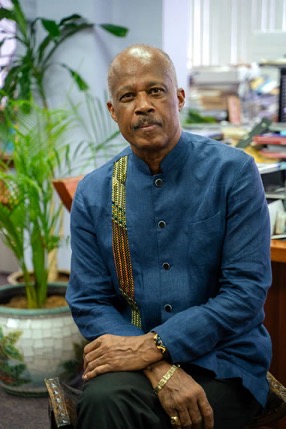
  • Emancipation Watchnight Gathering to Feature Professor Sir Hilary Beckles

    Emancipation Watchnight Gathering to Feature Professor Sir Hilary Beckles

    The Antigua and Barbuda Reparations Support Commission (ABRSC) has unveiled a full slate of 2026 Emancipation Observances, a curated multi-day series that honors the struggles, resilience, and legacy of formerly enslaved ancestors while lifting up the ongoing global fight for reparatory justice. At the top of the program’s most anticipated events is the annual Watchnight Gathering, scheduled for July 31, 2026 at Antigua’s iconic Botanical Gardens, with globally recognized reparations leader Professor Sir Hilary Beckles confirmed as the featured keynote speaker.

    This year’s commemorations kick off on July 24 with Africa Dress Day, a celebration of ancestral cultural ties that sets the tone for the week of reflection. The schedule builds on July 29 with the UHURU Television Program focused on the theme of Spiritual Awakening, before welcoming attendees to the core Watchnight Gathering on July 31. Titled “A Night of Reflection, Remembrance and Renewal,” the event will draw community members together for collective reflection, public education, and a reaffirmation of shared commitment to reparatory justice. The observances culminate on August 1, Emancipation Day, with a 6:00 a.m. Emancipation Breakfast Service at Greenbay Moravian Church, followed by the all-day Emancipation Village hosted at the V.C. Bird Bust from 10:00 a.m. to 5:00 p.m.

    Professor Beckles brings unmatched expertise and authority to the 2026 gathering. He currently serves as Vice-Chancellor of The University of the West Indies and Chairman of the CARICOM Reparations Commission, the regional umbrella body of which ABRSC is a member. Over decades of academic and advocacy work, his groundbreaking scholarship has fundamentally reshaped global understandings of Caribbean colonial and enslavement history, cementing his reputation as one of the region’s most influential voices on decolonization, regional integration, sustainable development, education, and reparatory justice.

    As the face of the CARICOM reparations movement, Beckles has emerged as the Caribbean’s leading international advocate for redress for the transatlantic slave trade and chattel slavery. He has represented regional interests before global bodies including the United Nations and African Union, as well as the UK Parliament, U.S. Congress, and hundreds of academic, religious, and civil society organizations across the world. His persistent advocacy has succeeded in moving reparations from a marginalized demand to a central item on the global policy agenda, framed as a core issue of human rights, historical accountability, and long-term equitable development.

    Beckles’ extensive research agenda covers a wide range of understudied topics tied to colonial harm, including the economic structure of plantation slavery, acts of resistance by enslaved people, gender dynamics in slave societies, Indigenous genocide, the intergenerational developmental impacts of colonial rule, and the legal and moral case for reparatory justice. He has published more than 20 academic and popular books, including landmark works such as 2013’s *Britain’s Black Debt: Reparations for Caribbean Slavery and Native Genocide*, 2016’s *The First Black Slave Society*, 2021’s *How Britain Underdeveloped the Caribbean*, and 2025’s *Cricket’s First Revolutionary: Frank Worrell’s Political War Against Colonialism in the West Indies*.

    Widely celebrated as a dynamic and compelling public speaker, Beckles will use his keynote address to update attendees on the most recent progress in the global reparatory justice movement. His talk will cover three key recent developments: the newly released 2026 CARICOM Ten Point Plan for Reparatory Justice: A Manifesto for the Coming Enlightenment, the United Nations’ landmark Declaration that classifies the transatlantic trafficking of enslaved Africans and racialized chattel slavery as the gravest crime against humanity in modern history, and key takeaways and next steps from the recent NEXT STEPS High-Level Consultative Conference focused on implementing the United Nations General Assembly resolution on reparations.

    ABRSC has issued an open invitation to all members of the public in Antigua and Barbuda and the wider Caribbean region to attend the Watchnight Gathering. The event offers a rare opportunity for collective reflection on the enduring legacy of emancipation, public recognition of the sacrifices of the generations that fought for freedom, and a collective reaffirmation of the region’s commitment to securing justice, dignity, and full reparatory redress for the harms of chattel slavery and colonialism.

  • Guyana, Karpowership agree to new two-year contract for Berbice vessel

    Guyana, Karpowership agree to new two-year contract for Berbice vessel

    On Wednesday, government officials from Guyana announced a finalized two-year contractual agreement with Turkey-based floating power provider Karpowership, updating the terms for the company’s electricity-generating vessel permanently stationed at the Everton East Bank Berbice terminal. The vessel first arrived at this site in May 2024 under an initial interim arrangement.

    Under the new terms, the 36-megawatt floating facility will supply power to the Guyana Power and Light (GPL) national grid at a rate of 9.5 US cents per kilowatt-hour. This marks an upward adjustment from the 7.2 US cents per kilowatt-hour rate set when the initial interim agreement was signed in 2024. The updated tariff brings the Berbice vessel in line with pricing for Karpowership’s second floating power plant located at Meadowbank, Greater Georgetown, which has operated at the 9.5 US cent rate since it was first connected to Guyana’s national grid.

    Public Utilities Minister Deodat Indar clarified that the published tariff does not include fuel costs, as the Guyanese government exempts power generation fuel from all taxation to keep overall energy costs stable. Indar emphasized that retaining the 36 MW of generation capacity from the Berbice vessel is a critical buffer for the national grid, as it offsets unavoidable transmission line losses that would otherwise strain power supply for residential and commercial users across the region.

    The new long-term arrangement comes as Guyana prepares to bring its large-scale 300 MW natural gas-fired Wales power station online, a project designed to meet rapidly growing energy demand driven by the country’s expanding oil and gas sector. The facility is on track to deliver an initial 222 MW of power to the national grid from four operational gas turbines by the end of 2026, with the remaining 72 MW of capacity coming online in early 2027.

    Speaking to reporters earlier the same day, Guyana President Irfaan Ali confirmed that negotiation teams reached a deal that aligned the Berbice vessel’s pricing with the existing terms for the second Karpowership facility. “The negotiations were completed at the same rate,” Ali said. “The rate of the second ship that is being used, nothing above that rate.”