作者: admin

  • U.S. Embassy celebrates 250th anniversary of American independence in Santo Domingo

    U.S. Embassy celebrates 250th anniversary of American independence in Santo Domingo

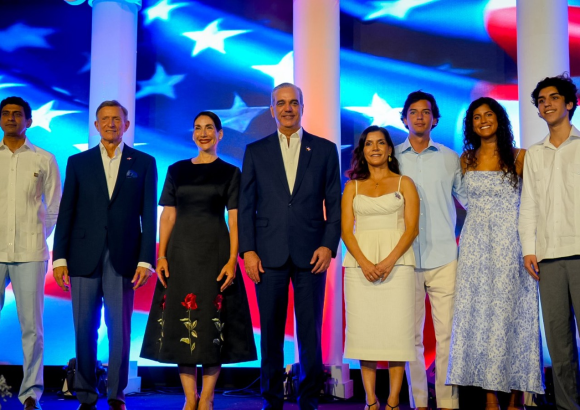
    SANTO DOMINGO – The United States Embassy in the Dominican capital has brought together nearly 1,000 prominent attendees for a special reception to honor the 250th anniversary of U.S. independence, hosted by U.S. Ambassador to the Dominican Republic Leah Francis Campos. The high-profile guest list included Dominican President Luis Abinader, alongside senior Dominican government officials, foreign diplomatic corps representatives, leading national business executives, and leaders of Dominican civil society organizations.

    Organized around the official theme “Freedom 250,” the celebration centered on the deep alignment of core values shared by the United States and the Dominican Republic: freedom, patriotic commitment, and shared faith. In her remarks at the event, Ambassador Campos drew clear connections between the historic 1776 adoption of the U.S. Declaration of Independence – the milestone this anniversary honors – and the modern, robust bilateral partnership that binds the two nations today. She used the occasion to reaffirm the United States’ ongoing commitment to strengthening collaboration and ties with the Dominican government and people.

    Beyond formal remarks, the event offered immersive cultural and historical programming to mark the occasion. Curated historical displays outlined the 248-year history of U.S. independence and the decades-long friendship between the two countries. Attendees were served a menu of American-inspired cuisine, and enjoyed a full lineup of live entertainment: sets from jazz musicians, and a performance from popular Dominican musical group Grupo Bonye, blending both U.S. and Dominican cultural traditions. The evening concluded with a vivid fireworks display, choreographed to display the red, white, and blue hues of the U.S. flag, serving as a visual capstone to the celebration of the longstanding friendship and cross-border cooperation between the United States and the Dominican Republic.

  • Santiago Chamber forges partnership to promote trade with the United Arab Emirates

    Santiago Chamber forges partnership to promote trade with the United Arab Emirates

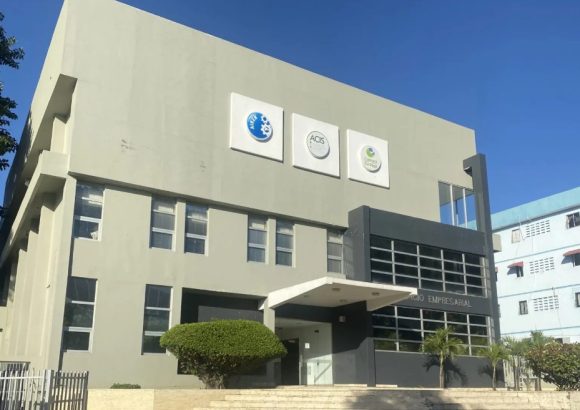
    In a landmark move designed to open new economic pathways between the Caribbean and the Middle East, the Santiago Chamber of Commerce and Production of the Dominican Republic has formalized a collaborative partnership with the Ras Al Khaimah Chamber of Commerce and Industry of the United Arab Emirates. The two organizations signed a formal memorandum of understanding this week in Santiago de los Caballeros, locking in a shared commitment to deepen cross-regional business engagement, expand two-way trade, and unlock new investment flows between their respective territories.

    The official signing ceremony was led by Luis Campos, representing the Dominican Santiago chamber, and Muhammad Ali Musabah Al Nuaimi, who signed on behalf of the UAE’s Ras Al Khaimah industry and commerce body. Beyond a symbolic agreement, the memorandum lays out a clear structural framework to advance multiple core economic priorities: accelerating bilateral trade growth, drawing new foreign direct investment to both regions, facilitating the open exchange of actionable business intelligence, and building a pipeline of tangible commercial opportunities for private enterprises across both the Dominican Republic and the broader Persian Gulf region.

    To turn this framework into real-world results, the partnership includes a slate of planned collaborative activities. These include reciprocal business exploration missions, joint participation in major industry trade fairs, academic and policy seminars focused on emerging market opportunities, structured programs for technology and knowledge sharing between local business communities, and targeted networking events designed to connect entrepreneurs and corporate leaders from both regions. A key overarching goal of these initiatives is to break down existing barriers to market entry, giving companies from both sides easier access to new customer bases and supply chain networks.

    Lead officials from both chambers have emphasized that the alliance carries strategic long-term value for the Dominican Republic’s business community. Beyond immediate commercial gains, the partnership is expected to help Dominican companies sharpen their international competitiveness by exposing them to new markets, best practices, and global industry trends. At the same time, it lays the foundation for durable, mutually beneficial economic ties between the Dominican Republic and the United Arab Emirates that are expected to generate shared growth for years to come.

  • Caribbean Cinemas reopens renovated theater complex at Ágora Mall

    Caribbean Cinemas reopens renovated theater complex at Ágora Mall

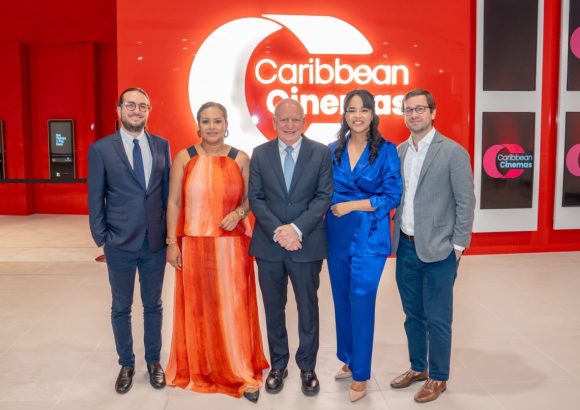
    After extensive renovation work, Caribbean Cinemas has officially thrown open the doors of its movie theater complex located at Santo Domingo’s popular Ágora Mall, debuting a completely overhauled entertainment space packed with cutting-edge upgrades and new customer amenities.

    Six individual auditoriums have received full makeovers, outfitted with state-of-the-art laser projection technology that delivers sharper, more vivid on-screen imagery, plush leather reclining seats for maximum comfort, immersive surround sound systems designed to draw viewers deep into the story, and a dedicated CXC giant-screen format that delivers a blockbuster-level viewing experience. Adding a new culinary dimension to the traditional cinema outing, the complex also introduces the brand-new Victor’s Kitchen & Bar concept, giving guests the option to enjoy full meals and craft beverages alongside their screenings.

    The official reopening ceremony was headed by Robert Carrady, President and Chief Executive Officer of Caribbean Cinemas. In remarks at the event, Carrady emphasized that this significant renovation investment is more than just an upgrade to one location – it stands as a clear testament to the company’s enduring dedication to both innovation in the cinema experience and its longstanding presence in the Dominican Republic, where the brand has built a loyal following across 50 years of operations.

    Silvia Rosales, General Manager of Ágora Mall, also shared her enthusiasm for the relaunched facility. She noted that the renovated cinema strengthens the shopping center’s overall entertainment portfolio, giving local families and out-of-town visitors a cutting-edge, comfortable leisure option right in the heart of Santo Domingo.

    Beyond the core auditorium upgrades, the renovated complex incorporates a host of customer-focused improvements that address common pain points for moviegoers. Self-service ticket kiosks have been added to cut down on wait times for guests who prefer to skip the box office line, concession areas have been expanded to offer more selection and shorter queues, and accessibility upgrades have been implemented throughout the space to better accommodate guests with disabilities.

    This reopening is not an isolated project: it forms a key part of Caribbean Cinemas’ wider regional modernization initiative that is rolling out across the company’s footprint across the Caribbean and Latin America. Currently, the chain operates more than 600 screens across 18 different territories, making it one of the largest cinema operators in the region, and the company plans to continue rolling out similar upgrades to additional locations in the coming months to bring the premium cinema experience to more guests.

  • Dominican Republic presents RD$32 billion Amber Highway project

    Dominican Republic presents RD$32 billion Amber Highway project

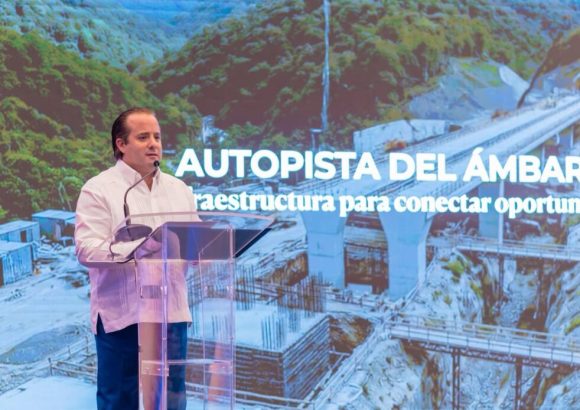
    In a formal gathering with business leaders and local government officials in Puerto Plata, the Dominican government has launched plans for a transformative infrastructure project: the Amber Highway, a development framed as a cornerstone initiative to bridge the Cibao interior region and the country’s popular Atlantic Coast.

    Leading the presentation, José Ignacio Paliza, Minister of the Presidency, outlined the massive scope of the project, which carries a total price tag of 32 billion Dominican pesos. Paliza emphasized that the highway is projected to become a major catalyst for expanded private investment, growing tourism arrivals, and increased employment opportunities across the entire northern region of the country.

    Hostos Rizik, Director General of the RD Vial Trust, which oversees national road infrastructure projects, detailed the engineering and functional specifications of the four-lane expressway. Once complete, the highway will cut travel time between Santiago de los Caballeros, the economic heart of the Cibao region, and the coastal tourism hub of Puerto Plata by roughly 60 minutes. It is designed to accommodate an annual traffic volume of more than 3.5 million vehicles, and incorporates modern infrastructure features including multiple tunnels and grade-separated express interchanges to streamline traffic flow.

    The full construction phase is scheduled to take 30 months, following the conclusion of an eight-month public bidding process that will select the project contractor. Pre-construction preparations, including environmental impact assessments and final adjustments to the highway’s alignment, are already underway, even as the broad route of the 32.7-kilometer corridor has been locked in. The overall timeline targets the start of construction for August 2026.

    According to government projections, the Amber Highway will generate approximately 6,800 direct and indirect jobs during its construction phase. Beyond job creation, the project is expected to strengthen key regional economic sectors: tourism, logistics, manufacturing, and agriculture, by reducing transport costs and improving access to markets and visitor destinations.

    The highway’s route begins at the Northern Ring Road (Circunvalación Norte) in Santiago, then cuts across the rugged Sierra Septentrional mountain range. To navigate this challenging terrain, engineers have planned two major tunnels with a combined length of 2.5 kilometers — one measuring 1.8 kilometers and a second spanning 700 meters. After crossing the mountain range, the route descends onto the Atlantic coastal plains, ending at the Gran Parada intersection, where it will provide direct, high-speed access to Puerto Plata and the popular coastal resort towns of Sosúa and Cabarete.

    Local business and tourism stakeholders in Puerto Plata have voiced strong, unified support for the initiative, describing the highway as a transformational development that the province has awaited for decades.

  • Casa de Campo’s first Cigars in Paradise festival draws international visitors

    Casa de Campo’s first Cigars in Paradise festival draws international visitors

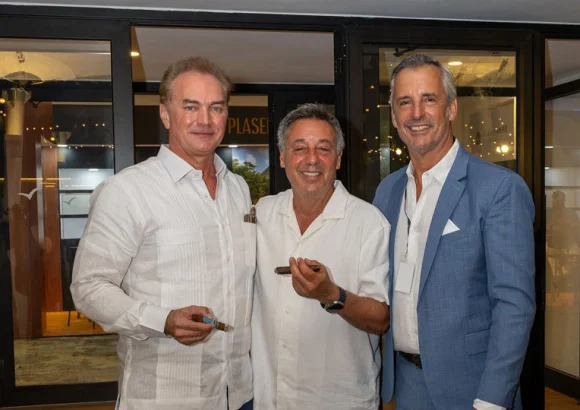
    The luxury Dominican destination of La Romana’s Casa de Campo Resort & Villas has marked a new milestone for the global premium cigar and luxury lifestyle space, playing host to the first-ever Casa de Campo Cigars in Paradise® festival between June 25 and 27. The three-day gathering drew a diverse crowd of cigar lovers, top industry executives, and international visitors, all united to celebrate the craft of premium tobacco and artisanal luxury spirits.

    Event organizers confirmed following the conclusion of the festival that the gathering will return yearly as a permanent staple on the global luxury events calendar, while also boosting the Dominican Republic’s standing as one of the world’s leading producers of premium quality cigars. The country has long been celebrated for its ideal climate and expert tobacco cultivation, and this new event cements that reputation on an international stage.

    Beyond the core celebration of cigars, the festival curated a full roster of exclusive luxury experiences for guests. Attendees had the opportunity to tee off at the world-famous Teeth of the Dog golf course, one of the most highly regarded tropical courses in the Caribbean, take guided tours of the historic Brugal rum distillery to learn about Dominican rum craftsmanship, and join educational seminars led by internationally recognized cigar experts that deepened knowledge of tobacco blending, aging, and appreciation. Evening social events showcased 28 of the most respected premium cigar brands from across the globe, giving attendees the chance to sample rare and exclusive blends. The guest list also included several high-profile celebrities, such as Puerto Rican actress Roselyn Sánchez, American actor Eric Winter, and veteran Hollywood performer Mekhi Phifer.

    A key highlight of the 2025 inaugural festival was hosting the fifth iteration of the Cigar Smoking World Championship, an international competition that draws top participants from across the globe. In this year’s competition, Rafael Solano Portoreal took home the first-place title after achieving a smoking time of 2 hours, 8 minutes, and 23 seconds.

    Organizers noted that the event exceeded expectations, with strong turnout from international attendees and overwhelmingly positive feedback from both guests and participating brands. This successful debut has laid a strong, stable foundation for the festival’s future annual editions, which are expected to grow in size and global reach in coming years.

  • Dominican Republic and Mexico join forces to boost hydrocarbon research

    Dominican Republic and Mexico join forces to boost hydrocarbon research

    In a landmark step to deepen bilateral collaboration in the strategic energy space, the Dominican Republic and Mexico have formalized a new partnership focused on elevating research, innovation and technological advancement across the energy and hydrocarbons sectors. The agreement, forged between the Dominican Ministry of Energy and Mines and Mexico’s prestigious Mexican Petroleum Institute, lays out a three-year framework for cross-border collaboration that extends far beyond a simple statement of intent.

    Under the terms of the pact, the two partners will advance a broad slate of collaborative activities, including co-developed research initiatives, cross-border technology sharing, joint academic programming, and specialized training for industry professionals. To further expand technical knowledge and build institutional capacity, the partnership also plans to host a regular roster of public and industry-facing events, from expert seminars and hands-on workshops to large-scale international conferences. All of these activities are targeted at boosting both countries’ technical and scientific capacity in high-priority energy areas that underpin long-term economic growth.

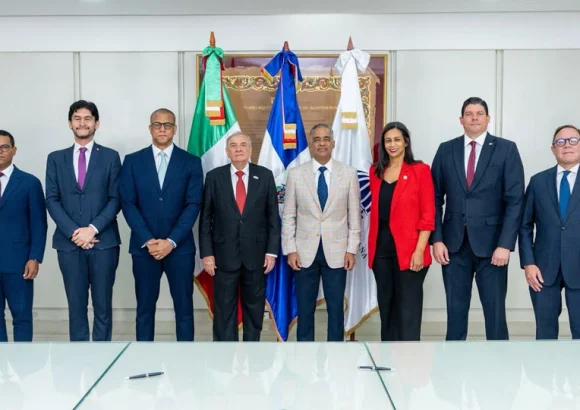
    The official signing ceremony brought together key stakeholders from both nations, led by Joel Santos, Dominican Minister of Energy and Mines, and Carlos Miguel Aysa González, Mexico’s ambassador to the Dominican Republic, with senior leaders from the Mexican Petroleum Institute in attendance to mark the occasion. Speaking after the signing, officials from both governments emphasized that the new collaboration will drive much-needed modernization across the Dominican Republic’s energy sector, promote more responsible and efficient use of existing national energy resources, and put in place clear formal protections to safeguard confidentiality and intellectual property rights for all outcomes developed through joint projects. The pact marks a significant expansion of energy diplomacy between the two Latin American nations, setting a foundation for long-term knowledge sharing and industry growth.

  • CARICOM to Examine Issues Affecting Rastafarians Across the Region

    CARICOM to Examine Issues Affecting Rastafarians Across the Region

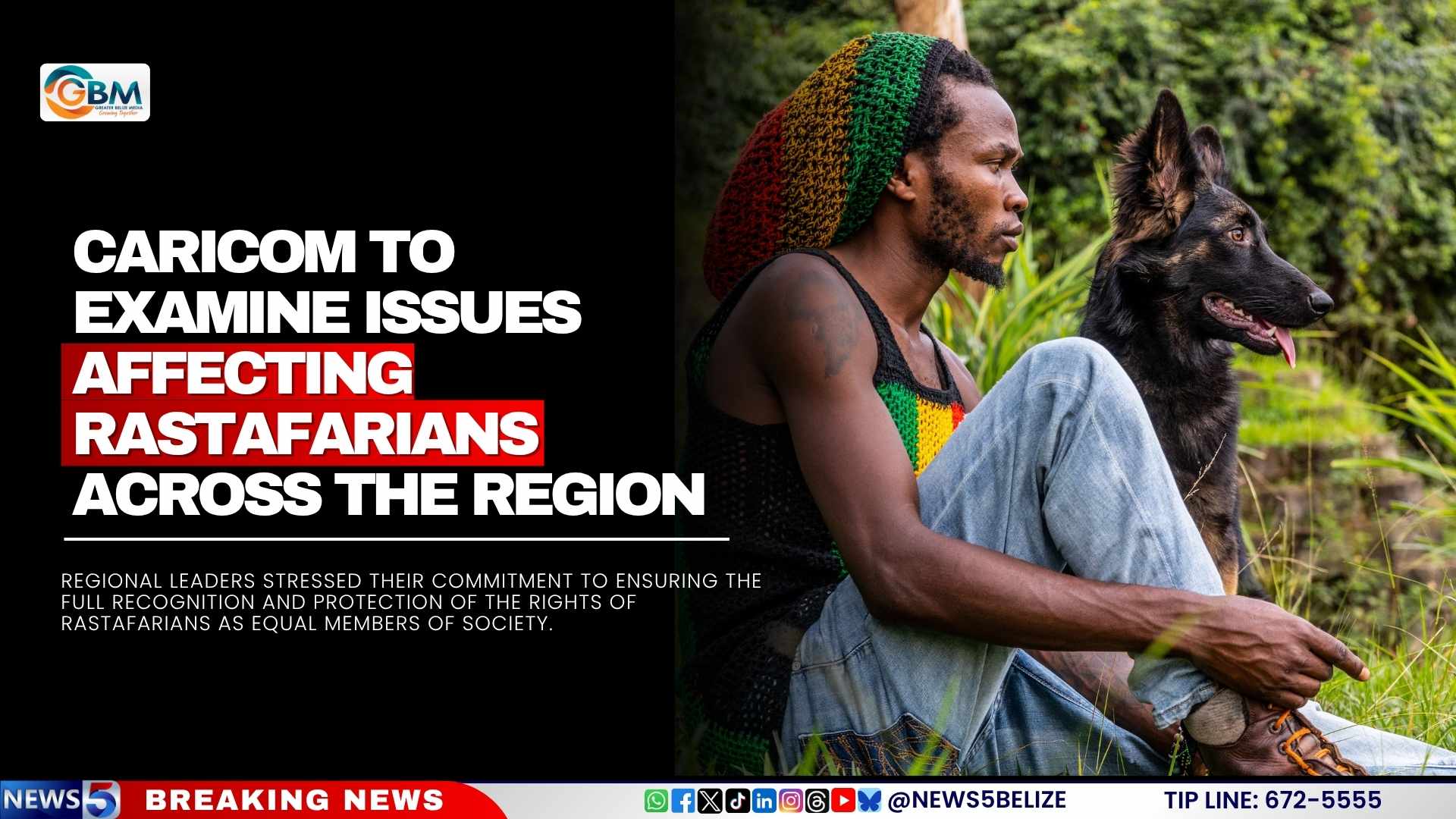
    In a landmark move advancing social equity across the Caribbean, the Caribbean Community (CARICOM) has formalized plans to confront decades of systemic discrimination and social exclusion faced by Rastafarian communities across the region. The initiative was greenlit by regional heads of government during their 42nd Inter-Sessional Conference of Heads of Government, held in May this year, marking a historic step toward redressing historical and ongoing harms against the religious and cultural group.

    Per CARICOM’s official announcement, Rastafarians continue to encounter disproportionate barriers to equal participation across core areas of public life, spanning access to education, employment opportunities, and routine social interaction — challenges that persist both within Caribbean borders and in global spaces where community members reside and work. Regional leaders have reaffirmed their unwavering commitment to securing full legal and social recognition of Rastafarians’ rights, framing equal inclusion as a core pillar of just governance across the bloc.

    To turn this commitment into coordinated action, CARICOM will convene a cross-regional gathering bringing together official representatives from all member states alongside key community stakeholders to map out the most pressing unaddressed issues impacting Rastafarian populations. Following these consultations, a permanent special committee will be established to advance advocacy and policy work at both regional and international levels. The committee will draw representation from five key Caribbean nations: Barbados, Jamaica, St. Kitts and Nevis, Saint Vincent and the Grenadines, and Trinidad and Tobago.

    CARICOM also highlighted that several member states have already taken unilateral action to redress historical injustices against Rastafarians, offering a foundation for coordinated regional action. These existing steps include formal government apologies for past discriminatory policies, targeted land grants to Rastafarian communities, and updated anti-discrimination legislation that explicitly protects workers from bias based on Rastafarian identity. The regional bloc notes that these local, successful measures can serve as a blueprint for a unified regional strategy to embed equality and inclusive governance across all CARICOM member states.

  • School Honours Irene B. Lady Williams for a Lifetime of Service to Education and Community

    School Honours Irene B. Lady Williams for a Lifetime of Service to Education and Community

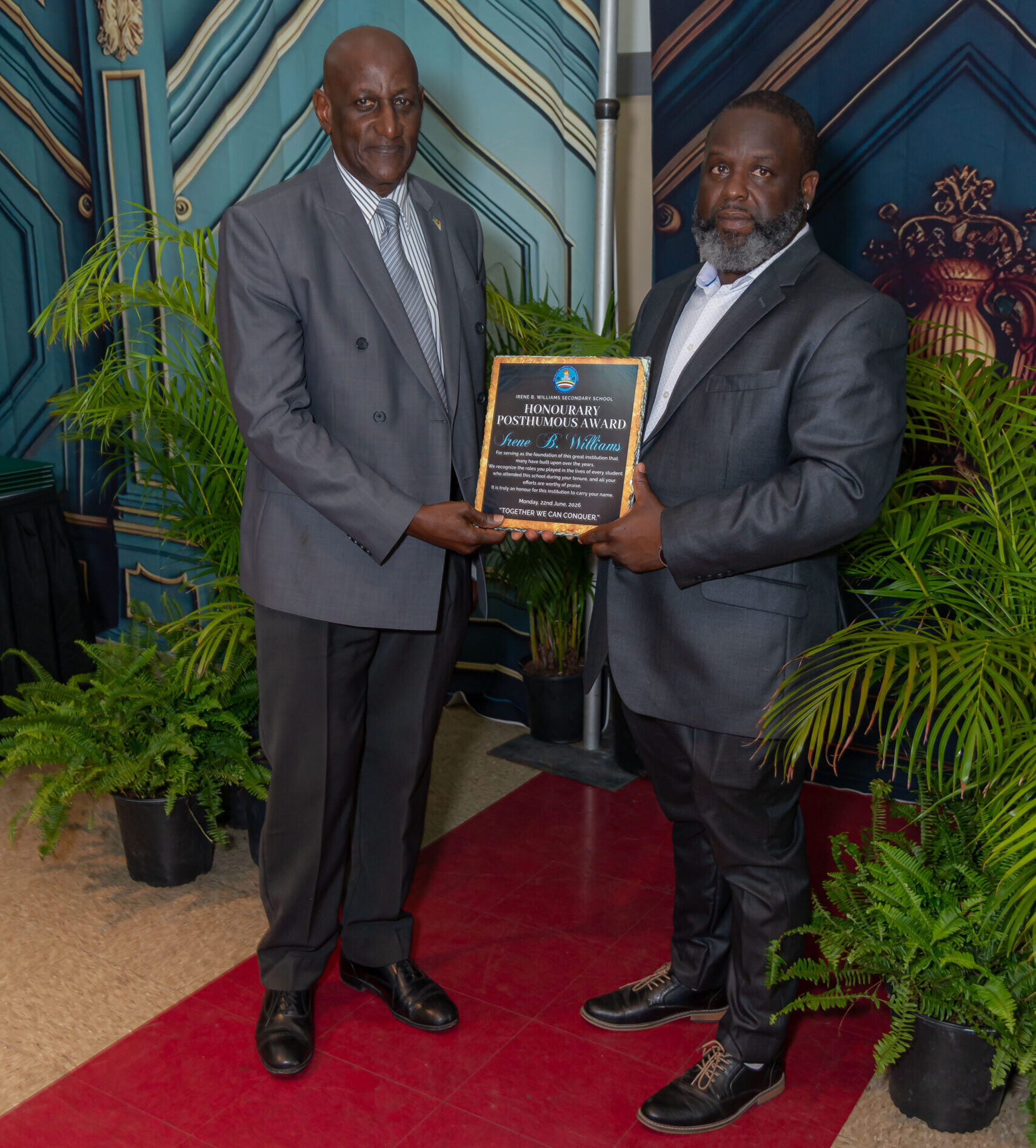
    On June 22, 2026, the Irene B. Williams Secondary School in Antigua and Barbuda honored one of the nation’s most beloved trailblazers in education and community development: Irene B. Lady Williams, bestowing an Honorary Posthumous Award to recognize her extraordinary contributions to learning, public life and national progress.

    The ceremony paid tribute to a woman whose vision, steady leadership, and unshakable commitment shaped countless generations of Antiguans and Barbudans, and whose life’s work continues to motivate every student who walks the halls of the campus that carries her name. The award’s official citation framed Lady Williams as the very foundation on which the school was built, highlighting her immeasurable impact on national education and emphasizing that the institution considers itself privileged to bear her legacy.

    His Excellency The Rt. Hon. Sir Rodney Williams, Governor-General of Antigua and Barbuda and Lady Williams’ son, could not attend the event due to scheduled overseas official duties. Deputy Governor-General Sir Clare K. Roberts stood in for the Governor-General, while Ewart Lee Williams, Lady Williams’ youngest son, accepted the honor on behalf of the entire Williams family. For the family, the award was far more than a ceremonial gesture: it was a deeply moving confirmation that Lady Williams’ decades of selfless service are still cherished and remembered by the school community and the nation she dedicated her life to.

    Born into an era of limited opportunity for women in education, Lady Williams’ 40-plus year career in education began at just 15 years old, made possible by her exceptional academic talent. After graduating from the Antigua Teachers’ Training College, she took up a teaching post in neighboring Montserrat before returning to her home country, where she served at multiple government primary schools including Swetes, All Saints, and Liberta. She eventually returned to Swetes Government School as its principal, leading the institution with tremendous distinction. That campus would eventually grow into the Irene B. Williams Secondary School, a permanent monument to her life’s work.

    Beyond her role as an educator, Lady Williams earned a reputation as a firm but caring disciplinarian, lifelong life coach, and dedicated humanitarian. She held firm to the belief that education was the single most powerful pathway to social and economic opportunity, and devoted every part of her life to ensuring that no child was denied the chance to succeed. She often went above and beyond the walls of the classroom: she would seek out children working long hours in local agricultural fields, meet with their parents to emphasize education’s importance, and persuade families to send their children back to school. Many of those young people grew to become successful professionals, educators, public servants, and community leaders, all of whom credit Lady Williams with altering the course of their lives for the better.

    Her service extended far beyond education. Affectionately nicknamed the “Village Nurse,” Lady Williams provided basic care to hundreds of local families, treating minor injuries and ailments when formal medical care was hard to access, while offering compassionate advice to all who sought her help. Local parents trusted her not just with minor medical care for their children, but for the moral guidance and disciplined upbringing that she was known for providing.

    A devout Christian, Lady Williams also poured her energy into the spiritual and social development of her community. She founded a Women’s Fellowship, a community support group, a church choir, and a village community choir. She taught home economics and culinary skills to young women, served as her parish’s Red Cross representative, and organized community initiatives like village garden competitions to strengthen family and community bonds.

    Lady Williams also held an unwavering commitment to justice and personal accountability. She never shied away from confronting young men who fathered children but refused to provide financial or emotional support, convinced that personal responsibility was the bedrock of strong families and strong communities. Her firm but empathetic approach earned her widespread respect, and led to tangible positive change in the lives of everyone she counseled.

    Renowned for her honesty, integrity, compassion, and boundless love for her community, Lady Williams led by example. Her strength of character and unwavering dedication to service won her the admiration of everyone who met her, and her outsized influence in Swetes Village earned her the affectionate title of de facto Mayor of Swetes, a reflection of the deep respect the community held for her.

    Speaking after the ceremony, Ewart Lee Williams expressed profound gratitude to Principal Ursula Willock, the school’s staff, current students, alumni, and the entire school community for their work to honor and preserve Lady Williams’ extraordinary legacy. He also extended the family’s thanks to Sir Clare K. Roberts for standing in for the Governor-General during his official overseas trip.

    Today, the award stands not just as a recognition of one woman’s extraordinary achievements, which transformed thousands of lives across Antigua and Barbuda. It also serves as a powerful reminder that true greatness is measured not by formal titles or public honors, but by a lifetime of devotion to lifting up others. For every student who passes through the school’s gates, the name on the building is more than just an institutional label: it is a permanent tribute to a remarkable woman who dedicated her life to educating, inspiring, and uplifting generations, and whose legacy continues to shape the future of Antigua and Barbuda. Under the leadership of Principal Willock, the school remains committed to upholding Lady Williams’ values by nurturing academic excellence, strong moral character, and a commitment to community service among every cohort of students.
  • Regional leaders urge reform of global climate finance system at CDB annual meeting

    Regional leaders urge reform of global climate finance system at CDB annual meeting

    When top climate finance and development stakeholders gathered for a high-stakes dialogue at the Caribbean Development Bank’s (CDB) 56th Annual Meeting in Nassau, The Bahamas this June, a clear, uncompromising message took center stage: the existing international financial framework is failing Small Island Developing States (SIDS), and transformative systemic reform is non-negotiable to help these climate-vulnerable nations adapt to worsening climate impacts. Held alongside the bank’s week-long gathering of regional and global development leaders from June 1 to 5, 2026, the invite-only discussion titled *“The Breakfast Exchange: A Climate Talk on the Global Economy”* convened a panel of seasoned experts to unpack systemic barriers to equitable climate resourcing and outline actionable pathways forward for at-risk regions across the globe. Moderated by CDB President Daniel M. Best, the conversation centered on the unique and disproportionate threats facing Caribbean SIDS, which rank among the world’s most climate-exposed nations despite contributing almost nothing to historical greenhouse gas emissions. Joining Best on the panel were four key figures shaping global climate action: Ibrahima Cheikh Diong, Executive Director of the UN-backed Fund for Responding to Loss and Damage (FRLD); Ambassador Selwin Hart, Special Adviser to the UN Secretary-General on Climate Action and UN Assistant Secretary-General; and Racquel Moses, CEO of the Caribbean Climate-Smart Accelerator (CCSA) and Chair of the Glasgow Financial Alliance for Net Zero (GFANZ) Caribbean. Opening with a stark assessment of global climate investment inequity, Ambassador Hart laid bare the deep imbalance that has defined climate finance flows since the 2015 Paris Agreement was signed. He revealed that 80 percent of all global clean energy investment has flowed to high-income advanced economies, leaving just 20 percent to serve the two-thirds of the global population that calls developing nations home. “The biggest failure in the current global financial architecture is that the system continues to reward the drivers of the climate crisis while penalising those that are vulnerable and contributed the least,” Hart told attendees. Diong expanded on this critique, framing accessible climate finance as a three-pronged challenge that hinges on three non-negotiable pillars: consistent availability, streamlined accessibility, and fair affordability. Too often, he noted, headline-grabbing international funding pledges fail to translate to tangible support on the ground for vulnerable nations, because bureaucratic barriers and unfavorable terms lock countries out of the resources they need in a timely, affordable way. Diong explained that the FRLD, which has secured $820 million in voluntary contributions to date, is designed to upend this broken model. The fund’s first financing facility will offer 100 percent grant-based funding, with a minimum of 50 percent of all resources reserved exclusively for SIDS and Least Developed Countries — a policy designed to ensure recipient nations do not accumulate unsustainable new debt to address climate harms. “The keyword is delivery, delivery, delivery,” Diong emphasized. “We are talking about people’s lives here.” CDB President Best echoed this urgency, warning that Caribbean nations are facing rapidly escalating climate threats while navigating an increasingly volatile global economic landscape that squeezes their ability to invest in resilience. “Development financing delayed is development financing denied,” Best stressed, underscoring the need to speed up the flow of resources to the region. Hart went on to call for a structural shift in how the Caribbean approaches climate finance, arguing that the current model of expecting individual small nations to navigate fragmented accreditation processes for dozens of separate global funding bodies is inefficient and unfair. Instead, he proposed that the CDB take on an expanded, centralized role as the region’s dedicated climate finance coordinator. “CDB should be the region’s climate bank,” Hart said. He also pushed back against the longstanding global practice of using per capita national income as the primary eligibility threshold for grants and low-interest concessional climate financing. Hart pointed out that Caribbean nations including The Bahamas, Barbados, and Antigua and Barbuda are locked out of most concessional funding opportunities despite facing some of the highest climate vulnerability on Earth. Instead of relying on income metrics, Hart argued, climate vulnerability itself should be the core determinant of eligibility for international climate support. Looking ahead to emerging economic opportunities for the region, Moses urged Caribbean governments to proactively capitalize on two fast-growing global trends: the global transition to renewable energy and the exponential expansion of artificial intelligence, which has spurred skyrocketing demand for low-carbon energy to power data centers. “Right now, the biggest thing that’s happening is AI, and they are looking everywhere to find energy for data centres,” Moses noted. “If we explore our true renewable energy potential, we will have excess energy that we can provide.” She warned that the window to seize this economic opportunity is limited, noting, “These things happen in waves, and when this wave is gone, it’s gone.” Echoing Hart’s call for collective action, Moses emphasized that Caribbean nations will achieve far more by collaborating through shared regional institutions than by pursuing fragmented, independent strategies to secure climate finance and economic development. Closing the discussion, Hart offered a note of cautious optimism, tying progress directly to sustained regional cohesion. “Despite this climate crisis, our best days are yet ahead of us — but it requires us as a region to work as a region,” he said. The CDB’s 56th Annual Meeting, which ran from June 1 to 5 in Nassau, featured a full slate of knowledge-sharing sessions focused on addressing the Caribbean’s most pressing development challenges, from climate resilience to economic inequality. A full recording of *“The Breakfast Exchange: A Climate Talk on the Global Economy”* is now available for public viewing on the CDB’s official website and YouTube channel.