
unknown
作者: admin
-

LCB Statement: Van bewustwording naar voorbereiding
Time is running out for Suriname to turn local content policy from a theoretical concept into tangible, on-the-ground action. As the country prepares for a new wave of economic development, the pressing question now is whether Surinamese businesses, workers and national institutions can get ready in time to meaningfully participate in the coming growth opportunities.
The Local Content Board, the body overseeing this transition, has laid out its mandate: to guide stakeholders, foster cross-party collaboration, and speed up the implementation of local content frameworks. Instead of raising unachievable expectations among local groups, the board is focused on building a more realistic, transparent and well-structured local content process that delivers tangible benefits for the national economy.
In a public statement released by board chair Lucille Drielinger-Fernandes, three core priorities have been flagged as urgent to address in the near term.
First, the board is calling for equal access to information for small and medium-sized enterprises (SMEs). Local business owners must receive timely, practical updates about upcoming opportunities, project requirements, industry standards, required certifications and all necessary preparation steps. The board emphasizes that access to critical market information cannot remain an advantage reserved for only a small, well-connected group of market players; all local enterprises deserve a clear view of what is coming to prepare accordingly.
Second, the board highlights the need for realistic expectation management across all sectors. Local content policies do not guarantee automatic contracts for every local business, the statement clarifies. Instead, what these policies do deliver is a fair chance for local enterprises to compete, provided they meet established requirements for quality, workplace safety, regulatory compliance, financial discipline, transparent administrative practices and reliable delivery.
Third, the board stresses that preparation must translate into concrete, visible action immediately. Key priorities include advancing supplier readiness programs, rolling out targeted skills training, improving coordination between government agencies and private enterprises, streamlining slow approval procedures, expanding public access to information, and ensuring measurable, effective knowledge transfer to build local capacity long-term.
Moving forward, the Local Content Board reaffirms its commitment to connecting different public and private stakeholders, highlighting systemic bottlenecks that slow progress, and building a practical policy framework that supports sustainable, homegrown value creation across Suriname’s economy. For all parties involved, business as usual is no longer an option as the timeline for new economic development draws near.
-
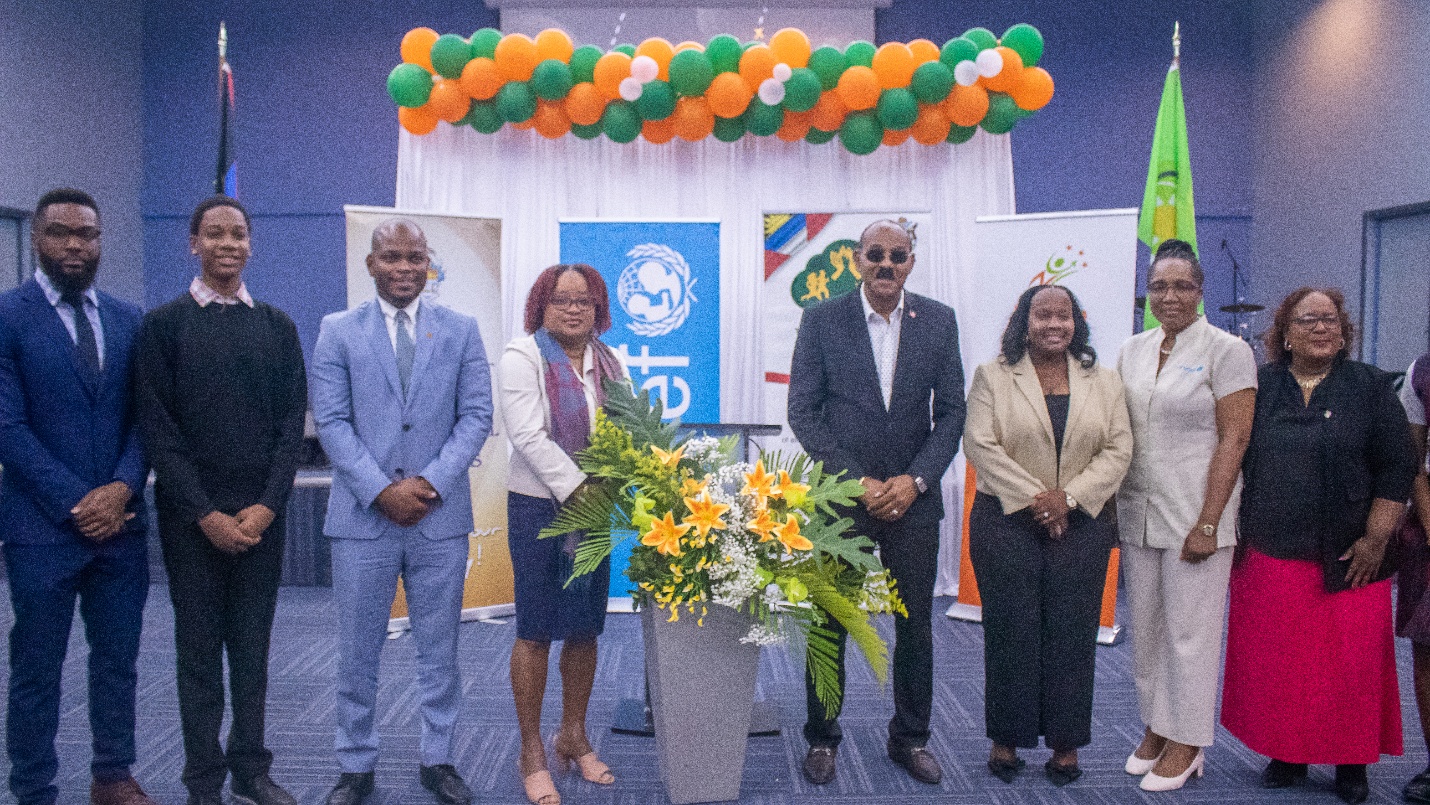
New mental health chatline to support youth
Across the Eastern Caribbean, young people facing mental health struggles will soon gain a confidential, youth-centered lifeline, as regional and international partners have rolled out a groundbreaking new support service tailored to the needs of local children and adolescents. The Organisation of Eastern Caribbean States (OECS) has partnered with UNICEF, the University of the West Indies (UWI), the Government of Antigua and Barbuda, and the Zenith Centre to launch the Young Caribbean Minds (YCM) Chatline – a free, text-based platform that delivers both mental health support and child protection assistance with full anonymity for users.
Unlike many existing support services, the YCM Chatline was not designed in a top-down manner. Its development grew directly out of the largest youth consultation on mental health legislation ever conducted in the Eastern Caribbean, which gathered input from more than 1,000 young people across the region about the daily mental health challenges they face and the types of support they actually want to access. Every piece of feedback from this consultation shaped the final structure of the chatline, and has also informed ongoing policy discussions about the future of regional mental health care frameworks.
Released alongside the official launch of the platform, the *Youth Voices: Mental Health Care Bill Survey Report* lays out the key barriers young people identified to accessing mental health support. Stigma around mental illness emerged as the single largest obstacle: 34.2% of survey respondents shared that they feared being judged by others if they sought out mental health assistance. More than half of participants called for stronger legal protections for people accessing mental health care, while nearly 90% expressed clear support for rights-centered approaches to mental health service delivery.
The report also confirmed that privacy is a non-negotiable factor for young people to trust mental health support services, with anonymous online chat ranking among the most highly preferred methods of accessing help. In response, the YCM Chatline allows users to connect with support without sharing any personal identifiable information, preserving full anonymity throughout every interaction.
Support on the platform is delivered in real time by UWI-trained volunteers, who work under the close supervision of licensed, qualified psychologists. For young people who face acute child protection risks, an integrated referral system connects users directly to appropriate local services that can provide ongoing, specialized support.
The full regional rollout follows a successful five-month pilot programme that delivered more than 1,000 one-on-one support sessions. Pilot data collected by organisers shows that 88% of users who accessed the service during the trial period reported they would use it again in the future, reflecting high levels of satisfaction with the confidential, youth-focused model.
The initiative has already earned international acclaim for its innovative approach: it was highlighted as a global best practice at the Global Conference on Child and Adolescent Mental Health, and was selected as one of the Top Three finalists for the UNICEF Global INSPIRE Awards. Following the official launch, the project team will complete additional volunteer training and system upgrades before rolling the service out to all nine OECS Member States, including Saint Lucia, where the initiative was first announced.
-
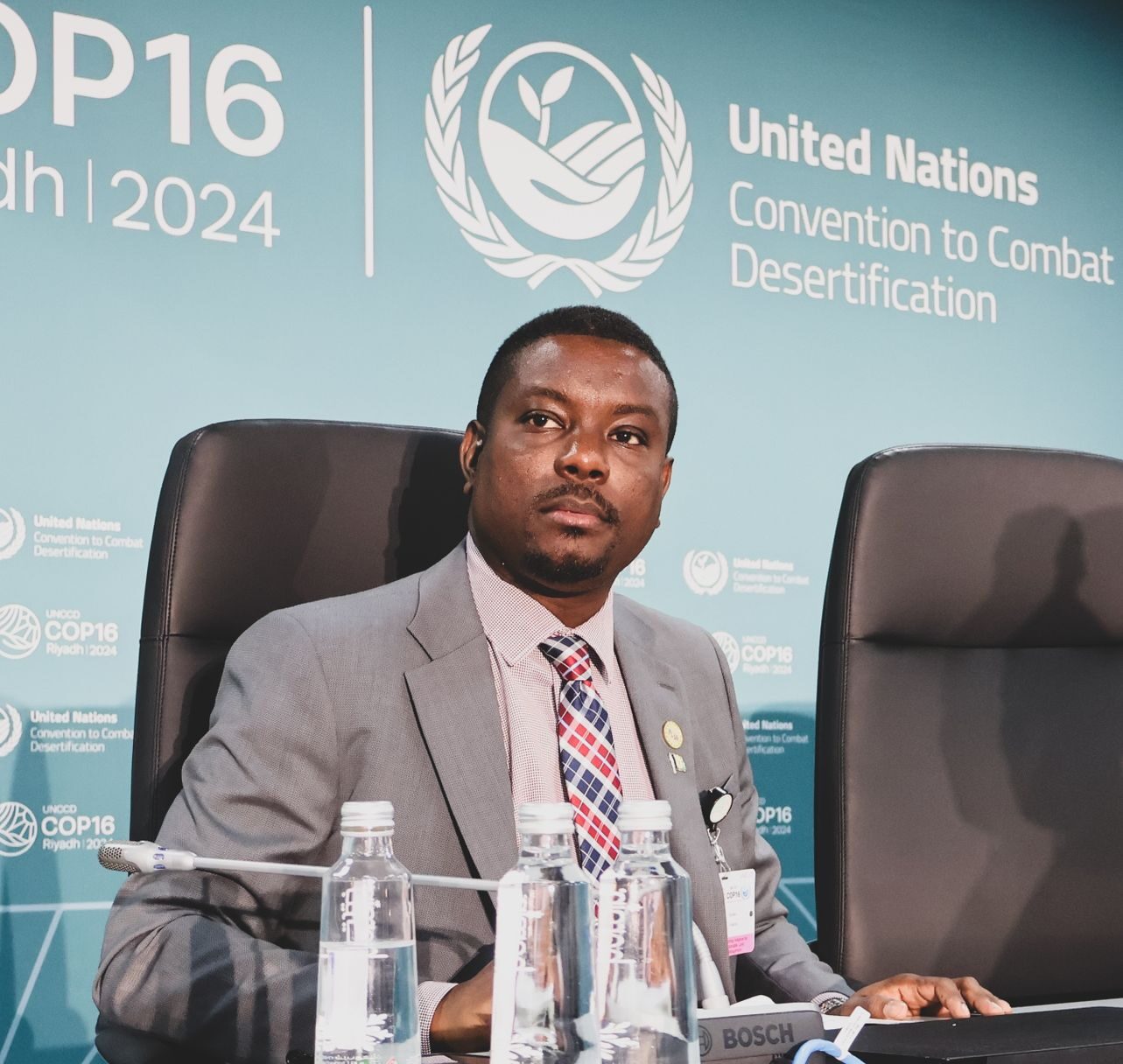
PISLM championing environmental reporting
Ahead of the 2026 Caribbean Broadcasting Union (CBU) Media Awards set to take place in Guyana this August, the Partnership Initiative for Sustainable Land Management (PISLM) has announced a major new sponsorship that places Caribbean land degradation and restoration at the center of regional media attention. The partnership will see PISLM fund three full award categories, two of which are specifically dedicated to elevating impactful reporting on land degradation neutrality: one for best television production and a second for best digital content. This targeted sponsorship forms part of a broader PISLM strategy to encourage more on-the-ground environmental reporting that humanizes the impacts of land degradation, while also highlighting the inherent resilience of Caribbean communities and their capacity to restore damaged ecosystems. The announcement was made by PISLM Executive Director Dr. Ronen Francis during the official launch of the CBU’s 57th Annual General Assembly and Media Awards on June 16, 2026. In his remarks at the event, Francis framed regional media not as passive observers of environmental change, but as core partners in advancing sustainable land management across the Caribbean. “The stories you tell shape the decisions that shape our land,” Francis told attendees, emphasizing that media fills a critical gap that technical research reports cannot address: by centering community experiences, media turns abstract ecological data into a lived reality that resonates with the public and policymakers alike. The Caribbean region is home to globally significant landscapes, boasting biodiverse rich ecosystems, fertile agricultural soils, and deep cultural ties between local communities and their traditional lands. But as small island developing states (SIDS), Caribbean nations face disproportionate pressure on their limited land resources. Competing demands for development, growing climate impacts, and accelerating land degradation have combined to erode core pillars of regional stability, including food security, clean water access, and long-term community resilience. According to Francis, PISLM’s sponsorship of the CBU media awards is directly aligned with United Nations Sustainable Development Goal 15 (Life on Land), the global target to halt and reverse land degradation worldwide. Beyond raising public awareness of the issue, the initiative aims to drive advocacy, hold decision-makers accountable, and amplify the work already underway across the region to restore damaged land. PISLM remains committed to long-term support for Caribbean media professionals working on environmental issues. The organization recognizes that regional journalists do more than just produce content: they shape public opinion, bring much-needed visibility to both the challenges and progress around land management in the Caribbean, and lay the critical groundwork for widespread land restoration across Caribbean Small Island Developing States (CSIDS). This story was distributed via NOW Grenada, which notes it is not responsible for the opinions and content expressed by contributing partners.
-
SADO announces St Andrew Festival 2026 Schedule of Activities
Community development leaders in St Andrew, Grenada have formally unveiled the complete lineup of activities for the highly anticipated 2026 St Andrew Festival, a multi-week celebration designed to highlight the parish’s distinct cultural identity, shared heritage, athletic talent, and tight-knit community bonds. Organized by the St Andrew’s Development Organisation (SADO), the 2026 iteration of the beloved local gathering aims to unite a diverse cross-section of attendees—from long-term residents and visiting guests to multi-generational families, young people, local community groups, and cultural tourists—through a dynamic slate of inclusive, public-facing events. The official launch of the festival took place Monday, 30 June 2026, at a ceremony hosted at Papa D’s in central St Andrew, kicking off months of planned festivities for the region.
Delivering the keynote opening remarks at the launch ceremony was Honourable Delma Thomas, Grenada’s Minister for Mental Wellness and Sports, who reaffirmed the government’s full backing for the annual festival. Thomas emphasized that the gathering has grown into far more than a series of local events: it serves as a critical, ongoing platform for the parish to celebrate its unique communal identity, create meaningful opportunities for cross-generational connection, and give local creators and performers space to showcase the one-of-a-kind talents and traditions that set St Andrew apart.
Joining Thomas in endorsing the festival was Livingston Nelson, Chief Executive Officer of the Grenada Cultural Foundation, who echoed calls for widespread public participation. “This festival belongs to the people of St Andrew,” Nelson noted, urging all residents to turn out, join in the fun, and honor the rich cultural legacy, deep-rooted heritage, and enduring community spirit that define the parish.
A landmark addition to the 2026 festival lineup marks the first ever collaborative partnership between SADO and the local Big Parish Soccer Club, which will co-host the inaugural Rainbow City Festival Cup tournament as a core feature of this year’s celebrations. Rickey Aberdeen, a representative for Big Parish Soccer Club, welcomed the new collaboration, framing the joint venture as a meaningful milestone for expanding community engagement through accessible athletic programming. “This partnership is about more than football. It is about bringing communities together, creating opportunities for our young people, and adding another exciting dimension to the St Andrew Festival. We are proud to work alongside SADO to make this tournament a success,” Aberdeen explained.
The 22-day soccer tournament is scheduled to kick off on 8 July and run through 30 July, with all matches hosted at St Andrew’s Victoria Park. Organizers project that the tournament will draw competitive teams and thousands of cheering supporters from every corner of the parish, making it one of the most well-attended events of this year’s festival.
The full public schedule of confirmed 2026 St Andrew Festival events spans more than two months of programming: the Rainbow City Festival Cup runs 8–30 July at Victoria Park; an Emancipation Watch Night gathering will be held on 31 July; community-wide Emancipation Day Celebrations are scheduled for 1 August; the Roots and Rhythm: D Breadbasket Edition music and cultural event will take place on 2 August; and the popular local food showcase Flavours in D Forest is set for 15 August.
SADO has issued a public call for all community members and visitors to engage with the full lineup of events, as the parish prepares to come alive with weeks of athletic competition, heritage celebrations, live music, cultural exploration, and collective joy. This report carries a standard disclaimer: NOW Grenada is not responsible for the opinions, statements or media content presented by third-party contributors, and invites users to click through official channels to report any content violations or abuse.
-
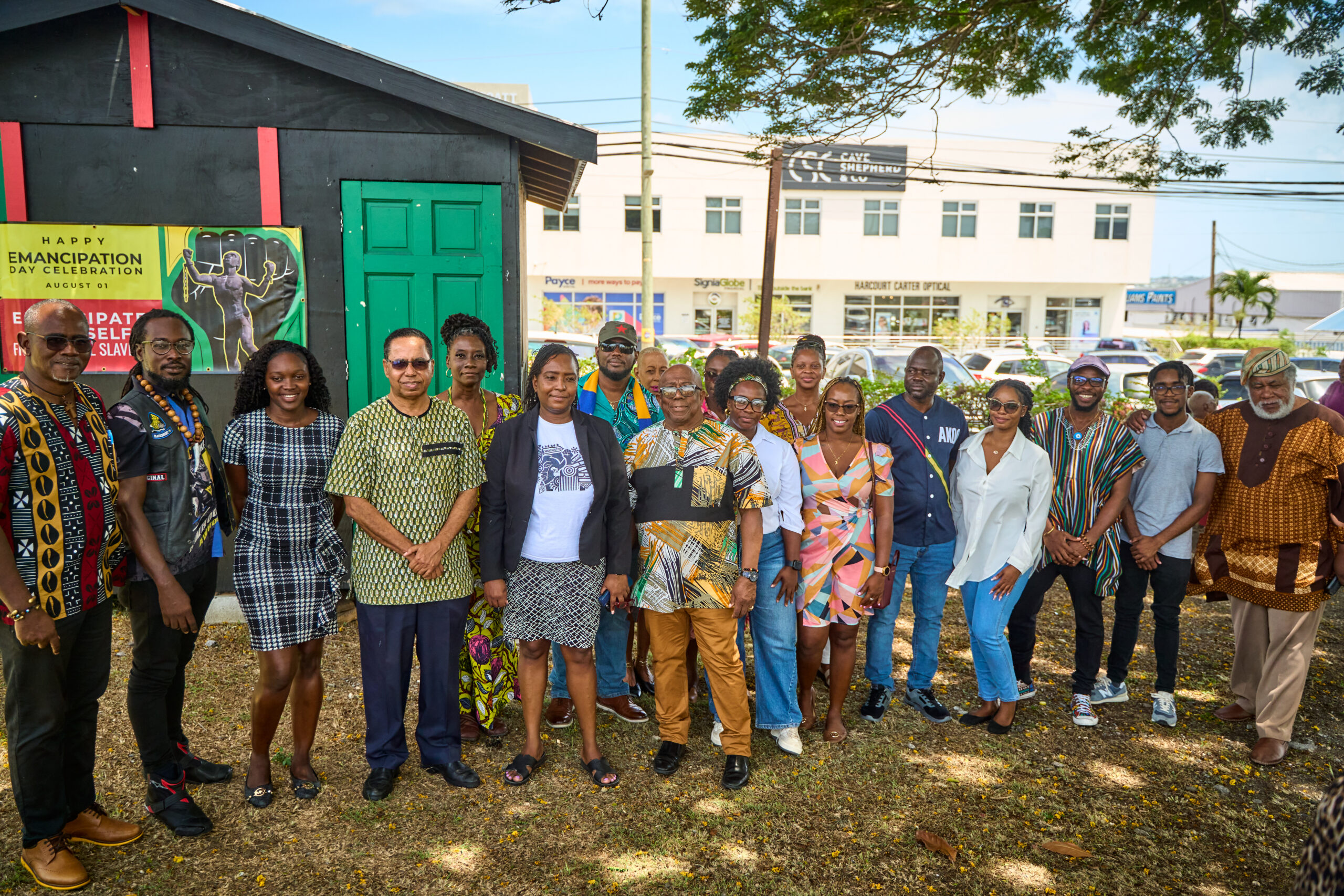
Emancipation walk organisers expect up to 10 000 participants
As Barbados marks two landmark national milestones – six decades of independence and five years as a sovereign republic – organizers of the island’s annual Emancipation Walk and Concert are gearing up to host a historic turnout of attendees, projecting a crowd that could reach 10,000 people this year. Local officials frame the 2024 gathering as a critical turning point for collective national reflection on the island’s journey from enslavement to self-governance.
-

ACTIF2026 Trade and Investment Forum postponed over public health concerns
The African Export-Import Bank (Afreximbank) and the federal government of Saint Kitts and Nevis have made a joint announcement delaying the upcoming Fifth Annual AfriCaribbean Trade and Investment Forum (ACTIF2026), a key cross-regional economic gathering, in response to shifting public health risks across multiple regions of Africa.
Originally scheduled to take place from July 29 to 31, 2026, at the host destination of Basseterre, the capital city of Saint Kitts and Nevis, the high-profile trade and investment event will not proceed on its originally planned timeline, per an official statement published on the forum’s public website.
Organizers confirmed that the postponement decision was shaped by the most recent guidance issued by regional, continental, and global public health bodies, which have been monitoring the rapidly evolving public health situation in several African nations. Both Afreximbank and the Saint Kitts and Nevis government emphasized that delaying the forum was the most ethically and pragmatically responsible choice to protect the physical health, personal safety, and overall well-being of hundreds of expected attendees, including delegates, keynote speakers, corporate sponsors, institutional partners, and supporting staff.
In the official release, event leadership recognized the extensive time, resources, and advance planning that attendees and key stakeholders have already invested in preparation for the forum, noting that the difficult call to postpone came only after exhaustive deliberation across all organizing bodies. Organizers also extended their gratitude to delegates, sponsors, partner organizations, and other stakeholders for the high level of interest and commitment demonstrated in the months leading up to the planned event, while offering a formal apology for any disruption, scheduling conflicts, or logistical inconvenience the postponement may cause.
Going forward, Afreximbank and the Saint Kitts and Nevis government have committed to publishing updated details, including a new confirmed event date and revised logistical information, through their official communication channels as soon as a revised plan is finalized. All registered participants and interested industry stakeholders are advised to regularly check the official ACTIF2026 website for the latest announcements and updates.
-
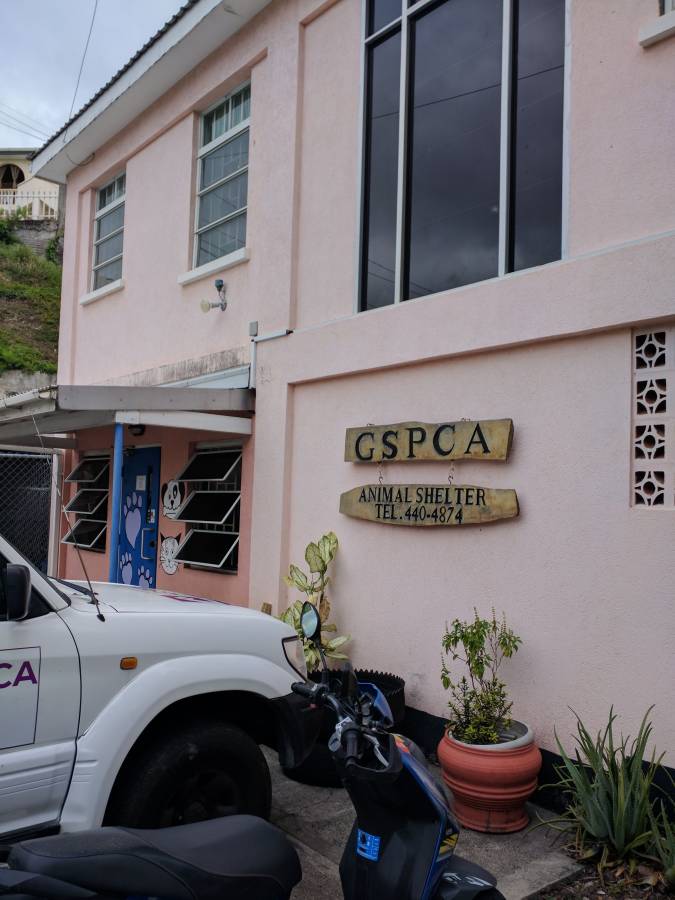
GSPCA announces temporary closure from 7 July 2026
Grenada’s only registered non-profit animal welfare organization and animal shelter, the Grenada Society for the Prevention of Cruelty to Animals (GSPCA), has announced plans to temporarily shut down its combined veterinary clinic and shelter starting July 7, 2026. The decision comes amid three pressing challenges: a current lack of a qualified veterinarian, urgent unmet funding needs, and the necessity to carry out a full restructuring of the organization’s day-to-day operations.
Unlike many public welfare entities, GSPCA operates without any financial support from the Grenadian government, nor does it receive funding backing from St George’s University. For decades, the organization has relied entirely on two streams of revenue to keep its doors open: the voluntary generosity of private donors, and the small, limited income generated by its low-cost veterinary clinical services. These limited resources have allowed the organization to keep delivering life-saving and essential care to animals across the island of Grenada, but growing strain has made continued operations unsustainable in their current form.
In recent years, GSPCA has faced a sharp surge in demand for its services, driven by a growing number of abandoned animal litters and an increase in complex, costly medical cases that stretch the organization’s tight budget and limited staffing capacity. To put this demand in perspective, the clinic treated more than 5,400 animal patients in 2025 alone — a figure that underscores the irreplaceable, critical role the organization fills for Grenada’s animal community and pet owners.
As a foundational community institution that has served Grenada for decades, GSPCA is moving forward with the temporary closure while upholding its core responsibility to the animals already in its care. Even after the clinic shuts its doors to the public, the organization will continue to provide full-time care and support for the 90 animals currently housed at its shelter.
GSPCA leadership has reaffirmed the organization’s unwavering commitment to its core mission of protecting animal welfare in Grenada, emphasizing that the continued support of local and international community members through donations, volunteer work, and promoting responsible pet ownership is more critical now than at any point in the organization’s history. To secure the long-term future of animal welfare services on the island, GSPCA stressed that it must develop a broader, more permanent funding model that can sustain its operations through periods of increased demand.
As a vital community resource for Grenada, GSPCA’s long-term survival depends on collective commitment from government stakeholders, local community partners, and international supporters. Working together, these groups can help the organization restructure, resolve its staffing and funding gaps, and continue serving the island’s animal population for decades to come.
*This note from outlet NOW Grenada: NOW Grenada does not take responsibility for opinions, statements, or media content shared by contributing organizations. To report content violations, follow the outlet’s designated reporting process.*
-
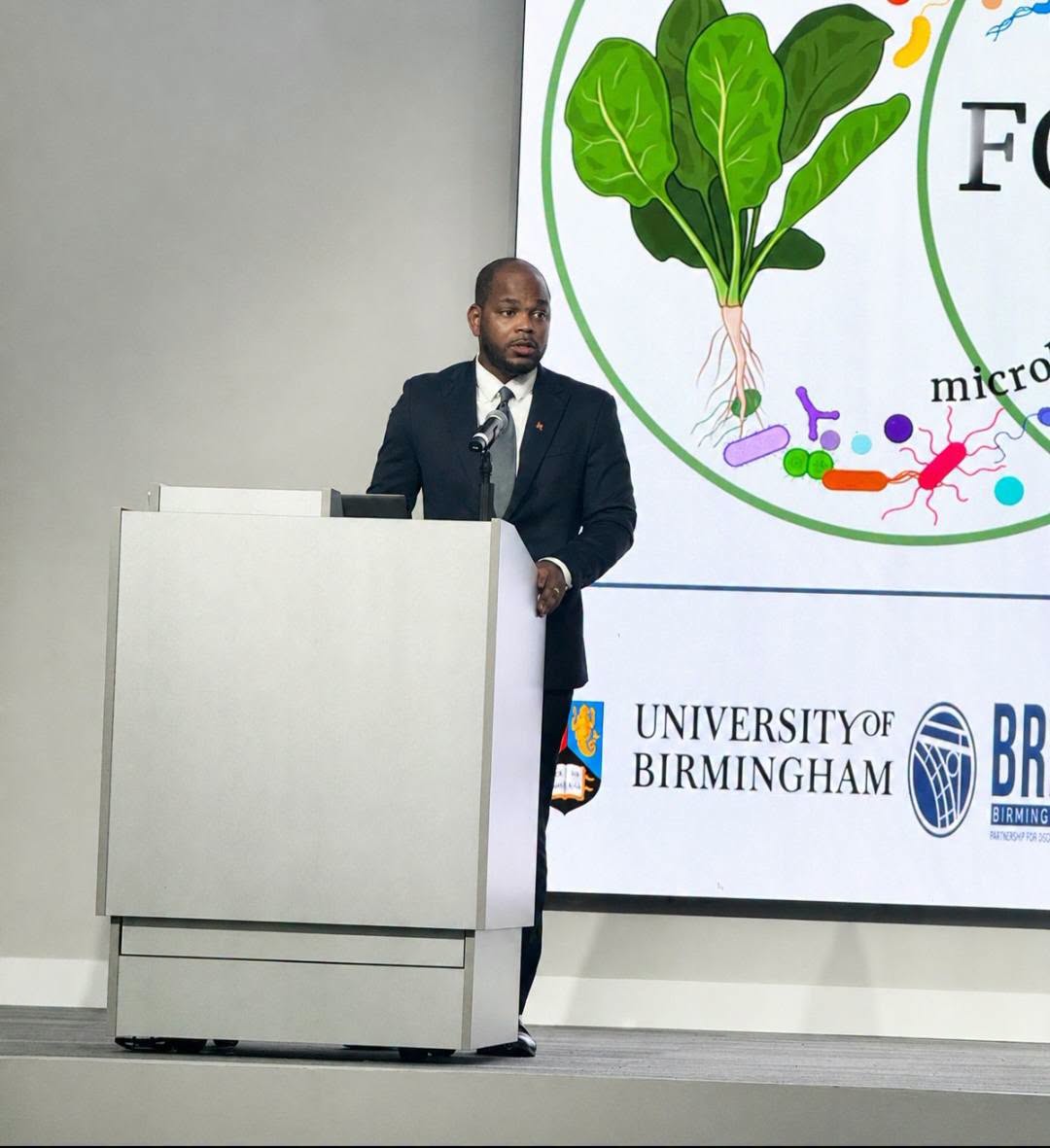
Minister Joseph Highlights Food, Soil and Environment as Pillars of Preventive Healthcare
At the official opening of a groundbreaking public health workshop titled “Food as Medicine, Soil as Health: Cultivating Health from the Ground Up,” Honorable Michael Joseph, Minister of Health, Wellness, Environment and Civil Service Affairs of Antigua and Barbuda, has highlighted the deeply interconnected relationship between food systems, environmental health and proactive disease prevention, calling for a cross-sector, integrated framework to advance national public health outcomes.
Hosted by the American University of Antigua (AUA) College of Medicine, in strategic partnership with the University of Illinois and the University of Birmingham, the workshop gathers a diverse cohort of stakeholders spanning academic researchers, frontline healthcare providers, public policy makers, education specialists and community organizers. Together, attendees are exploring the underrecognized causal links between soil health, dietary nutrition and long-term human well-being, a topic that has gained growing global attention amid rising rates of chronic disease and climate-driven environmental disruption.
In his opening address to participants, Minister Joseph praised the three collaborating academic institutions for bringing together experts across multiple disconnected disciplines to tackle a core public health challenge that is often overlooked in traditional healthcare policy. Drawing on his decades of professional experience as a practicing pharmacist, the minister emphasized that while pharmaceutical interventions remain critical for treating existing illness, preventive care must always serve as the foundational cornerstone of a effective, sustainable national healthcare system.
“Our health does not start when we walk through a doctor’s office door or check into a hospital,” Minister Joseph told attendees. “It starts long before that, in the quality of the soil where our food grows, the clean water that nourishes our crops, and the healthy environment that sustains every part of our food system.”
Expanding on this framing, he noted that one of the most enduring lessons from global public health practice is that prevention is always far more effective and equitable than treatment. “While medicines are irreplaceable for managing illness, they can never take the place of consistent healthy living, balanced nutrient-dense diets, and proactive measures to stop disease before it develops,” he explained. “In fact, the most powerful health prescription we can offer is rooted in the daily choices each of us makes about the food we put on our plates.”
Minister Joseph also pointed out the natural synergy between his overlapping ministerial portfolios for public health and environmental management, noting that healthy human populations can only thrive when supported by healthy, resilient natural ecosystems. “Nutritious food crops can only grow from healthy soil. Clean water is the backbone of sustainable agriculture. Biodiversity creates food systems that can withstand shocks like drought and pest outbreaks. Responsible environmental stewardship protects the very natural resources that our collective health depends on,” he said. “When we invest in protecting our environment, we are directly investing in the long-term health of both current generations and those who will come after us.”
The minister further noted that pressing global challenges—including accelerating climate change, widespread food insecurity, and the rapidly growing global burden of non-communicable diseases such as diabetes and heart disease—make clear that health outcomes are shaped by far more than just the healthcare sector. Agriculture, education, environmental policy, and community development all play critical roles in determining how healthy a population is, he argued.
Minister Joseph reaffirmed the Government of Antigua and Barbuda’s unwavering commitment to advancing four core priorities: strengthening preventive public health infrastructure, promoting accessible healthy lifestyle choices for all citizens, supporting sustainable environmental management practices, and nurturing cross-sector partnerships that develop evidence-based solutions to improve national health. He encouraged attending experts to bring their full expertise to the workshop’s discussions, collaborate to explore innovative new frameworks that shift the national focus from reactive treatment of illness to proactive cultivation of long-term wellness.
“The path to building a healthier nation does not run only through our hospitals and clinics,” he said. “It runs through our family farms, our community gardens, our classrooms, our local neighborhoods, and the natural environment that surrounds every one of us.”
After delivering his address, Minister Joseph officially declared the workshop open, expressing strong confidence that the ongoing collaboration between academic institutions, frontline healthcare providers, environmental science experts, and government agencies will deliver meaningful, actionable insights that help build healthier, more sustainable communities across Antigua and Barbuda for years to come.
-

Dominica Council on Ageing celebrates nation’s centenarians as living national treasures
The Caribbean island nation of Dominica is marking a quiet but meaningful milestone, as the Dominica Council on Ageing Inc. (DCOA) has stepped forward to honor the country’s growing community of centenarians, framing these long-living residents as irreplaceable national treasures whose lives carry invaluable lessons for generations of younger Dominicans.
In an official statement released to mark the occasion, the non-profit organization specifically highlighted two local residents who joined the exclusive ranks of centenarians in June 2026: Matthew St. Rose, a resident of the Kings Hill community, and Lucille Pascal, who calls Grand Fond home. Both recently celebrated their 100th birthdays, drawing attention to the island’s cohort of people who have reached the rare 100-year life milestone.
With the addition of St. Rose and Pascal, Dominica now counts 15 centenarians across the country. The demographic breakdown of the group shows a notable gender gap, with 11 women and just four men making up the island’s community of people aged 100 and older.
For the DCOA, these centenarians are far more than statistical curiosities. They perfectly embody the organization’s core mission, summed up in its official motto: “Empowering older persons to live life to the fullest.” DCOA officials noted that the centenarians stand as powerful, inspiring examples of three critical traits: lifelong resilience in the face of challenge, accumulated wisdom passed down through communities, and healthy longevity that reflects well on Dominica’s social fabric.
Beyond honoring the centenarians themselves, the DCOA also used the statement to recognize the unsung work of the networks that support older Dominicans. The organization extended sincere gratitude to all those who help senior citizens maintain high quality of life, including paid professional caregivers, immediate family members, friends, residential care facilities, and other community and institutional partners that provide ongoing support to the island’s older population.
To close out the announcement, the DCOA offered formal congratulations to all 15 of Dominica’s centenarians. The organization extended warm wishes for their continued good health and overall well-being, concluding with a prayer that they would continue to receive divine blessing in the years ahead.