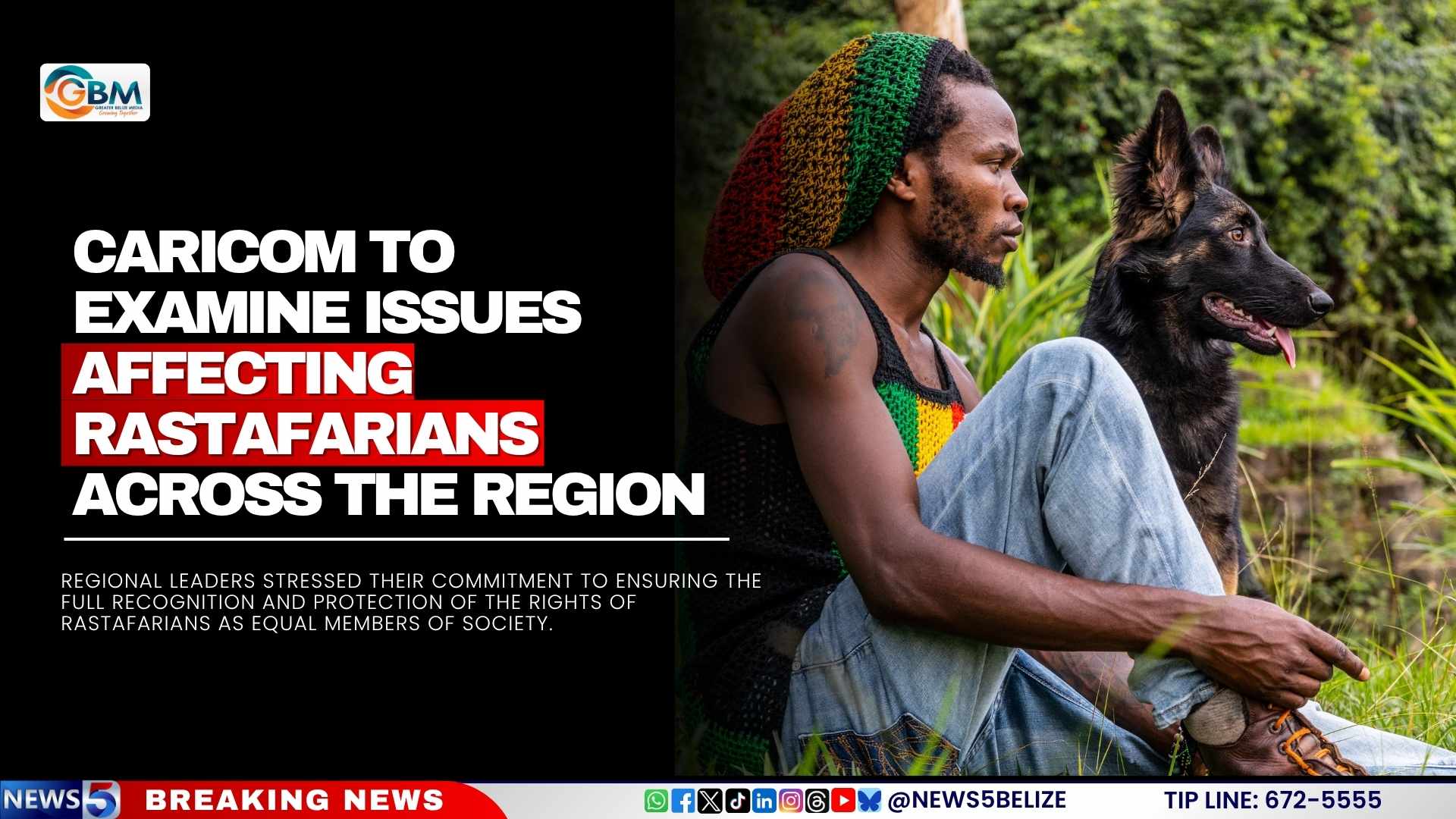
In a landmark move advancing social equity across the Caribbean, the Caribbean Community (CARICOM) has formalized plans to confront decades of systemic discrimination and social exclusion faced by Rastafarian communities across the region. The initiative was greenlit by regional heads of government during their 42nd Inter-Sessional Conference of Heads of Government, held in May this year, marking a historic step toward redressing historical and ongoing harms against the religious and cultural group.
Per CARICOM’s official announcement, Rastafarians continue to encounter disproportionate barriers to equal participation across core areas of public life, spanning access to education, employment opportunities, and routine social interaction — challenges that persist both within Caribbean borders and in global spaces where community members reside and work. Regional leaders have reaffirmed their unwavering commitment to securing full legal and social recognition of Rastafarians’ rights, framing equal inclusion as a core pillar of just governance across the bloc.
To turn this commitment into coordinated action, CARICOM will convene a cross-regional gathering bringing together official representatives from all member states alongside key community stakeholders to map out the most pressing unaddressed issues impacting Rastafarian populations. Following these consultations, a permanent special committee will be established to advance advocacy and policy work at both regional and international levels. The committee will draw representation from five key Caribbean nations: Barbados, Jamaica, St. Kitts and Nevis, Saint Vincent and the Grenadines, and Trinidad and Tobago.
CARICOM also highlighted that several member states have already taken unilateral action to redress historical injustices against Rastafarians, offering a foundation for coordinated regional action. These existing steps include formal government apologies for past discriminatory policies, targeted land grants to Rastafarian communities, and updated anti-discrimination legislation that explicitly protects workers from bias based on Rastafarian identity. The regional bloc notes that these local, successful measures can serve as a blueprint for a unified regional strategy to embed equality and inclusive governance across all CARICOM member states.