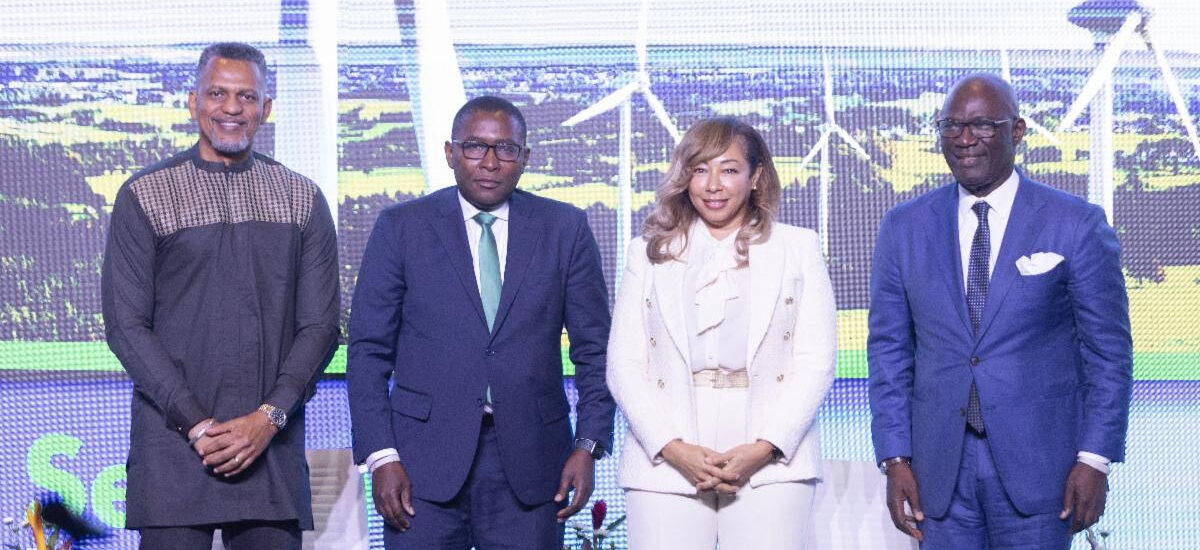
When top climate finance and development stakeholders gathered for a high-stakes dialogue at the Caribbean Development Bank’s (CDB) 56th Annual Meeting in Nassau, The Bahamas this June, a clear, uncompromising message took center stage: the existing international financial framework is failing Small Island Developing States (SIDS), and transformative systemic reform is non-negotiable to help these climate-vulnerable nations adapt to worsening climate impacts. Held alongside the bank’s week-long gathering of regional and global development leaders from June 1 to 5, 2026, the invite-only discussion titled *“The Breakfast Exchange: A Climate Talk on the Global Economy”* convened a panel of seasoned experts to unpack systemic barriers to equitable climate resourcing and outline actionable pathways forward for at-risk regions across the globe. Moderated by CDB President Daniel M. Best, the conversation centered on the unique and disproportionate threats facing Caribbean SIDS, which rank among the world’s most climate-exposed nations despite contributing almost nothing to historical greenhouse gas emissions. Joining Best on the panel were four key figures shaping global climate action: Ibrahima Cheikh Diong, Executive Director of the UN-backed Fund for Responding to Loss and Damage (FRLD); Ambassador Selwin Hart, Special Adviser to the UN Secretary-General on Climate Action and UN Assistant Secretary-General; and Racquel Moses, CEO of the Caribbean Climate-Smart Accelerator (CCSA) and Chair of the Glasgow Financial Alliance for Net Zero (GFANZ) Caribbean. Opening with a stark assessment of global climate investment inequity, Ambassador Hart laid bare the deep imbalance that has defined climate finance flows since the 2015 Paris Agreement was signed. He revealed that 80 percent of all global clean energy investment has flowed to high-income advanced economies, leaving just 20 percent to serve the two-thirds of the global population that calls developing nations home. “The biggest failure in the current global financial architecture is that the system continues to reward the drivers of the climate crisis while penalising those that are vulnerable and contributed the least,” Hart told attendees. Diong expanded on this critique, framing accessible climate finance as a three-pronged challenge that hinges on three non-negotiable pillars: consistent availability, streamlined accessibility, and fair affordability. Too often, he noted, headline-grabbing international funding pledges fail to translate to tangible support on the ground for vulnerable nations, because bureaucratic barriers and unfavorable terms lock countries out of the resources they need in a timely, affordable way. Diong explained that the FRLD, which has secured $820 million in voluntary contributions to date, is designed to upend this broken model. The fund’s first financing facility will offer 100 percent grant-based funding, with a minimum of 50 percent of all resources reserved exclusively for SIDS and Least Developed Countries — a policy designed to ensure recipient nations do not accumulate unsustainable new debt to address climate harms. “The keyword is delivery, delivery, delivery,” Diong emphasized. “We are talking about people’s lives here.” CDB President Best echoed this urgency, warning that Caribbean nations are facing rapidly escalating climate threats while navigating an increasingly volatile global economic landscape that squeezes their ability to invest in resilience. “Development financing delayed is development financing denied,” Best stressed, underscoring the need to speed up the flow of resources to the region. Hart went on to call for a structural shift in how the Caribbean approaches climate finance, arguing that the current model of expecting individual small nations to navigate fragmented accreditation processes for dozens of separate global funding bodies is inefficient and unfair. Instead, he proposed that the CDB take on an expanded, centralized role as the region’s dedicated climate finance coordinator. “CDB should be the region’s climate bank,” Hart said. He also pushed back against the longstanding global practice of using per capita national income as the primary eligibility threshold for grants and low-interest concessional climate financing. Hart pointed out that Caribbean nations including The Bahamas, Barbados, and Antigua and Barbuda are locked out of most concessional funding opportunities despite facing some of the highest climate vulnerability on Earth. Instead of relying on income metrics, Hart argued, climate vulnerability itself should be the core determinant of eligibility for international climate support. Looking ahead to emerging economic opportunities for the region, Moses urged Caribbean governments to proactively capitalize on two fast-growing global trends: the global transition to renewable energy and the exponential expansion of artificial intelligence, which has spurred skyrocketing demand for low-carbon energy to power data centers. “Right now, the biggest thing that’s happening is AI, and they are looking everywhere to find energy for data centres,” Moses noted. “If we explore our true renewable energy potential, we will have excess energy that we can provide.” She warned that the window to seize this economic opportunity is limited, noting, “These things happen in waves, and when this wave is gone, it’s gone.” Echoing Hart’s call for collective action, Moses emphasized that Caribbean nations will achieve far more by collaborating through shared regional institutions than by pursuing fragmented, independent strategies to secure climate finance and economic development. Closing the discussion, Hart offered a note of cautious optimism, tying progress directly to sustained regional cohesion. “Despite this climate crisis, our best days are yet ahead of us — but it requires us as a region to work as a region,” he said. The CDB’s 56th Annual Meeting, which ran from June 1 to 5 in Nassau, featured a full slate of knowledge-sharing sessions focused on addressing the Caribbean’s most pressing development challenges, from climate resilience to economic inequality. A full recording of *“The Breakfast Exchange: A Climate Talk on the Global Economy”* is now available for public viewing on the CDB’s official website and YouTube channel.
Regional leaders urge reform of global climate finance system at CDB annual meeting