作者: admin

  • Derde helft WK 2026: Kaapverdië verloor van Argentinië, maar won de wereld

    Derde helft WK 2026: Kaapverdië verloor van Argentinië, maar won de wereld

    Against all odds, a tiny African island nation of just over 590,000 people achieved a feat this World Cup that many global football powerhouses can only dream of: capturing the affection and admiration of millions of fans around the world. This is not a story of lifting the biggest trophy in world sport, but of how first-time World Cup qualifier Cape Verde turned a knockout-stage clash against defending champions Argentina into a global moment that stretched far beyond the 90 minutes on the pitch.

    Cape Verde’s 2026 World Cup run was historic from the start. For the first time in the nation’s history, the tiny archipelago off the coast of West Africa qualified for football’s biggest tournament. In a stunning debut, they advanced straight through the group stage to the knockout round, setting up a blockbuster round of 16 match-up against Lionel Messi’s Argentina, the defending World Cup champions.

    Few gave the untested Cape Verde side a chance against the tournament favorites, but they defied every expectation. The underdogs pushed Argentina to the absolute brink, forcing the reigning champions to dig deep to secure a narrow 3-2 victory. After the final whistle, Argentina head coach Lionel Scaloni openly acknowledged that his side had fought an incredibly tough battle to earn the win. Messi himself, a global icon of the sport, sought out Cape Verde goalkeeper Vozinha to personally praise his performance, telling the keeper the entire nation should be proud of what their team had accomplished.

    Praise for Cape Verde poured in from across the global football community. Former stars Thierry Henry and Zlatan Ibrahimović called the side heroes, hailing them for putting on such an impressive display for their country. International media outlets immediately ranked Cape Verde as one of the most beloved surprise stories of the entire tournament.

    Beyond the pitch, the run carries deep meaning for Cape Verdean diaspora communities thousands of kilometers from the island nation. In Rotterdam, Netherlands, often called the “tenth island” of Cape Verde due to its large, generations-old Cape Verdean community, the connection to the national side ran especially deep. The first Cape Verdean migrants arrived in the port city as sailors in the 20th century, many settling permanently to build new lives; today, tens of thousands of people of Cape Verdean descent call Rotterdam home. That diaspora history was directly represented on the pitch: five of Cape Verde’s World Cup squad were born in Rotterdam, and another six were born elsewhere in the Netherlands. For local residents, that meant cheering for Cape Verde felt like cheering for a second home team. Local cafes and event spaces were packed to capacity during the Argentina match, with fans of all ages cheering nonstop through the full 90 minutes and extra time. When the final whistle ended their run, disappointment was nowhere to be found – only overwhelming pride. This squad was about more than football: it represented a shared history of migration, perseverance and cross-continental connection.

    One player who emerged as a global fan favorite was 40-year-old goalkeeper Josimar Dias, better known by his nickname Vozinha. The veteran keeper turned in a string of spectacular saves throughout the group stage and the tense knockout clash with Argentina. Despite Cape Verde’s elimination, international media hailed Vozinha as one of the tournament’s biggest breakout stars, with many analysts ranking him as the best goalkeeper of the entire knockout round.

    When the squad returned home to Praia, Cape Verde’s capital, they were greeted with a celebration fit for world champions. Thousands of fans lined the roads from the airport and packed the terminal, singing, dancing, waving national flags and cheering as if the team had lifted the World Cup trophy. To many observers, this reaction might seem unexpected for a team eliminated in the first knockout round. But the moment underscores a core truth of sport: success is not always measured by trophies.

    For a small nation that long flew under the radar on the global football stage, this World Cup run meant far more than a handful of matches. Millions of people around the world learned of Cape Verde not for its tropical beaches and tourism, but for the courage, skill and resilience of its national team. The story of Cape Verde’s 2026 World Cup run also highlights the deeper stories football can tell: stories of migration and identity, of communities separated by thousands of kilometers that still feel connected as one, of young people born in Rotterdam, Lisbon or Boston who proudly wear the shirt of their parents’ homeland. It also reminds the world that winning is not always measured in goals or trophies.

    Argentina left the pitch with the win, but Cape Verde left with something far more precious: global respect, widespread admiration, and a permanent place in the hearts of millions of football fans across the world.
  • British forced to retreat: 6 July 1779

    British forced to retreat: 6 July 1779

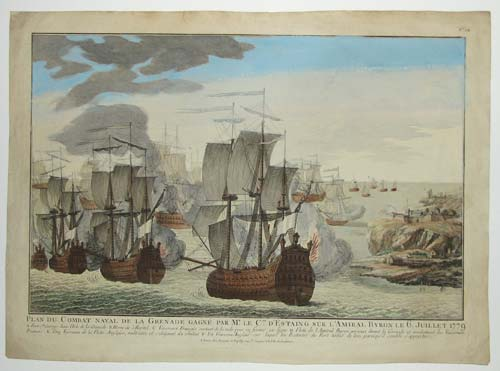
    On the 6th of July, 1779, a decisive naval clash off the coast of the Caribbean island of Grenada shifted control of the strategically critical colony between two global imperial powers, France and Britain. The engagement, pitting French forces led by the Comte d’Estaing against a British fleet commanded by Vice-Admiral John Bryon, ended with a battered British retreat, cementing French hold over the island at a moment when the American Revolution had spilled over into a global conflict.

    Alerted that d’Estaing’s invasion force had already arrived on Grenada, Bryon’s fleet sailed along the island’s western coast on the morning of 6 July. As the British advanced toward the capital of St George’s, they spotted a larger French fleet emerging from the protected harbor of Carenage. Despite being outmatched, British commanders remained confident they could defeat the French and retain control of the colony, which contemporary accounts ranked as the British Empire’s most valuable Caribbean holding after Jamaica.

    The first exchange of fire broke out between 7 and 8 a.m., as the British fleet moved to engage. British commanders had planned to force the French into a close-quarters battle, but d’Estaing’s forces deliberately avoided this tactic, neutralizing Britain’s initial advantage. By noon, British officers concluded that continuing the fight offered no path to victory, and ordered a general ceasefire. A second engagement erupted around 3 p.m. as the French fleet moved south, forcing the British back into combat until sunset. When the two fleets drifted apart at the end of the day, the British withdrew, their ships heavily damaged.

    Official casualty records reflect the high cost of the day’s fighting: 183 British sailors killed and 346 wounded, compared to 190 French killed and 759 wounded. While the battle itself ended in a stalemate in strictly military terms, the British failed in their core objective of retaking the island, leaving France in de facto control. Notably, d’Estaing chose not to pursue Bryon’s retreating, crippled fleet – a decision that has led many historians to argue neither admiral covered themselves in glory during the engagement. Even so, the fall of Grenada was recognized immediately as a major blow to British power. Historian Jamieson described it as the most significant defeat Britain had suffered since the American rebellion expanded into a global war.

    News of the French success in the Caribbean sparked widespread public celebrations across France. For the French, the victory shattered the myth of unchallenged British naval dominance that had persisted since Britain’s victory in the Seven Years’ War. The defeat also stirred deep anxiety among British leadership. In a private letter, James Cornwallis, whose son had barely escaped as commander of the warship Lion, wrote that senior British admiral Barrington had returned home in extreme frustration, warning that Britain’s position in the West Indies – where the empire had long believed it was strongest – was dire. “Nothing can look worse than our affairs,” Cornwallis noted, contrasting the gloomy mood with the string of British victories that had defined the previous global conflict.

    One little-remembered participant in the battle and the French capture of Grenada is Louis-Antoine de Bougainville, the famed French explorer and botanist after whom Grenada’s iconic national flower, the bougainvillea, is named. Bougainville commanded the 74-gun ship of the line *Le Guerrier* during the engagement, and his vessel emerged from the battle with surprisingly little damage, losing just nine crew members. The flowering plant, native to Brazil, was first brought back to Europe by Bougainville in 1768 during one of his exploratory voyages, and it would later become the national symbol of the island he helped capture.

    Today, the 1779 Battle of Grenada remains a key turning point in the island’s colonial history, marking a brief period of French rule that reshaped its cultural and political trajectory before it was returned to British control at the end of the war.

  • Freedom 250 statement by US Chargé d’Affaires Karin Sullivan

    Freedom 250 statement by US Chargé d’Affaires Karin Sullivan

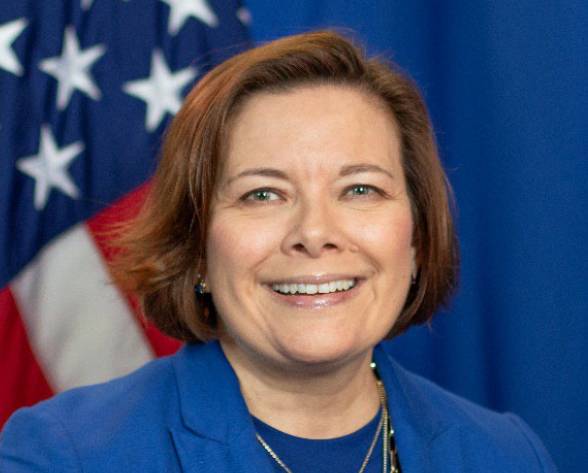
    As the United States prepares to mark the 250th anniversary of its founding under the national commemoration banner “Freedom 250”, a senior U.S. diplomatic representative to the region has outlined the country’s vision for continued collaboration with Eastern Caribbean and Organization of Eastern Caribbean States (OECS) nations. Writing in an op-ed, Chargé d’Affaires Karin Sullivan of the U.S. Embassy to Barbados, the Eastern Caribbean, and the OECS emphasized that this milestone is far more than a retrospective of American history: it is a moment to reaffirm the shared global ideal of freedom that connects communities across national boundaries and generations.

    Citing a statement from former President Donald Trump that “The story of America makes everyone free,” Sullivan noted that the U.S. legacy of independence is not merely a historical artifact. Instead, it serves as a global call to action to work alongside international partners — including the small island nations of the Eastern Caribbean — to build a shared future defined by widespread opportunity, collective security, and mutual prosperity. In framing the commemoration, Sullivan stressed that Freedom 250 is not just a centennial celebration of the past, but a strategic launchpad for a new era of international collaboration aligned with the Trump administration’s diplomatic vision. This vision prioritizes forging new collaborative partnerships, championing cross-border innovation, and redefining U.S. diplomacy to guide global engagement for the next 250 years.

    At the core of current U.S. engagement in the Eastern Caribbean is a straightforward guiding principle: collective success between nations translates to safer populations, more resilient national economies, and stronger, more adaptable local communities. Across the region, this collaborative approach has already delivered tangible, measurable benefits to local populations. In Barbados, where the country is rapidly emerging as a leading regional technology hub, U.S. investment in advanced digital connectivity is laying the foundational infrastructure for a growing digital economy. This investment is unlocking new opportunities across high-impact sectors including telemedicine, distance education, artificial intelligence innovation, financial technology, and climate-smart agricultural practices, building a modern bilateral partnership rooted in shared democratic values, transparent commercial exchange, and mutual economic growth.

    Bilateral collaboration extends across every Eastern Caribbean nation, each tailored to address local priorities. In Antigua and Barbuda, joint work on new energy infrastructure is boosting national climate resilience, creating new economic opportunities, and driving long-term sustainable growth. In Dominica, U.S. support for geothermal energy development is expanding access to reliable, affordable power while strengthening the country’s long-term energy independence and security. For Grenada, technical cooperation and local capacity-building programs are helping strengthen national water security, advance sustainable natural resource management, and build greater resilience to climate and resource-related shocks.

    In St. Kitts and Nevis, bilateral cooperation has deepened across multiple sectors, including citizen security, economic development, education, and cultural heritage preservation. A flagship project is U.S. support for the restoration of the historic Bath Hotel on Nevis, a landmark closely tied to Alexander Hamilton, one of the United States’ founding fathers, that reflects centuries of shared social and cultural ties between the two nations. In St. Lucia, expanded collaboration with the U.S. Drug Enforcement Administration is boosting local capacity to detect fentanyl trafficking, strengthen cross-border criminal prosecutions, and make communities safer across the entire region. In St. Vincent and the Grenadines, U.S. Peace Corps volunteers continue to work alongside local educators to strengthen primary and secondary education, improve English literacy outcomes, empower local teaching staff, and drive inclusive community development, forging lasting people-to-people bonds between the two nations.

    Beyond individual country projects, the United States and Eastern Caribbean nations are collaborating to address transnational regional challenges that cannot be solved by single nations acting alone. To combat cross-border crime and drug trafficking, the United States has committed more than $8 million in funding to upgrade Caribbean forensic science laboratories, improve regional drug detection capabilities, expand coordinated law enforcement cooperation, and counter the threat of transnational organized crime. The U.S. also continues to invest in the next generation of regional and American leaders through longstanding professional and educational exchange programs, including the Fulbright Programme, the Young Leaders of the Americas Initiative, and the International Visitor Leadership Programme.

    As the United States marks this historic 250-year milestone, Sullivan emphasized that the celebration centers not just on American history, but on the enduring international partnerships that will shape both the United States’ and the region’s shared future. Freedom 250, she noted, is a global commemoration of the United States’ founding ideals of liberty, democratic governance, and individual freedom. Closing the op-ed, Sullivan reaffirmed the United States’ commitment to the region: “The United States is proud to stand alongside the people of the Eastern Caribbean as a trusted neighbour, partner, and friend. As it has since its founding in 1776, the United States remains a trusted, dynamic partner ready to lead in the next 250 years. Together, we look forward to the next 250 years of freedom, opportunity, innovation, and shared prosperity.”

  • Ministry of Finance Official attends Prestigious Oxford Sustainable Finance Executive Programme

    Ministry of Finance Official attends Prestigious Oxford Sustainable Finance Executive Programme

    In a milestone that highlights the growing voice of climate-vulnerable small nations in global sustainability conversations, Carlon Knight, a senior finance official from Antigua and Barbuda, has earned a spot in the prestigious Sustainable Finance Executive Programme at the University of Oxford — an institution that has held the top spot in the Times Higher Education World University Rankings for a full decade.

    Hosted at Oxford’s historic Rhodes House from July 6 to 10, the immersive programme is developed and led by the Oxford Sustainable Finance Group, the globe’s largest academic center focused exclusively on research and education in sustainable finance. Under the direction of founding director Dr. Ben Caldecott and senior associate Dr. Alex Money, the programme brings together a handpicked cohort of global leaders in finance, policy, and climate action. This year, Knight stands out as the only participant hailing from a Small Island Developing State (SIDS) and the sole representative from the entire Caribbean region. He joins an elite group of professionals from top global institutions including the International Sustainability Standards Board, Fidelity International, the Glasgow Financial Alliance for Net Zero, WWF-UK, and the Bank of England.

    In his day-to-day role as Senior Projects Officer in Antigua and Barbuda’s Ministry of Finance and Corporate Governance Project Management Office, Knight wears multiple critical hats for the eastern Caribbean nation. Working in close partnership with Director Gail Imhoff-Gordon, he oversees and coordinates the country’s full portfolio of externally financed infrastructure and development projects. This includes a wide range of climate finance initiatives backed by major global and regional development partners such as the World Bank, the Caribbean Development Bank, and the Saudi Fund for Development, among other multilateral and sovereign funders. Beyond project coordination, Knight also serves as the PMO’s Chief Risk and Compliance Officer, responsible for upholding robust governance standards for public investment.

    Knight’s expertise in sustainable development extends beyond the public sector: he also holds an appointment as an Adjunct Lecturer at The University of the West Indies Five Islands Campus, where he teaches undergraduate economics courses and leads a graduate-level specialized program in sustainable finance. Earlier this year, he was selected as an Alliance of Small Island States Fellow, where he supported Antigua and Barbuda’s official climate finance negotiation delegation at the 29th UN Climate Change Conference (COP29) held in Baku.

    In comments following his selection to the Oxford programme, Knight emphasized the outsized importance of such capacity-building opportunities for small island developing states like his own. “We are on the front line of climate risk, yet we are too often on the margins of the conversations shaping global sustainable finance,” he explained. “Building technical capacity at this level allows us to bring that expertise home and put it to work for our country. I am deeply proud to represent Antigua and Barbuda, and small island states more broadly, as the lone participant in this cohort.”

    Knight also extended his gratitude to local leadership, saying: “To the Financial Secretary, my Director, Dr Murdock, Ms Gardiner and the Board of Education — thank you for believing in this and for backing me every step of the way.”

    Government officials note that Knight’s selection is not an isolated achievement, but rather a reflection of the Government of Antigua and Barbuda’s broader strategic push to strengthen technical capacity across the public service, with targeted focus on sustainable and climate finance. For a low-lying island nation that faces disproportionate exposure to climate impacts including sea level rise, tropical storm damage, and coastal erosion, this policy area holds growing national strategic importance. Continued investment in specialized high-level training at world-class institutions like Oxford, officials say, will be central to equipping the Ministry of Finance to successfully access, structure, and manage the climate and development financing that the country will require to build resilience and drive inclusive growth in the coming years.

  • Martinique officieel geassocieerd lid van CARICOM

    Martinique officieel geassocieerd lid van CARICOM

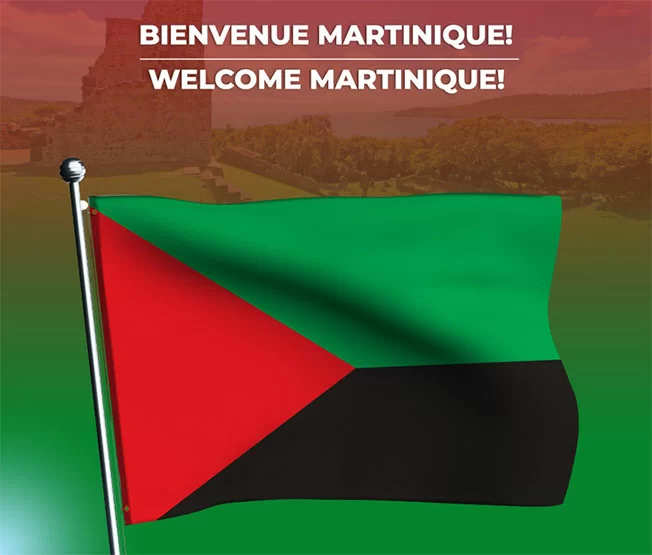
    The Caribbean Community (CARICOM) has welcomed Martinique as its newest associate member, marking a key milestone in expanding cross-regional cooperation across the Caribbean bloc. The French overseas department’s formal accession took effect on June 16, 2026, after France submitted the required official accession documentation in June 2026, triggering the entry into force of CARICOM’s privileges and immunities agreement that formalizes Martinique’s new status.

    Plans for Martinique’s associate membership have been in motion for over a year: the initial accession agreement was first signed back in February 2025. With all legal and procedural hurdles now cleared, Martinique will participate as an associate member for the first time at the 51st Regular Conference of CARICOM Heads of Government, which is scheduled to run from July 5 to 8 in Gros Islet, Saint Lucia.

    Located in the eastern Caribbean, Martinique is an overseas department of France, and as an integral part of the French Republic, it is also a territory of the European Union. Its new associate membership will open doors for far deeper collaboration with CARICOM’s 15 full member states across multiple priority areas, including economic development, social policy coordination, and regional governance.

    Founded on July 4, 1973, through the signing of the Treaty of Chaguaramas, CARICOM works to advance integrated development across the Caribbean. Its core mission covers advancing regional integration, driving collaborative economic growth, aligning foreign policy priorities, supporting social progress, and strengthening joint security cooperation across member territories.

    Martinique’s accession expands the bloc’s associate member count to seven, and CARICOM frames the addition as a critical step forward in strengthening interconnectedness across the Caribbean’s linguistic communities—bringing together English-, French-, and Dutch-speaking territories of the region under deeper collaborative frameworks. For the wider Caribbean region, the move is expected to unlock new opportunities for cross-border trade, policy alignment, and shared development that benefits all coastal communities across the basin.

  • NIBTT owes $50m to vendor for Empower tech upgrade

    NIBTT owes $50m to vendor for Empower tech upgrade

    Trinidad and Tobago’s National Insurance Board (NIBTT) is confronting growing parliamentary scrutiny after confirming it holds more than $50 million in outstanding payments to a digital service vendor working on its flagship Empower digitization initiative, a project designed to overhaul the agency’s outdated service delivery and revenue collection systems.

    The details of the unpaid liability were brought to light during a Friday sitting of the Joint Select Committee (JSC) on Finance and Legal Affairs, a parliamentary panel currently conducting a review of NIBTT’s public accessibility, responsiveness, and overall service performance. Committee members have raised pointed questions about the financial sustainability of the $300 million-plus project, which is funded entirely through NIBTT’s existing contribution collections and investment returns, at a time when the agency already faces a gap between incoming contributions and outgoing benefit payouts.

    NIBTT leadership has defended the multi-phase transformation effort, arguing that the deep digitization push is non-negotiable for the agency’s long-term functionality. For decades, NIBTT has relied on slow, paper-based and manual processing systems to handle its massive annual workload: roughly 40,000 new claims and 480,000 employer submissions each year. Executive Director Niala Persad-Poliah explained that existing legislation, the NIBTT Act, prohibits the agency from using bond financing to fund capital projects like Empower, forcing the organization to draw on its operating revenue. The first two phases of the project, which launched in 2022 and wrapped up implementation in August 2024, delivered a new human capital management system and an integrated financial platform, laying the groundwork for full operational overhaul.

    Persad-Poliah also clarified the discrepancy between the original $164 million project budget and the much higher total spending to date. She noted that the initial budget only covered core hardware and software costs, excluding critical supporting expenses including consultant fees, marketing outreach, and third-party project management services. To date, $143 million in solution implementation costs plus $10.3 million in value-added tax have been paid, with ongoing annual maintenance costs set at $18 million for existing systems, rising to $50 million annually once the full project is complete. The $50.9 million outstanding payment to the lead vendor will be settled once the final phase of work is delivered, and NIBTT management has already submitted a request to its board for additional funding to cover outstanding obligations.

    The final phase of the Empower project will focus on rolling out customer-facing digital tools, including an online portal that allows claimants to track their applications in real time and access services remotely, addressing longstanding public complaints about extended processing delays. So far, roughly 1,400 employers have registered for the new portal, and Persad-Poliah has urged more businesses to adopt the digital system to speed up processing. Agency technology leaders report that user acceptance testing (UAT) for the full system is 96% complete, with final end-to-end testing now underway to verify the entire workflow from claim submission to payment disbursement.

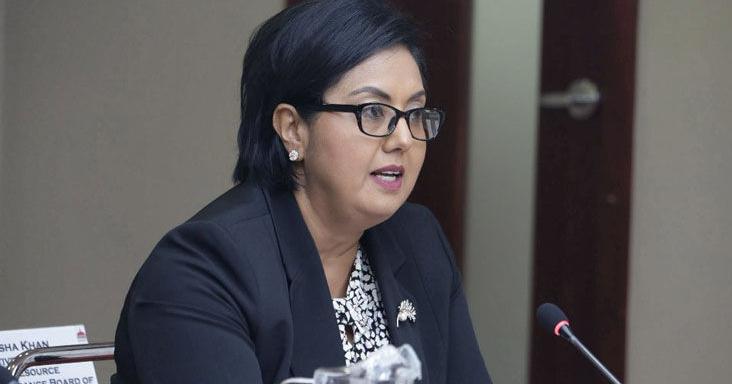
    Despite the progress, NIBTT acknowledges that thousands of claims remain backlogged, and the full public benefits of the project have yet to take effect. Human Resources Executive Director Isha Khan told the committee that the agency has reassigned existing staff full-time to backlog reduction over the past two years, used acting arrangements to fill vacant roles, and brought on external contract workers to support entry-level operations. Even with these adjustments, staff remain overburdened by the high volume of claims.

    JSC Chair Dr. Marlene Attzs, an Independent Senator, echoed committee members’ concerns, pressing NIBTT leadership for clarity on when vulnerable populations, who rely most heavily on NIBTT benefits, will see tangible improvements to service speed and accessibility. NIBTT officials reaffirmed that once fully implemented, the Empower system will dramatically expand access for people with special needs and other vulnerable groups by eliminating the need for in-person visits and reducing processing wait times.

  • Ghost boat comes ashore in Trinidad

    Ghost boat comes ashore in Trinidad

    Along the isolated southern coast of Trinidad, a stretch of shoreline leading to Icacos Point has long been a dumping ground for both natural debris and human-caused detritus. Just off Galfa Point, discarded rocket boosters jettisoned from launches at French Guiana’s space center jut from the ocean like alien monoliths. Pyrite crystals, colloquially called fool’s gold, wash up from offshore mud volcano eruptions, and further inland, visitors can find evidence of human movement: stray cattle from Venezuela, the remains of campfires in mangrove thickets left by migrants hiding before traffickers or relatives pick them up, and a constant flow of debris carried by the Orinoco River from its delta communities — from broken indigenous Warao dugout canoes to plastic waste and Styrofoam.

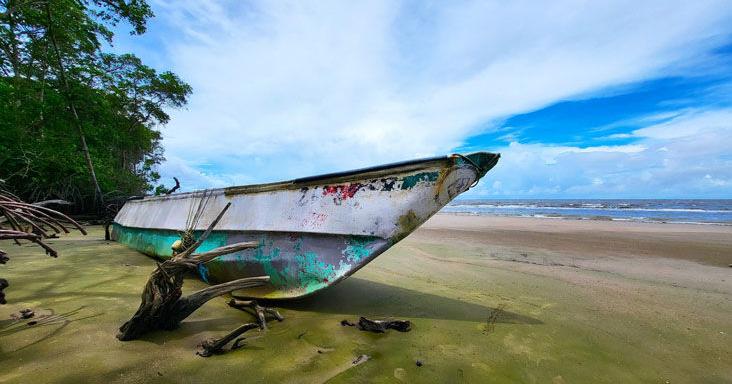
    A few weeks ago, the Atlantic Ocean delivered one more haunting artifact to this shore: an abandoned 30-foot fiberglass fishing vessel, carried by currents and left stranded by the outgoing tide. It drifted ashore undetected by local radar, and to this day, police have no record of its arrival. Cedros, the district where the boat was found, is a community bound by secrets, so locating the vessel took two days and four hours of searching after local residents declined to help.

    The boat had no engine, no fishing gear, no registration documents, and no immediate clues to its owners or how long it had drifted across the Atlantic. But subtle clues scattered across its hull and interior point to its likely origins in West Africa, tied to the deadly migrant route toward Spain’s Canary Islands.

    Its narrow, high-bowed design matches pirogues commonly used by fishermen and migrant smugglers in Mauritania and Senegal. Built with fiberglass over a timber frame, its hull is layered with peeling faded paint in white, teal, blue, gray and red — a wear pattern consistent with months of exposure to salt water and tropical sun. The green and red paint on the hull mirrors the national flag of Mauritania, and one side bears a faded stenciled marking: a clear “2”, a partial “6”, and fragmented lines that likely form “97”.

    Inside, the ocean has swept away nearly everything personal. One interior compartment is still lined with shredded blue-white-red striped tarpaulin backed by thick black plastic, standard material for protecting passengers from wind and spray. Two weathered foam fishing floats hang from the gunwale, one deeply carved with an “A”, the other with an “H” — a common practice among West African fishermen to mark ownership if gear drifts away. A tattered cloth with yellow polka dots and a bright orange underside is tied to the floats, and the bow bears a faded green painted symbol, likely a “protective eye” surrounding a religious inscription.

    The only intact personal item left behind is a tightly wrapped dark brown leather pouch tied securely to the bow. Regional experts have identified it as a grigri, also called a taweez — a protective amulet common among fishermen and migrants across Cabo Verde, Senegal, Guinea-Bissau and Mauritania. These pouches typically hold handwritten Quranic verses, prayers or blessed herbs prepared by religious leaders, carried to protect travelers and guarantee safe passage across the sea.

    Whoever carried this amulet never completed their intended journey. There is no trace of passengers: no clothing, no food containers, no identification, no human remains. Only the boat remains, and every high tide buries its hull a little deeper into the sand, with the ocean slowly erasing the last evidence of its voyage.

    Oceanographers explain that boats caught in the Canary Current before shifting into the North Equatorial Current can drift across the Atlantic to the southern Caribbean in as little as two months, with most voyages taking three to four months depending on seasonal wind patterns. This mystery boat is just the latest in a string of “ghost boats” carrying the remains of African migrants that have washed up across the Caribbean region in recent years.

    The most high-profile case dates back five years to May 28, 2021, when Tobago fishermen working off Belle Garden on the island’s windward coast made a gruesome discovery. Inside a Mauritanian fishing vessel marked AG 231 were 14 sets of skeletal remains, decomposed after months adrift. Investigators quickly confirmed the boat had originated on West Africa’s Atlantic coast, the primary departure point for migrants attempting the dangerous crossing to the Canary Islands, Spain’s southernmost Atlantic territory. Additional clues found on board left no doubt of the vessel’s purpose: West African CFA francs, euros, mobile phones, clothing, weatherproof jackets and Muslim prayer beads.

    These migrants never intended to reach the Caribbean. They never made it to Europe. After their engine failed, currents and trade winds carried them thousands of miles off course.

    Former state pathologist Dr. Eastlyn McDonald-Burris carefully documented every recovered item to preserve evidence for identification, and former assistant police commissioner William Nurse launched an investigation intended to be shared through Interpol, the International Committee of the Red Cross and diplomatic channels. But like many tragedies in Trinidad and Tobago, the case faded from public priority as new events captured attention.

    It took the persistent work of Associated Press investigative journalist Renata Brito to revive the investigation. Traveling across Trinidad and Tobago, France and Mauritania, Brito pieced together the full story of the doomed voyage. Her reporting confirmed 43 migrants boarded the boat in the Mauritanian port of Nouadhibou between January 12 and 13, 2021, hoping to reach the Canary Islands roughly 800 kilometers off the Mauritanian coast. Within days, their engine failed, leaving the boat at the mercy of currents. What happened over the 136 days the boat drifted before reaching Tobago may never be fully known, but survivor accounts of similar voyages paint a brutal picture: food runs out within days, followed by fresh water. Passengers drift under a relentless tropical sun, and many turn to drinking seawater to survive. The weak die first, and eventually the remaining survivors are too weak to cast bodies overboard.

    Thanks to Brito’s work, one family finally received answers. After she tracked down relatives in Mali, coordinated DNA testing identified one victim as 31-year-old Alassane Sow. Dr. McDonald-Burris’ autopsy listed his cause of death as undetermined, with hypothermia and dehydration from being lost at sea as the most likely causes. Sow’s remains were buried according to Islamic rites at Chaguanas Public Cemetery on March 3, 2023, with local community members gathering to pray and mourn a stranger who would not be left forgotten.

    Thirteen other victims remain unidentified. The Trinidad Express has continued to press for progress on the case, lobbying former National Security Minister Fitzgerald Hinds to prioritize diplomatic outreach and DNA matching to identify the remaining dead, but no action was taken. The responsibility now falls to current Homeland Security Minister Roger Alexander to advance the work. Families across West African villages continue to wait for news of missing loved ones, many ready to provide DNA samples to help identify their relatives.

    As for the new mystery boat washed up on southern Trinidad, it holds only questions. Perhaps somewhere in West Africa, one or more families still wonder what happened to the boat that never returned. Maybe someone will recognize the carved initials on the floats, the faded hull markings, or the leather amulet carried by a traveler who trusted it to protect them from the unforgiving Atlantic. But before any answer can come, the tide will likely reclaim the boat entirely, erasing its clues forever.

  • ‘Logistical issues’ as PM misses Caricom leaders line-up

    ‘Logistical issues’ as PM misses Caricom leaders line-up

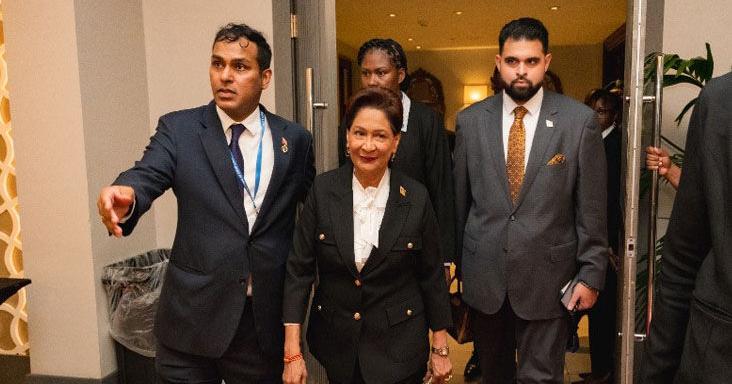
    The 51st Regular Meeting of the Conference of Caribbean Community (Caricom) Heads of Government kicked off in St. Lucia on Sunday, but the event opened with an unexpected disruption: logistical complications delayed the arrival of Trinidad and Tobago Prime Minister Kamla Persad-Bissessar, forcing her to miss the official group photograph and stage line-up that has become a longstanding tradition for regional leaders at the summit’s opening.

    Minister in the Office of the Prime Minister Nicholas Morris, who is part of the Trinidad and Tobago delegation traveling to the summit, confirmed the delay to local outlet Express via a WhatsApp message from St. Lucia. Morris clarified that despite the late arrival, Persad-Bissessar made it to the opening ceremony before outgoing Caricom Chairman Dr. Terrance Drew, Prime Minister of St. Kitts and Nevis, delivered his keynote address to assembled delegates.

    After joining the summit proceedings, Persad-Bissessar shared photographic evidence of her participation on her official social media channels, showing her alongside other members of the Trinidad and Tobago delegation during meeting sessions. While the prime minister attends the summit in St. Lucia, Works and Infrastructure Minister Jearlean John has been tapped to serve as acting prime minister back in Port of Spain, a role she has filled previously during Persad-Bissessar’s travel. The Trinidad and Tobago delegation departed the country on Sunday with a roster of senior officials, including Foreign and Caricom Affairs Minister Sean Sobers, Cabinet Ministers Nicholas Morris and Darrell Allahar, and Head of the Foreign Service Randall Karim.

    The logistical hiccup comes amid preexisting tensions between the Persad-Bissessar administration and Caricom leadership, most notably over the planned reappointment of current Caricom Secretary-General Dr. Carla Barnett. Last week, Persad-Bissessar publicly reaffirmed Trinidad and Tobago’s long-held opposition to Barnett’s reappointment, stating that her government will refuse to recognize Barnett once her current term expires this August. The prime minister has repeatedly argued that the process used to approve Barnett’s reappointment violates the Revised Treaty of Chaguaramas and Caricom’s official governance protocols.

    Despite the standoff, Barnett opened the summit on Sunday evening by outlining the bloc’s key priorities for the coming days. She told regional leaders that core discussions would center on advancing the Caribbean Single Market and Economy (CSME), including a planned rollout of full free movement of people across four member states set to launch in October 2025. Additional key agenda items include expanding regional food security frameworks, building collective climate resilience across vulnerable island nations, and expanding governance and stability support for crisis-stricken Haiti. Barnett also used her opening remarks to announce two major expansions of the bloc: Martinique has officially joined the summit as an associate member, while French Guiana is expected to formalize its own accession agreement during the course of the summit.

    This is not the first time Persad-Bissessar has publicly clashed with Caricom leadership. During the 50th Regular Meeting of Caricom Heads of Government held in St. Kitts and Nevis this past February, then-opposition leader Persad-Bissessar delivered a speech that openly criticized the Caricom Secretariat for its failure to respond to the 2022 abduction of Trinidad and Tobago national Brent Thomas from Barbados, calling the incident deeply unsettling and noting that she had never received a response to a formal letter she sent to the Secretariat requesting answers. Barnett was in the audience for the critical remarks.

    Last year, Persad-Bissessara again broke with the bloc when she openly voiced support for United States lethal airstrikes targeting alleged drug traffickers operating in the Caribbean, a position that directly contradicted Caricom’s longstanding formal commitment to preserving the region as a Zone of Peace. She also previously accused Caricom of being an unreliable partner after the bloc remained silent when the former Maduro administration in Venezuela issued territorial threats against Trinidad and Tobago.

  • Bad road blamed in driver’s death

    Bad road blamed in driver’s death

    A tragic fatal collision on a deteriorating rural bridge in Central Trinidad has left a community grieving and demanding immediate infrastructure repairs, after a recently married man became the first fatality linked to years of decaying road conditions at the site. On Saturday morning, 42-year-old Jason Ramnanan, a resident of Lange Park, Chaguanas, lost his life at the scene near the Santa Phillipa bridge along Caparo Valley Brasso Road, when his panel van collided head-on with an oncoming truck. Ramnanan, who had just married three weeks prior and was returning home after visiting family in Caparo, left behind a young child. Local residents are convinced that unaddressed road hazards — including a large unpatched pothole dug by utility workers and an uncovered manhole — directly caused the fatal crash. One long-time local resident, who requested anonymity to speak freely to reporters, explained that Saturday’s tragedy was not the first serious incident at the site. Just two weeks earlier, another local driver totaled their car after swerving to avoid the large pothole, which was dug during maintenance work carried out by the Water and Sewerage Authority (WASA). In the two weeks following that work, WASA never returned to repair the uneven roadway, residents said. Opposite the unpatched pothole, the uncovered manhole has only been secured with makeshift wooden barriers and loose caution tape, a temporary fix that does little to alert oncoming drivers to the hazard. Residents argue that Ramnanan swerved off his expected path to avoid the uncovered manhole, pushing his vehicle directly into the lane of the approaching truck. A second resident confirmed this account, noting that both Ramnanan and the truck driver swerved to avoid separate potholes on their respective sides of the narrow bridge, leading to the fatal collision. First responders were unable to extract Ramnanan from the wreckage before he succumbed to his injuries. Family members at Ramnanan’s home described him as a loving, well-liked self-employed business owner and sales representative, but declined to speak further on the tragedy. Beyond the existing road hazards, the Santa Phillipa bridge itself is already in dangerous condition: it narrows to a single unprotected lane, with no barriers to separate opposing traffic, creating constant risk of head-on collisions. “That hole caused that boy to dead. Fix that hole and fix the bridge. They have to do something now,” the first resident stated. Public Utilities Minister Barry Padarath responded to the incident in an interview with reporters, noting that preliminary video evidence reviewed by WASA indicates Ramnanan passed the area of the authority’s prior works, and the collision occurred when both vehicles attempted to cross the narrow bridge at the same time. Padarath added that officials are awaiting the final police investigative report to confirm contributing factors, but confirmed WASA will begin full restoration works at the site starting next week. Ramnanan’s death marked the first of three road fatalities across Trinidad over the weekend. Less than 24 hours before the crash, an unidentifed homeless pedestrian was struck and killed by a vehicle while crossing the Uriah Butler Highway near the Munroe Road flyover. On Sunday morning, a teenage passenger from Moruga was killed when the vehicle he was riding in crashed into a utility pole along Edward Trace in Basse Terre, leaving the teen dead at the scene. The string of deaths has prompted renewed warnings from Trinidad and Tobago Police Service road safety officials, who note that road fatalities have risen 20% year-over-year, despite increased enforcement and public education campaigns. Sergeant Brent Batson, coordinator of the TTPS Strategic Road Safety Project, said reckless high-risk driving behaviors are the primary driver of the rising fatality rate. Initial investigations into Saturday’s collision indicate one of the drivers rushed to cross the narrow bridge, a decision that had deadly consequences. Batson emphasized that collisions between passenger vehicles and large heavy goods vehicles are almost always fatal for passenger vehicle occupants, making caution the most critical tool for preventing death. “This goes to show the consequence, especially when extra heavy vehicles are involved, you’re talking about a mass of steel that the driver of a car cannot survive an impact against that type of vehicle; the risk isn’t worth it,” Batson said. Batson added that road incidents create multiple victims: even drivers who are not physically injured often suffer long-term psychological trauma that can leave them unable to drive again. As the country enters the peak of the rainy season, which makes slippery roads and hidden hazards even more common, Batson urged all drivers to adopt higher safety standards: slowing down, yielding right of way, ensuring vehicles are properly maintained with functional brakes, tires and wipers, and maintaining safe following distances. Despite police efforts to enforce safety rules and educate the public, many drivers continue to ignore basic safety rules, from wearing seatbelts to using mobile phones behind the wheel, Batson said. “Drivers have to also engage with a higher level of caution, especially when using the roadways,” he added.

  • Boost for region

    Boost for region

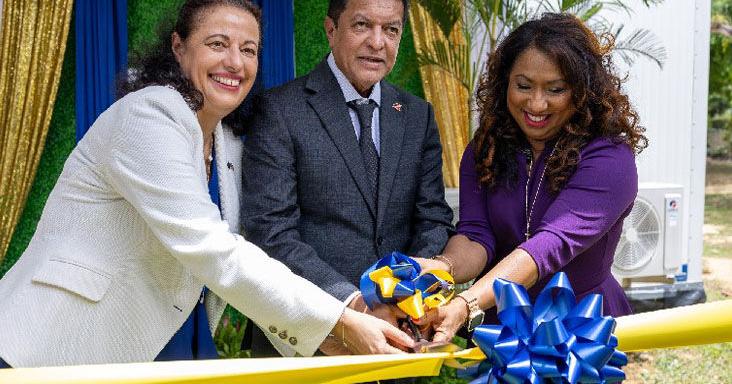
    On a recent Friday in Port of Spain, top health and diplomatic officials gathered at the Federation Park headquarters of the Caribbean Public Health Agency (Carpha) to inaugurate a landmark Regional Emergency Operations Centre, a facility designed to unify the region’s response to growing cross-border public health risks.

    Addressing the official commissioning ceremony, Trinidad and Tobago’s Minister of Health Dr. Lackram Bodoe emphasized that no Caribbean nation, no matter how prosperous or resource-rich, can tackle the increasingly complex public health threats of the 21st century in isolation. The new facility, he noted, is tailored to strengthen coordinated preparedness, response, and recovery capacity across all 26 of Carpha’s member states, and reflects Trinidad and Tobago’s enduring commitment to regional collective action.

    “Health security cannot be achieved by any one country acting alone,” Bodoe told attendees. “Our greatest strength comes from partnership: open information sharing, mutual support, and collective action that puts the well-being of all Caribbean people first. This centre is far more than a physical building—it is a symbol of the solidarity that has always guided Carpha’s work, and that will carry us through whatever public health challenges lie ahead.”

    Carpha Executive Director Dr. Lisa Indar explained that as a region made up almost entirely of Small Island Developing States, the Caribbean’s interconnected economies, open borders, and tightly linked communities leave it uniquely vulnerable to rapid spread of public health emergencies. The new operations centre will directly address this gap by enabling early threat detection, unified regional coordination, and consistent protection of population health across the archipelago.

    European Union Ambassador to Trinidad and Tobago Cécile Tassin, whose organization provided full funding for the facility’s construction and outfitting through the 11th European Development Fund Programme for Communicable Disease Prevention and Control, echoed the call for collective action. Tassin noted that the centre stands as a testament to the Caribbean’s shared commitment to protecting its people through preparedness, solidarity, and pooled expertise.

    In an official news statement released following the inauguration, Carpha framed the launch of the operations centre as a transformative milestone for regional public health capacity. Built in full alignment with the World Health Organization’s Public Health Emergency Operations Centre Framework, the facility has earned classification as a Type C Emergency Operations Centre—the highest tier of operational capability recognized by the global health body. This classification means the hub is equipped to coordinate complex, multi-country public health emergencies while providing critical support to national emergency operations centres across the Caribbean.

    Powered by Carpha’s custom-built Regional Integrated Early Warning Surveillance and Response System (RIEWSS), designed specifically for Caribbean contexts, the centre will dramatically improve the region’s ability to spot emerging threats early, maintain real-time situational awareness, and roll out faster, evidence-based responses to crises. As the central regional coordination hub, it will deepen collaboration between national ministries of health, disaster management agencies, regional bodies, and international partners. Additional core functions include deploying specialized technical response teams, coordinating emergency logistics, facilitating consistent risk communication, and maintaining a unified shared operating picture during active public health emergencies.

    The development of the centre drew directly on hard-won lessons from recent regional crises, Carpha confirmed. Events including the global COVID-19 pandemic, recurring large-scale dengue outbreaks, Hurricanes Melissa and Beryl, and a growing number of climate-linked disasters have all underscored just how critical coordinated regional action is to limiting the damage of public health emergencies.

    The operations centre operates on a scalable activation model, allowing it to shift smoothly from routine daily surveillance and monitoring to full-scale regional emergency activation when needed. It will lead coordination for responses to a wide range of events, including infectious disease outbreaks, severe weather events that carry public health risks, environmental and chemical incidents, mass gatherings, and any other event with regional or international public health implications.

    Beyond emergency response, the new hub will also strengthen Caribbean countries’ implementation of the 2005 International Health Regulations by boosting regional surveillance capacity, streamlining information management, improving cross-border emergency coordination, and raising overall operational readiness. Carpha officials emphasized that the inauguration of the centre is just one part of the agency’s ongoing commitment to advancing regional health security, ensuring all Caribbean nations are better prepared to face both existing and emerging public health threats.