标签: Trinidad and Tobago

特立尼达和多巴哥

  • Birchwood condemns MiLAT suspension

    Birchwood condemns MiLAT suspension

    A sharp political dispute has erupted over the planned pause of Trinidad and Tobago’s Military-Led Academic Training Programme (MiLAT), after a senior opposition parliamentarian publicly condemned the government’s decision and pushed back against the official justification for the move.

    Christian Birchwood, opposition MP for Laventille East/Morvant, leveled criticism at Defence Minister Wayne Sturge during an opposition press briefing on Wednesday, rejecting Sturge’s core claim that the program was suspended due to unsustainable economic costs. Sturge had first confirmed the temporary suspension publicly on Tuesday, emphasizing that the initiative had not been permanently terminated, and that the government was carrying out a full-scale restructuring of MiLAT before any potential relaunch.

    Birchwood argued that Sturge had fundamentally misinterpreted the core mission of the program. In blunt remarks, he said: “It is my opinion had the minister done some research or some homework, he would understand that these programmes were designed to be socially viable, and there is a major difference there.” Birchwood dismissed Sturge’s framing of the suspension as nonsensical, noting that MiLAT was created explicitly to serve and uplift the most marginalized and vulnerable groups in Trinidad and Tobago’s society. He called the minister’s justification for the pause “extremely punitive and insensitive at the very least.”

    The opposition MP also pushed back against Sturge’s implication that MiLAT had failed to reduce rising violent crime rates, a line of argument the defence minister had advanced to support the suspension. Birchwood called this claim “unadulterated nonsense,” noting that Sturge was incorrectly holding the standalone program responsible for stopping all violent crime across the country. He further challenged the minister’s cost-based reasoning, drawing a parallel to the country’s national police service: if rising crime amid high public spending justified suspending a program, Birchwood argued, the government would have to suspend the Trinidad and Tobago Police Service (TTPS) by the same flawed logic.

    To back up his claim that MiLAT has delivered meaningful results, Birchwood highlighted recent academic performance data from the initiative. The 2024 cohort of MiLAT participants achieved an 86% pass rate in English Language and a 66.3% pass rate in mathematics, results he said demonstrated the program’s on-the-ground success. He closed by pressing the government to outline what support will replace MiLAT for vulnerable communities, noting that just like existing public employment and support programs CEPEP and URP, MiLAT disproportionately serves low-income and marginalized groups that will bear the brunt of its absence.

  • Earthquake disaster  ‘heartbreaking’

    Earthquake disaster ‘heartbreaking’

    Last week, two powerful back-to-back earthquakes tore through Venezuela, leaving a trail of widespread destruction, thousands of fatalities and a nation grappling with unthinkable loss. As search and recovery efforts continue, the Venezuelan diplomatic mission in neighboring Trinidad and Tobago has turned into a hub for solidarity and aid coordination, with diplomats from across the globe gathering to honor the victims and organize relief supplies for the disaster-stricken country.

    Speaking at the Venezuelan Embassy on Victoria Avenue in Port of Spain on Monday, Alvaro Sanchez Cordero, Venezuela’s Ambassador to Trinidad and Tobago and dean of the local diplomatic corps, described the catastrophic scene that has shaken his homeland. “It’s very sad. Really heartbreaking. A lot of devastation. The tall buildings have crumpled. Then you have the aftershocks. It’s another challenge,” he said of the disaster.

    Cordero was joined by his wife Monica Rey, alongside senior diplomats from China, the United States, Ghana and Spain, to sign an official condolence book opened to commemorate the lives lost in the tragedy. While Cordero confirmed none of his immediate family members were killed or injured in the quakes, he shared profound grief for those who lost their loved ones.

    Rey put the scale of the disaster in stark perspective, comparing the impact of the tremors to the detonation of roughly 200,000 atomic bombs. She noted the event marked Venezuela’s worst seismic event since a major earthquake in 1812, the same year revolutionary leader Simon Bolivar vowed to press on with his independence campaign despite the disaster. She added that the global and local response to the tragedy has been a source of comfort for the Venezuelan community abroad.

    As of current updates, the confirmed death toll from the June 24 earthquakes stands at 2,295, a number that continues to climb as recovery teams reach more affected areas. More than 11,000 people have been reported injured, and nearly 50,000 individuals remain unaccounted for, leaving thousands of families waiting for word on missing loved ones.

    Cordero, a native of Caracas, had been planning a personal trip back to Venezuela with his wife and 15-year-old daughter the Sunday after the quakes hit, but immediately canceled the journey to coordinate relief efforts from his post in Port of Spain. He recalled the moment he learned the full scale of the destruction: after getting initial word of the quake, photos from his wife and footage from his 27-year-old adopted daughter Paulo, who is currently in Venezuela, revealed the full extent of the collapse. “The big buildings were falling. Everything was collapsing. I am scared,” Paulo told her father in the video. When Cordero saw the scale of damage and confirmed the epicenter was located on land rather than off the coast, amplifying the destruction, “My heart sank. Sheer destruction.”

    For Cordero, the disaster comes as Venezuela already navigates intense political upheaval, a point he emphasized when he noted, “We were not expecting a doublet” of crisis. Though his own family is unharmed, many of his friends have lost loved ones, with dozens still missing, leaving him deeply shaken by the tragedy.

    Venezuelan migrants residing in Trinidad and Tobago have also been overwhelmed by grief, Cordero explained, with many unable to contact family members back home, unable to locate missing relatives, or confirming that loved ones died in the collapse. The embassy has stepped in to support these migrants, assisting with registration for missing person reports and coordinating with local authorities to access any available support for affected communities. “I am happy for any assistance that the State is giving that would benefit the Venezuelans here,” Cordero said.

    Instead of traveling to Venezuela, Cordero made the decision to “stay on the ground” in Port of Spain, where the lower wing of the embassy has been converted into a temporary collection depot for donated relief supplies. The government of Trinidad and Tobago has led coordinated relief efforts, with additional support coming from across the Caribbean, and from both private and public sector entities. Local concerned citizens have also turned out in droves to donate essential goods. As of Tuesday, a large shipment of supplies including bottled water from Blue Waters was scheduled to depart from the Port of Pt Lisas for Venezuela.

    Cordero pushed back against widespread misinformation circulating about the disaster, countering claims that the Venezuelan government has failed to distribute food aid across affected areas by saying 97% of food aid is currently being distributed across the country. He also noted that false claims about the official death toll have been widely spread online and in some media outlets.

    The condolence book at the Venezuelan Embassy will remain open to sign from 9:30 a.m. to 12:30 p.m. and 2:30 p.m. to 4:30 p.m. daily through July 9 for any members of the diplomatic community or public wishing to pay their respects.

  • US$2m cash haul seized at Piarco

    US$2m cash haul seized at Piarco

    In a major customs enforcement action that has sparked cross-border investigation, authorities in Trinidad and Tobago have launched a formal probe into the seizure of $2 million in U.S. cash intercepted at the South Terminal of Piarco International Airport on June 25, 2026. U.S. law enforcement agencies have already been brought on board to assist local officials in unpacking the circumstances of the suspicious shipment, according to local reporting from *Trinidad Express*.

    The intercepted funds originated from a licensed local commercial bank in Trinidad and Tobago, and were slated for air cargo shipment to Miami, Florida, with a planned stopover in Jamaica. The seizure unfolded after officers from Trinidad and Tobago’s Customs and Excise Division flagged the shipment over what authorities described as “certain transactional and accountability deficiencies” that violated established shipping protocols.

    Details of the operation are laid out in a June 29, 2026 report prepared by Dale Raymond, Deputy General Manager of the Airports Authority of Trinidad and Tobago, for Authority Chairman Aaron Henry. Per the report, senior Customs leadership received actionable intelligence on June 25 about the impending outbound cash shipment, scheduled to depart on Atlas Air Cargo Flight BW790, registered tail number N663GT. A joint tactical team consisting of Customs investigators and Airports Authority security officials was immediately deployed to Piarco’s South Terminal to intercept the shipment.

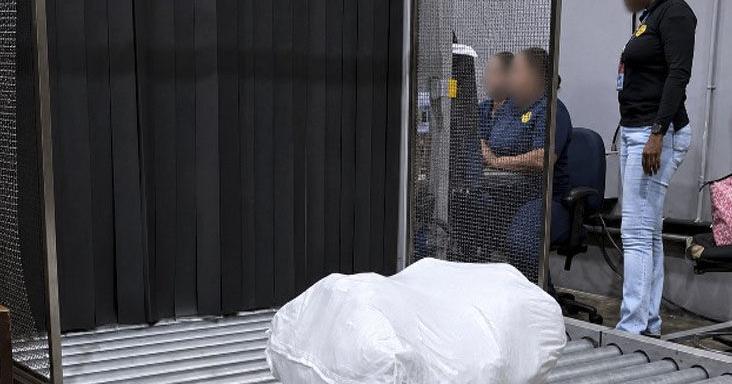
    Customs Preventative Branch officers were positioned on the secure airside tarmac ahead of the shipment’s arrival. At approximately 6:30 p.m. local time, a G4S security van carrying the cash was spotted approaching the parked cargo plane, and was immediately stopped by waiting officers. The two drivers, both G4S corporals, confirmed they were transporting $2 million in U.S. currency. A search of the vehicle uncovered the full sum stowed inside a white crocus bag.

    Shipping documentation confirmed the bag originated from the unnamed local bank, with ground handling firm Swissport listed as the official shipper. The security van was escorted to the Swissport bonded facility for further inspection, where an X-ray scan confirmed the cash was stacked in multiple neat piles. A line-by-line review of accompanying paperwork confirmed the initial red flags: multiple gaps in compliance and procedural documentation indicated that mandatory shipping and anti-money laundering protocols had not been fully followed.

    Following the inspection, the entire cash shipment was secured inside the bonded facility under round-the-clock joint guard by Airports Authority Police Department officers and Customs personnel. Customs investigators formally verified the total amount, confirming it matched the declared sum of $2 million U.S. dollars. The funds have since been transferred to the Central Bank of Trinidad and Tobago for safekeeping while the investigation proceeds.

    Central Bank officials confirmed to *Trinidad Express* that a formal investigation is underway, and senior representatives met with Customs leadership shortly after the seizure to coordinate next steps. Under Trinidad and Tobago’s existing financial regulations, authorized licensed banks are permitted to ship cash internationally under specific regulatory frameworks: common legitimate practices include shipping damaged or mutilated U.S. banknotes to overseas banks for replacement, with settlement processed via wire transfer, and importing new U.S. currency from U.S. financial institutions such as Bank of America to replenish local market demand for U.S. cash. Central Bank officials emphasized that this intercepted shipment differs materially from standard legitimate transactions, and that the involved bank will be required to provide extensive additional documentation and explanation for the shipment.

    A senior anonymous international banking expert with expertise in Caribbean financial regulation explained that large U.S. cash transactions in the local system are subject to strict anti-money laundering (AML) rules. Under local law, any cash deposit exceeding $10,000 U.S. requires enhanced due diligence, and financial institutions are mandated to file a Suspicious Activity Report (SAR) with the Financial Intelligence Unit of Trinidad and Tobago (FIUTT) if there are reasonable grounds to suspect the funds are linked to money laundering or terrorist financing. This requirement is codified in the country’s Proceeds of Crime Act and Anti-Terrorism Act, which mandate all reporting entities including banks to file SARs when suspicion exists.

    The expert noted that a $2 million U.S. cash deposit to a local financial institution would automatically qualify as a high-risk transaction requiring enhanced scrutiny under Trinidad and Tobago’s AML and counter-terrorist financing (CFT) regime. Whether a SAR is required hinges on whether the bank had reasonable suspicion that the funds are proceeds of criminal activity or connected to terrorist financing, the expert added, noting that more details about the origin of the funds and the bank’s internal due diligence are needed before any definitive conclusions can be drawn about compliance.

    *Trinidad Express* reached out to a representative of the involved bank for comment, who confirmed the institution planned to release an official statement on the matter by the evening following the seizure. As the investigation continues, authorities have not yet announced any formal charges or identified any persons of interest in connection with the seized shipment.

  • Penny: One exam does not determine your future

    Penny: One exam does not determine your future

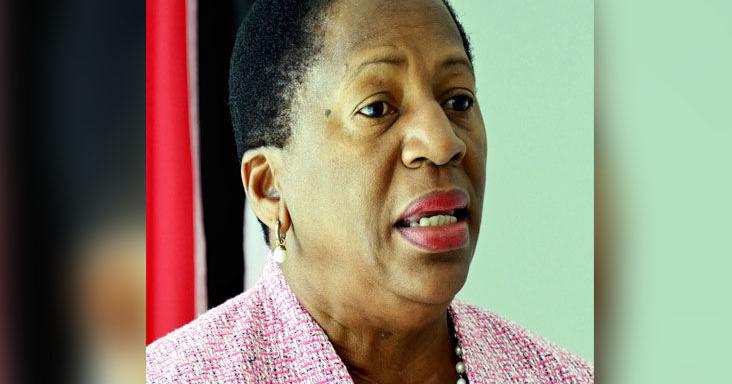
    As thousands of Trinidad and Tobago students prepared to receive their Secondary Entrance Assessment (SEA) results, two key education stakeholders—national Opposition Leader Penelope Beckles and the Trinidad and Tobago Unified Teachers’ Association (TTUTA)—have delivered a shared message of reassurance: a single examination outcome cannot determine a young person’s worth or lifelong trajectory.

    In a pre-result statement released ahead of the official scores release at 11 p.m. the previous night, Beckles emphasized to students that secondary school placement should never be allowed to box them in or limit their future ambitions. “I encourage every student to remember that the school you are placed in today does not determine your future success. Your character, commitment, resilience, and willingness to continue learning will shape the person you become,” she said, urging students to hold faith in their own abilities, maintain consistent effort, and reject the idea that any temporary setback can erase their full potential.

    Beckles also opened with congratulations for the cohort, marking the SEA results release as a major milestone that caps years of consistent hard work, personal sacrifice, unwavering determination and quiet perseverance, and signals the start of an exciting new educational chapter. “As the clock strikes 11 p.m., many of you will take your first step toward new opportunities, new friendships, and new dreams. We are proud of all that you have accomplished,” she added.

    She extended gratitude to the full network of support behind the students: teachers, parents, guardians and every other individual who guided learners through their entire SEA preparation period, noting that their dedication played an irreplaceable role in helping young people reach this key educational turning point. Turning to parents and guardians directly, Beckles called on caregivers to sustain their encouragement and support for their children, no matter what results they receive. “Your love, reassurance, and guidance will help them understand that one examination does not define their worth or determine the limitless potential of their future,” she said. She closed her statement with a prayer for divine blessing and guidance for the nation’s young people as they step into the next phase of their educational journeys.

    TTUTA echoed this message of reassurance, echoing the call for parents to avoid placing unnecessary pressure on children over school assignments and to center encouragement regardless of outcome. In its official statement, TTUTA President Crystal Ashe extended congratulations to all 17,509 students who completed the 2024 SEA examination, repeating the core point that a secondary school’s reputation does not predetermine a child’s future success.

    “Celebrate your child’s efforts and achievements regardless of the secondary school to which they are assigned. Please refrain from placing undue pressure on your children concerning school placement,” Ashe advised. “Remember that a child’s success is not determined by the name of a school, but by the values they uphold, the discipline they cultivate, the opportunities they embrace and the support they continue to receive from home and school.”

    Ashe noted that the kind words and reassurance parents offer in this results period can leave a lasting positive mark on children’s confidence and long-term success, framing the completion of the SEA as the end product of years of hard work from students, enabled by consistent backing from parents, guardians, teachers, principals and the entire school community. He also extended public thanks to teachers for their extraordinary commitment and sacrifice in preparing students for the high-stakes examination.

    “I take this opportunity to express my sincere appreciation to every member of the Teaching Service for your yeoman service, unwavering commitment and countless sacrifices in preparing our nation’s children for this important examination. Your professionalism, dedication and passion continue to inspire excellence and shape the future of Trinidad and Tobago. TTUTA proudly salutes each of you for your outstanding contribution to education,” Ashe said.

    For students, Ashe echoed Beckles’ message that school placement must not narrow their ambitions. “The school to which you are assigned does not determine your destiny. Success is achieved through discipline, perseverance, resilience and a commitment to continuous learning. Wherever you are placed, embrace every opportunity, work diligently, respect your teachers and classmates, and strive to become the very best version of yourselves,” he encouraged.

    Describing the current SEA cohort as the nation’s future leaders, innovators, educators, entrepreneurs and nation builders, Ashe urged young people to dream boldly, work tirelessly, and never allow unanticipated obstacles to limit their potential. He also reaffirmed TTUTA’s longstanding commitment to advocating for improved educational standards across all of Trinidad and Tobago’s schools, noting that the union will continue collaborating with all key stakeholders—including the Ministry of Education, school leaders, teachers, parents, and education partners—to guarantee every child access to a safe, inclusive, and enriching learning environment, regardless of which school they attend.

    Closing his statement, Ashe reminded students that the SEA is only the opening of their educational journey, not the final destination. “SEA is not the destination, it is simply the beginning of an exciting new chapter. Believe in yourselves, continue to work hard, pursue excellence in all that you do, and never stop reaching for your dreams,” he said.

  • CoP revokes 17 police appointees

    CoP revokes 17 police appointees

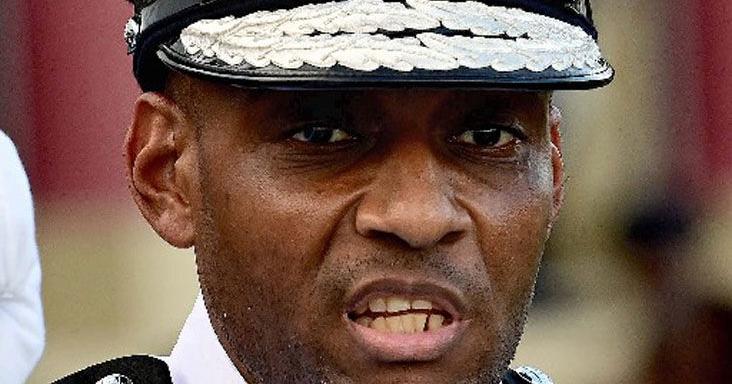
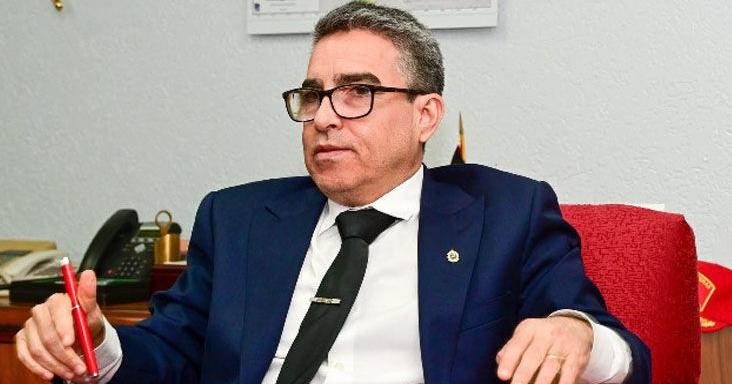
    The Trinidad and Tobago Police Service (TTPS) made a public announcement on Wednesday confirming that Police Commissioner Allister Guevarro has terminated the official appointments of 17 serving officers. In an official public notice distributed to media outlets, the TTPS confirmed that the dismissals were carried out in alignment with internal administrative guidelines set out by the Office of the Police Commissioner. The full list of affected officers has been released for public documentation: Tamara Boyce, Vijay Singh, Elliot Chin, Joanne Jadoo, Owen Hem-Lee, Jilann Holder, Kizzy Thomas, Karlon Murray, Christopher Gobin, Michael Alcala, Carlos Thorne, Devon Basant, Akiel Smith, Desron Dillon, Shaun Reid, Joff Awong, and Daryl Baksh. The service issued the notification to update public records and inform the general population of the personnel changes, but declined to share further context surrounding the revocations. No details have been provided regarding the underlying causes for the dismissals, nor has the TTPS confirmed the official effective date of the decisions. This move comes as part of a long-running agency-wide push to root out alleged officer misconduct, a topic Commissioner Guevarro addressed publicly just one month prior. During a media interview last month, Guevarro revealed that the TTPS currently holds roughly 290 officers on active suspension amid ongoing internal investigations into professional misconduct. He also acknowledged that one of the most persistent public relations and institutional challenges facing the service is the widespread public belief that police misconduct is rarely met with meaningful disciplinary action. Guevarro noted that while misconduct allegations against officers tend to draw heavy public and media scrutiny, the subsequent disciplinary and criminal legal processes that follow rarely attract the same level of public attention. This ongoing effort to clean up the TTPS’ ranks is not a new development: the last time a similarly large cohort of suspended officers was reported publicly was in 2020, when then-Commissioner Gary Griffith disclosed that approximately 280 suspended officers were still collecting full pay, costing Trinidad and Tobago taxpayers an estimated $50 million annually in unnecessary public expenditure.

  • AG meets with UK lawyers

    AG meets with UK lawyers

    A high-profile legal battle over alleged state destabilization and an assassination conspiracy against Trinidad and Tobago’s top government leadership took a key step forward this week, as Attorney General John Jeremie held an extended meeting with two senior King’s Counsel brought in from the United Kingdom to represent the State in the case.

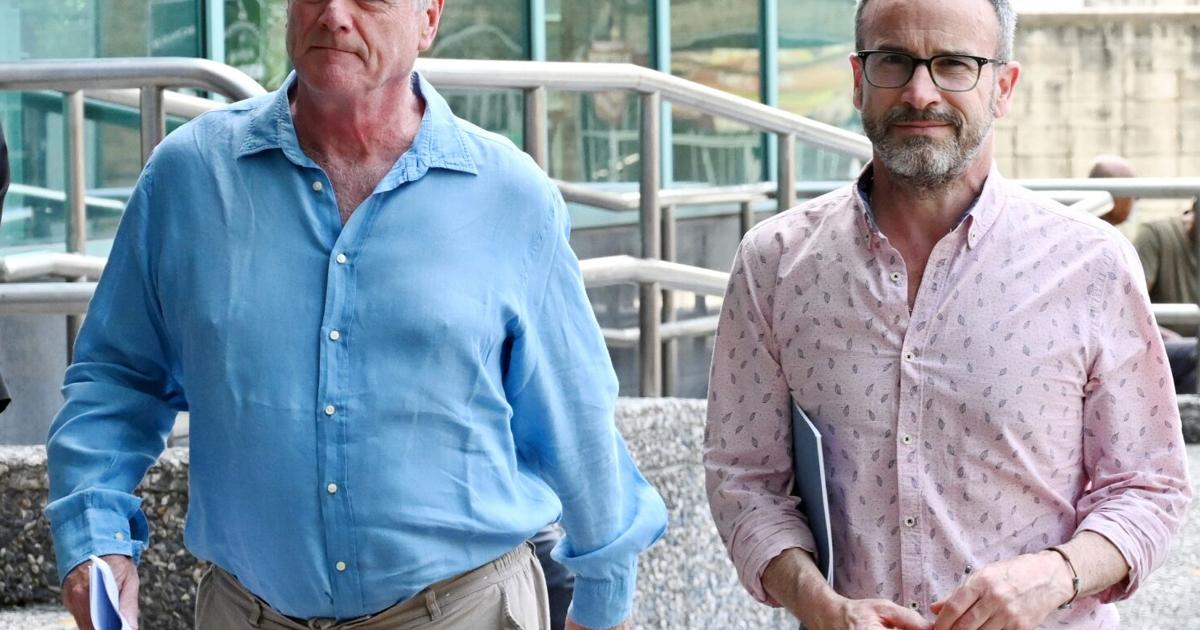
    The closed-door meeting, which ran for multiple hours, took place at the Office of the Attorney General in Port of Spain, bringing Jeremie together with Sir James Raymond Eadie KC and Robert Stephen Strang KC. The pair join National Gas Company chairman Gerald Ramdeen to complete the State’s three-member legal team, which received formal case briefings from Jeremie ahead of their official admission to the local bar.

    According to official documentation, the two KCs were formally approved to practice law specifically for this high-stakes case, listed as matter CV2026-02618: Dominic Hadeed & Genevieve Hadeed v The Commissioner of Police. The authorization was granted by Jeremie under Section 15A of Trinidad and Tobago’s Legal Profession Act, following required consultations with the Chief Justice. Official legal notices confirming their eligibility were published in the Government Gazette on June 30, and both barristers were scheduled to be formally called to the Trinidad and Tobago Bar the day after the meeting.

    Both legal figures carry extensive credentials from the UK legal system. Eadie, a member of the Honourable Society of the Middle Temple, was admitted to practice before the Bar of England and Wales in 1984. Strang, also a Middle Temple member admitted to the UK bar in 2003, has a well-documented track record of high-profile wins, including successfully representing former prime minister Dr Keith Rowley in a 16-year-long land dispute tied to Tobago’s Alma Estate. Working alongside attorneys Ramesh Lawrence Maharaj and Dr Margaret Rose, Strang secured a final victory for Rowley before the UK-based Privy Council, the highest appellate court for Trinidad and Tobago.

    The case the KCs have been brought in to argue stems from serious allegations brought by the State against local businessman Dominic Hadeed, owner of Blue Waters Products Ltd, his wife Genevieve Hadeed, and their relative Star Sabga. The three are accused of conspiring to assassinate senior government officials, with the detention order against Genevieve Hadeed specifically claiming she made public statements calling for the death of current Prime Minister Kamla Persad-Bissessar. State intelligence alleges the trio planned a series of violent acts to murder top government leaders and destabilize the country’s elected government.

    The preventive detention orders (PDOs) at the center of the legal challenge were signed by Homeland Security Minister Roger Alexander under the 2026 Emergency Powers Regulations, implemented during an active state of emergency. Dominic and Genevieve Hadeed were arrested at their West Trinidad home last Wednesday, and have remained in custody since. Dominic Hadeed is currently being held at the Remand Yard of Golden Grove Prison, while Genevieve Hadeed and Star Sabga are detained at Golden Grove’s Women’s Prison.

    This is not the first ruling in the ongoing legal saga. Earlier this week, High Court Justice Frank Seepersad dismissed the Hadeeds’ initial bid for immediate release via a habeas corpus application, ruling that the PDOs issued against the couple during the state of emergency were lawful. In a detailed 24-page judgment, Seepersad rejected the couple’s core argument that their initial arrest was unlawful, which would have invalidated the subsequent detention orders. The judge found that entries in the official police station diary directly contradicted claims that the pair were never informed they were being detained under the Emergency Powers Regulations, and confirmed that the initial 48-hour detention and subsequent seven-day extension authorized by a senior police officer met all legal requirements.

    Seepersad emphasized in his ruling that while he upheld the legality of the current detention, emergency powers do not place the executive branch of government beyond judicial oversight. He also clarified that even if the initial arrest had been found unlawful — a finding he did not make — that procedural issue would not automatically invalidate the PDOs issued against the pair.

    The habeas corpus ruling only addressed the immediate question of whether the Hadeeds should be released from custody pending the full case. A separate substantive constitutional challenge remains pending, which will ask the High Court to rule on broader questions of whether the State’s actions in issuing and executing the PDOs comply with the country’s constitution. In that challenge, the Hadeeds argue their constitutional rights were violated by their detention under the state of emergency, and the court will ultimately decide whether the Homeland Security Minister and Commissioner of Police acted within their legal authority under the Emergency Powers Regulations, whether the searches and detention were lawful, and whether the Hadeeds received all constitutionally guaranteed protections.

    Seepersad explicitly ruled that these broader constitutional questions were not resolved in the habeas corpus proceedings, and directed that the constitutional challenge be heard by a separate High Court judge. The case is scheduled for its next procedural hearing on July 27, with both legal teams required to submit full written arguments to the court before that date. The Hadeeds are currently represented by a team led by Senior Counsel Douglas Mendes, Gilbert Peterson, and Faris Al-Rawi, alongside a group of supporting instructing attorneys.

  • PM to attend regional summit

    PM to attend regional summit

    As the Caribbean Community (Caricom) prepares to convene its 51st Regular Meeting of the Conference of Heads of Government in St Lucia starting this Sunday, Trinidad and Tobago’s Prime Minister Kamla Persad-Bissessar has made two critical announcements ahead of the gathering: she will personally attend the high-level regional summit, and her administration remains unwavering in its opposition to the reappointment of incumbent Caricom Secretary-General Dr Carla Barnett.

    In comments provided to local outlet the Express, Persad-Bissessar confirmed she has held direct talks with St Lucia Prime Minister Philip J Pierre, who is set to take over as incoming Caricom chairman ahead of the summit. On the contentious issue of Barnett’s reappointment, the Trinidad and Tobago leader reiterated that her government will not recognize any extended term for the Secretary-General when her current tenure expires in August.

    The dispute over the reappointment is rooted in procedural disagreement. Persad-Bissessar has long argued that the process used to advance Barnett’s extension conflicts with the Revised Treaty of Chaguaramas, Caricom’s foundational governing document, and the bloc’s long-standing institutional governance rules. Trinidad and Tobago has already formally submitted its official position to all regional leaders, maintaining that any new term granted through what it frames as an unlawful procedure will not be accepted by Port-of-Spain. The government has also confirmed that its stance is backed by formal legal advice affirming its interpretation of the treaty’s requirements for the Secretary-General appointment process. The core question up for debate among heads of government remains whether the conference properly exercised its legal authority to extend Barnett’s tenure, and the impasse is expected to be a top discussion topic during the summit as Caricom leadership works to find a path forward to resolve the disagreement.

    Alongside the leadership dispute, the summit opens a new chapter for Caricom with Pierre set to assume the bloc’s chairmanship on July 1, 2026, for a six-month term ending on December 31 of the same year. He will succeed outgoing chairman Dr Terrance Drew, Prime Minister of St Kitts and Nevis, and will lead the four-day summit hosted in Gros Islet, Saint Lucia, from July 5 to 8.

    In a pre-summit address delivered Monday, Pierre laid out his policy priorities for his tenure, centering his agenda on deepening regional unity and making Caricom more visible and impactful in the daily lives of ordinary Caribbean citizens. “Across our region, people are navigating a rapidly changing world: they work tirelessly to build better lives, our economies are adapting to uncharted new realities, and our communities face shared challenges that demand collective cooperation, innovative thinking and shared purpose,” Pierre said. “At this moment, many of our citizens are asking one critical question: how can Caricom make a greater difference in our everyday lives? That question must guide all of our work over the coming months.”

    The incoming chairman emphasized his commitment to bringing Caricom closer to the people it serves, noting that the bloc’s impact should not be limited to formal summit meetings and official declarations. Instead, he said, Caricom’s work should be visible and felt in local communities, schools, small businesses, and family homes, reflected in expanded opportunities for every citizen across the region.

    Pierre stressed that regional solidarity is the Caribbean’s greatest advantage, noting that “the Caribbean is strongest when we work together, speak with shared purpose, and respect the unique voices and contributions of every Member State. Our rich diversity of cultures, languages, traditions, and lived experiences is one of our most powerful strengths.”

    Under his leadership, Pierre pledged that Caricom will prioritize building a more resilient and sustainable Caribbean, advancing key priorities including urgent climate action, strengthened regional food and nutrition security, inclusive economic growth, accelerated digital transformation, expanded trade and investment opportunities, and freer movement of people, skills, services and ideas across the regional bloc. He added that all policy work must center the needs of ordinary Caribbean people, noting “every Caribbean citizen, regardless of age, gender, ability, background, occupation, or personal circumstance, must be able to see themselves reflected in the regional agenda and feel that Caricom is working to improve their lives, expand their opportunities, and strengthen their future.”

    Pierre also highlighted the inseparable link between development and public safety, calling on member states to collaborate to build safer, more hopeful communities where every citizen can live, work, learn and thrive in peace and dignity. He closed by noting that the ultimate measure of Caricom’s success is whether ordinary citizens can feel the benefits of regional integration in their daily lives. “Integration that our people cannot feel will not last,” he said. “Together, we can build a Caribbean Community that is more united, more inclusive, more resilient, and more prepared for the future. Let us move forward together, from resilience to renewal and revival. In solidarity with the people of the Caribbean, I thank you.”

  • Cops nab suspect getting off ferry

    Cops nab suspect getting off ferry

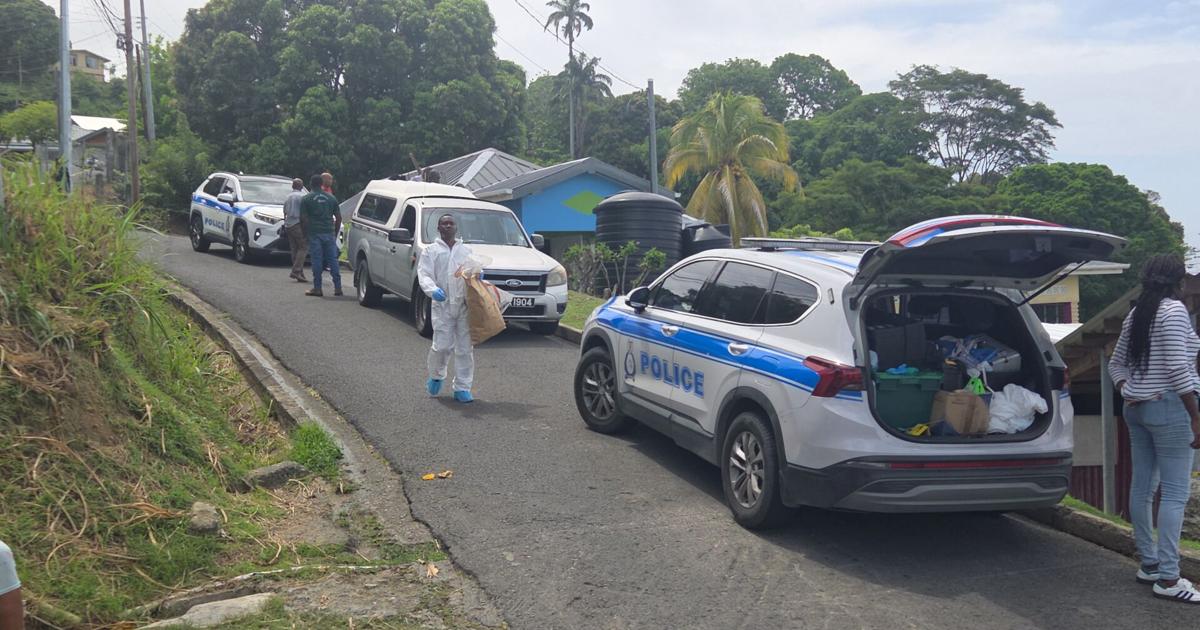
    A fast-moving investigation by Trinidad and Tobago law enforcement has resulted in the arrest of a 41-year-old South Trinidad man connected to the brutal murder of Neisha Roberts, a Mt St George, Tobago-based MTS employee. The suspect was apprehended yesterday afternoon as he got off the Galleons Passage ferry in Port of Spain, just hours after Roberts’ body was discovered.

    Roberts, who suffered multiple stab wounds, was found dead in a pool of blood inside her home’s bathroom shortly after 7 a.m. by her niece. Local police received an official report of the incident roughly 20 minutes later, after community members tipped off investigators that a person matching the suspect’s description had left Roberts’ property shortly after the killing took place.

    Confirming the arrest in a statement to local outlet *Express*, Trinidad and Tobago Police Superintendent Rodhil Kirk reaffirmed law enforcement’s commitment to securing justice for Roberts. “The Homicide Bureau and our entire investigating team are leaving no stone unturned to hold the person responsible for this violent crime fully accountable under the law,” Kirk said. He also acknowledged the critical role public cooperation played in the quick arrest, adding: “We are deeply grateful to community members who stepped forward with information that led directly to this suspect being taken into custody.”

    For Roberts’ grieving family, however, the arrest has done little to ease the pain of their loss. Marsha Roberts, the victim’s cousin, told *Express* that even with the suspect off the streets, no outcome can reverse what happened. “Having him in custody can’t bring Neisha back, and it can’t heal this hurt for our family,” she said. “The only small comfort is that he won’t be able to hurt anyone else right now. Nothing can fill the space he left by taking her. All we can do right now is pray that God gives us the strength to get through this.”

    Church leaders who knew Roberts remembered her as a deeply committed community member and faithful servant. Darian Rouse, pastor at Mt St George Seventh-day Adventist Church, said Roberts served as a dedicated deaconess at the congregation and was actively involved in local community events just one day before her death. “Just this Tuesday, we worked together at a district primary school graduation,” Rouse recalled. “Before she left that day, she told me she was going to stay behind to make sure the church was clean and everything was put in order. That’s just who she was.”

    Rouse also voiced growing concern over rising violent crime in Tobago, noting that Roberts’ killing marks the seventh homicide on the island this year, and the second murder of a woman. “This situation is getting worse, and I truly believe our nation needs to turn back to God, return to prayer, and humble our hearts to let Christ’s love guide us,” he said. “Our entire church community is shaken. This is devastating, and I’m still shocked that she’s gone.”

    Local elected officials have also joined the community in mourning. Megan Morrison, who represents the Mt St George/Goodwood district in the Tobago House of Assembly, released a statement of condolences yesterday echoing the widespread grief over Roberts’ death. “I am deeply saddened by the tragic passing of Neisha Roberts from our beloved Mt St George community,” Morrison said. “To her family, friends, and all who loved her, I offer my most heartfelt condolences. No words can take away the pain of losing someone so precious, but I want you to know that our entire community stands with you in this difficult time.”

  • Court awards over $2.5m to estate of murdered woman

    Court awards over $2.5m to estate of murdered woman

    In a landmark ruling that holds state institutions accountable for systemic failures to protect a domestic violence survivor, High Court Justice Robin Mohammed has awarded more than $2.5 million in total damages to the estate of Samantha Isaacs, a Trinidad and Tobago woman who was murdered by her former partner after repeated pleas for help went unanswered. Handing down his decision last Friday, the justice ruled that multiple breaches of Isaacs’ constitutional rights — including her fundamental right to life and right to equal protection under the law — by key state bodies, among them the Trinidad and Tobago Police Service (TTPS) and a sitting magistrate, directly contributed to her fatal killing.

    The damages award builds on an earlier finding by the same court that the State bears civil liability for Isaacs’ death. Court documents confirm that Isaacs contacted police on multiple occasions to report escalating threats and ongoing physical abuse at the hands of her ex-partner, Kahriym Garcia, but systemic inaction left her with no meaningful protection.

    In his full ruling, Justice Mohammed outlined critical failures across two separate state agencies. First, he found that the TTPS ignored clear, growing risks to Isaacs’ life: officers failed to conduct proper investigations into her formal complaints, never moved forward with criminal prosecution of her abuser, and took no reasonable precautionary steps to keep her safe. Even after the Police Complaints Authority (PCA) formally recommended disciplinary action against one officer who mishandled Isaacs’ report, no punitive or corrective action was ever implemented, compounding the violation of her constitutional rights. Second, the justice ruled that a local magistrate acted both prematurely and arbitrarily when dismissing Isaacs’ application for a domestic violence protection order. The magistrate never completed a thorough assessment of the lethal danger Isaacs faced, nor did they consider how an unfavorable ruling would impact Isaacs and her young son, Kaiden Garcia. Not long after the protection order was rejected, Isaacs was murdered by Garcia.

    Breaking down the damages award, Justice Mohammed allocated specific sums to address different harms stemming from the state’s failures. He granted $960,000 to compensate for the lifetime of lost earnings Isaacs would have collected if she had survived. A further $450,000 covers the severe pain, suffering, and non-financial harm Isaacs endured in the period leading up to her death, including additional aggravated damages for the deliberate indifference to her plight. Tot Lampkin, Isaacs’ mother, and Kaiden Garcia received a combined $600,000 for the non-pecuniary harm they suffered as a result of the violation of their constitutional right to respect for family life. To underscore the severity of the constitutional breaches and deter future misconduct by state authorities, the court also awarded $500,000 in vindicatory damages.

    In addition to the base damages, the court ordered $131,609.58 in prejudgment interest, calculated at an annual rate of 2.5% on all non-pecuniary damages. It also ruled that a 5% annual post-judgment interest rate will apply to all outstanding sums until the award is fully paid, and ordered the State to cover all of Lampkin’s legal fees incurred during the proceedings.

    In his concluding remarks, Justice Mohammed described the collective response of state agencies to Isaacs’ repeated calls for help as “institutional inertia” that ignored multiple clear warning signs of impending violence. He emphasized that standard compensatory damages are not enough to reflect the gravity of violating a person’s fundamental right to life. Vindicatory damages, he explained, serve a critical public purpose: they formalize widespread public condemnation of constitutional violations, reaffirm that fundamental rights are non-negotiable for all citizens, and create a strong deterrent to prevent similar lethal failures by state authorities in the future.

  • ‘TRAUMATISED’

    ‘TRAUMATISED’

    For dozens of young Caribbean men who invested more than a year of their lives into a second-chance education and development programme, the sudden announcement of a temporary suspension has left deep uncertainty and emotional distress, shaking their hopes for academic and personal progress.

    The Military-Led Academic Training (MiLAT) programme, a youth development initiative designed to support at-risk young people in completing their secondary education through a structured military-style framework, has been paused indefinitely amid budget shortfalls and planned government reforms, Defence Minister Wayne Sturge has confirmed.

    One current participant, Kymani Bailey, spoke publicly about the devastating impact of the announcement, sharing his cohort’s fear that the pause will become permanent, just like other discontinued youth initiatives in the region. Bailey’s group of 58 participants is scheduled to sit their Caribbean Secondary Education Certificate (CSEC) exams next year, a milestone many had worked toward for 15 months after joining the programme to turn their lives around.

    “Last Monday night, leadership gathered us and broke the news: the programme was being suspended. All civilian teachers and non-military staff were sent home immediately, and academic classes were scrapped entirely—we were told only military drill activities would continue, before we were sent on an unplanned break,” Bailey explained in an interview with the Express.

    For Bailey and many of his peers, MiLAT represented a rare second chance. Many participants had previously dropped out of the traditional education system, and the programme offered structured learning, housing, a small stipend, and the opportunity to earn a full CSEC certification, a critical credential for future employment and higher education in the Caribbean.

    “After a year and three months of giving this everything we had, sacrificing everything to build a better future, it just got taken away from us. We’re all traumatized by this,” Bailey said. “I worked so hard to get here, and now I’m back to scrambling for opportunities like I did before. That’s really hard. Most of us were crying yesterday—we’re all heartbroken.”

    Bailey acknowledged that the programme had its challenges, noting that every institution faces highs and lows, but emphasized that MiLAT filled a critical gap for young people who had no other options to get their education back on track. He expressed particular concern for peers who were still in the process of turning their lives around, saying many of those young people will have no other support system if the programme is permanently shut down.

    Officially, the government notified parents that participants in Bailey’s intake were granted leave from July 1 to July 8, ahead of planned end-of-term assessments. But Bailey and his peers worry the leave will be extended incrementally until the programme is formally scrapped, a pattern that has played out with other defunct youth programmes in the country.

    A civilian staff member, who spoke to the Express on condition of anonymity to protect their career, confirmed the shock among non-military employees, saying staff were informed at a last-minute meeting that the programme was suspended, and Tuesday would be their final day of work. The source added that no severance or future employment information was provided, and staff are bracing for the programme to become permanently inactive, drawing direct comparisons to the long-shuttered Civilian Conservation Corps youth initiative.

    Affected staff include teachers, culinary workers, and other administrative employees who kept the residential programme running. Most concerning to both participants and staff, the source added, is that no official information has been released about what long-term plans are for the more than 50 young people currently enrolled in the programme, leaving their academic and personal futures hanging in the balance.