标签: Trinidad and Tobago

特立尼达和多巴哥

  • After 8 years, no sign of Sharday

    After 8 years, no sign of Sharday

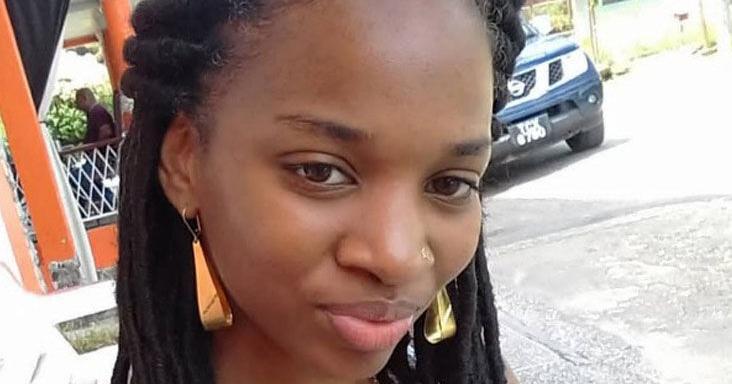
    Eight years has passed since 20-year-old nursing student Sharday Emmanuel stepped out of her family’s home in Mamoral, Central Trinidad, hailed a taxi for Chaguanas, and vanished without a trace. For her father, Junior Emmanuel, every day since has carried the same hollow pain: he is certain unidentified burnt human remains found a year after his daughter’s disappearance belong to Sharday, but years of bureaucratic delays and flawed forensic testing have left his family without closure, and the person he believes responsible still free.

    The case of Sharday’s disappearance echoes a grim pattern in the southern Trinidad community, coming just seven years after the murder of 12-year-old Mercedez Layne, whose battered body was found not far from where Sharday’s suspected remains were discovered in an abandoned Santa Flora oilfield. In 2019, local authorities recovered a woman’s skeletal remains and pieces of burnt clothing from the oilfield site, but the body was never officially identified. Within days of the discovery, Junior Emmanuel connected the site and evidence to his missing daughter, and reached out to the Southern Homicide Division of the Trinidad and Tobago Police Service (TTPS) to review the case.

    Emmanuel was granted access to crime scene photographs of the remains, and two details immediately confirmed his worst fears: the burnt clothing recovered included a pleated skirt matching one Sharday owned, and the abandoned oilfield was an area Sharday was known to visit with a male acquaintance. For seven years, Emmanuel has waited for forensic DNA testing to confirm what he says he already knows, but the process has been mired in repeated setbacks. Senior TTPS homicide officials confirmed the first DNA test, run on a sample provided by Junior Emmanuel, returned an inconclusive result—though no official written documentation of the finding has ever been shared with the family. A second sample collected from Sharday’s mother, Marilyn Emmanuel, was sent for testing years ago, but the family has still not received a formal result.

    “After two DNA tests, one inconclusive and one we never got the official results of I’m hopeful that the Homeland Security Minister can get involved and see for himself how the burnt remains fabric and the picture we have of Sharday wearing the same material and pattern matches…and send those remains to get tested again,” Emmanuel said in a recent interview. He believes police previously questioned the man he suspects of harming Sharday, but released him due to the lack of confirmed DNA evidence, letting the alleged perpetrator remain at large. “The authorities know exactly who is responsible for her disappearance but because of the inconclusive DNA result she is still considered a missing person and the demon responsible walks among us,” he added.

    The past eight years have irrevocably broken the Emmanuel family, their patriarch says. “Life for my wife and myself has never been the same…not a day goes by without us calling Sharday’s name and remembering the 20 years we had her for,” he shared. Sharday’s brother Cassiel has coped with his grief by never speaking of his sister, a silence the family understands even as it deepens their pain. In the years since Sharday vanished, Cassiel has welcomed three children and is preparing to marry—milestones Sharday will never get to experience, though her young nieces and nephews already know her from family photographs. “We try our best to smile through the pain we feel every single day but inside is an emptiness that never goes away,” Emmanuel said.

    The story of Sharday’s disappearance only became public when Emmanuel shared it at a United National Congress (UNC) anti-crime symposium in January 2024, where he publicly called out what he calls “inexcusable police incompetence” in the stalled investigation. When the UNC won the 2025 general election, Emmanuel hoped the new government would prioritize his case, but he has yet to hear from any party officials. He has now turned directly to newly appointed Minister of Homeland Security Rodger Alexander, requesting an in-person meeting to push for a new round of independent DNA testing.

    Reconstructing Sharday’s final days has uncovered devastating new layers of pain for the family. On the morning of June 27, 2018, Sharday was captured on surveillance camera at a Chaguanas shopping mall after leaving her home—then all trace of her disappeared. Her boyfriend was supposed to meet her that morning, but when he arrived late she did not answer his calls, prompting him to alert the Emmanuels, who knew immediately something was wrong. “Sharday would not stay away from her mother. They were extremely close and Sharday loved her family,” Emmanuel said, confirming his daughter never would have chosen to leave voluntarily.

    As the family searched for clues among Sharday’s friends, they opened what Emmanuel describes as a Pandora’s Box that upended their entire world: they learned Sharday had been trapped in an abusive relationship, and was planning to leave her abuser shortly before she disappeared. Voice notes shared by Sharday’s best friend, sent in the weeks before her disappearance, revealed the young nursing student had planned to tell her father about her “secret life” and feared for her safety. “This broke my heart and I now more than ever wanted to find the person who took my little girl away,” Emmanuel said.

    Local media outlet Express reached out to Minister Alexander via WhatsApp Tuesday to share Emmanuel’s request for a meeting and ask if he would intervene in the case. As of publication, no response has been received.
  • TEEN’S FATAL RIDE

    TEEN’S FATAL RIDE

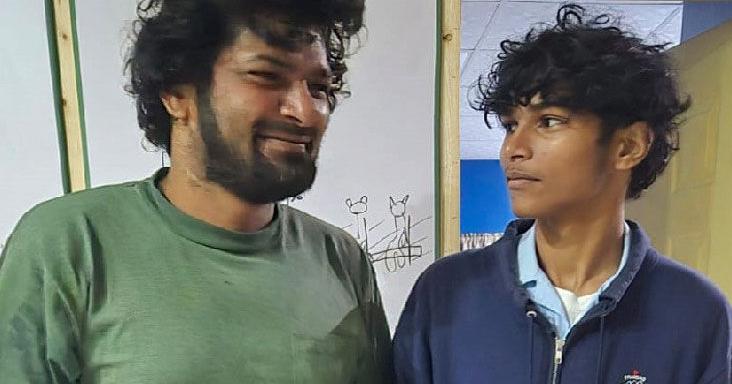
    A life brimming with extraordinary potential was cut short in a fatal roadway collision on Saturday, when 15-year-old Idris Hosein—widely remembered as a gifted scholar, emerging community leader, and dedicated Scout—died in a crash on Trinidad’s Churchill-Roosevelt Highway. What unfolded on that stretch of westbound highway has left family, teachers, and fellow Scouts grappling with unfathomable loss, as investigators work to piece together the full details of the incident.

    Official police reports confirm that the Barataria Police Station, under the leadership of W/A/Sgt Solomon-Rajkumar, received the alert about the fatal crash at 11:26 a.m. on June 27. Preliminary investigations outline that roughly an hour before first responders arrived, a 23-year-old driver from Arima was traveling westbound in a rented Nissan Tiida with two female passengers. When the driver attempted to merge from the middle lane into the left lane, Hosein’s motorcycle struck the rear left corner of the car. The impact threw the 15-year-old several meters across the roadway, despite him wearing a protective helmet at the time of the collision. He was pronounced dead at the scene, while the driver and his two passengers walked away from the incident without injury. Hosein’s father formally identified his son’s body following the crash.

    The 23-year-old driver has since been warned of pending prosecution under Section 73(1) of the country’s Motor Vehicles and Road Traffic Act. Crime Scene Investigator WPC Williams documented the collision site with forensic photography, and both the car and the damaged motorcycle were impounded at the Barataria Police Station as the investigation remains ongoing. W/A/Sgt Solomon-Rajkumar is leading continuing inquiries into the exact sequence of events.

    In an interview with local outlet *Express* at the family’s Cunupia home, Idris’s father Arif Hosein painted a picture of a young man who excelled in every area of his life, pushing back against unsubstantiated social media claims that framed his son as a delinquent. “He wasn’t just bright—he was a brilliant young man,” Arif said. “Every single term, he brought home awards for both academics and sports. He just picked his advanced science subjects to start Form Four, and we fully expected he would earn a university scholarship.”

    Beyond academics, Idris was deeply committed to the scouting movement, where he had risen to become one of the group’s youngest youth leaders. “When the older Scouts couldn’t master knot-tying, they came to Idris. He loved teaching the younger kids the basics—friends would even come to our house just to practice with him,” his father explained.

    Arif also addressed the circumstances of his son’s ride, clarifying that Idris had only ever been allowed to ride a small training motorcycle under direct adult supervision, and did not have permission to operate the larger, higher-powered bike involved in the crash. “I would never let him take that bike out on his own,” he said. “He knew how strict I am about safety. That bike costs around $80,000, but if I’d known he’d taken it without permission, I’d have smashed it to pieces with my sledgehammers to make sure he never made that kind of mistake again. That’s how seriously I take safety.”

    The grieving father says he is still searching for answers, struggling to understand why Idris left home with the motorcycle that day, and whether anyone encouraged the unsupervised ride. “My last conversation with him was Friday night—I told him I loved him, and he said everything was fine at home. The next morning I got the call about the crash,” Arif said. “This isn’t who he was. He never did anything like this. I need to know who encouraged him, where he was going, and why this happened.” He also noted unconfirmed witness accounts of a second motorcyclist in the area shortly before the collision, but acknowledged that no concrete evidence has yet emerged to confirm that detail.

    Andrew Buckmire, Group Scout Leader at Idris’s school, St Mary’s College, says the 15-year-old stood out from his peers for his uncommon maturity, relentless work ethic, and natural ability to lead. “He was far more than a typical Scout,” Buckmire said. “He threw himself into every program we ran, and he was always there when we needed him.” Buckmire explained that Idris consistently demonstrated practical skills and knowledge well beyond his 15 years, often teaching even older Scouts new skills: “He was ahead of everyone when it came to hands-on experience and physical skills. He taught most of the boys how to fish, how to operate our program engines—even when they were years older than him.”

    Buckmire added that Idris never shied away from responsibility, and could always be counted on to see any task through to completion. “He always went the extra mile. When everyone else was tired and ready to quit, Idris stayed to finish what needed to be done,” he said. “I never had any worries about giving him important tasks—I knew he’d get them done right. If he ever had a question, he’d always come double-check with me, no exceptions.”

    Buckmire described Idris as respectful, humble, and firmly rooted in his values, noting that even as a Muslim student at a Catholic school, he always felt comfortable asking for time to pray, and was fully respected by the entire school community. “He never sought attention or bragged about his skills,” Buckmire said. “He was quiet, but his presence was felt through how well he got things done. To my knowledge, he never had a single disciplinary issue at school. This whole tragedy is completely out of character for who he was. It’s just so devastatingly unfortunate.”

    The scouting community, Buckmire says, will feel the loss of Idris deeply. “He was an impressive Scout and a genuinely good person. So many of his peers are going to miss him terribly,” he added.

  • Tributes pour in for Oscar B

    Tributes pour in for Oscar B

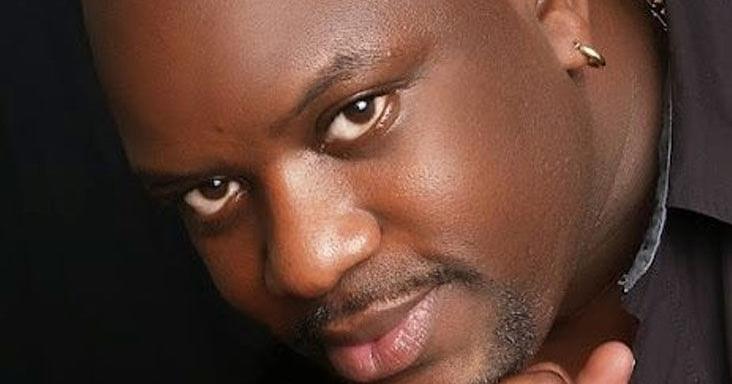
    The global Caribbean music community is gripped by sorrow this week following the passing of beloved, trailblazing soca performer Oscar “Oscar B” Benjamin, who breathed his last early Wednesday morning. The 57-year-old artist, a lifelong resident of Signal Hill, Tobago, had been battling health complications after suffering a severe stroke back in May, and his sudden passing came just hours before a community-organized benefit concert intended to cover his mounting medical costs and support his ongoing recovery.

    The Tobago Family and Friends Healing Concert had been planned weeks in advance for the Shaw Park Cultural Complex, scheduled to kick off Wednesday evening. Following confirmation of Benjamin’s death, event organizers and the Division of Tourism, Antiquities and Creative Industries operating under the Tobago House of Assembly announced the show would go forward as originally scheduled, but would be reimagined as a moving celebration of Benjamin’s life and his decades-long contributions to the evolution of Caribbean soca culture.

    Within minutes of the official announcement of his passing, tributes began pouring in from across the music industry, government circles, and the local Tobagonian community, all honoring the iconic artist’s legacy. In an official statement released Wednesday, Trinidad and Tobago’s Ministry of Culture and Community Development hailed Benjamin as “a cherished son of Tobago and a celebrated ambassador of our culture”, highlighting his journey from a young choir singer to one of the region’s most recognizable soca performers.

    Benjamin first nurtured his passion for music as a young member of his local church choir, before launching his professional musical career in 1982 when he joined the iconic Signal Hill Alumni Choir. Minister of Culture and Community Development Michelle Benjamin shared a heartfelt tribute to the late artist, noting that Oscar B devoted his entire life to spreading the joy of Caribbean music, delighting audiences across the globe, and proudly uplifting his home of Tobago every time he stepped onto a stage.

    “It is especially heart-breaking that he passed away less than 24 hours before the scheduled Tobago Family & Friends Healing Concert, an event organized by those who loved and admired him to support his recovery following his recent illness,” Minister Benjamin said. “While he may not have witnessed that extraordinary outpouring of affection, it stands as a lasting testament to the lives he touched and the deep respect he earned throughout his career.”

    Veteran soca legend Austin “SuperBlue” Lyons was among the first fellow artists to share his condolences publicly on social media. “Waking up to sad news this morning hearing my dear Friend Oscar B pass away. May you fly with the angels above until we meet again. Always enjoy watching your performance. You will be missed. Rest in Peace,” Lyons wrote in his social media post.

    Signal Hill Secondary School, Benjamin’s alma mater, also shared a tribute remembering the star as far more than a talented performer, calling him “a living legend” whose impact extended far beyond the stage. Former Minister of Tourism, Culture and the Arts Randall Mitchell also offered his condolences, writing: “Oscar, boy we had some really good moments. Thank you for the entertainment and the performances, always. Fly high and rest in eternal peace.”

  • AG Jeremie vows to go after ‘1% gangs’ funding PNM

    AG Jeremie vows to go after ‘1% gangs’ funding PNM

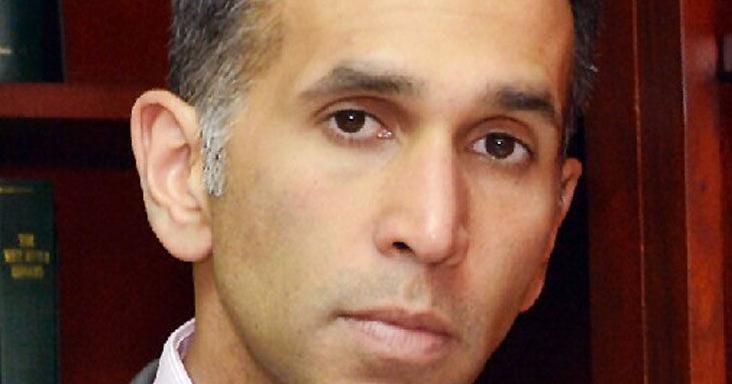
    In a dramatic parliamentary address delivered on June 10, 2026, Trinidad and Tobago’s Attorney General John Jeremie has laid bare extraordinary allegations against three high-profile individuals—businessman Dominic Hadeed, 52, his wife Genevieve, 42, and relative Star Sabga, 69—who now face preventive detention orders over claims they conspired to assassinate top government officials. The bombshell revelations came as Jeremie tabled a motion to extend the country’s ongoing state of emergency by three months, pulling back the curtain on a widening crackdown that blurs the line between elite financial power and organized criminal activity.

    Jeremie used the parliamentary platform to confirm a sweeping development: the U.S. government has revoked travel visas for multiple members of what he called Trinidad and Tobago’s “1%”, a cohort of wealthy and connected elites he accuses of operating as an organized criminal network. Acknowledging the U.S. intelligence community’s robust surveillance capabilities, he noted that American authorities had made an independent determination that these individuals’ activities warranted barring them from entry to the U.S., a move in which the Trinidad and Tobago government had no hand.

    The Attorney General pushed back against the common framing of gang activity as confined to working-class street groups identified by numeric names like Sixx, Seven and Eight. Instead, he argued, the Anti-Gang Act’s broad definition—covering any informal or formal grouping of two or more people engaged in criminal activity—applies equally to the country’s economic elite, who have built decades of unchecked influence. For ten years under the previous People’s National Movement (PNM) administration, Jeremie claimed, these elites thrived, exploiting their connections to secure unlimited access to U.S. dollars, while ordinary citizens are forced to queue for hours at banks to access just $200 in foreign currency for travel. These elite figures, he added, move hundreds of thousands of dollars in foreign exchange through their credit cards on a monthly revolving basis— a privilege out of reach for most Trinidadians.

    Jeremie went further, alleging the elite not only funded the PNM but were revered by the party and have effectively taken control of it, with opposition politicians acting as willing pawns for their interests. The revelation of visa revocations, he explained, came unexpectedly: a question from a journalist at Guardian Media Ltd, which Jeremie claimed is owned by the accused group, first piqued his interest. Though he initially ignored the query, he was later contacted directly by multiple elites who confirmed their U.S. visas had been revoked, he said.

    Stressing that the Trinidad and Tobago government cannot influence U.S. visa policy, Jeremie made clear that authorities retain full jurisdiction over illegal activity occurring within the country’s borders. “The days when wealth could shield elite criminals from prosecution and law enforcement scrutiny are over,” he warned, arguing that any individual who operates as a gang member—regardless of social standing—will face the same consequences as street-level gang members. “If your designation is within the 1%, or if you are Sixx, Seven or Eight, Teteron (a detention facility) awaits,” he stated.

    Directing a specific warning at those who have targeted him and Prime Minister Kamla Persad-Bissessar, Jeremie alleged the group has hidden behind the media outlets it controls to attack the government, and that intelligence indicates they are now planning more direct violent action. “If you target me, as I expect you will, or my Prime Minister, as you have… if, as our intelligence suggests, you have in contemplation more and direct action, the indignity of the cells at Teteron await,” he said.

    Jeremie declined to elaborate on additional allegations, including irregular deals over valuable state lands that he claimed the group pursued up until the night of the last general election, noting that the matter is already under active review by the Commissioner of Police. He also accused the former PNM administration of turning a blind eye not only to white-collar gang activity but to the spread of street-level blue-collar gang violence across the country.

    Closing his address, Jeremie emphasized equal application of the law: an offense committed by a wealthy member of the 1% is no different than a crime committed by young working-class people in marginalized communities like Morvant and Laventille. While the government has no control over actions taken by its American ally, it will act firmly on evidence of criminal activity gathered by its own law enforcement, he confirmed, declaring that the era of unchecked influence for Trinidad and Tobago’s elite is definitively over.

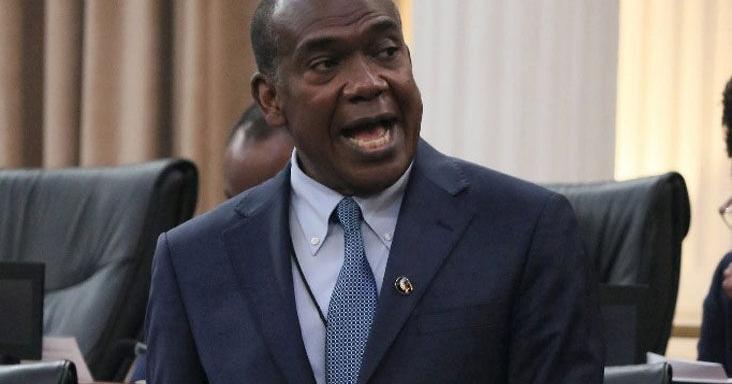
  • Alexander: Let police  complete Hadeed probe

    Alexander: Let police complete Hadeed probe

    Trinidad and Tobago’s Minister of Homeland Security Roger Alexander has publicly called on the country’s citizens to step back and let law enforcement investigators complete their work into the high-profile detention of local businessman Dominic Hadeed, his wife Genevieve Hadeed, and Genevieve’s maternal aunt Star Sabga. Speaking at an event held at the Roslyn Hall and Lounge in Tunapuna yesterday, Alexander issued a clear warning against the rising trend of what he labeled “trial by social media” and premature judgment in the court of public opinion.

    Alexander opened his remarks by stating he would not share any specific details about the ongoing investigation, noting that uniformed police officers require space to carry out their probe free of unwarranted external pressure. “What I can share with you at this time is that the police need to do their job, and I am one of the people who advocate that,” Alexander told attendees. He emphasized that law enforcement teams must be granted the space to pursue their inquiries both effectively and efficiently, without being swayed by widespread public commentary or ungrounded speculation about the case.

    “In order to do that job effectively and efficiently, they must be given that option, that opportunity to do that, without this set of crosstalk and the court of public opinion making statements and thing,” he said. “Do your job and let’s see where we go from there.”

    Alexander confirmed that the Trinidad and Tobago Police Service (TTPS) is advancing a targeted probe into the three detainees, and urged the public to wait for official conclusions before drawing any final judgments on the case. “All I can say is that the police are pursuing a particular type of investigation and we await the outcome,” he added.

    The minister also voiced criticism of the flood of commentary on the case across social media platforms, calling out premature public statements from political figures — including remarks from the country’s Opposition that left him surprised. “The court of public opinion and the social media advocates and the persons who are making various statements…I was taken aback even by certain pronouncements made by the Opposition,” Alexander said.

    He went on to defend the Office of the Director of Public Prosecutions (DPP), a cornerstone institution of Trinidad and Tobago’s justice system, highlighting the office’s critical role in upholding the rule of law. “The DPP holds an office in Trinidad and Tobago second to none,” Alexander said. Drawing on his own decades of experience as a former police officer, he shared that he has long observed the DPP carries out all official duties with extreme care and attention to detail. “He, from my knowledge and from my experience as an ex-police officer, is very meticulous in how he does things,” Alexander added.

    Alexander’s address wrapped up with a broader appeal to national values, urging all citizens to prioritize respect for the rule of law — a standard he argued should be taught to children from a young age within family households. “Respect the rule of law. If you start with it at home as a parent, you will see your sons and daughters growing up respecting that,” he said.

    He also warned that eroding public respect for legal and state authority carries profound long-term risks for the entire country. “When you as a citizen, or you as a society, or you as a country, start to pull away from that type of respect for authority, then what do you expect to happen?” he asked.

    In closing, Alexander called on the public to allow the formal judicial process to proceed unimpeded, and to commit to accepting the court’s final decision regardless of outcome. “Let us move away from that and return to the day when a citizen was proud to be a citizen in Trinidad and Tobago and allow the court, where everybody does run to, make a decision, and we respect the outcomes,” he said.

  • Hadeed’s search warrants reveal conspiracy to murder probe

    Hadeed’s search warrants reveal conspiracy to murder probe

    A prominent Trinidadian businessman and his wife have hit a legal roadblock in their bid to secure release from police custody, after the High Court dismissed their habeas corpus application earlier this week, amid an ongoing investigation into allegations of conspiracy to commit murder.

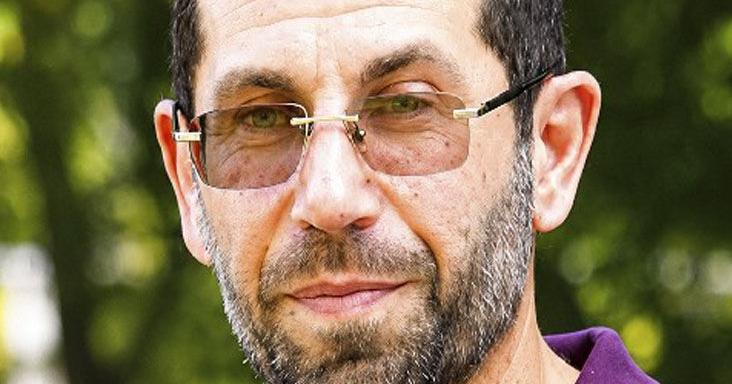
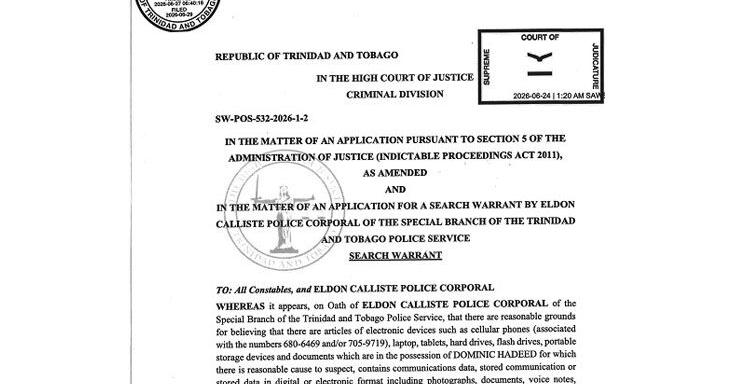
    The case centers on Dominic Hadeed, a well-known local businessman, and his spouse Genevieve Hadeed, who were taken into police custody following the execution of court-approved search warrants at multiple properties linked to the couple, carried out by officers from the Trinidad and Tobago Police Service’s Special Branch. Issued on June 24 by Master Valene Guerra-Abraham under Section 5 of the 2011 Administration of Justice (Indictable Proceedings) Act, the search warrants explicitly authorized law enforcement to seize and forensically examine a broad spectrum of electronic devices and stored digital data tied to the conspiracy probe.

    The investigation itself is being conducted under Section 5(a) of the Offences Against the Person Act, Chapter 11:08, which criminalizes conspiracy to commit murder as an indictable offence. Separate warrants for each spouse laid out the specific locations to be searched: Genevieve Hadeed’s properties at #2 Orange Grove Estate in Trincity and #47 Western Circle in Westmoorings, while Dominic Hadeed’s locations were #1-3 Golden Grove Road in Piarco and #23 Pine Avenue, Bayshore in Westmoorings, plus the Blue Waters offices in Orange Grove. Officers were granted permission to enter the premises at any time, seize all relevant devices, extract stored data, and submit the collected evidence to the High Court for review.

    Per the terms of the warrants, police were authorized to seize every type of digital device, including smartphones, laptops, tablets, external hard drives, portable flash drives, and physical paper documents. The scope of the data extraction covered all potentially relevant information: communication logs, stored messages, photographs, voice notes, audio and video recordings, closed-circuit television footage, text messages, GPS location history, and application-specific data. A handwritten inventory attached to subsequent court documents confirms law enforcement seized a range of devices, including multiple Apple iPhones, Samsung handsets, Apple laptops, iPads, a Dell Latitude laptop, multiple flash drives, and a full computer processing unit from the searched locations.

    Representing the couple, senior counsel Faris Al-Rawi filed the habeas corpus application with the High Court, attaching copies of the executed search warrants to his supporting affidavit. Al-Rawi’s core legal argument centered on the claim that the Hadeeds were arrested during the execution of standard search warrants tied directly to the conspiracy to murder investigation, not under the 2026 Emergency Powers Regulations. He contended that the police’s subsequent use of emergency powers to extend the couple’s detention was legally invalid. “The Applicants were not arrested or detained under Regulation 13(1) of the Emergency Powers Regulations, 2026, nor under those Regulations at all. They were arrested in the execution of ordinary search warrants in respect of the offence of conspiracy to murder, which is not an offence against the said Regulations. The only basis advanced by the Respondent for the continued detention of the Applicants appears to be the Emergency Powers Regulations, which do not apply to the Applicants,” Al-Rawi stated in his affidavit.

    After hearing initial arguments, Justice Frank Seepersad ruled to dismiss the habeas corpus application seeking immediate release of the couple from custody. However, the judge issued a formal directive to Police Commissioner Allister Guevarro to deliver official clarification on whether the Hadeeds are currently being held under a Preventive Detention Order (PDO). The next stage of the legal proceeding has been scheduled for a virtual hearing to be held at 9 a.m. the following day, as the court works to resolve the dispute over the lawfulness of the couple’s detention.

  • Quakes lift T&T coastline by nearly 20 feet

    Quakes lift T&T coastline by nearly 20 feet

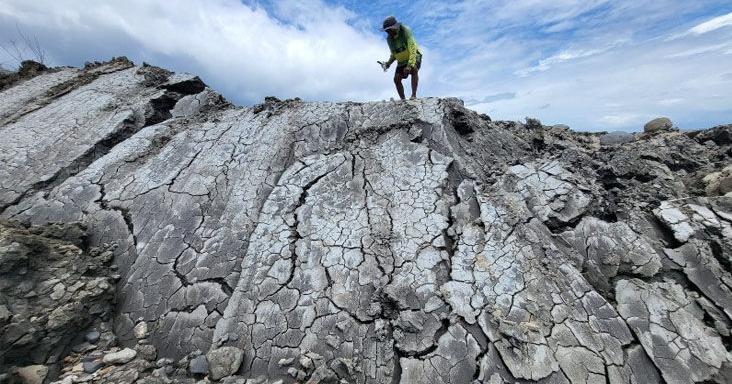
    Last week’s pair of powerful back-to-back earthquakes that devastated northern Venezuela triggered an extraordinary geological shift hundreds of kilometers away, pushing a remote stretch of Trinidad’s southwestern Galfa coastline upward by nearly 20 feet in seconds. The sudden uplift left hundreds of marine species trapped on the newly exposed seabed, where most perished quickly.

  • Inside T&T’s gang landscape

    Inside T&T’s gang landscape

    A 2024 independent study commissioned by the United States Agency for International Development (USAID) has laid bare the dramatic expansion of gang activity across Trinidad and Tobago over the past 15 years, generating international policy ripple effects and sparking debate over data accuracy with local authorities.

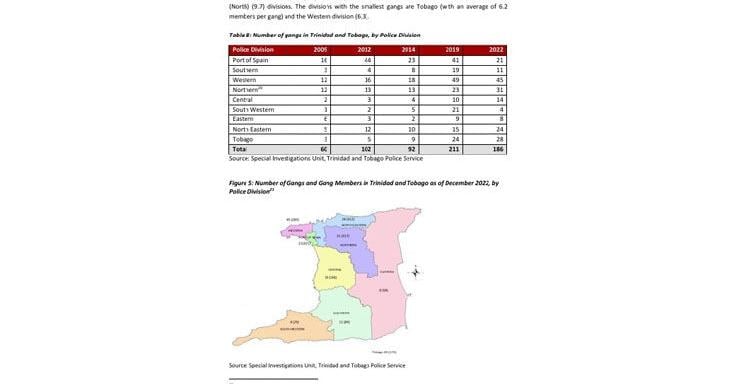
    Authored by leading criminologist Dr. Randy Seepersad and published in February 2024 as part of the broader Eastern and Southern Caribbean Criminal Dynamics Study, the report counted 186 distinct gang groups encompassing 1,750 confirmed members across the twin-island nation as of 2022. This figure marks a stark upward trajectory from historical law enforcement data provided by the Trinidad and Tobago Police Service (TTPS) Special Investigations Unit: just 60 gangs were recorded nationwide in 2009, rising to 102 in 2012, 130 gangs with 1,014 members in 2020, and hitting the 2022 totals that anchor the current study.

    As part of the research, Seepersad’s team conducted a comprehensive survey of 777 Form 4 and 5 students in Tobago’s public secondary schools – representing 68.9% of all enrolled students in those grade levels. The results revealed that 3.7% of respondents were active gang members at the time of the survey, with affiliation rates varying by academic year: 2.4% for Form 4 students and 5.5% for Form 5 students. Researchers noted they were unable to collect matching data from Trinidad’s public school system due to a lack of access permission.

    The USAID-funded project, which analyzed gang dynamics across 11 Caribbean nations, found that Trinidad and Tobago posts the highest prevalence of gangs and gang-related violent crime among all surveyed countries. TTPS data included in the report shows that 33.3% of all murders recorded between 2000 and 2022 have been tied to gang activity. This share has grown dramatically over the decades: just 3.3% of murders were gang-linked in 2000, peaking at 52.7% in 2007 before a temporary dip to 15.9% in 2010, followed by a fluctuating but overall upward trend that reached 40.3% of all murders in 2022.

    Geographic analysis of 2022 data found gang activity is concentrated most heavily in the western region of Port of Spain, which hosts 45 distinct gangs. Other high-density regions include the Northern Division with 31 gangs, Tobago with 28 gangs, and Port of Spain’s North Eastern Division with 24 gangs. In terms of gang-related homicides between 2000 and 2022, Port of Spain led all regions with 61.1% of local murders linked to gangs, followed by North Central (50.9%), the Western Division (49.2%), and the North Eastern Division (41%). The Besson Street Police Station district recorded the highest raw number of gang-related murders at 156, accounting for 16.6% of all gang killings nationwide over the 22-year period.

    The study also identified clear patterns linking gang location to criminal activity. Coastal gangs are disproportionately involved in drug and firearms trafficking, while inland-controlled gangs tend to engage in more violent turf conflicts, including shootings, woundings, and homicides, as factions fight for territory and control of illicit drug markets. Beyond these core activities, gangs across the nation are involved in a wide range of offences including motor vehicle theft, armed robbery, illegal quarrying, and prison-based criminal activity. In Tobago, gangs often provide safe haven to Trinidad-based criminals fleeing law enforcement or rival groups, though violence against tourists remains extremely rare.

    The report also confirmed that gangs have expanded their influence into two key spheres long considered outside their core control: secondary schools and national prison systems. Prisons continue to operate as de facto safe havens for gang leadership, allowing top members to direct faction activity from behind bars and recruit new members despite ongoing law enforcement efforts. Collusion between gangs and corrupt law enforcement personnel, while inconsistent, has also become more common in recent years, the study found.

    These findings have already had international policy consequences: the United Kingdom’s Visas and Immigration department referenced Seepersad’s statistics, alongside local media reports, in a 2026 asylum policy assessment that adjusted entry rules for Trinidad and Tobago nationals seeking asylum on the basis of gang-related threats. Last week, Trinidad and Tobago’s Homeland Security Minister Roger Alexander publicly questioned the accuracy of the UK’s adopted figures, saying the numbers “are very different to what we have presently” and noting that the UK’s count is higher than local official data. Alexander did not release his own government’s competing statistics to contradict the study’s findings.

  • Hadeeds remain in custody as judge seeks legal explanation

    Hadeeds remain in custody as judge seeks legal explanation

    A significant legal dispute over the prolonged detention of a Trinidadian businessman and his spouse took a new turn on Friday, as High Court Justice Frank Seepersad rejected a habeas corpus writ application filed by the couple’s senior counsel, while ordering the top of the national police force to confirm the legal basis for their ongoing custody.

    Senior Counsel Faris Al-Rawi, representing businessman Dominic Hadeed and his wife Genevieve Hadeed, lodged the habeas corpus application via sworn affidavit early Friday, seeking the couple’s immediate release from police detention. The pair were taken into custody by officers from the Trinidad and Tobago Police Service (TTPS) during a pre-dawn raid at their Bayshore, Westmoorings residence on Wednesday, June 24, 2026.

    Al-Rawi’s affidavit laid out a granular account of the raid and the couple’s subsequent treatment in custody. According to the document, at approximately 6:15 a.m. last Wednesday, plainclothes officer Corporal Eldon Calliste forced entry into the couple’s bedroom after repeatedly calling for Dominic Hadeed, turning him away when he requested time to dress. After identifying himself with a badge, Calliste oversaw a full search of the entire residence, during which officers seized all electronic devices on the property—including devices owned by the couple’s children. Genevieve Hadeed told Al-Rawi she encountered multiple officers carrying machine guns when she entered the couple’s living room.

    Following the search, the pair were transported separately to TTPS’ Special Branch headquarters at Agra Court, St James, where Dominic Hadeed’s personally licensed firearm was recorded. They were then moved to a property in Blue Waters, Orange Grove, for another hour-long search that resulted in the seizure of additional electronics, before Dominic Hadeed was taken to his business premises at Gulf City Mall to retrieve legally licensed firearms and ammunition held at the location. The couple were ultimately placed in separate holding cells at Carenage Police Station and Woodbrook Police Station, respectively.

    In his affidavit, Al-Rawi detailed alarming deficiencies in the conditions of the couple’s detention, which he personally inspected after the arrest. Describing Genevieve Hadeed’s holding cell at Woodbrook Police Station, Al-Rawi recorded that the roughly 48-square-foot cell had a dirty floor, no bedding or furniture, and a hole in the ground functioning as a toilet with no running water. The cell lacked ventilation, was dimly lit by wire-shielded fluorescent lights, reeked of human waste, and had visible cockroaches crawling across the floor. A second detained woman was also held in the cramped space, crouching in a fetal position on the floor. Al-Rawi added that Genevieve Hadeed had been visibly distressed and cried throughout her detention, and that a scheduled attorney-client consultation was held in the station canteen with a uniformed officer remaining within hearing distance at all times, the door propped open with a paint bucket to prevent privacy.

    Al-Rawi also raised urgent medical concerns over Dominic Hadeed’s detention conditions at Carenage Police Station. The businessman lives with sleep apnea, a chronic condition that requires nightly use of a Continuous Positive Airway Pressure (CPAP) machine, and also has an orthopedic leg injury that requires a stabilizing brace. According to the affidavit, the holding cell where Hadeed was placed lacked electrical access to power his CPAP machine, and officers required him to remove his shoe laces, which compromised the fit of his orthopedic brace. He was forced to sleep on a bare concrete slab without bedding, and his sleep apnea was severely aggravated, leaving him unable to sleep for days.

    The affidavit also exposed conflicting information provided by police about the legal authority for the Hadeeds’ detention. Al-Rawi told the court that when he asked Assistant Superintendent WPC Rawlins on June 25 whether the pair were detained under a regular arrest warrant, Preventive Detention Order, or the 2026 Emergency Powers Regulations, he was explicitly told the detention was not under a PDO or emergency regulations. Hours later, however, the Hadeeds were each presented with detention orders extending their custody by seven days explicitly issued under the 2026 Emergency Powers Regulations—marking the first time the couple had received any notification of the legal basis for their arrest.

    By Friday afternoon, the Hadeeds had been held for approximately 74 hours without being formally charged or interviewed under police caution. Al-Rawi also told the court that Genevieve Hadeed’s 78-year-old maternal aunt, Star Sabga, was arrested without explanation at her Regents Towers, Westmoorings residence on June 25, and held in custody for more than a day before her legal team was able to meet with her. As of Friday, police confirmed they were still waiting for a forensic report from the TTPS Cyber Crime Unit before scheduling interviews with the Hadeeds, leaving the couple’s legal team to argue that a prima facie case of unlawful detention had already been established.

    After hearing the application on Friday, Justice Seepersad formally dismissed the immediate habeas corpus writ request, but issued a direct order to TTPS Commissioner Allister Guevarro to issue formal clarification confirming whether the Hadeeds are indeed being held under a Preventive Detention Order. The entire matter has been scheduled for a virtual hearing before the court at 9 a.m. Saturday to revisit the question of the detention’s legality following police’s clarification.

  • US$6.7b in damage

    US$6.7b in damage

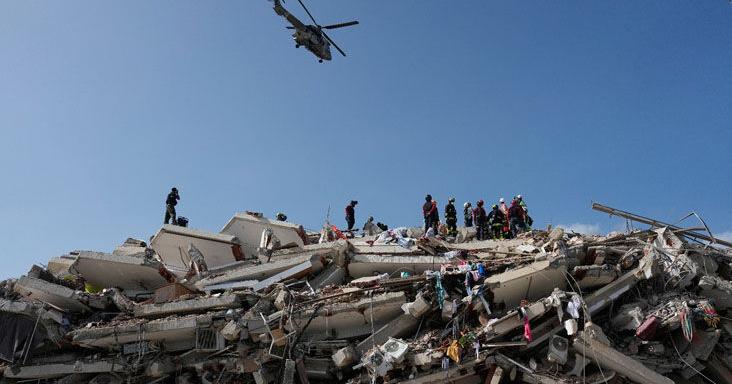
    Just hours after a pair of powerful earthquakes struck Venezuela’s northern coastline last Wednesday, the United Nations Development Programme (UNDP) completed a rapid satellite-powered damage assessment that paints a stark picture of the disaster’s scale. The preliminary Rapid Digital Assessment (RAPIDA) pegs direct physical damage from the magnitude 7.2 and 7.5 quakes at an estimated US$6.7 billion – a sum equal to roughly 6% of the South American nation’s total annual gross domestic product.

    The twin tremors were felt across Venezuela’s most densely populated and economically critical regions, including the capital city of Caracas and the coastal and inland states of La Guaira, Carabobo, Miranda, Yaracuy, and Aragua. According to the UNDP’s analysis, released publicly this week, approximately 8.6 million people across northern Venezuela were exposed to at least moderate shaking, with 2.1 million experiencing stronger, more destructive seismic activity. As of June 26, the official national death toll stands at 920, though UNDP officials note that casualty numbers are likely to climb as search-and-rescue teams continue working through damaged and collapsed structures.

    In total, around 1.7 million buildings sit in the affected zones, with large concentrations located in the hardest-hit states. The UNDP’s mid-range estimate for direct damage puts the figure between US$4.7 billion and US$8.7 billion, with the majority of losses tied to destroyed or damaged residential housing and critical economic assets. Importantly, this preliminary figure does not account for damage to public infrastructure, broader national economic disruptions, or long-term reconstruction costs. Historical disaster data shows that total disaster impact typically lands between 1.5 and 3 times the value of calculated direct damage, meaning the final overall cost could reach as high as $26 billion. Satellite analysis also detected measurable reductions in night-time light output across parts of Carabobo, La Guaira, Caracas and Aragua, indicating widespread, persistent power outages in those regions in the immediate aftermath of the quakes.

    Luis Francisco Thais, UNDP Resident Representative in Venezuela, emphasized that rapid, data-driven assessments are foundational to effective disaster response planning. “The speed and accuracy of early assessments are essential for an effective response,” Thais explained. Unlike traditional on-the-ground assessments that can take days or weeks to compile initial data, RAPIDA leverages artificial intelligence, high-resolution satellite imagery, and Geographic Information Systems (GIS) technology to deliver a comprehensive situational overview within 72 hours of a crisis. The tool helps response teams quickly map damage, identify at-risk vulnerable populations, and coordinate cross-agency interventions. Thais added that disasters also present an opportunity to reframe long-term development: “Every crisis is an opportunity to rethink development strategies with resilience at their core. This ensures that recovery not only restores what was lost but also builds a more sustainable future.” The UNDP is continuing to refine its assessment as higher-resolution satellite imagery becomes available, with Venezuelan authorities still working to count displaced persons and map full infrastructure damage.

    Beyond the damage assessment, regional development bank CAF – Development Bank of Latin America and the Caribbean – has moved quickly to support recovery efforts, announcing the launch of a dedicated Venezuela Recovery and Reconstruction Fund this week. The new fund is designed to pool public and private donations from around the world, channeling resources directly to the reconstruction priorities identified by the Venezuelan government. The mechanism aims to cut through fragmented aid delivery to speed up recovery in impacted communities.

    CAF is kicking off the fund with an initial US$1 million in seed capital, added to the $300,000 in humanitarian assistance the bank previously pledged. Critically, the bank will not charge any administrative fees for the fund, ensuring 100 percent of all donations go directly to emergency response and reconstruction work.

    “Acts of nature are met with acts of humanity and solidarity, and Venezuela needs us today more than ever,” said Sergio Díaz-Granados, CAF’s executive president. As a founding member of CAF and the host country for the bank’s headquarters, Venezuela holds a unique place in the institution’s history, he explained. “We are launching this fund for reconstruction: an agile and transparent mechanism that we invite governments and the private sector to join, so that their contributions, together with ours, become part of an effective response. Our commitment is to accompany the Venezuelan people not only during the emergency, but throughout the entire path of recovery and reconstruction that lies ahead.”

    The fund will roll out in three sequential phases, aligned with the progression of disaster recovery. The first phase focuses on immediate emergency relief and life-saving humanitarian aid. The second phase prioritizes restoring core essential services, including healthcare, water and sanitation, energy access, education, and digital connectivity. The final phase will focus on long-term infrastructure rebuilding, restoring local livelihoods for displaced and impacted communities, and upgrading construction standards to improve resilience against future natural disasters.

    To ensure full transparency and accountability, all fund resources are held separately from CAF’s own operating capital, with full traceability for every individual intervention, regular public financial reporting, and independent third-party audits. Donations can be made in either U.S. dollars or euros, and resources can be deployed flexibly through pre-vetted implementing organizations or managed directly by CAF when that structure proves more efficient. In a statement, CAF reaffirmed its long-term commitment to leveraging its technical and financial capacity to mobilize regional and international solidarity in support of the Venezuelan people through the entire recovery process.