标签: Trinidad and Tobago

特立尼达和多巴哥

  • How would you grade Guevarro?

    How would you grade Guevarro?

    As Trinidad and Tobago Police Service (TTPS) Commissioner Allister Guevarro approaches his one-year anniversary in the top law enforcement role next month, Homeland Security Minister Roger Alexander is opening the door for public and peer input on his tenure — declining to share his own personal rating ahead of the broader feedback period.

    Alexander made the announcement during the TTPS’s 103rd annual Sports and Family Day, held Tuesday at St James Barracks, where reporters pressed him for his assessment of Guevarro’s leadership and what areas may need improvement. Guevarro and several senior TTPS deputies, including Junior Benjamin and Suzette Martin, were in attendance during the media interaction.

    When asked to weigh in on Guevarro’s leadership of the national police force, Alexander pushed back on framing policing performance as a one-person responsibility. “It’s a team effort and not an individual effort. For the team effort, I have total confidence in the Trinidad and Tobago Police Service, from where I came from,” he told reporters.

    The conversation also turned to longstanding public demands for mandatory body-worn cameras for frontline patrol officers, a policy widely cited as a tool to boost transparency and police accountability. While Alexander confirmed the government and TTPS do not oppose the adoption of body cameras, he said outfitting officers with life-saving protective gear is the immediate priority, given the rising danger facing law enforcement in the country.

    “At this time, I have decided to protect law enforcement first by giving them the requisite protection gear so they can better protect you as citizens and this nation as a whole,” he explained. Pointing to the increasingly heavy firepower used by criminal actors, including 7.62mm and 5.56mm ammunition, Alexander questioned whether the public should prioritize recording equipment over officer safety: “What do you want? Do you want a man to be confident enough to take on these persons or do you want him to tape it with all the requisite equipment?”

    After reporters reiterated the role of body cameras in ensuring transparency and accountability, Alexander shifted the conversation to what he called the deeper root causes of violent crime in the country: systemic failures in family and community upbringing. He argued that public discourse too often focuses exclusively on police performance, while ignoring the role of family members who harbor violent criminals and fail to intervene in harmful behavior early on.

    “Why this conversation is not with the parenting aspect of this?” he asked. “Greater attention must be paid to family structures, community influence and early intervention in schools. We often question police officers, but less focus is placed on parents and grandparents, and on the fathers and them who are shooting persons, killing young children and then going to sleep and hugging up their children.”

    Alexander added that even during the event, there are families across the country turning a blind eye to the criminal activity of their relatives: “Right now, while we’re speaking here, there’s someone — a grandmother, a mother, somebody — looking out the window to see when the police is coming because their criminal son is lying on the bed. He’s sleeping because he was out all night.”

    To address these root causes, the minister confirmed the government is rolling out a new, multi-stakeholder psychosocial intervention initiative focused on crime prevention, a strategy the administration says is unprecedented in Trinidad and Tobago. A dedicated intervention team will work directly in schools and local communities to address harmful patterns early, partnering with criminologists, psychologists, parent-teacher associations, and faith leaders to implement preventive measures.

    “At this time, the police have a psychosocial intervention team that we are putting together to enter the schools, to enter the community… Things that were never done before, because we understand prevention is the first stage,” Alexander said. “We have a wide range of professionals and community leaders coming on board because they understand prevention is better than cure.”

  • Investigation launched into alleged oil spill reported by Venezuela

    Investigation launched into alleged oil spill reported by Venezuela

    A cross-border environmental dispute has emerged between Venezuela and Trinidad and Tobago after Caracas accused Port of Spain of being the source of a major oil spill that has inflicted widespread harm to coastal ecosystems and communities in eastern Venezuela.

    In an official communiqué released Wednesday evening, Venezuela’s interim government under Acting President Delcy Rodríguez publicly raised alarm with the global community over the incident. The statement pinned the origin of the spill on the Republic of Trinidad and Tobago, noting that contamination has already spread across the Gulf of Paria and the shorelines of Venezuela’s Sucre and Delta Amacuro states.

    Preliminary technical assessments conducted by Venezuelan agencies have confirmed that the spill has left measurable damage across multiple key zones: open marine habitats, public coastlines, ecologically sensitive natural areas, and the fishing communities that form the backbone of the local regional economy. According to the communiqué, experts have documented severe threats to the region’s mangrove forests, coastal wetlands, native marine wildlife, and critical hydrobiological resources that underpin both local food security and the broader ecological balance of the Gulf of Paria. Records also confirm harm to vulnerable native species and ecosystems categorized as exceptionally sensitive to disruption.

    Following the detection of the spill, the Venezuelan government has issued a formal set of demands and next steps. Caracas has instructed its Ministry of Foreign Affairs to immediately launch a formal request for full access to all relevant details about the incident from Trinidad and Tobago, alongside a comprehensive copy of Port of Spain’s containment and mitigation action plan. The communiqué also emphasized that Venezuela demands Trinidad and Tobago uphold all binding obligations under international environmental law, and move forward urgently to implement reparations measures for the damage already inflicted by the spill.

    “ The Government of the Bolivarian Republic of Venezuela will continue to deploy all necessary actions to protect the affected ecosystems and safeguard the impacted communities,” the statement concluded.

    Responding to requests for comment from local outlet Trinidad Express, Trinidad and Tobago’s Energy Minister Dr. Roodal Moonilal confirmed that a formal investigation into the claims is already underway. Moonilal stated that Heritage Petroleum, the state-owned energy company of Trinidad and Tobago, has launched its own internal inquiries into the reports, and that additional details will be released to the public once preliminary findings are compiled.

  • PM announces committee to rename Nelson Island

    PM announces committee to rename Nelson Island

    On the first day of Subrahmanyam Jaishankar, India’s Minister of External Affairs, official two-day visit to Trinidad and Tobago, the two nations took a meaningful step toward honoring a shared, painful historical legacy on Nelson Island, a small Caribbean landmass etched deep into the history of Indo-Trinidadian communities.

    During a waterfront ceremony that began with an early-morning water taxi journey from Port of Spain, Prime Minister Kamla Persad-Bissessar of Trinidad and Tobago made a major announcement: a specialized oversight committee has been formed to guide the renaming of Nelson Island, a project rooted in reckoning with the island’s role in the system of East Indian indentureship. Spearheaded by Natasha Barrow, Permanent Secretary in the Office of the Prime Minister, the committee will work in close partnership with the National Trust of Trinidad and Tobago to steer the process forward. In a deliberate move to center public voice in the historical reclamation project, Persad-Bissessar emphasized that the renaming process will be open and inclusive, with all citizens invited to submit name proposals and recommendations for consideration.

    Addressing attendees alongside Jaishankar, Persad-Bissessar offered a blunt recharacterization of the 19th and early 20th century indentureship system, framing it as a deliberate form of human trafficking created to prop up the economic interests of the British Empire after the abolition of chattel slavery. She noted that the indentured laborers who arrived on these shores brought no financial wealth or formal guarantees, but carried with them unshakable religious devotion and cultural resilience that would go on to shape modern Trinidadian and Tobagonian society.

    The centerpiece of the day’s events was the unveiling of a commemorative plaque, dedicated to honoring the enduring legacy and immeasurable sacrifices of the thousands of indentured workers who passed through the island. Following the plaque unveiling, Jaishankar announced a landmark commitment: the Government of India will provide a financial grant to support conservation and infrastructure upgrades to transform Nelson Island into a fully accessible, internationally recognized heritage site.

    In comments given to the Express on the sidelines of the ceremony, Jaishankar called his first day in the country “splendid”, and highlighted the enormous untapped potential for deepening bilateral cooperation between India and Trinidad and Tobago. He noted that growing ties between the two nations will deliver shared benefits for citizens of both countries in the years ahead.

    For context, Nelson Island carries unmatched historical weight for Trinidad and Tobago. Records from the National Trust of Trinidad and Tobago confirm that between 1866 and 1917, more than 114,000 indentured Indian laborers were processed through Nelson Island and the adjacent Five Islands. Upon arrival, workers had their identity documents verified, personal details including name, birthplace and religion recorded, before being dispersed to sugarcane, cocoa and coconut plantations across Trinidad to begin their contracted labor. The island also functioned as an assembly and repatriation hub until 1936, serving workers who completed their contracts and chose to return to India.

    Jaishankar’s visit to Trinidad and Tobago is part of a wider 9-day regional tour that includes stops in Jamaica, Suriname and Trinidad and Tobago from May 2 to 10, where he will hold high-level discussions focused on strengthening bilateral ties and addressing regional and global issues of shared concern. On the second day of his stop in Trinidad and Tobago, Jaishankar is scheduled to lead the ribbon-cutting for a new agro-processing facility at Namdevco in Brechin Castle, Couva, followed by the official launch of a national prosthetics programme in Penal, where Prime Minister Persad-Bissessar will deliver the keynote address and unveil a second commemorative plaque.

  • Mom still critical after deadly ambush on family

    Mom still critical after deadly ambush on family

    A quiet morning commute to a toddler’s daycare turned into a deadly ambush this week in Belmont, leaving a 2-year-old boy and two adult men dead, and the child’s mother fighting for her life in a Port of Spain hospital. As of Wednesday evening, Antonia Cain-Kafi, 39-year-old Aquil Kafi’s wife and the mother of slain toddler Akini Kafi, remained in critical but stable condition after being hit four times during the sudden attack. The third victim was Aquil Kafi’s close friend, Anthony “Monster” Wilson.

    What makes the tragedy even more devastating to family members is the long, difficult journey the couple went through to welcome their only child. A close family friend shared with local outlet *Trinidad Express* that Cain-Kafi spent years trying to conceive, and when Akini arrived 2 years and 11 months ago, the couple celebrated him as nothing less than a “miracle baby.”

    On Thursday morning around 8:30 a.m., the group was traveling in a Toyota Aqua, with Kafi and Wilson in the front seats and Cain-Kafi and her young son in the back. They were en route to Akini’s regular daycare drop-off when another vehicle cut them off and blocked their path in the Holder Steps/Rifle Hill area, just off Serraneau Road and St Francois Valley Road. A gunman exited the blocking vehicle and immediately opened fire on the car carrying the family. By the time the shooting stopped, both Kafi and Wilson had been killed instantly, while both Cain-Kafi and Akini suffered life-threatening gunshot wounds.

    According to police accounts, bystanders in a private vehicle rushed the wounded survivors to Port of Spain General Hospital. Witnesses say Cain-Kafi, despite her own multiple gunshot wounds, managed to hand her injured son over to hospital staff for treatment. Medics were unable to save the toddler, who was pronounced dead shortly after arrival.

    On Wednesday, *Express* reporters met grieving relatives at the Forensic Science Centre in Federation Park, where family members had traveled to formally identify the bodies of the three victims. One relative who spoke to reporters shared warm, tender memories of the young boy who was taken too soon. Akini, she recalled, had an all-consuming obsession with cars. “He loved cars. He was fascinated by it and, well, he destroyed a lot of toy cars and he would then try to fix it,” she said. “He was a really loving baby boy and, oh my gosh, he had a smile that would melt any lady’s heart.”

    Local law enforcement has not yet released updates on potential suspects or motives for the targeted attack, leaving the community in mourning and waiting for answers as the surviving mother recovers from her devastating injuries.

  • Stuart: 3 new nurses walk off the job

    Stuart: 3 new nurses walk off the job

    A small group of newly qualified nursing professionals have abandoned their posts at a major public medical facility in Trinidad and Tobago, stepping down over what they describe as unsafe, unregulated working conditions that put their professional licenses and patient safety at severe risk. The Trinidad and Tobago National Nursing Association (TTNNA) president Idi Stuart confirmed the departure of the three nurses in an interview with the Saturday Express, shedding light on the systemic staffing gaps that led to the early exit of three of the 61 newly hired registered nurses at the North Central Regional Health Authority.

    Stuart explained that all newly hired nurses were assigned to the Eric Williams Medical Sciences Complex in Mt Hope, where they were immediately subjected to working conditions that violated both international nursing standards and onboarding promises made during orientation in April. During their hiring process, the new nurses were guaranteed a structured transition: they would only work weekday morning shifts, gradually acclimate to their roles, always work under the supervision of experienced senior staff, and share shifts with at least two to three other colleagues. None of these commitments were honored once the nurses began their roles.

    Instead of the ideal 1:4 nurse-to-patient ratio outlined in global nursing best practices, the facility requires all nursing staff to operate under a 1:6 ratio, a burden the TTNNA has already asked members to tolerate temporarily while the health authority addresses chronic staffing shortages. For the newly licensed nurses, however, the strain extended far beyond an elevated patient load: the three professionals were left to manage their assigned wards entirely alone, with zero ongoing supervision from senior or head nurses – a violation of standard onboarding protocols.

    Industry best practice mandates that new graduate nurses remain under close, structured supervision for a minimum of three to six months after starting their first role. Most other regional health authorities across the country maintain formal monitoring departments to support new hires during this transition period, recognizing that it takes an average of two years for new nurses to develop the confidence and clinical competence to practice independently. Leaving a newly licensed nurse unsupervised creates avoidable risks: if a medication error occurs or a critical patient emergency unfolds, the nurse faces professional disciplinary action that can result in the loss of their hard-earned license, all for failures rooted in systemic understaffing, not individual error.

    Stuart emphasized that the unmet onboarding commitments and unsupervised working conditions left the three new nurses with no other choice. They were forced to bear full responsibility for critical events like patient cardiac arrests, seizures, and end-of-life care – situations that even experienced nurses struggle to manage alone, and that should never fall to an unsupervised new graduate. With errors all but guaranteed under this structure, the nurses chose to step down rather than risk their professional futures. They now plan to pursue employment opportunities at other regional health authorities that can provide the structured support and safe working conditions necessary to deliver quality patient care.

  • ‘SCARY’ PRISON DATA

    ‘SCARY’ PRISON DATA

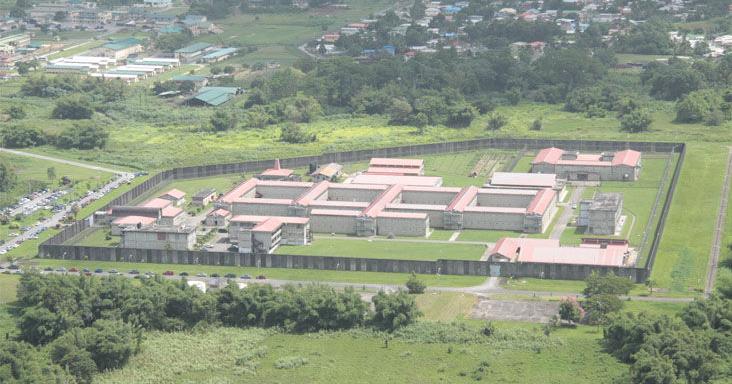
    During a parliamentary debate on the 2026 Parole Bill last sitting day, Trinidad and Tobago’s Justice Minister Devesh Maharaj dropped a bombshell, releasing grim recidivism data from national law enforcement and correctional agencies that lays bare a deepening national crime and rehabilitation crisis.

    Maharaj opened his address by warning lawmakers to brace for the troubling statistics, pulling data from two decades of arrest records to frame the scope of the problem. Between 2015 and 2025, a total of 53,183 people were arrested and charged with criminal offenses across the twin-island nation, with roughly 22% of those offenders going on to reoffend after facing legal consequences. Far more alarming, he said, are the figures from the Trinidad and Tobago Prison Service, which track repeat offending among convicted inmates who have been released back into society. Data collected between 2022 and 2026 shows that the annual recidivism rate for released prisoners has consistently hovered above 50%: hitting 58% in 2022-2023, 56% in 2023-2024, 53% in 2024-2025, and 57% in 2025-2026. Averaged across the five-year period, that means more than one out of every two released prisoners returns to criminal activity after serving their sentence. Calling the trend “scary” and “alarming”, Maharaj questioned the systemic failures driving the cycle of repeat crime, asking, “What is going on in our country? Why are so many of our young people returning to crime?”

    Digging into the root of the crisis, Maharaj revealed that prison officials have been sounding the alarm about the lack of resources for years, with no meaningful response from previous leadership. When asked what barriers were driving the high recidivism rate, prison administration confirmed that core rehabilitation programming has never received dedicated government funding. Currently, the prison service uses a standardized risk assessment tool called the LSCMI to evaluate each new inmate’s risk level, individual needs, and accountability on intake. After a six-month orientation period that reviews each offender’s criminal history and risk factors, inmates are placed in programming tailored to their sentence length, needs, and background. The slate of available programming includes evidence-based cognitive behavioral therapy, adult literacy and general education courses, vocational and technical skills training, and recreational, spiritual, and cultural activities designed to support pro-social behavior change.

    But Maharaj explained that none of these critical programs are supported by public funding. Instead, almost all rehabilitation initiatives rely entirely on external support from faith-based groups, community organizations, non-governmental organizations (NGOs), and volunteer private citizens who donate their time, professional expertise, and personal money to run the programs. To date, there is no dedicated budget line allocated to offender rehabilitation within the national correctional system. “Imagine the prison service having to depend on non-governmental organisations to change prisoners’ attitudes and rehabilitate them,” Maharaj said, noting that the entire system is one crisis away from collapse if these external groups pull their support.

    Compounding the funding gap are crippling staffing shortages. The nation’s total prison population stands at roughly 3,500 inmates, but only 57 correctional officers are assigned full-time to facilitate and coordinate rehabilitation programming. These officers are tasked not only with coordinating daily activities but also with directly teaching and training inmates, drawing on their own individual skills to lead courses. Without dedicated funding, there is no budget to develop new evidence-based programming, adapt curricula to the changing needs of the inmate population, or expand access to programs across all correctional facilities. Widespread staff attrition has further stretched the system’s capacity, leaving the department responsible for rehabilitation chronically understaffed. Maharaj also highlighted that there is an urgent unmet need for specialized professional training for correctional staff to develop and deliver high-quality rehabilitation programming.

    The Justice Minister argued that this systemic neglect is a core contributor to the nation’s ongoing crime crisis, pointing out that while the public and policymakers frequently complain about rising crime and repeat offending, successive governments have failed to address the root gap in rehabilitation resourcing. “The point I am making is, we have been complaining vigorously about crime, we have been complaining about repeat offending, but yet when it comes to addressing the root causes within the prison service, we have not taken the necessary steps,” he said.

    Looking forward, Maharaj stated that the current Kamla Persad-Bissessar administration has committed to overhauling the broken correctional system, starting with a full top-to-bottom review of current policies and resourcing. He emphasized that the proposed 2026 Parole Bill is a critical first step to address the crisis: the legislation is designed to expand structured rehabilitation opportunities, give qualifying offenders a meaningful second chance to re-enter society, and support successful long-term reintegration to break the cycle of repeat crime.

  • Residents wanted ZOSO in Belmont, says Alexander

    Residents wanted ZOSO in Belmont, says Alexander

    In a parliamentary question session held yesterday, Trinidad and Tobago’s Homeland Security Minister Roger Alexander addressed growing public and legislative concern over rising violent crime across multiple communities, revealing that local residents in Belmont have repeatedly demanded the implementation of the government’s controversial Zones of Special Operations (ZOSO) security plan.

    Alexander’s comments came in response to a query from Port of Spain North/St Ann’s West Member of Parliament Stuart Young, who raised the issue following a shocking Thursday shooting in Belmont that claimed three lives: a two-year-old child, his father, and an additional adult male. Opening his response, Alexander emphasized that any preventable loss of life remains a top priority for the current administration. “The death of any person is a concern to this Government,” he stated, noting that he had personally visited the affected community to speak directly with residents following the attack.
    According to the minister, local residents expressed intense frustration over ongoing violence and share the government’s goal of bringing the ZOSO framework to their neighborhood. He added that the initiative goes far beyond simple crime control, aiming to drive long-term social and economic development for marginalized communities trapped in cycles of violence. Despite the failure of the ZOSO legislation to pass, Alexander confirmed that enhanced police patrols and targeted intelligence work have already identified the suspects behind the Belmont shooting, who are currently evading law enforcement custody. He stressed that the government is taking all possible steps to protect all citizens, including residents of Laventille who have repeatedly called for a more robust security presence in their area.

    The government’s 2026 ZOSO Bill, which would have granted authorities the power to designate high-crime neighborhoods as special security zones requiring intensified policing, was defeated in the Senate at the end of January. The legislation required a three-fifths majority to advance, a threshold the government failed to reach. During the session, Young went on to accuse the current government of treating the crime-ravaged community of Laventille as if it were a disconnected, separate nation unworthy of adequate investment and security resourcing. Alexander pushed back against this claim, noting that Laventille residents themselves have repeatedly raised concerns that they are not adequately represented in national parliamentary policy making. He also placed blame for ongoing security gaps on the previous administration, saying the current government inherited crumbling infrastructure, severely understaffed law enforcement agencies, and outdated policing technology that continues to hamper operations today. “But I am here and I will fix it all,” Alexander affirmed.

    In addition to the Belmont shooting, the minister addressed two other pressing local security issues during the question session. Arouca/Lopinot MP Marvin Gonzales asked for an update on the May 5 shooting of an off-duty police officer in Longdenville. Alexander confirmed that active investigations are still ongoing, and that the fact the officer was not on duty at the time of the attack has not altered the scope or priority of the probe. “There are additional patrols. The officers were advised to pay more attention while on duty and off duty. An intelligence-led operation continues in the Longdenville area,” he said, declining to share further details on the active investigation.

    Gonzales also asked Alexander to outline new security measures for the San Juan and St Joseph regions following a recent spike in reported home invasions. In response, Alexander confirmed that law enforcement has determined most of the recent crimes are being committed by criminal actors who travel into the communities from outside areas. “We understand that there are persons who are coming in from different areas and committing these acts,” he said, adding that investigators have already identified multiple key suspects who are currently being actively pursued. Cross-agency intelligence sharing and coordinated enforcement initiatives have now been deployed to the area to disrupt the criminal activity, the minister confirmed.

  • ‘Murder rate would be higher’

    ‘Murder rate would be higher’

    A shocking early-morning gang-linked triple shooting that claimed the life of a two-year-old child has ignited a fiery political debate in Trinidad and Tobago over the ruling government’s crime control policies, just months into its second state of emergency (SoE) implemented to curb spiraling violent crime.

    On Thursday, gunmen ambushed a vehicle carrying Akini Kafi, 2, his father Aquil Kafi, and Anthony Wilson in the Port of Spain neighborhood of Belmont, killing all three. The child’s mother, Antonia Cain-Kafi, was struck by four bullets and remains in critical condition at a local hospital. This brutal killing followed a similar April attack in Morvant that left nine-year-old J’Layna Armstrong dead alongside three adult relatives, in what police described as another targeted gang shooting.

    Prime Minister Kamla Persad-Bissessar addressed the tragedy Tuesday during a parliamentary crime debate, following a diplomatic ceremony at the Port of Spain Red House where 2,000 Indian-donated laptops were distributed to students across seven districts and bilateral education memoranda were signed. Opening her remarks, Persad-Bissessar expressed profound grief over the unnecessary loss of innocent life, emphasizing that the killing of a child represents an unconscionable national tragedy.

    “Every life lost is a heartbreak to many, and especially when there’s a child, it’s a tragedy,” she told reporters. “I know our law enforcement officers are doing the best they can to pursue those responsible for this tragedy, and our hearts go out to the families and the loved ones left behind.”

    Against this backdrop of national mourning, the prime minister defended her administration’s core crime control measure: the ongoing state of emergency. She pushed back against growing public and opposition criticism of the policy, arguing that the national murder rate would be far higher if the SoE had not been put in place. Persad-Bissessar also confirmed that no nationwide curfew would be introduced at this stage of the emergency.

    Persad-Bissessar’s government won a decisive victory in the April 28, 2025 general election. Just three months after taking office, the administration declared its first state of emergency in response to rapidly escalating gang violence and mounting national security threats. A second SoE was extended on March 3 of this year, after intelligence services received concrete warnings of imminent gang reprisal attacks across the Port of Spain metropolitan area.

    The parliamentary debate devolved into partisan acrimony after Defence Minister Wayne Sturge made the bombshell claim that the recent Belmont triple murder and the April Morvant quadruple killing are directly linked to ongoing inter-gang turf wars in constituencies controlled by the opposition People’s National Movement (PNM). Sturge, who is a resident of Belmont, told the chamber that two local streets – Serraneau Street and Belle Eau Road – have long been divided into rival gang territories, with residents blocked from crossing into the opposing area. He confirmed that both recent mass shooting incidents are rooted in this long-running territorial feud.

    Sturge launched a scathing counterattack against opposition calls for his resignation and that of Homeland Security Minister Roger Alexander, pointing to the PNM’s own record of out-of-control violent crime when the party held power. He reminded lawmakers that under the previous PNM administration, the national murder rate hit all-time record highs, including one 24-hour period in July 2019 that saw 11 separate killings. Sturge went further, dismissing PNM MP Stuart Young, who first called for the ministers’ resignations, as one of the most ineffective national security ministers in the country’s history.

    “When 11 murders take place under his watch, he has the gall to come and call for resignations on this side,” Sturge said. “What he’s not saying is that his own constituents are largely responsible for the most murders in this country, and they refuse to allow zones of special operations (ZOSO) to be implemented in the area.”

    In a charged verbal exchange, Sturge pressed his attack, telling Young: “The same way you wouldn’t know when your constituents are going to murder some of your other constituents a street away, you expect us to know? But, let me tell you something, what we wouldn’t do, we wouldn’t know that four people are trapped in a pipeline and wait and let them die.”

    Young immediately stood to object, labeling Sturge’s remarks “gibberish” and “verbal diarrhoea.” Sturge quickly shot back, responding: “He could call it all kinds of things, verbal diarrhoea; you know what he couldn’t say? That I lie.”

  • PM: India delivered on promises

    PM: India delivered on promises

    During a ceremonial address to Trinidad and Tobago’s Parliament welcoming India’s top diplomat, Prime Minister Kamla Persad-Bissessar has confirmed that New Delhi has fully fulfilled all development commitments made during Prime Minister Narendra Modi’s 2025 visit to the Caribbean nation, marking a major milestone in the deepening strategic partnership between the two countries.

    India’s Minister of External Affairs Subrahmanyam Jaishankar arrived in Port of Spain this week for a two-day official working visit, accompanied by a senior diplomatic delegation. The trip comes on the heels of Modi’s landmark July 2025 tour, which produced a suite of bilateral agreements and memoranda of understanding (MOUs) focused on cross-sector development cooperation.

    In her address to lawmakers, Persad-Bissessar highlighted that every pledge made during Modi’s visit has been translated into tangible action for Trinidad and Tobago’s people. Among the completed commitments is a donation of 2,000 laptops pledged to support the government’s national secondary school device distribution programme; all units have already arrived in the country and are scheduled for official rollout across all seven of Trinidad and Tobago’s educational districts. A prosthetic limb outreach initiative launched with Indian support has already delivered life-changing care to more than 800 local citizens, and on the second day of Jaishankar’s visit, the two leaders will formally open the new National Prosthetics Centre in Penal — a permanent, locally based facility built with Indian assistance.

    Additional pledged aid is set to arrive in the coming weeks, including 20 haemodialysis units to expand critical care access and two purpose-built sea ambulances designed to boost the country’s maritime emergency response capacity and overall healthcare delivery. In Couva, India has also provided grant financing and technical equipment to establish a new agro-processing facility at Brechin Castle, a project Persad-Bissessar said embodies both nations’ shared commitment to advancing agricultural modernization and strengthening regional food security.

    Beyond development aid, bilateral economic ties have already grown substantially, with annual two-way trade now surpassing $1.2 billion. Persad-Bissessar noted that the partnership holds massive untapped potential for further expansion across key sectors including agriculture, healthcare, finance, tourism, infrastructure development, and non-energy exports. Trinidad and Tobago has also moved to deepen alignment with India’s global cooperation agenda, formally joining the India-led Global Biofuels Alliance and Coalition for Disaster Resilient Infrastructure. India’s global leadership in digital innovation, the prime minister added, has opened new avenues for joint work on digital transformation, artificial intelligence, archival modernization, and renewable energy deployment.

    Jaishankar’s visit, Persad-Bissessar emphasized, builds directly on the foundation laid during Modi’s 2025 trip, which inaugurated a new era of strategic partnership between the two nations. The current visit is designed to move forward the dozens of initiatives and frameworks agreed during that historic engagement, which already cover areas ranging from diplomatic training and pharmaceutical cooperation to community-focused Quick Impact Projects. These existing agreements have established formal cooperation frameworks for public sector capacity building, public health standard-setting, youth development, cultural exchange, and grassroots community projects.

    During Wednesday’s parliamentary session, the prime minister also noted the profound historical and cultural context of Jaishankar’s visit, which comes just ahead of Trinidad and Tobago’s annual commemoration of Indian Arrival Day. The holiday honors the legacy of the first indentured laborers who journeyed from India to Trinidad and Tobago starting in 1845, a chapter of history that has shaped the deep people-to-people bonds between the two countries.

    Persad-Bissessar reflected that the bilateral relationship is rooted not only in modern diplomacy but also in the shared experience of colonial exploitation. “India endured centuries of British colonial occupation and economic extraction, while enslaved Africans were simultaneously trafficked across the Atlantic. After Emancipation, indentured labourers from India were also effectively trafficked to our country under exploitative imperial labour systems,” she said. “Though they were distinct in form, both experiences formed part of the wider system of colonial exploitation, brutal, coerced labour and human displacement.” Yet from this shared history of hardship, she added, communities across Trinidad and Tobago turned struggle into endurance, survival, and nation-building: descendants of indentured laborers, alongside descendants of enslaved Africans and all other national communities, have shaped the country’s modern economic, cultural, and democratic identity.

    To cap the first day of the visit, Persad-Bissessar and Jaishankar signed six new bilateral MOUs expanding cooperation across priority areas: Economic and Financial Cooperation, to strengthen bilateral investment and trade flows; Tourism Cooperation, to grow bilateral tourism and deepen people-to-people connections; Digital Archival Cooperation, to modernize national heritage preservation systems; Quick Impact Projects, to support grassroots community development initiatives; Solar-PV Energy Cooperation, to advance Trinidad and Tobago’s national renewable energy targets; and a partnership to revive the Chair of Ayurveda at The University of the West Indies, strengthening collaboration in education, traditional medicine, and cultural exchange.

  • RBL pauses fee hike after pushback

    RBL pauses fee hike after pushback

    Trinidad and Tobago’s largest commercial lender, Republic Bank Limited (RBL), has halted its planned broad fee increases scheduled to take effect May 1, pulling the updated fee schedule from its official website just days after widespread public and industry backlash over the changes. The decision to pause the rollout comes 24 hours after Central Bank Governor Larry Howai confirmed that the banking regulator was in active discussions with RBL to strike a fair balance between the institution’s revenue needs and the affordability of banking services for everyday consumers and businesses.

    Last month, the bank unveiled a sweeping slate of fee adjustments affecting nearly every core banking service, ranging from routine day-to-day transactions to penalty charges for account mismanagement. The most notable proposed increases included a jump in non-sufficient funds (NSF) fees from $34.50 to $57.50, an identical hike to overdraft fees, and a doubling of some late loan payment penalties to a maximum of $100. Additional changes raised charges for paper-based services including cheque books, manager’s cheques and foreign currency drafts, a move the bank framed as an incentive to push customers toward cheaper digital banking platforms. New or adjusted debit transaction fees were also set to roll out across multiple popular account types, with the bank clarifying that only in-branch teller transactions would face the new charges — no increases were planned for ATM transfers, ACH transactions, online and mobile banking, or point-of-sale card payments.

    In a public advertisement printed in national newspapers on the day of the pause announcement, RBL acknowledged that it had received widespread customer feedback and concerns about the planned changes. “At Republic Bank, we’ve been listening closely to the conversations and feedback regarding our updated service fees. We understand that any change to your banking costs causes concern, and we’ve noticed there has been some confusion about what these changes actually mean for you,” the bank’s statement read.

    Citing customer input as the core driver of the pause, the bank confirmed: “Because we value your feedback, we have decided to pause the fee increases originally set for May 1, 2026 (notice of which was given on April 1, 2026). We will share the new implementation dates with you soon. We want to take this time to clear the air and ensure you have all the facts.” The bank added that its ultimate goal remains making banking “convenient, safe and—most importantly—affordable” for all account holders, and noted that the 90-day pause will give branch teams time to meet directly with customers, clarify misinformation, and help users identify the lowest-cost banking options for their needs.

    In explaining the original rationale for higher paper service fees, RBL noted that fewer than 5% of its active customers regularly use cheques, and maintaining legacy paper-based banking systems creates significant unnecessary costs for the institution. “The world is moving away from paper cheques because digital payments are faster, safer, and much cheaper for you. While we need to recover some of those costs, our main goal is to help your transition to the free or lower-cost ‘anytime, anywhere’ digital options that save you a trip to the bank,” the bank’s original statement read.

    As of the pause announcement, attempts by media to reach Republic Financial Holdings Ltd (RFHL) President Nigel Baptiste and Vice-President Karen Yip Chuck for additional comment were unsuccessful.

    The Central Bank’s engagement with RBL began earlier this week, after customers and industry groups raised widespread alarms about the fee hikes. Speaking to reporters Wednesday following the inaugural FINLIT Live 2026 financial literacy event in Macoya, Howai confirmed that ongoing negotiations were focused on finding a balanced outcome. “I’m sure there are ways in which we would be able to find some kind of a balance between their need to ensure that they are properly compensated for the services that they offer and the cost that is passed on to the consumers,” Howai told reporters.

    The governor explained that while the Central Bank lacks legislative authority to issue fines for routine bank price increases, it can push for revisions to fee structures that are deemed excessive or poorly communicated. “What we will do is engage with the banks, and the banks do listen to us and they do respond to us, and I am sure that going forward on the whole issue of fees that we will have a regime that customers will be comfortable with,” he said. Howai added that the core questions under discussion remain whether fee levels are justifiable, communicated clearly, and deliver fair value to consumers.

    Since RBL first announced the fee changes on April 28, leadership of business chambers across the country have publicly voiced opposition to the plan, highlighting the disproportionate harm the higher fees would inflict on small and medium-sized enterprises, service sector businesses, and low-income households. While industry groups acknowledged the Central Bank’s intervention and RBL’s stated reasoning for the changes, they have raised ongoing questions about the fairness of the proposed fee structure amid the bank’s strong recent financial performance.

    Financial filings show that RBL recorded a net profit of $1.07 billion for the first half of its 2026 fiscal year, which ended March 31. That figure represents a 5.4% increase ($54 million) compared to the $1.01 billion profit the bank posted in the same six-month period in 2025.