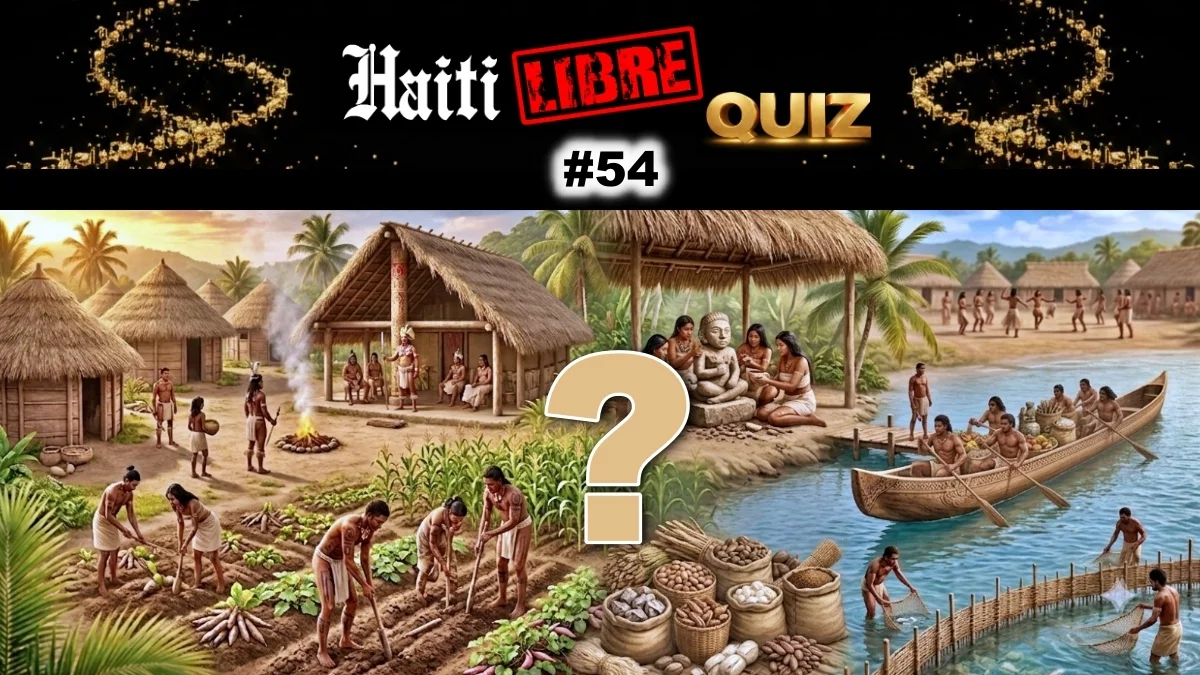
In its popular biweekly “Did You Know?” knowledge series, HaitiLibre has shared a fascinating deep dive into the cultural history of the Taíno people, spotlighting the sacred ritual ball game that shaped their social and spiritual life. This 54th installment of the series, released as part of the platform’s ongoing quiz series, explores little-known details about batey, the centuries-old traditional game with far deeper meaning than simple recreation. The batey game, played on a marked rectangular public plaza that shared the same name, was a core part of Taíno communal and religious life. The playing plaza itself was defined by large, flat standing stones, many of which are still decorated with ancient Taíno petroglyphs that survive to this day. Matches pitted two teams against one another, using a solid, bouncy ball crafted from natural vegetable rubber or tree resin. A defining rule of the game banned players from using their hands or feet to touch the ball; instead, participants had to keep the ball in play using only their hips, elbows, shoulders, and knees, which were often protected by thick belts carved from stone or wood. Far more than a casual leisure activity, batey served critical social and spiritual functions within Taíno communities. The game was frequently used to peacefully resolve disputes between rival chiefdoms, offering a nonviolent alternative to conflict. It was also a centerpiece of major religious festivals, held to honor Taíno deities, and often concluded with formal, solemn religious ceremonies that reinforced community bonds. This historical insight comes directly from the answer key for the platform’s dedicated Haiti Tainos Quiz 1.1, part of a growing collection of general knowledge quizzes hosted by HaitiLibre. As of its latest monthly update on August 1, 2026, the platform added 30 brand-new quizzes, bringing the total number of available interactive knowledge games to 210, with new content added every single month. All of the platform’s exclusive quizzes are completely free to access, require no user registration, and are designed to suit audiences of all ages and knowledge levels. Each quiz is offered in both French and English, with three distinct difficulty tiers: easy, intermediate, and hard, to accommodate casual learners and trivia experts alike. Visitors can explore hundreds of quizzes covering topics ranging from Haitian history and culture to global current events and general knowledge, with a dedicated expert menu for users seeking more challenging content. HaitiLibre encourages visitors to explore the full quiz collection at https://quiz.haitilibre.com/en, share the platform with friends and family, and submit feedback and suggestions via the comment form at the end of every quiz. The initiative emphasizes learning through exploration, encouraging users to stick with challenging questions rather than giving up, turning every wrong answer into an opportunity to discover new knowledge to share with others. The “Did You Know?” series has released 53 prior installments, all of which are archived and accessible via the HaitiLibre website for users interested in exploring more cultural and historical facts about Haiti and the wider world.
标签: Haiti
海地
-
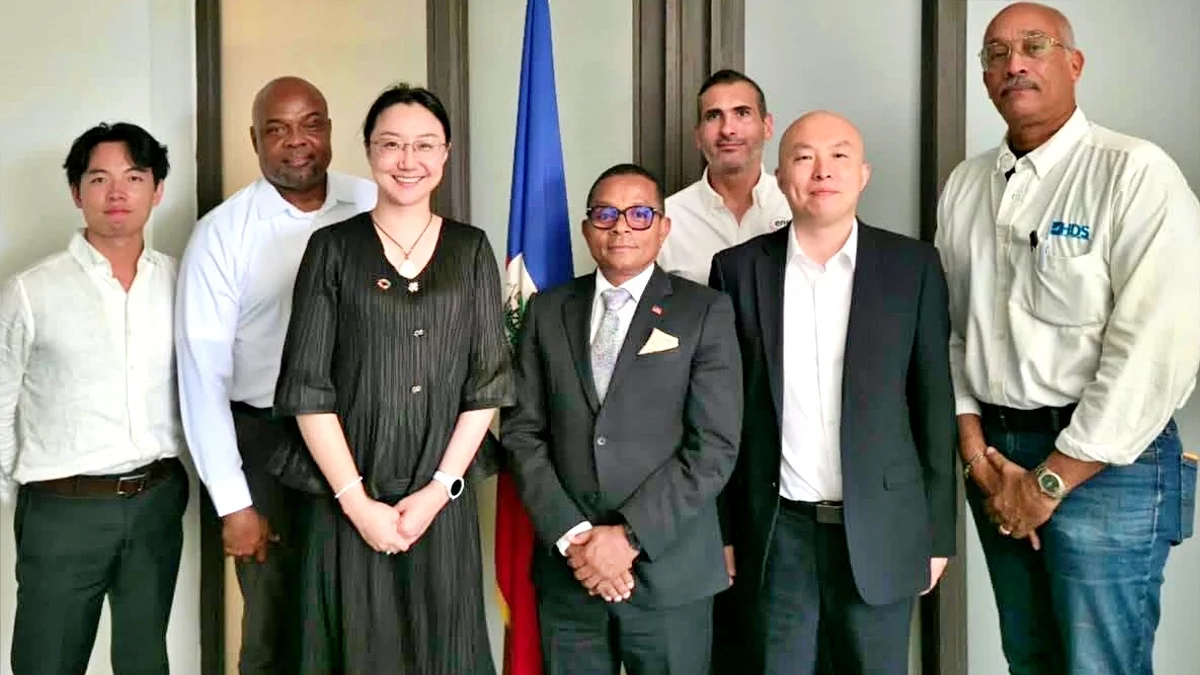
Green Energy : Strategic Exchange Between the Ministry of Public Works and Huawei
Against a backdrop of persistent national energy challenges and a growing global push for low-carbon development, Haitian government officials held high-stakes strategic discussions with Chinese technology giant Huawei on August 26, 2026, centered on unlocking new green energy solutions for the Caribbean nation.
Hosted by Haiti’s Ministry of Public Works, the meeting brought together Minister of Public Works Engineer Joseph Almathe Pierre Louis and a delegation of Huawei’s regional leadership and technical specialists, as part of Haiti’s broader national agenda to upgrade critical infrastructure and speed up its transition to renewable energy.
During the session, Huawei’s team delivered a comprehensive overview of the company’s latest innovations and long-term strategic vision through its Digital Power division. They outlined Huawei’s global leadership in green technology development, carbon neutrality roadmap, and cutting-edge deployments of integrated smart photovoltaic systems paired with grid-forming energy storage systems and microgrid solutions. These solutions are designed to deliver stable, sustainable power even in areas with underdeveloped existing infrastructure.
The delegation also shared empirical data on the performance of Huawei’s signature “4T” technologies, which span four core domains: Bit (digital connectivity), Watt (power generation), Heat (thermal management), and Battery (energy storage). The data demonstrated that these integrated clean energy systems deliver reliable power for dense urban centers, large industrial operations, and remote, off-grid rural communities alike, a versatility that aligns with Haiti’s uneven energy access landscape.
Core talks between Minister Pierre Louis and the Huawei team centered on identifying tangible partnership opportunities moving forward. Both sides emphasized the unique potential of smart solar microgrids to boost the overall resilience of Haiti’s national electricity grid, which has long faced chronic instability and widespread outages. They also explored the benefits of rolling out Huawei’s advanced DigiPower Management energy platforms, which use digital tools to optimize energy consumption, cut waste, and reduce the country’s overall carbon footprint.
Closing the meeting, Minister Pierre Louis praised Huawei for its ongoing technological innovation and its commitment to supporting sustainable development across emerging economies. He reaffirmed that Haiti’s Ministry of Public Works and national government remain fully dedicated to advancing locally adapted sustainable energy technologies to address the country’s long-standing energy crises.
This strategic exchange has laid the foundational groundwork for follow-up negotiations, which will focus on formalizing pilot green energy projects that aim to build a lower-carbon, more connected energy future for all Haitians.
-
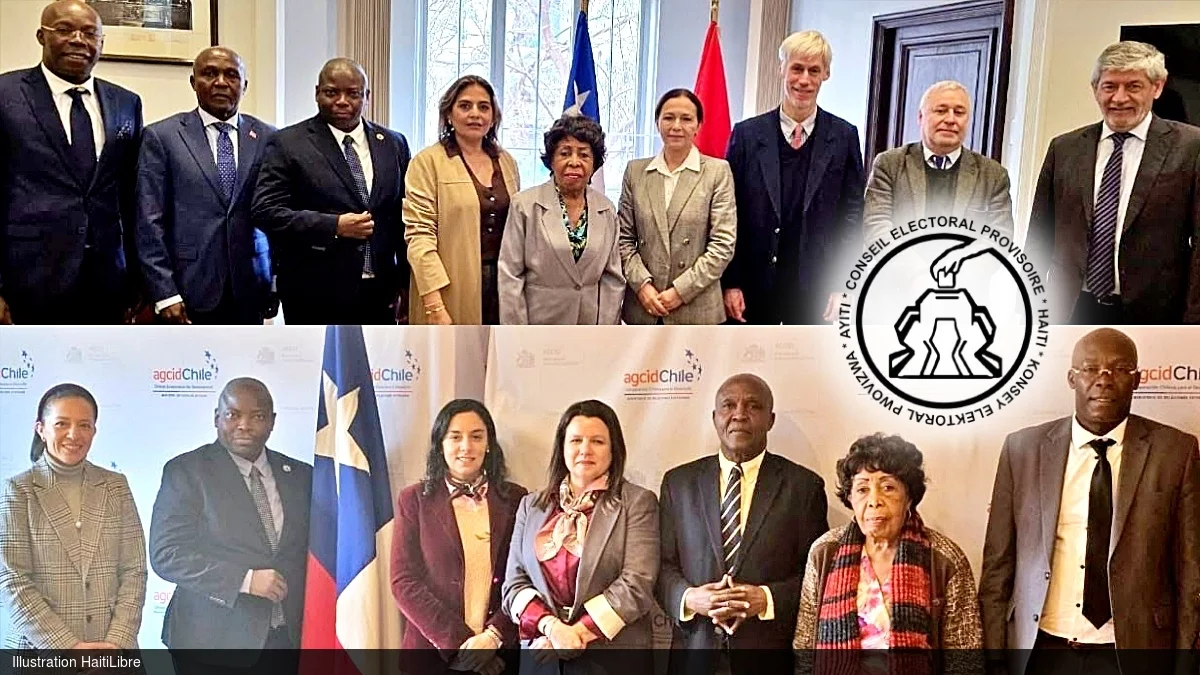
Elections: The CEP in Chile and Brazil prepares for the diaspora vote
A high-stakes diplomatic and electoral mission is underway in South America as a three-member delegation from Haiti’s Provisional Electoral Council (CEP) visits Chile and Brazil to lay the groundwork for Haitian diaspora participation in upcoming national elections, while building collaborative ties between Port-au-Prince and the two South American nations.
Led by CEP Vice-President Jaccéus Joseph, alongside council members Patrick Saint-Hilaire and Marie Florence Matthieu, the tour kicked off on August 18, 2026, with a first stop in Chile, where the delegation held two pivotal working sessions focused on advancing electoral cooperation and diaspora voting logistics.
The first meeting was held with Chile’s Minister of Foreign Affairs, where representatives centered talks on future collaboration across key electoral domains. Core discussion topics included specialized training for Haitian electoral body staff, institutional capacity building for Haiti’s electoral system, and cross-border knowledge sharing of proven strategies and best practices for running successful voting operations for overseas citizens. Following the talks, Chile’s Ministry of Foreign Affairs committed to coordinating closely with the Chilean Electoral Service (SERVEL) to deliver on the agreed cooperation framework with the CEP.
The delegation’s second working gathering in Chile brought together CEP representatives, Chilean government officials, and SERVEL leadership. Attendees zeroed in on the practical details of organizing the upcoming vote and the specific requirements to remove barriers to Haitian residents in Chile exercising their right to participate in Haiti’s electoral process.
After concluding its sessions in Chile, the CEP delegation traveled onward to Brazil to continue the mission, with the same set of core objectives focused on diaspora voting and bilateral electoral cooperation.
For Haiti’s electoral body, the South American tour represents a key step forward in ongoing work to expand access to voting for Haitians living outside the country’s borders. Beyond enabling diaspora participation, the mission also aims to formalize and strengthen long-term cooperation mechanisms between Haiti’s electoral institutions and their foreign counterparts in Chile and Brazil.
-
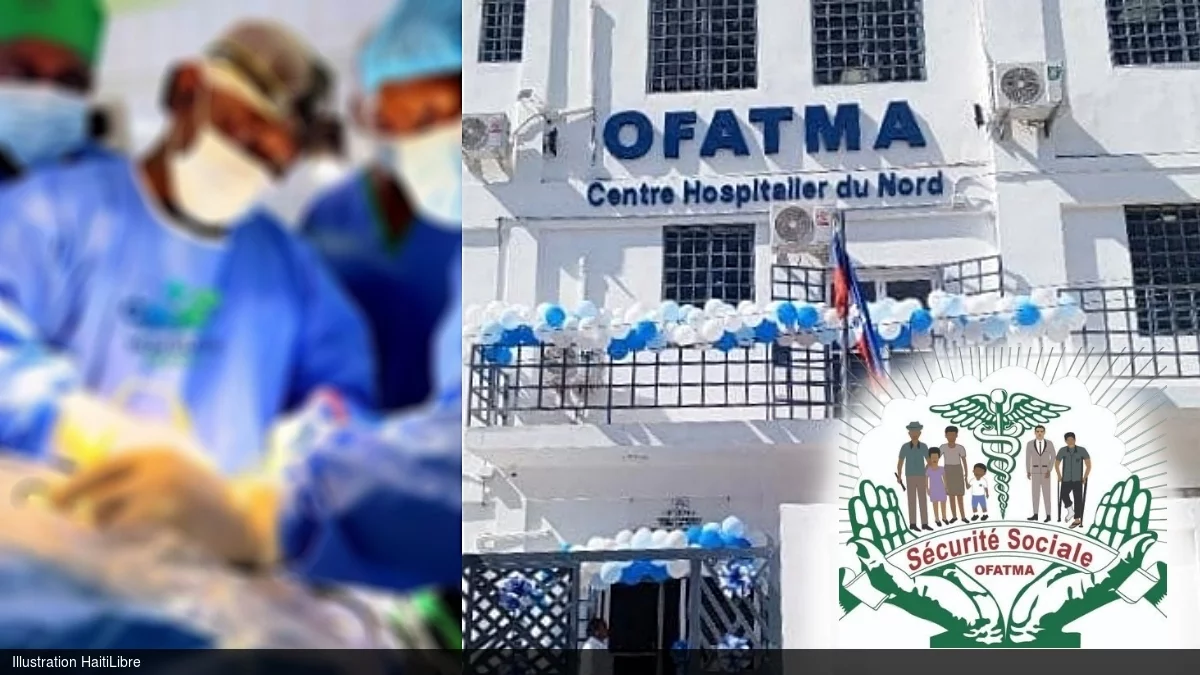
Health : OFATMA Hospital helps a 5-year-old child walk again
In a landmark victory for pediatric orthopedic care in northern Haiti, the Office of Workplace Accident, Illness, and Maternity Insurance (OFATMA) has announced that a 5-year-old patient born with hip dysplasia is now able to walk independently after a successful complex surgery at its Cap-Haïtien hospital.
Five-year-old Prince Rubterson Étienne lived with severe congenital hip dysplasia from birth, a condition that distorted the structure of his hip joint and left him struggling to stand or walk without assistance. For months, his family faced uncertainty about his future mobility, until a specialized medical team at OFATMA Hospital stepped in to perform the high-stakes corrective procedure seven months ago.
The surgery, which combined three specialized orthopedic techniques—a Smith-Petersen iliofemoral release, femoral head reduction, and a Chiari pelvic osteotomy—addressed the root structural abnormalities caused by the dysplasia. The procedure was led by Dr. Hubert Michel Pierre-Louis, working alongside fellow orthopedic specialists Drs. Erick Bruno and Canold Andrevil, with support from a full team of nursing and allied health professionals at the facility.
After a half-year of structured post-operative rehabilitation, the young patient has surpassed recovery expectations. He can now walk without any external support, a outcome that offers him a new level of independence most clinicians did not guarantee before the intervention.
This successful outcome is not an isolated case, according to OFATMA representatives. It is the latest in a growing series of specialized orthopedic interventions offered at the Cap-Haïtien hospital, proving that local Haitian medical teams have the skill and infrastructure to manage complex pediatric orthopedic cases that would once require referral to overseas medical centers.
Looking ahead, OFATMA has confirmed it is expanding its specialized healthcare services, with a full schedule of additional complex surgical procedures planned to serve more patients across northern Haiti who lack access to advanced orthopedic care.
-
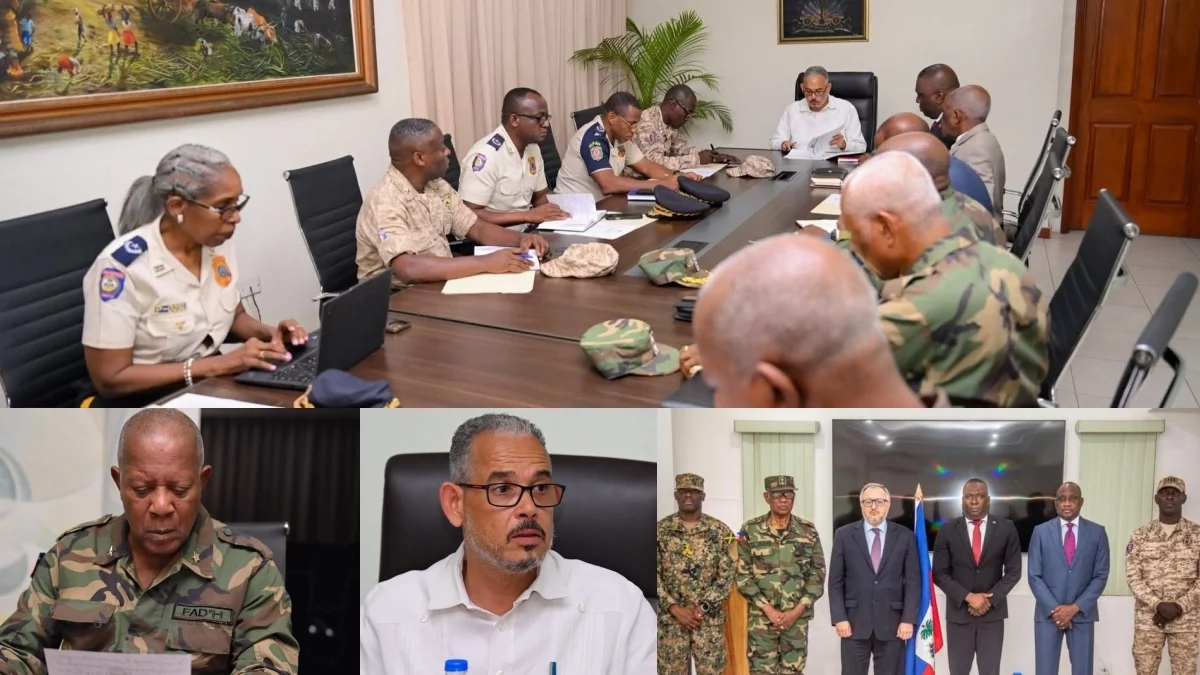
Security : The response to terror is underway
Haiti has launched an urgent, coordinated security offensive against armed criminal groups after a brutal massacre that left at least 60 civilians dead in the commune of Kenscoff, carried out by the violent gang coalition Viv Ansanm over the August 23–24 weekend. The atrocity triggered an immediate emergency response from the Haitian government, with Prime Minister Alix Didier Fils-Aimé — who leads both the national government and the Superior Council of the National Police (CSPN) — calling an urgent crisis meeting with CSPN stakeholders at the Prime Minister’s official headquarters on Wednesday, August 26, 2026.
Addressing the meeting, the Prime Minister issued a firm, uncompromising promise to hold perpetrators accountable, stating that the Haitian government’s resolve to end gang violence is unshakable. “We will take the initiative, track down those responsible, and dismantle the criminal networks that terrorize the population. The Kenscoff massacre will not go unpunished,” Fils-Aimé declared.
The crisis session allowed security leaders to conduct a full updated assessment of ongoing gang threats across the country and strengthen cross-agency coordination, setting three clear non-negotiable objectives: break the territorial control held by armed criminal groups, reestablish widespread public order, and protect civilian lives across violence-affected regions.
Acting directly on the Prime Minister’s orders, Justice and Public Security Minister Dr. Patrick Pélissier gathered senior security leaders the same day to plan immediate on-the-ground deployment. Attendees included the Director General of the Haitian National Police (PNH), the commander of the national Anti-Gang Force, Haiti’s civilian security representative, the Minister of Defense, and Major General Jonas Jean of the Haitian Armed Forces (FAd’H).
Fils-Aimé issued a direct order to immediately ramp up targeted security operations across Haiti’s metropolitan area and its surrounding outskirts. New operational protocols were formally adopted to systematically hunt down the perpetrators of the Kenscoff massacre, dismantle transnational and local gang networks, and retake full control of territory that has been occupied and controlled by violent armed groups for months.
In an official statement released following the meetings, the Haitian government reaffirmed its unwavering full support for both the Haitian National Police and the Haitian Armed Forces, noting that all available state resources are being mobilized to restore the rule of law across the country and safeguard the Haitian population from ongoing gang violence.
-

Leisure : Did you know ? #53
As part of its commitment to making general knowledge accessible and engaging for audiences of all ages, Haitian digital media outlet HaitiLibre has just announced a major expansion of its popular twice-weekly interactive quiz feature, “Did You Know?”. In its 53rd installment of the series, the platform challenged readers with a new geography-focused question asking them to identify the country home to the legendary Krakatoa volcano, and paired the prompt with a detailed, eye-opening breakdown of the volcano’s devastating 1883 eruption that still stands as one of the most impactful natural disasters in modern recorded history.
Located in Indonesia’s Sunda Strait, Krakatoa’s cataclysmic August 1883 eruption was so powerful that it nearly destroyed the entire volcanic island where it formed. The blast generated powerful atmospheric shock waves that circled the entire globe multiple times, and the thunderous roar of the main explosion carried more than 4,000 kilometers across the Indian Ocean, audible to communities thousands of miles from the eruption site. When the volcano’s caldera collapsed following the eruption, it triggered massive tsunamis that crashed into nearby coastal communities. The waves wiped out hundreds of coastal villages and claimed the lives of more than 36,000 people, leaving a lasting mark on regional history.
Beyond its immediate human and geographic impact, the eruption also altered global climate patterns. The explosion spewed massive volumes of volcanic ash and sulfur compounds high into the stratosphere, creating a planet-wide veil of dust that blocked incoming solar radiation. The following year, global average temperatures dropped by roughly 1 degree Celsius, a tangible demonstration of how large volcanic events can reshape Earth’s climate in the short term.This informative fact check is pulled from the answer key of HaitiLibre’s World Quiz: Natural Disasters 2.1, one of hundreds of free, no-registration games hosted on the platform’s dedicated quiz portal at https://quiz.haitilibre.com/en. As of August 1, 2026, the platform completed its scheduled monthly content update, adding 30 brand-new quizzes that pushed the total number of available games to 210. HaitiLibre adds new content to the quiz section every month, ensuring returning visitors always have fresh challenges to explore.
Designed to suit a wide range of ages and skill levels, every quiz on the platform offers three distinct difficulty tiers: easy, intermediate, and hard. All content is fully available in both French and English to serve a diverse audience. The platform encourages visitors to explore topics ranging from Haitian local history and culture to global current events and natural science, inviting users to test existing knowledge, learn new facts, and share their experience with friends and family. After completing each quiz, users can leave comments and feedback to help the platform refine its offerings, with the outlet encouraging consistent engagement to help users grow their general knowledge over time.
-
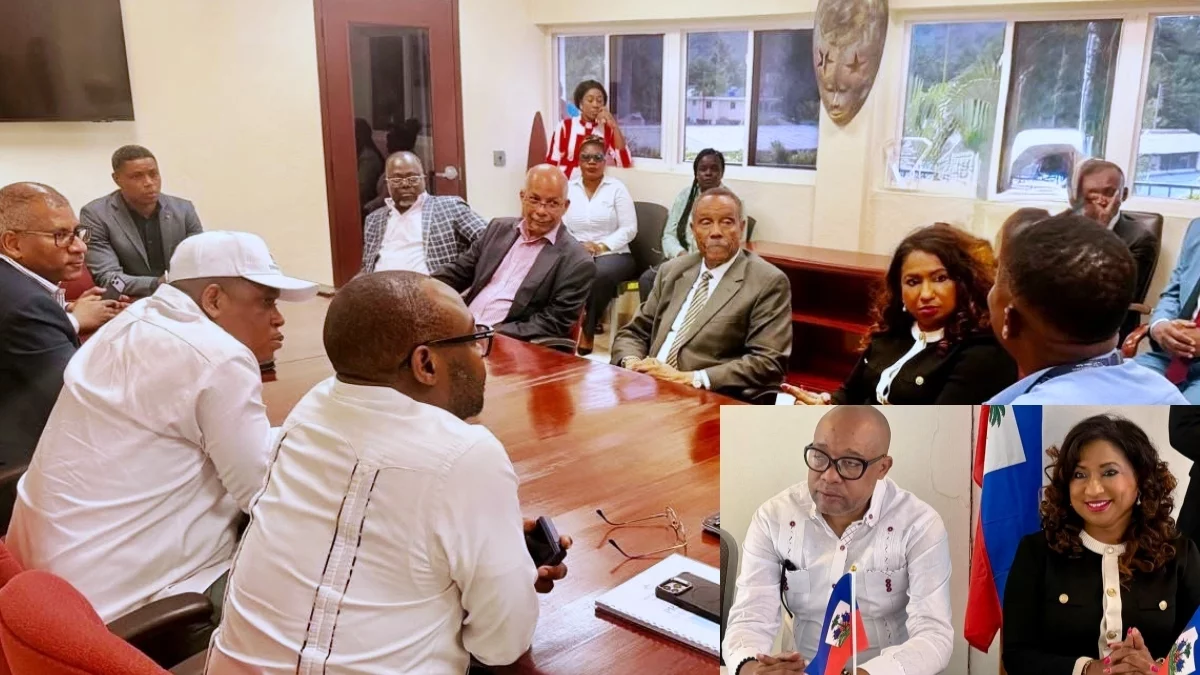
Health : Minister Sinal received a visit from a Caribbean Public Health Agency delegation
Between August 23 and 25, 2026, Haitian Minister of Health Bertrand Sinal welcomed a high-level delegation from the Caribbean Public Health Agency (CARPHA) in Cap-Haïtien, marking the start of a three-day mission focused on cross-regional experience exchange around major regional public health threats. The visit, which centered on deepening collaborative ties between Haiti and the broader Caribbean public health ecosystem, brought together CARPHA’s top leadership, including Executive Director Dr. Lisa Indra, alongside senior medical advisors Dr. Mark Sami and Dr. Horace Cox, for direct talks with Haiti’s national public health leadership.
Accompanying Minister Sinal during the discussions were Director General Dr. Gabriel Thimothe and a cohort of central and department-level health agency directors. In his opening remarks, Sinal openly addressed the multiple cascading challenges straining Haiti’s public health infrastructure, while also emphasizing the nation’s untapped potential and core systemic strengths.
“We welcome this delegation at a moment when our nation is navigating profound, widespread difficulties,” Sinal stated during the meeting. “We have no interest in concealing the challenges we face. We are fully aware of our systemic weaknesses, the constraints on our operations, our unmet needs, and the relentless pressure that our frontline health professionals endure every single day. But we are equally clear about our strengths. Haiti is a nation rich with potential, staffed by highly competent health professionals, supported by long-established, experienced institutions, and home to a population that has repeatedly proven its ability to withstand crisis, recover, and advance,” he added.
Beyond closed-door technical negotiations, the CARPHA delegation conducted on-site visits to two leading Haitian health facilities: Justinien University Hospital and Milot’s Sacré-Cœur Hospital. These field visits allowed the regional agency team to observe first-hand the operations of Haiti’s epidemiological surveillance network and public health laboratories, as well as the country’s existing frameworks for preparing for and responding to sudden public health crises and emergencies.
For Haitian public health leadership, strengthened regional integration and cooperation are non-negotiable for effective public health action, given that infectious diseases and other health threats do not respect national borders. Addressing shared hazards requires collective solidarity, open data sharing, structured knowledge transfer, and coordinated cross-national action, officials emphasized. Despite linguistic and cultural diversity across the Caribbean, Haiti remains committed to building a more interconnected regional public health community, where varied experiences can be leveraged as a strength for mutual learning and collective progress.
As a regional coordinating body, CARPHA was formally established through an intergovernmental agreement between CARICOM member states in July 2011, and launched full operations in January 2013. Headquartered in Trinidad and Tobago, with additional regional hubs in Saint Lucia and Jamaica, the agency counts 26 member states across the Caribbean, including Haiti, and supports coordinated collective action to address shared public health priorities across the region.
-
At least 1,408 people were killed and 656 injured in Haiti, 2nd quarter (report)
A devastating new United Nations report has laid bare the full scale of human suffering unfolding across Haiti in the second quarter of 2026, documenting more than 1,400 deaths and hundreds of injuries linked to widespread violence perpetrated by armed gangs, vigilante groups, civilian unrest, security force operations, and activity by a private military contractor.
Released by the Human Rights Service of the UN Integrated Office in Haiti (BINUH), the report covers the 13-week period from April 1 to June 30, 2026, and reveals that men made up 85% of all fatal and injured victims, while women accounted for 11% and children 4% of the total toll.
The data also exposes a ongoing crisis of gender-based violence carried out by armed gangs, with at least 796 confirmed rape victims recorded across the quarter. Of these victims, 772 were adult women, 23 were underage girls, and one was a man. A staggering 87% of all recorded cases were gang rapes, and 98% of all sexual violence incidents were concentrated in Haiti’s West Department.
Beyond the capital Port-au-Prince, armed gangs have continued to expand their territorial control, with violence escalating sharply in the agricultural heartland of Artibonite and new incursions launched into the previously more stable Southeast Department. In Artibonite, one of Haiti’s key farming regions, armed groups have targeted rural communities, executing residents inside their homes and killing farmers as they worked in agricultural fields. To the south, the notorious Village de Dieu gang launched multiple violent raids around the town of Séguin, an area that had largely avoided this type of large-scale gang violence prior to the second quarter.
Alongside killings and sexual violence, gangs have maintained a thriving kidnapping-for-ransom trade across the country. The report records at least 81 abductions for ransom between April and June, with 63% of these cases taking place in the West Department and 27% occurring in Artibonite.
The report also documents the growing threat of explosive drone attacks targeting civilian populations, with at least nine civilians – including six children – killed or injured by unmanned explosive devices during the quarter. Three police officers were also killed in violence, with two additional officers sustaining serious injuries.
Some of the worst bloodshed of the quarter unfolded in two densely populated areas of the Haitian capital Port-au-Prince: the sprawling Cul-de-Sac Plain and the working-class neighborhood of Cité Soleil. Rival gangs clashed there in intense, prolonged battles for control of strategic territory and lucrative illicit revenue streams. The fighting left 463 people dead, hundreds more wounded, and hundreds of others subjected to sexual violence. More than 18,000 residents were forced to flee their homes to escape the violence, and all local health and education services were suspended indefinitely as a result of the unrest.
The full 30-page report in English is available for public download via HaitiLibre at the published link.
-
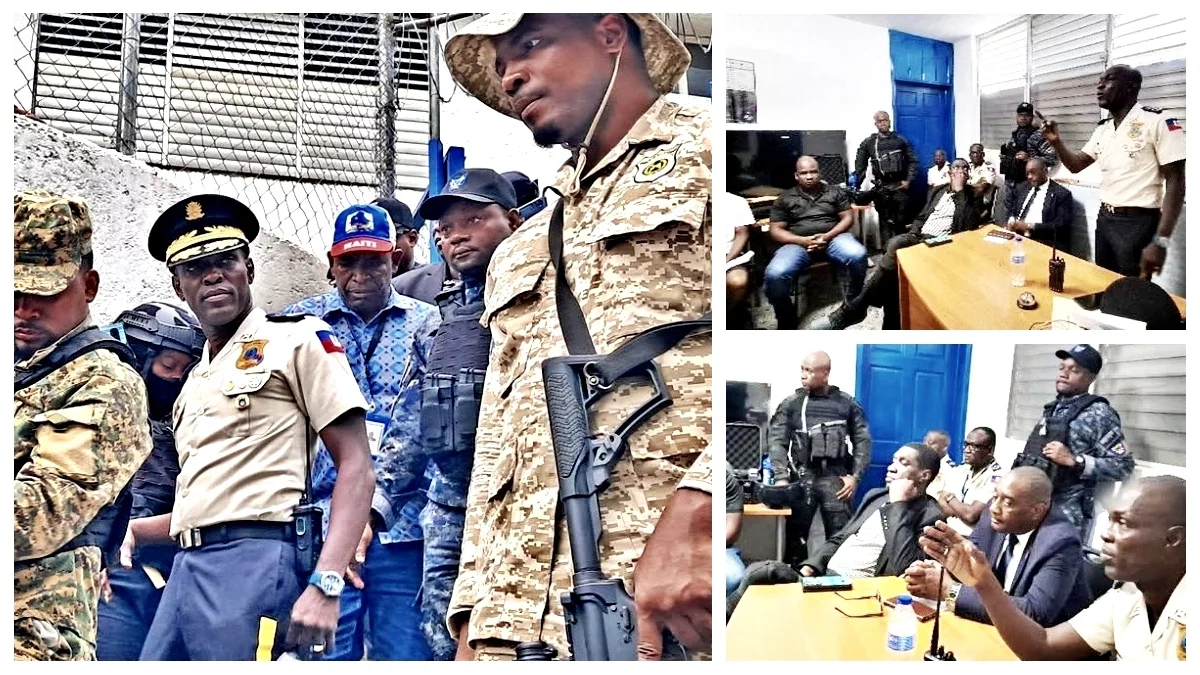
Massacre : The high command of the Haitian National Police (PNH) has gone to Kenscoff
Less than 48 hours after a brutal mass killing shook the mountainous Haitian town of Kenscoff, the top leadership of the Haitian National Police (PNH) traveled to the violence-stricken community on August 26, 2026 to evaluate the aftermath and shore up security amid widespread grief and calls for accountability.
Leading the delegation was Vladimir Paraison, the Acting Director General of the PNH, who was joined by multiple senior members of the police high command. The official trip came in direct response to a coordinated attack carried out by armed groups overnight between August 23 and 24, 2026, which preliminary reports confirm left at least 60 people dead.
During the visit, Paraison held closed-door talks with local municipal leaders and the commander of the Kenscoff district police station to map out the full scope of the violence and align on urgent security interventions. Following these discussions, Paraison issued formal orders to deploy additional elite, specialized PNH units to the areas most impacted by the attack, boosting visible patrols and response capacity to prevent further bloodshed.
In a public statement following the meetings, Paraison extended his deepest condolences to the families of those killed and injured in the massacre, emphasizing that the national police force remains unwavering in its commitment to holding every perpetrator and accomplice accountable. He specifically directed the Central Directorate of the Judicial Police (DCPJ) to launch a full, unobstructed investigation into all circumstances surrounding the attack, with a key focus on uncovering how heavily armed assailants were able to infiltrate the core of the Kenscoff commune without detection.
The investigation’s mandated outcomes are clear: PNH high command aims to uncover any internal complicity or institutional negligence that allowed the attack to proceed, identify all individuals linked to the planning and execution of the massacre, assign clear legal and institutional responsibility, and pursue full legal action against all parties found responsible.
-
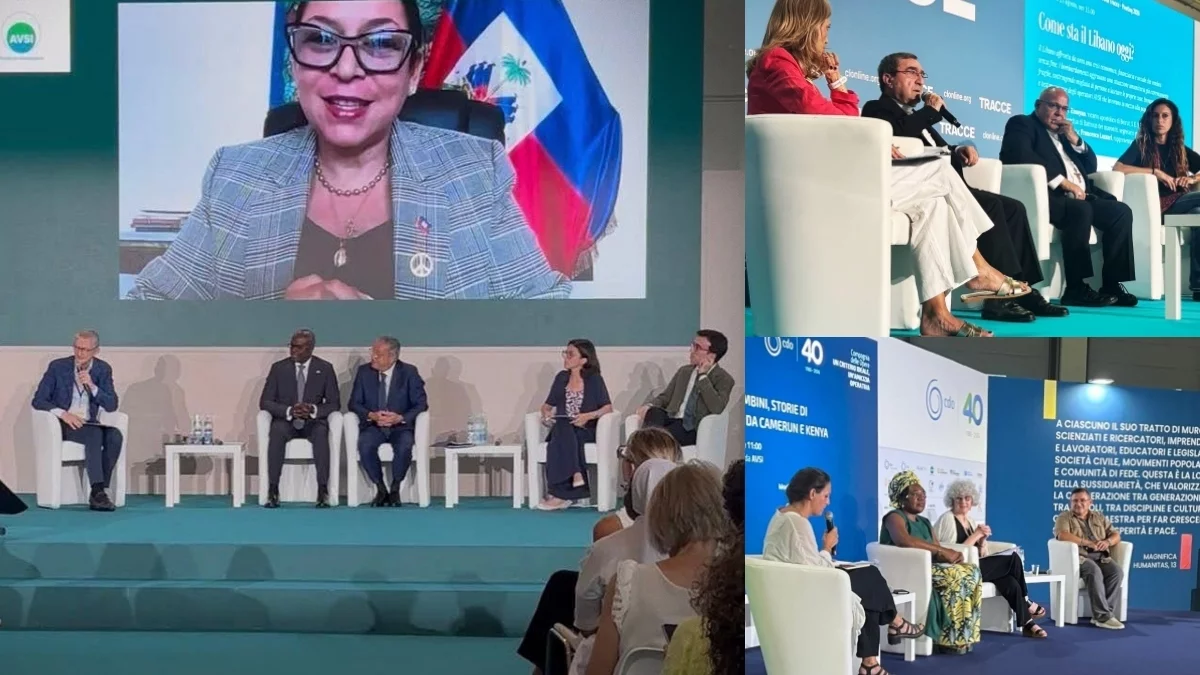
Politic : Towards a strengthened partnership with Italy?
Against a backdrop of ongoing political and humanitarian instability in Haiti, senior officials from both the Caribbean nation and Italy gathered for a high-profile discussion at Italy’s 2026 Rimini Meeting on August 24, opening a new pathway toward deepened bilateral cooperation. Haitian Foreign Minister Raina Forbin joined the panel, titled “Haiti and the strength to rise again”, virtually, while the event was organized by Associazione Volontari per il Servizio Internazionale (AVSI), an Italian international volunteer service organization. The discussion was moderated by Stefano Gatti, Director General for Development Cooperation at Italy’s Ministry of Foreign Affairs and International Cooperation, and featured a lineup of senior stakeholders including Italian Undersecretary of State Massimo Dell’Utri, Haitian Ambassador to Italy Gandy Thomas, FAO Deputy Director-General Maurizio Martina, and AVSI’s Haiti representative Annalisa Costanzo.
In her address to the panel, Minister Forbin laid out the core governing priorities of the current administration led by Haitian Prime Minister Alix Didier Fils-Aimé. The government’s immediate and long-term agenda centers on four critical pillars: reestablishing widespread national security and full state authority across the country, holding inclusive democratic elections to legitimize governing institutions, kickstarting broad economic recovery after years of contraction, and scaling up responses to the country’s worsening humanitarian emergency. She emphasized that the administration is actively pursuing coordinated efforts to pull Haiti out of its protracted crisis and lay the foundation for long-term, sustainable stability.
Minister Forbin used the platform to formally call for a strengthened bilateral partnership between Haiti and Italy, outlining a wide range of high-priority sectors for collaborative action. These proposed areas of cooperation include security sector support, capacity building for Haitian government institutions, sustainable agricultural development, expanded vocational training programs for the country’s large youth population, support for growing small and medium-sized enterprises, cross-border skills transfer, and attraction of productive foreign direct investment from Italian firms.
The participation of top-ranking Italian government officials in the discussion and the substantive nature of the talks signal a shared commitment to advancing bilateral dialogue and collaboration between the two nations. From Italy’s perspective, Haiti offers unique strategic value: its central location in the Caribbean, close proximity to major North and South American markets, large young population, expansive global diaspora network, and untapped economic potential position the country as a strategic gateway for Italian businesses, universities, cultural institutions, and development cooperation initiatives to expand their footprint across the broader Caribbean and Latin American region.
Rather than framing Haiti solely through the lens of its well-documented challenges, Minister Forbin repositioned the country as an emerging market of opportunity and a reliable long-term strategic partner. She emphasized that a deepened partnership between Haiti and Italy would deliver mutual benefits to both nations, opening a new chapter in bilateral diplomatic and economic relations.