标签: Grenada

格林纳达

  • Building next generation of female cricketers

    Building next generation of female cricketers

    In a landmark initiative for Caribbean sports, Grenada has officially inaugurated its first-ever Girls’ Cricket Development Programme through a collaborative partnership between the Grenada Cricket Association (GCA), Grenada Electricity Services Ltd. (Grenlec), and Cricket West Indies. This structured development pathway represents a transformative investment in women’s athletics, specifically designed to provide consistent coaching, competitive exposure, and mentorship for young female cricketers at the school level.

    GCA President Norman Gilbert emphasized the strategic importance of the programme, stating, ‘This inaugural activity is going to play a significant part in the development of women’s cricket in Grenada, Carriacou and Petite Martinique. For the very first time, we have a programme exclusively dedicated to women’s development.’

    The initiative has garnered strong institutional support, with Dwain Gill, High Performance Manager for Cricket West Indies, highlighting the essential role of corporate partnerships in sports development. ‘Collaboration between corporate and sporting organisations is fundamental to expanding access and ensuring programmes are delivered with quality and consistency. We need more corporate citizens to step forward and support women’s cricket—your investment creates tangible impact.’

    The programme launched with participation from over 150 girls from primary and secondary schools across Grenada’s tri-island state. They were greeted by cricketing ambassadors including Women’s Team West Indies member Afy Fletcher and former player Junior Murray, alongside other Caribbean cricket legends who came to show their support.

    Fletcher inspired participants with a powerful message: ‘This programme transcends cricket. It’s about building strong, confident young women for Grenada. Dream big. Train hard. Support each other. Your journey begins right here.’

    The partners also acknowledged the crucial contributions of Grenada’s ministries of Sport and Education, participating schools, programme administrators, coaches, and parents in ensuring the initiative supports both athletic excellence and personal development. Through this comprehensive approach, the programme is positioned to significantly advance the quality and popularity of women’s cricket in the region.

  • This Day in History: Fédon’s Rebellion began 3 March 1795

    This Day in History: Fédon’s Rebellion began 3 March 1795

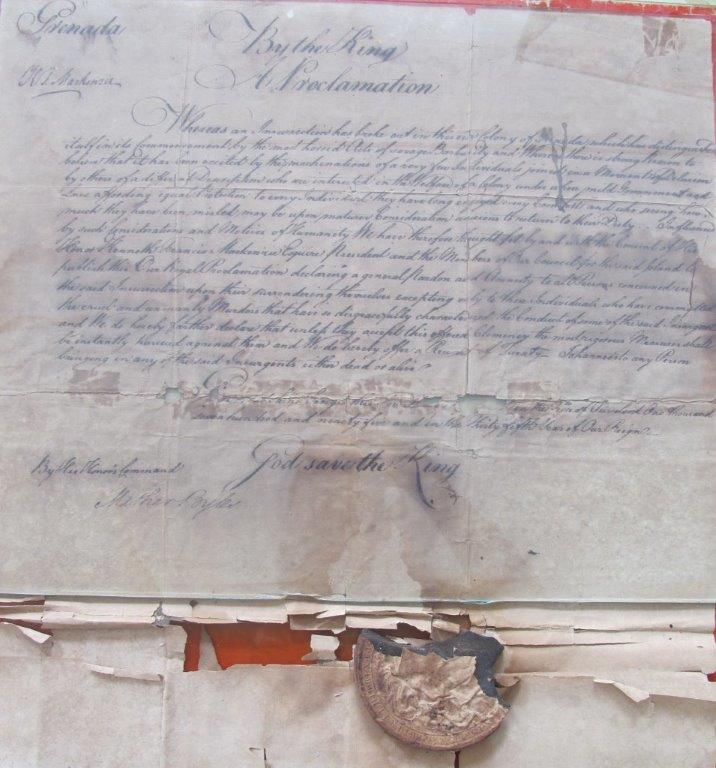
    On March 3, 1795, Grenada became the stage for one of the Caribbean’s most significant colonial uprisings when French inhabitants—comprising free people of color, white settlers, and enslaved Africans—initiated a violent rebellion against British colonial authority. The revolt, masterminded by Julien Fédon, erupted following years of religious, social, and political oppression under British rule, intensified by revolutionary ideals emanating from France.

    The rebellion commenced with coordinated nighttime assaults on Grenville (La Baye) and Gouyave, where insurgents captured and executed British residents, including prominent figures such as Dr. John Hay and Reverend Francis McMahon. Rallying under the banner ‘Liberté, égalité ou la mort!’ (Liberty, equality, or death!), Fédon’s forces established a strategic stronghold at Belvidere, attracting widespread support from French planters, free Black communities, and enslaved individuals seeking liberation from British domination.

    British attempts to suppress the rebellion faced significant challenges. An April 8 military offensive against rebel positions failed catastrophically, prompting Fédon to execute 47 hostages in retaliation. The colonial government subsequently implemented a new strategy involving coastal blockades to disrupt rebel supply lines and the formation of armed Loyal Black Rangers from enslaved populations.

    The conflict persisted for over fifteen months, with rebels controlling most of the island by early 1796. The tide turned in March when British reinforcements captured critical positions at Post Royal and Pilot Hill, severing the insurgents’ supply routes. The final blow came on June 19 with the arrival of General Abercromby’s forces, which systematically dismantled rebel defenses and forced survivors to retreat to Fédon’s mountain camp.

    The aftermath was brutal: approximately fifty rebels were convicted of high treason, with fourteen publicly executed in St. George’s Market Square. Many victims were decapitated, their heads displayed as warnings, while surviving rebels and their families were deported to Honduras. The rebellion resulted in devastating economic losses estimated between £2.5-4.5 million, the destruction of agricultural infrastructure, and approximately 7,000 enslaved Africans killed alongside hundreds of British soldiers.

    Historically complex in its objectives, Fédon’s Rebellion initially sought to replace British authority with French governance and secure civil rights for free people of color rather than universal emancipation. Nonetheless, it effectively terminated French influence in Grenada, cementing British colonial control and leaving an indelible mark on the island’s historical trajectory.

  • Local artist honours Grenadian women on International Women’s Day

    Local artist honours Grenadian women on International Women’s Day

    In a powerful tribute to Grenada’s feminine spirit, visual artist Kristianne Buxo presents “GRENADENIANA: Presence • Passion • Poise,” a solo exhibition dedicated to celebrating the cultural resilience and dignity of Grenadian women. The event will unfold on Saturday, March 7, 2026, from 6:00 PM to 9:00 PM at Décorum within the Exit 473 complex, strategically timed on the eve of International Women’s Day.

    Buxo’s exhibition features expressive portraiture inspired by Caribbean feminine presence, honoring mothers, daughters, and matriarchs whose enduring grace has fundamentally shaped the nation’s identity. The artist explained her motivation: “Amid ongoing conversations about the well-being and protection of Grenadian women, I felt compelled to use my artistic platform to both honor and uplift our women. This exhibition serves as both celebration and tangible gesture of solidarity.

    Beyond visual artistry, the event establishes meaningful philanthropic partnerships. Buxo has collaborated with Sweet Water Foundation to facilitate direct donations during the exhibition, while also committing a portion of all art sales proceeds to support the organization’s programs benefiting women and families across Grenada.

    The evening promises a multifaceted cultural experience with restaurants and bars within the Exit 473 complex remaining open to patrons. Musical accompaniment will enhance the vibrant atmosphere, creating an immersive celebration of Grenadian heritage. Additional parking accommodations have been generously provided by L L Ramdhanny & Co. Ltd, with their nearby parking lot available for guests.

    This community-oriented event invites public participation in celebrating Grenadian women through artistic expression, collective gathering, and purposeful support systems that extend beyond the gallery walls.

  • Investing in Caribbean Creativity on the Global Stage

    Investing in Caribbean Creativity on the Global Stage

    Grenada is poised to make its ninth appearance at the 2026 Venice Biennale, securing its position on one of the world’s most prestigious visual arts platforms. This participation transcends mere national representation, emerging as a strategic cultural initiative with profound regional and global implications.

    The Grenada Pavilion will be hosted at Spazio Berlendis under the thematic concept ‘The Poetics of Correspondence,’ facilitating reflective cross-cultural dialogue. The exhibition will feature an impressive roster of artists including Arthur Daniel, Lilo Nido and Chris Mast, Edward Bowen, Russel Watson, Josine Dupont, Alexandra Kordas, and The Holzwege Group.

    This cultural endeavor carries significant regional importance by advancing CARICOM and OECS integration while expanding economic opportunities within the Caribbean creative sector. It establishes crucial pathways for emerging Caribbean artists to access international networks and potentially strengthens partnerships across education, tourism, and innovation sectors.

    Globally, the pavilion builds upon networks established since Grenada’s inaugural 2015 participation, elevating Caribbean perspectives within international discourse and creating diplomatic and economic bridges beyond conventional trade channels.

    The 2026 edition marks a watershed moment for Caribbean representation, with The Bahamas also returning after a 13-year absence. Additionally, numerous Caribbean artists have been selected for exhibition in the Biennale’s main Arsenale hall, including Álvaro Barrington, Maria Magdalena Campos-Pons, Carolina Caycedo, Annalee Davis, and Ebony G. Patterson among others.

    Despite its volunteer-driven organization, the project requires substantial funding for exhibition production, venue rental, international shipping, communications, and artist accommodations. The Grenada Arts Council, a registered non-profit, is urgently seeking corporate partners who recognize culture’s power as an economic driver and brand differentiator.

    Sponsors will receive prominent recognition in exhibition catalogues and promotional materials throughout the seven-month event, with their contributions permanently archived in the historical record. This initiative represents a proven platform for positioning Grenada and the wider Caribbean as creative leaders on the world stage.

  • Immigration Department introduces Grenada’s online E/D card

    Immigration Department introduces Grenada’s online E/D card

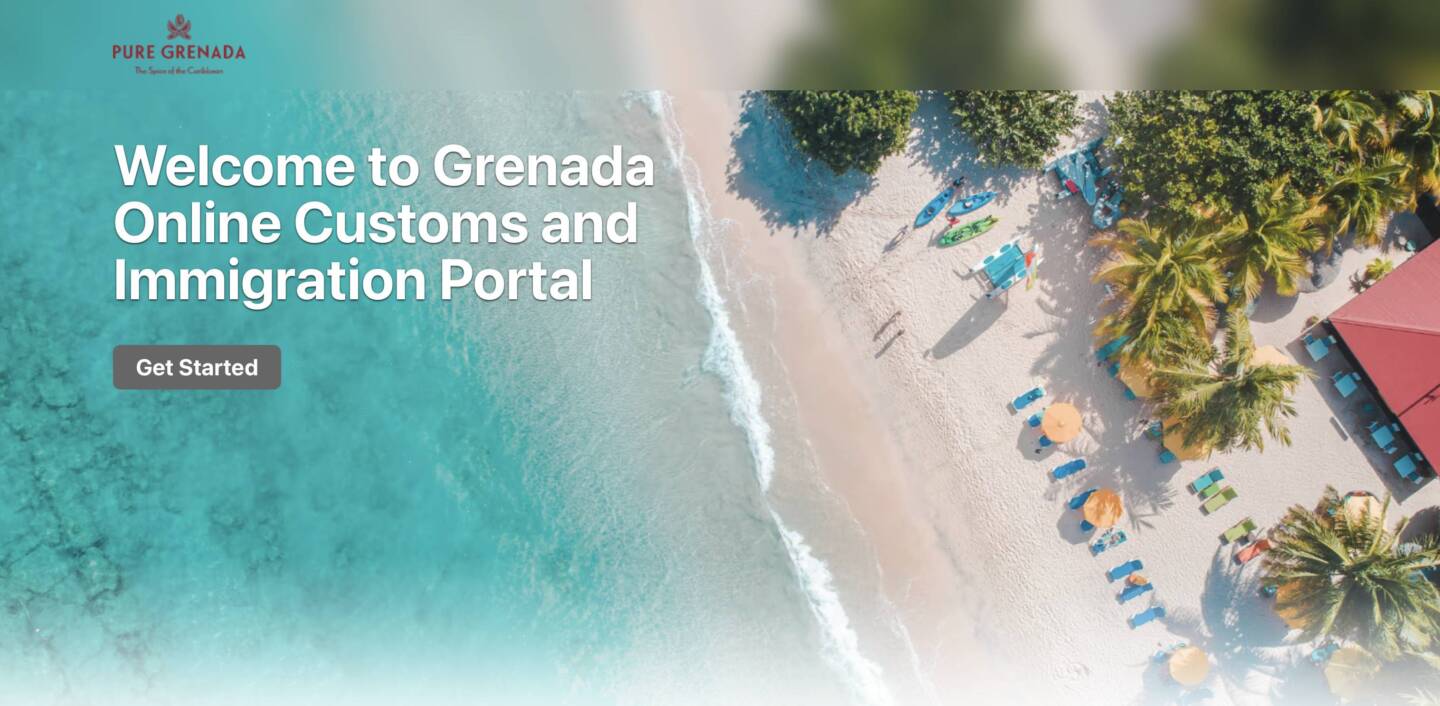
    In a landmark move toward digital governance, the Caribbean nation of Grenada has officially transitioned from paper-based immigration forms to a fully digital Embarkation/Disembarkation (E/D) card system. This innovative platform, which became fully operational on March 1, 2026, represents the country’s first comprehensive digital solution for traveler processing and signifies a major advancement in its public service modernization agenda.

    The newly launched online system enables all incoming and outgoing travelers to submit mandatory entry information digitally prior to their arrival or departure. This pre-clearance capability is designed to dramatically reduce processing times at border checkpoints, particularly at the Maurice Bishop International Airport, ensuring a more streamlined and efficient experience for both international visitors and returning citizens.

    Architected around three fundamental pillars, Grenada’s digital E/D card system prioritizes user experience, data security, and international compliance. The platform features an intuitively designed interface that guides users through a simplified submission process, requiring minimal time and technical proficiency. From a security perspective, the system incorporates advanced encryption protocols and robust data protection measures to safeguard sensitive personal information against potential breaches. Furthermore, the digital framework aligns with global travel standards, reinforcing Grenada’s commitment to maintaining contemporary security practices while enhancing its reputation as a traveler-friendly destination.

    The Grenadian government recommends that travelers complete the digital form at least one day before their scheduled departure or prior to leaving their initial port of embarkation by accessing the official portal at edcard.gov.gd. This proactive approach ensures that immigration procedures are completed seamlessly, allowing for accelerated processing upon physical arrival at Grenadian entry points.

  • GFNC warns: Do not trust the taste-test

    GFNC warns: Do not trust the taste-test

    The Grenada Food and Nutrition Council (GFNC) has issued a critical public health advisory warning parents and caregivers against the dangers of serving alcohol-containing beverages to children. The council emphasized that using taste-testing alone to determine alcohol content is dangerously unreliable, as an adult’s alcohol tolerance differs significantly from a child’s physiological capacity.

    According to the GFNC, beverages with any detectable alcohol content—ranging from minimal 0.5% to concentrations exceeding 10%—are inappropriate for children and should never be provided to minors below the legal drinking age. The advisory specifically directs parents, guardians, vendors, and school administrators to meticulously examine beverage labels to ensure complete absence of alcohol before serving drinks to children.

    The health authority highlighted neurodevelopmental concerns, noting that human brain development continues into the mid-20s, making alcohol exposure particularly harmful during childhood and adolescence. The GFNC strongly recommends that adults consistently select alcohol-free alternatives for children and verify product labeling during purchases.

    The council encourages public engagement through its official website (https://gfnc.gov.gd/about-us/) and social media channels (https://linktr.ee/473GFNC) for additional nutritional guidance. The announcement concludes with GFNC’s foundational message: ‘Eat Local: Strengthen Food and Nutrition Security in Grenada.’

  • Building water security together

    Building water security together

    In a significant move toward climate adaptation, Grenada’s G-CREWS Project and national government have finalized comprehensive rainwater harvesting regulations following extensive public consultation. The newly developed framework addresses water security concerns while incorporating community feedback on affordability and implementation practicality.

    The regulatory structure establishes minimum building size thresholds at 250 square feet—a consensus figure determined through stakeholder engagement—with special provisions for villa developments and multi-unit properties. Notably, the regulations feature a five-year implementation window, allowing homeowners and businesses adequate time for system installation while authorities develop monitoring capabilities.

    Core exemptions protect vulnerable households facing financial constraints or spatial limitations, with graduated penalty systems ensuring equitable enforcement based on individual circumstances. The regulations explicitly permit unlimited rainwater collection without licensing requirements, focusing instead on safety standards and public health protection.

    Drawing from World Health Organization guidelines, the framework mandates water treatment standards for commercial human consumption while recognizing traditional practices in Carriacou and Petite Martinique through specific exemptions. Implementation relies on visual inspections rather than specialized equipment, maintaining system maintenance as owner responsibilities.

    The regulations prioritize flexibility, allowing homeowners to determine tank sizes beyond minimum requirements and choose aesthetic preferences while ensuring overflow management contributes to erosion reduction and flood mitigation. This initiative positions Grenada alongside Caribbean neighbors like Bermuda in adopting proactive water security measures against climate-induced rainfall pattern changes.

    While current regulations don’t include subsidy provisions, the framework allows for future fiscal incentives through relevant ministries. Educational resources and technical guidance will be provided through G-CREWS initiatives and Physical Development Authority channels, supporting community-wide climate resilience efforts through responsible water resource management.

  • Statement on hostilities in the Middle East

    Statement on hostilities in the Middle East

    The Caribbean nation of Grenada has issued a formal statement expressing profound apprehension regarding the recent intensification of military confrontations in the Middle East. Through its Prime Minister’s Office, the government highlighted particular alarm about retaliatory operations impacting Gulf region territories, warning that such developments threaten to amplify regional instability while creating perilous conditions for civilian populations and critical infrastructure.

    Grenada’s administration emphatically appealed to all involved factions to abstain from initiatives that could intensify regional turbulence or worsen existing humanitarian crises. The statement specifically encouraged exercising utmost restraint, avoiding additional military maneuvers that might jeopardize civilian safety or expand the geographical scope of conflict.

    Reaffirming its commitment to international norms, Grenada emphasized the fundamental necessity of honoring all nations’ sovereignty and territorial integrity according to established principles within the United Nations Charter. The government positioned diplomatic dialogue and systematic de-escalation as the exclusively viable mechanisms for reestablishing stability and mitigating further humanitarian consequences.

    The Caribbean nation confirmed its continued dedication to bolstering multinational initiatives directed toward conflict resolution, peace preservation, and civilian protection. Grenada’s leadership encouraged all relevant actors to resume productive negotiations, underscoring that peaceful discourse remains the most sustainable approach to resolving geopolitical tensions.

  • Greython Construction Ltd. vacancy: Project Manager

    Greython Construction Ltd. vacancy: Project Manager

    A prominent developer in the luxury hospitality sector has announced an opening for an experienced Project Manager to spearhead high-end resort construction initiatives. The position entails comprehensive oversight of all construction operations from pre-construction phases through final handover, targeting professionals with extensive background in premium hospitality developments.

    The successful candidate will assume responsibility for multiple critical functions including program management, financial oversight, contract administration, and subcontractor coordination. The role demands rigorous quality assurance maintenance aligned with luxury brand standards while ensuring strict adherence to health, safety, and environmental compliance protocols.

    Key operational duties encompass leading on-site delivery teams for luxury hospitality projects, managing project timelines and critical path sequencing, administering complex contract conditions (including FIDIC/NEC frameworks), controlling budgets and cash flow, and facilitating change management processes. The position also requires coordination among consultants, subcontractors, and suppliers while maintaining comprehensive client reporting and stakeholder communication channels.

    Ideal applicants must possess degree qualifications in Construction Management, Engineering, or related disciplines, complemented by minimum seven years’ experience delivering large-scale hospitality or resort projects. Essential qualifications include demonstrated expertise in contract administration, commercial management, and leadership of multidisciplinary site teams. Preference will be given to candidates with specific experience in concrete frame construction and high-specification finishing works, alongside proven communication and stakeholder management capabilities.

    The application window remains open on a rolling basis until March 13, 2026. Interested professionals should submit cover letters with curriculum vitae via email to the specified address, including ‘Project Manager – High-End Resort Construction’ in the subject line. The organization acknowledges all applications but will contact only shortlisted candidates.

  • GFNC: Poor handling of fish leads to nutrient loss and illness

    GFNC: Poor handling of fish leads to nutrient loss and illness

    The Grenada Food and Nutrition Council (GFNC) has released comprehensive guidance on maximizing the health benefits of the nation’s abundant seafood supply. Grenada’s waters provide a diverse array of species including yellowfin and blackfin tuna, mahi-mahi, king mackerel, marlin, and various shellfish such as lobster and shrimp. These marine resources offer substantial nutritional value through high-quality protein, omega-3 fatty acids for cardiovascular and cognitive health, and essential vitamins that support immune function.

    The Council emphasizes that these health benefits can only be preserved through proper handling techniques from point of purchase to preparation. Unlike many other food products, fish is particularly susceptible to rapid quality deterioration due to bacterial proliferation and enzymatic activity when exposed to elevated temperatures.

    Critical recommendations include transporting freshly purchased fish in insulated coolers with adequate ice to maintain temperatures below 4°C during transit. This initial chilling phase represents one of the most effective interventions for preventing nutrient degradation and reducing foodborne illness risks.

    Upon reaching the kitchen, immediate processing is advised. Fish should be cleaned, portioned, and either refrigerated near 0°C or frozen at -18°C without delay. Temperature control remains paramount throughout handling, as pathogens including Salmonella, E. coli, and Aeromonas pose significant health threats if allowed to multiply.

    The GFNC addresses seasoning practices, noting that while immediate pre-cooking seasoning generally yields optimal texture and flavor, pre-seasoning before freezing can be safe if performed hygienically and followed by immediate freezing. Research cited from the International Journal of Food Science & Technology indicates that certain herbs and spices—including thyme, garlic, ginger, turmeric, and rosemary—may provide additional preservation benefits through their antimicrobial and antioxidant properties during chilled storage.

    The Council frames proper fish handling not merely as a culinary concern but as a fundamental public health investment. When handled correctly, Grenada’s seafood resources represent a powerful nutritional asset for building healthy families and communities.