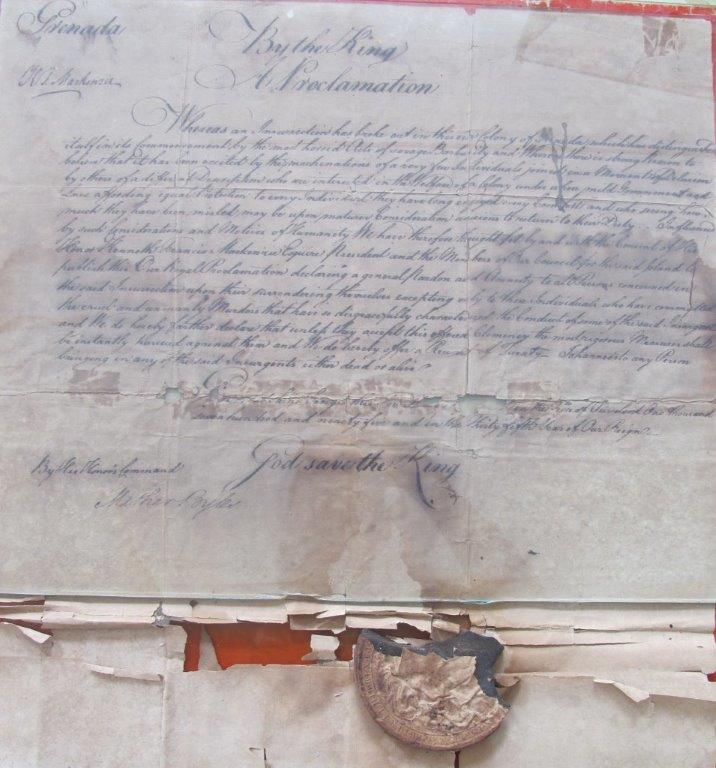
On March 3, 1795, Grenada became the stage for one of the Caribbean’s most significant colonial uprisings when French inhabitants—comprising free people of color, white settlers, and enslaved Africans—initiated a violent rebellion against British colonial authority. The revolt, masterminded by Julien Fédon, erupted following years of religious, social, and political oppression under British rule, intensified by revolutionary ideals emanating from France.
The rebellion commenced with coordinated nighttime assaults on Grenville (La Baye) and Gouyave, where insurgents captured and executed British residents, including prominent figures such as Dr. John Hay and Reverend Francis McMahon. Rallying under the banner ‘Liberté, égalité ou la mort!’ (Liberty, equality, or death!), Fédon’s forces established a strategic stronghold at Belvidere, attracting widespread support from French planters, free Black communities, and enslaved individuals seeking liberation from British domination.
British attempts to suppress the rebellion faced significant challenges. An April 8 military offensive against rebel positions failed catastrophically, prompting Fédon to execute 47 hostages in retaliation. The colonial government subsequently implemented a new strategy involving coastal blockades to disrupt rebel supply lines and the formation of armed Loyal Black Rangers from enslaved populations.
The conflict persisted for over fifteen months, with rebels controlling most of the island by early 1796. The tide turned in March when British reinforcements captured critical positions at Post Royal and Pilot Hill, severing the insurgents’ supply routes. The final blow came on June 19 with the arrival of General Abercromby’s forces, which systematically dismantled rebel defenses and forced survivors to retreat to Fédon’s mountain camp.
The aftermath was brutal: approximately fifty rebels were convicted of high treason, with fourteen publicly executed in St. George’s Market Square. Many victims were decapitated, their heads displayed as warnings, while surviving rebels and their families were deported to Honduras. The rebellion resulted in devastating economic losses estimated between £2.5-4.5 million, the destruction of agricultural infrastructure, and approximately 7,000 enslaved Africans killed alongside hundreds of British soldiers.
Historically complex in its objectives, Fédon’s Rebellion initially sought to replace British authority with French governance and secure civil rights for free people of color rather than universal emancipation. Nonetheless, it effectively terminated French influence in Grenada, cementing British colonial control and leaving an indelible mark on the island’s historical trajectory.