标签: Grenada

格林纳达

  • Temporary traffic delays expected at Moliniere on Friday, 3 July

    Temporary traffic delays expected at Moliniere on Friday, 3 July

    Grenada’s National Water and Sewerage Authority (Nawasa) has issued a public advisory alerting residents and commuters to upcoming large-scale concrete pouring operations at the Moliniere Reservoir construction site, scheduled for Friday, 3 July 2026. This work is a core milestone for Lot 1 of the transformative Southern St George Water Supply Expansion Project (SSGWEP), a national infrastructure initiative aimed at upgrading the island’s water access network.

    As a critical step in building the new, expanded reservoir, the operation will require a constant stream of heavy ready-mix concrete trucks traveling to and from the work zone throughout the workday. This increased heavy vehicle traffic will lead to temporary slowdowns and delays for motorists and other road users traveling through the Moliniere area, expected to last from approximately 8:30 a.m. to 3:30 p.m. on the day of the pour.

    To mitigate safety risks and keep traffic moving as smoothly as possible, the Royal Grenada Police Force (RGPF) will deploy on-site personnel to manage traffic flow throughout the entire construction operation. Nawasa has issued a set of clear guidance for road users planning to travel through the area: all commuters are asked to exercise extra caution when passing the work zone, follow all directions issued by police and on-site traffic management staff, build extra time into their travel itineraries to account for delays, and consider using pre-planned alternative routes if those options are convenient for their trip.

    The Moliniere Reservoir expansion is not an isolated project: it forms a key part of the broader SSGWEP, which receives full funding from the UK Caribbean Infrastructure Fund (UKCIF). Once completed, the initiative will deliver long-term upgrades to Grenada’s core water infrastructure, drastically boosting the reliability and climate resilience of the island’s water supply network for thousands of residential and commercial customers across the Southern St George region.

    In closing the advisory, Nawasa extended a sincere apology for the temporary inconvenience that the traffic disruptions will cause for local residents and passing commuters. The authority also thanked the public for their ongoing patience, understanding and cooperation as it works to deliver this high-priority national infrastructure project that will benefit communities for generations to come.

  • 15,000 pounds of ginger procured to drive spice industry revival

    15,000 pounds of ginger procured to drive spice industry revival

    Grenada’s Ministry of Agriculture, Lands and Forestry has kicked off the first stage of a targeted Ginger Production Drive, a core component of the country’s broader Spice Replanting Programme, marking a major step forward in efforts to rebuild and grow the Caribbean nation’s iconic spice sector. This new initiative is designed to scale up domestic ginger output and stabilize local market prices to make the popular crop more affordable for consumers, according to Lauren St Louis, the ministry’s Chief Extension Officer.

    To lay a solid foundation for the program, the ministry has already allocated funding to import 15,000 pounds of high-quality ginger planting material. As a versatile commodity with well-documented health benefits and steadily rising global and local consumer demand, ginger has long been a high-value crop for Grenada’s agricultural economy, making it a strategic priority for industry revitalization.

    Only pre-vetted local farmers have been selected to take part in this initial phase, with a clear reciprocal requirement built into the program’s terms: participating growers must share a portion of the planting material harvested from their first crop to support the expansion of the initiative into future phases. Beyond just providing planting stock, the ministry is committed to equipping farmers with the skills they need to succeed, offering specialized training in evidence-based best agricultural practices. These training modules cover critical steps from pre-planting rhizome preparation and treatment to optimal spacing, planting density, and advanced crop management techniques that reduce the risk of fungal infections throughout the growing cycle.

    The long-term vision of the program extends far beyond the first planting season: by boosting the domestic supply of locally grown ginger, officials aim to cut reliance on imported product and drive down market prices, making this essential spice more accessible for both ordinary households and local agro-processing businesses. The initiative forms part of the Grenadian government’s ongoing investment in broad-based agricultural development, overseen by the Ministry of Agriculture, Lands and Forestry, and senior officials have expressed cautious optimism about the program’s ability to deliver meaningful results.

    “In return for the support we are providing, we are encouraging our farmers to pass those savings on by lowering their prices, so that the average person can afford fresh, local ginger,” St Louis explained. For this first phase, ginger cultivation will take place on agricultural plots of no less than half an acre, as the ministry works to steadily strengthen local production capacity and lay the groundwork for the sustainable long-term growth of Grenada’s entire spice industry.

  • Hospitality legend Peter Fraser retires

    Hospitality legend Peter Fraser retires

    The Caribbean hospitality industry is celebrating the extraordinary decades-long career of Peter Anthony Fraser, CD, a pioneering leader who leaves behind a transformative legacy spanning multiple island nations and an enduring people-first philosophy that has reshaped regional tourism. Over more than 40 years in the sector, Fraser has steered luxury resort properties through some of the most turbulent crises modern tourism has faced—from the seismic industry shift following the 9/11 attacks and repeated global economic recessions to destructive Atlantic hurricanes and the unprecedented shutdown of international travel during the COVID-19 pandemic—all while remaining unwavering in his core belief that prioritizing people, both team members and guests, is the only foundation for long-term success.

    Born and raised in Jamaica, Fraser’s professional career took him across the Caribbean, building his reputation for operational excellence and strategic vision at every stop. His first major leadership role came as director of operations at Jamaica Grande Resort, a post he held from 1988 to 2001, before relocating to Barbados to oversee operations across multiple luxury properties in the Gems of Barbados collection. In 2003, he received a personal invitation from the late iconic hospitality founder Gordon “Butch” Stewart to join the Sandals Resorts family, marking the start of a 23-year tenure that would cement his status as a regional industry legend.

    From 2003 to 2013, Fraser served as general manager of Sandals Royal Plantation, Sandals’ only boutique, all-butler resort in Jamaica. During his decade at the property, he built a defining culture of personalized exclusivity and relentless pursuit of excellence; the service standards, guest experience framework, and core philosophy he established there remain a benchmark for excellence across the entire Sandals organization today.

    The final chapter of Fraser’s career would bring his greatest impact to the island of Grenada, where he served as general manager of Sandals Grenada Resort & Spa for 13 years, leading the project from its groundbreaking launch to its status as one of the Caribbean’s most successful luxury resorts. When the resort opened in 2013 as Sandals’ first property on the island, Fraser recognized that the popular luxury all-inclusive model would redefine Grenada’s tourism identity, introducing a new operational standard that rippled across the local supply chain and broader hospitality sector.

    “Back when we opened, no other resort in Grenada relied on local supplies to the extent we did,” Fraser explained in a reflection on the resort’s launch. “We needed nightly entertainment year-round, fresh local watermelon for the breakfast buffet every single day, and we stayed open through the summer low season, which was not common here. It was a completely new way of operating for local suppliers, our own team, and the entire Grenadian tourism industry.”

    At the time of launch, Grenada faced significant barriers to tourism growth, with limited airlift capacity and just a handful of international flights arriving weekly. Working in close partnership with the Grenada Tourism Authority and the Ministry of Tourism, Sandals under Fraser’s leadership proved that sustained demand existed for direct international access to the island, ultimately convincing major carriers to add new routes. This transformation, widely dubbed the “Sandals Effect,” unlocked long-term tourism growth that benefited the entire Grenadian economy, not just the resort itself.

    Looking back on his career, Fraser called Sandals Grenada the perfect capstone to his professional journey. “Building this resort from the ground up and watching it grow into what it is today has been the most rewarding experience of my career,” he said. “It’s exactly how any hospitality professional dreams of ending their career: feeling proud, fulfilled, and accomplished.” He extended gratitude to the team that helped launch the resort in 2013, noting that their tireless work turned a vision into reality, and encouraged new generations of industry leaders to continue pushing for growth and innovation.

    Beyond his resort leadership, Fraser has been a committed contributor to regional tourism infrastructure and community development. Since 2015, he has served as chairman of the Tourism Enhancement Fund of the Grenada Hotel and Tourism Association (GHTA). Under his leadership, the fund has delivered a range of high-impact public projects, including funding the establishment of Grenada’s first hyperbaric chamber at St Augustine Medical Centre, supporting hospitality workforce training and certification programs, providing free cancer and general health screenings for local communities, and advancing critical public infrastructure initiatives across the island. He also served on Grenada’s Airlift Committee from 2018 to 2020, continuing to advocate for expanded connectivity for the island.

    Fraser’s decades of contributions have been recognized with some of the highest honors in Caribbean tourism and national life. A Justice of the Peace since 1986, he was awarded the Order of Distinction in the rank of Commander (CD) in 2025 during Jamaica’s 63rd Independence Day celebrations, one of the country’s highest national honors, given in recognition of his outstanding service to the tourism and hospitality sector. Most recently, in June 2026, he received the Lifetime Achievement Award from the Jamaica Hotel and Tourism Association, cementing his legacy as one of the region’s most impactful leaders.

    Fraser says his leadership philosophy is rooted in deep Caribbean pride and a focus on human connection, rather than luxury amenities. He recalled how, time and again during hurricane preparations across his career, his team members would volunteer to stay on property to protect guests and the resort, a testament to the inherent care and commitment of Caribbean hospitality workers. “Guests won’t remember the designer light fixtures or the floor tiles, they might even forget what they ate for dinner,” he explained. “But they will always remember your smile, and how you made them feel during their vacation. The late Gordon ‘Butch’ Stewart said it best: give guests more than they expect. That moment of unexpected kindness, that warm feeling, that lasting memory is what keeps a business thriving for decades.”

    Fraser concluded his reflection by saying, “I leave Grenada with a heart full of gratitude, pride, and countless memories I will cherish forever. Thank you all for being part of this remarkable chapter of my life.”

    Taking over leadership of Sandals Grenada as Fraser retires is Rohan Louis, who has served as hotel manager at the resort for the past year, working closely alongside Fraser to prepare for his new role.

    This feature was contributed by industry insiders to NOW Grenada, which does not take responsibility for contributor statements or opinions.


  • PISLM championing environmental reporting

    PISLM championing environmental reporting

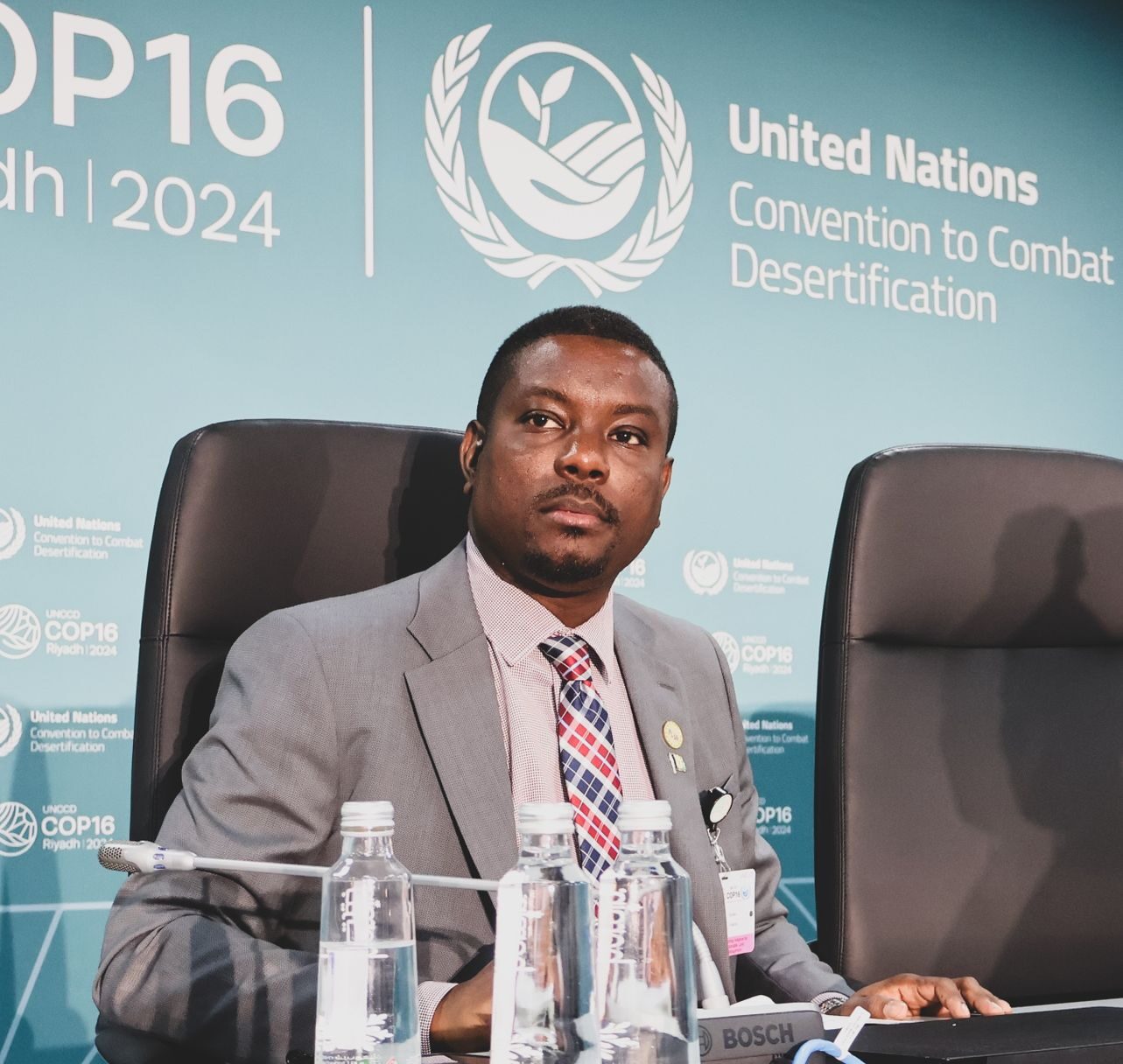
    Ahead of the 2026 Caribbean Broadcasting Union (CBU) Media Awards set to take place in Guyana this August, the Partnership Initiative for Sustainable Land Management (PISLM) has announced a major new sponsorship that places Caribbean land degradation and restoration at the center of regional media attention. The partnership will see PISLM fund three full award categories, two of which are specifically dedicated to elevating impactful reporting on land degradation neutrality: one for best television production and a second for best digital content. This targeted sponsorship forms part of a broader PISLM strategy to encourage more on-the-ground environmental reporting that humanizes the impacts of land degradation, while also highlighting the inherent resilience of Caribbean communities and their capacity to restore damaged ecosystems. The announcement was made by PISLM Executive Director Dr. Ronen Francis during the official launch of the CBU’s 57th Annual General Assembly and Media Awards on June 16, 2026. In his remarks at the event, Francis framed regional media not as passive observers of environmental change, but as core partners in advancing sustainable land management across the Caribbean. “The stories you tell shape the decisions that shape our land,” Francis told attendees, emphasizing that media fills a critical gap that technical research reports cannot address: by centering community experiences, media turns abstract ecological data into a lived reality that resonates with the public and policymakers alike. The Caribbean region is home to globally significant landscapes, boasting biodiverse rich ecosystems, fertile agricultural soils, and deep cultural ties between local communities and their traditional lands. But as small island developing states (SIDS), Caribbean nations face disproportionate pressure on their limited land resources. Competing demands for development, growing climate impacts, and accelerating land degradation have combined to erode core pillars of regional stability, including food security, clean water access, and long-term community resilience. According to Francis, PISLM’s sponsorship of the CBU media awards is directly aligned with United Nations Sustainable Development Goal 15 (Life on Land), the global target to halt and reverse land degradation worldwide. Beyond raising public awareness of the issue, the initiative aims to drive advocacy, hold decision-makers accountable, and amplify the work already underway across the region to restore damaged land. PISLM remains committed to long-term support for Caribbean media professionals working on environmental issues. The organization recognizes that regional journalists do more than just produce content: they shape public opinion, bring much-needed visibility to both the challenges and progress around land management in the Caribbean, and lay the critical groundwork for widespread land restoration across Caribbean Small Island Developing States (CSIDS). This story was distributed via NOW Grenada, which notes it is not responsible for the opinions and content expressed by contributing partners.

  • SADO announces St Andrew Festival 2026 Schedule of Activities

    SADO announces St Andrew Festival 2026 Schedule of Activities

    Community development leaders in St Andrew, Grenada have formally unveiled the complete lineup of activities for the highly anticipated 2026 St Andrew Festival, a multi-week celebration designed to highlight the parish’s distinct cultural identity, shared heritage, athletic talent, and tight-knit community bonds. Organized by the St Andrew’s Development Organisation (SADO), the 2026 iteration of the beloved local gathering aims to unite a diverse cross-section of attendees—from long-term residents and visiting guests to multi-generational families, young people, local community groups, and cultural tourists—through a dynamic slate of inclusive, public-facing events. The official launch of the festival took place Monday, 30 June 2026, at a ceremony hosted at Papa D’s in central St Andrew, kicking off months of planned festivities for the region.

    Delivering the keynote opening remarks at the launch ceremony was Honourable Delma Thomas, Grenada’s Minister for Mental Wellness and Sports, who reaffirmed the government’s full backing for the annual festival. Thomas emphasized that the gathering has grown into far more than a series of local events: it serves as a critical, ongoing platform for the parish to celebrate its unique communal identity, create meaningful opportunities for cross-generational connection, and give local creators and performers space to showcase the one-of-a-kind talents and traditions that set St Andrew apart.

    Joining Thomas in endorsing the festival was Livingston Nelson, Chief Executive Officer of the Grenada Cultural Foundation, who echoed calls for widespread public participation. “This festival belongs to the people of St Andrew,” Nelson noted, urging all residents to turn out, join in the fun, and honor the rich cultural legacy, deep-rooted heritage, and enduring community spirit that define the parish.

    A landmark addition to the 2026 festival lineup marks the first ever collaborative partnership between SADO and the local Big Parish Soccer Club, which will co-host the inaugural Rainbow City Festival Cup tournament as a core feature of this year’s celebrations. Rickey Aberdeen, a representative for Big Parish Soccer Club, welcomed the new collaboration, framing the joint venture as a meaningful milestone for expanding community engagement through accessible athletic programming. “This partnership is about more than football. It is about bringing communities together, creating opportunities for our young people, and adding another exciting dimension to the St Andrew Festival. We are proud to work alongside SADO to make this tournament a success,” Aberdeen explained.

    The 22-day soccer tournament is scheduled to kick off on 8 July and run through 30 July, with all matches hosted at St Andrew’s Victoria Park. Organizers project that the tournament will draw competitive teams and thousands of cheering supporters from every corner of the parish, making it one of the most well-attended events of this year’s festival.

    The full public schedule of confirmed 2026 St Andrew Festival events spans more than two months of programming: the Rainbow City Festival Cup runs 8–30 July at Victoria Park; an Emancipation Watch Night gathering will be held on 31 July; community-wide Emancipation Day Celebrations are scheduled for 1 August; the Roots and Rhythm: D Breadbasket Edition music and cultural event will take place on 2 August; and the popular local food showcase Flavours in D Forest is set for 15 August.

    SADO has issued a public call for all community members and visitors to engage with the full lineup of events, as the parish prepares to come alive with weeks of athletic competition, heritage celebrations, live music, cultural exploration, and collective joy. This report carries a standard disclaimer: NOW Grenada is not responsible for the opinions, statements or media content presented by third-party contributors, and invites users to click through official channels to report any content violations or abuse.

  • GSPCA announces temporary closure from 7 July 2026

    GSPCA announces temporary closure from 7 July 2026

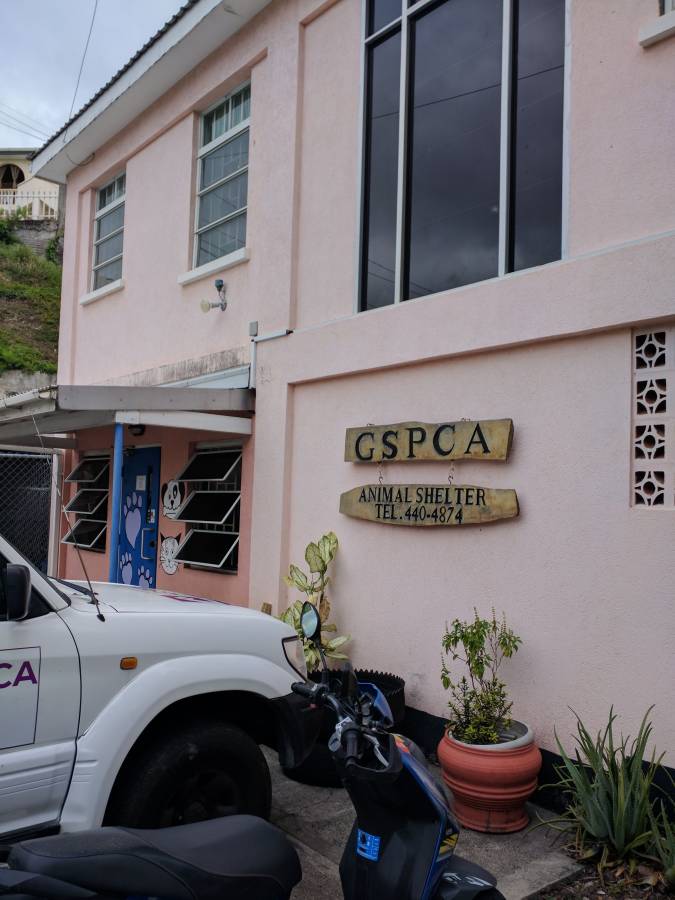
    Grenada’s only registered non-profit animal welfare organization and animal shelter, the Grenada Society for the Prevention of Cruelty to Animals (GSPCA), has announced plans to temporarily shut down its combined veterinary clinic and shelter starting July 7, 2026. The decision comes amid three pressing challenges: a current lack of a qualified veterinarian, urgent unmet funding needs, and the necessity to carry out a full restructuring of the organization’s day-to-day operations.

    Unlike many public welfare entities, GSPCA operates without any financial support from the Grenadian government, nor does it receive funding backing from St George’s University. For decades, the organization has relied entirely on two streams of revenue to keep its doors open: the voluntary generosity of private donors, and the small, limited income generated by its low-cost veterinary clinical services. These limited resources have allowed the organization to keep delivering life-saving and essential care to animals across the island of Grenada, but growing strain has made continued operations unsustainable in their current form.

    In recent years, GSPCA has faced a sharp surge in demand for its services, driven by a growing number of abandoned animal litters and an increase in complex, costly medical cases that stretch the organization’s tight budget and limited staffing capacity. To put this demand in perspective, the clinic treated more than 5,400 animal patients in 2025 alone — a figure that underscores the irreplaceable, critical role the organization fills for Grenada’s animal community and pet owners.

    As a foundational community institution that has served Grenada for decades, GSPCA is moving forward with the temporary closure while upholding its core responsibility to the animals already in its care. Even after the clinic shuts its doors to the public, the organization will continue to provide full-time care and support for the 90 animals currently housed at its shelter.

    GSPCA leadership has reaffirmed the organization’s unwavering commitment to its core mission of protecting animal welfare in Grenada, emphasizing that the continued support of local and international community members through donations, volunteer work, and promoting responsible pet ownership is more critical now than at any point in the organization’s history. To secure the long-term future of animal welfare services on the island, GSPCA stressed that it must develop a broader, more permanent funding model that can sustain its operations through periods of increased demand.

    As a vital community resource for Grenada, GSPCA’s long-term survival depends on collective commitment from government stakeholders, local community partners, and international supporters. Working together, these groups can help the organization restructure, resolve its staffing and funding gaps, and continue serving the island’s animal population for decades to come.

    *This note from outlet NOW Grenada: NOW Grenada does not take responsibility for opinions, statements, or media content shared by contributing organizations. To report content violations, follow the outlet’s designated reporting process.*

  • Ariza renames secondary schools scholarship in honour of Merryl Baptiste-Lord

    Ariza renames secondary schools scholarship in honour of Merryl Baptiste-Lord

    Grenada’s Ariza Credit Union has announced a meaningful change to one of its key community programs, rebranding its existing secondary school scholarship as the Merryl Baptiste-Lord Memorial Scholarship. The renaming pays tribute to the late Merryl Baptiste-Lord, a long-serving volunteer whose lifelong dedication to education and youth empowerment left a lasting legacy across both the credit union and the broader Grenadian community.

    Baptiste-Lord, affectionately known as Sister Baptiste-Lord by her colleagues, contributed more than 20 years of service to Ariza’s Scholarship Awards Committee. She stepped into the role of committee chair in 2012, a position she held steadily until her passing in April 2026. Widely admired for her relentless commitment to expanding educational access for young Grenadians, she played a foundational role in refining the scholarship program’s structure and supporting hundreds of students as they navigated their secondary education journeys.

    A lifelong educator by calling, Baptiste-Lord dedicated the vast majority of her professional and volunteer work to teaching, mentoring, and uplifting Grenada’s youth. Through her work on the Scholarship Awards Committee, she built personal connections with nearly every scholarship recipient and their families, offering consistent encouragement, practical guidance, and motivation as students worked toward their academic goals. Her warm, rousing speeches at annual scholarship award ceremonies became a beloved tradition, where she repeatedly highlighted education’s unique power to transform lives and open new opportunities. These addresses earned her deep respect from both Ariza members and the student community alike.

    In a statement released by the credit union, Ariza Board of Directors President Sister Alana Twum-Barimah praised Baptiste-Lord’s enduring impact. “Merryl Baptiste-Lord was the epitome of a dedicated educator,” Twum-Barimah said. “She exemplified every one of Ariza’s core values, and never missed an opportunity to emphasize how critical education is at every stage of life. Her passion for seeing students succeed shone through in every task she took on.”

    Beyond her work selecting qualified candidates each year, Baptiste-Lord went to extraordinary lengths to support recipients long after they received their awards. She maintained close track of students’ academic progress, followed their post-graduation professional achievements, and even retained the names of recipients from decades earlier, celebrating every milestone they reached with palpable pride. Her attention and care turned a simple financial award into a long-term support system for generations of young Grenadians.

    Today, the renamed scholarship continues the core mission Baptiste-Lord championed, carrying forward her values of commitment, academic excellence, perseverance, community service, and lifelong learning. Ariza Credit Union encourages all future recipients of the Merryl Baptiste-Lord Memorial Scholarship to embody these principles in their own academic and personal journeys.

    The scholarship provides five years of continuous financial assistance and institutional support to recipients throughout their secondary education, removing financial barriers that might otherwise prevent young people from reaching their full potential and achieving their academic dreams.

  • Liberty Caribbean zero-rates calls to Venezuela

    Liberty Caribbean zero-rates calls to Venezuela

    In the wake of a series of destructive earthquakes that have struck Venezuela, regional telecommunications provider Liberty Caribbean has rolled out an emergency initiative to eliminate all calling charges for mobile voice calls placed to the South American nation. The waiver applies to both prepaid and postpaid customers across the company’s entire operating footprint, and went into effect immediately upon announcement, running through July 6.

    The move is designed to remove financial barriers for customers who are seeking to check in on family members, friends and loved ones impacted by the seismic events, addressing the urgent need for reliable connectivity in the aftermath of a natural disaster. Britta Reinhardt, Chief Commercial Officer of Liberty Caribbean, explained the core motivation behind the emergency program, noting that connection is the top priority for communities when disaster strikes.

    “When natural disasters upend communities, the very first impulse for most people is to reach out to the people they care about. In these fragile moments, even a single phone call can deliver much-needed reassurance, a sense of hope, and critical comfort to people grappling with uncertainty,” Reinhardt stated. “We want our customers to understand that during this extraordinarily difficult time, staying in touch with their loved ones in Venezuela should be one less source of stress they have to handle.”

    As a regional telecom leader, Liberty Caribbean operates three major consumer and business brands across the Caribbean: Flow, Liberty Business, and BTC. Reinhardt emphasized that as a Caribbean-based company, the firm understands firsthand the fear and uncertainty that follows catastrophic natural events, and stands in solidarity with all those affected by the Venezuela earthquakes.

    “As a company rooted in the Caribbean, we are no strangers to the crippling uncertainty and overwhelming anxiety that comes in the wake of disasters like this,” Reinhardt added. “Our thoughts are with every person impacted by these earthquakes, especially our colleagues, our customers, and the broader Venezuelan community across our region who are waiting anxiously for news of their loved ones. This is exactly the moment when reliable connection matters more than anything else.”

    The zero-rate calling program is open to all eligible prepaid and postpaid mobile subscribers across Liberty Caribbean’s markets, covering calls made to Venezuelan phone numbers through the end of the support window. This report was carried by NOW Grenada, which notes that it is not responsible for the content or views shared by external contributors, and provides a channel for users to report any abusive content.

  • Today in history: Hurricane Beryl 1 July 2024

    Today in history: Hurricane Beryl 1 July 2024

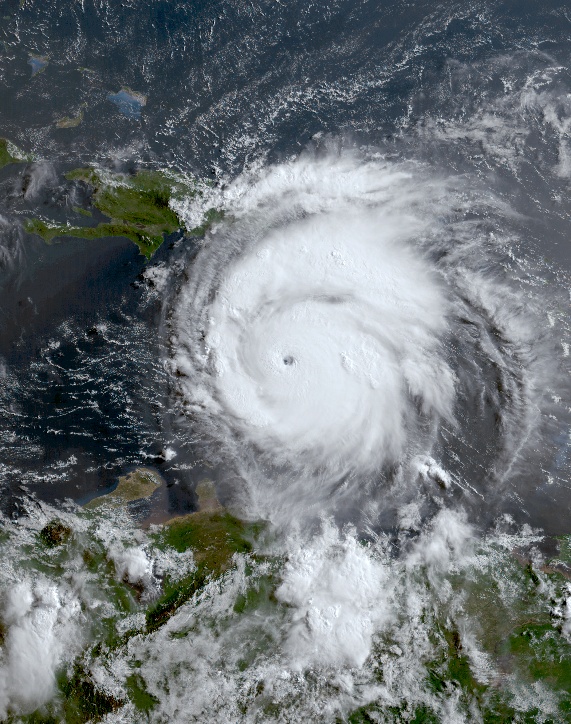
    On July 1, 2024, a meteorological anomaly that would go down in Atlantic storm history tore through the eastern Caribbean, leaving irreversible early-season destruction in its wake. Hurricane Beryl, which defied all typical seasonal timelines to become the earliest Category 5 hurricane ever recorded in the Atlantic basin and the strongest storm to form before the start of July, made landfall directly across Grenada and its neighboring island chain of St. Vincent and the Grenadines.

    Unlike the traditional Caribbean storm lore that holds “June too soon, August a must” for major hurricane activity, Beryl’s rapid, unexpected intensification caught the region off guard. Forecasters tracked the quickly strengthening storm’s trajectory toward northern Grenada and the small outlying sister isles of Carriacou and Petite Martinique through the early morning of July 1, and by mid-morning, the high-end Category 4 storm made its devastating direct hit on the two tiny islands.

    While portions of mainland Grenada sustained severe damage, Beryl’s eye tracked directly over Carriacou and Petite Martinique, turning their postcard-perfect tropical landscapes into a scene of widespread catastrophe within hours. Grenadian government officials confirmed that roughly 95% of all structures across the two isles suffered damage or were completely destroyed, with the vast majority of remaining buildings losing their roofs. When Prime Minister Dickon Mitchell conducted an early aerial survey of the damage, he summed up the scene simply as “complete devastation.”

    The storm claimed three lives in total, including one fatality on mainland Grenada when a falling tree collapsed onto a residential home. The near-total destruction of local communication networks delayed initial damage assessments for hours, leaving the central government unable to coordinate emergency response until lines of contact were finally reestablished. Once access was restored, first responders and assessment teams encountered a landscape stripped bare: uprooted, bare trees stood amid mountains of debris from collapsed buildings, and what had been a thriving community of cultural and natural beauty was left decimated.

    One year on from the catastrophic storm, however, a quiet story of resilience is unfolding across Carriacou and Petite Martinique. With support from mainland Grenada and international partners, local residents have made measurable progress picking up the pieces and rebuilding their lives and communities. While vegetation has regrown across the scarred landscape, the work of recovery remains far from complete. Countless private homes still await full reconstruction, many local businesses have yet to reopen, damaged coastal mangrove ecosystems need replanting, and daily life has not fully returned to pre-storm norms.

    Even amid the ongoing work, the islands’ vibrant cultural heritage has become a cornerstone of the recovery effort. Communities are looking forward to the return of beloved annual traditions, from Maroon Fest and Big Drum Dance to Sugaring the Piton, when the colorful performances of Shakespeare Mas will once again fill the streets of Hillsborough. These returning traditions stand as a testament to the enduring spirit of the islands, signaling that Carriacou and Petite Martinique are steadily working their way back to full strength.

  • Grenada’s Accountant General to chair regional public financial management engagement

    Grenada’s Accountant General to chair regional public financial management engagement

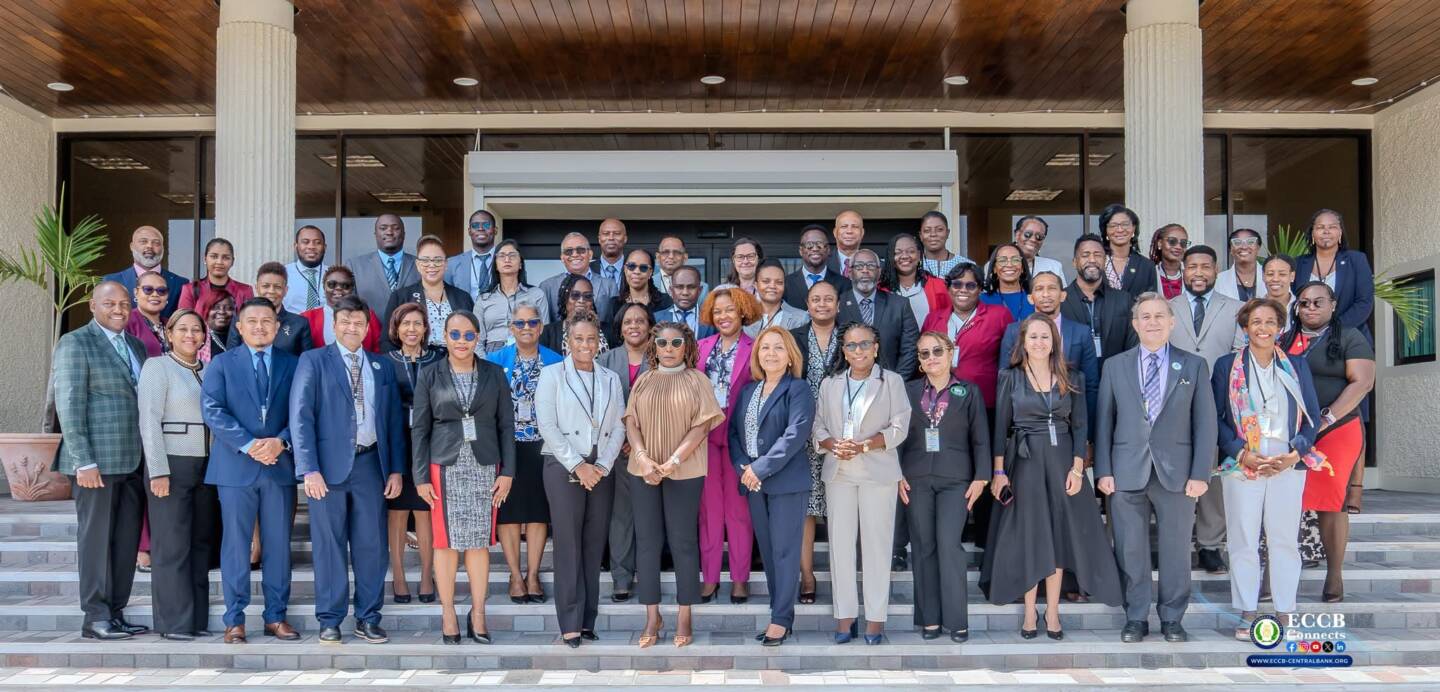
    From June 29 to July 1 2026, the Eastern Caribbean Central Bank (ECCB) headquarters in St Kitts and Nevis played host to a landmark regional gathering: the 2026 Caribbean Public Financial Management (PFM) and Public Expenditure and Financial Accountability (PEFA) Roundtable. Representing Grenada at the event was Natika Bain-Charles, the country’s top accounting official who also took on a new leadership role for the pan-Caribbean initiative during the roundtable.

    Bringing together accountants general from 19 Caribbean nations alongside seasoned public financial management practitioners, international development partners, leading regional institutions and specialized technical experts, the three-day roundtable was designed to confront shared systemic challenges and unlock collaborative opportunities to reinforce public financial management frameworks across the entire Caribbean region. The centerpiece of the opening day was two high-stakes components: the official Caribbean Accountant General Network Council Meeting and the long-awaited formal in-person launch of the regional network itself.

    Bain-Charles, who was formally appointed as Chairperson of the network’s Executive Committee during the gathering, led the council meeting through pivotal discussions that shaped the organization’s vision, core mission and long-term strategic trajectory. The meeting also included a knowledge-sharing exchange with the Forum of Governmental Accounting of Latin America (FOCAL), where representatives shared insights from FOCAL’s decades of work advancing regional cooperation, technical skills development, and cross-border dissemination of best practices across Latin America.

    Though the network was formally established during a virtual inaugural assembly held on December 10 2025, following months of iterative discussion among regional accounting leaders, public officials and international development partners, the St Kitts and Nevis launch marked its official entry into operational work. To date, 21 Caribbean countries have formally signed on to membership in the collaborative body.

    The network was founded to fill a critical gap in regional governance: it provides a structured, sustained platform for cross-border cooperation, peer-to-peer learning, targeted capacity building, and the exchange of specialized information and technical expertise between accountants general across the Caribbean. Beyond knowledge sharing, the organization also aims to drive greater harmonization of public sector accounting standards, operational practices and standardized terminology across all member states, streamlining regional financial cooperation.

    Addressing attendees at the official launch on June 29, Bain-Charles emphasized the historic nature of the moment. “Your presence at today’s historic launch is an indication of a shared commitment among Caribbean Accountant Generals and our Development Partners to build resilient public institutions, strengthen public financial management, and foster a community of practice that will benefit not only our respective countries but all Caribbean Citizens,” she said.

    Beyond the network’s founding activities, the full three-day roundtable program also included a dedicated Caribbean Public Financial Management Forum and a two-day intensive PEFA workshop. The workshop is designed to deepen participants’ understanding of the PEFA assessment framework, its core methodology, and how it can be leveraged to design and implement impactful public financial management reforms across member states.

    In her opening remarks to the PFM Forum, Bain-Charles framed the gathering as a turning point for regional financial governance. “Today marks a defining moment in the evolution of public financial management in the Caribbean, bringing us together as custodians of our region’s financial integrity, united by a common purpose. I encourage you to share your experiences and ideas on how we can further strengthen public financial management for the benefit of all Caribbean citizens,” she noted.

    The landmark roundtable and network launch was brought to fruition through a collaborative partnership between the Eastern Caribbean Central Bank, the Inter-American Development Bank, the World Bank, the Caribbean Regional Technical Assistance Centre and the PEFA Secretariat.

    Grenada’s central leadership role in the new network underscores the country’s longstanding commitment to advancing accountability, transparency, institutional capacity and robust financial governance across the Caribbean public sector. In a statement following the launch, Grenada’s Ministry of Finance expressed enthusiasm for the country’s role in the initiative, noting that it welcomes the opportunity to contribute meaningfully to regional dialogue and support the development of stronger, more resilient public financial management systems across the entire Caribbean region.