标签: Grenada

格林纳达

  • Sandals National Learn to Swim Week. We Ready!

    Sandals National Learn to Swim Week. We Ready!

    Grenada is gearing up to host its annual Sandals National Learn to Swim Week between July 6 and 10, capping off a foundational instructor upskilling program that aims to raise the bar for swimming education across the island nation, including its smaller sister islands Carriacou and Petite Martinique. This year’s event brings a major upgrade to local swim instruction: for the first time, Grenadian instructors have completed the internationally accredited Discover Water Swim Instructor Course developed by global governing body World Aquatics.

    The rollout of the program traces back to earlier this year, when the Grenada Amateur Swimming Association (GASA) sponsored Tara Baksh, Grenada’s newly appointed national Discover Water lead, to attend a specialized training conference in Aruba. Baksh returned with full certification to deliver the World Aquatics-endorsed curriculum to local instructors, marking the first time the standardized program has been brought to the country.

    Unlike traditional training that focuses heavily on stroke technique, the Discover Water program takes a holistic approach to building capable, confident swimmers. Beyond core swimming skills, the curriculum trains instructors to embed water safety, survival protocols, critical decision-making in aquatic environments, and confidence-building into every lesson. All participating instructors also completed full CPR certification as part of the training. The program emphasizes modern, child-centered teaching methods designed to make lessons more engaging, fun, and effective for young learners.

    Reflecting on the recent training sessions for local instructors, Baksh highlighted the high level of engagement among participants. “The instructors were engaged, eager to learn, and willing to participate both verbally and practically. I felt I was able to demonstrate how to incorporate fun into every lesson while still teaching children the core swimming skills they need,” Baksh said. She noted that while local instructors already had foundational teaching experience, the program added critical new tools to their practice: “This course has provided them with valuable tools for communicating more effectively with younger swimmers, so they understand what they are doing, why they are doing it, and how to think critically and solve problems in the water.”

    Looking forward, Baksh and local swimming advocates have ambitious plans to embed this global training standard into Grenada’s national swimming ecosystem. She aims to make the Discover Water certification a permanent core requirement for all new swim instructors in the country, through ongoing collaboration with GASA and local non-profit Get Grenada Swimming. Longer-term goals include expanding the child-centered teaching methods to primary schools and after-school programs across all three islands.

    This year’s Sandals National Learn to Swim Week will run from 9 a.m. to 12 p.m. daily across 15 different locations spanning Grenada, Carriacou and Petite Martinique. The event is coordinated by Get Grenada Swimming in partnership with Sandals Grenada, aligned with the organization’s long-running mission to ensure every child in Grenada has access to free swimming training, an essential life-saving skill. For families unable to join during the official event week, additional follow-up lessons will be offered between July 13 and 24 at six participating locations: Grand Anse, Grand Mal, Gouyave, St Mark, Sauteurs, and Grenada Marine in Corinth. These extended sessions are run in partnership with the Ministry of Sports’ Holiday Recreation Programme.

    With a cohort of newly certified instructors, evidence-based global teaching methods, and expanded access across the country, 2025’s Learn to Swim Week is positioned to be the most impactful iteration of the event to date. All lessons offered during the initiative are completely free for participants. Families interested in registering their children can sign up through the official Get Grenada Swimming website at www.getgrenadaswimming.com, or direct questions to the event hotline at 404-5237.
  • International Day of Co-operatives, 4 July 2026

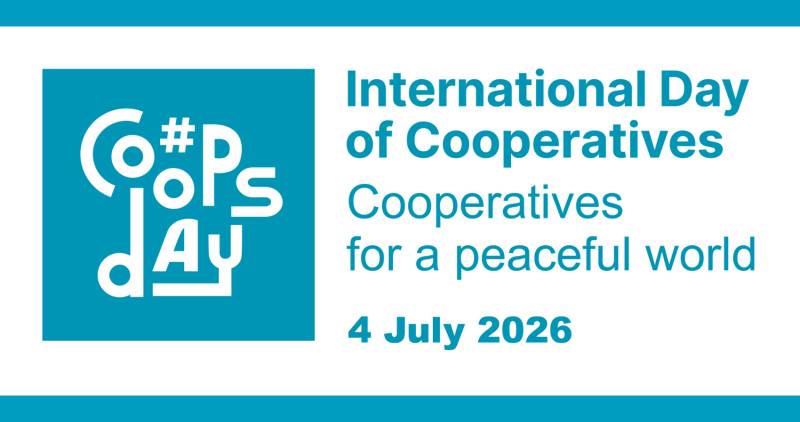
    International Day of Co-operatives, 4 July 2026

    The 2026 International Day of Cooperatives will be marked across the globe on Saturday, July 4, with this year’s campaign centered on the powerful theme “Cooperatives for a Peaceful World.”

    This annual global observance has a deep-rooted history stretching back more than 100 years, earning official United Nations recognition in 1995. It was established to shine a spotlight on the unique and far-reaching contributions cooperative enterprises make to global peacebuilding, social cohesion, and inclusive sustainable development. Beyond celebration, the day functions as a critical global platform to boost public understanding of how cooperative models strengthen local communities and drive equitable economic growth that benefits all members of society, rather than just a select few.

    The 2026 theme is intentionally aligned with United Nations Sustainable Development Goal 16, which calls for Peace, Justice, and Strong Institutions. The framework underscores a core truth: lasting peace can only take root where fairness, equal access to opportunity, and widespread social trust are prioritized. Cooperatives are uniquely positioned to cultivate these foundational conditions, through their structure that ensures broad sharing of economic gains, builds community resilience in the face of crisis, and encourages cross-group collaboration that bridges divides along ethnic, economic, and social lines.

    Across sectors, cooperative models have delivered tangible, life-changing impact around the world. Agricultural cooperatives have boosted food security by connecting smallholder farmers to resources and markets, lifting rural livelihoods out of poverty. Community-focused credit unions have expanded affordable access to financial services for groups historically excluded from traditional banking systems. Worker-owned cooperative enterprises have created stable, dignified employment that gives working people direct agency over their labor and working conditions.

    In Grenada, local organizers are preparing a full slate of community-focused events to mark the occasion. The Grenada Co-operative League Ltd (GCLL) has partnered with the country’s Department of the Co-operatives to roll out a series of public engagement activities. The centerpiece of the local calendar is Co-operative Fair 2.0, set to take place on Friday, July 3 – one day ahead of the official global observance – at the Esplanade Mall Courtyard in St George’s, running from 10 a.m. to 4:30 p.m. At the fair, dozens of local cooperatives will set up displays to demonstrate how core cooperative values – including voluntary open membership, democratic member control, and a prioritization of community well-being – translate into tangible, positive impact for Grenada’s residents.

    This report was published by NOW Grenada, which notes that it is not responsible for the opinions, statements, or third-party media content shared by contributors to the outlet. Readers are invited to flag any abusive content via the outlet’s official reporting channel.

  • GTA and IMA Grenada integrate tourism and investment strategy

    GTA and IMA Grenada integrate tourism and investment strategy

    In a significant move to boost Grenada’s long-term economic growth and global visibility, the Grenada Tourism Authority (GTA) and the Investment Migration Agency Grenada (IMA) have formalized a groundbreaking strategic partnership designed to align the Caribbean nation’s tourism promotion and investment migration initiatives.

    The binding Memorandum of Understanding (MOU) for the collaboration was signed on June 17, 2026, creating a structured operational framework that addresses key overlapping areas between the two sectors. These core collaborative domains include unified destination branding, attraction of foreign direct investment, coordinated international reputation management, and shared commitment to inclusive sustainable development.

    Under the terms of the new agreement, the two agencies will synchronize their global outreach efforts to deliver a cohesive message about Grenada’s value as a multi-faceted destination: one that welcomes both leisure and business travelers, offers high-value residence options, and delivers strong returns for long-term international investment. Key aligned activities include joint participation in global trade and investment missions, harmonized public messaging across all markets, and strategic sharing of actionable market intelligence to strengthen evidence-based decision making for both organizations.

    Stacey Liburd, Chief Executive Officer of the Grenada Tourism Authority, emphasized that the partnership marks a pivotal shift toward a more integrated approach to positioning Grenada on the global stage. “This Memorandum of Understanding represents a deliberate move towards a more unified national positioning strategy. Tourism and investment migration both influence how Grenada is experienced and understood globally,” Liburd explained. “By aligning our efforts, we strengthen our ability to present a clear, credible and competitive value proposition that supports sustainable growth and long-term national development.”

    Thomas Anthony, CEO of the Investment Migration Agency Grenada, echoed this sentiment, noting that the MOU brings much-needed structure and clarity to areas where the two agencies’ mandates naturally intersect. “This collaboration provides a defined framework for coordination while maintaining the integrity of each agency’s mandate,” Anthony said. “As Grenada continues to attract growing interest from both visitors and investors across the globe, this level of alignment ensures that all engagement is strategic, consistent, and directly beneficial to the country’s broader economic objectives.”

    Beyond global outreach and branding, the partnership also includes commitments to joint stakeholder engagement and targeted capacity-building programs. These initiatives will focus on high-priority areas including integrated international marketing, investor relations best practices, enhanced compliance awareness, and proactive reputational risk management.

    Industry observers note that by formalizing this cross-sector partnership, Grenada has pioneered a more coordinated model of national destination development. In this new framework, tourism promotion and investment migration operate as complementary, mutually reinforcing drivers that build international confidence, increase global visibility, and strengthen the nation’s long-term economic resilience.

    This report is based on a contributor submission to NOW Grenada, which holds no liability for contributor-provided content or opinions.

  • National Spice Replanting Day mobilises every parish

    National Spice Replanting Day mobilises every parish

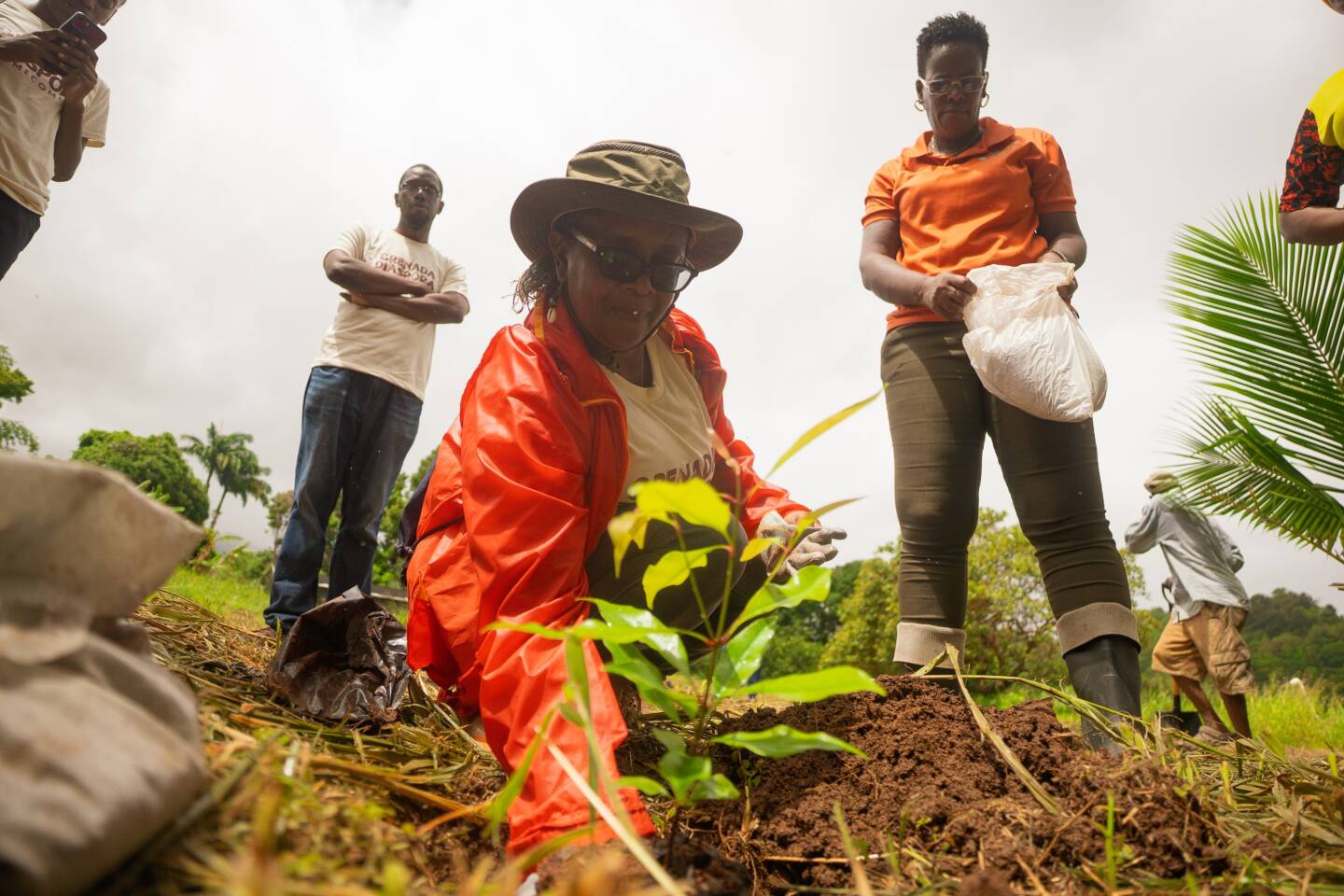
    On Sunday, June 28, every single parish across the Caribbean island nation of Grenada came together for the first National Spice Replanting Day, a nationwide collective effort that brought hundreds of volunteers together to nurture and reinforce the country’s world-famous spice agricultural legacy.

    Organized as a flagship community initiative under the banner of Grenada Diaspora Homecoming 2026, the event drew participation from a diverse cross-section of the population: local residents, Grenadian nationals returning from overseas, grassroots community groups, and independent volunteers all joined forces for a shared mission rooted in national pride, agricultural renewal, and collective environmental stewardship. Framed around the theme “From Roots to Legacy”, the initiative was designed to strengthen Grenada’s centuries-old agricultural heritage while cementing the country’s beloved global nickname as the “Spice Isle” for future generations.

    Across all participating communities, volunteers spent the day working side-by-side to plant native spice saplings, contributing to a national strategy to boost domestic agriculture, restore declining spice crop populations, and honor the centuries-deep connection between Grenada’s land, its people, and its cultural identity.

    Senator Roderick St Clair, speaking on behalf of event organizers, highlighted that the unprecedented full-parish turnout underscored both the power of collective community action and the critical importance of protecting Grenada’s distinct agricultural identity. “National Spice Replanting Day was far more than just a routine tree-planting exercise,” St Clair explained. “It was a public declaration of shared national responsibility. Every volunteer who showed up across every parish, who put their hands into Grenada’s soil, did more than just plant trees. They helped secure a legacy that is woven into the very fabric of Grenadian life: our rural communities, our centuries-long agricultural history, and our core national identity.”

    Beyond its agricultural and environmental goals, the event also served as a key test of the core mission of the Grenada Diaspora Homecoming 2026, an initiative designed to re-connect Grenadians living overseas with their home country and create meaningful opportunities for them to contribute to national development. Organizers emphasized that the full islandwide participation perfectly embodied the spirit of the Homecoming project, which centers on five core pillars: reconnection, collective contribution, cultural celebration, community building, and shared national purpose.

    (Disclaimer: NOW Grenada holds no responsibility for the opinions, statements, or third-party content shared by contributors to this report. To report abusive content, please follow the platform’s designated reporting procedure.)

  • By The Waterfall Inc. vacancy: Housekeeper

    By The Waterfall Inc. vacancy: Housekeeper

    A Caribbean-based firm called By The Waterfall Inc., located in Grand Bras, St Andrew, Grenada, has publicly posted an open employment vacancy for the full-time position of Housekeeper. One core non-negotiable requirement for all candidates applying to the role is proficiency in the Ukrainian language, a specification that stands out in Caribbean regional hiring listings.

    Interested individuals who meet the language and role requirements are instructed to submit their formal applications exclusively via email to the address [email protected]. The company has set a firm application deadline of 22 July 2026, meaning all submission materials must be received by the hiring team before this date to be considered for the position.

    As the hosting platform for the job posting, NOW Grenada has issued a standard content disclaimer: the platform is not liable for the views, statements, or any third-party contributed content published through its classified listings. The portal also notes that users can flag any inappropriate or abusive content associated with the posting through a dedicated reporting channel on the site.

  • Why teach mental health?

    Why teach mental health?

    For generations, formal education has prioritized building academic skills: math to solve quantitative problems, English to communicate clearly, and other core subjects to prepare young people for the workforce. But one critical life skill has been consistently left out of standard curricula: how to understand and care for our own minds when thoughts turn against us. Most adults have had to navigate emotional turmoil and mental health challenges alone, figuring out coping mechanisms through trial and error rather than intentional guidance. This gap is why Dr. Ishma Harford, a Grenadian medical doctor and Commonwealth Scholar, argues that mental health education must be integrated into standard K-12 schooling as deliberately as any other core subject.

    Adolescence is a uniquely precarious developmental period, making it the ideal window for targeted mental health education. This life stage is marked by rapid emotional, physical, and social upheaval: teens leave the protective bubble of family to seek their own place in the broader world, their sense of validation shifts from parents to peers, and the uncertainty of looming adulthood often feels overwhelming. It is also when the earliest signs of most mental health conditions begin to emerge. Anxiety, the most prevalent mental illness globally, offers a stark example: more than half of all lifetime anxiety disorders show detectable symptoms before a person turns 18.

    Far from being just a period of chaos, adolescence is also a formative window where lifelong habits and self-perceptions are cemented. What young people learn about processing emotion and caring for their mental health during these years shapes how they relate to themselves for the rest of their lives. Without intentional guidance, teens often develop harmful survival mechanisms that harden into long-term patterns of low self-esteem, self-doubt, and repressed emotion. Proactive mental health education, Harford argues, can turn this vulnerable period into an opportunity: it can teach teens to thrive, not just survive, by introducing concepts like self-compassion, emotional intelligence, and how to seek help when struggling before harmful patterns become ingrained.

    So what would an effective school mental health curriculum actually teach? Harford outlines a core set of accessible, human-centered lessons that normalize common adolescent experiences. It would teach that uncertainty is a universal part of the human condition, not a personal failure; that occasional sadness is normal, and there are safe spaces to be vulnerable; that not having your entire future figured out as a teen is not a flaw, but a natural part of growing up; that the overwhelming crises that feel earth-shattering in the moment will fade over time; and that physical signs of nervousness like shaking hands or a quivering voice do not make you weak.

    It would also emphasize that emotional experience comes first – we cannot simply think or reason away fear. The emotions teens feel may feel unique to their circumstances, but they are shared by every generation of young people that has come before them. Resilience, the ability to learn and grow from failure and rejection rather than being broken by it, is not an innate trait you are born with: it is a teachable skill.

    Critics often argue that if most adults are still navigating their own mental health, how can we expect to teach these skills to teens? But that argument misses a key point: the ability to step back from a stressful experience, contextualize it, and speak to oneself with compassion is still developing during adolescence. Expecting teens to master this skill on their own, without any formal guidance, is like asking them to build a house without ever being taught how to use a hammer.

    Leaving mental health education to chance has real, harmful consequences. When schools do not intentionally teach emotional literacy, teens still learn lessons – they just learn them indirectly, and often incorrectly. A boy might absorb the idea that vulnerability is unworthy of respect, and that the world only wants to hear him say he is fine even when he is hurting. A teen whose every worry is brushed off with “you’ll be fine” may internalize that no one cares to understand their pain. These learned patterns get passed down from generation to generation, creating a cycle of silence and inaction that is hard to break.

    A intentional, professionally taught mental health curriculum, supported by families that understand its importance, sends a clear message: a person’s inner emotional world matters just as much as their outer achievements. It gives young people the vocabulary to name what they are feeling, and a clear path to reach out for help instead of turning inward and suffering alone.

    Right now, Harford notes, many young people in Grenada and across the globe are still being taught (often unconsciously) that the bravest thing to do when struggling is to stay silent and push through. As Men’s Mental Health Awareness Month draws to a close, the question we all have to answer is whether we have the courage to break this harmful pattern – a pattern that traps not just young men, but people of all genders and all ages.

    This commentary comes from Dr. Ishma Harford, a medical doctor and Commonwealth Scholar pursuing a master’s degree in Health Analysis, Policy and Management. *The Health Imperative*, the column where this piece appears, is a politically neutral educational platform focused on health, health systems, and their broader societal impacts. NOW Grenada notes that it is not responsible for the opinions and statements shared by contributing writers.

  • The Carenage comes alive for 3rd annual We Pan Fest

    The Carenage comes alive for 3rd annual We Pan Fest

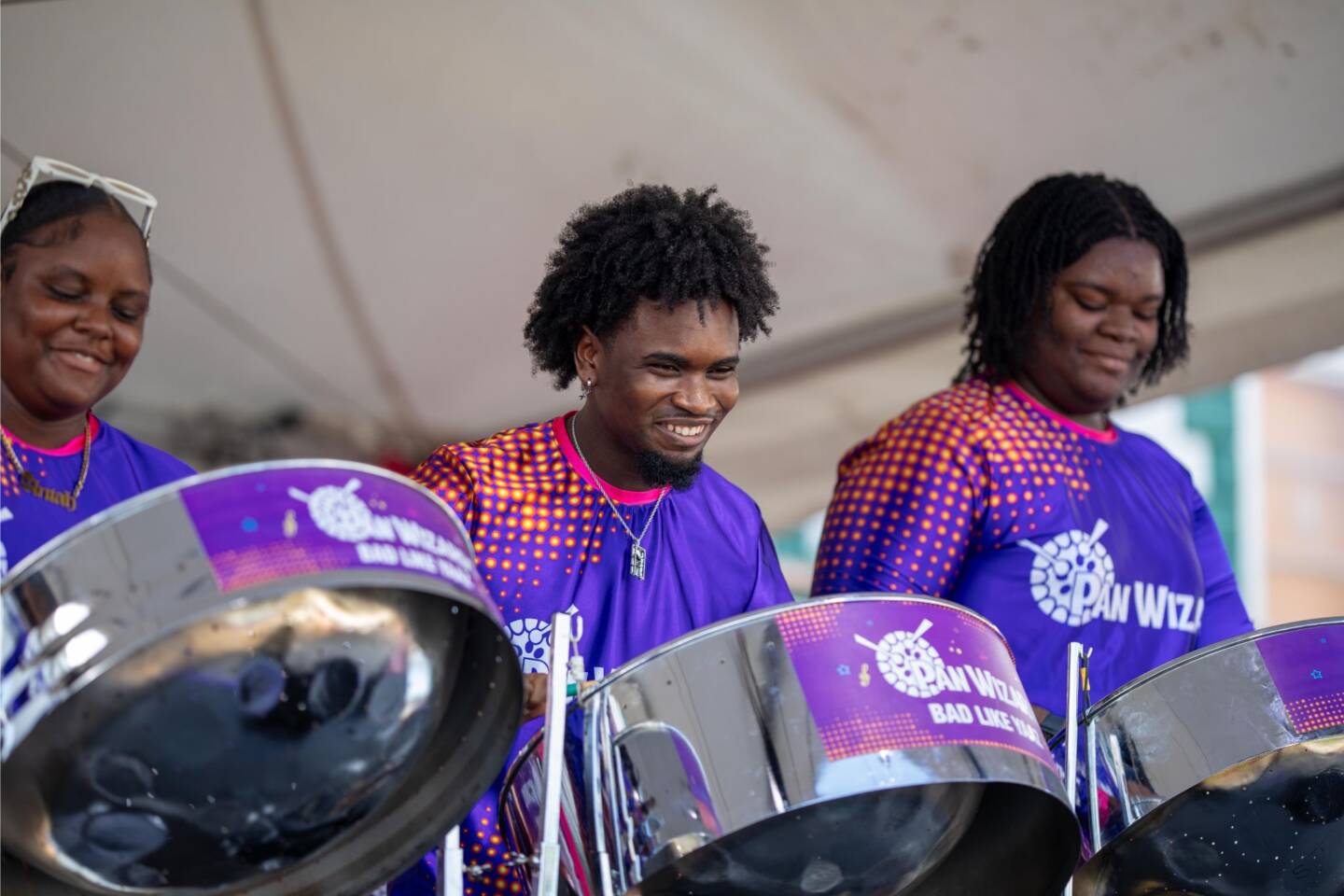
    On Sunday, June 28, 2026, the waterfront district of The Carenage in Grenada transformed into a vibrant hub of rhythm, joy, and communal connection, as the third annual We Pan Fest kicked off at the Pedestrian Plaza. The one-day cultural gathering united hundreds of attendees spanning generations—from local families and emerging steelpan musicians to established performing artistes, small business vendors, and out-of-town patrons—all gathered to honor one of Grenada’s most cherished cultural traditions.

    Organized by Senator Claudette Joseph in partnership with the local Carenage community, the festival carries a dual mission: to preserve and elevate Grenada’s iconic steelpan heritage, while creating tangible economic and social opportunities for local creators and small entrepreneurs. For Senator Joseph, the event is far more than a concert—it is a vehicle for community-building rooted in shared cultural identity.

    “We Pan Fest continues to reflect my mission of community development through culture, togetherness and opportunity,” Joseph shared in her remarks during the festival. “It is a joy to see The Carenage filled with families, musicians, vendors and residents celebrating something that belongs to all of us. This is how we build pride in our communities and create spaces where people feel connected.”

    This year’s iteration marked notable growth for the still-young festival, expanding its steel orchestra lineup from four groups in 2025 to six ensembles in 2026, giving attendees a broader, more dynamic showcase of Grenada’s thriving steelpan movement. The lineup welcomed first-time participant Corinthians Steel Orchestra, alongside returning favorites including River Road Pan Wizards, Republic Bank Angel Harps, IMA Rainbow City All Stars, Nexa New Dimension, and the reigning Panorama Champions Co-op Bank Commancheros.

    Beyond steelpan performances, the full evening of entertainment featured a diverse lineup of homegrown Grenadian vocal and performance artistes, including Blaka Dan, General PP, Temptress, L.E.D. Bad Artiste, Zeal, Khaos, Alma Boy, Hitz, and Yung Pert, with acts curated to appeal to attendees of all age groups.

    The festival also incorporated heartfelt commemorative moments that honored the legacy and community of steelpan in Grenada. Aligning with the seasonal timing of the event, Senator Joseph led a tribute to recognize the lifelong contributions of fathers who have dedicated their time and talent to advancing the steelpan art form. Attendees also paused for a moment of silence to honor pan players who had passed away in the 12 months leading up to the festival, acknowledging their enduring impact on Grenada’s cultural landscape.

    The event earned high-level support from Grenada’s national leadership, with Prime Minister Dickon Mitchell making a special appearance to greet the crowd and deliver a short address affirming his backing for the festival and the broader Grenadian steelpan community. Mitchell also posed for photos with the newly formed Corinthians Steel Orchestra during his visit.

    As the final notes of the evening rang out across The Carenage, organizers expressed their sincere gratitude to every group and individual that contributed to the festival’s success, including performers, vendors, corporate sponsors, volunteer staff, the production team, the Royal Grenada Police Force, and every patron who attended. Already, planning work is underway for the 2027 edition of We Pan Fest, which is scheduled to take place on Father’s Day, as the event solidifies its place as one of Grenada’s premier annual celebrations of culture, community, and national pride.

  • Nexen Family Health vacancy: Receptionist

    Nexen Family Health vacancy: Receptionist

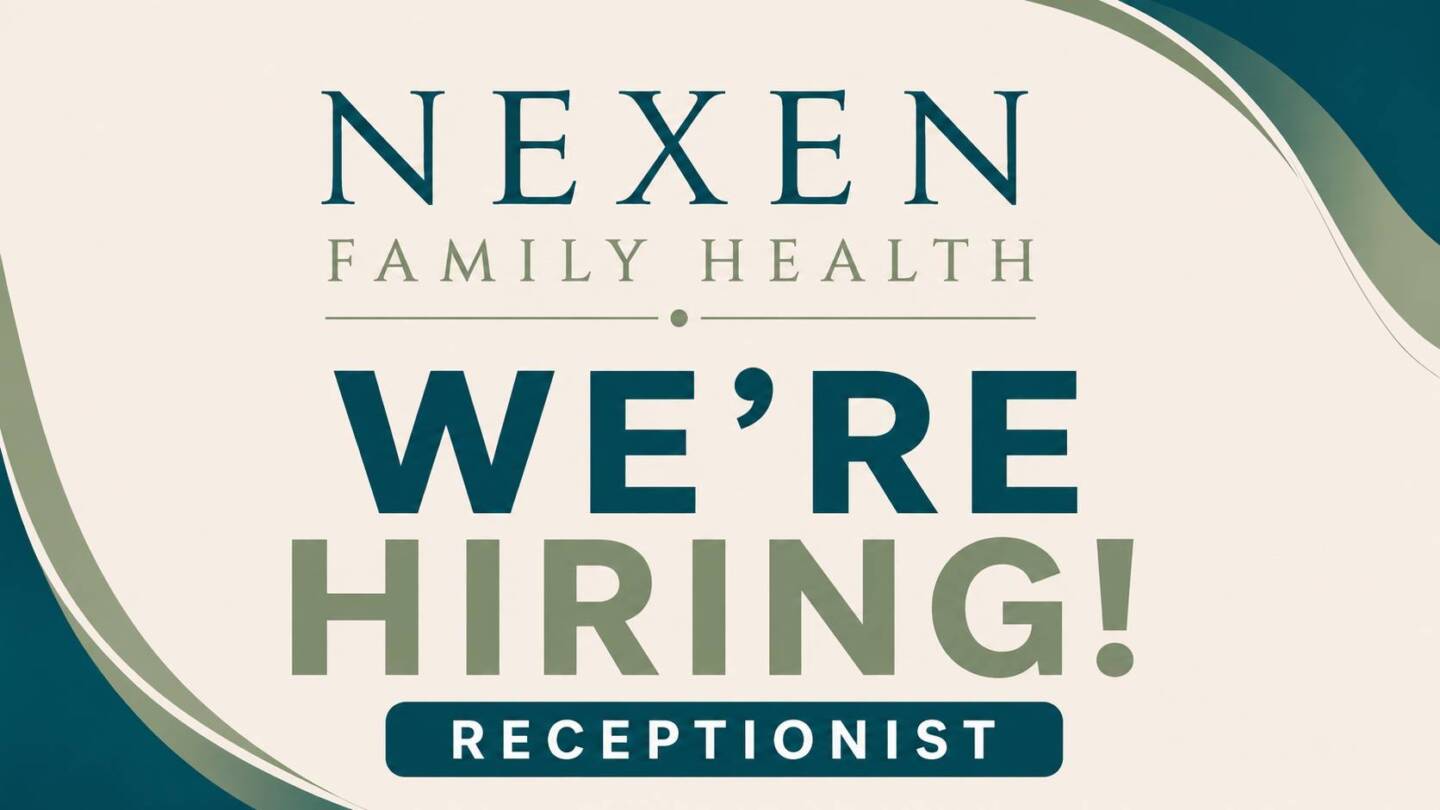
    A new patient-focused general practice is gearing up for its official opening in Perdmontemps, St David, and has launched a search for its very first team member to fill the receptionist role. Nexen Family Health, which is scheduled to welcome its first patients in August 2026, is looking for a candidate who brings a friendly demeanor, strong professional ethics and solid organizational skills to join its growing team in a modern, newly built healthcare facility.

    As the first point of contact for every patient walking through the practice’s doors, the incoming receptionist will hold a core role in shaping patient experiences at Nexen Family Health. Their key duties will cover a broad range of front-of-house and administrative tasks: delivering consistently exceptional customer service to foster a warm, welcoming environment for all visitors; greeting and registering patients with courtesy and professionalism; managing and coordinating patient movement throughout the practice to keep daily operations running smoothly; responding to incoming enquiries via phone calls, emails and WhatsApp; maintaining up-to-date, accurate patient documentation and completing routine administrative work; processing patient payments and issuing official receipts; and keeping the reception area clean, tidy and welcoming at all times.

    To be considered for the role, candidates are expected to meet several core requirements. Strong verbal communication and interpersonal skills are a must, as the role involves constant interaction with patients, clinical staff and third-party partners. Candidates must also present a professional appearance and demeanor, have proficient working knowledge of common digital tools including Microsoft Word, Excel, email platforms and WhatsApp, demonstrate the ability to juggle multiple tasks simultaneously while staying calm during busy periods, and prove to be a reliable team member with consistent punctuality. While previous experience working in customer service or the healthcare sector is considered a valuable advantage, it is not a mandatory requirement for applicants. Nexen Family Health has confirmed that it will provide full, tailored training to the successful candidate to help them adapt to the role.

    The successful applicant will work a set weekly schedule that includes 8:00 am to 4:00 pm from Monday through Friday, and 8:30 am to 2:30 pm every Saturday, with full days off on Sundays, giving consistent work-life balance for the role.

    Individuals interested in applying for the position are asked to submit their curriculum vitae along with either a brief cover letter or a short personal introduction to the Hiring Manager. Applications can be sent via email to [email protected] or through WhatsApp to 473-456-3936. The closing date for all applications is 10 July 2026, and late submissions will not be considered.

    This recruitment posting is featured on NOW Grenada, which notes that it does not take responsibility for the opinions, statements or any third-party content shared by contributors. Users can access a reporting link to flag any abusive content related to the posting.

  • Tropical Weather Outlook:  Monday, 29 June 2026 (8 am)

    Tropical Weather Outlook: Monday, 29 June 2026 (8 am)

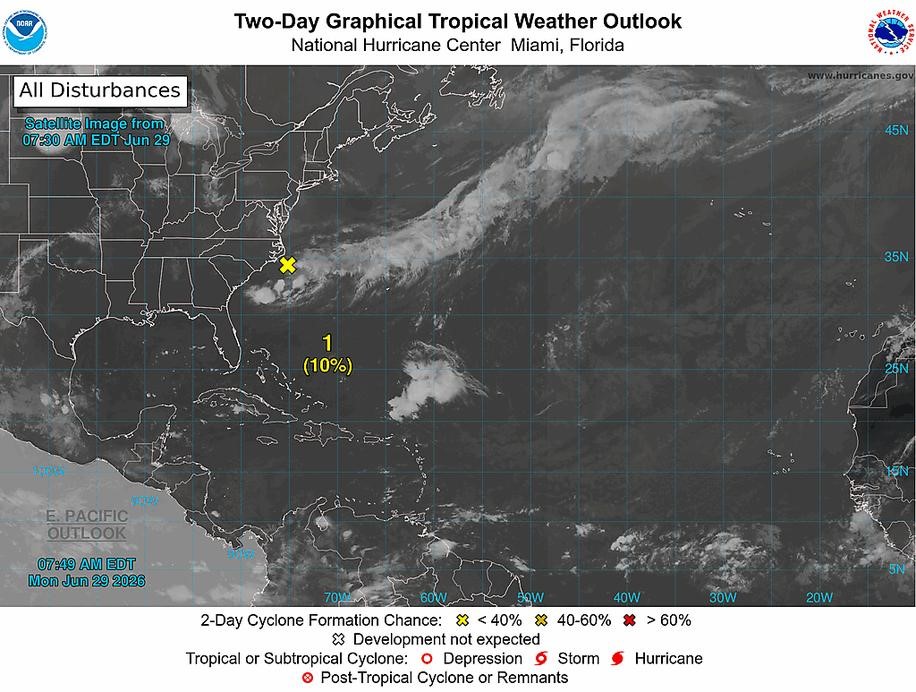
    Officials from the Meteorological Services, MBIA under the Grenada Airports Authority (GAA) have issued an updated tropical weather outlook covering the Tropical North Atlantic Ocean, Caribbean Sea, and Gulf of Mexico, highlighting two active disturbances being tracked as of this update.

    The first system, marked as a low-pressure disturbance located off the southeastern coast of the United States, sits embedded along a stationary frontal boundary. The system currently maintains a disorganized structure of scattered showers and active thunderstorms. According to forecasters, environmental conditions in the region are only marginally conducive to limited tropical cyclone development over the next 48 hours as the system is projected to drift southward initially before shifting westward. Later this week, conditions are expected to degrade further, making cyclone formation even less likely. Meteorologists assign just a 10% chance of development over both the 48-hour and seven-day forecast windows.

    A second system, a tropical wave located in the central Atlantic, currently has its axis positioned along the 58th meridian west, stretching to the south of 14 degrees north latitude. The system is tracking westward at a speed of 10 to 15 knots, with scattered moderate convection concentrated along the wave axis and north of 6 degrees north latitude. Forecasters project the wave will pass over the island nation of Grenada between Monday night and Tuesday, bringing periods of cloudy conditions, light to moderate rain showers, and a chance of isolated thunderstorms to the area.

    In addition to the two monitored systems, forecasters confirmed that no additional tropical cyclone activity is expected across the entire monitoring area over the next 48 hours. This official update is scheduled to be next refreshed at 2 pm local time. The outlook was published by NOW Grenada, which notes it is not responsible for content or opinions shared by contributing agencies, and provides a channel for users to report problematic content.

  • Cross-border Inheritance and compliance considerations

    Cross-border Inheritance and compliance considerations

    For centuries, Caribbean migration has reshaped global communities, with millions of Caribbean-born people building new lives across North America, Europe, and beyond while retaining deep cultural and property ties to their home islands. What once operated as an informal, trust-based arrangement for cross-border family assets, however, has grown increasingly complex in the modern era of regulatory compliance, according to Kevon K K Charles, a Grenada-based attorney with dual admission to practice in Grenada and Trinidad and Tobago.

    Charles, who specializes in estate law, notes that many of the most complicated estate cases he handles start with a deceptively simple line: All of the estate’s beneficiaries live outside of the country where the assets are held. This pattern is nothing new: generations of Caribbean families have seen children leave the islands for opportunities abroad, settling in New York, Toronto, London, Trinidad, and other destinations, while family property and assets remain in the home jurisdiction, such as Grenada. But when a family member passes away, what was once uncomplicated shared family property becomes an inheritance matter spanning multiple legal systems, regulatory regimes, and financial institutions.

    “One of the Caribbean’s greatest exports has always been its people,” Charles explains. Today, it is extremely common for an estate to hold property in one Caribbean jurisdiction, have beneficiaries residing in a second country, and manage assets through financial institutions based in a third. Unlike decades past, modern estate administration does not stop at a country’s border; legal teams must navigate conflicting local laws, differing banking requirements, and layered global compliance standards all within a single inheritance case.

    Locating dispersed beneficiaries is rarely the hardest part of the process, Charles stresses. The biggest challenge comes from meeting the strict verification requirements set by financial institutions and legal bodies that control access to the deceased’s assets. Banks routinely demand certified government-issued identification, proof of permanent address, detailed tax information, and additional anti-fraud verification before releasing any funds to foreign-based beneficiaries. Attorneys working on the case often must obtain apostilled authenticated documents or formal grants of representation recognized in multiple countries. Even transferring real estate requires compliance with property laws in all involved jurisdictions, turning what should be a private family matter into a formal international transaction.

    Charles says one of the most frequent questions he receives from families is equally straightforward: If my brother lives in Canada, why can’t we just transfer his share of the inheritance directly to him? Legally, the transfer may be permitted, but practically, large cross-border transfers trigger automatic additional scrutiny from global financial institutions, especially when the recipient has no prior relationship with the sending bank or the purpose of the transfer is not immediately clear. This does not mean the transfer is blocked entirely, Charles clarifies, but it does mean families must follow a lengthy, multi-step process to complete the transaction.

    A major shift from past generations is the new centrality of formal documentation. While mid-20th century Caribbean estate matters relied heavily on interpersonal trust within families, modern inheritance requires extensive paperwork to move forward. Death certificates, formal grants of representation, government-issued identification, proof of address, source of funds verifications, and tax declarations – documents that were once considered secondary are now core to processing an estate efficiently.

    From his daily practice handling multi-jurisdictional estates, Charles has observed that inheritance law still formally defines who is entitled to receive a deceased’s assets. But modern global compliance frameworks ultimately dictate when and how those beneficiaries will actually gain access to their lawful inheritance. As he notes, the pattern of Caribbean migration created this new landscape: the grandparents of current families left the Caribbean seeking opportunity abroad, built wealth in their new host countries, and retained property and roots back in their home islands. Today, the estates they leave behind span oceans, not just islands, with beneficiaries scattered across multiple countries and assets split between jurisdictions to match.

    This analysis forms part of a ongoing series examining the shifting relationship between wealth, property ownership, and regulatory compliance across the Caribbean. NOW Grenada notes it is not responsible for the opinions or content shared by contributing writers, and invites readers to report any abusive content through official platform channels.