标签: Grenada

格林纳达

  • Superfund B Holdings: Advertisement of board resolution

    Superfund B Holdings: Advertisement of board resolution

    Pursuant to the provisions of Grenada’s Companies Act No. 35 of 1994 and the internal articles of association governing Superfund B Holdings, Inc., the firm’s board of directors has formally adopted a unanimous board resolution. This resolution carries the full legal weight of an action approved at a properly convened and quorate general meeting of the company’s stakeholders.

    The core decision formalized through this resolution is the appointment of Garvey Louison, a Fellow of the Association of Chartered Certified Accountants (FCCA) based at Louison Consulting in True Blue, St. George’s, Grenada, to the position of Liquidator of Superfund B Holdings, Inc. This appointment officially went into effect on July 15, 2026.

    All creditors and contributories of the company that wish to submit formal representations regarding the liquidation process are notified that they may submit their statements directly to the appointed liquidator, or via legal counsel representing the submitting party.

    This official public notice was dated July 15, 2026, and published by Louison Consulting, a firm of chartered certified accountants headquartered in True Blue, St. George’s, Grenada, West Indies. Contact details for the firm are provided for inquiries: telephone at 473-444-0400, fax at 473-444-0409, and email at info@louisonconsulting.com.

    As a standard content disclaimer for the hosting platform NOW Grenada, the outlet clarifies that it does not take responsibility for the content, statements, or opinions included in third-party contributed notices and publications. The platform maintains a process for reporting abusive content, accessible via its official reporting portal.

  • C-SAC protocol named global finalist in the UN FAO’s 2026 AgriInno Challenge

    C-SAC protocol named global finalist in the UN FAO’s 2026 AgriInno Challenge

    A groundbreaking Caribbean-led financial mechanism designed to reward smallholder farmers for climate-friendly ecological stewardship has earned a spot among the world’s most promising agricultural innovations, cementing its place as a potential game-changer for global climate action in the farming sector.

    The Grenada-based Climate-Smart Agriculture Compliant (C-SAC) initiative was officially selected as one of only 13 global finalists for the 2026 Global AgriInno Challenge (GAC), hosted in Hangzhou, China. This recognition puts the C-SAC in the running for up to $30,000 in seed funding, as well as a high-profile opportunity to present its blockchain-powered solution at the Food and Agriculture Organisation (FAO) Science and Innovation Forum in Rome this coming October.

    The innovation, developed by Steve Maximay, science advisor to the North East Farmers Organisation (NEFO), marks a fundamental shift in how smallholder farmers are compensated for their work advancing climate goals. For decades, traditional global commodity markets have paid farmers exclusively based on crop output, with no financial compensation for the on-the-ground ecological work required to meet the terms of international climate agreements. Maximay’s C-SAC tool and protocol fills this critical gap, creating a structured system to reward climate-positive farming practices.

    “Attachment of a financial incentive is the most effective way to drive widespread adoption of climate-smart adaptation among farmers,” Maximay explained in comments on the finalist selection, which he called a landmark win for Caribbean agricultural innovation. “We have developed a proven mechanism to deliver rewards to farmers that draws on negotiated climate justice and just transition funds. This framework moves farming communities from a state of constant climate vulnerability toward tangible, long-term sustainable abundance.”

    Beyond delivering financial incentives, a core function of C-SAC is to crack down on greenwashing in climate-smart agriculture labeling. Operating as a rigorous independent auditing protocol, the system was already adopted as the official de facto climate-smart mechanism by St. Vincent and the Grenadines and the Partnership Initiative for Sustainable Land Management (PISLM) to activate long-planned Climate Premium payments for farmers.

    The C-SAC framework scores farms across five key performance domains: natural resource conservation, energy usage, on-farm safety, biodiversity support, and greenhouse gas emissions reduction. To earn official C-SAC certification, a farm must achieve a minimum baseline score of 40 points out of a total 100, a threshold designed to filter out unsubstantiated claims of climate-friendly practice.

    The true transformative power of C-SAC lies in its digital infrastructure, Maximay noted. By leveraging a secure blockchain-based distributed ledger and automated smart contracts, the system eliminates administrative delays and guarantees transparent delivery of Climate Premium payments. When farmers bring their harvest to market, they receive the standard commodity price from buyers, paired with an automatic 10 to 20 percent Climate Premium top-up sent directly to their digital wallets. Unlike climate premiums passed on to local consumers, this additional payment is sourced entirely from global just transition and climate justice reserve funds, delivering support directly to grassroots farming communities without raising food costs for local buyers.

    Looking ahead, the C-SAC Caribbean Programme, led by NEFO, will represent the region on the global innovation stage as it works to scale the framework to roughly 3,000 smallholder farmers across six Eastern Caribbean nations: Grenada, St. Vincent and the Grenadines, St. Lucia, Antigua and Barbuda, Dominica, and St. Kitts and Nevis. If successful, the model could provide a replicable blueprint for connecting global climate finance directly to small-scale producers in climate-vulnerable regions around the world.

  • Grenada celebrates Caricom’s 53rd Anniversary in London

    Grenada celebrates Caricom’s 53rd Anniversary in London

    On July 6, 2026, the Caribbean Community (Caricom) gathered for a landmark celebration of its 53rd year of regional integration at a special reception and awards ceremony hosted at London’s DoubleTree by Hilton near the Tower of London. Grenada’s High Commission to the United Kingdom took a leading role in organizing the event alongside all other Caricom diplomatic missions based in the British capital, bringing together a diverse cross-section of attendees from across diplomatic, political, business and community spheres.

    The guest list included senior diplomats from across the global diplomatic corps, sitting UK parliamentarians, senior government representatives, leaders from the international business community, members of the large Caribbean diaspora based in the UK, and longstanding allies of the Caribbean region. Together, the group gathered to honor more than five decades of shared cooperation and integration across the Caribbean bloc.

    Leading Grenada’s delegation to the event was Her Excellency Rachér Croney, Grenada’s High Commissioner to the UK, who also holds the position of Chair of the Caricom Events Committee. In this capacity, Croney oversaw all coordination and planning for this year’s anniversary celebration. In addition to their participation in the broader program, the Grenada High Commission team staged a dedicated “Pure Grenada” exhibition designed to highlight the island nation’s one-of-a-kind cultural heritage, premium local goods, and untapped investment openings for global partners.

    The curated exhibition offered attendees a sensory introduction to Grenada, widely known as the Isle of Spice, featuring samples and displays of award-winning Grenadian chocolate, a range of locally harvested spices, and other artisanal goods produced on the island. Beyond showcasing local culture and products, the exhibit outlined targeted investment opportunities across the nation’s priority growth sectors: sustainable tourism, renewable energy development, agribusiness, the Blue Economy, and the creative industries. The presentation underscored Grenada’s longstanding commitment to inclusive, sustainable economic development and cemented the nation’s reputation as a competitive, welcoming destination for international trade and foreign direct investment.

    Addressing attendees during the official program, Croney emphasized that the annual Caricom Day celebration serves a dual purpose: it strengthens bonds of regional solidarity while creating space for individual member states to advance their national development priorities. “Caricom Day is a celebration of our shared Caribbean identity, resilience and collective achievements. It also provides an opportunity to showcase Grenada’s unique strengths and the many opportunities available for partnership, trade and investment. As Small Island Developing States, our greatest strength lies in our unity, our collaboration, and our shared commitment to sustainable development and regional prosperity,” Croney said.

    The official ceremony opened with opening remarks from His Excellency Dr Kevin Isaac, High Commissioner for St Kitts and Nevis, who marked the end of his tenure as Chair of the Caricom Caucus of Diplomatic Missions in London. A core ceremonial moment followed the opening address, with the Caricom flag formally passed from Isaac to His Excellency Anthony Severin, High Commissioner for St Lucia, signaling the official handover of the Caucus Chairmanship for the coming term.

    Guests also received remarks from The Honourable Chris Elmore MP, UK Parliamentary Under-Secretary of State with responsibility for Multilateral Affairs, Human Rights, Latin America and the Caribbean. Elmore used his address to reaffirm the strength and enduring importance of the longstanding strategic partnership between the United Kingdom and the Caribbean region. A pre-recorded video message from The Honourable Philip J Pierre, Prime Minister of St Lucia and current Chair of Caricom, was also shared with attendees, outlining the bloc’s ongoing commitments to deepening regional integration, building economic resilience, advancing ambitious climate action, and coordinating collective responses to pressing shared global challenges.

    One of the most anticipated highlights of the evening was the presentation of the 2026 Caricom Awards, an annual honor that recognizes exceptional individuals whose work has driven forward Caribbean development and strengthened cross-regional cooperation. This year’s three award recipients reflected the breadth of contributions to the community: Jacqueline Roberts of St Vincent and the Grenadines received the Advocacy for Small States Award, Bertha Joseph of Dominica took home the Community Development Award, and Dr Les Johnson of Jamaica was honored with the Culture and Education Award.

    The formal program drew to a close with a ceremonial toast to Caricom, delivered by High Commissioner Croney. The toast celebrated 53 years of the bloc’s collective achievements and reaffirmed the core values of unity, cooperation, resilience, and shared purpose that continue to shape the Caribbean Community’s mission.

    As Caricom works to amplify its collective voice on the global stage, Grenada has reaffirmed its commitment to collaborating closely with fellow member states to advance shared regional priorities. These priorities include building climate resilience, driving inclusive sustainable economic growth, strengthening global food and nutrition security, advancing digital transformation across the region, expanding youth empowerment initiatives, and opening new opportunities for cross-regional and international trade and investment.

    Following the handover ceremony, the Grenada High Commission issued a formal statement congratulating Severin on his assumption of the Caricom Caucus Chairmanship, and extended sincere gratitude to Dr Kevin Isaac for his dedicated leadership and distinguished service during his tenure. The statement closed by reaffirming Grenada’s ongoing commitment to advancing its national interests, strengthening cross-regional cooperation within Caricom, and deepening the longstanding, enduring partnership between the Caribbean bloc and the United Kingdom.

  • For Women in Science 2026, call for applications opens

    For Women in Science 2026, call for applications opens

    A new opportunity has opened for early-career women scientists across the Caribbean, as L’Oréal Caribe and the UNESCO Office for the Caribbean have officially launched the 2026 application round for the regional L’Oréal-UNESCO For Women in Science programme. This long-running initiative is designed to elevate and support outstanding female researchers in the region, offering two individual grants worth $15,000 each to fuel the advancement of cutting-edge scientific work.

    The application window for the 2026 cohort runs from May 19 to August 14, 2026. Eligible candidates include women scientists based in the Caribbean who are currently enrolled in doctoral research programs, completing postdoctoral work, or in the early stages of their professional scientific careers, across all STEM fields approved under the programme’s framework. On the regional level, the initiative is implemented in partnership with two key regional scientific bodies: the Caribbean Academy of Sciences and the Caribbean Division of the American Association for the Advancement of Science.

    This regional programme forms a core part of the global L’Oréal–UNESCO For Women in Science movement, a decades-old effort founded with the core mission of expanding women’s participation in scientific research and narrowing the persistent gender gap that remains entrenched in STEM sectors worldwide.

    Liana Camacho, Market Vice President of L’Oréal Caribe, emphasized the fundamental value of women’s contribution to global scientific progress. “At L’Oréal Caribe, we firmly believe that science needs the talent, creativity, and leadership of women to address the challenges of today and the future,” Camacho stated. “Through For Women in Science, we seek to increase the visibility of and support women researchers who are generating knowledge and innovation with an impact on our region and the world.”

    To qualify, applicants must be conducting research in one of the programme’s approved fields, which include formal sciences, life and environmental sciences, materials science, engineering, and technological sciences. Beyond providing direct financial support, the awards recognize women researchers working to advance scientific knowledge across disciplines, whose work directly targets solutions to some of the most pressing social and environmental challenges facing the Caribbean region.

    Audrey Azoulay, Director-General of UNESCO, reaffirmed the UN body’s commitment to breaking down systemic barriers for women in STEM. “UNESCO works to recognise and promote the talent of women in science, foster diverse perspectives, and break down the barriers that limit their professional development,” Azoulay said.

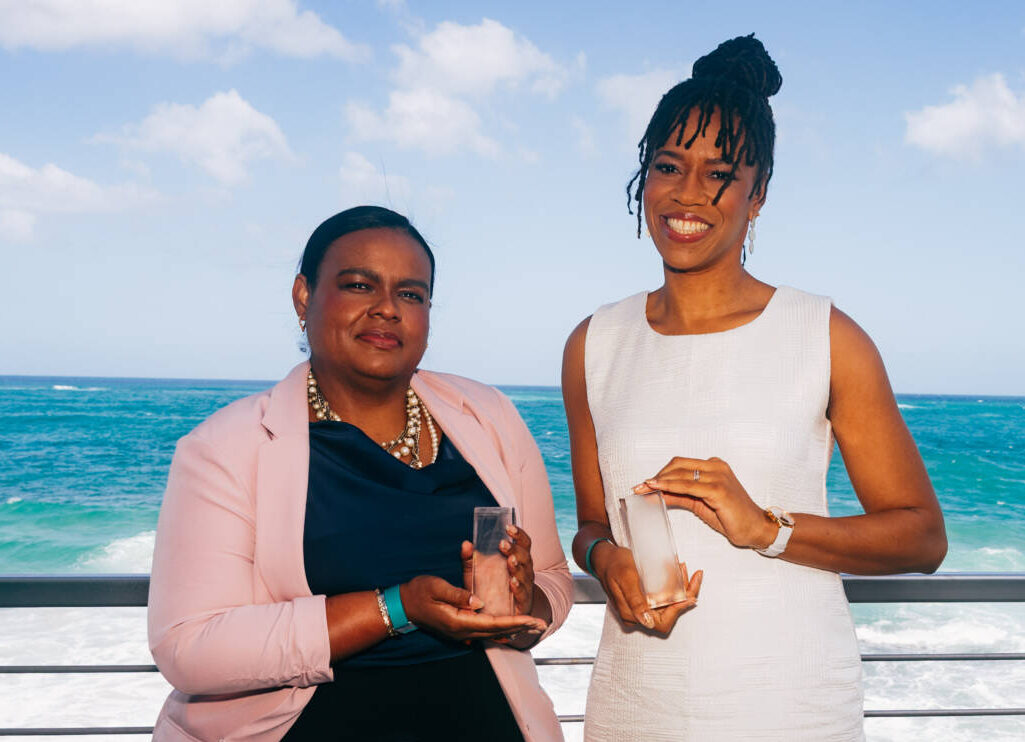
    The 2025 edition of the programme offered a clear illustration of the transformative impact of this support, honoring two Jamaican researchers: Dr Lori-Ann Fisher and Dr Arianne Brown Jordan, whose work addresses critical regional health and environmental challenges. Dr Fisher’s research explores the genetic underpinnings of liver diseases, while Dr Brown Jordan investigates the prevalence of waterborne bacterial diseases in distribution systems that serve low-income, vulnerable communities. The work of both 2025 awardees highlights the outsized contribution that Caribbean women scientists make to developing context-specific solutions for the region’s most pressing needs.

    Despite incremental progress in recent decades, gender disparity remains a persistent challenge across the global scientific landscape. UNESCO data shows that women make up only roughly one-third of all researchers worldwide. While Latin America and the Caribbean boast a higher share of women in scientific careers than the global average, major gaps remain in access to research funding, professional visibility, and leadership opportunities for women in the sector.

    Interested eligible candidates can access full eligibility guidelines and submit their applications via the official For Women in Science application portal at https://www.forwomeninscience.com/challenge/show/167. All applications must be submitted no later than the August 14, 2026 deadline.

  • Is there an economic war of the United States against Cuba?

    Is there an economic war of the United States against Cuba?

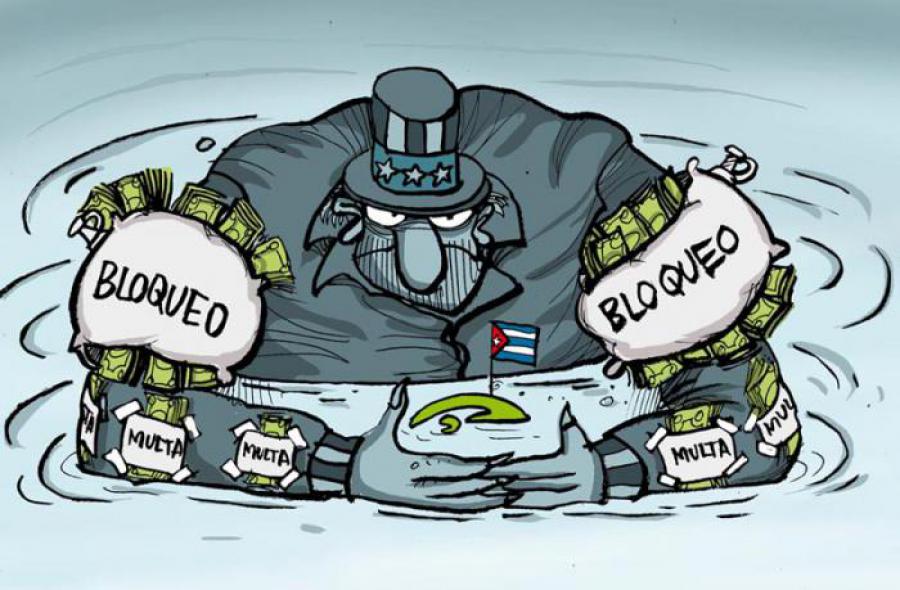
    When analyzing modern geopolitical confrontation, few tactics are as pervasive yet underdiscussed as economic warfare — a non-military strategy where one power leverages trade, finance, and regulatory pressure to force policy concessions from a targeted nation. As French scholar Christian Harbulot famously framed it, economic warfare stands as the most powerful expression of non-military power dynamics, designed to cripple an adversary by cutting it off from global commercial, financial, and technological exchange. For Cuba, this is not an abstract concept: it has been the daily reality of its relationship with the United States for more than six decades, in the form of the sweeping economic, commercial, and financial blockade that has shaped every layer of Cuban life.

    The origins of this prolonged economic campaign stretch back to the immediate aftermath of the 1959 Cuban Revolution, which ousted the U.S.-backed dictatorship of Fulgencio Batista. In response to the new revolutionary government’s nationalist policy reforms, then-U.S. President Dwight Eisenhower moved quickly to cut off most bilateral trade, only exempting medicines and a small set of food products. Just three years later, in February 1962, President John F. Kennedy formalized the full blockade using powers granted by the newly enacted Foreign Assistance Act, a framework that remains the legal foundation of the embargo to this day.

    Under the still-valid legislation, the U.S. executive branch is authorized to maintain a complete trade embargo with Cuba, ban all direct U.S. aid to the Cuban government, bar the use of American international aid funds allocated to global organizations for any Cuba-focused programs, and withhold all U.S. government benefits from Cuba until the island compensates U.S. citizens and companies for properties nationalized after the revolution. Critically, the law also grants the U.S. president broad discretionary power to adjust the scope and intensity of sanctions, a authority that successive U.S. administrations have repeatedly used to ratchet up political and economic pressure on Havana. For decades, proponents of the blockade justified the measures by claiming Cuba posed a critical threat to U.S. national security, a narrative that grew increasingly threadbare after the collapse of the Soviet bloc and the end of the Cold War in the early 1990s, which plunged Cuba into a deep economic crisis.

    With the Cold War pretext no longer credible, the U.S. shifted its justifications to claims of human rights abuses, codifying this new framing in the 1992 Cuban Democracy Act — more commonly known as the Torricelli Law. This legislation marked a key turning point, expanding the economic war beyond U.S. borders to internationalize pressure on Cuba. It prohibited Cuba from accessing financing from major international financial institutions, imposed sanctions on foreign governments that forgive Cuban debt, banned U.S. subsidiaries operating in third countries from trading with the island, and imposes an 180-day ban on any ship carrying goods or passengers to or from Cuba docking at U.S. ports. A core outcome of this provision has been to push global financial institutions to avoid any engagement with Cuba, severely constraining the island’s access to foreign currency and complicating its commercial transactions with global partners.

    Four years later, the 1996 Helms-Burton Act deepened the extraterritorial reach of the blockade even further. Most notably, its Title III provision allows U.S. courts to hear lawsuits against foreign companies that operate in properties confiscated from U.S. owners after the revolution. This provision turned the economic war into a globally reaching measure, designed to deter third countries and foreign firms from doing business with Cuba through the threat of costly litigation. In recent decades, this provision has significantly shrunk the pool of foreign investment opportunities available to the island.

    Successive updates and expansions of the blockade over 60-plus years have turned it into a permanent, structural pillar of U.S.-Cuba confrontation, outlasting shifts in domestic political leadership in the United States and maintaining consistent pressure regardless of broader geopolitical changes. Even as some administrations have taken small steps to ease certain restrictions, former President Donald Trump intensified the campaign again with new executive orders, including a targeted energy siege that worsened the impact on Cuban communities. For Cuba, the cumulative impact of this decades-long economic warfare has been deep and multifaceted, touching every aspect of daily life, slowing long-term economic development, and reshaping the country’s engagement with the global economy.

    This op-ed is contributed by Ariel Pazos Ortiz, Consul of the Embassy of Cuba in Grenada. NOW Grenada does not take responsibility for the opinions and statements shared by contributors. Readers may report content that violates platform policies through official reporting channels.

  • Grenada Airports Authority appoints Dellison Charles as General Manager

    Grenada Airports Authority appoints Dellison Charles as General Manager

    The Grenada Airports Authority (GAA) has made a key leadership announcement, confirming that seasoned industry executive Dellison Charles will take up the post of General Manager when his appointment goes into effect on July 13, 2026. Bringing with him more than 15 years of top-tier leadership experience spanning aviation, logistics and customer service across the Caribbean and Latin American regions, Charles has built a reputation as a strategic, results-focused leader capable of driving meaningful change. Over the course of his career, he has built a distinguished track record centered on refining operational performance, forging durable, productive relationships with diverse stakeholders, and steering large-scale organizational transformation projects. Before joining GAA, Charles held senior leadership roles at three major regional industry players: FedEx Express, Copa Airlines, and the eZone Group. In these positions, he successfully led cross-functional teams of varied backgrounds and skill sets, rolling out a series of targeted initiatives that boosted operational efficiency, lifted overall customer satisfaction, deepened employee engagement across teams, and delivered consistent, long-term growth in business performance. As the new General Manager, Charles will be responsible for setting the strategic direction for all airport operations, advancing GAA’s core business objectives, and spearheading long-term growth projects that position the authority for future success. His deep pre-existing expertise in airport operational management, regulatory compliance, workforce development, and operational excellence makes him uniquely suited to guide the organization through its next phase of evolution and strengthen its role serving the broader Caribbean region. Shonda Cadore, Chair of the GAA Board of Directors, shared the board’s optimism around the appointment in an official statement. “We are delighted to welcome Mr Charles as our new General Manager,” Cadore said. “We are confident that his forward-thinking vision and deep industry expertise will help us advance our key strategic priorities, while we continue to deliver safe, efficient, and exceptional service to our passengers, industry partners, and the local community.” The GAA also took the opportunity to publicly recognize the contributions of Kurt Williams, who stepped in to serve as Acting General Manager throughout the leadership transition process. The authority highlighted Williams’ steady leadership and unwavering commitment during this interim period, which ensured no disruption to daily airport operations and allowed key organizational initiatives to continue moving forward on schedule. GAA closed its announcement by inviting industry stakeholders, community partners, and employees to join in welcoming Charles to the organization and offering their support as he prepares to begin this new leadership role. Disclaimer: NOW Grenada holds no responsibility for opinions, statements, or third-party contributor content. To report potential abusive content, follow the designated reporting link provided on the platform.

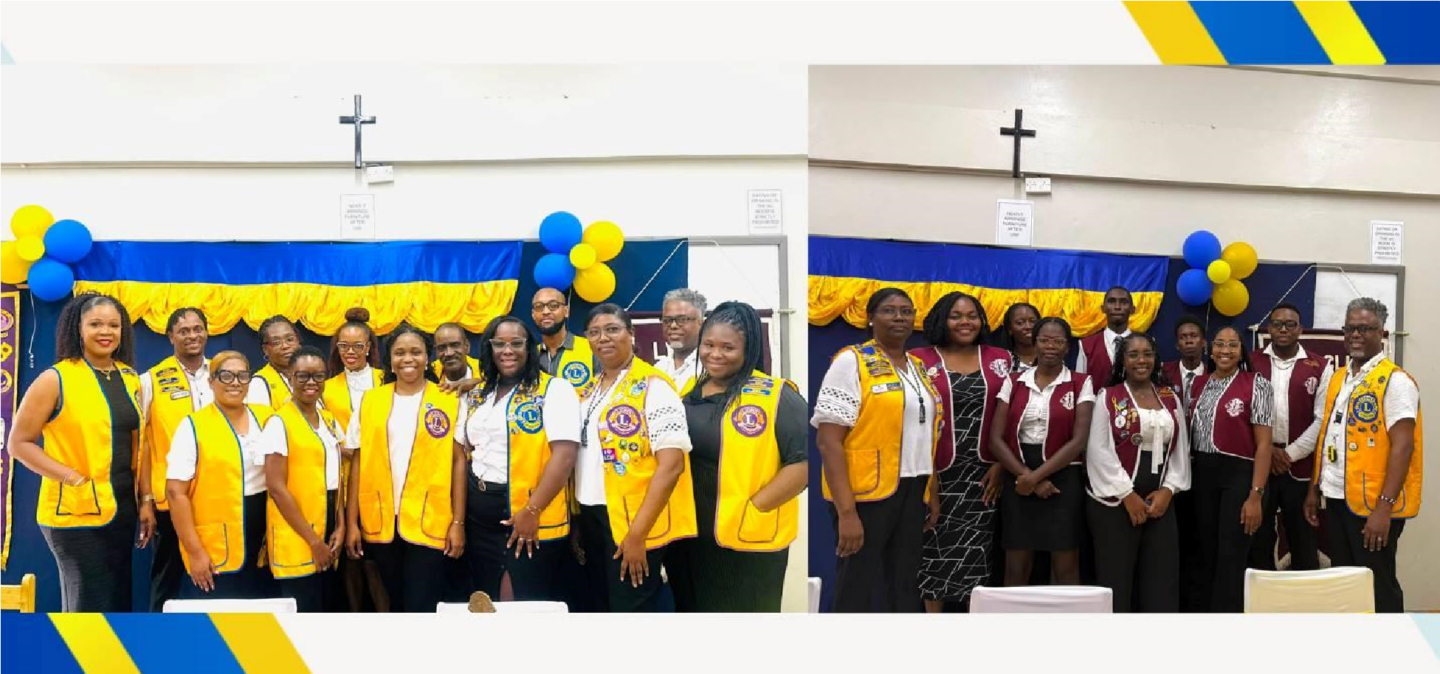
  • St Andrew’s Lions and Leo clubs install leadership team

    St Andrew’s Lions and Leo clubs install leadership team

    On a recent ceremonial occasion in Grenada, two of the island’s most active community service organizations — the St Andrew’s Lions Club and its youth affiliate, the St Andrew’s Leo Club — formally kicked off their 2026–2027 Lionistic Year during a joint installation ceremony centered on the core values of volunteer leadership, collective service, and shared dedication to lifting up local communities across the country.

    Hosted and led by Lion Marsha Scantlebury, Zone Chair for Zone 3C, the event marked two key milestones for the organizations: the formal installation of new boards of directors for both clubs, and the induction of a brand-new member into the St Andrew’s Lions Club. This new addition reinforces the club’s long-term focus on expanding its volunteer base and deepening its capacity to deliver impactful local support. During her opening remarks, Scantlebury reminded all assembled members that meaningful service grows from genuine intention, urging volunteers to always approach their community work with heartfelt commitment.

    Lion David Hopkin MJF, Past Zone Chair and District 60B Global Extension Team Chairperson, also delivered a featured address to attendees. He reflected on the decades of tangible change Lions clubs have delivered to communities across the globe and locally in Grenada, encouraging members to hold fast to the movement’s century-old mission of service to all humanity.

    For the St Andrew’s Lions Club, Gennesta Charles was sworn in to serve as president for the 2026–2027 term, succeeding Immediate Past President Kinda DeBellotte. DeBellotte’s 2025–2026 leadership was widely praised at the ceremony, marked by consistent, dedicated community outreach, the cultivation of durable local partnerships, and unwavering alignment with the global Lions motto, “We Serve.”

    In her first address as incoming president, Charles extended gratitude to the organization’s past leaders, outgoing board members, rank-and-file volunteers, their families, and the community supporters who make the club’s work possible. She laid out her core priorities for the coming year, committing to build on the club’s decades-long legacy of service by rolling out targeted, high-impact community projects, enhancing the volunteer experience for current members, and expanding collaborative partnerships that address evolving local needs across Grenada.

    Charles will be supported by a full 2026–2027 Board of Directors: Angus Phillip will serve as Vice President, Tanza Ogilvie Stephens as Secretary, Cody Lewis as Treasurer, Kinda DeBellotte as Service Chairperson and LCIF (Lions Clubs International Foundation) Coordinator, Martha Joseph as Membership Chairperson, Fidelia Fisher as Marketing and Communications Chairperson, Lindonna Charles as Tamer, and Reena Matthew as Tail Twister.

    The ceremony also completed the installation of the St Andrew’s Leo Club’s new board, with Coleen Blache taking office as the youth club’s president for the 2026–2027 term. Blache thanked the membership for entrusting her with the leadership role, and challenged her fellow Leos to embrace intentional leadership, lead with empathy, and drive tangible positive change across Grenada through purpose-driven community service.

    Blache’s leadership team includes Keyanna McCleod as Vice President, Rheanna Belfon as Secretary, Kavita Douglas as Treasurer, Nazim Chasteau as Service Chairperson and Tamer, Dericka Samuel as Marketing and Communications Chairperson, and Jamie Noel as Membership Chairperson. The organization also honored Immediate Past Vice President Rheanna Belfon for her exceptional leadership and committed service during the 2025–2026 term as she stepped into her new role as club secretary.

    The joint installation ceremony highlighted the deep, mutually beneficial partnership between the adult Lions Club and the youth-focused Leo Club, emphasizing the critical roles of mentorship, youth leadership development, and collaborative service delivery. As both clubs enter the new Lionistic Year, they have reaffirmed their shared commitment to improving quality of life across Grenada through initiatives spanning public health outreach, youth empowerment, environmental stewardship, humanitarian aid, and community outreach.

    Looking ahead to the coming 12 months, the St Andrew’s Lions Club and St Andrew’s Leo Club are aligned in their mission to serve with compassion, lead with unwavering integrity, and leave a meaningful, lasting positive impact on the lives of all Grenadians they support.

  • One standard of protection

    One standard of protection

    For decades, public perception of security has been rooted in static imagery: a uniformed guard posted at a building entrance, or a single CCTV camera mounted to watch a parking lot. While these core components still hold value, today’s complex risk landscape demands that businesses rethink security entirely, moving far beyond one-off products or reactive guard posts to build an integrated system woven into their core business strategy.

  • GHTA concludes successful Discover Hospitality Camp

    GHTA concludes successful Discover Hospitality Camp

    Grenada’s key tourism industry body has wrapped up a landmark youth outreach initiative, closing out a seven-day immersive program that opened the door to local secondary school students to explore the island’s thriving tourism sector, its commitment to sustainable operations, and the wide range of long-term career opportunities available within it.

    Organized by the Grenada Hotel and Tourism Association (GHTA), the Discover Hospitality Camp welcomed 22 third- and fourth-form students from schools across the country. Designed as a practical, hands-on learning experience rather than a traditional classroom program, the initiative gave young participants direct access to every corner of Grenada’s $tourism and hospitality economy, blending interactive training, on-site industry exposure and one-on-one mentorship from seasoned professionals.

    Throughout the week, students took part in a packed schedule of activities tailored to build both hard and soft skills. They joined targeted skill-building workshops focused on guest experience management and food and beverage operations, toured leading local hotels and popular tourist attractions to see daily industry operations firsthand, and participated in hands-on activities focused on sustainable hospitality and marine conservation. Each participant also had the opportunity to connect with and learn from industry veterans who provided guidance on career trajectories and professional growth.

    The official closing ceremony brought together a range of stakeholders to celebrate the program’s success. Remarks were delivered by Leslie Ann Johnson, Communications Director of Grenada’s Ministry of Tourism, Mandoo Seales, GHTA Director and co-founder of the Grenada Green Group, youth ambassador Ella-Rose Charles, and other special invited guests. GHTA Hospitality Ambassador Ethan Edwards delivered the formal vote of thanks to attendees, organizers and partners.

    Arlene Friday, Chief Executive Officer of GHTA, emphasized the transformative impact of the initiative in her comments. “Watching our young people engage with such enthusiasm for both hospitality and sustainable stewardship has been incredibly inspiring,” Friday said. “This camp confirms what we have long understood: investing in hands-on education and real-world experience doesn’t just strengthen the future of our industry—it also reinforces our commitment to protecting our beaches, coastlines and local communities. By the end of the week, every participant left with new practical skills, expanded professional networks, and a much clearer picture of the diverse career pathways that tourism has to offer.”

    Ella-Rose Charles, the youth ambassador who supported the planning and execution of camp activities, shared her own perspective on the program’s value. “This week opened my eyes to just how exciting and varied careers in tourism can be—everything from protecting our natural coastal ecosystems to welcoming visitors from all corners of the globe,” Charles said. “I’m incredibly proud to have been part of an initiative that empowers young Grenadians to care for our island and pursue meaningful, rewarding careers right here at home.”

    GHTA extended formal gratitude to the wide network of partners that made the camp possible, including major industry players Sandals Resorts, La Luna Hotel, True Blue Bay Resort and Point Salines Hotel, as well as public and community collaborators: the Solid Waste Management Agency, T’s Eco Farms, TAMCC, NEWLO, and St George’s University. The association also recognized the hard work and dedication of the Hospitality Camp Committee, chaperones, volunteers and in-house GHTA staff who contributed to the program’s success.

    The Discover Hospitality Camp was fully funded through the GHTA Tourism Enhancement Fund. Looking ahead, GHTA has confirmed it will continue expanding investments in youth development programs that strengthen Grenada’s tourism workforce and embed a culture of long-term environmental stewardship across the sector.

  • Concrete actions on affordability agreed at 2nd High-Level Breakfast Dialogue

    Concrete actions on affordability agreed at 2nd High-Level Breakfast Dialogue

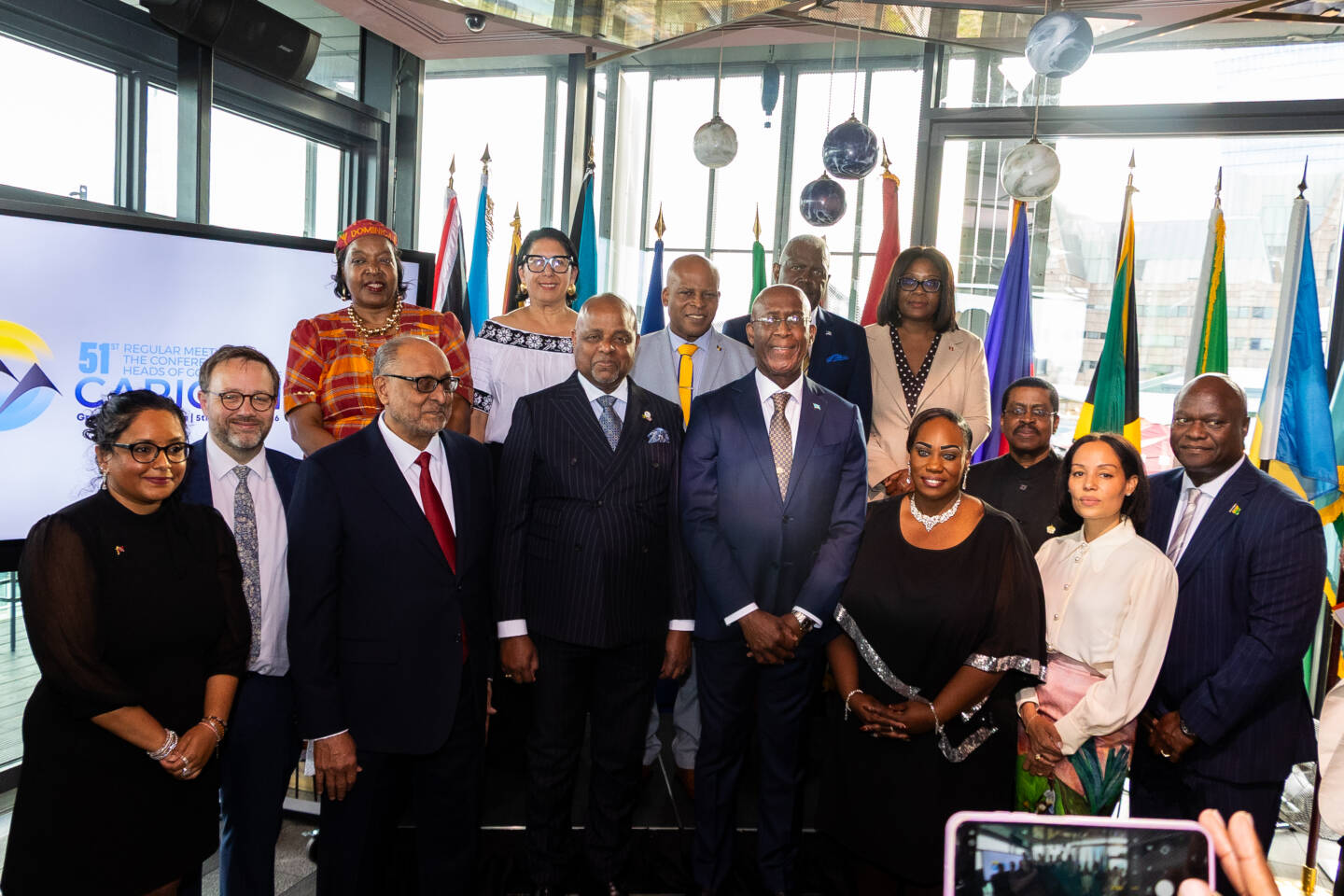
    On July 6, 2026, against the backdrop of the 51st Regular Meeting of the Conference of Head of Government of the Caribbean Community, the second High-Level Breakfast Dialogue brought together a diverse cross-section of regional stakeholders at Sandals Grande in St. Lucia. Hosted jointly by the OECS Business Council (OBC) and the Caricom Private Sector Organisation (CPSO), the gathering centered on the urgent theme of ‘Meeting the Affordability Challenge: Toward a Proactive Agenda for Member States and the Private Sector’, drawing more than 120 senior participants ranging from 13 Caricom Heads of Government and private sector leaders to representatives of the Caribbean Congress of Labour (CCL), major development finance institutions including the Inter-American Development Bank (IDB), Caribbean Development Bank (CDB) and Caricom Development Fund (CDF), and other key regional bodies.

    Against a backdrop of soaring cost-of-living pressures that have strained households across every Caricom member state, participants delved into targeted, actionable strategies to boost economic affordability. Discussion topics centered on removing systemic barriers to intra-regional trade, cutting bloated transportation and logistics costs, expanding import diversification, unlocking regional investment capital, strengthening interconnectedness between tourism and local sectors, and addressing the lopsided harm that the International Maritime Organisation’s Net-Zero Framework (NZF) threatens to inflict on Caricom’s Small Island Developing States (SIDS). By the close of discussions, a robust consensus emerged: regional governments, the private sector, and organized labor must transition beyond rhetorical policy dialogue to coordinated, tangible implementation, anchored by clear mandates, firm timelines, and measurable outcomes.

    The most urgent priority to emerge from morning deliberations was addressing the region’s crippling transport capacity gap, a longstanding barrier to fulfilling the Caricom Single Market and Economy (CSME) commitment to free movement of people and goods. Attendees agreed to a September 2026 deadline for finalizing a regulatory framework that enables mutual recognition of insurance, operator licenses, and road taxes — a critical precondition for launching a private-sector operated regional ferry service. To accelerate progress, Heads of Government approved an early pilot ferry initiative that will leverage a vessel the Government of Trinidad and Tobago has volunteered to deploy for the launch. The dialogue also marked a positive milestone with delegates expressing approval for the recent launch of Executive Air Cargo’s service, which now transports agri-food products between member states.

    Turning to barriers within the region’s direct control, delegates adopted a new ‘pairwise’ engagement model to resolve 57 non-tariff barriers (NTBs) that the private sector has identified as major drags on intra-regional trade. Under the model, a Lead Head of Government will oversee direct negotiations between the member state that implemented a given NTB and the member states negatively impacted by it, with active participation from the private sector and relevant regulatory and ministerial bodies. Both implementing and affected states will be bound to time-bound corrective action plans.

    A technical presentation at the dialogue laid out the enormous economic benefits of import diversification and risk reduction for the region, highlighting that diversifying just one segment of non-fuel imports could deliver an estimated $2 billion USD in annual savings. Even greater savings are projected as the region transitions to renewable energy and cuts reliance on costly imported fuel. Delegates called on the CPSO to prioritize additional analysis on the intersection of fuel imports and the renewable energy transition as an immediate next step.

    In discussions focused on short-term relief for strained households, Barbados Prime Minister Mia Mottley issued a clear call for a formal tripartite compact bringing together governments, the private sector, and organized labor to address prices for a core basket of essential goods. She also urged the private sector to accept reduced profit margins on essential products to ease cost-of-living burdens for Caricom citizens. Attendees agreed to hold further inclusive discussions to develop concrete proposals for this compact.

    Shifting focus from cost relief to capital mobilization, the dialogue endorsed the urgent need to connect surplus liquidity held by regional financial institutions to high-priority strategic investment opportunities across the region. Key target sectors include desalination, battery storage, solar, wind, and geothermal power generation, and port infrastructure upgrades. Recognizing that most Caricom citizens are unaware of these investment opportunities, delegates agreed that publishing all opportunities on a shared regional platform is a critical first step to unlock capital. Agricultural investment opportunities were singled out for prioritized listing, and delegates requested that a full compendium of Caricom-wide agricultural investment opportunities be presented at the next High-Level Breakfast Forum.

    Aligning with the goal of building robust regional value chains, delegates reaffirmed their commitment to completing the Tourism Linkages Project, first mandated at the 48th Regular Meeting of Caricom Heads of Government. The project aims to deepen ties between the region’s dominant tourism sector and local agriculture, manufacturing, and service industries, keeping more tourism revenue within regional economies.

    Closing out the substantive policy agenda, the regional private sector reaffirmed its unwavering commitment to climate action, decarbonization, and greenhouse gas emissions reduction as core pillars of sustainable development for Caricom SIDS. At the same time, delegates broadly supported a cautious, measured approach to implementing the IMO’s Net-Zero Framework, which imposes penalties on shipping lines that do not transition their fleets to net-zero carbon fuels. Participants emphasized that the framework would have disproportionate negative impacts on SIDS, consumer prices, and the regional tourism industry, particularly the cruise sector. They also approved expanding the CPSO’s ongoing import diversification work to quantify potential import savings and broader economic benefits linked to the renewable energy transition, with an update scheduled for the next Meeting of the Council for Finance and Planning (COFAP).

    To ensure commitments made at the dialogue translate into action, participants agreed to establish dedicated working groups with predefined timelines and measurable deliverables. This structure will enable consistent monitoring and accountability for all outcomes agreed at the meeting. The CPSO will collaborate closely with the CSME Prime Ministerial Sub Committee to advance this implementation framework.

    The dialogue closed with a shared, collective resolve that the region’s affordability challenge can only be solved through practical, time-bound, results-focused action, and that the longstanding partnership between governments, the private sector, and organized labor remains central to delivering tangible, improved outcomes for all Caricom citizens. In closing remarks, CPSO Chairman Gervase Warner thanked Heads of Government and private sector representatives for their open, honest engagement and collaborative contributions, noting that the gathering has laid solid groundwork for continued cross-sector collaboration. Warner committed the CPSO to leading follow-through on the full work programme agreed during the dialogue.