标签: Grenada

格林纳达

  • Community consultation on proposed golf course development at Levera

    Community consultation on proposed golf course development at Levera

    A major proposed development project in Grenada, the Levera Golf Course that forms part of the wider Levera National Resort initiative, is opening its decision-making process to local voices, with a public community consultation scheduled for later this month. All residents, invested stakeholders, and any members of the public with an interest in the future of the Levera region have been formally invited to attend the upcoming discussion session.

    The event, set to kick off at 1 p.m. on Saturday, 25 July at the Bathway/Levera Information Centre, is designed to foster open, transparent dialogue between project organizers and the community. Attendees will have the full opportunity to pose questions to project representatives, share their personal perspectives on the proposed development, and submit formal feedback that will be incorporated into ongoing planning discussions. The consultation is being framed as a core component of ongoing conversations about how the Levera area will develop in coming years, with organizers emphasizing that broad community participation is a key priority for the project.

    The proposal is linked to Innovative Environmental Solutions, the group connected to the development planning. As a note from local media outlet NOW Grenada clarifies, the outlet does not take responsibility for opinions, statements, or third-party media content shared by contributors to the publication, and provides a pathway for users to report abusive content related to such contributions.

  • The colour of our believing

    The colour of our believing

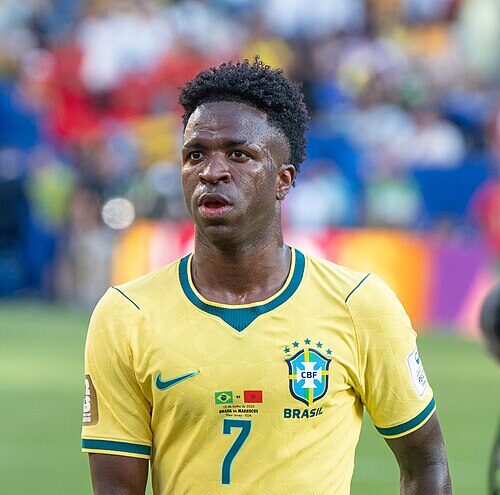
    As the 2026 FIFA World Cup approaches, global conversations around racial injustice in football have surged to the forefront of public discourse, sparked by the ongoing abuse targeting one of the sport’s biggest stars. Vinícius Júnior, a Champions League winner and beloved global football icon whose talent draws millions of eyes to the pitch every season, has faced unrelenting anti-Black harassment across European football: repeated monkey chants from crowds, thrown bananas, and spectators mimicking apes, all targeting him for the color of his skin. Even his immense fame and fortune cannot shield him from this degradation. In the heart of European football, across Spain and France, a dark-skinned Black man at the peak of his profession is still repeatedly dehumanized by thousands acting on a centuries-old inherited reflex.

    If a public figure with the world’s attention cannot escape this degrading treatment, it is not hard to imagine what Black people without Vinícius’s platform, legal resources or wealth endure every day. The dark-skinned child growing up in a Brazilian favela, the African migrant risking their life to cross European borders, the Black man pulled over by police for the simple act of existing while Black – their suffering rarely makes front-page headlines. They are the unseen collateral damage of a systemic racial hierarchy that was designed centuries before they were even born.

    This internalized awareness of racial division is something many Black people experience from childhood. I first felt this as a young boy growing up in St Vincent and the Grenadines, watching international football, athletics, and cricket. Without any instruction, I felt an automatic pull to support the teams with more Black players. That instinct was not an acknowledgment of race as a biological destiny, but a solidarity forged by centuries of shared history. The fact that even a child inherits this reflex makes clear that skin color has long been weaponized for political and social purposes.

    Biologically speaking, skin pigmentation is one of the most superficial human differences. The human genome is nearly identical across all populations, and variations in melanin are simply an evolutionary adaptation to different levels of ultraviolet radiation: more melanin offers protection in regions with intense sunlight, while less melanin facilitates vitamin D production in sun-scarce areas. In short, skin color is little more than a biological “sunscreen setting” – it tells us nothing meaningful about a person’s intelligence, character, or inherent worth. So how did this minor biological adaptation become a rigid social destiny?

    While slavery, conquest and prejudice against dark skin predate modern European empires, European colonial powers created a historically unique system that fused African ancestry, dark skin, hereditary chattel slavery, law, Christian theology, transatlantic commerce, and later pseudoscience into a massive, global hierarchical structure that persists to this day. Modern anti-Black racism, as we know it globally, is one of the most consequential and shameful legacies of the Atlantic colonial project.

    This is not to say ancient societies were free of oppression. The Greeks and Romans enslaved outsiders and held discriminatory views, but their divides were based on legal status, citizenship, and culture – not a universal racial caste system ordered by skin color. A free dark-skinned citizen could hold higher status than a pale enslaved captive, and ancient societies never constructed the rigid color line that defines modern racism. Even in the medieval period, social divisions centered on faith and lineage, not skin color. The so-called “Curse of Ham”, which was later used to justify African slavery, is a perfect example: the biblical text curses Canaan, not Ham, and never mentions Black skin. The connection to dark skin was added centuries later to legitimize the slave trade.

    The first major hardening of modern racial ideology came in 15th-century Iberia, where “purity of blood” laws framed Jewish or Muslim ancestry as an inherited stain that even religious conversion could not erase. At the same time, Portuguese colonial expansion turned the capture and trade of African people into a massive transatlantic commercial enterprise. Religious difference began to be tied to ancestry, physical traits, and skin color, laying the ideological groundwork for chattel slavery.

    But the definitive legal framework for modern racial slavery was developed right here in the Caribbean. In 1661, the Barbados Assembly passed the first comprehensive English slave code, a coercive regime governing enslaved African people that became the model for slave systems across Jamaica, South Carolina, and the entire Atlantic world. Written by white planters to maximize plantation profit, this colonial law cemented the link between skin color and hereditary bondage.

    The colony of Virginia later added two critical refinements that hardened this system: in 1662, the principle of partus sequitur ventrem was adopted, meaning a child’s enslaved status was inherited from their mother, ensuring that children born to enslaved women were born into bondage. Then, in 1667, Virginia ruled that baptism could not grant freedom to an enslaved person. These changes turned the bodies of enslaved women into tools of plantation production, eliminated any path out of bondage through conversion to Christianity, and codified racial bondage as visible, hereditary, and permanent.

    Historian Eric Williams first laid out this causal sequence: “Slavery was not born of racism; rather, racism was the consequence of slavery.” Plantation owners needed a workforce that could be identified at a glance, whose children would automatically become their property, and whose status could not be changed by conversion or achievement. Skin color was the perfect tool for this system, because it is visible, heritable, and inescapable. Racism became the moral and ideological technology that justified the mass extraction of labor and wealth from Black bodies.

    The Enlightenment later gave this system a veneer of scientific respectability. Carl Linnaeus assigned stereotyped temperaments to different supposed human “varieties”, and fields like craniometry, ethnology, and eugenics rebranded prejudice as objective scientific measurement. Domination was rebranded as scholarly discovery. The United States later became the most powerful enforcer of this racial order: its 1790 naturalization law restricted citizenship to “free white persons”, and Jim Crow laws, one-drop rules, and racial integrity legislation codified ancestry as an immutable legal destiny. Europe built the foundational architecture of Atlantic racial hierarchy, while the United States reinforced it through law and amplified it globally through mass culture.

    This accounting does not assign collective inherited guilt to every modern European or American. Abolitionists emerged across Europe, and Black resistance in the United States gave the world transformative movements from civil rights to Black liberation. It is also true that some African rulers and merchants participated in the slave trade. But responsibility for building the system lies with institutions, powerful interests, and deliberate political choices – not the blood of modern populations. Acknowledging the role of other actors should never obscure the fact that colonial states and planter elites built the system and extracted the most profit from it.

    This leads to an unavoidable question for any honest reckoning with the past: what responsibility do modern inheritors of the nations that built this racial system have to repair it? We must draw a clear line between collective guilt and collective obligation. A modern Briton, French person, Spaniard, Portuguese person, or American is not morally guilty for drafting the 1661 Barbados Slave Code. But they have inherited the compounded wealth generated by that system. They benefit from economies built on capital extracted from Black people legally classified as property, from legal and fiscal infrastructures deliberately designed to privilege their ancestors and dispossess ours. Only the inheritors of these imperial treasuries have the power to repay what their ancestors’ laws stole, and to take concrete action to address the harms that Black people still face solely because of their skin color.

    While the Caribbean was the original laboratory of racial domination, it also gave the world the intellectual and political tools to dismantle that system. The Haitian Revolution destroyed the slave regime of Saint-Domingue, and Haiti’s 1805 constitution declared that all Haitians would be known by the “generic appellation of Blacks” – turning a category of oppression into a marker of collective dignity. Caribbean thinkers including Eric Williams, C.L.R. James, Elsa Goveia, Frantz Fanon, and Sylvia Wynter first explained the inner workings of racial capitalism and racial hierarchy to the world. Our region was the birthplace of modern racial domination, but it is also the birthplace of modern emancipatory thought and movement.

    This legacy gives Caribbean societies a critical set of internal tasks to advance racial justice. We must teach the history of the Barbados Slave Code as core to both Caribbean and global history. We must frame the Haitian Revolution for what it was: a defining turning point in the global struggle for human freedom. We must confront the persistent harm of colorism in our schools, workplaces, media, beauty standards, and personal relationships. We must replace the commemoration of white slave-owning planters in our public spaces with the names and stories of maroons, anti-slavery insurgents, Black educators, and Caribbean writers. We can use racial categories to expose inequality where necessary, but we must never mistake these social constructs for natural fact. And we cannot stop at cultural reckoning: we must demand material reparations, the only step that can truly signal the colonial ledger of exploitation is finally closed.

    Skin pigmentation is a natural evolutionary adaptation, but racial hierarchy is a human-made artifact. It was constructed by specific institutions, in specific places, for specific exploitative purposes. This is not a cause for fatalism – it is proof that the system can be unmade. The little boy who instinctively rooted for Black players inherited a historical wound, but also a long tradition of recognizing racial injustice and fighting it. The Vinícius Júniors of the world, for all their wealth and fame, inherit that same wound: a reminder that no individual success can outrun systemic racial failure.

    Our collective task is not to pretend we do not see color. It is to see color without mistaking it for an inevitable destiny. It is to remember who taught the modern world this dangerous lie of racial hierarchy. It is to do our own work of dismantling racist cultural norms and institutions, and to insist that the nations and groups that built this racial cage help pay for its dismantling. The anti-Black monkey chants targeting Vinícius Júnior will not end with public awareness campaigns alone. They will only end when the global community decides that the cost of maintaining systemic racism is higher than the cost of finally settling the historical debt that it owes.

  • Barbados declares days of national mourning in memory of Sir Garry Sobers

    Barbados declares days of national mourning in memory of Sir Garry Sobers

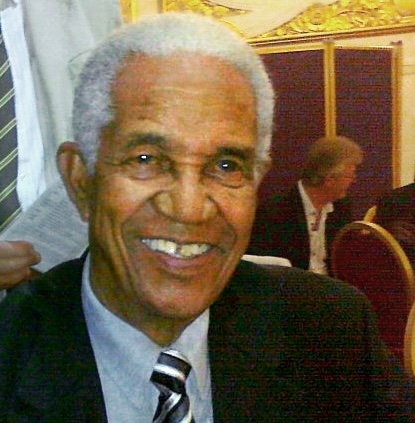
    The Caribbean and global cricket community are mourning the loss of Sir Garfield St Aubyn Sobers, widely regarded as the greatest all-rounder in the history of cricket, who passed away at his Barbados home at the age of 89, just 11 days before his 90th birthday. In response to his death, the government of Barbados has announced two days of national mourning to honor the cricketing icon and national hero: one on July 17, immediately following the announcement of his passing, and a second on the day of his interment. All official government functions have been canceled for both mourning days, and national flags across the country have been ordered to fly at half-staff from the announcement of his death through the date of his burial. Details of Sir Garry’s upcoming state funeral, which will be coordinated by the Cabinet Office, Barbados Defence Force, and Senator Lisa Cummins, will be released publicly in due course. In a somber national broadcast addressed to the people of Barbados and the wider Caribbean, Prime Minister Mia Mottley opened with a heartfelt tribute to one of the nation’s most beloved sons. “This is a solemn hour for our nation,” Mottley said, confirming the passing of the legendary athlete. “Across Barbados and across the world, we hold him with gratitude, with reverence, and with a tender sorrow that comes when the people have to say farewell to one of their greatest sons.” Born into a working-class community on Walcott Avenue in Belmont, Barbados, Sir Garry rose from humble beginnings to become a global sporting icon, shaped by his tight-knit community, personal discipline, and deep faith. His decades-long career on the international cricket pitch carried the reputation of Barbados, the West Indies, and the entire Caribbean onto the world stage with unmatched distinction. Mottley referenced a iconic calypso by The Mighty Sparrow that captured the region’s admiration for Sir Garry decades before the term “GOAT” (Greatest of All Time) entered common parlance: “He asked, who is the greatest cricketer on Earth or Mars? Anyone can tell you it is the great Sir Garfield Sobers.” Dr. Kishore Shallow, President of Cricket West Indies, echoed the prime minister’s sentiment, reflecting on Sir Garry’s lasting impact on the sport. “Sir Garfield Sobers has completed his final innings, but his legacy will forever endure in the hearts of our region, and the story of the cricketing world,” Shallow said. Over the course of his international career, Sir Garry competed in 93 Test matches for the West Indies between 1954 and 1974, amassing 8,032 runs and claiming 235 wickets — a statistical record that cemented his reputation as an unrivaled all-rounder. One of his most iconic achievements came in 1958, when he scored 365 not out against Pakistan at Kingston, Jamaica’s Sabina Park. That record stood as the highest individual Test score for 36 years, until it was broken by fellow West Indian batsman Brian Lara of Trinidad and Tobago. Mottley emphasized that Sir Garry’s legacy extends far beyond his on-field statistics. He is remembered as the global benchmark for athletic greatness, not only for what he achieved on the pitch but for the way he represented his people throughout his life. She recalled the moment Sir Garry received his knighthood from Queen Elizabeth II, kneeling just one mile from his birthplace to accept the honor — a moment that held little surprise for Barbadians, who had already “crowned him in their hearts” long before the official title. For many years, Sir Garry was Barbados’ only living National Hero, a distinction the country awarded him decades after the broader global cricket community had already recognized his unparalleled status in the sport. “Every innings, however great, must at some point come to a close,” Mottley noted. “The finest innings do not end in silence. They end with a whole ground rising and with a grateful people saying, thank you and yes, we love you.” According to Sir Garry’s son Daniel, who was at his father’s side when he passed away at the family home in Bridgetown’s Highgate Gardens neighborhood, the cricketer had been in declining health for some time. Daniel shared that even in his final days, his father displayed characteristic grit: “His breathing had increased, and we had him on oxygen. I couldn’t believe how powerful he is; he just refused to go.” Mottley closed her address by extending sincere condolences to Sir Garry’s children, grandchildren, and extended family, affirming the nation’s enduring love and respect for the icon. “Sir Garry, Barbados stands for you. The West Indies stands for you. The world stands for you. For an innings that was so well played, Sir Garry. So well played. We will always love you,” she said.

  • CEGEB RfQ: Procurement of office furniture and fittings

    CEGEB RfQ: Procurement of office furniture and fittings

    The Caribbean island nation of Grenada has launched a new competitive bidding process for office furniture and fittings, backed by World Bank financing for the region’s ambitious Caribbean Efficient and Green-Energy Buildings Project (CEGEB). Backed by a loan numbered 77130, this procurement tender carries the reference identifier GD-MCRERE- 489846-GO-RFQ, and is being managed by the country’s Ministry of Climate Resilience, The Environment & Renewable Energy.

    This tender covers three core types of goods: 30 conference room chairs, 12 standard office chairs, and 4 filing cabinets. Winning suppliers will be required to complete delivery of all ordered items within a 2-month timeline from contract award.

    The procurement follows the National Competitive Bidding framework structured as a Request for Quotation, aligned fully with the World Bank’s September 2023 *Guidelines: PROCUREMENT IN INVESTMENT PROJECT FINANCING Goods, Works, Non-Consulting and Consulting Services*. The tender is open to all eligible suppliers that meet the criteria laid out in the global institution’s procurement guidelines, with clear provisions for addressing potential conflicts of interest as outlined in sections 1.6 and 1.7 of the guidelines.

    All steps of this tender process will take place exclusively through an online digital procurement platform. Interested eligible bidders must complete registration, submit their formal quotations, and raise any queries about the tender through the dedicated portal at https://in-tendhost.co.uk/GND/aspx/Home. The official bidding documents will be released to registered participants starting July 17, 2026, and all submitted quotations must be prepared in the English language.

    The formal deadline for electronic bid submission is 3 p.m. local time on August 7, 2026. Tender organizers will not accept any hard copy submissions, and any bids received after the stated deadline will be automatically rejected. For technical support related to registration and navigation of the e-procurement portal, bidders can reach the administrative team via email at [email protected].

    This tender forms a small but key component of the broader CEGEB project, which aims to advance energy efficiency and sustainable building standards across Grenada as part of the country’s climate resilience and renewable energy development goals.

  • Lyndeon George-Bellamy appointed as Chief of Protocol

    Lyndeon George-Bellamy appointed as Chief of Protocol

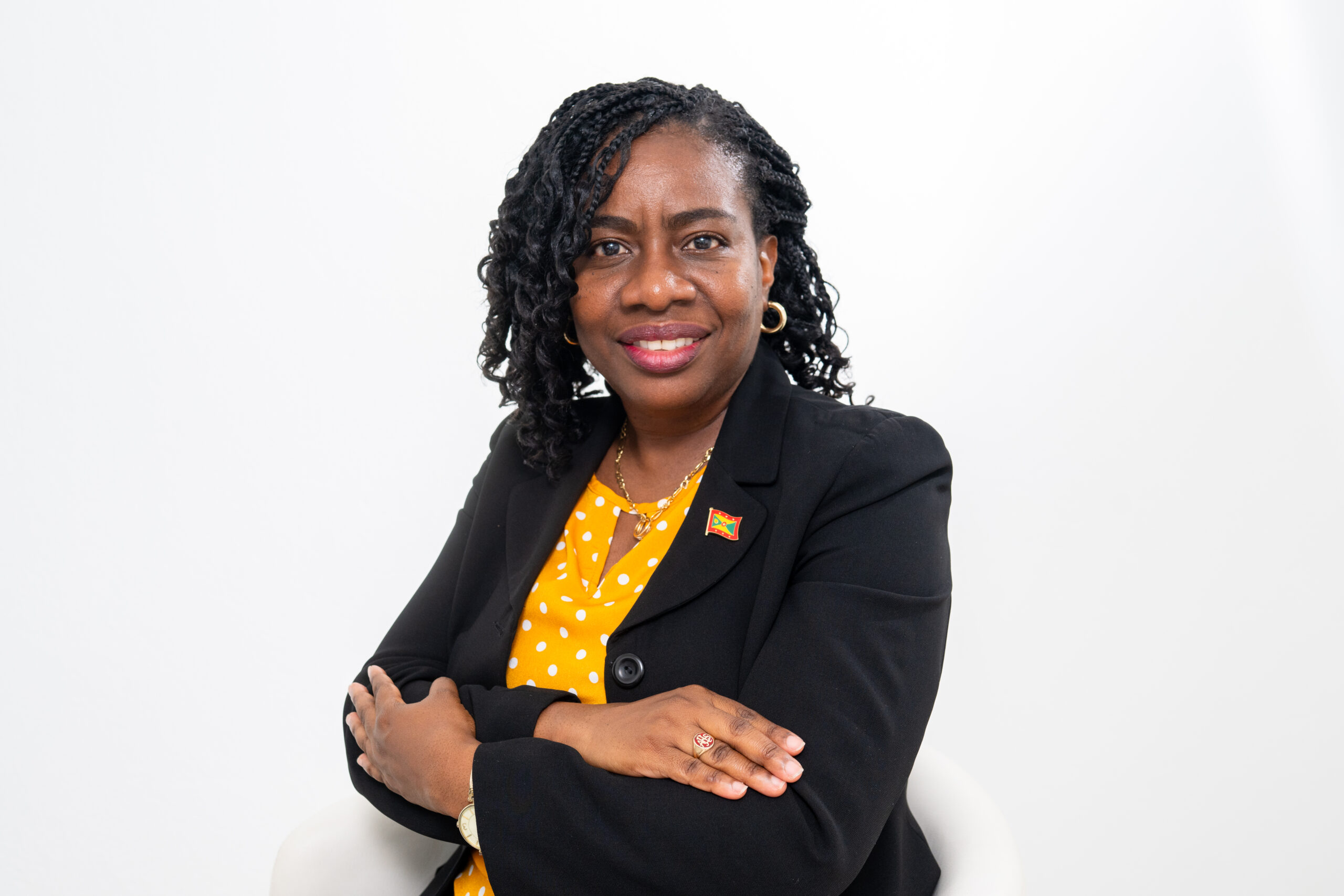
    Grenada’s Ministry of Foreign Affairs, Trade and Export Development has made a key senior diplomatic appointment, announcing that Lyndeon George-Bellamy will take up the post of Chief of Protocol starting June 1, 2026.

    George-Bellamy arrives at the role with an extensive 15-plus-year career spanning leadership and executive management across multiple complementary sectors, including hospitality management, large-scale event coordination, strategic communications, diplomatic protocol, and cross-sector stakeholder engagement. Throughout her professional trajectory, she has consistently built a reputation for upholding rigorous standards of excellence, delivering forward-thinking strategic leadership, and prioritizing high-impact public service delivery.

    In her new capacity as Chief of Protocol, George-Bellamy will assume responsibility for all core matters related to diplomatic protocol for the Grenadian government. Her key duties will include coordinating official state visits and high-level diplomatic engagements, supporting ongoing constructive relations between the government and the resident diplomatic corps based in Grenada, and guaranteeing that all official government ceremonies and international events align with long-established diplomatic norms and globally recognized best practices.

    Before accepting this new appointment, George-Bellamy served as a Communications and Stakeholder Engagement Specialist across two government ministries: the Ministry of Foreign Affairs and the Ministry of Legal Affairs, Labour and Consumer Affairs. In that role, she successfully strengthened critical partnerships with key internal and external stakeholders, and led innovative public engagement initiatives that significantly boosted both the visibility and community outreach capacity of the ministries.

    Prior to her work in government, George-Bellamy spent more than a decade working in the private sector as an Entity Manager for the Mango Bay Group of Companies, specifically at its subsidiary Island Caterers Ltd. In that position, she oversaw multi-site daily operations, led cross-departmental teams, and consistently delivered premium-tier services to government officials, corporate clients, and high-profile international visitors to Grenada.

    George-Bellamy boasts an impressive academic and professional credential background. She holds a Master of Science degree in Business Management, with a concentration in Marketing and Sales, from Edinburgh Napier University, an Executive Diploma in General Management from The University of the West Indies, and a Diploma in Human Resource Management from the Barbados Institute of Management and Productivity. She has also completed targeted specialized professional development training in core areas relevant to her new role, including Bilateral Diplomacy, Protocol and Official Etiquette, Corporate Governance, Human Resource Management, Labour and Administrative Law, and Digital Marketing.

    In a formal statement following the announcement, the Ministry of Foreign Affairs, Trade and Export Development extended official congratulations to George-Bellamy on her appointment, and expressed confidence in her ability to excel in the new role. The ministry also noted it looks forward to George-Bellamy’s continued contributions to advancing Grenada’s core foreign policy goals and strengthening the country’s diplomatic ties with global partners.

    This announcement was shared via official government channels, with NOW Grenada noting it is not responsible for contributor statements or opinions, and invites users to report any abusive content through official reporting channels.

  • Grenada gets support for developing its BESS project

    Grenada gets support for developing its BESS project

    Grenada has launched a landmark utility-scale battery energy storage project at its Maurice Bishop International Airport, backed by a $14.4 million multi-stakeholder financing package led by the Barbados-based Caribbean Development Bank (CDB), aimed at accelerating the island nation’s shift away from fossil fuels and strengthening its energy infrastructure.

    The project, a core component of the broader Supporting Resilient Green Energy (SURGE) Caribbean programme, will deliver a utility-scale Battery Energy Storage System (BESS) that directly addresses a critical barrier to renewable energy adoption across small island developing states: grid instability. Once installed, the system will strengthen the reliability and resilience of Grenada’s national electricity grid, create capacity for higher volumes of variable renewable energy inputs, and move the country closer to its policy goal of cutting reliance on costly imported fossil fuels.

    Implementation of the BESS will be led by Grenada Electricity Services Limited (Grenlec) under a structured subcontracting framework designed to build long-term local operational expertise and upgrade the country’s core electricity infrastructure permanently.

    Peron Johnson, Permanent Secretary of Grenada’s Ministry of Climate Resilience, the Environment and Renewable Energy, framed the project as a transformative investment for the Caribbean island. “This project demonstrates the power of strategic partnerships in advancing Grenada’s climate resilience, energy security, and sustainable economic development, and brings us another step closer to achieving a cleaner, more affordable, and more resilient energy future for all Grenadians,” Johnson said, noting that the country extended its sincere gratitude to the CDB and all participating development partners.

    Financing for the initiative draws together contributions from a range of global and regional development actors, coordinated through CDB’s Special Funds Resources. A combined $3 million grant comes from the United Kingdom’s Foreign, Commonwealth and Development Office (FCDO) and the European Union, while the Government of Grenada has committed a $5.7 million loan to the project. Canada has also contributed a $5.7 million investment through the SURGE programme, and the World Bank is providing separate parallel financing for complementary BESS installations and national grid upgrades aligned with Grenada’s long-term grid modernization strategy.

    The initiative aligns directly with CDB’s 2026–2035 Strategic Plan, which prioritizes innovative investment to build climate-resilient energy systems across the Caribbean region. L O’Reilly Lewis, CDB’s Director of Projects, emphasized the collaborative nature of the effort. “The Caribbean Development Bank is proud to support an initiative that reflects what is possible when development partners and national institutions work together with a shared vision for a cleaner, more sustainable future,” Lewis said. “We look forward to seeing the long-term impact this investment will have on Grenada’s energy security and climate-smart development.”

    Kyle Farnum, Programme Manager for Energy at the Delegation of the European Union to Barbados, the Eastern Caribbean States and the OECS, noted that reliable energy infrastructure forms the foundation of resilient national economies. “With this Battery Energy Storage System project, the European Union is supporting Grenada not only in expanding renewable energy, but in ensuring that clean power is available when it is needed most,” Farnum said. He added that the project forms part of a wider EU-Grenada energy transition partnership aligned with the EU’s Global Gateway infrastructure and development initiative.

    Tom Coward, UK Development Director for the Caribbean and Executive Director at the CDB, said the UK government was pleased to collaborate on the project, which advances the UK’s shared regional ambition to build resilient, low-carbon energy systems across the Caribbean. “Energy storage is critical to maintaining grid stability, unlocking the full potential of renewable energy, and strengthening long-term energy security,” Coward explained. “For small island states, increased storage capacity is a vital step in reducing dependence on imported fossil fuels while supporting climate resilience, sustainable economic growth, and economic security.”

    Brenda Wills, High Commissioner of Canada to Barbados and the Eastern Caribbean, underscored Canada’s ongoing commitment to climate-smart development across the Caribbean. “Through the Supporting Resilient Green Energy (SuRGE) programme, Canada is partnering with the Caribbean Development Bank and other regional and international institutions to advance climate mitigation and strengthen energy resilience across the Caribbean,” Wills said. “Our $5.7 million investment in this battery energy storage project reflects Canada’s commitment to practical, climate-smart solutions that improve grid stability, reduce climate risks, and support sustainable growth.”

  • Canada Fund for Local Initiatives contributes CAD$139,900

    Canada Fund for Local Initiatives contributes CAD$139,900

    Canada’s High Commission for Barbados and the Eastern Caribbean has announced a total investment of CAD $139,900 through the Canada Fund for Local Initiatives (CFLI) to support two impact-driven community projects led by local organizations in Grenada. The funding will advance two key priorities for the tri-island nation: cutting-edge community-centered crime prevention and the creation of sustainable, climate-focused livelihoods for marginalized groups.

    The largest allocation, CAD $90,000, has been awarded to the Grenada Community Development Agency, Inc. (GRENCODA) to roll out its *Building Safer Communities — Community-Based Crime Prevention* initiative across Grenada, Carriacou, and Petite Martinique. Unlike traditional top-down law enforcement approaches, this project centers local collaboration, bringing together the Royal Grenada Police Force (RGPF), the Legal Aid and Counselling Clinic (LACC), local business owners, and grassroots community groups to address crime at its root. The initiative will deliver targeted support to at-risk young people, expand community policing and neighborhood safety programs, and build local capacity to both prevent criminal activity and respond effectively when it occurs.

    Notably, the project will adapt and scale evidence-based community policing tools and resources tested and refined in Canada, while fostering stronger, more trusting relationships between local communities and law enforcement. By centering proactive prevention and widespread community engagement, the project sets out to reduce populations’ vulnerability to crime, boost public confidence in security institutions, and build more connected, resilient communities across all three of Grenada’s islands.

    The second grant, totaling CAD $49,900, will go to the Belmont Foundation for its *Island Futures Lab: Building Green Livelihoods for Youth and Women* project. This initiative targets high rates of unemployment among vulnerable women and young people in Grenada, equipping 30 participants with a comprehensive skill set focused on climate-resilient agriculture and green entrepreneurship. Trainees will gain hands-on expertise in climate-smart farming practices, food safety protocols, agro-processing, digital literacy, and small business development, alongside specialized training in business management and financial literacy. The project also provides ongoing support to help participants develop, brand, and market value-added agricultural products, turning new skills into stable, long-term income streams. Beyond supporting individual livelihoods, the initiative advances broader national goals of climate adaptation and inclusive rural economic growth.

    Established to support small-scale, locally led projects that respond directly to on-the-ground community needs while advancing Canada’s global foreign policy priorities, the CFLI is a core part of Canada’s development cooperation in the Eastern Caribbean. For the 2026–2027 funding cycle, the High Commission of Canada in Barbados and the Eastern Caribbean has prioritized initiatives that advance three key regional goals: lasting peace and security, inclusive economic growth that benefits all community members, and improved climate resilience across small island developing states.

    Commenting on the new investments, Her Excellency Brenda Wills, High Commissioner of Canada to Barbados and the Eastern Caribbean, emphasized the alignment of the projects with Canada’s long-term commitment to the region. “Canada is proud to partner with Grenadian organisations that are creating safer communities and expanding opportunities for those who need it most,” Wills said. “By investing in community-led crime prevention, entrepreneurship, and climate-resilient livelihoods, these projects support Canada’s commitment to peace and security, growth that works for everyone, and stronger, more resilient communities across Grenada.”

    This announcement forms part of Canada’s ongoing engagement with small island states in the Eastern Caribbean, through targeted grant programming that centers local leadership on pressing social, economic, and environmental challenges.

  • Kamal Shaileshbhai Shah Honorary Consul of Grenada to Republic of Kenya

    Kamal Shaileshbhai Shah Honorary Consul of Grenada to Republic of Kenya

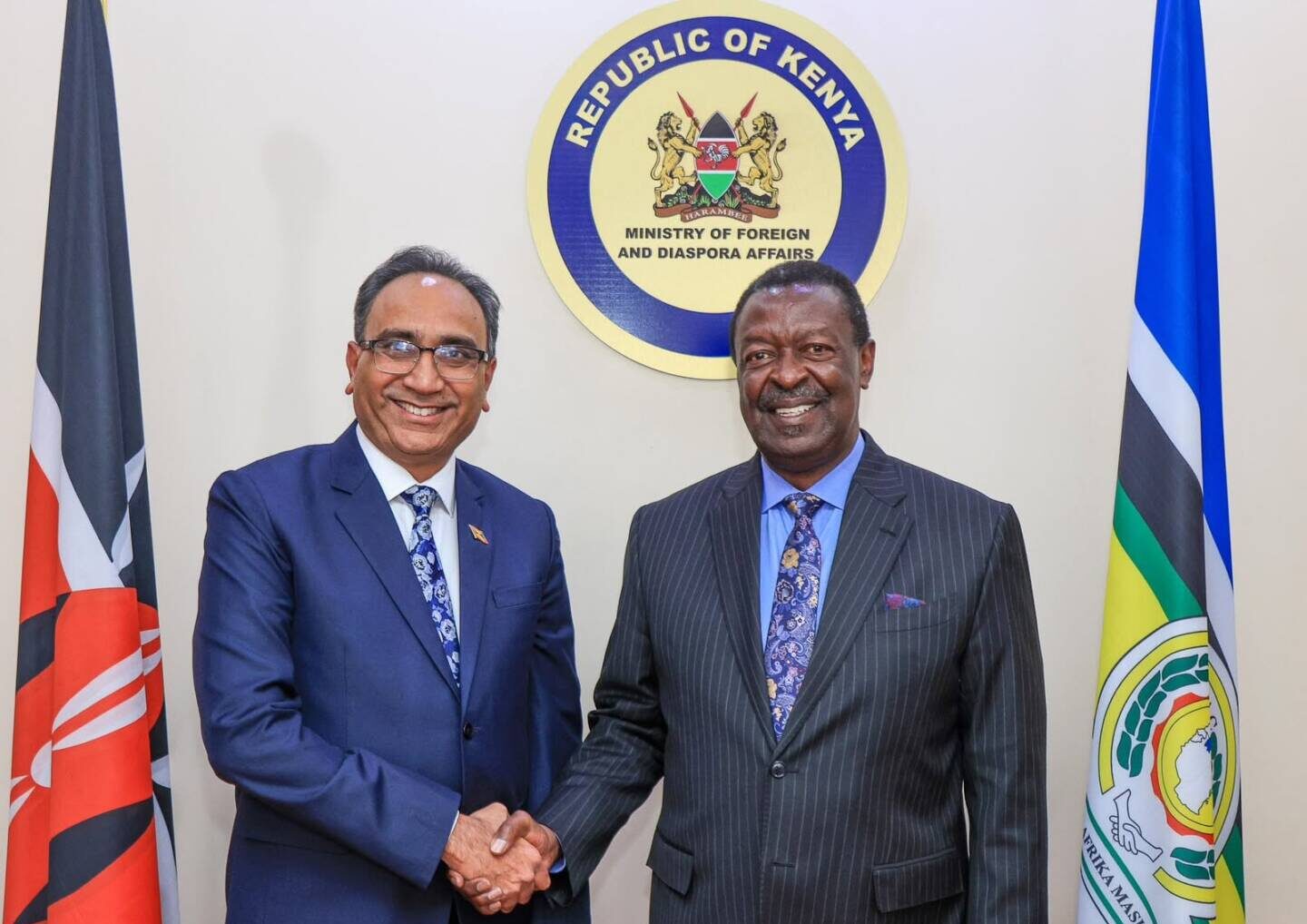
    In a landmark step to deepen diplomatic and economic ties between the Caribbean and Africa, the Government of Grenada has formally named Kamal Shaileshbhai Shah as its new Honorary Consul to the Republic of Kenya. The ceremonial presentation of credentials took place on July 16, 2026, when Shah officially submitted his documentation to Kenya’s Prime Cabinet Secretary and Cabinet Secretary for Foreign and Diaspora Affairs, His Excellency Dr Musalia Mudavadi, EGH.

    This diplomatic milestone does not emerge out of nowhere: it is the direct outcome of high-level talks held between Kenyan President His Excellency Dr William Samoei Ruto, PhD, CGH, and Grenadian Prime Minister Dickon Mitchell during the Africa-Caricom Summit in Addis Ababa, Ethiopia, back in September 2025. At that summit, both leaders highlighted the urgent need for African and Caribbean nations to expand collaboration across multiple domains, from political dialogue and cross-border trade to investment flows and cultural exchange. Friday’s credential presentation marks the fulfillment of that earlier mutual commitment.

    As Grenada’s newly installed Honorary Consul in Kenya, Shah will take on a central role in advancing bilateral cooperation across six key strategic sectors that align with both nations’ long-term development priorities. These priority areas include expanding bilateral trade and attracting mutual investment, fostering innovation in financial technology and digital transformation, advancing joint climate action and environmental sustainability initiatives, growing two-way tourism and cultural exchange, deepening energy cooperation with a specific focus on geothermal energy development, and strengthening collaboration on agriculture and global food security.

    Officials from both countries frame the establishment of this honorary consulate as a transformative development that will unlock new partnership opportunities for both public and private sector stakeholders in Grenada and Kenya, while strengthening broader connections between the African and Caribbean regions. The two island nations share core developmental aspirations: inclusive sustainable development, inclusive economic transformation, and more impactful cooperation on the global stage. Shah’s appointment is a tangible reflection of the shared commitment from both governments to build long-lasting, mutually beneficial partnerships that deliver real, measurable improvements to the lives of their citizens.

    Looking ahead, the Government of Grenada has expressed its eagerness to collaborate closely with the Government of Kenya and all relevant public and private stakeholders to continue expanding this strategic relationship, unlock new avenues for joint collaboration, drive inclusive economic growth, and deliver shared prosperity for the people of both nations. This announcement was originally released by Grenada’s Ministry of Foreign Affairs.

  • Comparing Grenada’s political leaders in a changing political landscape

    Comparing Grenada’s political leaders in a changing political landscape

    As Grenada prepares to head to the polls for its upcoming general election, the electorate is weighing far more than party manifestos and traditional partisan loyalties. At the heart of this electoral contest is a fundamental debate over the future of leadership in the Caribbean island nation, with three top contenders bringing vastly different backgrounds, governing styles and policy blueprints to the race. Unlike most recent elections, which have been dominated by a two-party duopoly, the 202X contest introduces a wild card that could upend decades of political precedent and pave the way for a new style of collaborative governance. The three main contenders are incumbent Prime Minister Dickon Mitchell of the National Democratic Congress (NDC), Emmalin Pierre, leader of the New National Party (NNP), and Peter David, founder of the newly formed Democratic Progressive Movement (DPM). For the first time in recent memory, the election could result in a hung parliament, where no single party secures an outright parliamentary majority, opening the door to coalition governance or minority government arrangements that are constitutionally permitted but unprecedented in modern Grenadian politics. Beyond deciding who will occupy the office of Prime Minister, this election will test whether Grenada’s political culture is ready to embrace a more consensus-driven model of rule.

  • Liberty Caribbean: Headline Sponsor of CANTO’s 41st Annual Conference and Trade Exhibition

    Liberty Caribbean: Headline Sponsor of CANTO’s 41st Annual Conference and Trade Exhibition

    For the fifth consecutive year, leading regional communications and technology provider Liberty Caribbean has pledged its continued support as headline sponsor of the 41st CANTO (Caribbean Association of National Telecommunications Organizations) Annual Conference and Trade Exhibition, cementing its long-standing commitment to driving digital progress across the Caribbean.

    Scheduled to run from August 9 to 12, 2026, the landmark industry gathering will be hosted at the Hard Rock Hotel & Casino Punta Cana in the Dominican Republic, bringing together a diverse cross-section of key stakeholders to advance the region’s digital ambitions. Aligned with the 2026 conference theme, “Elevate the Caribbean — From Connectivity to Global Competitiveness”, the four-day event will convene senior government leaders, top regulatory officials, policy makers, cutting-edge technology innovators, and leading telecommunications providers from across the region and beyond. Attendees will collaborate to map out strategies for accelerating widespread digital transformation, boosting the Caribbean’s global market competitiveness, and unlocking inclusive, long-term sustainable economic growth.

    As the event’s principal sponsor, Liberty Caribbean will take a leading role in shaping the conference’s core programming. Company executives will lead and participate in high-profile keynote addresses, interactive roundtable debates, intimate fireside chats, and expert-led panels that examine both the transformative opportunities and complex challenges presented by today’s fast-growing AI-powered digital economy.

    Inge Smidts, Chief Executive Officer of Liberty Caribbean, emphasized the unique moment of opportunity for the Caribbean region amid rapid global technological change. “The rapid evolution of artificial intelligence is redefining how economies compete, businesses grow, and societies connect. For the Caribbean, this presents an unprecedented opportunity to leap forward,” Smidts said. “Liberty Caribbean is committed to investing in the networks, partnerships, and digital capabilities that will enable our region to embrace these opportunities with confidence. CANTO provides the ideal platform for the conversations and collaboration that will help shape the Caribbean’s next chapter of digital growth.”

    Throughout the conference, Liberty Caribbean will prioritize forward-looking discussions on four critical pillars of regional development: expanding accessible, high-speed connectivity across underserved communities, advancing meaningful digital inclusion for all population groups, developing progressive, innovation-friendly policy and regulatory frameworks, and strengthening cross-regional collaboration to speed up the pace of technological innovation.

    This multi-year sponsorship commitment reflects Liberty Caribbean’s broader mission to work hand-in-hand with governments, regulatory bodies, private enterprises, and industry stakeholders to build a more connected, economically resilient, and globally competitive Caribbean. As headline sponsor, the company will engage directly with regional cabinet ministers, senior regulators, ICT industry leaders, and private sector delegates to co-design the future trajectory of digital development across the Caribbean.

    Beyond high-level policy discussions, the 2026 conference will deliver a robust multi-format program that includes keynote presentations from industry trailblazers, expert-facilitated deep-dive discussions, hands-on technology showcases highlighting the latest digital innovations, and structured networking opportunities designed to forge new cross-sector partnerships. All programming is centered on advancing the Caribbean’s collective digital agenda and fostering deeper, more effective regional collaboration to meet shared development goals.