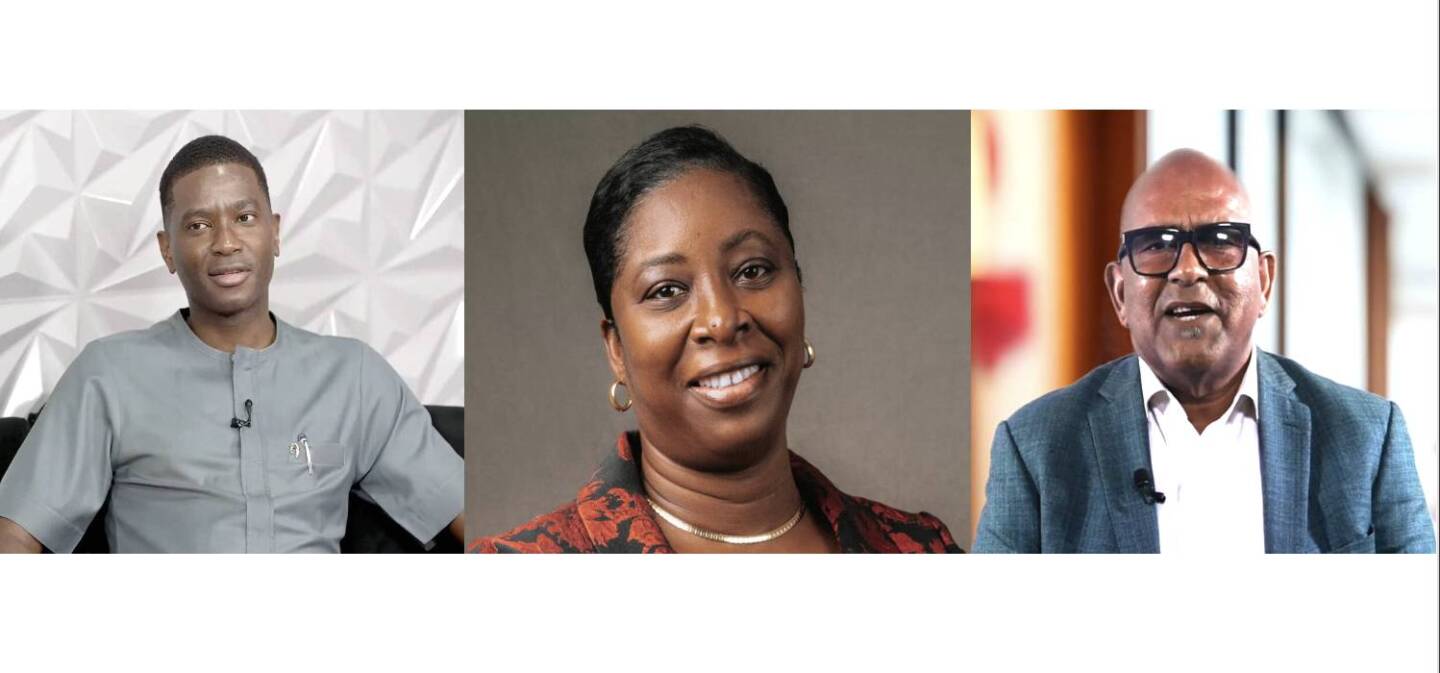
As Grenada prepares to head to the polls for its upcoming general election, the electorate is weighing far more than party manifestos and traditional partisan loyalties. At the heart of this electoral contest is a fundamental debate over the future of leadership in the Caribbean island nation, with three top contenders bringing vastly different backgrounds, governing styles and policy blueprints to the race. Unlike most recent elections, which have been dominated by a two-party duopoly, the 202X contest introduces a wild card that could upend decades of political precedent and pave the way for a new style of collaborative governance. The three main contenders are incumbent Prime Minister Dickon Mitchell of the National Democratic Congress (NDC), Emmalin Pierre, leader of the New National Party (NNP), and Peter David, founder of the newly formed Democratic Progressive Movement (DPM). For the first time in recent memory, the election could result in a hung parliament, where no single party secures an outright parliamentary majority, opening the door to coalition governance or minority government arrangements that are constitutionally permitted but unprecedented in modern Grenadian politics. Beyond deciding who will occupy the office of Prime Minister, this election will test whether Grenada’s political culture is ready to embrace a more consensus-driven model of rule.