Public health officials in Grenada are sounding an alarm over a sudden, significant uptick in dengue fever cases, with new data showing a nearly four-fold jump in infections over a single week. According to the country’s Ministry of Health, the upward trend in transmissions became evident during the 2026 epidemiological monitoring period, with 23 new confirmed and suspected cases recorded between August 16 and August 22, 2026 — corresponding to Epidemiological Week 33. This marks a sharp increase from the six cases reported in the prior week.
Demographic breakdowns of the new infections show that working-age adults make up the majority of affected people. The 25 to 44-year age group accounted for 15 of the 23 new cases, while people between 15 and 24 years old recorded five additional infections. Most of the recent cases presented for care at two major Grenadian healthcare facilities: 11 cases were treated at the General Hospital, and six more were reported at Princess Royal Hospital, with four of all reported cases receiving formal laboratory confirmation.
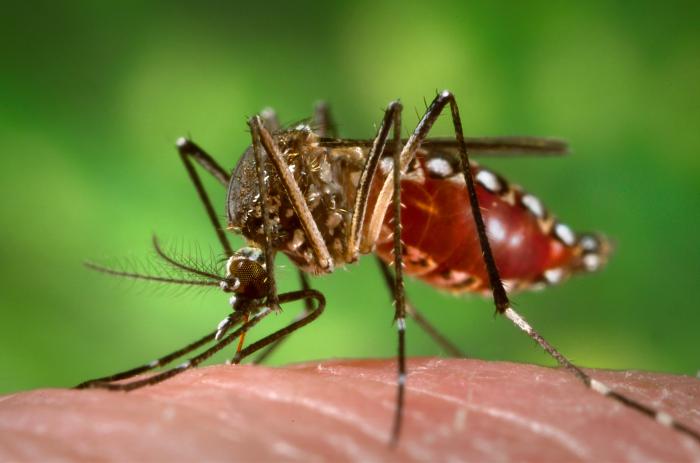
Health authorities emphasize that this unexpected surge signals a growing, unaddressed risk of dengue transmission across the island nation. Dengue, a potentially serious viral illness, is spread exclusively through bites from infected Aedes aegypti mosquitoes, a species that commonly breeds in small pools of stagnant water found around residential properties and community spaces.
In direct response to the rising case counts, the Ministry of Health has announced it is expanding integrated mosquito vector management operations across high-risk areas. Senior health officials say they are maintaining continuous vigilance, updating real-time monitoring of transmission trends to adjust public health interventions as needed.
“ This week’s increase serves as a clear reminder that the risk of dengue infection remains present in our communities, ” a ministry spokesperson stated. “ Every individual and household has a critical role to play in prevention by cutting off mosquito breeding sites and taking personal steps to avoid bites. ”
Following the case surge, the ministry has issued a formal set of public guidelines for all Grenadian residents to reduce their risk of infection. Officials are urging households to drain all standing water from common breeding spots including unused containers, discarded tires, and clogged drains; securely cover all residential water storage tanks and dispose of solid waste properly; use registered mosquito repellents and opt for long-sleeved garments when spending time outdoors; and seek immediate medical attention if they develop common dengue symptoms including high fever, headache, muscle and joint pain, or skin rashes.
Alongside the dengue update, the Ministry of Health also released its full weekly epidemiological report covering other common communicable illnesses across the country. Respiratory infections remained the most widespread illness, with 90 new cases recorded in the week. Gastroenteritis also saw a concerning rise, particularly among adult populations, with 70 new cases reported. Other less common conditions detected during the monitoring week included eight cases of food poisoning, four cases of conjunctivitis, and single isolated cases of tuberculosis, pneumonia, and chickenpox.
This public health update was released by the Ministry of Health, with content disclaimer information provided by the publishing outlet NOW Grenada.