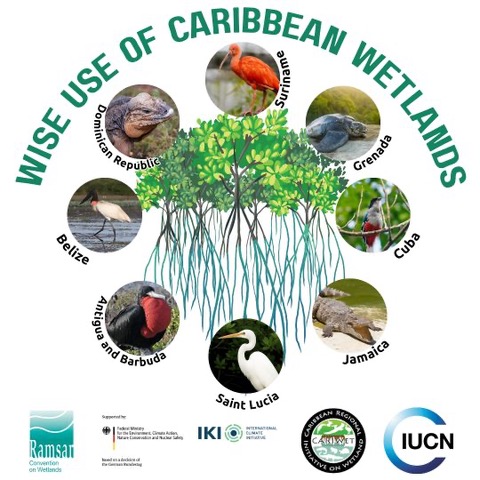
标签: Grenada

格林纳达

  • Infrastructure Ministry will terminate contracts that violate agreements

    Infrastructure Ministry will terminate contracts that violate agreements

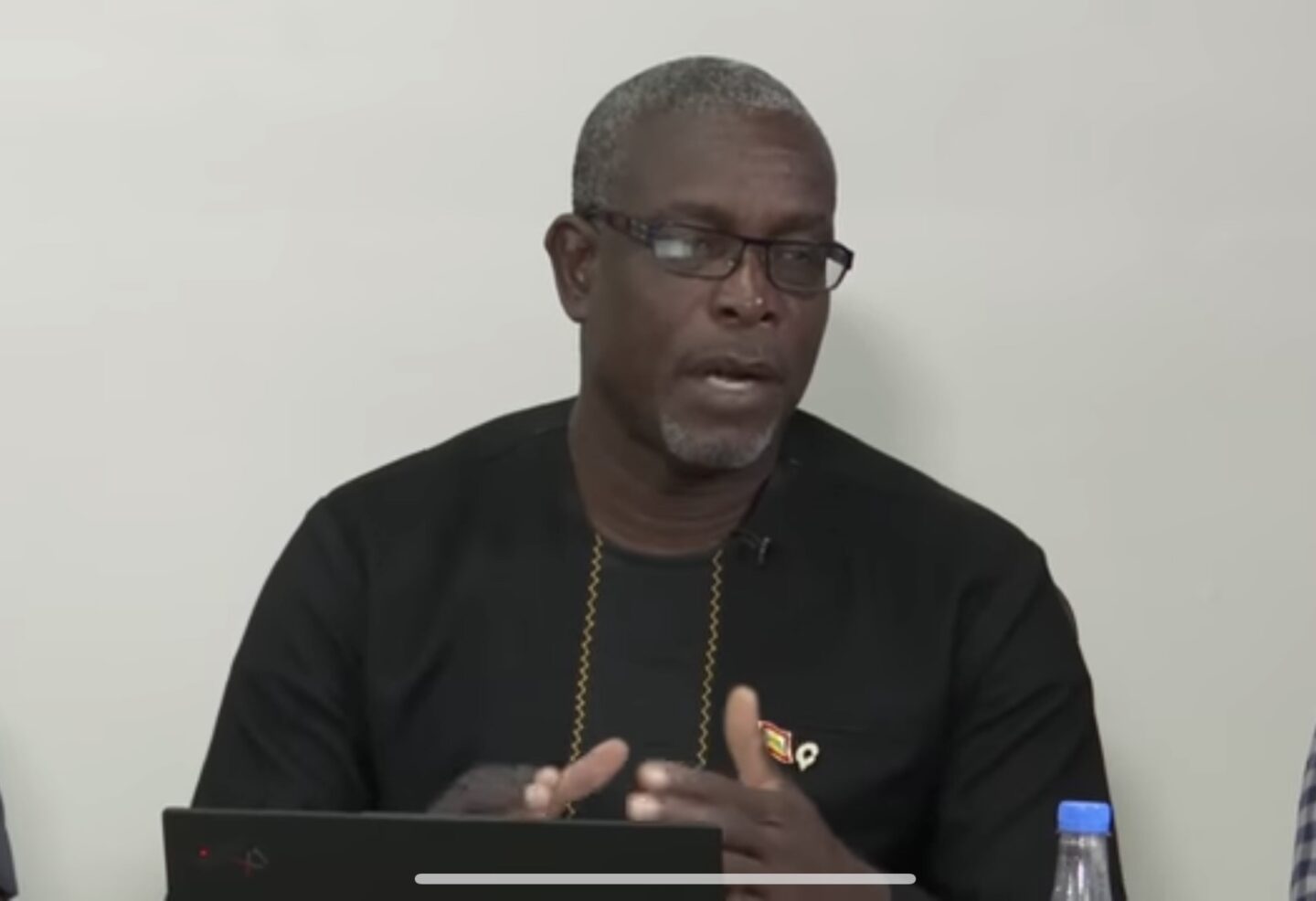
    Prime Minister Dickon Mitchell, serving simultaneously as Grenada’s Infrastructure Minister, delivered a stern warning to local government contractors during parliamentary debates on December 1st regarding the 2026 Budget. He declared an end to leniency regarding contractual non-compliance, emphasizing that henceforth, all contract terms—including termination clauses and delayed payment penalties—will be strictly enforced.

    Mitchell expressed particular frustration with contractors who secure projects only to subsequently attempt redesigns that cause significant delays. “You cannot bid for a project, have the designs, have the plans, get the contracts, and then you decide you want to re-engineer and redesign to delay the work,” he stated, reminding attendees that taxpayer funds finance Grenada’s infrastructure development.

    The Prime Minister revealed that despite his advocacy for local contractors over the past three and a half years, many have responded with substandard work, delays, and a lack of accountability. This has prompted a shift in his approach: “I now intend to fight on behalf of the citizens of Grenada,” he declared, demanding contractors immediately deploy adequate resources to project sites.

    A critical issue highlighted was the reluctance of local contractors to collaborate, which Mitchell identified as a primary factor hindering their growth and necessitating foreign work permits. This lack of cooperation prevents them from qualifying for larger projects under Caribbean Development Bank procurement guidelines, ultimately allowing non-Grenadian contractors to increasingly dominate the construction industry.

    With millions in infrastructure contracts awarded annually—many of which have experienced significant timeline overruns—the government’s new stance signals a major policy shift toward accountability and quality assurance in public projects.

  • Grenadian General Insurance celebrates 35 years with successful marathons and customer incentive campaigns

    Grenadian General Insurance celebrates 35 years with successful marathons and customer incentive campaigns

    Grenadian General Insurance Company Ltd is commemorating its 35th anniversary through a multifaceted celebration strategy combining athletic events and customer engagement initiatives. The insurance provider has successfully executed two marathon competitions in Grenada and Carriacou while launching an extensive customer rewards program extending through September 2026.

    The Grenadian General Insurance Half Marathon & 10K Race attracted approximately 500 participants demonstrating remarkable athletic prowess across both experienced and novice categories. The competition crowned Livron Thorne (1:25:07) and Annalisa Brown (1:44:32) as male and female half marathon champions respectively. The 10K race saw Mikael Moses (38:36) and Azaria Simon (52:02) claiming top honors in their divisions.

    A landmark event occurred on November 29th with the inaugural Grenadian General 10K Race in Hillsborough, Carriacou, featuring 55 competitors including representatives from Petite Martinique. The event received official endorsement from Hon. Tevin Andrews, Minister for Carriacou and Petite Martinique Affairs & Local Government, who praised the initiative’s community impact and enduring partnership. Category victories were distributed across multiple age groups with Kashon Williams achieving dual recognition as both Boys 11-12 champion and overall Male Winner.

    Complementing these athletic endeavors, the company introduced the ‘Renew, Update & Win Promotion’ offering policyholders monthly opportunities to win account credits. Customers renewing policies become eligible for $350 credits while those updating information qualify for $150 credits, reinforcing the company’s customer-centric service philosophy.

    General Manager Kevon La Barrie emphasized the company’s sustained commitment to sports development and youth empowerment throughout the tri-island state. The coordinated efforts involving the Carriacou & Petite Martinique Sports Council under Chairperson Ayanna Bartholomew ensured successful event execution.

    The anniversary celebration will continue through 2026 with additional community-focused initiatives, customer engagement opportunities, and public awareness campaigns designed to enhance safety measures and strengthen national pride across Grenada, Carriacou, and Petite Martinique.

  • Opposition Leader: 2026 budget disconnected from the people

    Opposition Leader: 2026 budget disconnected from the people

    Grenada’s parliamentary proceedings witnessed intense scrutiny as Opposition Leader Emmalin Pierre delivered a scathing assessment of the 2026 Budget presented by Finance Minister Dennis Cornwall. During the December 4th legislative session, Pierre characterized the EC$1.9 billion fiscal plan as fundamentally disconnected from citizens’ daily realities and indicative of systemic financial mismanagement.

    The opposition leader articulated profound disappointment with the budget’s failure to address critical cost-of-living challenges facing Grenadians. Pierre emphasized that supermarket visits have become ‘painful exercises in survival’ amid skyrocketing electricity bills that force households to choose between basic utilities and essential medications. She particularly highlighted the government’s inadequate response to Hurricane Beryl’s impact in July 2024, demanding urgent assistance for affected communities.

    Economic projections reveal concerning trends, with 2026 forecasted to exceed 2025’s deficit by EC$30.4 million, reaching EC$309.8 million or negative 7.3% of GDP. Pierre noted this represents the second consecutive year of approximately EC$300 million deficits, despite inheriting over EC$500 million in reserves during 2022. The government’s plan to borrow EC$450 million to address the growing deficit raised additional concerns about fiscal sustainability.

    A particularly contentious aspect involves the budget’s new expenditure classification termed ‘initiatives,’ allocating EC$206.7 million alongside recurrent (EC$1.7 billion) and capital (EC$370.4 million) categories. Pierre criticized this as a misleading attempt to portray new project investments totaling EC$577.1 million, arguing it obscures true fiscal priorities rather than addressing public needs.

    The budget debate continues with all Lower House members scheduled to contribute before proceeding to the Upper House. Grenada’s fiscal year runs from January 1 to December 31 annually, with the 2026 budget requiring parliamentary approval before taking effect on New Year’s Day.

  • MOU to advance sargassum valorisation in Grenada

    MOU to advance sargassum valorisation in Grenada

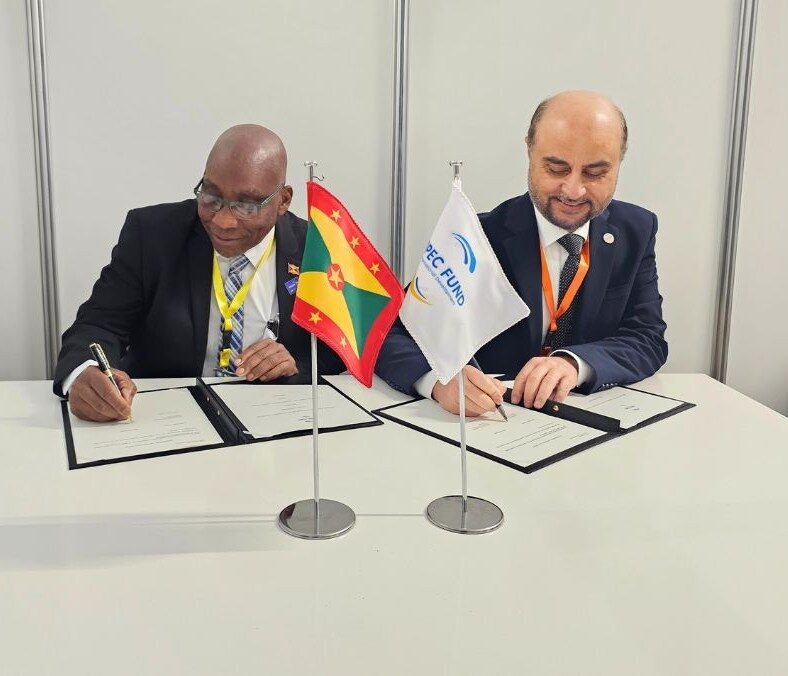
    In a significant move toward sustainable ocean resource management, Grenada has established a formal tripartite partnership between its Ministry of the Blue Economy and Marine Affairs, Ministry of Climate Resilience, the Environment, and Renewable Energy, and the International Trade Centre (ITC). The collaboration was cemented through a Memorandum of Understanding specifically designed to advance sargassum valorization initiatives throughout the Caribbean nation.

    This groundbreaking agreement represents Grenada’s strategic approach to converting environmental challenges presented by massive sargassum influxes into sustainable economic opportunities that simultaneously benefit local communities and enhance national economic resilience. The MoU establishes a comprehensive framework for cooperation across multiple critical domains including supply chain enhancement, market development, and investment mobilization—all strategically aligned toward creating a commercially viable and environmentally responsible sargassum value chain.

    The formal signing ceremony occurred during an intensive participatory workshop organized by the Grenada National Sargassum Task Force (GNSTF), the EU Delegation to Barbados, the Eastern Caribbean States, the Organisation of Eastern Caribbean States (OECS), and the ITC. This gathering brought together diverse stakeholders from government institutions, private sector enterprises, and academic organizations to collaboratively plan and activate initiatives that unlock sustainable economic potential through sargassum utilization.

    This initiative receives substantial support through the EU-funded Food Security Programme in the Caribbean, which is being implemented by the ITC. The program specifically aims to strengthen socioeconomic resilience within coastal communities, support fisherfolk populations, and empower Micro, Small, and Medium Enterprises (MSMEs) by cultivating sustainable economic opportunities within the Blue Economy sector.

    Grenada maintains its position as a key partner under the EU Grenada National Task Force for Sargassum, established through the EU Global Gateway initiative. This Task Force has taken a leadership role in developing comprehensive strategies for creating sustainable and commercially viable sargassum value chains that deliver broad societal benefits.

    During her opening address, Permanent Secretary Peron Johnson of the Ministry of Climate Resilience, the Environment, and Renewable Energy reaffirmed the Government of Grenada’s steadfast commitment to collaborative innovation: “This moment represents a critical turning point in our national efforts to transform sargassum from a coastal management challenge into a genuine economic opportunity. Our methodology must be scientifically grounded, partnership-driven, and sustainability-anchored. We have convened not merely to discuss theoretical solutions, but to co-create practical implementations. Through synergistic collaboration between government, industry, communities, and international partners, we can construct a sargassum value chain that enhances ecological resilience, generates sustainable livelihoods, and protects vital marine ecosystems.”

    Secretary Johnson further emphasized the crucial importance of inclusive planning processes and the pivotal role of MSMEs and coastal communities in driving substantive, meaningful change.

    At the closing ceremony, Permanent Secretary Javan Williams of the Ministry of the Blue Economy and Marine Affairs highlighted the necessity of maintaining the collaborative momentum generated throughout the workshop: “This week has powerfully demonstrated the transformative potential that emerges when diverse knowledge, extensive experience, and cutting-edge innovation converge. The insights exchanged and partnerships strengthened here establish a solid foundation for a future where sargassum ceases to be an environmental burden and instead becomes a catalyst for novel industries and enhanced livelihoods. This MoU signing symbolizes our collective determination to advance a sustainable and resilient Blue Economy for Grenada. We must sustain this momentum and continue collaborative efforts to ensure complete realization of every opportunity within the sargassum value chain.”

    In partnership with the EU Global Gateway initiative, the ITC maintains its commitment to supporting Caribbean nations in developing inclusive, resilient, and sustainable blue economies where environmental stewardship aligns seamlessly with economic growth and community empowerment.

    The Government of Grenada, through its ministerial departments and national task force mechanisms, will continue working closely with the ITC and regional partners to ensure a coordinated, strategic, and impactful approach to sargassum valorization throughout the Eastern Caribbean region.

  • That belly may be killing you

    That belly may be killing you

    Medical experts from the Grenada Food and Nutrition Council (GFNC) have issued a crucial health alert regarding abdominal obesity, warning that a protruding belly may signal dangerous internal fat accumulation with serious health implications.

    This deep-lying visceral fat, which envelops vital organs, represents a significant threat to metabolic health. Unlike subcutaneous fat, visceral fat is biologically active, functioning almost as an endocrine organ that releases harmful substances into the bloodstream. These substances trigger systemic inflammation, elevate triglyceride levels, and disrupt essential bodily processes.

    The metabolic consequences are severe and multifaceted. Visceral fat dramatically increases triglyceride production, leading to toxic fat accumulation in muscles and liver. This storage pattern promotes insulin resistance, impairing the body’s ability to regulate blood sugar effectively. Simultaneously, fatty deposits infiltrate blood vessels, forming arterial plaque that stiffens vessel walls and contributes to hypertension through elevated cortisol production.

    Additionally, visceral fat stimulates increased fibrinogen production, a substance that thickens blood and promotes clot formation—significantly elevating stroke and heart attack risks. The liver becomes particularly vulnerable, with excess triglycerides potentially progressing to non-alcoholic fatty liver disease, cirrhosis, and severe hepatic dysfunction.

    Nutritionist Keishon Williams of GFNC identifies multiple contributing factors including chronic stress, sedentary lifestyles, high consumption of refined carbohydrates, ultra-processed foods, and inadequate fiber intake. These elements collectively create the conditions for metabolic syndrome—a dangerous cluster of conditions that dramatically increase cardiovascular and metabolic disease risks.

    The GFNC emphasizes that proactive measures through nutritional counseling and lifestyle modifications can combat this growing health concern. Their recent educational initiative ‘Let’s Chat’ provides comprehensive guidance on addressing visceral fat accumulation and improving metabolic health outcomes.

  • New Life Organisation students get Rubigas boost

    New Life Organisation students get Rubigas boost

    A strategic corporate partnership is amplifying the impact of vocational education in Grenada as energy conglomerate RUBIS and distributor Huggins Petroleum bolster New Life Organisation’s youth development initiatives. The collaborative effort features substantial material support including a EC$3,000 voucher for essential supplies and two 100-pound Rubigas cylinders to sustain daily operations at NEWLO’s residential facility.

    Dale Neptune, Marketing and Job Placement Manager at NEWLO, emphasized the institution’s comprehensive approach to education: “Our mission centers on equipping students with both practical capabilities and life skills necessary for personal and professional success.” This philosophy resonates deeply with beneficiaries from the Culinary and Fashion Departments, who reported transformative experiences through the program’s residential component.

    RUBIS executives articulated a coherent corporate social responsibility vision during the presentation ceremony. Accounts Executive Areen Lewis affirmed the company’s enduring commitment to community empowerment, stating: “We recognize the crucial role institutions like NEWLO play in shaping Grenada’s future workforce. Our investment creates sustainable pathways for the next generation’s advancement.”

    Sales and Marketing Coordinator Catoria Jeremiah highlighted the symbiotic nature of the partnership, emphasizing collaborative dynamics that ensure program sustainability. Meanwhile, Huggins Petroleum Representative Kizzy Bartholomew reinforced her company’s dedication to educational development, noting the program’s significance in cultivating well-rounded, capable citizens.

    The corporate-educational alliance represents a model for private sector engagement in human capital development, demonstrating how targeted support for technical and vocational training can generate meaningful community impact while addressing national workforce development needs.

  • Professor Ivelaw Griffith to deliver 21st Sir Archibald Nedd Memorial Lecture

    Professor Ivelaw Griffith to deliver 21st Sir Archibald Nedd Memorial Lecture

    The geopolitical tensions surrounding Caribbean sovereignty will take center stage at the 21st Sir Archibald Nedd Memorial Lecture scheduled for December 9, 2025, at Radisson Convention Centre in Grand Anse. Esteemed scholar Professor Ivelaw Griffith, an internationally recognized authority on regional security, will deliver this year’s address titled “The Radar Request: Sovereignty and Vulnerability in the Caribbean.

    Professor Griffith brings exceptional credentials to this timely discussion. As a former Senior Associate of the Centre for Strategic and International Studies and Fellow of the Caribbean Policy Consortium, he has authored eleven books on security matters. His expertise earned him the prestigious 2015 Perry Award for Excellence in Security and Defence Education, making him the first Caribbean recipient of this honor named after former US Defence Secretary Dr. William Perry.

    The Guyanese academic, who previously served as Vice-Chancellor of the University of Guyana, also holds the Cacique Crown of Honour—Guyana’s third highest national award—for his transformational educational leadership and international scholarship.

    This year’s lecture topic addresses mounting regional concerns about increased US military presence in the Caribbean. The discussion will specifically examine the controversial US request to establish radar facilities at Grenada’s Maurice Bishop International Airport, juxtaposed against widespread calls for maintaining the Caribbean as a Zone of Peace. These developments have sparked intense debate across local, regional, and international platforms.

    Established in 1996 by the Grenada Bar Association, the SANML represents the Commonwealth’s longest-running public lecture series hosted by any bar association across the 56-nation coalition. The event honors former Grenadian Chief Justice Sir Archibald Nedd (1979-1986) while fulfilling the legal association’s mission to provide continuing public education on matters of civic importance. The December lecture is open to all members of the public seeking to engage with these critical geopolitical developments.

  • Blue Horizon College sets ambitious path for healthcare education

    Blue Horizon College sets ambitious path for healthcare education

    In response to critical healthcare workforce shortages plaguing the Caribbean region, Blue Horizon College has emerged as a transformative educational institution dedicated to rebuilding clinical capacity. Founded by registered nurse and public health practitioner Ambika Joseph, the college addresses a severe regional deficit where only 44.3 nurses serve every 10,000 residents—far below the Pan American Health Organization’s recommended threshold of 70.6 per 10,000 for universal healthcare access by 2030.

    The institution originated in 2024 as the Care-Transition Clinic School of Nursing before rebranding in 2025 to expand its mission. Now located at Woodlands Commercial Complex in St. George, Grenada, the college has developed targeted programs including a BSc in Nursing, Certificate in Phlebotomy, Associate Degree in Medical Assisting, and specialized degrees in Sonography and Radiology. These offerings were created specifically to meet escalating demands across Grenada’s healthcare facilities.

    Joseph’s vision stems from firsthand experience with systemic gaps in clinical training and academic preparation. “I witnessed the gaps in clinical training, academic preparation, and the ongoing workforce shortages that strain our health system,” she explained. The crisis is exacerbated by nurse migration that has left 40% of nursing positions vacant throughout the Caribbean.

    The college’s BSc in Nursing program employs a hybrid learning model with specialization tracks in Public Health Nursing or Nursing Administration. The curriculum incorporates simulation labs, virtual modules, and problem-based learning to develop clinical judgment and critical thinking. Students gain practical experience through structured clinical rotations and interdisciplinary collaboration with partner hospitals and clinics.

    Admission criteria emphasize compassion, resilience, and community commitment alongside academic capability. The college provides mentorship, workshops, and partial scholarships to support Grenadians pursuing healthcare careers. Looking forward, Joseph plans to integrate digital simulations, virtual clinical experiences, and electronic learning platforms to prepare graduates for evolving healthcare technologies.

    Despite challenges including regulatory compliance and faculty recruitment—requiring international instructor sourcing—Joseph remains confident in the institution’s mission. Her five-year vision involves expanding into a university offering advanced degrees in healthcare administration while establishing Grenada as a regional leader in healthcare education.

  • PM Mitchell recommends enactment of laws to fight downside of social media

    PM Mitchell recommends enactment of laws to fight downside of social media

    Prime Minister Dickon Mitchell of Grenada has issued a compelling call for legislative action across Caribbean nations to address the pervasive negative impacts of social media platforms. Speaking as a guest on the Government Information Service’s Spice Morning show on December 3, 2025, Mitchell characterized social media environments as breeding grounds for bullying, abuse, and systematic character defamation.

    The Prime Minister emphasized that even technologically advanced nations are recognizing the dangers of unregulated digital spaces, which he warned could fundamentally undermine social cohesion. ‘We here in the Caribbean have to be concerned about having unfiltered access for all kinds of negativity that floats around in social media and what it does to our mental health and mental wellness,’ Mitchell stated during the broadcast.

    Mitchell highlighted the current regulatory vacuum in the region, noting the absence of comprehensive policies to address misinformation, disinformation, and false information circulating online. He articulated the need for protective measures for vulnerable individuals who may lack the emotional resilience to withstand online harassment.

    Beyond immediate harms, the Prime Minister identified a broader cultural concern, describing much of social media content as ‘mindless, numbless, pointless decadence’ that distracts from constructive societal development. He contrasted the current environment of trolling and abuse with the potential for platforms to highlight positive community-building efforts.

    Mitchell called for a collaborative approach involving multiple sectors of society, urging churches, civil society organizations, and trade unions to join the conversation about digital responsibility. He warned that today’s targets might be politicians, but tomorrow’s victims could include religious leaders, civil society representatives, or union officials, making this a universal societal concern requiring comprehensive regulatory solutions.

  • TAMCC Council update on negotiations with Grenada Public Workers’ Union

    TAMCC Council update on negotiations with Grenada Public Workers’ Union

    The T A Marryshow Community College (TAMCC) Council has provided the Grenadian public with a comprehensive update regarding its ongoing negotiations with the Grenada Public Workers’ Union (GPWU), marking a significant development in the institution’s labor relations history.

    Upon assuming leadership in August 2022, the current council inherited substantially strained industrial relations at the college. Demonstrating decisive action, the new administration successfully restored stability by resolving outstanding disputes and implementing salary increases totaling over EC$12.3 million for all TAMCC employees, covering the period from 2017 to 2024.

    In a groundbreaking move toward sustainable labor harmony, the council initiated negotiations for institution-specific Collective Bargaining Agreements (CBAs), diverging from previous practices that extended broader public sector agreements to the college. This strategic shift represents the first instance where TAMCC will establish tailored agreements addressing its unique operational requirements.

    After months of intensive negotiations, the TAMCC Negotiating Team developed comprehensive CBAs for 2025 and 2026-2028, which received council approval before submission to Cabinet for final consideration. The Cabinet has subsequently called for additional dialogue between TAMCC and the unions, expressing particular concerns regarding specific agreement components that require resolution before finalization.

    The negotiation process encountered increased tension when GPWU issued a November 26, 2025 communication demanding formal CBA signing by December 3 and insisting on specific December deadlines for retroactive salary payments and increases. The council responded by reminding the union of its president’s prior written agreement (dated September 10, 2025) to a structured three-phase approval process involving sequential endorsement by the Negotiating Team, TAMCC Council, and Cabinet before formal ratification.

    Documentary evidence confirms that GPWU President Daisy Hazzard and TAMCC Negotiating Team Chair Learrie Barry jointly acknowledged completion of negotiations and committed to the established approval protocol. Despite current tensions, the council maintains a conciliatory posture, proposing new meeting dates with GPWU and emphasizing the necessity of compromise to achieve mutually acceptable resolutions.

    Through an open letter from the Council Chair, TAMCC has maintained transparency with its employees regarding the negotiation status, reaffirming institutional commitment to resolving matters in the best interests of both the college and the nation.