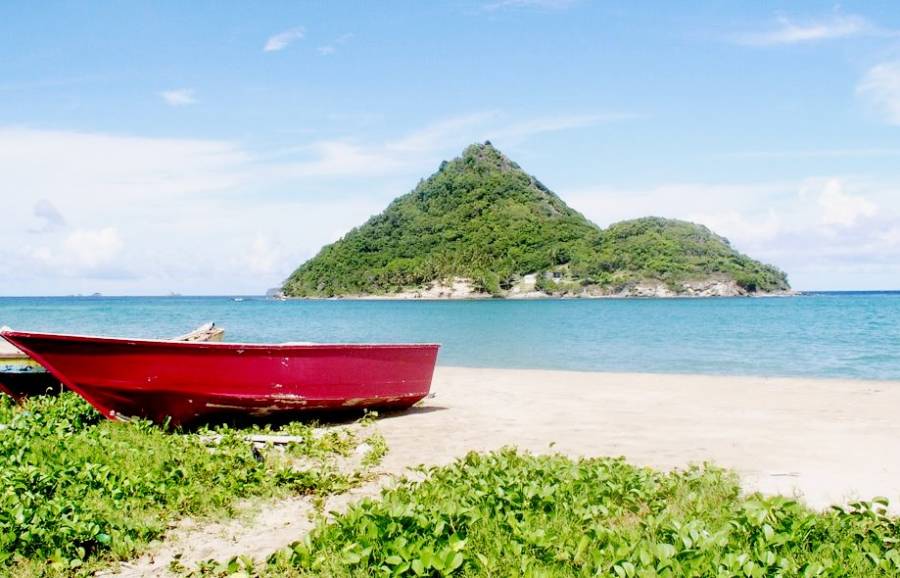
标签: Grenada

格林纳达

  • Traffic arrangements: CARIFTA Games, National Stadium

    Traffic arrangements: CARIFTA Games, National Stadium

    As Grenada prepares to host the 53rd edition of the CARIFTA Games in 2026, the Royal Grenada Police Force (RGPF) has announced a full set of adjusted traffic regulations to keep movement orderly around the event’s primary venue, the Kirani James Athletic Stadium. The special arrangements will run from Saturday, April 4 to Monday, April 6, 2026, and will be enforced daily between 5:00 a.m. and 11:00 p.m.

    To guide inbound vehicle traffic to the stadium, all motorists heading to the venue will be required to access the site via two designated routes: the Queen’s Park Ring Road starting from its intersection with Cherry Hill in St. George, and the Hump Back Bridge connection to River Road Public Road. Once daily competition concludes, no vehicles will be permitted to enter the venue area at all. Critically, the RGPF has emphasized that no entry will be granted to motorists approaching the stadium from the Mt Gay or Mt Rush directions.

    Several additional road sections will be completely closed to vehicle traffic throughout the event. These include Old Fort public road starting from its junction with Lucas Street, Cemetery Hill from its intersection with Church Street, and the section of the Ring Road stretching from the Mt Rush Public Road junction toward Humpback Bridge.

    To accommodate all attendees and personnel, the RGPF has rolled out a segmented parking plan tailored to different groups. VIPs will be allocated parking in the concrete paved zone directly in front of the Kirani James Athletic Stadium, while official event personnel will park in the lot immediately to the left upon entering the stadium grounds. Media outlets, catering vendors, and senior police officers working on-site during the games will use the grass parking area located on the left side of the main stadium car park entrance. Performers participating in activities at the event’s Culture Village will park at the rear of the National Cricket Stadium near the River Road end, an area typically reserved for VIP parking. Buses carrying athletes and team management staff will be assigned parking at Gate 6, immediately to the left of the entrance.

    For general spectators, two public parking zones have been designated: the Wesley College ground, and the right side of Gate 6 upon entry. Multiple high-traffic areas around the venue have been marked as no-parking zones to prevent congestion, including Melville Street from the Fish Market to Keep Left, the stretch from Keep Left to Cherry Hill (including the entire Queen’s Park Public Road), the section from the Cemetery Hill and River Road intersection to Purcell’s Lumber Yard, both sides of the stadium ring road, and Mt Rush public road from its junction with the Stadium Ring Road up to the start of the hill.

    At the end of each day’s events, three major roads will be converted to one-way traffic flow to ease post-event exit congestion: River Road public road will only allow travel toward the DeCaul roundabout, Mt Rush public road will be one-way toward Mt Gay, and Mortley Hill will only permit travel toward Sans Souci.

    The RGPF also confirmed a pre-planned emergency access route: all emergency response vehicles will travel along Cemetery Hill, Church Street, and Grand Etang Road to reach the General Hospital if needed. This announcement was officially released from the Office of the Commissioner of Police.

  • Project Polaris Groundbreaking Ceremony

    Project Polaris Groundbreaking Ceremony

    On a historic plot of land that has carried centuries of Grenadian narrative—from Indigenous Amerindian settlement through colonial slave and sugarcane plantations—Prime Minister Dickon Mitchell has officially launched the groundbreaking ceremony for Project Polaris, the nation’s ambitious new state-of-the-art Grenada General Hospital. Far more than a construction milestone, the event marked a defining step forward for the island nation’s long-term national development plan, Vision 75, which aims to transform Grenada into a resilient, inclusive, innovation-driven economy by its 75th independence anniversary in 2050.

    For more than a century, Grenada’s existing General Hospital, originally built as a colonial infirmary by French rulers, has stood as a quiet witness to the nation’s tumultuous history. It survived the 1850 Great Fire of St. George’s, weathered devastating hurricanes Janet and Ivan, and endured through Grenada’s political revolution. Over generations, successive governments have patched and expanded the aging facility: adding new wings, expanding overcrowded wards, repainting walls, and repairing leaky roofs. But officials have long acknowledged that retrofitting a 19th-century structure to meet 21st-century clinical standards is no longer feasible. For years, Grenadian healthcare workers have delivered life-saving care against steep odds, working within severe space constraints while the public has waited patiently for systemic change. Today, that change finally begins, Mitchell emphasized.

    The path to this groundbreaking ceremony was the result of deliberate, accelerated action by Mitchell’s administration, which took office in 2022. Built on the non-negotiable principle that all Grenadians deserve access to world-class healthcare without leaving their home country, the project moved from concept to land acquisition in just 12 months, with the 2023 purchase of the strategic plot from the Neckles family. Mitchell highlighted the family’s stewardship of the land for a full decade, from 2013 onward, when they chose to hold the entire parcel intact rather than subdivide and sell it for private development, recognizing its long-term strategic value to the nation.

    Mitchell acknowledged that the road ahead still holds significant hurdles, from financial constraints to logistical challenges, and that skeptics have questioned the project’s feasibility. But he reaffirmed that the government’s commitment to delivering tangible progress for the Grenadian people remains unwavering. Years of rigorous feasibility studies, environmental impact assessments, and intensive negotiations have laid a strong foundation for the project, which is designed not just as a new hospital building, but as a sustainable, integrated ecosystem of care. Today’s ceremony moves the project from planning to active construction, turning a decades-long policy discussion into tangible progress.

    Project Polaris stands as the cornerstone of Vision 75, the government’s national development roadmap. “You cannot have a wealthy nation without a healthy nation,” Mitchell noted, framing public health as the bedrock of all national prosperity. A productive economy depends on a healthy workforce, and a thriving society cannot exist without a modern, accessible healthcare system that meets the needs of all citizens. Echoing the transformative impact of two of Grenada’s most iconic national infrastructure projects—the Maurice Bishop International Airport completed in 1984 and St. George’s University founded in 1977—Project Polaris is set to reshape the nation’s trajectory. During construction, the project will create hundreds of local jobs, and once completed in 2029, it will support thousands of high-skilled clinical and support roles, strengthening Grenada’s human capital for decades to come.

    The new hospital facility is the core infrastructure, or “hardware,” of a broader public healthcare transformation that includes complementary policy and system reforms, labeled the initiative’s “software.” Key reforms include transitioning hospitals to a semi-autonomous management structure to speed up procurement, improve operational efficiency, and boost maintenance standards; laying the regulatory and financial groundwork for a national universal health insurance scheme that will eliminate the cruel choice for Grenadians between life-saving care and losing their life savings; revitalizing local community health centers and village medical outposts to expand preventative primary care, reducing the burden of advanced illness on the acute care hospital; and implementing a system-wide quality improvement program at the existing General Hospital to boost patient experience and clinical outcomes immediately, while construction on the new facility progresses.

    Beyond improving domestic care, Project Polaris will position Grenada as a regional leader in healthcare excellence among the Organisation of Eastern Caribbean States (OECS), turning the Spice Isle into a global health tourism destination and a regional hub for specialized clinical care. To mark the occasion, the government of Grenada signed a new Letter of Intent with CAF, the Development Bank of Latin America and the Caribbean, outlining a framework for expanded collaboration to strengthen the nation’s health sector, advance digital health integration, and develop sustainable, high-impact initiatives that improve health outcomes for all Grenadians. Mitchell extended an open invitation to local private sector stakeholders, the Grenadian diaspora, and international partners to join the project, framing the initiative as proof that small island developing states can lead regional progress when they commit to bold ambition. “Grenada is no longer a passenger in the story of Caribbean development; it is a pilot,” he said.

    To underscore the shared responsibility of building a healthier nation, every member of the Grenadian Cabinet has pledged to donate one month of their annual salary to the project each year until its completion in 2029. Mitchell extended a call to all Grenadians at home and abroad to join the effort, whether through public advocacy, personal commitment to healthy lifestyles, or direct partnership. Beyond bricks and mortar, he framed the project as a shift in national mindset: health is not just a service to access when illness strikes, but a collective priority to protect every day.

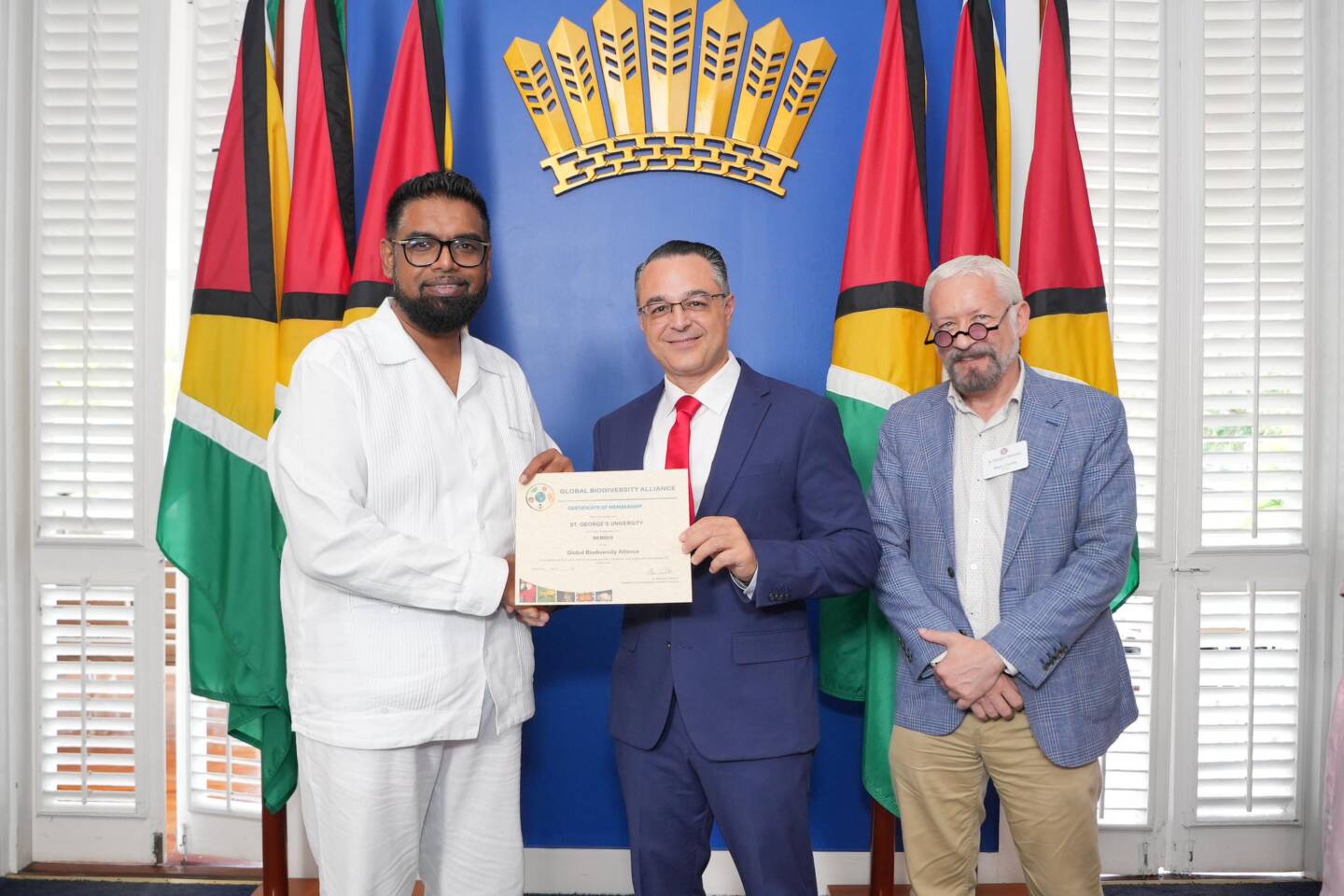
    In closing, Mitchell extended gratitude to the cross-government team that brought the project to this milestone, international development and financing partners, and the Neckles family for their stewardship of the land. He also recognized long-standing institutional partner St. George’s University, whose expertise in medical education will make the new hospital a hub for clinical training as well as patient care. “May God bless this project, and may God bless our beautiful nation,” he said.

  • Grenada launches landmark vision restoration programme

    Grenada launches landmark vision restoration programme

    In the coming weeks, 50,000 residents across Grenada’s tri-island territory will gain access to life-changing vision care through a new pioneering national vision restoration programme, a initiative set to deliver clearer sight, restored personal dignity, and expanded opportunity for thousands living with unaddressed vision impairment.

    The official partnership for the programme was formalized on March 27, 2026, during a signing ceremony held in St. George’s. The Memorandum of Understanding (MOU) was signed by Grenada’s Minister of Health, Hon. Philip Telesford, and Keisha McGuire, Chief Global Affairs Officer of the global non-profit organization Restoring Vision. Since details of the programme were made public, it has sparked widespread national attention and enthusiasm, rooted in the personal commitment of Grenada’s Prime Minister, Hon. Dickon Mitchell, who first championed the initiative.

    Prime Minister Mitchell opened up about his own experience struggling with unaddressed vision problems during his secondary school years, framing the programme as a deeply personal priority. “For me, any opportunity to help someone who suffers from vision loss is something I am deeply passionate about,” he said. He further emphasized that the project centers on tangible, people-focused healthcare improvement, noting that uncorrected poor vision creates unnecessary barriers to nearly all routine daily activities for affected people.

    Minister Telesford echoed this sentiment, highlighting the urgent need and strategic importance of the cross-sector collaboration. “This comes at a critical time in our efforts to strengthen primary health care and expand access to essential services. Vision health is often overlooked, yet it is fundamental to productivity, independence, and quality of life,” he explained. For Small Island Developing States like Grenada, unaddressed presbyopia represents a widespread public health gap: data shows 6 out of 10 adults over 40 live with the age-related vision condition, yet the vast majority lack access to even a basic pair of reading glasses to correct it.

    Over the 12-month pilot period, the programme will integrate free vision screenings and near-vision eyeglass distribution directly into Grenada’s existing public health system. The rollout will leverage the country’s established primary care network and trained community health workers to bring services directly to citizens, both at local clinics and in remote, hard-to-reach communities across all three islands.

    McGuire, representing Restoring Vision, framed the partnership as a model for other small island nations facing similar public health challenges. “This programme reflects a shared vision to advance the health and wellbeing of our people. No one in Grenada should be held back by something so easily corrected as poor near-vision,” she said. Restoring Vision, the global non-profit behind the collaboration, has made addressing uncorrected presbyopia its core mission: the age-related near-vision deterioration is the most common cause of vision impairment across the globe, and the organization works to expand affordable access to correction globally.

    The partnership marks a major turning point for essential eye care access in Grenada, with the shared goal of helping all residents access the care they need to see clearly, participate fully in daily life, and build more stable futures. Approximately 50 Grenadians already confirmed to have unaddressed near-vision impairment will be the first to receive free eyeglasses as the programme launches in the coming weeks.

  • TAMCC students explore career opportunities in cruise ship industry

    TAMCC students explore career opportunities in cruise ship industry

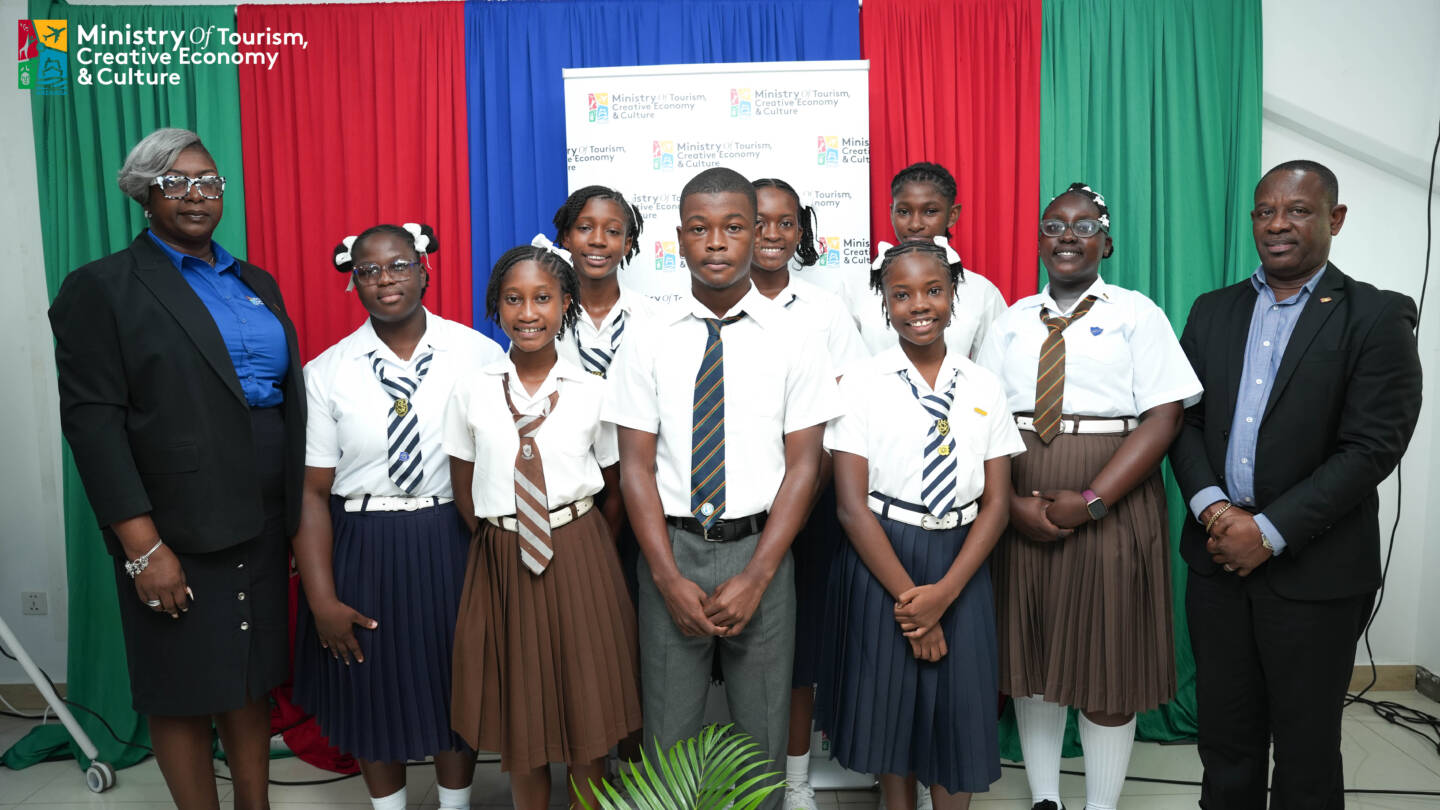
    Twenty tourism and hospitality students from T A Marryshow Community College (TAMCC) gained unprecedented access to career opportunities in the maritime sector during an immersive educational tour aboard the sophisticated MSC Virtuosa cruise ship. The event, orchestrated by Grenada’s Ministry of Tourism, Creative Economy and Culture, formed the concluding segment of the first quarter’s Immersive Edutainment Tour initiative under the national Tourism Awareness Campaign.

    Accompanied by two faculty members, the delegation comprised students specializing in Tourism and Hospitality, Food and Beverage, and Culinary Arts. They engaged in an comprehensive informational briefing that detailed diverse professional pathways within the cruise industry and provided operational insights into modern maritime hospitality management.

    Following the theoretical component, participants experienced a guided exploration of the vessel’s advanced facilities. The tour highlighted the ship’s technological innovations, including the spectacular LED-domed Galleria Virtuosa, premium dining establishments, entertainment venues, and state-of-the-art recreational infrastructure that define the Meraviglia-Plus class cruise experience.

    This maritime career day continues a series of educational excursions that previously included primary school visits to the George Brizan House of Nutmeg and Tri-Island Chocolate Factory in Beaulieu, alongside secondary school tours of Coyaba Beach Resort. These strategically designed edutainment initiatives aim to cultivate tourism awareness among Grenada’s youth while providing substantive exposure to the nation’s hospitality ecosystem, including cruise operations, hotel management, and cultural attractions.

    The program represents a significant investment in human resource development within Grenada’s vital tourism sector, creating tangible connections between academic preparation and industry requirements for the next generation of hospitality professionals.

  • From vision to reality: Project Polaris breaks ground

    From vision to reality: Project Polaris breaks ground

    GRENADA – In a historic ceremony marking a new era for Caribbean healthcare, Grenadian officials have officially commenced construction on Project Polaris, the nation’s most ambitious medical infrastructure project to date. The groundbreaking event on March 27, 2026, at the Calivigny site signals the beginning of a three-year construction timeline for a state-of-the-art 250-bed general hospital.

    Prime Minister Dickon Mitchell delivered a powerful address framing the moment as both symbolic and transformative for the nation. “We stand on hallowed ground,” Mitchell declared, tracing the land’s evolution from Amerindian settlement to plantation use, and now to a beacon of modern healthcare. “We are not just moving earth—we are moving the nation of Grenada, Carriacou and Petite Martinique forward.”

    The Prime Minister acknowledged the limitations of the existing General Hospital, which dates back to the 18th century, stating that “patchwork is no longer enough” despite the heroic efforts of healthcare professionals working with outdated facilities.

    Project Polaris represents the cornerstone of Grenada’s ‘Vision 75’ development agenda, aiming to transform the nation into a resilient, innovation-driven economy by 2050. The climate-resilient smart facility will occupy approximately 10 acres within the broader 83.9-acre Hope Vale Medical City development, featuring expanded specialist services, advanced diagnostics, emergency care, surgical suites, and maternal-neonatal units.

    Ambassador Andrea St Bernard, Project Sponsor, described the initiative as “our North Star” guiding the nation toward a stronger healthcare system. The project aims to stem the millions of dollars Grenadians annually spend on overseas medical treatment while creating substantial economic benefits through job creation and workforce development.

    In an unprecedented demonstration of commitment, Cabinet ministers have pledged one month’s salary annually through the project’s completion in 2029. The initiative includes collaborations with Mount Sinai Health System for training and quality improvement, and St. George’s University for medical education and research partnerships.

    Beyond the hospital itself, plans envision a comprehensive medical city featuring staff housing, retirement residences, and wellness facilities integrated with Grenada’s natural environment. Officials position Project Polaris as a catalyst for establishing Grenada as a regional healthcare leader within the Organisation of Eastern Caribbean States, with potential in health tourism, biotechnology, and elder care services.

    International healthcare leader Jonathan Wetzel characterized the project as “the beginning of a new era” and “a beacon for healthcare in the Eastern Caribbean,” emphasizing commitment to equitable, patient-centric care for all Grenadians.

  • RGPF investigate structural fire at Grand Etang Road, St. George’s

    RGPF investigate structural fire at Grand Etang Road, St. George’s

    GRENADA – A significant firefighting operation was launched in the early hours of Friday, March 27, 2026, after a blaze tore through a derelict historic building in St. George’s. The Royal Grenada Police Force (RGPF) has officially opened an investigation into the incident, which occurred at the site of the former St. James Hotel, also historically known as the old CID building, located on Grand Etang Road.

    Emergency services were alerted to the scene at approximately 3:43 a.m. Upon arrival, fire crews discovered the two-story abandoned structure completely consumed by intense flames. Responding with immediate effect, the Grenada Fire Department mounted a large-scale suppression effort. Firefighters successfully deployed an estimated 11,000 gallons of water to gain control over the inferno and prevent its spread, ultimately extinguishing the threat without damage to adjacent properties.

    In the wake of the incident, the RGPF has issued a renewed public safety advisory. Authorities are urging heightened vigilance and responsible behavior from citizens, emphasizing the current severe dry season conditions that substantially elevate fire risks across the nation. The police force underscored the importance of community cooperation in minimizing potential hazards.

    For residents seeking clarity on legal burning protocols and fire safety guidelines, officials have directed the public to consult directly with the Ministry of Agriculture, the local Fire Department, or any nearby police station for authoritative information and assistance.

  • Grenada Houston Association Scholarship 2026–2027

    Grenada Houston Association Scholarship 2026–2027

    The Grenada Houston Association (GHA) has announced the opening of its scholarship program for the 2026-2027 academic year, targeting students pursuing studies in science, agriculture, and interdisciplinary fields. This initiative aims to support educational advancement for both secondary and tertiary level students from Grenada.

    Eligibility criteria for the scholarship mandate that applicants must be enrolled as full-time students and demonstrate financial need. Additionally, tertiary education applicants are required to present clearly defined career objectives. The selection process will prioritize candidates who exhibit academic promise and alignment with the program’s focus areas.

    Each successful applicant will receive a financial award of US$500 to support their educational expenses during the academic year. The scholarship application must be completed through the online portal at https://www.grenadahoustonassociation.org/scholarships/scholarship-application/ by the November 30, 2026 deadline.

    Prospective applicants must ensure all required documents are properly scanned and uploaded during the digital submission process. For additional information and application guidance, students may contact the Grenada Houston Association directly at [email protected] or reach out to the Scholarship Desk at the Ministry of Education’s Human Resource Development Division via telephone at (473) 440-2737/8 or (473) 417-9762, or by email at [email protected].

    The Ministry of Education supports this scholarship initiative as part of broader efforts to enhance educational opportunities for Grenadian students in critical development fields.

  • CYEN Grenada calls on nation to observe Earth Hour 2026

    CYEN Grenada calls on nation to observe Earth Hour 2026

    The Grenada Chapter of the Caribbean Youth Environment Network (CYEN) has issued a formal appeal to citizens, commercial enterprises, and institutional bodies across the nation to actively participate in Earth Hour 2026. This globally recognized environmental initiative, orchestrated by the World Wildlife Fund for Nature (WWF), represents a powerful demonstration of worldwide commitment to planetary conservation.

    Scheduled for Saturday, March 28, 2026, between 8:30 PM and 9:30 PM local time, the event will see Grenadians joining millions worldwide in a synchronized display of environmental solidarity. For Small Island Developing States (SIDS) like Grenada, this participation carries particular significance amid growing climate vulnerabilities including sea-level rise, intensifying storm systems, and ecosystem deterioration.

    CYEN Grenada Chapter President Krisma McDonald emphasized the deeper purpose behind the initiative: “Earth Hour transcends mere symbolic action—it serves as an annual activation point for collective consciousness. We urge every segment of society to participate and contemplate our shared responsibility in building a sustainable, resilient nation.”

    Participation guidelines recommend switching off non-essential lighting and unplugging unnecessary electronic devices throughout the designated hour. The organization suggests embracing low-energy activities such as family dialogues, storytelling sessions, or personal reflection during this period. Participants are encouraged to amplify the movement’s impact by sharing their involvement through social media channels using official Earth Hour hashtags.

    Recognizing that symbolic gestures alone cannot address systemic environmental challenges, CYEN advocates for sustained behavioral changes beyond the sixty-minute observance. The network calls for reduced energy consumption in domestic and commercial settings, investment in renewable energy infrastructure, ecosystem protection initiatives, and support for climate policy development at local and regional levels.

    The organization specifically invites governmental bodies, corporate entities, and civil society groups to utilize Earth Hour 2026 as a platform for announcing new environmental commitments or reaffirming existing pledges. CYEN Grenada positions itself as a strategic partner for youth-led climate action, seeking collaborative engagements that extend far beyond the annual event.

  • IICA initiates CDB-funded intervention for AgriMSE Business and Regional Market Integration

    IICA initiates CDB-funded intervention for AgriMSE Business and Regional Market Integration

    A landmark initiative to transform the agricultural landscape across five Caribbean nations was formally launched on March 11, 2026, through a virtual event hosted by the Inter-American Institute for Cooperation on Agriculture (IICA). The AgriMSE Business Development and Regional Market Integration Project, backed by Caribbean Development Bank (CDB) funding, aims to elevate the competitive edge, operational efficiency, and market penetration of Agricultural Micro and Small Enterprises (AgriMSEs) in Antigua and Barbuda, Dominica, Grenada, St. Lucia, and Trinidad and Tobago.

    Diana Francis, IICA’s Representative in Trinidad and Tobago, inaugurated the event by highlighting the pivotal role of AgriMSEs as engines for agricultural value chains, rural economic vitality, and food security. She stressed that successful integration of these enterprises into broader markets necessitates robust, sustained collaborations among regional institutions, development partners, the private sector, and consumers. Francis specifically pointed to the indispensable role that distribution, marketing, and logistics corporations will play in ensuring the seamless movement of goods across domestic, regional, and international markets.

    The project’s implementation strategy is structured around three specialized consultancy streams, which IICA will oversee to ensure cohesion and provide technical support. EconoTech Ltd. will lead efforts to enhance business and production efficiencies for market scaling; Jai Rampersad will spearhead intra-regional marketing and export facilitation; and GBest Consulting will focus on improving creditworthiness and financing access for AgriMSEs. This multi-pronged approach, developed in concert with national entities, is designed to boost enterprise performance, readiness for export, and access to capital.

    The launch also featured presentations on complementary initiatives financed by the European Union. Janet Lawrence, IICA’s Agricultural Health, Food Safety and Quality Specialist for the Caribbean, detailed the EU’s long-standing commitment to regional agricultural development, particularly in addressing sanitary and phytosanitary (SPS) standards and building capacity for over a decade. These EU-funded programs will work in tandem with the IICA-CDB project, offering additional resources to not only AgriMSEs but also to policymakers and institutions working to create a more favorable operational environment. Key focus areas include food safety, quality assurance, and regulatory frameworks—critical components for competing in global markets.

    Adding a significant private sector perspective, Patrick Antoine, CEO and Technical Director of the Caricom Private Sector Organisation (CPSO), addressed the audience. He advocated for enhanced collaboration between small agricultural enterprises and larger regional firms to tackle common challenges related to scale, logistics, and processing. Antoine announced the formation of a Regional Agribusiness Working Group by the CPSO, intended to perpetuate the project’s objectives beyond its formal timeline. This group will harness the expertise, networks, and technical capabilities of major enterprises to provide direct support to AgriMSEs, particularly in shared processing, logistics, and packaging.

    Antoine also revealed a major financial development: the African Export Import Bank (Afreximbank) has increased its investment commitment to the Caribbean from $3 billion to $5 billion, signaling vastly expanded financing opportunities. The Working Group will leverage such partnerships and utilize tools like the Regional AgriMSE Database, currently under development, to deliver targeted support and advance the Caricom 25 by 2025 plus 5 food security agenda.

    Scheduled for an 18–24 month duration, the project will engage AgriMSEs through diagnostic assessments, technical support programs, and market development initiatives. An AgriMSE participant present at the launch described the session as ‘inspiring’ and ‘purpose-driven,’ noting that it comprehensively addressed long-standing requests from the sector.

    Francis concluded by framing the initiative as more than a typical project. ‘Its overwhelming focus is ensuring that agri-food products from micro and small businesses meet the quality and price competitiveness required to establish a presence in domestic and export markets,’ she stated. The project also aims to fortify a foundation for ongoing, organized collaboration in support of AgriMSEs through the strategic IICA-CPSO partnership and other aligned entities.

    AgriMSEs interested in participating, including those who missed the launch, are encouraged to contact the project team at agrimse.tt@iica.int to be included in future communications.

  • Grenadians brace for rising food prices amid global tensions

    Grenadians brace for rising food prices amid global tensions

    Grenada faces mounting economic pressure as escalating global conflicts drive up fuel and shipping expenses, threatening to significantly increase food prices in the coming weeks. The import-dependent Caribbean nation stands particularly vulnerable to international market fluctuations, with rising costs expected to directly impact household budgets already stretched to their limits.

    Economic Development Minister Lennox Andrews acknowledged the widespread economic implications, emphasizing fuel prices’ central role in creating ripple effects across all sectors. “Increase in fuel cost will have a ripple effect across the economy, leading to higher costs for goods and services,” Andrews stated during a recent press conference in St. George’s. The minister highlighted domestic production as a critical buffer against external shocks, pointing to the government’s Food Security Programme as a strategic initiative to enhance local agricultural output.

    Opposition voices had sounded warnings prior to the government’s address. Peter David, political leader of the Democratic People’s Movement, advocated for substantial farming subsidies to strengthen local agriculture systems. “Meaningful subsidy to our farming community” represents essential preparation for cushioning against global price surges, David argued as international tensions intensified.

    Labor representatives expressed concerns extending beyond economic measures. Andre Lewis, President of Grenada Trades Union Council’s Management Committee, cautioned that financial strain on workers could deteriorate the nation’s “social outlook” and potentially provoke civil unrest. Lewis urged employers to prioritize humanitarian considerations over profit margins during the emerging crisis.

    Opposition Leader Emmalin Pierre had previously raised alarms regarding living costs, advocating for policy interventions including Price Control List expansion for essential items, water levy elimination, VAT reduction on electricity, and specialized support for fisheries. Pierre attributed part of the economic pressure to government spending inefficiencies creating what she termed a “hidden tax” affecting households and businesses throughout Grenada, Carriacou and Petite Martinique.

    With global uncertainty persisting, Grenadians confront the prospect of continuously climbing prices with limited control over the ultimate economic impact. Families already managing tight budgets now face additional adjustments to maintain basic living standards.