
Against the backdrop of growing global interest in expanding interregional aviation connectivity, the Dominican Republic and the Latin American Civil Aviation Commission (CLAC) have earned an official invitation to join the 2027 Future Aviation Forum. This milestone comes following high-level bilateral discussions held with Egyptian and Saudi Arabian aviation regulators during the 2026 El Alamein International Airshow. The invitation was accepted by Julio Peña Guzmán, who holds dual leadership roles as president of CLAC and the Dominican Civil Aviation Board (JAC). Peña Guzmán led the regional Latin American and Caribbean delegation to the major airshow, working alongside CLAC Secretary Jaime Binder to advance regional engagement with Middle Eastern aviation stakeholders. During a structured working meeting with Egypt’s Civil Aviation Minister Sameh Ahmed Zaky Elhefny, Peña Guzmán centered talks on unlocking new opportunities to deepen institutional collaboration and broaden structured dialogue between the Arab world and the Latin America and Caribbean (LAC) region, with civil aviation serving as the core connector. Beyond the Egyptian talks, the CLAC and Dominican delegation also held productive negotiations with Abdulaziz bin Abdullah Al-Duaileg, chairman of Saudi Arabia’s General Authority of Civil Aviation (GACA). The two sides made notable progress on a draft proposal to organize a dedicated, standalone gathering during the 2027 Future Aviation Forum, bringing together Saudi Arabian officials and representatives from all 23 CLAC member nations. The goal of this special meeting will be to map out actionable joint projects that benefit both regions. In remarks following the talks, Peña Guzmán outlined that the overarching aim of these new dialogues is to translate preliminary discussions into tangible, mutually beneficial outcomes. These include targeted technical cooperation programs, expanded professional training opportunities for aviation workers, and increased direct air connectivity between the LAC region and the Middle East. Beyond aviation-specific gains, the emerging partnerships are projected to deliver broader economic benefits: deeper alignment on aviation regulation, shared technical expertise, and standardized specialized training will lay the groundwork for stronger tourism and commercial trade ties between the two regions. CLAC’s participation in the 2026 El Alamein International Airshow underscores the organization’s growing standing as a critical coordinating body for regional aviation priorities. It also highlights CLAC’s ongoing work to build innovative, cross-regional partnerships that connect the LAC region with global aviation markets across the Middle East.
标签: Dominican Republic
多米尼加共和国
-

Estrellas Orientales bring former MLB star Trevor Bauer to Dominican winter baseball
Former MLB star pitcher Trevor Bauer has locked in a new deal that will bring him to one of the Dominican Republic’s top professional baseball clubs for the upcoming winter league season, senior ESPN baseball reporter Enrique Rojas has confirmed. The American right-hander has reached a formal agreement with Estrellas Orientales, the San Pedro de Macorís-based franchise, to add his arm to their roster for the 2026-27 Dominican Professional Baseball League (Lidom), which is set to kick off its regular season on October 16. Team executives and analysts are already framing Bauer’s signing as one of the most high-profile roster acquisitions the club has made for this year’s winter tournament.
Bauer, who claimed the 2020 National League Cy Young Award for his dominant performance with the Los Angeles Dodgers, has not appeared in a Major League Baseball game since 2021. He was sidelined for nearly two seasons after the league issued an unprecedented 324-game suspension under its domestic violence and sexual assault policy, a penalty that was later cut to 194 games by an independent arbitrator brought in to review the case. The Dodgers granted Bauer his release shortly before his suspension concluded in January 2023, and he has consistently denied all allegations leveled against him, with no criminal conviction ever handed down in a court of law.
Since leaving MLB, Bauer has rebuilt his professional career overseas and across independent North American and Latin American leagues, turning in standout performances that have kept him in the global baseball spotlight. After his release, he first signed with the Yokohama DeNA BayStars of Japan’s Nippon Professional Baseball (NPB), where he delivered impressive numbers across his tenure: over 264.1 innings of work, Bauer notched a solid 3.64 earned run average and racked up 249 strikeouts, earning a selection to the 2023 NPB All-Star Game for his strong form. Most recently, Bauer pitched in Mexico’s top professional league, where he captured the 2024 Pitcher of the Year honor and led the Diablos Rojos franchise to a league championship, cementing his status as one of the most dominant active pitchers outside of MLB.
-

Carl’s Jr. opens first location in the Dominican Republic at Galería 360
U.S.-born fast-food brand Carl’s Jr., known for its signature grilled burgers, has marked a major milestone in its global expansion strategy with the official opening of its first brick-and-mortar location in the Dominican Republic. The new outlet is strategically situated at Galería 360, a popular shopping center in the nation’s capital, Santo Domingo.
The location operates under the chain’s standardized international In-Line concept, a store model crafted to fit seamlessly into modern, high-traffic retail spaces while retaining the iconic visual branding that customers around the world recognize. The design prioritizes contemporary aesthetics, streamlined service layouts to reduce wait times, and spacious, comfortable zones tailored to enhance guest experiences.
Franchise operations in the Dominican Republic are overseen by DATH, a Mexican hospitality firm that already holds a prominent position within Carl’s Jr.’s global franchise network. Ranked as the third-largest Carl’s Jr. franchisee in Mexico, DATH runs more than 450 locations across its home market, where the chain has built a solid, loyal customer base. The company has secured exclusive operating rights for the entire Dominican Republic, making this launch the first step in a planned market entry into the Caribbean region.
Speaking at a pre-opening media presentation at the new restaurant, Mónica Cabrera Pérez, DATH’s chief executive officer for both Mexico and the Dominican Republic, emphasized the brand’s commitment to upholding the global quality standards that define Carl’s Jr. “We’ve come here committed to offering an excellent experience, meeting Carl’s Jr.’s international standards, based on the quality of our products, friendly service, and an atmosphere designed for the enjoyment of our guests,” Cabrera Pérez stated.
The official grand opening ceremony for the Galería 360 location was held on September 10, kicking off the brand’s official operations in the new market. For Carl’s Jr., this expansion opens up a new untapped consumer market in the Caribbean, while DATH looks to replicate its successful Mexican business model in the Dominican tourism and local dining sectors.
-

Dominican Agriculture Ministry and cassava sector agree on measures to boost production
In a collaborative working meeting convened by Dominican Republic’s Ministry of Agriculture, key stakeholders across the entire bitter cassava and casabe production chain have finalized a set of targeted measures designed to scale up domestic output, standardize planting practices, and enhance market access, all while protecting grower profit margins and maintaining consistent consumer supply.
The roundtable discussion was chaired by Agriculture Minister Francisco Oliverio Espaillat, and brought together a cross-section of participants: independent bitter cassava producers, industry associations, processing operators, marketing firms, as well as elected senators and provincial government representatives from the major growing regions of Dajabón and Santiago Rodríguez.
In opening remarks to the gathering, Minister Espaillat underscored the critical importance of striking a careful balance between total production volume and existing consumer market demand. This balance, he explained, is key to avoiding two costly outcomes: widespread oversupply that drives down prices and erodes producer income, and unexpected shortages that push up costs for everyday consumers. “We cannot allow either an abundance that destroys producers, or a scarcity that affects consumers. It’s a balance,” Espaillat stated.
Among the core commitments reached during the meeting, stakeholders agreed to implement coordinated, data-driven production planning, establish consistent monitoring of planting cycles across growing regions, and reinforce existing market stabilization mechanisms to reduce price volatility for bitter cassava sales.
Current cultivation data shared at the meeting puts total planted bitter cassava acreage across Dajabón and Santiago Rodríguez at more than 40,000 tareas, equal to roughly 14,000 acres, with crops currently in varying stages of development. Pedro González Toribio, general secretary of the national Cassava Producers Association, shared that new plantations are also being established in Santiago, Cotuí, and Montecristi, a clear sign of the crop’s expanding footprint and its untapped potential as a reliable source of raw material for casabe and other value-added food products.
Participants also flagged two key structural barriers to sector growth: limited access to affordable financing and gaps in access to modern farming equipment. In response, the Ministry of Agriculture has pledged to deliver expanded technical assistance to producers, and to back industry-led efforts to raise overall output per acre while cutting input and production costs.
Moving forward, producer organizations will hold internal discussions to review the agreed proposals and build a unified consensus position to present back to the ministry. A second follow-up meeting is scheduled to take place in the coming weeks, where stakeholders will review progress on initial commitments and advance the joint action plan for the sector.
-
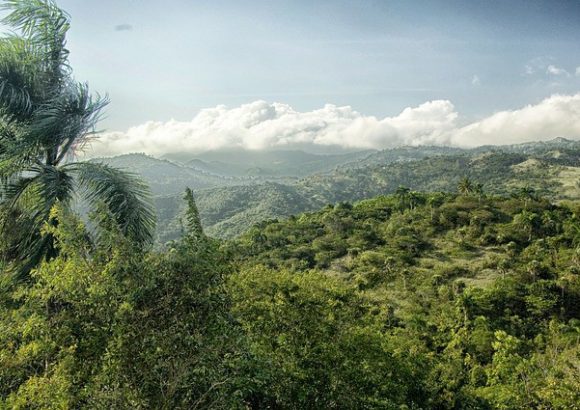
Agronomist warns that forests could disappear from national parks
At the launch of his new publication *Natural Resources and Ecology*, prominent Dominican agronomist Gabriel Valdez Sierra has issued a pressing call to both national authorities and the general public of the Dominican Republic to ramp up coordinated efforts to safeguard natural resources, preserve vulnerable biodiversity, and reverse the ongoing decline of native plant and animal species across the country and beyond.
In his presentation, Valdez Sierra drew attention to the accelerating rate of global ecosystem degradation, citing peer-reviewed research that estimates approximately 61,000 square kilometers of new desert are formed annually as once-productive agricultural and wild land degrades to unproductive arid terrain. He outlined three interconnected, critical environmental challenges facing the planet and the Caribbean region specifically: widespread fertile topsoil loss, accelerating deforestation, and the steady increase of global greenhouse gas emissions.
The agronomist emphasized that human activity is driving soil erosion at a rate far faster than natural soil formation processes can regenerate this critical non-renewable resource. He added that the ongoing clearance of tropical forests, one of the planet’s most biodiverse ecosystems, does not only destroy habitat for countless species but also creates cascading risks to global food security and freshwater access for vulnerable communities.
Valdez Sierra further explained that rising atmospheric concentrations of carbon dioxide and other heat-trapping greenhouse gases are driving global temperature increases, which in turn put unprecedented pressure on freshwater reserves, agricultural production systems, and low-lying coastal communities that face growing flood and erosion risks.
A core focus of Valdez Sierra’s new book is a comprehensive historical analysis of the Dominican Republic’s national protected area network. The work traces the system’s evolution from its origins in the 1950s, when iconic protected spaces including the José Armando Bermúdez and José del Carmen Ramírez national parks were first established, through to the system’s expansion and development up to 2020. It also includes a detailed case study of the binational Carebios initiative, a cross-border conservation project designed to boost the adaptive capacity of shared transboundary biosphere reserves along the Haiti-Dominican Republic border.
Wrapping up his presentation, Valdez Sierra underlined that reversing environmental damage will require widespread public education to build greater awareness of accelerating ecosystem degradation, and he renewed his call for cross-sector collective action to halt the unsustainable depletion of the Dominican Republic’s irreplaceable natural resources.
-

When will gas stations stop accepting card payments?
The National Association of Gasoline Retailers (Anadegas) is set to halt operations of the national vehicle identification electronic payment service at all 780 of its affiliated stations starting September 25, in a coordinated protest against what association leaders call unreasonably high operating costs that place an unsustainable financial strain on independent fuel station owners.
Anadegas president Juan Elías Pérez says that retailers are currently forced to surrender 27% of their total gross profits just to cover fees for the electronic payment service, a burden he describes as financially impossible for most small business owners to absorb. According to Pérez, the shutdown decision was reached through a consensus vote across all of the association’s regional branches, and leadership at both the national and regional levels will continue holding strategic planning sessions right up until the planned September 25 shutdown date.
Pérez acknowledged that ongoing mediation efforts from the Minister of Industry, Commerce and SMEs, as well as the Executive Director of Pro Consumidor, have been made to resolve the conflict, but he added that these good-faith efforts have not resulted in meaningful concessions from the other parties involved in the dispute. He also confirmed that the National Federation of Merchants and its leadership have publicly committed to full, unwavering support for the fuel retailers’ demands, with prominent business leader Iván García in attendance at the most recent meeting where the shutdown was formally approved.
“Out of 34 countries evaluated, we are the ones who pay the highest fees for the Verifón service, and we refuse to accept this unfair arrangement from any party,” Pérez said in an interview. The Anadegas president is also calling on leaders from other commercial sectors that face similar exploitative fee structures with electronic payment systems to join the movement, including operators of hardware stores, auto parts retailers, appliance sellers, and independent small supermarkets.
“Every sector that uses these services is stuck paying an abusive Verifón fee that siphons off money we earn through hard work,” Pérez added. Over the coming week leading up to the shutdown, Anadegas will roll out a national mobilization campaign, holding regional meetings to update station owners on the latest developments and coordinate on-the-ground actions for the September 25 shutdown. Pérez emphasized that broad, unanimous support for the protest exists across all 780 affiliated stations.
“We are fully prepared and completely united. Support for disconnecting the service is massive across every one of our 780 stations,” he said. While the association remains firm on its plan to move forward with the shutdown, it has reiterated that it stays open to continuing dialogue with all parties to reach a resolution. Anadegas says it will only accept a solution that establishes fair operating conditions and fee structures that do not place an unsustainable financial burden on fuel retailers across the country.
-

Latin American parliaments move to tackle Caribbean Sargassum damage
The Caribbean region, long recognized as one of the global frontlines of the accelerating climate crisis, has brought regional lawmakers together in the Dominican capital of Santo Domingo, where the Latin American and Caribbean Parliament (Parlatino) has agreed to launch a unified, cross-border response to escalating environmental threats that endanger core pillars of the region’s prosperity and stability.
As Parlatino President Rolando González Patricio highlighted during the gathering, the Caribbean’s fragile ecosystems already bear visible, irreversible marks of the planet’s unfolding environmental emergency, far more acutely than most other regions around the globe. Beyond the far-reaching impacts of rising global temperatures and shifting weather patterns, the region is also grappling with a accelerating collapse of native biodiversity that compounds existing climate risks, creating a web of interconnected challenges that no single national government can address in isolation. González Patricio emphasized that collective, coordinated action between legislative bodies across the region is the only viable path forward to deliver meaningful, lasting solutions.
One of the most pressing urgent threats addressed by delegates is the unprecedented influx of sargassum seaweed, a relatively new challenge that has emerged in the region only over the past few years. Jorge Hugo Cavoli, Vice President of the Dominican Parliament’s Special Commission for the Caribbean, announced that lawmakers are moving forward with two key landmark initiatives: a regional Parliamentary Charter on Climate Action, and a formal declaration of a regional sargassum emergency.
Cavoli explained that the unrelenting sargassum blooms have already caused severe damage to the Caribbean’s tourism sector, which serves as the primary engine of economic growth and employment for most small island nations across the region. Individual countries lack the resources and geographic scale to tackle the transboundary bloom crisis on their own, making coordinated Parlatino-led action a critical step toward effective mitigation, he added.
Beyond the sargassum crisis, delegates also centered discussions on the growing threat climate change poses to regional food security. Unlike most Caribbean nations, which rely on imports for 80% to 90% of their domestic food supply, the Dominican Republic has emerged as a regional success story: the country recently earned a “zero hunger” designation from the United Nations Food and Agriculture Organization (FAO), and currently produces between 85% and 90% of the food consumed by its population. Lawmakers noted that the Dominican Republic is positioned to share its experience and agricultural expertise with neighboring countries to strengthen collective food resilience in the face of climate shocks.
The gathering also marked a key milestone for small Caribbean states, with the formal establishment of Parlatino’s Special Commission for the Caribbean. Commission Chair Senator Otami SS Thomasia of Aruba stressed that the new body creates a critical platform for small island nations, which are disproportionately impacted by climate change despite contributing almost nothing to global emissions, to amplify their voices in regional climate policy discussions. Commission President Alfredo Pacheco echoed that sentiment, framing the meeting and the new commission as important steps forward in building a more coordinated, inclusive regional response to the climate crisis.
-

Dominican Republic, U.S. agree to cooperate on critical minerals, rare earths
SANTO DOMINGO — In a diplomatic move aimed at reinforcing global economic and energy security, the Dominican Republic and the United States have formalized a new Framework Cooperation Agreement focused on shoring up the security and resilience of critical mineral and rare earth element supply chains, while unlocking fresh investment and development opportunities tied to the extraction and processing of these high-stakes strategic resources.
The official signing ceremony took place in the Green Room of the Dominican Ministry of Foreign Affairs, with Dominican Foreign Minister Víctor “Ito” Bisonó and U.S. Ambassador to the Dominican Republic Leah F. Campos putting pen to paper. Key senior officials including Dominican Energy and Mines Minister Joel Santos Echavarría were in attendance to mark the occasion, alongside multiple vice ministers from the Dominican foreign ministry, senior ministry directors, senior diplomatic representatives from the U.S. Embassy, and Executive Vice President Miguel Ángel Díaz of the Dominican Mining Company (Emidom).
Addressing attendees after the signing, Foreign Minister Bisonó outlined the core priorities of the new partnership. Under the terms of the agreement, the two nations will collaborate closely to safeguard their respective critical minerals and rare earths markets, co-identify mutually beneficial development projects, and streamline access to financing for initiatives across both countries’ territories. “This is an opportunity that we must approach with a long-term vision and a very clear compass: to protect our national interests and ensure that the development of our resources generates ever greater value for the country and for our people,” Bisonó emphasized.
He added that the cooperation framework aligns directly with the foreign policy agenda set by Dominican President Luis Abinader, and advances the active economic diplomacy strategy prioritized by the country’s Ministry of Foreign Affairs.
For her part, Ambassador Campos framed the agreement as far more than an industry-specific deal, framing it as a landmark commitment to shared national sovereignty, collective security, and mutual prosperity. “It guarantees that, when extracting, processing, and manufacturing the materials of the future, we do so together, as trusted partners, and not as countries dependent on the goodwill of another,” she said.
This framework is part of a broader U.S. initiative that has already been signed with 26 other nations around the world. The pact is rooted in the widespread recognition that critical minerals are an irreplaceable input for manufacturing advanced technologies ranging from electric vehicle batteries to defense systems and consumer electronics. Its core goal is to accelerate inclusive market development that strengthens supply chain resilience and security across the full value chain — from initial mining and extraction to downstream material separation and processing.
Notably, the text of the agreement clarifies that it functions as a political and programmatic roadmap for collaboration, rather than a legally binding instrument. It does not create enforceable rights or obligations under either domestic or international law, does not open the door to legal action between the parties, and establishes no binding commitments, whether explicit or implied.
-
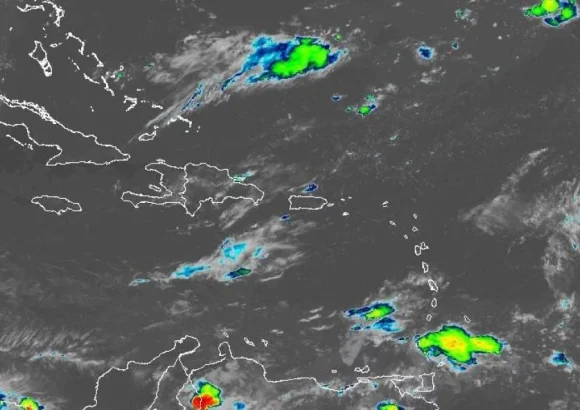
The heat and Saharan dust will mark this Sunday, but there is a change in the afternoon.
Residents across much of the Dominican Republic are preparing for a hot, dry, and overcast Sunday, as the country’s national meteorological body confirmed that a mass of dry, dust-laden air originating from the Sahara is driving unusual weather patterns across the island nation.
The Dominican Institute of Meteorology, better known by its local acronym Indomet, released the detailed forecast on Saturday, breaking down how the incoming Saharan dust intrusion will shape conditions across different regions through the end of the weekend. While most areas will see little to no rainfall and hazy gray skies paired with above-average high temperatures, localized pockets of the country will face scattered storm activity through the day.
Early in the day, consistent winds blowing from the east and northeast are expected to carry small amounts of moisture to northeastern coastal zones, bringing brief, isolated showers that are not forecast to disrupt daily activities significantly. As temperatures rise through the afternoon, the combined influence of localized atmospheric dynamics and a low-pressure trough stretching across multiple levels of the troposphere will trigger more intense weather events in the country’s central southern corridor.
These late-day events will include isolated heavy downpours, sudden thunderstorms, and sharp wind gusts across Greater Santo Domingo, San Pedro de Macorís, San Cristóbal, and several adjacent provinces. The storm activity is projected to taper off gradually as the day moves into early evening, according to the forecast.
A core public safety advisory from Indomet centers on the extreme heat forecast for the entire country. Even areas that see brief afternoon storms will maintain high temperatures, with the heat index pushed even higher by the combination of airborne dust and residual moisture. To prevent heat-related illness, the institute has issued clear guidance for residents: stay hydrated by drinking water regularly throughout the day, opt for lightweight, loose-fitting, pale-colored clothing that reflects sunlight, and avoid unprotected exposure to direct sunlight between the peak heating hours of 11 a.m. and 5 p.m.
The advisory places special emphasis on protecting the populations most vulnerable to heat stress, including young children, pregnant people, and older adults. Indomet urges these groups to remain in cool, well-ventilated spaces as much as possible during the hottest part of the weekend.
In addition to its land-based weather forecast, Indomet also released updated guidance for marine activities along the country’s coastlines. Along the Dominican Republic’s southern Caribbean coast, particularly in waters south and southwest of Pedernales, operators of small, shallow-draft vessels are advised to exercise increased caution when navigating, and to avoid traveling long distances from shore. The warning comes in response to abnormal wave patterns generated by the current atmospheric conditions. All other sections of the Caribbean coast, as well as the entire Atlantic coastline of the Dominican Republic, remain open for all navigation activities with no restrictions in place.
-

Tourism, among the sectors with the lowest employee turnover in the Dominican Republic
Across Latin America and the Caribbean, shifting labor dynamics have put employee retention at the forefront of business strategy, particularly as younger workers increasingly change roles more frequently than previous generations. In the Dominican Republic, two key sectors – technology and tourism – have emerged as standouts in maintaining stable workforces and reducing staff turnover. According to Natalia Vásquez, country manager for ManpowerGroup in the Dominican Republic, the tourism industry, which is a major driver of foreign direct investment and job creation in the country, currently holds an annual turnover rate between 25% and 30% – a figure lower than many other critical sectors of the Dominican economy. Vásquez explained that expanding tourism development projects across the country, from the southern regions to the Punta Bergantín development in Puerto Plata, are reshaping internal migration patterns by creating local employment opportunities for skilled workers. Instead of relocating to major urban centers to find work, talented individuals are now able to build careers in their home communities, which in turn creates long-term value for both employers and local economies. As Vásquez highlighted, the tourism value chain extends far beyond hotel staff, encompassing thousands of roles across food and beverage services, transportation, hospitality cleaning, and a wide range of supporting service industries that collectively sustain the sector’s growth. Despite these positive trends for tourism and technology, broader labor market challenges persist in the Dominican Republic. The country continues to grapple with high levels of informal employment, which stood at 54.1% during the first quarter of 2026, according to data from the Central Bank of the Dominican Republic (BCRD). Of the 5.2 million people currently employed in the country, only 2.5 million hold formal, regulated positions. Sectoral data shows significant gaps in formalization across different industries: agriculture and construction, for example, only have 12% and 15% formal employment respectively, while other sectors such as manufacturing (70%) and education (96%) boast far higher rates of formal, regulated work. Industry analysts note that the success of the tourism and technology sectors in retaining staff offers a blueprint for other Dominican industries seeking to improve retention and formalize their workforces. By expanding local opportunities and aligning business growth with community development, these sectors have demonstrated that it is possible to reduce worker mobility even in a market characterized by high overall turnover.