标签: Dominican Republic

多米尼加共和国

  • Two homicide suspects captured in Haiti and returned to Dominican Republic

    Two homicide suspects captured in Haiti and returned to Dominican Republic

    In a landmark demonstration of transnational law enforcement coordination, Dominican security forces, backed by Haitian government agencies and INTERPOL, have apprehended two fugitives wanted over a high-profile homicide in the Dominican province of Barahona earlier this year. The arrests were executed in the Haitian border community of Anse-à-Pitre, capping off a weeks-long joint investigation spearheaded by the Criminal Investigations Department (DICRIM) under the Dominican Southern Regional Police Directorate.

    The two captured suspects, identified locally as Deivi Mora and Marlon Mariano Severino, had been the subject of an active arrest warrant — No. 589-01-2024-AJ-01030 — issued in connection with the January 17, 2024 killing of 35-year-old Joel Fernando Cuevas Medina. According to official case details, Cuevas Medina succumbed to multiple gunshot wounds during a violent incident that unfolded in Villa Central, a municipality within Barahona province. Both Mora and Severino are permanent residents of Barahona and fled across the border into Haiti shortly after the shooting to avoid capture.

    Immediately following their apprehension, the pair were transported via air back to Dominican territory, where they are now set to face formal judicial proceedings. In a public statement following the operation, Dominican National Police officials highlighted that the successful capture was not a matter of luck, but the product of consistent, methodical investigative work and unprecedented levels of close information sharing between the three participating law enforcement bodies.

    Senior security officials from both countries have underscored that this operation is far more than a single case resolution: it serves as tangible proof of the commitment of Dominican and Haitian authorities to tackling cross-border criminal activity and closing avenues for impunity for serious crimes. Following their transfer, the two suspects were turned over to the Dominican Public Prosecutor’s Office to undergo the full legal process established under the country’s judicial framework.

  • Oncology Society urges early screening to combat prostate cancer in Dominican men

    Oncology Society urges early screening to combat prostate cancer in Dominican men

    In Santo Domingo, marking World Prostate Cancer Day, the Dominican Society of Medical Oncology (SDOM) has launched a urgent public appeal, calling on Dominican men to prioritize routine preventive screening and break down deep-rooted cultural stigmas that currently hinder early diagnosis of the nation’s most prevalent male cancer.

    SDOM President Ángela Cabreja underlined the life-saving importance of catching the disease in its earliest stages. Official data from the organization shows that when prostate cancer remains localized to the prostate gland, the five-year survival and cure rate tops 99%. Despite this promising statistic, Cabreja noted that a large share of patients only pursue medical care after the cancer has progressed to an advanced, harder-to-treat stage, a trend directly tied to cultural stigma around men’s health and preventive testing.

    New figures from the Global Cancer Observatory paint a stark public health picture for the Dominican Republic: the country logs roughly 4,918 new prostate cancer diagnoses annually, and sees around 2,120 deaths linked to the disease each year. This places the Dominican Republic among the nations with the highest prostate cancer incidence rates across the Latin American and Caribbean region. Medical specialists have outlined key modifiable and non-modifiable risk factors for the disease, including advancing age, a family history of prostate cancer, inherited genetic mutations such as BRCA1 and BRCA2, excess body weight, sedentary lifestyles, and diets heavy in processed and saturated fats.

    To guide public action, SDOM has outlined clear screening guidelines: all men aged 50 and older, as well as men 45 and older with a family history of the disease, should schedule annual urological check-ups. Oncological specialists recommend combining two complementary screening tools: the prostate-specific antigen (PSA) blood test and a digital rectal exam, emphasizing that neither test can adequately replace the other for comprehensive early detection.

    SDOM also acknowledged that recent medical advances in prostate cancer treatment have dramatically improved patient outcomes and reduced the severity of treatment side effects in recent years. Even with these treatment gains, however, the organization reiterated that preventive care and early diagnosis remain the single most effective tools to reduce mortality from the disease. The society reaffirmed its ongoing commitment to expanding public awareness, increasing access to timely screening, and guaranteeing all Dominican prostate cancer patients access to high-quality, evidence-based care.

  • Government fiscal plan includes US$10 increase on airline tickets

    Government fiscal plan includes US$10 increase on airline tickets

    SANTO DOMINGO — Facing ongoing global economic volatility and mounting pressure to shore up shaky public finances, the Dominican government has unveiled a sweeping package of fiscal adjustments that includes a proposed $10 surcharge on commercial airline tickets, a change that stands to reshape the trajectory of the nation’s most critical economic engine: tourism.

    The full set of policy adjustments, branded under the official heading “Measures for Economic Growth and Mitigation of the International Crisis,” was presented to a gathering of media leaders by Magín Díaz, the country’s Minister of Economy and Finance. Before the package can take effect, it must secure a vote of approval from the Dominican National Congress, and it forms the core of the administration’s broader push for fiscal consolidation across multiple high-revenue sectors.

    Beyond the proposed airline ticket fee, the package includes a series of targeted tax increases for both individuals and corporations. The existing tax on paper checks and electronic bank transfers would rise from 0.15% to 0.20%, while large domestic enterprises with annual revenues topping 1 billion Dominican pesos would face a temporary 30% corporate income tax rate for a three-year period. For high-earning individual taxpayers, the plan creates a new top 27% income tax bracket for anyone reporting monthly income over 400,000 Dominican pesos, a change that officials project will impact only a small fraction of the country’s total taxpayer base.

    Of all the provisions in the package, the $10 airline ticket surcharge has emerged as the most closely scrutinized, due to tourism’s outsize role in the Dominican national economy. The country ranks among the top tourist destinations in the Caribbean, drawing millions of international visitors primarily via air travel each year. Independent industry analysts have warned that even a modest increase in ticket prices could alter potential travelers’ destination choices, eroding the country’s competitive edge against neighboring Caribbean travel hubs that have not enacted similar travel-related fees.

    For the Dominican Republic, tourism is far more than a niche industry: it is the single largest source of private-sector employment, drives a substantial share of overall national economic activity, and generates the majority of the country’s annual foreign exchange earnings. As the proposal moves through the legislative process, tourism industry stakeholders across the country are tracking congressional deliberations closely, preparing to model how the surcharge could impact annual visitor arrivals and ripple through connected sectors from hospitality to local transportation.

    Administration officials have defended the full package of measures, arguing that new revenue streams are critical to shoring up public finances and maintaining broad economic stability at a time of persistent global uncertainty. They emphasize that the plan is intentionally structured to place the majority of new tax burden on high-income individuals, large corporate entities, and specific high-margin sectors, rather than spreading the cost across low- and middle-income households. Along with the air ticket surcharge, the package also includes new and increased taxes on financial transactions, large corporations, electronic cigarettes, casinos, and commercial gambling operations. The full proposal will soon be formally submitted to the public and congress as part of the government’s overarching strategy to sustain domestic economic growth and counteract headwinds from the ongoing international economic downturn.

  • U.S. warns influencers against creating paid content on tourist visas ahead of the World Cup

    U.S. warns influencers against creating paid content on tourist visas ahead of the World Cup

    As the United States prepares to welcome hundreds of thousands of international visitors for the upcoming FIFA World Cup, U.S. immigration officials have drawn a clear red line for foreign digital creators and influencers: earning income from content produced domestically while on a tourist visa is a violation that carries serious consequences. The new alert arrives just weeks before the global tournament kicks off, when a surge of independent content makers are expected to travel to the U.S. to produce match coverage, behind-the-scenes content and fan experiences for their online audiences, many of which generate direct advertising or sponsorship revenue.

    According to official guidance released by U.S. Customs and Border Protection (CBP), the B-2 tourist visa, one of the most common entry categories for temporary U.S. visitors, explicitly bars holders from engaging in paid work or collecting compensation for any activities conducted within U.S. borders. CBP officials clarified that creators traveling to the U.S. primarily to produce monetized online content, regardless of whether they work for a major media organization or operate as independent creators, falls under the definition of employment under U.S. immigration rules. This type of activity requires a specialized work-authorized visa rather than a standard tourist approval.

    The agency warns that violations can result in immediate penalties, ranging from revocation of existing visas to formal removal from the United States. The warning is not an isolated policy shift, but part of broader heightened scrutiny of visa compliance surrounding the high-profile international sporting event. Already, concerns over visa access for World Cup stakeholders have been growing: the International Sports Press Association recently raised public alarms over widespread visa delays and denials that have prevented dozens of journalists from completing the accreditation process to cover the tournament. In a high-profile separate case, Somali referee Omar Abdulkadir Artan was denied U.S. entry ahead of the tournament, blocking him from participating in his scheduled officiating role.

    Officials also pointed to prior enforcement actions involving high-profile public figures to underscore their commitment to enforcing these rules. In 2025, globally renowned TikTok star Khaby Lame was detained by U.S. immigration officials after authorities confirmed he had overstayed the terms of his previous visa, ultimately leading to the creator voluntarily departing the country via self-deportation.

    This latest warning makes clear that U.S. authorities are prioritizing visa compliance as the nation hosts one of the largest international sporting events in the world. For foreign visitors planning any income-generating activity during their stay, officials stress that securing the correct work authorization before travel is not just a recommendation—it is a legal requirement.

  • Two People Found Dead in Luxury Residential Tower in Santo Domingo’s Piantini District

    Two People Found Dead in Luxury Residential Tower in Santo Domingo’s Piantini District

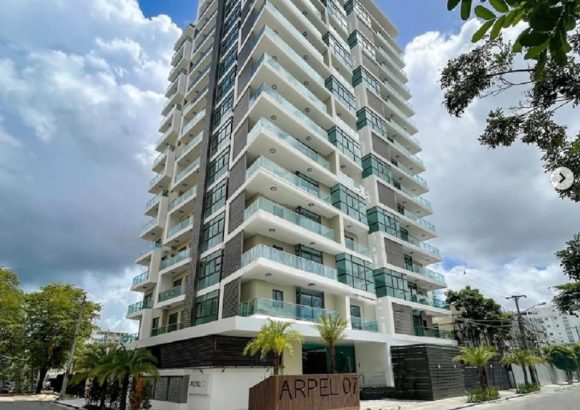
    In the upscale Piantini district of Santo Domingo, Dominican Republic, law enforcement and forensic authorities have launched a full investigation into the sudden deaths of two people found inside a high-end residential tower. The grim discovery was made at the Arpel 07 Tower, where technical teams from the National Institute of Forensic Sciences (INACIF) extracted the bodies of one man and one woman from a unit on the building’s fourth floor.

    Alongside the two deceased, first responders found a third member of the group: a 22-year-old American woman, who was discovered unconscious at the scene. She was rapidly transferred to Santo Domingo’s Centro Médico Moderno, where she remains in care as medical teams monitor her condition.

    Early accounts from the ongoing investigation outline that the surviving woman has told investigators she spent the prior day at a local beach with the two people who later died. During that day trip, the trio consumed a meal of fish alongside alcoholic drinks, according to preliminary statements.

    Authorities have confirmed that all three individuals involved in the incident are believed to be foreign nationals. As of the latest update, no identities have been released to the public, as investigators prioritize completing formal notification of next of kin before releasing personal details.

    No official cause of death has been announced at this stage. Forensic specialists are continuing to process evidence from the scene and conduct autopsies to pinpoint what led to the deaths and the American woman’s sudden illness. The case remains an active, developing investigation, with authorities set to share additional information as more evidence is collected and processed.

  • Environment Ministry reports progress in protecting oceans and coasts

    Environment Ministry reports progress in protecting oceans and coasts

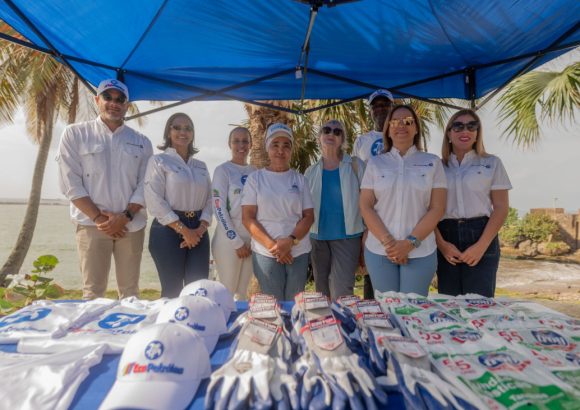
    To mark the annual World Oceans Day, the Dominican Republic’s Ministry of Environment and Natural Resources has showcased the nation’s significant strides in marine conservation and coastal ecosystem protection through a series of public and expert-focused events. The commemorative activities, which included a hands-on community beach cleanup initiative and a high-level expert panel centered on sustainable ocean governance, brought together government stakeholders, private sector partners, and environmental advocates to push forward the country’s ocean protection agenda.

    Organized by the Vice Ministry of Coastal and Marine Resources in collaboration with Ecopetróleo Dominicana, the coastal cleanup effort was hosted at the historic Fort San Gil site. Operating under the unifying theme “Together for Cleaner Oceans”, the event drew teams of government staff and representatives from allied environmental organizations, who worked to clear accumulated waste from vulnerable coastal shorelines. Beyond the physical removal of pollution, the initiative served a broader public education purpose: it aimed to heighten community awareness of the growing threat of marine plastic and industrial waste, and motivate sustained public engagement in local marine ecosystem stewardship.

    Alongside the on-the-ground cleanup, the Ministry convened a dedicated expert panel titled “Advances in Marine Conservation in the Dominican Republic”. During the discussion, leading marine scientists and environmental policymakers reviewed key milestones achieved across multiple core areas of ocean protection: from the expansion and improved management of marine protected areas to targeted species conservation programs, expanded systematic scientific monitoring of coastal and marine habitats, and ongoing work to boost the ability of vulnerable coastal ecosystems to withstand the impacts of climate change.

    Panel speakers emphasized that all current progress under the Dominican Republic’s national marine conservation framework is aligned with the country’s international commitments to global sustainability and biodiversity preservation targets. Among the standout success stories highlighted during the event were long-running marine turtle conservation initiatives, expanded collaborative scientific research programs, and the high-profile successful reintroduction of a rescued manatee, nicknamed “Juan Pedro”, back into its natural wild habitat.

    Closing out the day’s activities, senior government authorities reaffirmed the Dominican Republic’s unwavering commitment to long-term protection of the nation’s ocean and coastal resources. Officials underscored that healthy marine ecosystems are foundational to the country’s success: supporting critical biodiversity, driving the vital tourism sector, underpinning national food security, and strengthening the nation’s overall climate resilience in the face of accelerating global environmental change.

  • Environment Ministry launches modernization of National Botanical Garden

    Environment Ministry launches modernization of National Botanical Garden

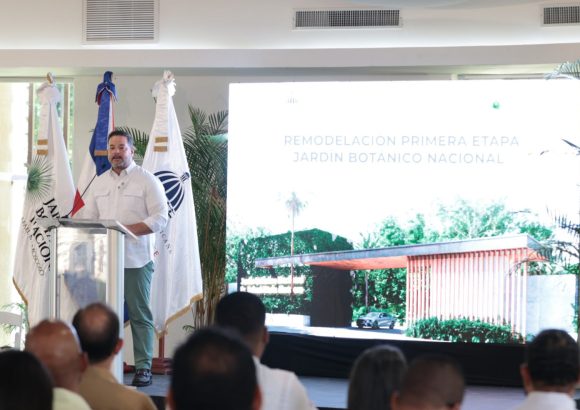
    SANTO DOMINGO — Ahead of its milestone 50th anniversary, the Dr. Rafael María Moscoso National Botanical Garden in the Dominican Republic has entered a new era of revitalization, with the Ministry of Environment and Natural Resources launching the first stage of a sweeping institutional strengthening and modernization initiative. The ambitious multi-phase project is designed to upgrade aging infrastructure, elevate the visitor experience, and expand the garden’s core capacity as a hub for scientific research and public environmental education.

    The completion of the first round of upgrades has already transformed key areas of the 50-year-old public green space. Crews have fully renovated the garden’s main entrance, restored its architecturally iconic domes, and built a dedicated new security and surveillance hub to improve visitor safety. New universally accessible restrooms have been installed to better accommodate guests with disabilities, and a full-service medical dispensary including a private lactation space for nursing mothers has been added to address long-unmet visitor needs. The project has also breathed new life into the garden’s popular Japanese Garden and its historic traditional Tea House, restoring the cultural and horticultural landmark to its original beauty.

    According to government officials, every upgrade completed in the first phase was planned to balance two core goals: protecting the garden’s unique ecological and scientific integrity, and upgrading the space to serve future generations of visitors, researchers, and conservationists.

    Environment Minister Paíno Henríquez framed the large-scale project as far more than a construction initiative, noting that it represents a strategic investment in three critical public priorities: biodiversity conservation, accessible environmental education, and community public well-being. Alongside celebrating the completion of the first phase, Henríquez outlined the upcoming second stage of renovations, which will bring upgrades to the garden’s network of walking trails, public service areas, on-site dining facilities, and climate-controlled plant storage spaces. The second phase also includes full modernization of the garden’s Botany Department, the Dominican Republic’s National Herbarium, and the popular Aquatic Plant Pavilion.

    Long-term plans for the garden go beyond structural upgrades, with innovative sustainable technologies set to play a central role in coming improvements. One key upcoming project is the restoration of the garden’s Great Canyon, which will use eco-friendly ozonation technology to improve water quality without introducing harmful chemicals to the ecosystem. The entire restoration project will be supported by a new solar-powered lighting system, aligning the garden’s upgrades with the country’s broader sustainability and renewable energy goals.

    As the garden prepares to mark five decades of conservation and public service, authorities say the full modernization initiative will solidify its standing as one of the leading institutions for biodiversity conservation, scientific research, and environmental education across the Dominican Republic and the wider Caribbean region.

  • Dominican Republic elected First Vice President of OAS Port Committee

    Dominican Republic elected First Vice President of OAS Port Committee

    SANTO DOMINGO — In a landmark milestone for the Dominican Republic’s regional engagement, the Caribbean nation has secured its first-ever appointment to the top leadership of the Organization of American States’ Inter-American Committee on Ports (CIP), taking on the role of First Vice President. This regional body stands as the preeminent convener of port governing authorities from across North, Central, and South America and the Caribbean, uniting stakeholders to advance cross-border maritime cooperation.

    Officials from the Dominican Port Authority (Apordom), the country’s national port governing body, confirmed that the new leadership position will dramatically elevate the nation’s influence in regional port policy and collaboration. The appointment opens the door for Dominican leaders to take a more hands-on role in shaping priority initiatives across a range of high-stakes areas, including sustainable port operations, cutting-edge technological innovation in maritime logistics, integrated port-urban development, climate-resilient port infrastructure, and expanded cross-border logistics networks.

    Apordom Executive Director Jean Luis Rodríguez emphasized that the CIP appointment aligns perfectly with the Dominican Republic’s ongoing large-scale push to overhaul and grow its national port and logistics infrastructure. In recent years, the country has invested heavily in upgrading terminal capacity, expanding shipping routes, and streamlining customs processes, all with the goal of cementing its status as a central strategic trade and connectivity hub for the broader Americas region. Rodríguez noted that the new leadership role will reinforce this progress by giving the Dominican Republic a stronger voice in setting regional priorities and accessing global best practices for port development.

    The Inter-American Committee on Ports functions as the Organization of American States’ primary official forum for coordinated port development across the Western Hemisphere. Its core mandate centers on driving safe, efficient, and environmentally sustainable growth of port systems through a mix of targeted technical assistance, professional training programs for port personnel, collaborative policy development, and cross-border sharing of successful industry practices. As First Vice President, the Dominican Republic will now take a lead coordinating role in rolling out regional projects designed to strengthen maritime trade flows, upgrade logistics networks, and improve connectivity between markets across the hemisphere, opening new economic opportunities for both the nation and its regional partners.

  • Dominican Republic set for largest energy expansion in decades

    Dominican Republic set for largest energy expansion in decades

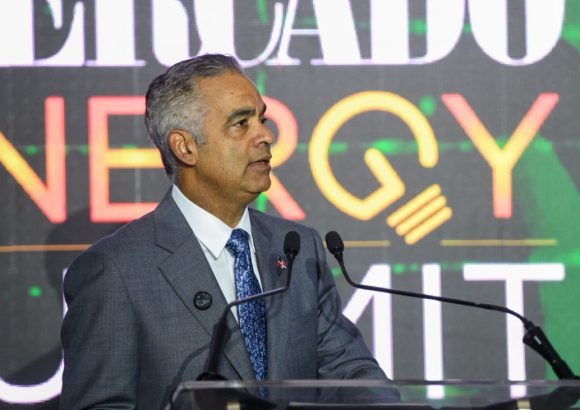
    Santo Domingo — The Dominican Republic is gearing up for its most ambitious expansion of energy infrastructure in more than 30 years, according to the nation’s top energy official. Joel Santos, Minister of Energy and Mines, announced that total installed firm generation capacity will surge by over 50% between 2025 and 2028, a development set to reshape the country’s economic trajectory.

    Addressing attendees of the 2026 Energy Market Summit held in the capital city Santo Domingo, Santos framed the planned expansion as a foundational investment that will reinforce the Dominican Republic’s capacity to underpin broad-based economic growth, draw in foreign and domestic capital, and sharpen its competitive edge in the Caribbean region. Currently, the country operates 2,000 megawatts of renewable energy capacity across its national grid, with a further 1,000 megawatts scheduled to connect to the system by 2028 via projects that are already in active development.

    Santos emphasized that this large-scale expansion is a direct response to rapidly rising demand for electricity across the Dominican Republic. National peak electricity demand is projected to hit 4,250 megawatts this year alone, marking a nearly 59% jump from peak demand recorded back in 2019. He attributed this sharp increase to the robust expansion of the country’s core economic sectors, including tourism, manufacturing, domestic commerce, and consumer-focused services, noting that energy infrastructure development cannot lag behind overall economic growth if the country hopes to sustain long-term, inclusive development. “We cannot build a stronger economy on a weak energy foundation,” Santos told summit attendees, “every new hotel, every new factory, every new business relies on consistent, affordable power to operate.”

    The national government’s strategic energy plan centers on diversification of the country’s energy mix, integrating expanded renewable energy supplies, increased natural gas generation, and utility-scale energy storage systems to boost both the reliability and climate resilience of the national grid. Beyond generation capacity expansion, the administration is also advancing parallel efforts to extend electricity access to underserved communities, roll out widespread energy efficiency programs, strengthen the country’s energy regulatory framework, and accelerate the transition to a sector that is both more economically competitive and environmentally sustainable.

  • Abinader warns Haitian gangs: Dominican border will be defended

    Abinader warns Haitian gangs: Dominican border will be defended

    SANTO DOMINGO – Against a backdrop of rising cross-border insecurity fueled by armed gang activity in neighboring Haiti, Dominican President Luis Abinader made a firm public commitment Tuesday that his nation will not permit violent Haitian gangs to encroach on or endanger Dominican territory. Speaking at the National Palace during the official launch of the country’s new comprehensive ‘Strong Border’ security and development initiative, Abinader confirmed that the Dominican Armed Forces have received unambiguous orders to act decisively against any security hazard that emerges along the shared 392-kilometer border.

    A core pillar of the new strategy is a significant expansion of military manpower along the frontier. Currently, 9,500 active military personnel are deployed to border security operations; the administration will add an additional 1,500 troops to boost patrol, deterrence, and response capacity. The government is also extending the border’s high-tech smart perimeter fence: 54 kilometers of the advanced barrier have already been completed, and construction on 13 more kilometers will get underway shortly to close surveillance gaps and strengthen unauthorized crossing deterrence.

    To streamline border monitoring operations, the initiative reorganizes the entire frontier into eight distinct operational zones, each overseen by a senior military commander to improve coordination and rapid response. The strategy also integrates cutting-edge surveillance technology to augment on-the-ground security work, including long-endurance drones, high-resolution fixed surveillance cameras, underground fiber-optic transmission systems, and centralized real-time monitoring infrastructure that allows security teams to track and respond to incidents faster. Dominican Defense Minister Carlos Fernández Onofre specifically highlighted the addition of the domestically assembled TP-75 Dulus aircraft, which will now carry out regular border patrol and reconnaissance missions, marking a milestone for the country’s domestic defense manufacturing capacity.

    Beyond hard security investments, the ‘Strong Border’ plan frames long-term border stability as tied to inclusive economic development for underdeveloped border provinces. The administration outlined plans to modernize four key binational commercial markets in Dajabón, Elías Piña, Jimaní, and Pedernales, which will facilitate legal cross-border trade while reducing opportunities for smuggling and unauthorized movement. Additional development initiatives include the construction of new vocational training schools to expand local employment opportunities, upgraded military facilities, new regional airport infrastructure, and a geographic expansion of the national 9-1-1 emergency response system to better serve border communities. Officials also emphasized a targeted effort to reclaim and restructure the high-risk Tilory border area, where unregulated informal settlements have long blocked clear surveillance lines and undermined Dominican territorial control over the frontier.