标签: Dominican Republic

多米尼加共和国

  • Government Raises Fuel Prices by Between RD$3.00 and RD$6.00

    Government Raises Fuel Prices by Between RD$3.00 and RD$6.00

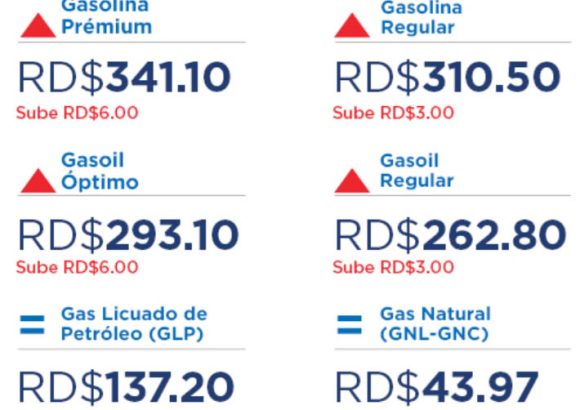
    On Friday, authorities in the Dominican Republic implemented a new round of fuel price adjustments that will take effect across the country from June 13 through June 19, official data from the nation’s Ministry of Industry, Commerce and MSMEs (MICM) confirms. The regulatory body confirmed modest to moderate price increases for the country’s most widely used transportation and industrial fuels, with hikes ranging between 3 Dominican pesos (RD$3.00) and RD$6.00 per gallon, depending on the fuel grade.

    For the country’s most popular gasoline categories, premium-grade gasoline will see the largest adjustment, jumping RD$6.00 per gallon to reach a new retail price of RD$341.10. Standard regular gasoline will see a smaller RD$3.00 increase, bringing the new weekly price to RD$313.50 per gallon.

    Diesel, a critical fuel for the Dominican Republic’s freight, logistics and agricultural sectors, will follow a similar pattern to gasoline. Higher-grade premium diesel will match the premium gasoline increase of RD$6.00 per gallon, settling at a new retail rate of RD$293.10, while regular diesel will see a RD$3.00 uptick to RD$262.80 per gallon.

    In a move that will provide relief to household budgets, the government opted to leave the prices of two commonly used residential energy sources unchanged. Liquefied petroleum gas (LPG), a primary fuel for cooking and home heating across much of the country, will remain stable at RD$137.20 per gallon. Natural gas, used for both residential and commercial energy needs, will also hold steady at RD$43.97 per cubic meter for the upcoming week.

    Weekly fuel price adjustments are a standard regulatory practice in the Dominican Republic, allowing the government to align domestic retail prices with shifting global crude oil markets and transportation costs.

  • Dominican tourism journalist Cristina Rosario inducted into OMPT Hall of Honor

    Dominican tourism journalist Cristina Rosario inducted into OMPT Hall of Honor

    A historic milestone for Dominican tourism journalism has put the Caribbean nation in the global spotlight this week, as veteran industry reporter Cristina Rosario has broken barriers to become the first woman from the Dominican Republic to earn induction into the World Organization of Tourism Journalism (OMPT) Hall of Honor.

    This prestigious distinction is reserved exclusively for global tourism communication professionals whose career work has advanced the cause of responsible, sustainable, and inclusive tourism through high-quality specialized media. The award was formally presented to Rosario during the 17th International Congress of Journalists and Tourism Professionals, hosted this year in Circasia, Colombia. The gathering brought together hundreds of tourism communicators, academic researchers, and industry stakeholders from across Latin America to explore evolving challenges and opportunities for tourism messaging in the fast-changing digital age.

    With more than 20 years of experience covering global tourism and destination development, Rosario’s career is defined by a seamless blend of investigative journalism, strategic editorial production, and intentional destination promotion. Over the course of her decades-long professional journey, she has contributed deeply to leading industry tourism publications, produced authoritative destination guides, and led community and media initiatives designed to showcase the rich cultural heritage and stunning natural landscapes of the Dominican Republic to global audiences.

    Today, Rosario holds the position of editorial director at travel outlet Travellers.com, and she also serves on the board of directors for the Dominican Association of Tourism Press (Adompretur), where she oversees all tourism and cultural portfolio initiatives for the 2025–2027 term. Her professional resume includes prior senior editorial coordination roles at iconic industry publications, including *Bohío* magazine and *La Cotica*, the Dominican Republic’s official national tourism guide.

    The OMPT Hall of Honor was created to recognize journalists who have strengthened the quality and impact of global tourism communication, while upholding standards of ethical reporting and supporting the preservation of distinct cultural identities around the world. Per OMPT’s mission, the induction honor is designed to elevate professionals who leverage media platforms to build cross-cultural understanding, facilitate meaningful global exchange, and expand adoption of equitable, sustainable tourism practices.

    This latest accolade adds to a long list of career distinctions for Rosario, who already holds the Dominican Republic’s top national journalism honor in the field, the Epifanio Lantigua National Tourism Journalism Award, alongside multiple previous international recognitions from OMPT’s acclaimed Pasaporte Abierto awards program.

    With her induction, Rosario joins fellow Dominican tourism journalist Salvador Batista as one of the two Dominican representatives enshrined in the OMPT Hall of Honor, a milestone that is expected to raise the international profile of Dominican tourism journalism for years to come.

    Rosario’s induction coincided with that of Panamanian journalist Yelina Pérez Sánchez, who was also welcomed into the 2024 cohort of the OMPT Hall of Honor for her decades of impactful contributions to the field. Pérez Sánchez has built a widely respected career advancing tourism, cultural preservation, and heritage promotion through specialized media, establishing her as one of the leading voices for tourism in Panama.

  • Government fiscal plan includes US$10 increase on airline tickets

    Government fiscal plan includes US$10 increase on airline tickets

    SANTO DOMINGO — Facing ongoing global economic volatility and mounting pressure to shore up shaky public finances, the Dominican government has unveiled a sweeping package of fiscal adjustments that includes a proposed $10 surcharge on commercial airline tickets, a change that stands to reshape the trajectory of the nation’s most critical economic engine: tourism.

    The full set of policy adjustments, branded under the official heading “Measures for Economic Growth and Mitigation of the International Crisis,” was presented to a gathering of media leaders by Magín Díaz, the country’s Minister of Economy and Finance. Before the package can take effect, it must secure a vote of approval from the Dominican National Congress, and it forms the core of the administration’s broader push for fiscal consolidation across multiple high-revenue sectors.

    Beyond the proposed airline ticket fee, the package includes a series of targeted tax increases for both individuals and corporations. The existing tax on paper checks and electronic bank transfers would rise from 0.15% to 0.20%, while large domestic enterprises with annual revenues topping 1 billion Dominican pesos would face a temporary 30% corporate income tax rate for a three-year period. For high-earning individual taxpayers, the plan creates a new top 27% income tax bracket for anyone reporting monthly income over 400,000 Dominican pesos, a change that officials project will impact only a small fraction of the country’s total taxpayer base.

    Of all the provisions in the package, the $10 airline ticket surcharge has emerged as the most closely scrutinized, due to tourism’s outsize role in the Dominican national economy. The country ranks among the top tourist destinations in the Caribbean, drawing millions of international visitors primarily via air travel each year. Independent industry analysts have warned that even a modest increase in ticket prices could alter potential travelers’ destination choices, eroding the country’s competitive edge against neighboring Caribbean travel hubs that have not enacted similar travel-related fees.

    For the Dominican Republic, tourism is far more than a niche industry: it is the single largest source of private-sector employment, drives a substantial share of overall national economic activity, and generates the majority of the country’s annual foreign exchange earnings. As the proposal moves through the legislative process, tourism industry stakeholders across the country are tracking congressional deliberations closely, preparing to model how the surcharge could impact annual visitor arrivals and ripple through connected sectors from hospitality to local transportation.

    Administration officials have defended the full package of measures, arguing that new revenue streams are critical to shoring up public finances and maintaining broad economic stability at a time of persistent global uncertainty. They emphasize that the plan is intentionally structured to place the majority of new tax burden on high-income individuals, large corporate entities, and specific high-margin sectors, rather than spreading the cost across low- and middle-income households. Along with the air ticket surcharge, the package also includes new and increased taxes on financial transactions, large corporations, electronic cigarettes, casinos, and commercial gambling operations. The full proposal will soon be formally submitted to the public and congress as part of the government’s overarching strategy to sustain domestic economic growth and counteract headwinds from the ongoing international economic downturn.

  • U.S. warns influencers against creating paid content on tourist visas ahead of the World Cup

    U.S. warns influencers against creating paid content on tourist visas ahead of the World Cup

    As the United States prepares to welcome hundreds of thousands of international visitors for the upcoming FIFA World Cup, U.S. immigration officials have drawn a clear red line for foreign digital creators and influencers: earning income from content produced domestically while on a tourist visa is a violation that carries serious consequences. The new alert arrives just weeks before the global tournament kicks off, when a surge of independent content makers are expected to travel to the U.S. to produce match coverage, behind-the-scenes content and fan experiences for their online audiences, many of which generate direct advertising or sponsorship revenue.

    According to official guidance released by U.S. Customs and Border Protection (CBP), the B-2 tourist visa, one of the most common entry categories for temporary U.S. visitors, explicitly bars holders from engaging in paid work or collecting compensation for any activities conducted within U.S. borders. CBP officials clarified that creators traveling to the U.S. primarily to produce monetized online content, regardless of whether they work for a major media organization or operate as independent creators, falls under the definition of employment under U.S. immigration rules. This type of activity requires a specialized work-authorized visa rather than a standard tourist approval.

    The agency warns that violations can result in immediate penalties, ranging from revocation of existing visas to formal removal from the United States. The warning is not an isolated policy shift, but part of broader heightened scrutiny of visa compliance surrounding the high-profile international sporting event. Already, concerns over visa access for World Cup stakeholders have been growing: the International Sports Press Association recently raised public alarms over widespread visa delays and denials that have prevented dozens of journalists from completing the accreditation process to cover the tournament. In a high-profile separate case, Somali referee Omar Abdulkadir Artan was denied U.S. entry ahead of the tournament, blocking him from participating in his scheduled officiating role.

    Officials also pointed to prior enforcement actions involving high-profile public figures to underscore their commitment to enforcing these rules. In 2025, globally renowned TikTok star Khaby Lame was detained by U.S. immigration officials after authorities confirmed he had overstayed the terms of his previous visa, ultimately leading to the creator voluntarily departing the country via self-deportation.

    This latest warning makes clear that U.S. authorities are prioritizing visa compliance as the nation hosts one of the largest international sporting events in the world. For foreign visitors planning any income-generating activity during their stay, officials stress that securing the correct work authorization before travel is not just a recommendation—it is a legal requirement.

  • Two People Found Dead in Luxury Residential Tower in Santo Domingo’s Piantini District

    Two People Found Dead in Luxury Residential Tower in Santo Domingo’s Piantini District

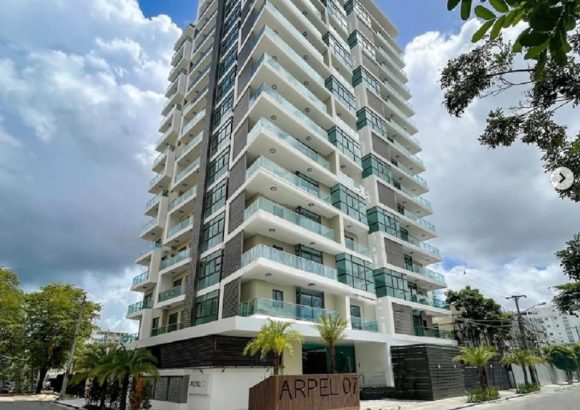
    In the upscale Piantini district of Santo Domingo, Dominican Republic, law enforcement and forensic authorities have launched a full investigation into the sudden deaths of two people found inside a high-end residential tower. The grim discovery was made at the Arpel 07 Tower, where technical teams from the National Institute of Forensic Sciences (INACIF) extracted the bodies of one man and one woman from a unit on the building’s fourth floor.

    Alongside the two deceased, first responders found a third member of the group: a 22-year-old American woman, who was discovered unconscious at the scene. She was rapidly transferred to Santo Domingo’s Centro Médico Moderno, where she remains in care as medical teams monitor her condition.

    Early accounts from the ongoing investigation outline that the surviving woman has told investigators she spent the prior day at a local beach with the two people who later died. During that day trip, the trio consumed a meal of fish alongside alcoholic drinks, according to preliminary statements.

    Authorities have confirmed that all three individuals involved in the incident are believed to be foreign nationals. As of the latest update, no identities have been released to the public, as investigators prioritize completing formal notification of next of kin before releasing personal details.

    No official cause of death has been announced at this stage. Forensic specialists are continuing to process evidence from the scene and conduct autopsies to pinpoint what led to the deaths and the American woman’s sudden illness. The case remains an active, developing investigation, with authorities set to share additional information as more evidence is collected and processed.

  • Antonio Taveras introduces bill to eliminate jail sentences for defamation

    Antonio Taveras introduces bill to eliminate jail sentences for defamation

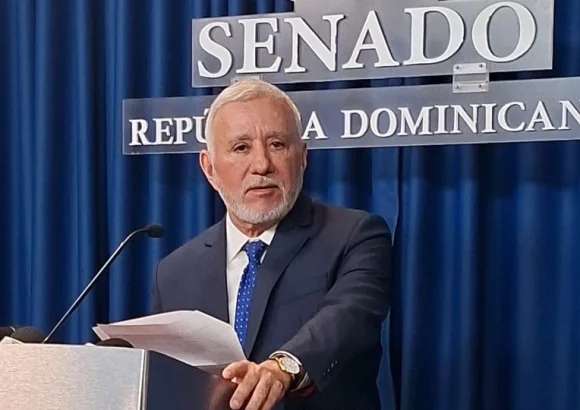
    In Santo Domingo, a leading Dominican senator has tabled a sweeping legislative proposal that would reshape the nation’s defamation regulations, with the explicit goal of reinforcing constitutionally guaranteed freedoms of expression and press activity. Senator Antonio Taveras Guzmán’s bill targets long-standing provisions of the nation’s Law 74-25, pushing to bring the country’s legal framework in line with global human rights norms while upholding core principles of fairness and proportionality for alleged honor-based offenses.

    The proposal outlines a series of targeted amendments to existing legal articles that would fundamentally alter how defamation is penalized in the Dominican Republic. Under the current system, a range of honor-based offenses can result in lengthy prison sentences, and media outlets face severe operational sanctions that can force them to cease work. Taveras’ plan eliminates all custodial sentences for defamation, replacing them with proportionate financial penalties. For basic defamation, defined in the revised Article 208 as only the public spreading of verifiably false facts that cause tangible harm to an individual’s reputation, fines would be set between three and eight times the national public-sector minimum wage, in addition to any ordered civil compensation for damages.

    The bill also revises Article 209, which currently governs extortion-linked defamation. The proposal reclassifies this offense as an aggravated form of standard defamation, cutting maximum penalties from a 10-year prison term to a maximum of one year of custodial sentence, with a minimum penalty of just 15 days for offenses committed to extract unlawful benefits or coerce third parties. Article 210’s existing prison penalties for defamation would also be fully removed under the reform, leaving only fines and civil damage orders as applicable sanctions.

    One of the most significant protections for media organizations is included in the amendment to Article 212, which would explicitly ban any government or judicial body from issuing harsh operational sanctions such as outlet closures, broadcast license revocations, equipment seizures, or temporary suspensions of activity in any case involving alleged violations of personal honor or privacy.

    Perhaps the most politically controversial provision of the bill is the proposed full repeal of Article 310, a current regulation that criminalizes insults against public officials. Taveras argues that this article creates a separate tier of legal protection for government authorities, a departure from the constitutional principle of equality before the law, and undermines the ability of citizens and journalists to hold elected and appointed officials accountable in a democratic system.

    In justifying the full package of reforms, Taveras emphasized that the changes are designed to modernize Dominican defamation legislation, bring it into compliance with both the country’s own constitutional protections for free expression and widely accepted international human rights standards. The proposal strikes a new balance, he says, between the legitimate right of individuals to protect their personal reputation and the equally important rights of free expression and democratic oversight that are foundational to a functional democratic society.

  • U.S. Embassy and DNCD complete specialized training to combat illegal drug labs

    U.S. Embassy and DNCD complete specialized training to combat illegal drug labs

    In a landmark step for regional counter-narcotics efforts, the Dominican Republic has marked a historic milestone in the fight against synthetic drug trafficking with the launch of Latin America and the Caribbean’s first dedicated interagency task force focused on dismantling clandestine illicit drug manufacturing laboratories. The official launch followed the successful completion of the unit’s foundational specialized training program held in the nation’s capital, Santo Domingo.

    The collaborative initiative was jointly led by Leah Campos, the United States Ambassador to the Dominican Republic, and José M. Cabrera Ulloa, president of the Dominican Republic’s National Drug Control Directorate. At its core, the newly formed cross-agency unit is tasked with three core mission priorities: proactively detecting unlicensed drug production sites, securing these high-risk locations to prevent unauthorized access, and fully dismantling facilities used to produce dangerous controlled substances including methamphetamine, synthetic opioids like fentanyl, and a growing range of newly emerging psychoactive drugs.

    Dominican law enforcement and public security officials emphasized that the creation of this specialized unit directly responds to shifting global drug trafficking patterns that have seen a sharp rise in illicit synthetic drug production across the Americas. Unlike traditional drug crops such as cocaine or cannabis, clandestine synthetic drug labs carry unique and severe risks: they leave toxic chemical contamination that damages local ecosystems and communities, pose major public safety hazards including accidental explosions and chemical exposure, and create long-term public health challenges for surrounding populations.

    To ensure the unit can address these complex risks effectively, it draws together trained personnel from four key Dominican institutions: the Attorney General’s Office, the National Institute of Forensic Sciences, the national Fire Department, and the National Emergency System 911. All participating personnel completed hands-on training delivered by specialist instructors from the NOBLE international law enforcement capacity building organization, covering critical core competencies including hazardous material handling and response, crime scene security protocols, proper evidence preservation procedures, and the correct deployment and use of advanced personal protective gear.

    The entire project receives both technical guidance and financial backing from the U.S. Bureau of International Narcotics and Law Enforcement Affairs (INL). It also aligns directly with the Dominican Republic’s national anti-drug priorities, forming a core component of the country’s newly enacted National Strategy on Synthetic Drugs, which was formally established through Presidential Decree 585-24. This effort is just one part of the longstanding ongoing bilateral security and anti-crime partnership between the Dominican Republic and the United States, which has expanded in recent years to address the growing regional threat of illicit synthetic drug trafficking.

  • Tourism Ministry begins major redevelopment of Monte Río Beach in Azua

    Tourism Ministry begins major redevelopment of Monte Río Beach in Azua

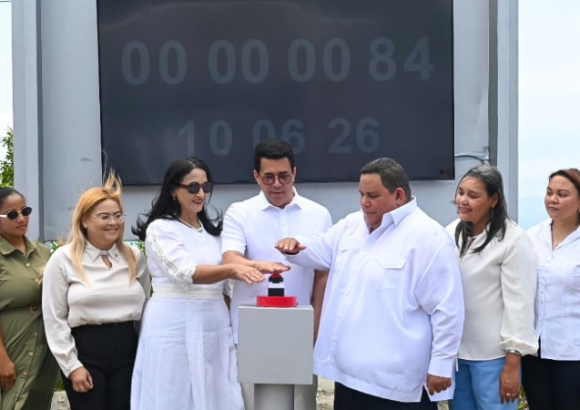
    AZUA, DOMINICAN REPUBLIC – Dominican Republic’s Ministry of Tourism has officially launched a major $265 million Dominican peso infrastructure development project at Monte Río Beach, a long-planned initiative designed to unlock the coastal site’s untapped tourism appeal and elevate the visitor experience for both domestic and international travelers. Tourism Minister David Collado led the inauguration ceremony, marking the start of what government officials project will be a transformative investment for the southern region of the country.

    Spanning more than 46,200 square meters of coastal land, the comprehensive upgrade touches every aspect of the beach destination’s public services and visitor amenities. Core civil works include full rehabilitation of existing access roads, new paved public streets, expanded designated parking lots, accessible sidewalks, reinforced retaining walls, and stabilized embankments to protect the coastal infrastructure from erosion. Beyond transportation and structural works, the project adds a full suite of new public facilities: a full-service beachfront restaurant, gender-inclusive public restrooms and outdoor shower stations, dedicated security booths for round-the-clock visitor safety, a children’s playground, an open-air public fitness area, and a elevated scenic overlook that showcases panoramic views of the Azua coastline.

    The initiative also addresses critical utility gaps that have long limited Monte Río Beach’s ability to accommodate larger crowds. Upgrades to the local potable water network, sanitation systems, stormwater drainage infrastructure, and regional electrical grid are all included in the project scope, alongside a full overhaul of public lighting across the entire beach area. To preserve the site’s natural coastal ecosystem, planners have integrated a large-scale landscaping and environmental restoration program, which will be paired with the addition of sustainable wooden beach walkways, clear directional and informational signage, strategically placed waste disposal stations, and durable public urban furniture for visitor comfort.

    Speaking at the inauguration, Minister Collado emphasized that the Monte Río Beach upgrade is more than a construction project – it is a catalyst for long-term economic development. Decades of unmet demand for improved public infrastructure at the popular coastal site have held back Azua’s ability to compete as a top-tier tourism destination in the Dominican Republic, a country whose economy relies heavily on tourism revenue. Collado noted that the completed project will not only draw more visitors to the region but also create new local jobs, support small business growth, and cement Azua’s position as a key contributor to national economic growth in the coming years.

  • Senate approves creation of Dominican Institute of Cassava

    Senate approves creation of Dominican Institute of Cassava

    In a plenary session held in Santo Domingo, the Dominican Senate advanced a slate of legislative proposals and institutional actions, moving forward two high-priority bills through first reading approval while finalizing several other measures via second reading. The first groundbreaking proposal greenlit on an initial vote is the legislation to establish the Dominican Institute of Cassava, widely referred to by its Spanish acronym INDOCASABE. Spearheaded by sitting senators Antonio Marte and Manuel María Rodríguez, this institutional initiative is designed to embed a cohesive national framework for bolstering every stage of the cassava value chain—from smallholder cultivation and industrial processing to international export of cassava-derived goods. Beyond structuring national policy, the institute is set to deliver tangible support to producers across all regions of the country, including hands-on technical guidance, expanded pathways to affordable agricultural financing, targeted investment in sector-specific scientific innovation, and opportunities for cross-border collaboration with global cassava industry stakeholders.

    Alongside the agricultural institutional bill, senators also gave first reading approval to a cultural preservation bill submitted by Senator Carlos Gómez. This proposal seeks to grant official national status to the centuries-old faceless doll tradition of El Higüerito, a community art practice rooted in Moca, by naming it an Intangible Cultural Heritage of the Dominican nation.

    Following action on first reading items, the chamber wrapped up secondary approval for a series of naming and recognition measures. These included a resolution to rename the Baní bypass corridor as the “Rafael De Jesús Perelló Abreu Tourist Boulevard,” a separate designation naming the coastal folk tradition “Los Toros de Monte Cristi” as another national Intangible Cultural Heritage, an act renaming the San Cristóbal municipal sports complex after local figure Douglas Miguel Hasbún José, and the official establishment of September 10 as “Petromacorisano Pride Day.” Lawmakers also passed a special resolution to recognize Aura Migdalia Moscoso Pérez for her decades of transformative contributions to public education and inclusive social development in the Bahoruco region.

    Closing out the session’s key announcements, Senate President Ricardo de los Santos revealed that a special cross-partisan commission will be appointed the following week to conduct a comprehensive review of proposed amendments to the country’s Organic Law on States of Emergency. Before adjourning, members of the chamber paused to hold a formal minute of silence to honor the recent passing of three prominent Dominican figures: investigative photojournalist Franklin Guerrero, celebrated poet Isidro Ventura Guzmán, and community leader Eden de Jesús. The Senate has scheduled its next reconvening for June 12.

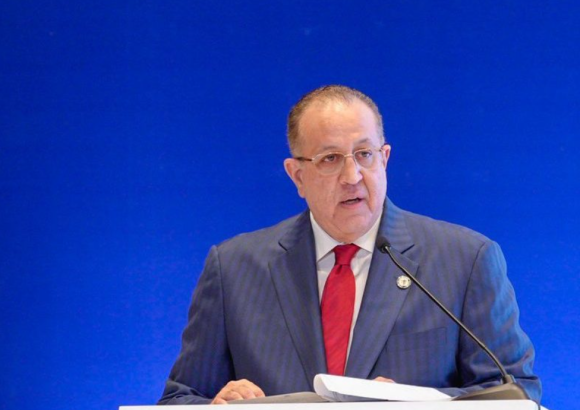
  • Eddy Olivares defends proposed labor reform at ILO Conference

    Eddy Olivares defends proposed labor reform at ILO Conference

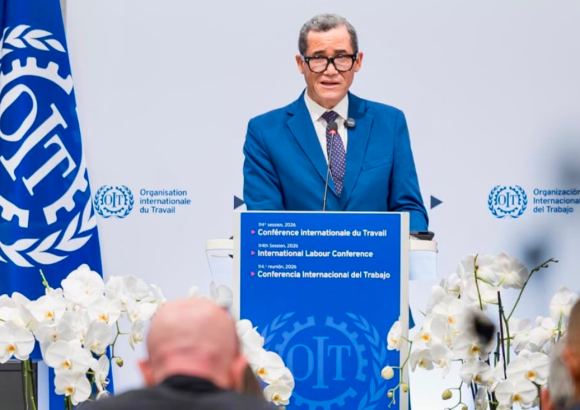
    At the 114th International Labour Conference hosted by the International Labour Organization (ILO) in Geneva, Switzerland, Dominican Republic’s Labor Minister Eddy Olivares Ortega has laid out the sweeping goals of the country’s pending Labor Code reform, framing the proposal as a balanced update that will strengthen worker protections while boosting national economic competitiveness. The legislative proposal, which is currently advancing through the Dominican Congress, is designed to bring the nation’s decades-old labor framework into alignment with modern global and domestic market dynamics, Olivares explained, all while protecting hard-won progress in employment standards and collaborative labor relations.

    In his address to the global gathering of labor stakeholders, Olivares reaffirmed the core commitments of President Luis Abinader’s administration: centered on inclusive social dialogue, universal access to decent work, and unwavering pursuit of labor justice. These principles, he emphasized, have guided the government’s labor policy agenda since taking office, delivering measurable results that have elevated the Dominican Republic’s standing across the Latin American and Caribbean region.

    Olivares pointed to independent data to back up the nation’s progress, noting that the Dominican Republic earns strong favorable ratings in the International Trade Union Confederation’s annual Global Rights Index, placing it among the top regional performers for labor rights protection. Beyond international rankings, he highlighted a series of tangible domestic achievements: negotiated wage increases secured through collaborative tripartite agreements between government, employer groups, and labor unions, consistent year-over-year growth in formal sector employment, a national unemployment rate that has held steady below 5% in recent reports, and expanded access to collective bargaining for workers across multiple industries.

    Turning to efforts to eliminate exploitative child labor, Olivares highlighted the ongoing rollout of the Model for Identifying Places with Risk of Child Labor (MITRI), a targeted monitoring tool developed in partnership with the ILO to strengthen national prevention and enforcement efforts. The framework allows authorities to proactively identify high-risk regions and work sectors, enabling earlier intervention to remove children from dangerous working conditions and expand access to education and social support.

    Closing his address, Olivares reiterated the Dominican Republic’s longstanding commitment to the ILO’s signature tripartite governance model, which centers collaborative dialogue between government, labor, and employer representatives as the foundation for sustainable labor policy. He expressed confidence that this inclusive approach will remain a central catalyst for broad-based economic growth and improved social well-being for all Dominican citizens in the years ahead.