标签: Dominican Republic

多米尼加共和国

  • U.S. Coast Guard repatriates 32 migrants to Dominican Republic

    U.S. Coast Guard repatriates 32 migrants to Dominican Republic

    A U.S. Coast Guard interdiction operation off the coast of Puerto Rico has ended with 32 migrants repatriated to the Dominican Republic, following the interception of an overloaded makeshift craft carrying 40 undocumented people. The incident unfolded in waters near Desecheo Island, a small uninhabited landmass located just west of Puerto Rico’s main island.

    The operation was triggered when a surveillance aircraft operated by U.S. Customs and Border Protection spotted the suspicious vessel, which measured between 20 and 30 feet in length and was carrying a far larger number of passengers than it was designed to hold. Acting on the intelligence, the Coast Guard cutter Heriberto Hernandez intercepted the unregistered boat on Sunday, and all 40 people aboard were taken into custody without incident.

    A demographic breakdown of the passengers released by U.S. authorities shows the group included 36 citizens of the Dominican Republic, three Haitian nationals, and one individual from Uzbekistan. Under the agency’s ongoing regional framework to reduce dangerous irregular migration across Caribbean waters, 32 of the migrants were transferred for repatriation back to Dominican territory.

    Coast Guard leaders emphasized that the successful operation is a clear demonstration of effective interagency coordination between frontline maritime security units and the Department of Homeland Security’s dedicated task force for regional migration enforcement. Commander Matthew Romano, response chief for the Coast Guard’s Sector San Juan, commended the disciplined, professional work of all crews involved in disrupting the unlawful sea migration attempt, noting that such operations also reduce the risk of life-threatening harm to migrants attempting dangerous ocean crossings.

  • Dominican national ID named best identity document in Latin America

    Dominican national ID named best identity document in Latin America

    The Dominican Republic’s cutting-edge combined national identity and voter registration card has earned the prestigious title of Best Identity Document 2026, awarded at the High Security Printing Latin America Forum — a premier regional gathering that brings together industry leaders to advance innovations in document security, digital identity infrastructure, and cutting-edge authentication technologies.

    The top honor was awarded to the Dominican Central Electoral Board (JCE by its Spanish acronym), after the national ID entry outperformed competing submissions from Costa Rica and Argentina to claim the award. The recognition serves as a clear marker of the Dominican Republic’s meaningful progress in public-sector digital transformation and secure, inclusive identity management, with judges evaluating entries across five core criteria: technological innovation, multilayered document security, end-to-end operational efficiency, alignment with global international standards, and overall user experience for citizens.

    Román Andrés Jáquez Liranzo, president of the JCE, emphasized that the award confirms the new Dominican identification card stands among the most advanced official identity documents across Latin America. He formally dedicated the international distinction to the people of the Dominican Republic, and highlighted the critical contributions of both the JCE’s Directorate of Identification and the Emdoc Consortium, the public-private partnership tasked with developing and delivering the groundbreaking new ID project.

    The Emdoc Consortium, which led the design and manufacturing of the new identity card, brings together five specialized global and local firms: GSI Internacional, Muhlbauer ID Services, Veridos, Ultra Tech, and IQtek Solutions. Notably, IQtek Solutions is the only Dominican-owned company in the consortium, marking a key milestone for local technology capacity, as it contributed on-the-ground national expertise and homegrown technological capabilities to one of the Dominican Republic’s most ambitious public-sector modernization initiatives in recent decades.

    The award-winning identity document integrates over 100 distinct security features spanning three layers: visual, covert, and forensic verification. Manufactured from rugged, long-lasting polycarbonate, the card has a projected 25-year lifespan, and incorporates a suite of modern security tools: a tamper-resistant laser-engraved portrait, a contactless electronic chip for digital verification, a standardized Machine Readable Zone (MRZ), and a unique Card Access Number (CAN). All components were specifically engineered to strengthen identity verification protocols and dramatically reduce the risk of identity fraud and document forgery.

    Beyond the technological innovations built into the card itself, the international award also spotlights the massive scale of the Dominican Republic’s ongoing national identity renewal program. Per JCE updates, the institution is rolling out the renewal process simultaneously across the Dominican Republic and for citizens living overseas, reaching Dominican communities in approximately 35 countries across the globe. Program officials characterize the effort as one of the most ambitious national identity modernization initiatives currently underway in the Latin American region.

    For industry and government observers, the international honor cements the Dominican Republic’s emerging role as a growing leader in digital identity infrastructure, high-security document production, and public-sector innovation. It also serves as a global showcase for the capabilities of Dominican technology firms, which are increasingly contributing to large-scale projects that carry both regional and international influence.


  • Environment Ministry reports progress in protecting oceans and coasts

    Environment Ministry reports progress in protecting oceans and coasts

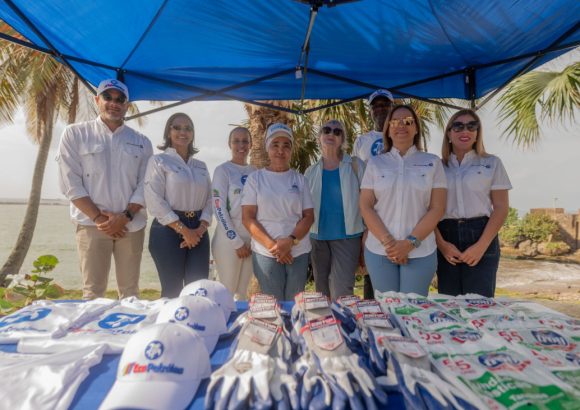
    To mark the annual World Oceans Day, the Dominican Republic’s Ministry of Environment and Natural Resources has showcased the nation’s significant strides in marine conservation and coastal ecosystem protection through a series of public and expert-focused events. The commemorative activities, which included a hands-on community beach cleanup initiative and a high-level expert panel centered on sustainable ocean governance, brought together government stakeholders, private sector partners, and environmental advocates to push forward the country’s ocean protection agenda.

    Organized by the Vice Ministry of Coastal and Marine Resources in collaboration with Ecopetróleo Dominicana, the coastal cleanup effort was hosted at the historic Fort San Gil site. Operating under the unifying theme “Together for Cleaner Oceans”, the event drew teams of government staff and representatives from allied environmental organizations, who worked to clear accumulated waste from vulnerable coastal shorelines. Beyond the physical removal of pollution, the initiative served a broader public education purpose: it aimed to heighten community awareness of the growing threat of marine plastic and industrial waste, and motivate sustained public engagement in local marine ecosystem stewardship.

    Alongside the on-the-ground cleanup, the Ministry convened a dedicated expert panel titled “Advances in Marine Conservation in the Dominican Republic”. During the discussion, leading marine scientists and environmental policymakers reviewed key milestones achieved across multiple core areas of ocean protection: from the expansion and improved management of marine protected areas to targeted species conservation programs, expanded systematic scientific monitoring of coastal and marine habitats, and ongoing work to boost the ability of vulnerable coastal ecosystems to withstand the impacts of climate change.

    Panel speakers emphasized that all current progress under the Dominican Republic’s national marine conservation framework is aligned with the country’s international commitments to global sustainability and biodiversity preservation targets. Among the standout success stories highlighted during the event were long-running marine turtle conservation initiatives, expanded collaborative scientific research programs, and the high-profile successful reintroduction of a rescued manatee, nicknamed “Juan Pedro”, back into its natural wild habitat.

    Closing out the day’s activities, senior government authorities reaffirmed the Dominican Republic’s unwavering commitment to long-term protection of the nation’s ocean and coastal resources. Officials underscored that healthy marine ecosystems are foundational to the country’s success: supporting critical biodiversity, driving the vital tourism sector, underpinning national food security, and strengthening the nation’s overall climate resilience in the face of accelerating global environmental change.

  • Environment Ministry launches modernization of National Botanical Garden

    Environment Ministry launches modernization of National Botanical Garden

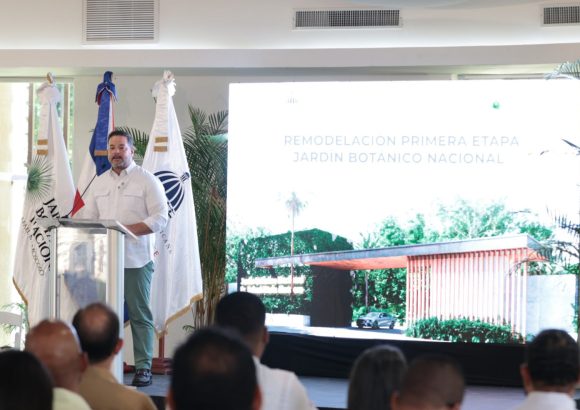
    SANTO DOMINGO — Ahead of its milestone 50th anniversary, the Dr. Rafael María Moscoso National Botanical Garden in the Dominican Republic has entered a new era of revitalization, with the Ministry of Environment and Natural Resources launching the first stage of a sweeping institutional strengthening and modernization initiative. The ambitious multi-phase project is designed to upgrade aging infrastructure, elevate the visitor experience, and expand the garden’s core capacity as a hub for scientific research and public environmental education.

    The completion of the first round of upgrades has already transformed key areas of the 50-year-old public green space. Crews have fully renovated the garden’s main entrance, restored its architecturally iconic domes, and built a dedicated new security and surveillance hub to improve visitor safety. New universally accessible restrooms have been installed to better accommodate guests with disabilities, and a full-service medical dispensary including a private lactation space for nursing mothers has been added to address long-unmet visitor needs. The project has also breathed new life into the garden’s popular Japanese Garden and its historic traditional Tea House, restoring the cultural and horticultural landmark to its original beauty.

    According to government officials, every upgrade completed in the first phase was planned to balance two core goals: protecting the garden’s unique ecological and scientific integrity, and upgrading the space to serve future generations of visitors, researchers, and conservationists.

    Environment Minister Paíno Henríquez framed the large-scale project as far more than a construction initiative, noting that it represents a strategic investment in three critical public priorities: biodiversity conservation, accessible environmental education, and community public well-being. Alongside celebrating the completion of the first phase, Henríquez outlined the upcoming second stage of renovations, which will bring upgrades to the garden’s network of walking trails, public service areas, on-site dining facilities, and climate-controlled plant storage spaces. The second phase also includes full modernization of the garden’s Botany Department, the Dominican Republic’s National Herbarium, and the popular Aquatic Plant Pavilion.

    Long-term plans for the garden go beyond structural upgrades, with innovative sustainable technologies set to play a central role in coming improvements. One key upcoming project is the restoration of the garden’s Great Canyon, which will use eco-friendly ozonation technology to improve water quality without introducing harmful chemicals to the ecosystem. The entire restoration project will be supported by a new solar-powered lighting system, aligning the garden’s upgrades with the country’s broader sustainability and renewable energy goals.

    As the garden prepares to mark five decades of conservation and public service, authorities say the full modernization initiative will solidify its standing as one of the leading institutions for biodiversity conservation, scientific research, and environmental education across the Dominican Republic and the wider Caribbean region.

  • Dominican Republic elected First Vice President of OAS Port Committee

    Dominican Republic elected First Vice President of OAS Port Committee

    SANTO DOMINGO — In a landmark milestone for the Dominican Republic’s regional engagement, the Caribbean nation has secured its first-ever appointment to the top leadership of the Organization of American States’ Inter-American Committee on Ports (CIP), taking on the role of First Vice President. This regional body stands as the preeminent convener of port governing authorities from across North, Central, and South America and the Caribbean, uniting stakeholders to advance cross-border maritime cooperation.

    Officials from the Dominican Port Authority (Apordom), the country’s national port governing body, confirmed that the new leadership position will dramatically elevate the nation’s influence in regional port policy and collaboration. The appointment opens the door for Dominican leaders to take a more hands-on role in shaping priority initiatives across a range of high-stakes areas, including sustainable port operations, cutting-edge technological innovation in maritime logistics, integrated port-urban development, climate-resilient port infrastructure, and expanded cross-border logistics networks.

    Apordom Executive Director Jean Luis Rodríguez emphasized that the CIP appointment aligns perfectly with the Dominican Republic’s ongoing large-scale push to overhaul and grow its national port and logistics infrastructure. In recent years, the country has invested heavily in upgrading terminal capacity, expanding shipping routes, and streamlining customs processes, all with the goal of cementing its status as a central strategic trade and connectivity hub for the broader Americas region. Rodríguez noted that the new leadership role will reinforce this progress by giving the Dominican Republic a stronger voice in setting regional priorities and accessing global best practices for port development.

    The Inter-American Committee on Ports functions as the Organization of American States’ primary official forum for coordinated port development across the Western Hemisphere. Its core mandate centers on driving safe, efficient, and environmentally sustainable growth of port systems through a mix of targeted technical assistance, professional training programs for port personnel, collaborative policy development, and cross-border sharing of successful industry practices. As First Vice President, the Dominican Republic will now take a lead coordinating role in rolling out regional projects designed to strengthen maritime trade flows, upgrade logistics networks, and improve connectivity between markets across the hemisphere, opening new economic opportunities for both the nation and its regional partners.

  • Dominican Republic set for largest energy expansion in decades

    Dominican Republic set for largest energy expansion in decades

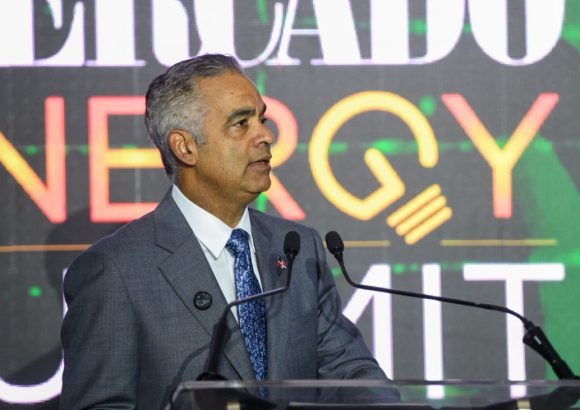
    Santo Domingo — The Dominican Republic is gearing up for its most ambitious expansion of energy infrastructure in more than 30 years, according to the nation’s top energy official. Joel Santos, Minister of Energy and Mines, announced that total installed firm generation capacity will surge by over 50% between 2025 and 2028, a development set to reshape the country’s economic trajectory.

    Addressing attendees of the 2026 Energy Market Summit held in the capital city Santo Domingo, Santos framed the planned expansion as a foundational investment that will reinforce the Dominican Republic’s capacity to underpin broad-based economic growth, draw in foreign and domestic capital, and sharpen its competitive edge in the Caribbean region. Currently, the country operates 2,000 megawatts of renewable energy capacity across its national grid, with a further 1,000 megawatts scheduled to connect to the system by 2028 via projects that are already in active development.

    Santos emphasized that this large-scale expansion is a direct response to rapidly rising demand for electricity across the Dominican Republic. National peak electricity demand is projected to hit 4,250 megawatts this year alone, marking a nearly 59% jump from peak demand recorded back in 2019. He attributed this sharp increase to the robust expansion of the country’s core economic sectors, including tourism, manufacturing, domestic commerce, and consumer-focused services, noting that energy infrastructure development cannot lag behind overall economic growth if the country hopes to sustain long-term, inclusive development. “We cannot build a stronger economy on a weak energy foundation,” Santos told summit attendees, “every new hotel, every new factory, every new business relies on consistent, affordable power to operate.”

    The national government’s strategic energy plan centers on diversification of the country’s energy mix, integrating expanded renewable energy supplies, increased natural gas generation, and utility-scale energy storage systems to boost both the reliability and climate resilience of the national grid. Beyond generation capacity expansion, the administration is also advancing parallel efforts to extend electricity access to underserved communities, roll out widespread energy efficiency programs, strengthen the country’s energy regulatory framework, and accelerate the transition to a sector that is both more economically competitive and environmentally sustainable.

  • Abinader warns Haitian gangs: Dominican border will be defended

    Abinader warns Haitian gangs: Dominican border will be defended

    SANTO DOMINGO – Against a backdrop of rising cross-border insecurity fueled by armed gang activity in neighboring Haiti, Dominican President Luis Abinader made a firm public commitment Tuesday that his nation will not permit violent Haitian gangs to encroach on or endanger Dominican territory. Speaking at the National Palace during the official launch of the country’s new comprehensive ‘Strong Border’ security and development initiative, Abinader confirmed that the Dominican Armed Forces have received unambiguous orders to act decisively against any security hazard that emerges along the shared 392-kilometer border.

    A core pillar of the new strategy is a significant expansion of military manpower along the frontier. Currently, 9,500 active military personnel are deployed to border security operations; the administration will add an additional 1,500 troops to boost patrol, deterrence, and response capacity. The government is also extending the border’s high-tech smart perimeter fence: 54 kilometers of the advanced barrier have already been completed, and construction on 13 more kilometers will get underway shortly to close surveillance gaps and strengthen unauthorized crossing deterrence.

    To streamline border monitoring operations, the initiative reorganizes the entire frontier into eight distinct operational zones, each overseen by a senior military commander to improve coordination and rapid response. The strategy also integrates cutting-edge surveillance technology to augment on-the-ground security work, including long-endurance drones, high-resolution fixed surveillance cameras, underground fiber-optic transmission systems, and centralized real-time monitoring infrastructure that allows security teams to track and respond to incidents faster. Dominican Defense Minister Carlos Fernández Onofre specifically highlighted the addition of the domestically assembled TP-75 Dulus aircraft, which will now carry out regular border patrol and reconnaissance missions, marking a milestone for the country’s domestic defense manufacturing capacity.

    Beyond hard security investments, the ‘Strong Border’ plan frames long-term border stability as tied to inclusive economic development for underdeveloped border provinces. The administration outlined plans to modernize four key binational commercial markets in Dajabón, Elías Piña, Jimaní, and Pedernales, which will facilitate legal cross-border trade while reducing opportunities for smuggling and unauthorized movement. Additional development initiatives include the construction of new vocational training schools to expand local employment opportunities, upgraded military facilities, new regional airport infrastructure, and a geographic expansion of the national 9-1-1 emergency response system to better serve border communities. Officials also emphasized a targeted effort to reclaim and restructure the high-risk Tilory border area, where unregulated informal settlements have long blocked clear surveillance lines and undermined Dominican territorial control over the frontier.

  • UNDP Report praises Dominican Republic for advances in democracy and human development

    UNDP Report praises Dominican Republic for advances in democracy and human development

    At a high-profile event hosted in Santo Domingo, the United Nations Development Programme (UNDP) has recognized the Dominican Republic for its groundbreaking progress across democratic governance, political liberties, and broad-based human development, framing the Caribbean nation as a standout example of democratic deepening at a time when democratic institutions across the Latin American and Caribbean region face mounting systemic pressures. The acknowledgement came during the official launch of the 2026 Regional Human Development Report, where Michelle Muschett, UNDP’s Regional Director for Latin America and the Caribbean, spotlighted the Dominican Republic’s steady work to entrench electoral democracy and widen access to political freedoms for all segments of society.

    Beyond political advances, Muschett emphasized the Dominican Republic’s decades-long track record of tangible social progress, noting that over the past 20 years, the country has delivered dramatic reductions in both widespread poverty and systemic inequality. These socioeconomic gains, she explained, are core to the nation’s broader improvements in human development outcomes and collective social well-being, proving that democratic strengthening can go hand-in-hand with inclusive growth. The 2026 report itself takes a comprehensive look at the most pressing challenges facing democratic systems across the region, ranging from persistent governance gaps and stubborn income inequality to rising political polarization and the growing gap between citizen expectations and government delivery.

    The launch event was led by Dominican President Luis Abinader, with Dominican Foreign Minister Roberto Álvarez in attendance, and featured aligned remarks from both national and regional leaders on the future of democratic governance in the region. Muschett opened the policy discussion by stressing that durable, resilient democracies ultimately rely on effective, responsive institutions that can deliver concrete, visible benefits to everyday citizens. Álvarez echoed this core argument, adding that ongoing protection and intentional renewal of democratic systems is critical as the region grapples with a new wave of interconnected challenges, including rampant disinformation, transnational organized crime, unprecedented migration pressures, rapid technological disruption, and the accelerating global environmental crisis. Closing his remarks, Álvarez reaffirmed the Dominican Republic’s unwavering commitment to further strengthening its democratic institutions and ensuring that every advance in political governance translates to measurable improvements in quality of life for all citizens, regardless of background.

  • Dominican Republic and Secrets Playa Esmeralda win top honors at 2026 Wave Awards

    Dominican Republic and Secrets Playa Esmeralda win top honors at 2026 Wave Awards

    Marina del Rey, California — The global travel industry gathered this year at The Ritz-Carlton, Marina del Rey, to celebrate outstanding achievement at the 2026 Wave Awards, where the Dominican Republic walked away with two major honors that cement its status as a premier Caribbean tourism powerhouse.

    For the third year in a row, following back-to-back wins in 2024 and 2025, the Dominican Republic claimed the top title of Caribbean Destination with the Highest Visitor Satisfaction. This repeat recognition underscores the nation’s consistent delivery of standout travel experiences, drawing international visitors year after year with its powdery white-sand coastlines, warm, welcoming hospitality, robust modern tourism infrastructure, and customer-centric travel offerings.

    Adding to the country’s haul of accolades, one of its premier luxury properties, Secrets Playa Esmeralda Resort & Spa, took home the award for Best New or Renovated Resort in the Caribbean. This separate honor further boosts the Dominican Republic’s growing reputation as a leading hub for high-end luxury tourism, showcasing its ability to deliver world-class accommodation that meets global traveler expectations.

    Hosted annually by leading travel industry publication TravelAge West, the Wave Awards stand as one of the most respected recognitions of excellence across the international travel and tourism sector. The 2026 edition of the ceremony honored more than 230 destinations, hospitality companies, and travel professionals from around the globe. Winners are selected through a rigorous, multi-stage evaluation process that combines in-depth product assessments, on-site inspection visits, surveys of seasoned industry advisors, and comprehensive independent online research, lending significant authority to the awards given out each year.

  • Abinader appoints Héctor Pastor Vásquez as Consul in Venezuela

    Abinader appoints Héctor Pastor Vásquez as Consul in Venezuela

    SANTO DOMINGO — The Dominican Republic has formalized a key diplomatic appointment aimed at reinvigorating its bilateral relationship with Venezuela, with President Luis Abinader tapping veteran career diplomat Héctor Pastor Vásquez Frías to serve as the nation’s new Consul General in Caracas. The appointment was codified in Decree 351-26, a document first signed by the president on June 1 that was officially released to the public one week later on June 8.

    This senior diplomatic posting is far from a routine personnel change: it forms a core part of the Dominican government’s broader strategic push to reinforce its consular presence across key international locations, and specifically to advance ongoing work to rebuild and strengthen formal consular connections between the Dominican Republic and Venezuela. Per the terms laid out in the presidential decree, multiple leading state institutions have been directed to carry out the necessary administrative steps to finalize the appointment. These bodies include the Dominican Ministry of Foreign Affairs, the national Chamber of Accounts, the Office of the Comptroller General, the Ministry of Public Administration, and any other relevant agencies with oversight of diplomatic appointments.

    Vásquez Frías brings a diverse and well-established professional background to the new role, with a decades-long career spanning diplomacy, historical scholarship, and journalism. Prior to taking on the Caracas posting, he held multiple diplomatic assignments across the Caribbean, completing previous tours of service at Dominican diplomatic missions in neighboring Haiti and Cuba, alongside holding internal roles within the Dominican Ministry of Foreign Affairs. Analysts view the appointment as a clear signal of the Dominican Republic’s commitment to deepening engagement with Venezuela after a period of strained bilateral relations, framing the move as a step toward expanded people-to-people and official cooperation between the two Caribbean nations.