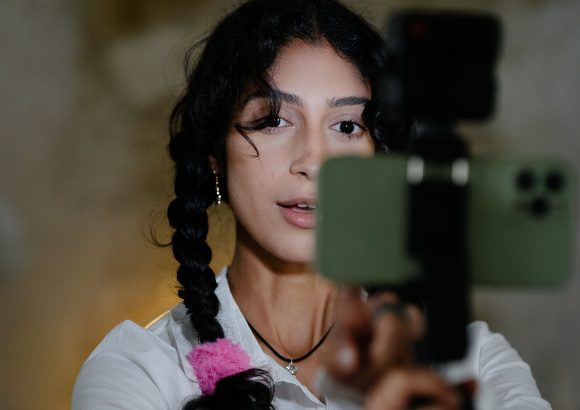
As the United States prepares to welcome hundreds of thousands of international visitors for the upcoming FIFA World Cup, U.S. immigration officials have drawn a clear red line for foreign digital creators and influencers: earning income from content produced domestically while on a tourist visa is a violation that carries serious consequences. The new alert arrives just weeks before the global tournament kicks off, when a surge of independent content makers are expected to travel to the U.S. to produce match coverage, behind-the-scenes content and fan experiences for their online audiences, many of which generate direct advertising or sponsorship revenue.
According to official guidance released by U.S. Customs and Border Protection (CBP), the B-2 tourist visa, one of the most common entry categories for temporary U.S. visitors, explicitly bars holders from engaging in paid work or collecting compensation for any activities conducted within U.S. borders. CBP officials clarified that creators traveling to the U.S. primarily to produce monetized online content, regardless of whether they work for a major media organization or operate as independent creators, falls under the definition of employment under U.S. immigration rules. This type of activity requires a specialized work-authorized visa rather than a standard tourist approval.
The agency warns that violations can result in immediate penalties, ranging from revocation of existing visas to formal removal from the United States. The warning is not an isolated policy shift, but part of broader heightened scrutiny of visa compliance surrounding the high-profile international sporting event. Already, concerns over visa access for World Cup stakeholders have been growing: the International Sports Press Association recently raised public alarms over widespread visa delays and denials that have prevented dozens of journalists from completing the accreditation process to cover the tournament. In a high-profile separate case, Somali referee Omar Abdulkadir Artan was denied U.S. entry ahead of the tournament, blocking him from participating in his scheduled officiating role.
Officials also pointed to prior enforcement actions involving high-profile public figures to underscore their commitment to enforcing these rules. In 2025, globally renowned TikTok star Khaby Lame was detained by U.S. immigration officials after authorities confirmed he had overstayed the terms of his previous visa, ultimately leading to the creator voluntarily departing the country via self-deportation.
This latest warning makes clear that U.S. authorities are prioritizing visa compliance as the nation hosts one of the largest international sporting events in the world. For foreign visitors planning any income-generating activity during their stay, officials stress that securing the correct work authorization before travel is not just a recommendation—it is a legal requirement.