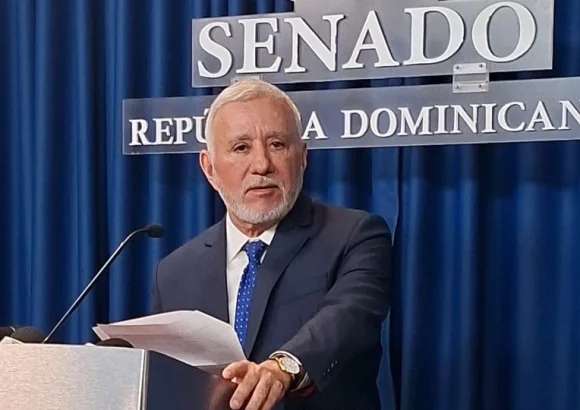
In Santo Domingo, a leading Dominican senator has tabled a sweeping legislative proposal that would reshape the nation’s defamation regulations, with the explicit goal of reinforcing constitutionally guaranteed freedoms of expression and press activity. Senator Antonio Taveras Guzmán’s bill targets long-standing provisions of the nation’s Law 74-25, pushing to bring the country’s legal framework in line with global human rights norms while upholding core principles of fairness and proportionality for alleged honor-based offenses.
The proposal outlines a series of targeted amendments to existing legal articles that would fundamentally alter how defamation is penalized in the Dominican Republic. Under the current system, a range of honor-based offenses can result in lengthy prison sentences, and media outlets face severe operational sanctions that can force them to cease work. Taveras’ plan eliminates all custodial sentences for defamation, replacing them with proportionate financial penalties. For basic defamation, defined in the revised Article 208 as only the public spreading of verifiably false facts that cause tangible harm to an individual’s reputation, fines would be set between three and eight times the national public-sector minimum wage, in addition to any ordered civil compensation for damages.
The bill also revises Article 209, which currently governs extortion-linked defamation. The proposal reclassifies this offense as an aggravated form of standard defamation, cutting maximum penalties from a 10-year prison term to a maximum of one year of custodial sentence, with a minimum penalty of just 15 days for offenses committed to extract unlawful benefits or coerce third parties. Article 210’s existing prison penalties for defamation would also be fully removed under the reform, leaving only fines and civil damage orders as applicable sanctions.
One of the most significant protections for media organizations is included in the amendment to Article 212, which would explicitly ban any government or judicial body from issuing harsh operational sanctions such as outlet closures, broadcast license revocations, equipment seizures, or temporary suspensions of activity in any case involving alleged violations of personal honor or privacy.
Perhaps the most politically controversial provision of the bill is the proposed full repeal of Article 310, a current regulation that criminalizes insults against public officials. Taveras argues that this article creates a separate tier of legal protection for government authorities, a departure from the constitutional principle of equality before the law, and undermines the ability of citizens and journalists to hold elected and appointed officials accountable in a democratic system.
In justifying the full package of reforms, Taveras emphasized that the changes are designed to modernize Dominican defamation legislation, bring it into compliance with both the country’s own constitutional protections for free expression and widely accepted international human rights standards. The proposal strikes a new balance, he says, between the legitimate right of individuals to protect their personal reputation and the equally important rights of free expression and democratic oversight that are foundational to a functional democratic society.