标签: Dominica

多米尼克

  • WEATHER (6:00 AM, June 24): cloudy skies, scattered showers, possible thunderstorms expected; people in at risk areas urged to be cautious

    WEATHER (6:00 AM, June 24): cloudy skies, scattered showers, possible thunderstorms expected; people in at risk areas urged to be cautious

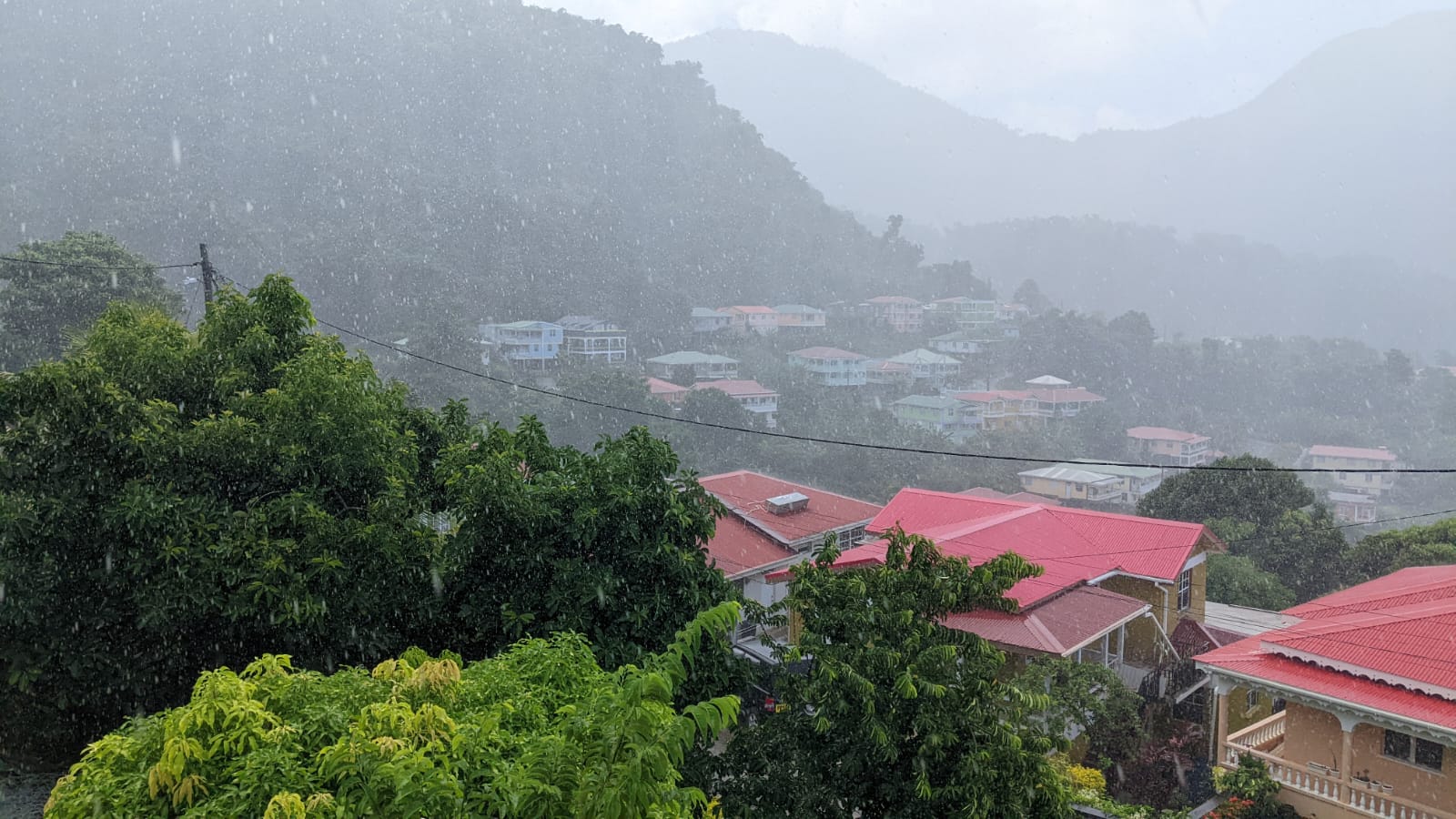
    Regional weather authorities have issued a series of public safety alerts as multiple overlapping hazardous weather conditions are set to impact the area over the coming 24 hours. Forecasters confirm that a tropical wave, carrying excess atmospheric moisture and unstable air masses, will drive weather patterns across the region through the day.

    Overnight and into the early morning, the system is expected to bring widespread overcast conditions alongside scattered rain showers. There is also a low but non-negligible risk of isolated thunderstorms breaking out across higher elevation and low-lying flood-prone zones. Officials are urging residents who live in areas vulnerable to flash flooding, landslides, and falling rock debris to stay updated on changing weather conditions and avoid unnecessary travel through high-risk zones through the day. By afternoon, precipitation is expected to taper off to just a few scattered showers, but strong gusty winds will remain a persistent hazard across the region.

    Beyond the rain and wind, a growing plume of Saharan dust is projected to push into the region starting this afternoon, carrying significant air quality risks through overnight hours. Forecasters warn that air quality will decline from moderate to unhealthy levels as dust concentrations spike. Vulnerable populations, including individuals with asthma, chronic obstructive pulmonary disease (COPD), and other pre-existing respiratory conditions, are advised to limit prolonged outdoor exposure and keep medication on hand to manage any unexpected symptoms.

    The dust will also cut down on horizontal visibility across both coastal areas and open water, prompting official warnings for commercial and recreational mariners. All boat operators are strongly encouraged to carry fully charged, functioning navigational equipment to avoid accidents while traveling through low-visibility conditions.

    Sea conditions will remain unpredictable over the next day, with forecasters noting moderately choppy seas across most of the region’s coastline. Along the area’s western shore, wave heights are expected to peak around 5 feet, while eastern coastlines could see waves reaching up to 8 feet – conditions that pose significant risks to small vessels. A formal Small Craft Advisory remains in effect for all nearshore waters, with officials reminding small boat operators and recreational sea bathers to stay out of hazardous surf and avoid unnecessary offshore activity until conditions improve.

  • Achievement Learning Centre commends Jahmielle Cadette’s success in Grade 6 National Assessment

    Achievement Learning Centre commends Jahmielle Cadette’s success in Grade 6 National Assessment

    Four years after joining The Achievement Learning Centre (ALC) at the height of the global COVID-19 pandemic, 12-year-old Jahmielle Cadette has hit a defining academic milestone: passing his national Grade 6 Assessment examinations, earning recognition and praise from the institution that supported his journey.

    When Cadette enrolled at ALC in 2021 at age 8, his parents sought an educational environment tailored to nurture both his unique learning requirements and personal social development. What followed was a period of steady, transformative progress that saw the young student overcome systemic barriers brought on by public health rules and grow into a confident, accomplished learner.

    The timing of Cadette’s arrival at ALC placed him at the center of one of the most challenging eras for modern education. Strict social distancing mandates and pandemic-related restrictions upended traditional learning for both students and teaching staff across the country. Rather than letting these obstacles derail Cadette’s progress, ALC educators adapted rapidly, rolling out creative, flexible instructional strategies designed to keep Cadette engaged with his coursework and moving steadily toward his academic goals.

    Today, after four years of targeted support and consistent effort, Cadette has emerged as a poised, articulate young person with a reputation for his quick creativity, warm sense of humor, and unwaveringly positive outlook. ALC officials note that he has posted consistent, measurable improvement across all core academic subject areas, including Mathematics, Language Arts, Social Studies, and Integrated Science.

    Beyond the classroom, Cadette has also made major strides in his social development, building stronger interpersonal skills and a greater awareness of the world around him. He has also cultivated a deep, abiding passion for chess, which has become one of his favorite pastimes.

    ALC leadership has publicly celebrated Cadette’s work ethic, resilience, and transformative growth throughout his time at the institution. Teaching and administrative staff say they are deeply proud of what he has accomplished, highlighting the consistent dedication he has brought to his studies every day since he joined the center five years ago.

    As Cadette prepares to transition to the next stage of his educational career, ALC has extended warm congratulations to the young achiever. The institution expressed full confidence that he will continue to grow, build on his current success, and excel in all his future academic pursuits as he continues his lifelong learning journey.

  • Dominica expands disease detection with tntroduction of Leptospirosis PCR testing

    Dominica expands disease detection with tntroduction of Leptospirosis PCR testing

    Dominica’s public health infrastructure has marked a key milestone with the launch of domestic Polymerase Chain Reaction (PCR) testing for leptospirosis at the National Laboratory under the Ministry of Health, Wellness, and Social Services. This development cuts the island nation’s reliance on overseas diagnostic services and represents a major step forward in strengthening local disease response capabilities.

    In an official statement from the Ministry, health authorities confirmed that the new in-house testing capacity transforms the country’s ability to identify leptospirosis, a potentially severe bacterial infection that spreads through contaminated water, with greater speed and precision. Prior to this rollout, all samples from suspected leptospirosis cases had to be shipped abroad for testing, creating delays that slowed treatment and public health intervention.

    With the newly implemented Molbio PCR testing platform now operational at the national lab, clinical teams can access real-time diagnostic results, a shift that directly enables faster administration of targeted treatment, improves patient prognosis, and allows public health teams to roll out containment measures rapidly to stop further transmission of the infection.

    Lab Superintendent Eric Carbon, who leads the facility’s modernization push, framed the introduction of leptospirosis PCR testing as a watershed moment for the country’s laboratory services. “The Molbio Testing Platform has drastically expanded our national lab’s capacity to test for a range of high-priority diseases, including leptospirosis. We no longer have to send samples overseas for diagnosis, and real-time processing lets us deliver results in a fraction of the previous timeline. These are transformative improvements for our lab,” Carbon explained.

    He added that the new capability underscores the lab’s growing ability to detect both emerging and re-emerging pathogens that pose risks to population health, filling a critical gap in Dominica’s disease surveillance network.

    The launch of leptospirosis testing is just one component of a broader, multi-stage initiative to upgrade molecular diagnostics and disease surveillance across the entire country. Carbon confirmed that additional PCR testing services are already in the pipeline to further expand the lab’s testing footprint. In the coming phase, the lab will roll out PCR testing for vaccine-preventable diseases like measles, expand its gastroenteritis testing panel to include varicella, and add detection for respiratory syncytial virus (RSV) to its existing respiratory pathogen testing menu.

    These new services will complement the lab’s already established PCR testing capabilities, which cover a wide range of high-risk pathogens: arboviruses including dengue, chikungunya, Zika, and Oropouche; respiratory viruses such as influenza and COVID-19; and other priority pathogens including monkeypox and tuberculosis.

    Health officials emphasize that this steady expansion of PCR testing capacity reflects the Ministry of Health’s ongoing commitment to investing in cutting-edge diagnostic infrastructure and boosting the country’s overall preparedness to handle public health emergencies. To fully leverage the new capability, the National Laboratory is urging all clinical providers across the country to continue collecting and submitting specimens from any suspected communicable disease cases included in national surveillance programs. The lab has particularly highlighted the importance of testing samples from patients presenting with unexplained fevers, respiratory symptoms, rashes, and other conditions that signal potential public health risks.

    With Atlantic hurricane season underway, Carbon also issued a public advisory warning that increased rainfall and standing water — common conditions during storm season — create ideal environments for leptospirosis transmission. He specifically called on farmers and other high-risk groups to take targeted precautions to lower their chance of exposure and infection.

    Closing out the announcement, the Ministry of Health, Wellness and Social Services reaffirmed its long-term commitment to delivering accessible, high-quality diagnostic services through the National Laboratory. These investments, the ministry noted, support data-driven public health decision-making and advance the core mission of protecting the health and well-being of every resident of Dominica.

  • Keir Starmer steps down as UK prime minister amid Labour pressure

    Keir Starmer steps down as UK prime minister amid Labour pressure

    The United Kingdom is bracing for another major political shift after sitting Prime Minister Keir Starmer confirmed his resignation, marking the country’s fifth turn over of its top leadership role in just four years.

    Media outlets across the UK report that Starmer’s exit came as no surprise, after months of simmering discontent within his own Labour Party. Though Starmer steered Labour to a clear landslide victory in the 2024 general election, grassroots and parliamentary pressure built rapidly as public approval of his government waned and criticism of his leadership style mounted.

    Queen Mary University of London politics professor Tim Bale, in comments carried by Al Jazeera, characterized Starmer as an ineffective communicator who fumbled his first months in office, and failed to articulate a unifying, inspiring vision that could energize both his parliamentary caucus and the general voting public.

    Per reporting from The Guardian, Starmer’s departure also comes amid the Labour Party’s growing struggle to counter the rising electoral influence of Reform UK, the anti-immigration populist right party headed by veteran political figure Nigel Farage. Many senior and rank-and-file Labour figures have growing concerns that Starmer lacked the strategy and profile to effectively push back against Reform UK’s expanding appeal, a worry that accelerated calls for his resignation.

    In the wake of Starmer’s announcement, all political attention has turned to Andy Burnham, the widely tipped frontrunner to replace him as Labour leader and UK Prime Minister. The 56-year-old is a seasoned Labour veteran who held cabinet positions under former prime ministers Tony Blair and Gordon Brown, and has served as the popular Mayor of Greater Manchester since 2017. This is not Burnham’s first run at the Labour leadership: he unsuccessfully contested the role in both 2010 and 2015.

    Burnham’s position as the clear frontrunner has been bolstered by his strong recent performance in the Makerfield constituency, where he helped Labour claw back substantial voter support even as Reform UK made major gains across other seats during May’s local elections.

    In line with longstanding UK constitutional convention, Starmer formally notified King Charles III of his plan to step down before making his public announcement on Monday morning. The Guardian also confirmed that Starmer has already held a meeting with the presumptive incoming leader to coordinate preparations for a smooth transition of power.

    Barring any last-minute challengers entering the race, Burnham is on track to be confirmed as the new leader of the Labour Party and the next Prime Minister of the United Kingdom between July 17 and 18.

  • Carib Newswire launches new platform to connect Caribbean organizations and media

    Carib Newswire launches new platform to connect Caribbean organizations and media

    The Caribbean media landscape gained a transformative new infrastructure on Wednesday, with the official launch of Carib Newswire, a specialized press distribution platform built to unify information sharing across the region and its global diaspora communities.

    Founded by veteran communications professional Keva D. Muller, the platform was developed to solve a long-standing, underaddressed challenge: the fragmentation that has long limited the visibility and accessibility of Caribbean-focused news for both regional and international audiences. Unlike generic newswire services that often sidelined small-island stories, Carib Newswire is built from the ground up as a centralized, Caribbean-centric hub tailored to the unique needs of the region.

    At its core, the platform operates a centralized digital newsroom that lets organizations submit press releases and announcements, which are then distributed to relevant media contacts filtered by specific island territories, sub-regions, and target demographic groups. This targeted approach stands in contrast to one-size-fits-all distribution models that often leave regional outlets missing localized stories, or organizations struggling to get their announcements in front of the right journalists.

    Muller emphasized the unmet need that prompted the platform’s creation in her remarks at the launch. ‘For too long, sharing timely, relevant news across the scattered islands of the Caribbean has been an inefficient, disconnected process,’ she explained. ‘This platform is intentionally designed to make that far more accessible and intentional for both the organizations that need to share information and the journalists who need to report it.’

    From its official launch, the platform has already built a network of working journalists and media professionals spanning more than 20 Caribbean territories, a footprint that gives participating organizations immediate access to a broad, regionally rooted audience for their announcements. The network is expected to grow in the coming months as more media professionals join the platform.

    The launch has already earned broad backing from established Caribbean media figures. Clint Chan Tack, a veteran journalist with 27 years of experience who previously held the role of Senior Journalist at Trinidad and Tobago Newsday, called the initiative a critical addition to the region’s media ecosystem.

    ‘Carib Newswire fills a gap that has existed in our regional media landscape for decades,’ Chan Tack noted. ‘By giving journalists across the region access to timely, verified information from every corner of the Caribbean, it directly improves our ability to deliver accurate, in-depth reporting to the public. A dedicated platform like this doesn’t just make journalists’ work easier—it supports stronger journalism and a more informed public across the region.’

    As part of its launch phase, Carib Newswire is currently accepting applications from regional organizations to join as Founding Content Partners, an early membership tier designed to help shape the platform’s growth while giving founding members expanded visibility for their content.

    Long-term, the platform’s mission is to nurture a more interconnected regional media ecosystem that amplifies Caribbean stories to broader audiences both within the region and among the large Caribbean diaspora communities across North America, Europe, and beyond. Organizations interested in submitting content or learning more about the Founding Content Partner program can visit Carib Newswire’s official website for additional details.

  • IICA-led study maps 2,656 AgTech startups across Latin America and the Caribbean

    IICA-led study maps 2,656 AgTech startups across Latin America and the Caribbean

    Agricultural technology innovation is rapidly taking shape across Latin America and the Caribbean, according to the first-ever comprehensive regional mapping of AgTech startups, which counted 2,656 active ventures across 23 of the region’s 33 countries. The groundbreaking survey, published by the Inter-American Institute for Cooperation on Agriculture (IICA), expands the Brazil-developed AgTech Radar initiative to cover the full LAC region, offering stakeholders an unprecedented baseline for understanding the fast-evolving agri-innovation ecosystem.

    The research was led by Brazil’s leading agricultural research body, the Brazilian Agricultural Research Corporation (Embrapa), in partnership with IICA, innovation consulting firm Homo Ludens, and venture capital fund SP Ventures. Additional backing for the project came from the Cooperative Program for the Technological Development of the Agri-Food and Agro-Industrial Sector of the Southern Cone (PROCISUR) and Mexico’s Instituto Tecnológico de Monterrey. The final report will be officially unveiled June 23 at the World Agri-Tech South America Summit in São Paulo, Brazil, during a panel discussion featuring representatives from all lead partner organizations, and will be available for free access in Portuguese, English, and Spanish following the launch.

    The report’s data reveals a stark but evolving concentration of AgTech activity across the region. Brazil leads by a wide margin, hosting 2,075 of the counted startups — 78% of the region’s total. Argentina ranks second with 158 ventures, followed by Mexico (110), Chile (91), Colombia (79) and Uruguay (74). Ten LAC countries recorded zero identified AgTech startups, which researchers link to factors including small national populations, limited territorial size, and underdeveloped domestic agricultural innovation sectors. The research team also notes that the final count is likely an underrepresentation, as gaps in local data tracking and a lack of partner institutions in some nations limited access to unregistered or emerging ventures.

    Despite this concentration, study co-author and Embrapa analyst Aurélio Favarin emphasized that the region’s AgTech ecosystem is steadily maturing. “The AgTech Radar LAC 2026 data show that Latin America and the Caribbean are undergoing a steady process of maturation of the agricultural innovation ecosystem. Although there is still a strong regional concentration, there is a growing capacity to generate technological solutions adapted to local production realities,” Favarin stated in IICA’s official press announcement. He added that this first mapping effort creates a critical benchmark that will allow for more comprehensive and accurate tracking of ecosystem growth in future annual surveys.

    Federico Bert, manager of IICA’s Digitalization of Agrifood Systems Program, highlighted the unique value of the cross-institutional collaboration that produced the report. By combining Embrapa’s deep technical expertise in agricultural research with IICA’s broad regional network across the LAC zone, the project was able to build a holistic picture of the ecosystem that would not be possible for a single organization to assemble. “Understanding how the ecosystem is integrated and evolves is the starting point for fostering its growth and development in both the public and private sectors,” Bert explained.

    A key methodological update in this first regional edition is the classification of startups based on the specific agricultural production chains they serve. Of the total ventures mapped, 1,480 offer solutions that work across multiple production sectors. For single-sector startups, 751 focus on broad-acre crop production, 136 on cattle production, 88 on horticulture and fruit growing, and 84 on forestry. Favarin noted that this spread of specialization reflects the vast heterogeneity of agricultural production across the LAC region, and demonstrates that local startups are already successfully developing tools tailored to unique local production conditions.

    The survey also breaks down the types of technology being developed by regional startups. Digital innovations lead by a large margin: 1,404 ventures offer tools such as artificial intelligence for farm management, environmental sensors, drone-based monitoring, farm management software, and digital market linkage platforms. Physical-chemical technologies, ranging from improved farming equipment to input delivery systems, are developed by 403 startups, while 374 ventures focus on biological solutions such as improved seed genetics and sustainable biological inputs. The majority of all surveyed startups target in-farm challenges, prioritizing solutions that boost operational efficiency, improve production management, expand on-site monitoring, and support farmer decision-making.

  • Rotary Club of Dominica installs water fountains at two primary schools to support healthy living initiative

    Rotary Club of Dominica installs water fountains at two primary schools to support healthy living initiative

    A community-led public health initiative aimed at curbing rising childhood obesity rates has reached a major milestone in Dominica, with the Rotary Club of Dominica officially rolling out new drinking water infrastructure at two primary schools across the country.

    On June 15, 2026, the organization formally handed over custom-built water fountains to the administrations of Roseau Primary School and Trafalgar Primary School during two dedicated campus ceremonies. This installation is the latest addition to the Rotary Club of Dominica’s flagship Childhood Obesity Programme, a long-running project designed to embed healthy habits in children from an early age.

    The core goal of the new water fountain project is simple but impactful: to make clean, free drinking water easily accessible to students, encouraging them to reach for water instead of the sugary soft drinks and sweetened beverages that contribute to weight gain, metabolic issues, and long-term health risks. By expanding access to water on school grounds, the initiative aligns with national public health strategies that prioritize reducing childhood obesity prevalence and improving overall youth well-being across the island.

    During the handover events, Kerissa Shillingford, a nutritionist from Dominica’s Ministry of Health, Wellness and Social Services, addressed assembled students to talk through the critical benefits of consistent hydration and intentional, healthy food choices. Shillingford stressed that consistent water intake and balanced nutrition are foundational to lowering a child’s risk of developing obesity and other preventable non-communicable diseases later in life, urging students to prioritize water over sugary alternatives starting today.

    To amplify the impact of the new fountains, the Rotary Club also distributed reusable water bottles to every student at the two participating schools. The durable bottles are designed to let children refill their water throughout the school day, whether moving between classes, attending recess, or participating in after-school activities, making consistent hydration far more convenient for young learners on busy campuses.

    Dr. Jermaine Jewel Jean-Pierre, president of the Rotary Club of Dominica, opened the ceremonies by extending sincere gratitude to all partners that made the project possible. He specifically recognized the collaborative support from school administrators, teaching staff, participating students, and the Ministry of Health, which has aligned its public health outreach with the club’s Childhood Obesity Programme from its launch.

    Dr. Jean-Pierre also highlighted that the entire project was funded through proceeds from the Rotary Club’s Annual Carnival Sunday Souse and Punch Fundraiser, one of the organization’s most prominent annual community fundraising events. He further expressed the club’s appreciation for the sponsors, event patrons, and local community supporters whose generous donations turned the infrastructure project from a plan into a tangible, usable resource for local students.

    The Childhood Obesity Programme remains the Rotary Club of Dominica’s top community health priority. Beyond the installation of physical infrastructure, the program combines educational outreach, public awareness campaigns, and practical on-the-ground interventions to help children adopt better nutritional habits, increase daily physical activity, and maintain healthy lifestyles into adulthood.

    Moving forward, the Rotary Club of Dominica reaffirmed its long-term commitment to developing and implementing community-focused projects that deliver lasting, meaningful benefits to young people across every region of the island, while continuing to partner with national public health bodies to advance shared goals for population health and well-being.

  • Sixteen Dominican footballers highlighted for overseas development opportunities

    Sixteen Dominican footballers highlighted for overseas development opportunities

    A two-week working visit from the leader of an international football development organization has marked a major milestone for Dominica’s emerging ambitions to become a leading Caribbean hub for sports tourism and grassroots athlete advancement. Christopher Saul, founder and director of International Futbol Experiences (IFE), wrapped up a productive trip focused on unlocking new opportunities for local Dominican players while launching a game-changing new sports tourism offering for the global athletic community.

    Per a public statement from local coordinating group Creole Heartbeat, the core objectives of Saul’s visit centered on three key priorities: creating accessible scholarship pathways, opening doors to professional opportunities, and building structured player development pipelines for footballers across Dominica. During the visit, the team officially introduced IFE’s signature “Train & Play in Nature” programme, an innovative concept that leverages Dominica’s unspoiled natural landscape to draw international athletes for immersive preseason training, competitive matches, active recovery, and off-season preparation.

    The ambitious cross-sector initiative is the product of a collaborative partnership between a diverse coalition of local and international stakeholders, including Creole Heartbeat, tourism marketing platform VisitNatureDA.com, the 767 Sports Club, the Dominica Olympic Committee, Atlantique View Retreat Resort, Bombers Football Club, and Black Cab Taxi Services. To demonstrate the programme’s value, Saul was joined by two active IFE-affiliated players who completed a full two-week training block on the island, giving firsthand proof of Dominica’s suitability as a high-performance training destination.

    Speaking during his visit, Saul emphasized what makes Dominica stand out from other global training locations: “Dominica offers something that very few places in the world can provide. Its natural environment, climate, terrain and peaceful atmosphere create the perfect setting for athletes to prepare physically and mentally for the demands of their competitive season. We see tremendous potential for Dominica to become a premier destination for athlete development.”

    Throughout his 14-day stay, Saul led a full schedule of engagement with the local football community, running hands-on coaching clinics, conducting individual player evaluations, and hosting educational information sessions for both young athletes and their parents. These sessions focused heavily on the non-technical requirements for securing international opportunities, including personal commitment, competitive discipline, and the academic standards needed to qualify for U.S. collegiate athletic programs.

    IFE already maintains an established long-term partnership with Dominica’s Bombers Football Club, and Saul deepened this collaboration during the visit by leading specialized development sessions designed to build a clear, structured pathway that connects grassroots local football to U.S. college scholarships and global professional contracts. To ensure broad access for players across the island, additional coaching workshops were also organized with two more local clubs: Fond Cole FC and Harlem United FC.

    By the end of the visit, Saul had identified 16 promising Dominican players, including a number of female athletes, that he assessed have the raw talent to compete successfully at the U.S. collegiate level, with long-term potential to secure professional contracts in top European leagues with continued targeted development.

    In addition to working directly with local clubs and players, Saul prioritized building institutional partnerships to sustain long-term growth. He held formal meetings with leadership from the Dominica Football Association (DFA) to map out future collaboration on expanding scholarship pathways, organizing international player showcase events, arranging professional trial opportunities abroad, and creating more overseas pathways for local talent. Separate discussions were also held with representatives from the Dominica Olympic Committee (DOC) to explore joint initiatives for athlete development and high-performance programming, aligned with the shared goal of positioning Dominica as a top global sports tourism destination.

    Saul’s visit marks just the first step in a broader, multi-faceted vision that integrates football development, educational advancement, tourism growth, and expanded economic opportunity for local communities. Beyond the benefits for local players, the “Train & Play in Nature” programme is designed to attract collegiate teams, professional clubs, youth academies, and individual athletes from across North America, Europe, and the Caribbean to host preseason camps, book specialized training experiences, and run recovery programs on the island.

    Local organizers project that beyond opening international doors for Dominican athletes, the initiative will deliver broad economic benefits by driving new revenue for local hotels, transportation providers, restaurants, tour operators, and public and private sports facilities, directly strengthening Dominica’s fast-growing sports tourism sector.

    Organizers emphasized in the statement that the effort extends far beyond the pitch: “This is about much more than football. It is about creating educational opportunities for our young people, strengthening our national programme, expanding sports tourism and positioning Dominica as one of the Caribbean’s leading destinations for athlete development.”

    All partnering organizations have confirmed their commitment to continuing collaborative discussions in the coming months to expand the programme and unlock additional development and career opportunities for Dominican footballers.

  • Sagicor webinar explores modern fatherhood, family relationships and financial planning

    Sagicor webinar explores modern fatherhood, family relationships and financial planning

    To mark this year’s Father’s Day, regional financial services group Sagicor organized a timely virtual webinar focused on one of the most discussed yet under-explored topics in Caribbean family life: the shifting landscape of modern fatherhood. Titled “The Dad Blueprint: Building Strong, Present and Purpose-Driven Fathers”, the online convening brought together a diverse cross-regional panel of social advocates, media professionals, influencers and financial experts to unpack the challenges, rewards, and core responsibilities of contemporary fatherhood, drawing from both personal experience and professional insight. The event was moderated by Sherlon Leon, Head of Sales at Sagicor Life (Eastern Caribbean) Inc.’s St. Lucia branch, per an official press release from the company.

    A central thread running through all panel discussions was the rapidly evolving role of fathers in 21st-century family structures. Fabian Sargeant, a Barbados-based social worker and founder/president of the Men Empowerment Network Support (MENS), observed that while a growing number of men today are stepping into active nurturing and caregiving roles long dominated by mothers, outdated societal attitudes have failed to keep up with this cultural shift. “Many of us want to be actively present in our children’s lives, and we are taking on responsibilities that were once seen as exclusively maternal,” Sargeant explained. “But society still struggles to recognize and validate these new approaches to fatherhood, even as more men reimagine what it means to be a dad.”

    Panelists also delved into the profound, long-lasting impact of paternal involvement on children’s long-term development and emotional well-being. Garth Williams, a communications strategist and broadcaster from Jamaica, emphasized that child-centered co-parenting is non-negotiable even when couples separate, pointing to stark data on the outcomes for children growing up without engaged father figures. “Globally, the majority of repeat criminal offenders and individuals struggling with chronic addiction come from homes marked by either absent fathers or abusive paternal presence,” Williams noted. He stressed that whether parents live together or co-parent apart, a stable, loving family foundation is the most critical predictor of whether a child will grow into a well-adjusted, socially responsible adult.

    The conversation also included deeply personal reflections from Trinidad and Tobago social media influencer Anil James, who shared his experience growing up fatherless after his father died by suicide when James was only two years old. James explained that the absence of his own father shaped his intentional approach to raising his son, filling the gaps he experienced in his own childhood. “I grew up watching other boys bond with their dads and wishing I had that chance,” James said. “Fatherhood wasn’t taught to me, but I learned what I needed from that experience of longing. Today, I make sure to give my son everything I ever wanted as a child.”

    Beyond social and emotional dimensions of fatherhood, the webinar also turned to the practical topic of long-term financial planning for children’s futures. Dunovan De Graff, Business Development Manager at Sagicor Investments Trinidad and Tobago Limited, urged parents of all income brackets to start investing for their children as early as possible, pushing back against a common misconception that investing is only for high earners. “Many low- and middle-income parents put off investing because they think they don’t have enough money to get started, or they’re overwhelmed by daily living expenses,” De Graff explained. “But waiting to start is one of the costliest mistakes you can make. Nothing beats the power of early compounding, no matter how small your initial contribution is.”

    Andre Barrow, Assistant Vice President of Innovation and Business Solutions at Sagicor General Insurance Inc., echoed this message, encouraging parents to prioritize consistent, gradual progress over overnight success. He noted that social media’s distorted depiction of instant success often discourages parents from making small, steady investments in their children’s futures. “Social media makes it look like you can go from zero to hero overnight,” Barrow said. “But real progress, whether financial or personal, happens incrementally. A journey of a thousand miles starts with a single step, so any small improvement you can make today is worth making.”

    Sagicor officials noted that the webinar was a core part of the company’s 2026 Father’s Day outreach, designed to highlight the critical importance of active paternal engagement in building strong, resilient families across the Caribbean. Through the day’s open, honest discussions, panelists collectively concluded that modern fatherhood demands intentional presence, clear purpose, adaptive resilience, and an ongoing commitment to personal growth.

  • CAF commits US$10 billion to boost regional integration across Latin America and the Caribbean

    CAF commits US$10 billion to boost regional integration across Latin America and the Caribbean

    Against a backdrop of rising global geopolitical instability, shifting trade patterns, and economic volatility, the Development Bank of Latin America and the Caribbean (CAF) has announced a landmark $10 billion investment initiative set to run through 2031, aimed at accelerating deepened regional integration across Latin America and the Caribbean (LAC).

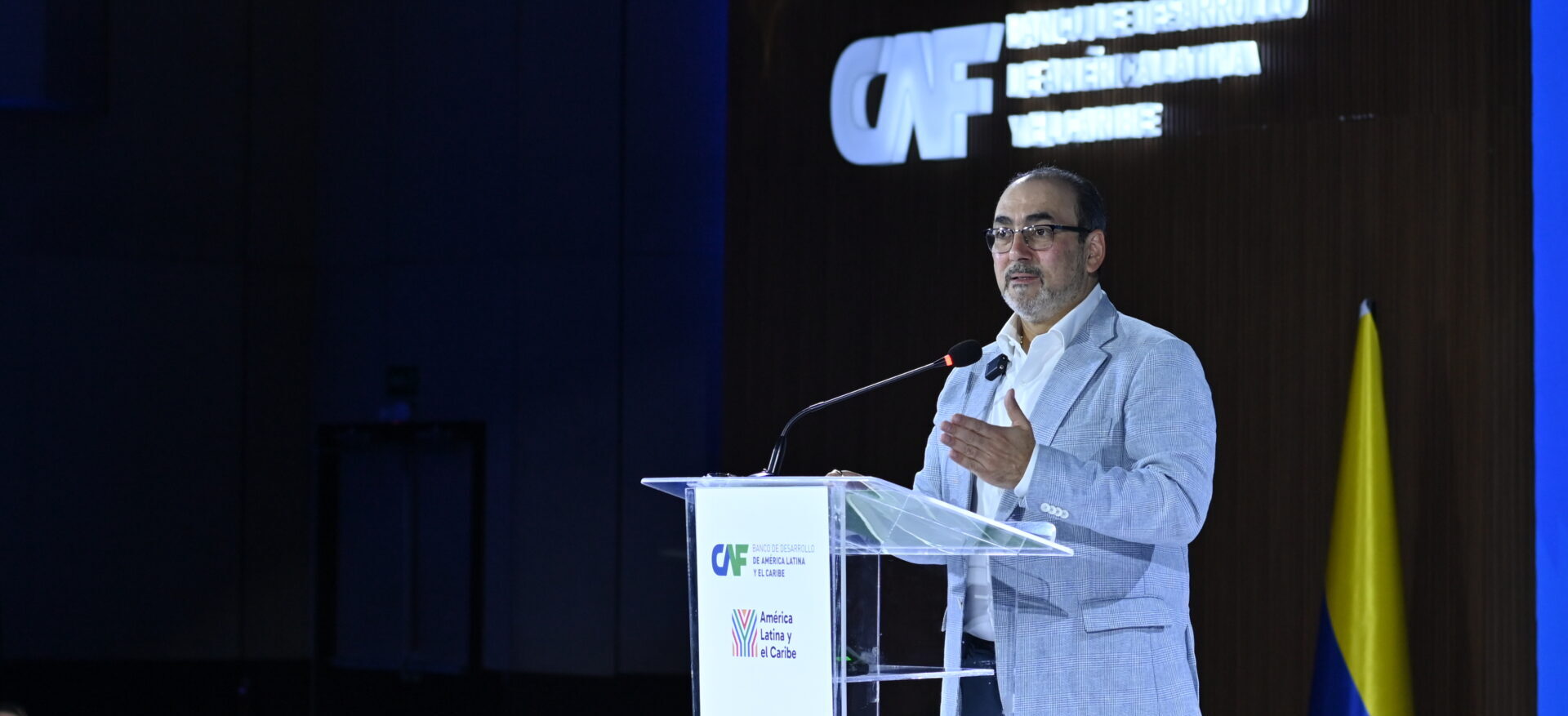
    The commitment was formally revealed by CAF Executive President Sergio Díaz-Granados at the conclusion of the International Forum on Regional Integration, hosted by CAF in the Colombian coastal city of Cartagena in May. The high-level gathering assembled a diverse cross-section of stakeholders: senior government officials, leaders from multilateral development bodies, private sector executives, academic experts, and regional development partners to collectively chart actionable strategies for advancing cross-border cooperation across the LAC region.

    Caribbean stakeholders took a prominent role in the forum’s discussions, with senior representatives in attendance including Timothy Antoine, Governor of the Eastern Caribbean Central Bank; Ambassador Wayne McCook, Assistant Secretary-General of the Caribbean Community (CARICOM); Ian Durant, Director of Economics at the Caribbean Development Bank; Martín Portillo, Chief Engagement Manager for Central America and the Dominican Republic at the Caribbean Catastrophe Risk Insurance Facility (CCRIF); and Natalie McGuire, Curator at the Barbados Museum & Historical Society.

    Per CAF’s official announcement, the $10 billion allocation will be directed to eight high-priority sectors critical to integration: cross-border physical and digital infrastructure, intra-regional trade expansion, food security, renewable energy transition, sustainable tourism, technological innovation, logistics network modernization, and cross-border mobility. The overarching goals of the investment are to close persistent development gaps between regional economies, upgrade connectivity across the region, and strengthen LAC’s global competitiveness at a time of unprecedented global economic uncertainty.

    Díaz-Granados framed deepened regional integration as a non-negotiable strategic imperative for LAC nations to build long-term resilience, drive shared growth, and improve their global positioning. In his remarks at the forum, he noted that growing geopolitical frictions, fragmented global trade systems, volatile financial markets, and widespread macroeconomic uncertainty have sharply increased the urgency for coordinated regional action. He emphasized that closer integration will empower LAC countries to secure stronger positions in global value chains, speed up the transition to low-carbon energy systems, strengthen domestic and regional food security, and adapt to rapidly shifting global production trends.

    “Integration is the answer to protecting our strategic ecosystems, creating jobs, addressing informality, and defending the democratic values that underpin our coexistence, freedom, and future,” Díaz-Granados stated.

    A key deliverable from the Cartagena forum was the signing of the *Declaration on the Convergence of the Processes and Mechanisms of Integration of Latin America and the Caribbean* by 15 major regional institutions. Signatories included the Economic Commission for Latin America and the Caribbean (ECLAC), the Amazon Cooperation Treaty Organization (OTCA), the Organization of Ibero-American States (OEI), and the Latin American Energy Organization (OLADE), among others. The declaration calls for a more coordinated, strategic approach to integration by aligning the priorities, resources, and expertise of existing regional bodies, eliminating redundant efforts, and unlocking new opportunities for cross-organization collaboration.

    CAF’s new investment pledge builds on the institution’s 30-year track record of backing regional integration efforts. To date, the development bank has approved 118 credit operations totaling $16.73 billion for integration-focused projects across the region. Over the past five years alone, CAF has scaled its support to target priority areas including cross-border physical connectivity, productive sector development, digital transformation, regional energy integration, and environmental conservation.

    In closing, Díaz-Granados stressed that the region must move beyond strategic planning and accelerate the delivery of tangible integration projects. “Regional integration has already achieved important progress, but it must now enter a more ambitious phase of implementation. Fewer barriers, more infrastructure. Fewer diagnoses, more projects,” he said.