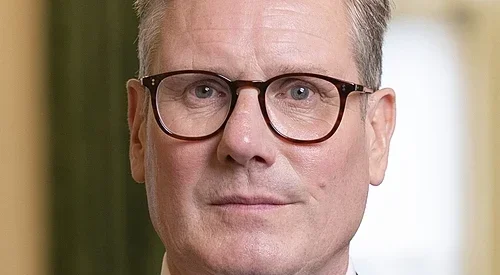
The United Kingdom is bracing for another major political shift after sitting Prime Minister Keir Starmer confirmed his resignation, marking the country’s fifth turn over of its top leadership role in just four years.
Media outlets across the UK report that Starmer’s exit came as no surprise, after months of simmering discontent within his own Labour Party. Though Starmer steered Labour to a clear landslide victory in the 2024 general election, grassroots and parliamentary pressure built rapidly as public approval of his government waned and criticism of his leadership style mounted.
Queen Mary University of London politics professor Tim Bale, in comments carried by Al Jazeera, characterized Starmer as an ineffective communicator who fumbled his first months in office, and failed to articulate a unifying, inspiring vision that could energize both his parliamentary caucus and the general voting public.
Per reporting from The Guardian, Starmer’s departure also comes amid the Labour Party’s growing struggle to counter the rising electoral influence of Reform UK, the anti-immigration populist right party headed by veteran political figure Nigel Farage. Many senior and rank-and-file Labour figures have growing concerns that Starmer lacked the strategy and profile to effectively push back against Reform UK’s expanding appeal, a worry that accelerated calls for his resignation.
In the wake of Starmer’s announcement, all political attention has turned to Andy Burnham, the widely tipped frontrunner to replace him as Labour leader and UK Prime Minister. The 56-year-old is a seasoned Labour veteran who held cabinet positions under former prime ministers Tony Blair and Gordon Brown, and has served as the popular Mayor of Greater Manchester since 2017. This is not Burnham’s first run at the Labour leadership: he unsuccessfully contested the role in both 2010 and 2015.
Burnham’s position as the clear frontrunner has been bolstered by his strong recent performance in the Makerfield constituency, where he helped Labour claw back substantial voter support even as Reform UK made major gains across other seats during May’s local elections.
In line with longstanding UK constitutional convention, Starmer formally notified King Charles III of his plan to step down before making his public announcement on Monday morning. The Guardian also confirmed that Starmer has already held a meeting with the presumptive incoming leader to coordinate preparations for a smooth transition of power.
Barring any last-minute challengers entering the race, Burnham is on track to be confirmed as the new leader of the Labour Party and the next Prime Minister of the United Kingdom between July 17 and 18.