标签: Dominica

多米尼克

  • DLP to launch Roseau North campaign this Sunday with new candidate Ashma McDougall

    DLP to launch Roseau North campaign this Sunday with new candidate Ashma McDougall

    A new chapter of political competition is set to open in Dominica’s Roseau North constituency this weekend, as the ruling Dominica Labour Party prepares to officially launch its by-election campaign at Lindo Park on Sunday, June 28, kicking off at 6:00 PM. The launch event will be headlined by the party’s confirmed candidate Ashma McDougall, and will also be attended by Prime Minister Roosevelt Skerrit alongside multiple high-ranking members of the party.

    Organizing the upcoming launch are co-chairs Hon. Darron Lloyd and Ms. Lynsia Frank, while a packed lineup of speakers has been announced, including senior party figures Hon. Denise Charles of Soufriere, Hon. Melissa Poponne-Skerrit of Roseau Central, Hon. Gretta Roberts of Morne Jaune/Riviere Cyrique, Cuban Ambassador H.E. Ian Douglas, and Hon. Roland Royer of Cottage.

    McDougall’s path to the candidacy came after former Roseau North MP Miriam Blanchard stepped down from her position recently for pressing health reasons, prompting a by-election for the vacant seat. Following Blanchard’s resignation, the Dominica Labour Party formally ratified McDougall as their nominee to contest the upcoming vote.

    A lifelong Dominican with roots in Bath Estate and current residence in Goodwill, McDougall brings a diverse professional background to her political run: she is a trained economist, successful entrepreneur, and experienced educator. Prior to entering electoral politics, she held leadership roles including President of the National Youth Council of Dominica and Executive Director of the Dominica Association of Industry and Commerce. Her platform centers on three core priorities: expanding youth empowerment, supporting small and local business owners through entrepreneurship promotion, and driving inclusive, sustainable economic development across the constituency. A key personal pledge from McDougall is that she will maintain consistent, open communication and active engagement with all constituents even after the by-election concludes, a break from the common practice of limited candidate contact outside of campaign seasons.

    Top party leaders have framed McDougall’s nomination as a deliberate step toward refreshing the party’s ranks and investing in new leadership. Prime Minister Skerrit emphasized that her selection aligns with the Labour Party’s long-standing commitment to bringing capable, forward-looking new voices into governance. Roseau Central MP Melissa Poponne-Skerrit noted McDougall represents a rising generation of Dominican leadership ready to address the evolving needs of constituents. Deputy Party Leader Dr. Irving McIntyre added that her candidacy serves as clear proof of the party’s institutional ability to renew itself from within and nurture emerging political talent.

    The upcoming Roseau North by-election has already emerged as a closely watched political contest, and the Labour Party has confirmed it enters the campaign period with strong grassroots momentum. Sunday’s official launch marks the public start of what is widely expected to be a competitive campaign season across the constituency. Political observers note that McDougall’s candidacy strikes a balance for the Labour Party: it maintains continuity with the party’s governing legacy while ushering in a younger, professionally diverse new leader for the constituency.

    The main opposition United Workers Party has already named its own challenger for the seat: Danny Lugay, a former parliamentary representative for Roseau North, who has received the party’s official endorsement to contest the June by-election.
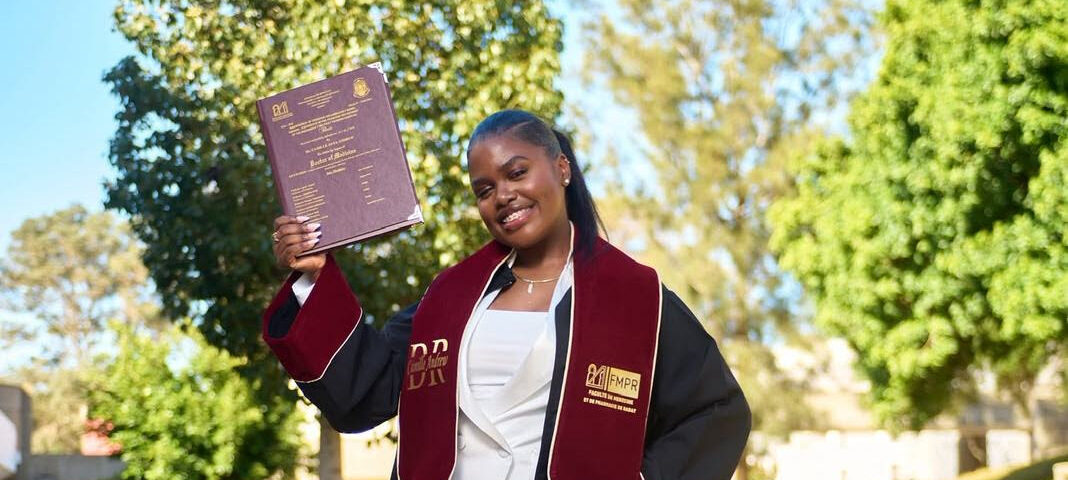

  • St Lucian student earns medical degree in Morocco, highlighting success of OECS-Morocco scholarship partnership

    St Lucian student earns medical degree in Morocco, highlighting success of OECS-Morocco scholarship partnership

    A young medical scholar from the small Caribbean island of St. Lucia has reached a remarkable academic pinnacle, becoming the latest success story of the decades-long educational collaboration between the Organisation of Eastern Caribbean States (OECS) and the Kingdom of Morocco.

    Camille Andrew successfully passed her rigorous doctoral thesis defense on May 12, 2026, capping off seven years of intensive academic coursework and hands-on clinical training. In a testament to the exceptional quality of her work, the examining jury awarded her an MD degree with the highest possible honors, according to an official press release from the OECS.

    Andrew’s groundbreaking research, centered on a pressing pediatric health challenge, focused on the management of pediatric inflammatory bowel disease (IBD)—a chronic group of conditions that includes Crohn’s disease and ulcerative colitis. Titled *Management of Pediatric Inflammatory Bowel Disease: Experience of the Pediatric Department of Mohammed V Military Training Hospital*, her thesis analyzed real-world diagnostic protocols, evidence-based treatment approaches, and long-term patient outcomes at the leading Moroccan medical facility. A key focus of her work was exploring the expanding role of biotherapies, an innovative class of treatments that have transformed care outcomes and quality of life for children living with these lifelong conditions.

    The path to this milestone began decades earlier, when a childhood experience with healthcare in her home country first ignited Andrew’s passion for medicine. During a visit to Castries’ Victoria Hospital as a young patient, the compassionate, skilled care she received left a lasting impression that shaped her entire career trajectory. “My first experience as a patient was at Victoria Hospital in Saint Lucia. That moment stayed with me and sparked a deep fascination with the care I received, inspiring in me a desire to offer others the same level of compassion and skill that I experienced,” Andrew shared in comments included in the OECS release.

    Moving thousands of miles from her small island home to pursue training in Morocco came with unique, daunting challenges. Andrew had to acclimate to an entirely new cultural context, master coursework in a second language, and navigate the emotional weight of building a life far from her core support network of family and friends. She admitted there were low points marked by self-doubt and homesickness, but those struggles were far outweighed by the transformative gains of the experience. “Coming from a small island, nothing fully prepares you for the reality of starting over in a new country, adjusting to a different culture, studying in a second language, and being so far from home. There were moments of doubt and homesickness, but they were matched by immense personal growth, resilience, and lifelong friendships. It is an experience that has shaped me deeply, both as a person and as a doctor,” Andrew explained.

    Andrew was quick to credit the supporters who helped her cross the finish line, extending gratitude first to her family and friends for their unwavering encouragement through every challenging year of training. She also specifically acknowledged the Government of St. Lucia and the Moroccan Agency for International Cooperation (AMCI) for their financial and logistical support that made her seven-year journey possible.

    Now, as Andrew prepares to launch the next phase of her professional career, her top priority is bringing her specialized skills back to her home community. She says she is eager to contribute to advancing local healthcare outcomes for the people of St. Lucia. “I now look forward to bringing everything I have learned back home to contribute to improving patient care, advancing medical knowledge, and playing my part in strengthening the healthcare system in Saint Lucia,” Andrew said.

    For the OECS, Andrew’s achievement is more than a personal win—it is a powerful example of what regional students can achieve through international educational partnerships, and an inspiration for the next generation of Caribbean scholars pursuing higher learning abroad.

    Morocco has long held to a commitment to expanding educational access for OECS member states, opening new scholarship opportunities each year for students from Antigua and Barbuda, Dominica, Grenada, St. Kitts and Nevis, St. Lucia, and St. Vincent and the Grenadines. These scholarships cover a wide range of academic and professional fields, creating pathways for young people to gain advanced skills and fill critical talent gaps across the Eastern Caribbean region.

    The OECS emphasized that the consistent success of graduates like Andrew proves the enduring value of the bilateral educational partnership, and its key role in driving human capital development across the Caribbean. As more regional students take advantage of these opportunities, the collaboration continues to deliver tangible benefits for both communities and build lasting ties between the OECS and Morocco.

  • Caribbean leaders call for bold action to accelerate renewable energy transition

    Caribbean leaders call for bold action to accelerate renewable energy transition

    Against a backdrop of growing climate vulnerability and urgent demand for long-term economic stability, senior regional officials, private sector leaders, and development partners have issued a unified call for the Caribbean to accelerate its shift to renewable energy, warning that scattered, uncoordinated national efforts will leave the region unable to meet its energy security, climate resilience, and economic growth targets.

    The collective appeal was delivered during the seminar titled *Energy Transition: The Key to a More Resilient Region*, a key side event held alongside the Caribbean Development Bank (CDB)’s 56th Annual Board of Governors Meeting. The gathering brought together a cross-selection of stakeholders from across the Caribbean and global development institutions to map out a collaborative path forward for the region’s energy transformation.

    Per an official CDB press release following the event, attendees reached a consensus that the Caribbean must adopt a coordinated, inclusive regional strategy to unlock its vast untapped renewable energy potential, and deliver a power grid that is cleaner, more affordable, and consistently reliable for all communities. Over the next 12 to 24 months, participants identified three core priorities: combining small-scale national renewable energy projects into larger regional investment portfolios to appeal to major investors; expanding credit guarantees and blended financing mechanisms to draw in much-needed private sector capital; and upgrading electricity infrastructure to build climate-resilient grids that can accommodate growing shares of variable renewable energy generation.

    Discussion also emphasized four additional foundational requirements for success: deeper regional integration across energy systems, strengthened technical capacity within government bodies, regulatory agencies and local utility providers, increased youth participation in energy planning and policy design, and cross-sector partnerships between public and private actors. All of these priorities align closely with CDB’s newly launched 2026-2035 strategic framework, *Transforming the Caribbean for Resilience*, which places energy transition at the core of the bank’s 10-year work plan for its borrowing member countries.

    L. O’Reilly Lewis, CDB’s Director of Projects, outlined the far-reaching economic benefits that a successful energy transition would deliver for the region. “If we get the energy transition right, we can preserve foreign exchange, stabilise energy costs, create green jobs, and give our businesses room to breathe and grow,” Lewis explained. “CDB’s 10-year strategy commits us to supporting this transition: one that is inclusive, affordable, and resilient.”

    A core point of consensus among attendees was that while accessible climate financing exists globally, the region lacks the structured investment frameworks needed to mobilize that capital at scale. Timothy Antoine, Governor of the Eastern Caribbean Central Bank (ECCB), noted that the Caribbean’s primary barrier is not a lack of available liquidity, but a shortage of investment-ready projects that meet global investor standards. “This is not a liquidity issue. It is an issue of investability, and that is where we must focus our attention,” Antoine said. He added that blended financing models, which combine capital from multilateral development banks and commercial financial institutions, are critical to de-risking projects and attracting large-scale investment. “We must design an investment architecture that leverages not only multilateral development banks but also commercial banks,” he noted.

    Regional collaboration was repeatedly highlighted as a non-negotiable component of building long-term energy resilience. Kristin Lang, Green Climate Fund Director for the Latin America and Caribbean region, urged Caribbean nations to move beyond isolated national energy planning and embrace integrated regional systems. “You do need to think about regional energy hubs, cross-border systems, shared planning, coordinated investment, and align system design in the region,” Lang said. “Having isolated systems is not going to create resilience, it’s going to make you more vulnerable to shocks.”

    Toni Pratt, CEO of Bahamas Power and Light Company Limited, shared on-the-ground evidence of the benefits of public-private collaboration, pointing to successful renewable energy expansion across the Bahamas’ Family Islands through cross-sector partnerships. “We found that inviting partnerships for solar implementation, battery energy storage, and microgrids throughout the Family Islands is one of the ways that we don’t have to bear that upfront cost, but we can reduce overall cost to our consumers by reducing our reliance on fossil fuels, which is primarily the highest cost that our consumers bear at this time,” Pratt explained.

    Dr. Vince Henderson, Dominica’s Minister for Foreign Affairs, International Business, Trade and Energy, emphasized the foundational role of energy security in enabling all other forms of modern development, drawing on his country’s experience developing a 10-megawatt geothermal energy project. “Energy must be part of integrated development plans. It is fundamental to development in the 21st century,” Henderson said. “People are excited about AI and digital transformation, but without reliable power, none of that is possible. If power systems fail, we face serious consequences.”

    Youth engagement also emerged as a central theme of the seminar. Co-moderator Sorayadebie Jhagroe, a Suriname-based climate advocate and member of CDB’s Future Leaders Network, stressed that young people must be active decision-makers, not just passive beneficiaries of the energy transition. “The future is now and we as youth are not merely beneficiaries of the energy transition, but we are an active part of shaping that,” Jhagroe said.

    Dr. Henderson echoed that call, noting that long-lived energy infrastructure investments must be planned with the needs of future generations front of mind. “The key point is that investments must stand the test of time. They must include young people, not as an afterthought but as a central focus. These investments are for the next 25 to 50 years, and young people will drive that future,” he said.

    Closing the seminar, attendees reached broad agreement that the Caribbean’s shift to renewable energy will require four core pillars to succeed: stronger cross-border regional cooperation, innovative de-risked financing solutions, climate-resilient energy infrastructure, and meaningful multi-stakeholder partnerships that bring together governments, global development institutions, private businesses, and local communities. Participants reaffirmed that achieving universal energy security through renewable transition is not only critical to building the region’s climate resilience, but also to unlocking long-term inclusive economic growth and sustainable development across the Caribbean.

  • CARICOM expresses solidarity as deadly Venezuela earthquakes leave more than 160 dead

    CARICOM expresses solidarity as deadly Venezuela earthquakes leave more than 160 dead

    On June 24, 2026, northern Venezuela was hit by an unprecedented seismic disaster: two massive earthquakes, registering magnitudes 7.2 and 7.5, struck the region within seconds of one another, leaving a trail of death and widespread destruction across the country’s northern corridor. As of the latest official updates from acting Venezuelan President Delcy Rodríguez, the disaster has claimed at least 164 lives and left 971 people injured, with rescue teams still racing against time to pull survivors from the rubble of collapsed buildings, prompting warnings that the final death toll may climb as search operations progress.

    According to U.S. public media outlet NPR, the second 7.5-magnitude tremor is the most powerful earthquake to hit Venezuela since 1900, marking a historic seismic event for the South American nation. The worst damage has been concentrated in areas close to the capital Caracas and the coastal state of La Guaira, where dozens of structures crumbled during the quakes. Emergency response teams have worked nonstop around the clock since the disaster struck, combing through destroyed neighborhoods and damaged infrastructure to locate missing people and deliver life-saving aid to affected communities.

    In the wake of the tragedy, the Caribbean Community (CARICOM), the regional integration bloc representing Caribbean nations, has issued an official statement extending its deepest condolences to the Venezuelan people and affirming regional solidarity amid the crisis. “The Caribbean Community (CARICOM) expresses deep condolences over the tragic loss of life, the growing number of injuries, and the extensive damage to infrastructure and homes as a result of the devastating earthquakes that struck Venezuela on Wednesday, 24 June 2026,” the statement reads.

    Recognizing the profound grief that has gripped the country following the disaster, CARICOM reaffirmed its commitment to standing with Venezuela during this period of trial. “We stand in solidarity with the people of Venezuela during this time of immense grief and offer prayers for a swift recovery to the injured and displaced,” the bloc said.

    The regional body also paid tribute to the tireless work of those on the front lines of the response effort, commending first responders, emergency personnel and civilian volunteers who have been working under harsh, dangerous conditions to execute rescue missions and deliver critical support to impacted populations.

    As Venezuela prepares to enter the long, difficult process of rebuilding shattered communities and infrastructure, CARICOM closed its statement by expressing confidence in the Venezuelan people’s ability to recover, wishing them strength and resilience through the coming months of recovery and reconstruction.

  • St. Eustatius reimagines Emancipation Day with focus on history, education and community dialogue

    St. Eustatius reimagines Emancipation Day with focus on history, education and community dialogue

    For decades, Emancipation Day, locally known as July Day, on the Caribbean island of St. Eustatius has followed a traditional celebratory framework. This year, however, a coalition of local cultural and historical organizations is reinventing the annual commemoration, shifting priorities from surface-level festivities to deep community engagement, critical historical education, and intentional collective reflection on the island’s fraught legacy of chattel slavery.

    For the first time in the island’s history, this year’s July 1 activities are being led by the St. Eustatius African Burial Ground Alliance, in partnership with multiple local non-governmental organizations. The new steering group has designed the full schedule of events to upend long-standing dominant narratives about emancipation, pushing attendees to develop a more nuanced understanding of the generations of struggle that forged freedom for enslaved people on the island. At the core of the initiative is a goal to build sustainable, community-centered learning opportunities and leave behind permanent educational resources that centering local ancestral history for future generations.

    A key ideological shift framing this year’s observance is a rejection of the common myth that emancipation was simply granted to enslaved people by Dutch colonial powers on July 1, 1863. Instead, organizers are centering the active resistance, repeated uprisings, and unyielding determination of generations of enslaved Africans and their descendants as the true driving force behind the end of chattel slavery on the island.

    The full day of programming will kick off with a spiritual procession across the island, a quiet tribute to the ancestors who were enslaved and died on St. Eustatius. After the opening procession, a full slate of afternoon and evening educational and cultural events will unfold across the island. The centerpiece of the educational programming will be presentations from two prominent Caribbean scholars: Guyana-born Afrikologist Professor Kimani Nehusi, based in Philadelphia, and Dr. Artwell Cain, a cultural anthropologist from St. Vincent and the Grenadines who resides in Aruba. The pair will tackle critical topics including the enduring historical and cultural connections between the Caribbean and West Africa, and the urgent importance of preserving and honoring collective cultural memory of slavery. Dr. Cain will also celebrate the official launch of his latest book, *St. Eustatius: Restoring Our Ties. The Voices of Statians Making A Difference*, scheduled for June 30, just ahead of the main Emancipation Day events.

    Additional featured contributors to the day’s programming include acclaimed St. Maarten storyteller Papa Umpo (born Garfield Young), and Derrick Simmons, an Island Council member, anthropologist, and Alliance steering member who will lead a discussion on the underrecognized role of music as a tool of resistance for enslaved ancestors on St. Eustatius. The evening will close with a community cultural showcase directed by Taro Merkman of the Statia Roots Festival, featuring live performances from local favorites including the Statia String Band, Rebel Band HD, Encore Band, Statia Roots Band, spoken word artists, DJ Sense, and multiple local dance collectives: the Aloei Dancers, Inspired Dancers, and Perlies Dancegroup.

    This year’s reimagined observance is also deeply tied to a long-planced landmark cultural event: the upcoming reburial of 69 sets of ancestral African remains, excavated by an international archaeological team from the Golden Rock burial ground in 2021. The formal reburial ceremony is scheduled for November 13, 2026, and organizers are using Emancipation Day to update the community on plans for the historic occasion. As part of the morning’s activities, attendees will visit three key African burial sites across the island: Godet, Congo, and Golden Rock. During the visit, Xiomara Balentina, chairperson of the Statia Cultural Heritage and Implementation Committee (SCHIC), will walk attendees through the finalized logistics and community input process for the upcoming reburial.

    Kenneth Cuvalay, president of the St. Eustatius African Burial Ground Alliance and moderator for this year’s Emancipation Day program, shared that additional community-focused events with Professor Nehusi and Dr. Cain will be held in the weeks before and after July 1 to extend the educational reach of the initiative. Two educators from the Broos Institute, an Afrocentric academic organization focused on Black Caribbean history, will also travel to the island to support the educational programming.

    “Our shared history remains incomplete and distorted, and we want to center what the community actually wants to learn about their own ancestry,” Cuvalay explained in a press statement. “Our goal is to turn this year’s July Day conversations into long-lasting educational resources that belong to the people of St. Eustatius.” Cuvalay added that he encourages all island residents to participate actively in on-site discussions during the observance, or share their perspectives with organizers via phone, email, or social media if they cannot attend in person.

    The 2026 reimagined Emancipation Day programming is funded through partnerships with the St. Eustatius Government and the Slavery Memorial Committee. Organizers have confirmed that all future updates to the event schedule will be posted to the Alliance’s official website and social media channels for public access.

  • Regional meeting in Mexico strengthens fight against New World screwworm and food safety risks

    Regional meeting in Mexico strengthens fight against New World screwworm and food safety risks

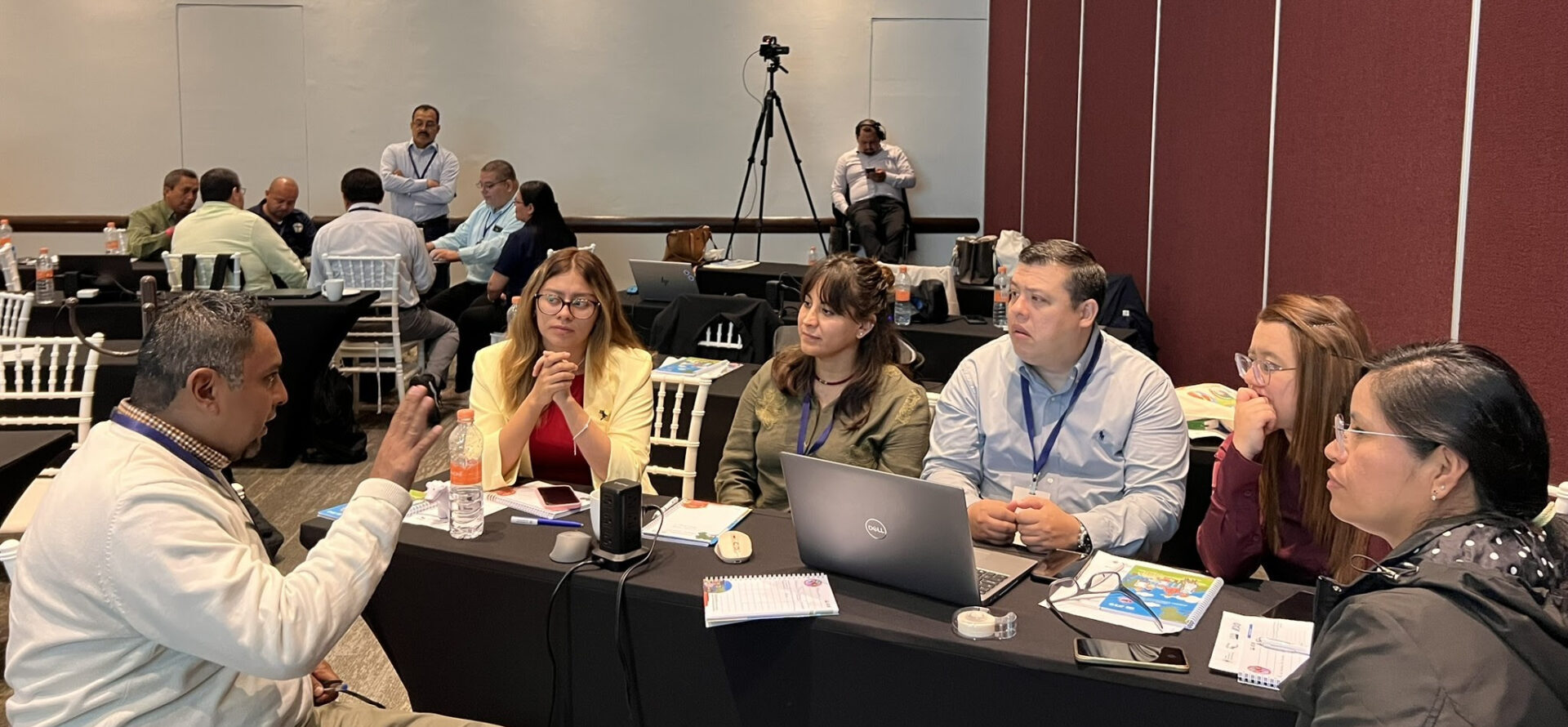
    A dangerous parasitic pest, the New World screwworm (NWS), has driven seven nations across Central America and Mexico to unify in a historic regional collaboration aimed at controlling the invasive species while upholding strict food safety standards for milk and meat supplies. The three-day landmark gathering, held in Mexico City, was organized through a joint partnership of the Inter-American Institute for Cooperation on Agriculture (IICA), the Central American Dairy Federation (FECALAC), and the Executive Secretariat of the Central American Agricultural Council (SECAC), bringing 36 cross-sector stakeholders to the table to address overlapping challenges in animal health and food safety.

    Attendees spanned a diverse range of expertise, including national NWS control program coordinators, food residue monitoring officials, technical specialists from the Panama–United States Commission for the Eradication and Prevention of New World Screwworm (COPEG), government animal health and food safety regulators, and private-sector representatives from regional livestock and dairy production sectors. This meeting marked the first time that NWS control leaders and food residue monitoring professionals have convened in a single regional forum, a deliberate step reflecting the growing interconnectedness of threats to animal health and food security in the region.

    The New World screwworm is a devastating parasitic pest spread by a species of fly whose larvae consume the living tissue of host animals. While cattle are the pest’s primary target, it can also infect other domestic animals, wildlife, and in rare, dangerous cases, humans. Recent re-emergence of the pest across multiple parts of the region has spurred a sharp increase in veterinary medicine use to treat resulting myiasis and animal wounds, which in turn has created an urgent need for more robust monitoring of drug residues in milk and meat products for human consumption.

    Over the course of the conference, delegates shared critical data on national epidemiological trends, currently deployed treatment protocols, unmet regulatory needs, and the existing capacity of national systems to track residues in animal-derived food products. Delegates centered discussions on enhancing cross-border risk management, expanding structured information sharing, and building scientifically grounded regional surveillance systems. A core consensus emerged from the gathering: prevention remains the single most effective strategy to contain the pest. Early detection and treatment of animal wounds, paired with widespread adoption of standardized Good Livestock Practices, was agreed to drastically reduce NWS infection rates, cut unnecessary reliance on veterinary medications, and ultimately support the production of safe, marketable food products.

    Conference attendees outlined a clear set of priority actions to guide regional collaboration moving forward. These key initiatives include promoting responsible, evidence-based use of veterinary medicines across the livestock sector, developing a unified regional guide for Good Livestock Practices, strengthening risk-focused residue monitoring programs, expanding cross-border collaboration between official testing laboratories, generating shared technical data to guide policy, and establishing permanent, open channels for ongoing information exchange between member nations.

    Private sector representatives emphasized their unwavering commitment to advancing these collective goals. “As the private sector, we are committed to supporting joint action, contributing technical and financial resources, and analyzing gaps in our regional capacity to manage contaminants and residues in milk and meat amid the NWS challenge,” explained Ramiro Pérez, FECALAC’s delegate to the meeting. Octavio Hernández, General Director of the Mexican Association of Milk Producers (AMLAC), highlighted the transformative value of cross-national knowledge sharing: “These exchanges allow us to learn from the experiences of other countries and strengthen our prevention efforts. The end goal is full containment and eventual eradication of the pest through coordinated regional action.” Juan Ramón González, representing Mexico’s National Confederation of Livestock Organizations (CNOG), underscored that regional solidarity is non-negotiable to address the transboundary threat: “We are facing an emergency that requires solidarity and coordination. Countries are joining efforts and sharing experiences because we understand this is a common challenge, one we can only solve by working together.”

    Beyond plenary discussions, the conference program included a technical site visit to the Residue Laboratory of Mexico’s National Service for Agrifood Health, Safety, and Quality (SENASICA), where delegates gained hands-on insight into Mexico’s advanced analytical capabilities, cutting-edge detection methodologies, and decades of practical experience monitoring residues in animal-sourced foods.

    Regional agriculture leaders emphasized that this gathering marks a critical turning point in collective action against the pest. José Luis Ayala, Technical Coordinator of IICA Mexico, noted that a coordinated regional approach is the only sustainable way to address transboundary animal health emergencies: “Bringing producers, technical specialists, researchers, program managers and authorities together in the same space makes it possible to build more comprehensive and sustainable solutions to confront the pest and protect livestock production across the region.” Oswaldo Segura, SECAC Regional Specialist in Agricultural Competitiveness, echoed this call for sustained collaboration, stating: “We need to continue building cooperation mechanisms among countries and institutions. Coordination across the agriculture, health, food safety, and production sectors is essential to respond effectively to the challenges posed by the New World Screwworm.”

    In closing, Alejandra Díaz, IICA Technical Specialist in Agricultural Health, Food Safety, and Food Quality, emphasized that long-term success depends on integrated, cross-sector collaboration: “Animal health, food safety, and public health are closely intertwined. This meeting demonstrated that the exchange of experiences and regional cooperation are fundamental for strengthening countries’ response capacities and protecting consumer confidence in the food we produce.” Participants reaffirmed that sustained, integrated cooperation between veterinary services, surveillance programs, testing laboratories, and producer groups is the only path to long-term NWS control and prevention of food safety risks linked to veterinary medicine residues.

  • Fisheries Division marks SSMR Day 2026 with focus on marine conservation

    Fisheries Division marks SSMR Day 2026 with focus on marine conservation

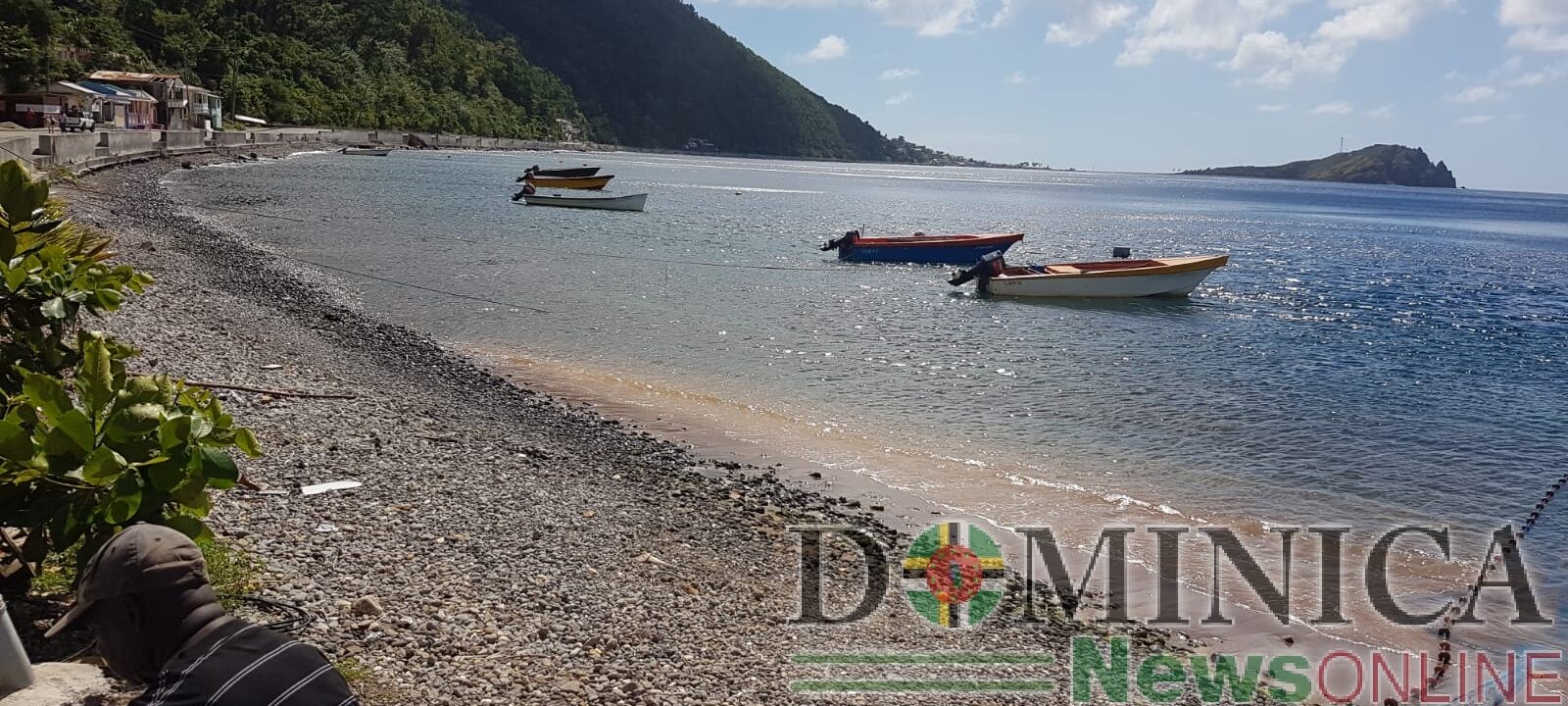
    On June 25, 2026, the Caribbean island nation of Dominica will mark a landmark annual conservation milestone: the 32nd Soufriere Scotts Head Marine Reserve (SSMR) Day. Organized by the Fisheries Division under the Ministry of Agriculture, Fisheries, Blue and Green Economy, this year’s observance carries the central theme “Strong Marine Protected Areas for Our Blue Planet,” anchoring the event in a global call to protect ocean ecosystems against mounting climate and development pressures.

    First launched on June 5, 1994, in the coastal community of Scotts Head, SSMR Day has grown into one of the Fisheries Division’s most high-profile flagship outreach events. Though the annual tradition was briefly paused after Hurricane Maria, a devastating Category 5 storm that swept across Dominica in 2017 causing widespread destruction of coastal and marine infrastructure, the event quickly resumed its core mission: educating local communities about the irreplaceable value of Dominica’s marine resources and the urgent need to safeguard these assets for coming generations. Today, it remains a cornerstone of the island’s public engagement strategy for marine conservation and sustainable coastal resource management.

    This year’s program is tailored to reach cross-sector audiences, with a particular focus on engaging young people who will inherit responsibility for the island’s natural resources. A slate of educational and awareness-building activities kicks off in the lead-up to the official day, including interactive presentations for primary school students, informational segments broadcast across local radio stations, and preparations for a highly anticipated inter-school debate open to all secondary schools across the region. Each activity is intentionally designed to foster a deeper culture of environmental stewardship, encouraging both youth and adult community members to adopt sustainable practices that reduce harm to marine ecosystems.

    The full schedule of events will conclude with a formal SSMR Day awards ceremony on the official observance date of June 25, which recognizes outstanding contributions to local marine conservation efforts.

    Planning and execution for the 2026 event is a collaborative cross-stakeholder effort. Teams from the Fisheries Division and the Local Area Management Authority (LAMA) lead coordination, with additional support from local watersports operators and a wide range of community partners across the Soufriere-Scotts Head region. Preparatory work has already included targeted educational outreach sessions in local neighborhoods and widespread public awareness campaigns to boost turnout and engagement.

    The 2026 iteration of SSMR Day aligns with Dominica’s broader national push to advance sustainable ocean governance, at a moment when small island developing states face accelerating climate impacts such as sea level rise, ocean acidification, and coral bleaching. Organizers emphasize that well-managed marine protected areas like SSMR are not just critical for preserving vulnerable ocean biodiversity—they also underpin the livelihoods of thousands of Dominicans who work in fishing, tourism, and coastal recreation, while building natural resilience to the climate and environmental shocks that threaten island communities.

    The Fisheries Division has issued a public call for widespread community participation in this year’s events, urging locals and visitors alike to support ongoing work to protect Dominica’s marine environment. Officials with the division note that collective action and sustained public awareness are the foundation of progress, and that through shared commitment, Dominica can continue to build a healthier, more sustainable future for its oceans and the coastal communities that depend on them.

  • Daniel Lugay to share vision for Roseau North at UWP public meeting, ahead of by-elections

    Daniel Lugay to share vision for Roseau North at UWP public meeting, ahead of by-elections

    Dominica’s main opposition United Workers Party (UWP) has scheduled a key public outreach event for Friday, June 26, 2026, kicking off at 6:30 PM in the Tarish Pit community, as the party positions itself for an upcoming by-election triggered by a sudden parliamentary vacancy. As outlined in an official notice from the party, the gathering will center on giving Daniel Lugay, UWP’s candidate for the Roseau North constituency, a platform to lay out his policy vision, outline local development plans, and restate his dedication to serving the area’s residents.

    The vacancy that prompted the impending by-election opened earlier this month, when sitting Roseau North Member of Parliament and former government minister Miriam Blanchard formally submitted her resignation in a letter dated June 9, 2026. The resignation was publicly announced by the party on June 12, with Blanchard citing ongoing health concerns as the core reason for her decision to step down mid-term.

    In a statement following the announcement of Blanchard’s departure, the United Workers Party extended sincere gratitude to the outgoing legislator for her years of public service, highlighting her meaningful contributions to national progress both in her role as a cabinet minister and as the elected representative for Roseau North.

    UWP Political Leader Dr. Thomson Fontaine noted in a recent address that Blanchard’s exit clears the way for a by-election in the constituency, which he characterized as a historically strong base of support for the UWP. Fontaine confirmed that electoral rules require the by-election to be held within three months of the vacancy occurring, and he made clear that the party has already begun preparations to compete for the seat. Reassuring local voters of the party’s readiness, Fontaine affirmed that UWP is fully prepared to retain and hold the Roseau North parliamentary position once the by-election is officially called.

  • Regulators urge customers to have backup communication options following major Flow outage

    Regulators urge customers to have backup communication options following major Flow outage

    A nearly 19-hour total connectivity blackout for thousands of Flow customers across Dominica and St. Lucia has prompted regional telecommunications regulators to issue a formal call for residents and businesses to prepare backup communication strategies, to buffer against the crippling impact of future unplanned network disruptions.

    The widespread service shutdown began at approximately 5:30 p.m. local time on Sunday, June 21, and stretched into midday the following day, with full network access only restored by 12:40 p.m. on June 22, according to a joint statement released by the National Telecommunications Regulatory Commissions (NTRCs) of Dominica and St. Lucia, alongside the Eastern Caribbean Telecommunications Authority (ECTEL).

    Preliminary investigations into the root cause of the outage trace the failure back to a critical fault along a core fibre transmission line connecting Guadeloupe and Antigua, a key route that supports connectivity for Flow customers across the two affected Eastern Caribbean islands. At the height of the disruption, Flow issued an immediate public notice confirming the technical fault, and reassured users that technical teams were working around the clock to bring services back online.

    In the wake of the restoration, regulators confirmed they have launched a formal inquiry, requesting a full detailed report from Flow that outlines exactly what led to the extended outage. For its part, Flow has already committed to rolling out targeted upgrades to boost its network resilience and lower the probability of similar large-scale disruptions in the future. Proposed improvements under consideration include alternative routing solutions, a full industry audit of existing network route redundancies, and the construction of new parallel fibre pathways to add critical backup capacity to the core network.

    Regional regulators say they will conduct a thorough review of Flow’s proposed mitigation measures, before expanding the assessment to broader resilience reforms that would cover all telecommunications operators operating across ECTEL’s member contracting states. In their statement, the regulatory bodies acknowledged the extensive disruption the blackout inflicted on local communities, noting that the outage hit particularly hard for users who depend on constant, uninterrupted connectivity for daily work, medical services and critical business operations.

    “We will continue to monitor the situation and review the information provided by the operator to ensure that appropriate steps are taken to improve long-term service reliability,” the joint statement read. “Beyond the reforms operators implement, we encourage all members of the public to proactively develop their own backup and redundant communication plans, to prepare for any future unexpected outages.”

    The agencies also reaffirmed their ongoing commitment to fostering a stable, reliable telecommunications ecosystem that serves all users across the Eastern Caribbean region, and pledged to uphold full transparency around the causes of and responses to any future network outage incidents.

  • COMMENTARY: The Night the Freedom Flight almost did not happen

    COMMENTARY: The Night the Freedom Flight almost did not happen

    It began as a long-awaited second chance for dozens of homeless dogs and cats waiting in St. Nicholas Animal Rescue (SNAR) in Dominica: a chartered Freedom Flight to permanent loving homes across the United States. What unfolded in the weeks leading up to departure was a cascade of deliberate sabotage and last-minute disasters that nearly stole that chance forever – and a remarkable display of community solidarity that turned near-defeat into a hard-won victory.

    This first-person account, originally published as a follow-up newsletter for SNAR supporters after the flight’s initial postponement, pulls back the curtain on the dramatic chain of events that kept the rescue mission on a knife’s edge. Three days before the flight’s originally scheduled departure on June 14, SNAR’s aviation partner, Wings of Rescue, delivered devastating news: an anonymous tip had been sent to U.S. Customs falsely claiming the shelter was planning to transport sick animals into the country.

    The baseless accusation triggered mandatory strict protocols: instead of random spot checks, every single animal on board would require a full individual inspection. Fort Lauderdale, the original destination, lacked the infrastructure to process the large group of animals under these new requirements, forcing the mission to reroute through Miami – a solution that came with thousands of dollars in unplanned extra costs. Fearing further interference from whoever had launched the initial sabotage attempt, SNAR leadership made the difficult decision to keep the new flight date confidential, breaking their silence only once the plane had safely left Dominican airspace.

    By the afternoon of June 23, things finally seemed to be falling into place. The charter plane touched down in Dominica carrying empty crates, volunteer teams worked quickly to assemble the enclosures, pilots rested ahead of the morning departure, and receiving shelters across the U.S. adjusted their plans to meet the animals in Miami. Just hours before takeoff, however, another blow struck: the mission’s U.S.-based customs broker notified SNAR that 15 dogs had been rejected at the eleventh hour over minor technical errors in their documentation, even though shelter staff had spent weeks meticulously preparing every required form, vaccine record, and spay/neuter certificate. Heartbroken but resolved, the team made the call to leave the 15 dogs behind to travel on a future mission, and began rearranging adoption placements with receiving shelters across the country.

    Just when the team thought they had weathered every possible setback, the darkest moment of the night arrived. The contracted trucking company that had agreed to transport the crated animals from the SNAR facility to the airport was scheduled to arrive at midnight – and never showed. Team members showed up at the company’s office an hour late, finding lights on inside but no one answering the door. With just four hours left until the plane’s required departure window, the entire mission – months of work, thousands of dollars in donations, and the animals’ only shot at new homes – hung in the balance.

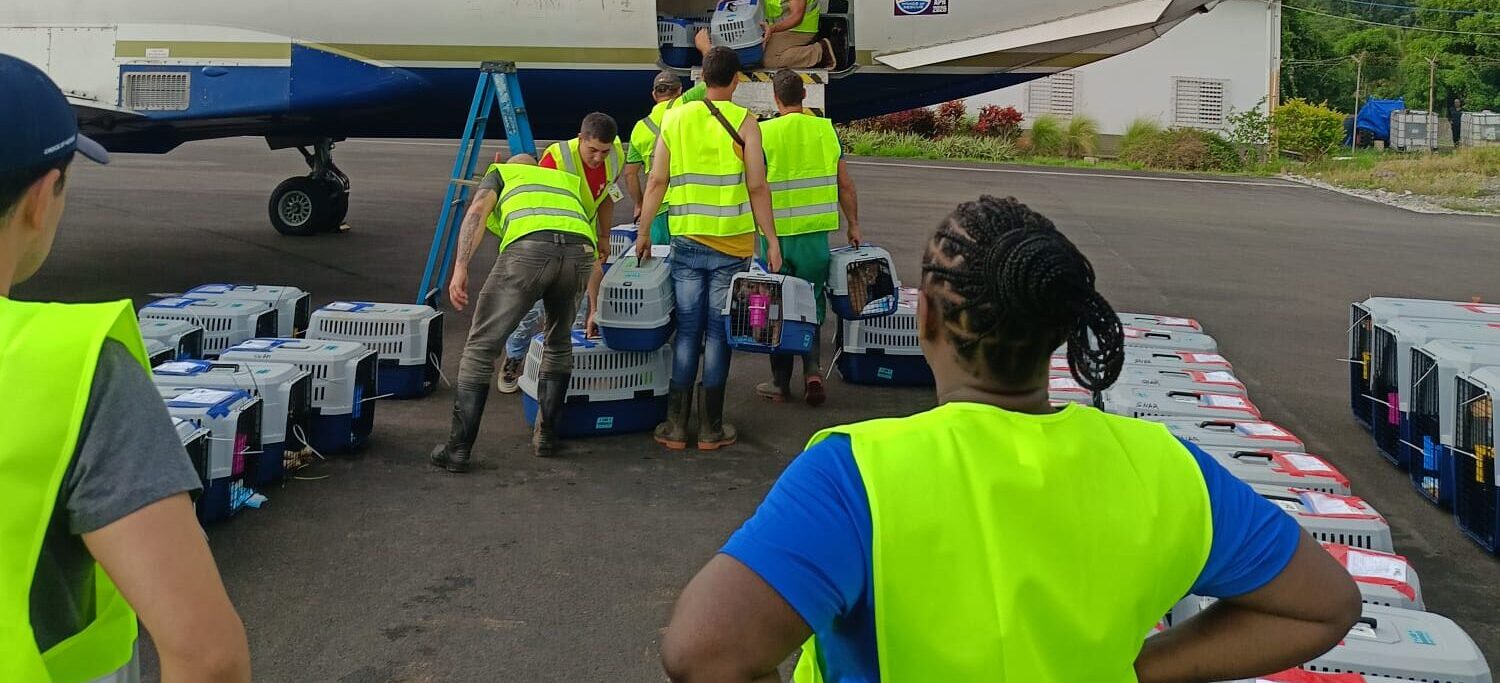
    That is when the people of Dominica stepped in. In a frantic late-night push, SNAR staff began calling every local truck driver they could reach, waking dozens of people in the middle of the night. One by one, drivers got out of bed, reported to the shelter, loaded the crates, and delivered the animals to the airport with minutes to spare. Against every possible obstacle, the plane lifted off, carrying the rescued animals toward their new lives.

    Today, SNAR is celebrating the successful flight while continuing to rally support for the 15 dogs left behind, who are still waiting for their chance to travel. Each dog will require a $350 individual flight angel donation to cover costs for documentation, transport, and shelter placement upon arrival in the U.S. The shelter has launched a donation drive through its official website, www.snar-dm.com, to fund the next mission for these animals, asking supporters to help keep their second chance alive.

    In closing, the SNAR team extended gratitude to every person who made the successful flight possible: from Wings of Rescue and lead donor Eva who kicked off the mission with a matching donation, to the volunteers on the ground in Dominica and the remote advocacy team that coordinated last-minute placement changes, to the local truck drivers who answered the call in the middle of the night, and to every supporter who donated, shared, and stood by the mission through the silence after the initial postponement.