标签: Dominica

多米尼克

  • The UWI announces fourth OneUWI postgraduate student conference

    The UWI announces fourth OneUWI postgraduate student conference

    As a leading higher education institution focused on addressing regional challenges through cutting-edge scholarship, The University of the West Indies (UWI) has announced plans to host its fourth annual OneUWI Postgraduate Student Conference from November 18 to 21, 2026. This long-running event is designed to showcase high-impact postgraduate research that targets the most pressing social, economic, environmental and public health issues facing the Caribbean region.

    The upcoming 2026 conference will carry the central theme “Advancing Knowledge, Shaping Futures: Research, Innovation, and Impact Across the Caribbean and Beyond.” The announcement of the fourth conference coincides with the university recognizing 14 outstanding postgraduate students whose research presentations were selected as the top entries from the event’s third iteration.

    The third annual conference faced scheduling delays, having originally been slated for November 2025 before being postponed to a virtual format held January 20 to 22, 2026. Despite the shift to an online setting, the event drew more than 600 registered participants from across the region and beyond, and featured 51 individual research presentations spanning a diverse array of topic areas critical to Caribbean development: public healthcare, climate change resilience, governance systems, educational access and improvement, and cross-sector sustainable development.

    The 14 award-winning presenters, selected based on their work’s originality, academic rigor, and direct alignment with the Caribbean’s core development priorities, recently received their awards, including electronic gift vouchers and other commemorative prizes. The honorees and their research topics span multiple UWI campuses and academic faculties, covering everything from clinical public health to economic policy, climate vulnerability, and cultural education:
    – Dr. Li-Shann Paul Mullings, Faculty of Medical Sciences, Mona Campus: *Prevalence and Clinical Characteristics of Infants with Urinary Tract Infections and Concomitant Cerebrospinal Fluid Pleocytosis: A Single-centre Retrospective Study*
    – Dr. Griffin Benjamin Jr., Faculty of Medical Sciences, Cave Hill Campus: *Primary Care Patients Awareness Toward Medicinal Cannabis in Barbados*
    – Rhonda Rattansingh, Faculty of Social Sciences, St. Augustine Campus: *The Impact of Uni Sensory and Multi Sensory Semantic Cue Congruence on Online Consumer Product Attitude*
    – Dr. Gabrielle Boyce, Faculty of Medical Sciences, Cave Hill Campus: *Sociodemographic and Health Characteristics of Elderly People Referred to Public Long Term Health Care Facilities in Barbados*
    – Shara Williams Lue, Faculty of Social Sciences, Mona Campus: *Workplace Support for Retirement in Jamaica: A Resource Based Dynamic Perspective*
    – Gopiechand Boodhan, Faculty of Social Sciences, St. Augustine Campus: *A Proximity Analysis of Communities at Risk from Landfill Air Pollutants – A Study of the Beetham, Forres Park and Guanapo Landfill Sites*
    – René Henry, Faculty of Social Sciences, Global Campus: *An Exploration of Perspectives on Programme Diversification in a Tertiary Institution in Anguilla, 2019–2023*
    – Dhanielle Smith, Faculty of Social Sciences, St. Augustine Campus: *A Living Wage for Trinidad and Tobago*
    – Dr. Deepak Ramsingh, Faculty of Medical Sciences, St. Augustine Campus: *The Role of Ki 67 in the Prognosis of Oral Squamous Cell Carcinoma: A Systematic Review*
    – Mrs. Cynanie Sawyers Haylett, Faculty of Social Sciences, Mona Campus: *An Investigation of the Learning Organisation and Psycho Socio Cultural Predictors of Institutional Effectiveness in Three Jamaican Higher Education Institutions*
    – Mrs. Meera Mahase Forgonie, Faculty of Food and Agriculture, St. Augustine Campus: *Household Dietary Diversity and Associated Socioeconomic Factors: The Case of Three Rural Communities in Southeast Trinidad During COVID 19*
    – Mr. Jody Brown, Faculty of Humanities and Education, Mona Campus: *Promoting Nutritional Wellbeing through Indigenous Food Systems in Caribbean Households (Home Economics Focus)*
    – Ms. Kendria Ferguson, Faculty of Social Sciences, Mona Campus: *Intersecting Vulnerabilities and Socio-Economic Drivers of Household Impact in Post Hurricane Dorian Bahamas*
    – Mr. Noor ud din Mohammed, Faculty of Humanities and Education, St. Augustine Campus: *Translanguaging for Creole Education: A Caribbean Centered Approach*

    The January 2026 virtual conference opened with formal remarks from UWI’s Professor Sir Hilary Beckles, and featured guest presentations from an international cohort of experts: Nadine Bushell of Lions Clubs International, Rodolpho Gonçalves da Silva of Brazil’s UNESP, and Indian sustainability entrepreneur Ishaan Sudan. Collectively, their talks centered on resilience, cross-border innovation, youth leadership, and community service as foundational pillars for tackling shared global and regional challenges.

    Reflecting on the exceptional quality of research showcased at the third conference, Professor Aldrie Henry-Lee, Pro Vice-Chancellor for Graduate Studies and Research (SGSR), emphasized that the presentations showcased the high caliber of postgraduate work across all UWI campuses, and highlighted the clear, direct applicability of this research to real-world regional challenges. “These presentations demonstrate the exceptional quality of postgraduate research across The UWI and direct application to real-world challenges. They reflect a strong commitment to producing knowledge that matters to the Caribbean,” she noted.

    Professor Henry-Lee also extended gratitude to the full network of contributors that made the third conference a success, saying: “SGSR extends sincere appreciation to the Session Chairs, Session Discussants, Directors of Graduate Studies and Research, Postgraduate Student Representatives, Guild representatives, presenters, attendees, and organising team whose collective efforts contributed to the success of the conference.”

    Beyond academic programming, the third conference included a hands-on community outreach component held January 23, 2026, in Hanover, Jamaica. Postgraduate students partnered with local organizations to deliver emergency relief assistance to more than 200 families impacted by Hurricane Melissa. Organized in collaboration with the Lions Clubs of Jamaica and the Kiwanis Club of New Kingston, the relief effort underscored UWI’s longstanding commitment to community engagement, and will serve as a pilot program for the proposed UWI Give Back Day, scheduled to coincide with the fourth conference in November 2026.

    As the OneUWI Postgraduate Student Conference enters its fourth year, university officials confirm the event has cemented its role as a leading regional platform for early-career researchers to share work with both regional and global audiences. Preparations for the November 2026 conference are already well underway, with organizers anticipating the event will further strengthen postgraduate scholarship and cross-institutional collaboration across all five UWI campuses and their global partner institutions.
  • STATEMENT: CARICOM people continue to meet adversity with courage, new Chair says on CARICOM Day 2026

    STATEMENT: CARICOM people continue to meet adversity with courage, new Chair says on CARICOM Day 2026

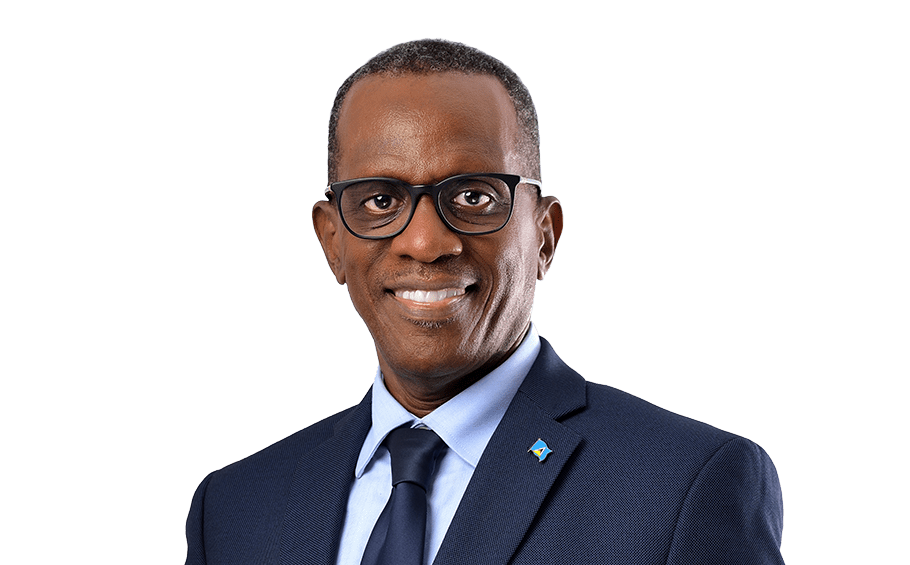
    On July 3, 2026, ahead of CARICOM Day celebrations marking the 53rd anniversary of the Caribbean Community, newly appointed Chairman Philip J. Pierre—who also serves as Prime Minister of Saint Lucia—addressed regional citizens from the CARICOM Secretariat headquarters in Turkeyen, Greater Georgetown, Guyana, laying out a bold vision for the bloc’s future amid a cascade of interconnected global challenges.

    The Caribbean region currently navigates an increasingly volatile global landscape defined by intensifying climate change impacts, persistent economic volatility, widespread food and energy security gaps, growing security threats, and a pressing demand to expand economic and social opportunities for youth. Despite these overlapping headwinds, Pierre emphasized that Caribbean people have repeatedly demonstrated extraordinary resilience, creativity, and courage in the face of adversity, traits that form the foundation of the community’s strength.

    Established 53 years ago, CARICOM has never been merely a bureaucratic intergovernmental institution, Pierre noted. Instead, it represents a core promise to the people of the region’s small island and coastal states: that collective action and shared purpose allow Caribbean nations to achieve far more than they could ever manage in isolation. When unified, the region’s people, distinct cultures, interconnected economies, and shared aspirations all grow stronger, he added.

    Against this backdrop, Pierre identified intentional, targeted renewal as the bloc’s top priority moving forward. The overarching goal of this renewal effort is to build a Caribbean Community that is stronger, more equitable, safer, and more prosperous—one that delivers tangible, tangible opportunities and measurable, meaningful progress to every community across the region.

    To deliver on this vision, Pierre outlined key priorities for the coming term: deepening ongoing regional integration efforts, upgrading regional transportation infrastructure and cross-border connectivity, shoring up long-term food and nutrition security, advancing implementation of the CARICOM Single Market and Economy to unlock greater trade and labor mobility, accelerating widespread digital transformation across the bloc, fostering a culture of local innovation, and ensuring that every regional citizen can experience the tangible benefits of CARICOM membership in their daily lives.

    In a special appeal to the next generation, Pierre called on Caribbean young people to step into roles as leaders, innovators, and builders of the community’s future. “Our future will be shaped by your ideas, your creativity, your energy, and your belief in what we can achieve together,” he told youth across the region.

    Closing his anniversary message, Pierre urged all Caribbean citizens to reaffirm their commitment to CARICOM’s founding ideals: cross-border cooperation, collective solidarity, shared sustainable development, and unwavering respect for the dignity of every Caribbean person. He closed by extending well wishes to all regional citizens, calling for continued collaborative work to build a unified, resilient, inclusive, and future-ready community that works for every one of its members.

  • Rotary Club of Dominica installs new leadership, honors Charles Savarin with prestigious Paul Harris Fellow recognition

    Rotary Club of Dominica installs new leadership, honors Charles Savarin with prestigious Paul Harris Fellow recognition

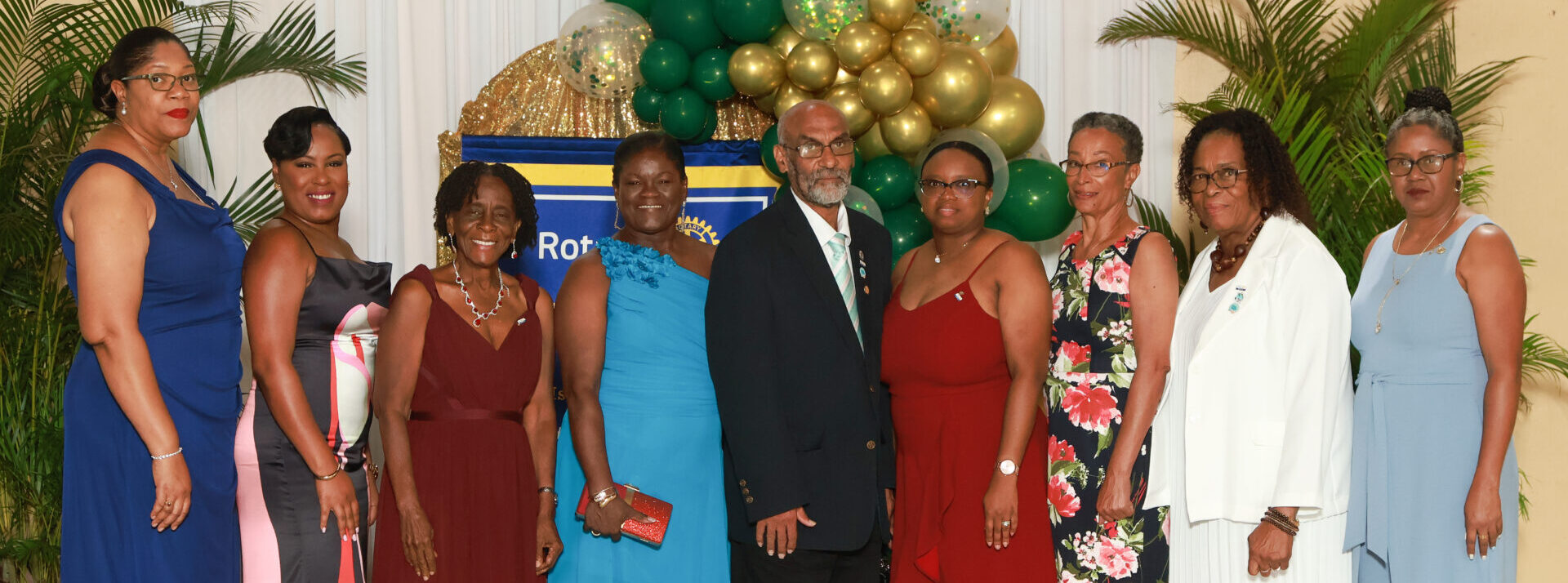
    On June 27, 2026, the Rotary Club of Dominica launched its 2026–2027 service year at a formal investiture ceremony held at the St. Alphonsus Parish Hall, bringing together dozens of distinguished guests, community leaders, and club members to mark both a leadership transition and a celebration of decades of humanitarian impact across the island nation.

    The guest list for the annual ceremony included Dominica’s sitting head of state, President Her Excellency Sylvanie Burton, alongside her spouse, as well as former President Charles Angelo Savarin and his wife Clara Savarin, who were in attendance for a historic honor that would be bestowed later in the evening. Delivering the event’s keynote address was Dr. Kimone Joseph, head of the University of the West Indies Dominica Global Campus, who used her platform to uplift the organization’s decades-long work. In her remarks, Dr. Joseph urged Rotary members to keep centering community leadership through intentional service, challenging the group to continue crafting meaningful, long-term change for Dominica’s residents. She also commended the club for its steady contributions to national development across generations, delivered through hundreds of targeted, high-impact community projects.

    A core order of business for the ceremony was the formal installation of the club’s new leadership team for the 2026–2027 term. Paul Harris Fellow Cecil Shillingford was sworn in as the club’s new president, and he committed to building on the organization’s 100-plus year legacy of service while rolling out new programming tailored to address the shifting, evolving needs of communities across Dominica. Shillingford’s tenure will align with Rotary International’s 2026–2027 global theme, “Create Lasting Impact,” a guiding principle that will shape all of the club’s work in the coming year. The full 2026–2027 Board of Directors was also announced at the event: Annie Rosemary Edwards will serve as Vice President, Galeine Dianna Gordon-Seraphine as President-Elect, Dr. Jermaine Jewel Jean-Pierre as both Immediate Past President and Secretary, Katia Lazare-Pascal as Treasurer, Reverend Father Elton J. Letang as Foundation Chair, Michelle Joseph as Young Leaders Contact and Youth Services Chair, Bianca Payne as Membership Chair, Darin M. Grell as Public Image Chair, Gloria Tavernier as Club Administration Lead, Marie-Jose Edwards as Service Projects Chair, and Roslyn Sorhaindo as Sergeant-at-Arms.

    The undoubted highlight of the evening was the presentation of the Paul Harris Fellow recognition to former President Charles Angelo Savarin. This honor stands as one of the highest distinctions awarded by Rotary International, bestowed only on individuals who have demonstrated extraordinary service to humanity and whose contributions have created enduring public good. The club selected Savarin for the award in recognition of his decades of distinguished public service to Dominica, steady leadership through national challenges, and unwavering dedication to advancing the country’s growth and development. His career and personal values, the club noted, perfectly align with Rotary’s global mission of upholding integrity, advancing leadership, and prioritizing service to others.

    Outgoing president Dr. Jermaine Jewel Jean-Pierre, a Paul Harris Fellow herself, also took the stage to reflect on the organization’s highly successful 2025–2026 term. She highlighted the wide range of community service projects completed over the previous year, and extended gratitude to the club’s board, committee chairs, rank-and-file members, corporate sponsors, community partners, and volunteer supporters who made those achievements possible. She reaffirmed that Rotary’s ongoing success across decades is rooted in its core founding principle: Service Above Self.

    In additional awards presented during the ceremony, Rotarian Jasmine Timothy, a Paul Harris Fellow, was named Rotarian of the Year for 2025–2026. The award recognized Timothy’s extraordinary dedication to the club, consistent commitment to community service, and outstanding contributions to the organization’s work over the past term.

    As the new term gets underway, the Rotary Club of Dominica has outlined clear priorities aligned with the “Create Lasting Impact” theme. In the coming year, the club will continue expanding its humanitarian service across the island, with targeted projects focused on expanding educational access, advancing environmental protection, improving public health outcomes, and strengthening community resilience for all Dominicans.

  • PM Skerrit leaves for regional meetings today

    PM Skerrit leaves for regional meetings today

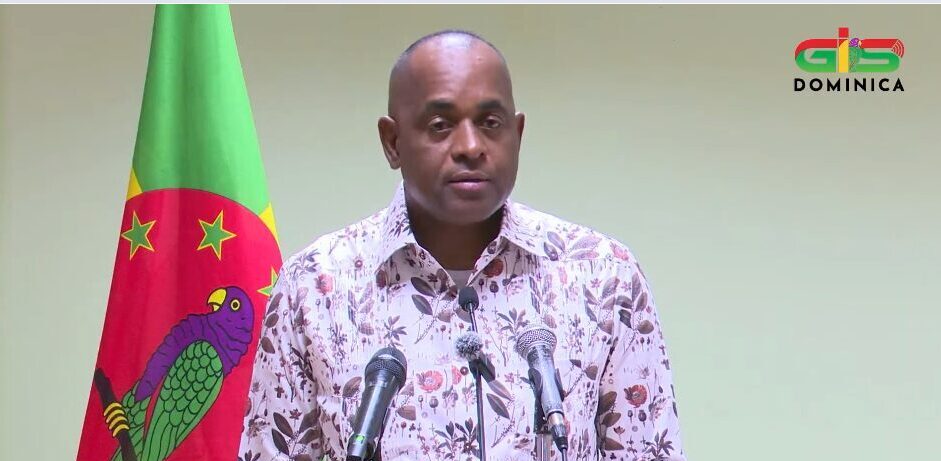
    Dominica’s Prime Minister Roosevelt Skerrit has revealed his upcoming travel schedule this weekend, which will take him to two Caribbean nations for high-stakes regional diplomatic gatherings. Speaking at a press briefing held on Thursday, Skerrit outlined that his first stop will be Martinique on the same day of the announcement, where he will join fellow regional leaders for talks centered on a broad range of pressing shared issues.

    Among the core topics set for discussion in Martinique are disaster preparedness frameworks, long-term climate resilience, cross-regional transportation infrastructure, public safety and security coordination, public health cooperation, and initiatives to drive sustainable development across the Caribbean. A key segment of the Martinique gathering will be a joint session of the Caribbean Regional Security Conference, where leaders will tackle evolving security threats that impact the entire region. These challenges include strengthening border management, boosting cyber defense capabilities, enhancing disaster-related resilience, shoring up food and energy supply chains, and safeguarding regional democratic institutions, Skerrit explained.

    Following the Martinique meetings, the Prime Minister will travel to Gros Islet, St. Lucia, to take part in the 51st Regular Meeting of the Conference of Heads of Government of the Caribbean Community (CARICOM). At this flagship regional summit, heads of government from across the bloc will deliberate on a wide slate of critical priorities that shape the future of the Caribbean. The agenda includes deepening security cooperation, advancing food protection strategies, scaling up climate resilience work, expanding access to renewable energy, improving integrated regional transportation, pushing forward economic integration across the bloc, reviewing the latest political and humanitarian developments in Haiti, and expanding opportunities for youth development across member states.

    Skerrit highlighted that the rising cost of living has placed significant strain on every CARICOM member state, a challenge that will take up a substantial portion of discussion during the St. Lucia summit. He noted that preliminary talks by the relevant subcommittee on the CARICOM Single Market and Economy have already laid the groundwork for focused conversation on this issue, which impacts everyday citizens across the region.

    The Prime Minister reaffirmed Dominica’s ongoing commitment to advocating for practical, region-wide solutions that strengthen collective resilience, deepen economic and political integration across the Caribbean, and deliver tangible improvements to the quality of life for all people in member states.

  • Alwin Bully Foundation to host public forum on strengthening Dominica’s creative industries

    Alwin Bully Foundation to host public forum on strengthening Dominica’s creative industries

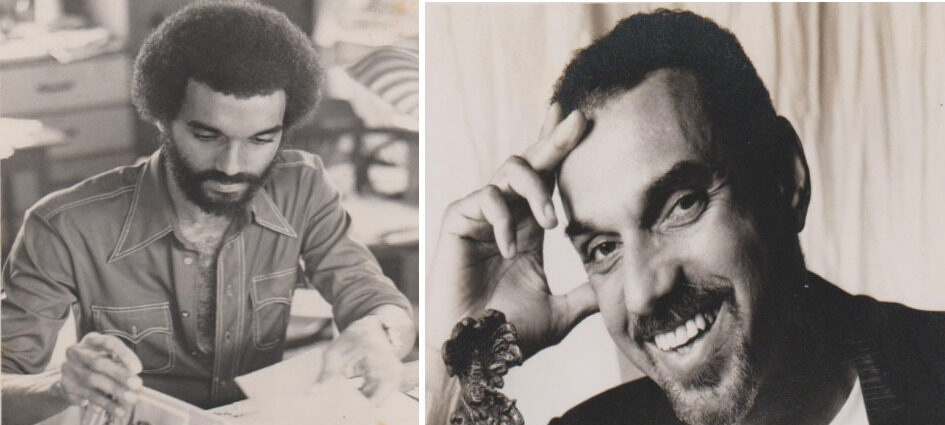
    As small island nations around the globe increasingly turn to creative industries as a driver of both cultural identity and economic growth, the Alwin Bully Foundation (ABF) Inc. has launched a new initiative to spark actionable progress for Dominica’s arts and cultural community. The non-profit, which carries forward the decades-long legacy of cultural champion Dr. Alwin Bully, has opened invitations to local artists, cultural workers and interested members of the public to attend a upcoming public panel discussion focused on expanding and strengthening the country’s creative economy.

    Scheduled to take place on Wednesday, July 8 at 7:00 PM local time, the discussion will be hosted at the UWI Global Campus in Roseau, with the campus’ Dominican branch providing on-the-ground support for the event. Centered on the timely theme “Building a Sustainable Arts and Cultural Industries Sector in Dominica,” the panel brings together a diverse cross-section of voices from across the country’s creative landscape to ensure a broad, nuanced conversation.

    In an official press release from the foundation, ABF Chairman Severin McKenzie framed the discussion as a timely response to shifting global and local attitudes toward cultural work. Across the world, governments and development organizations are increasingly recognizing that arts and culture do more than preserve national identity—they also act as a robust platform for inclusive social and economic advancement. This growing recognition has created a unique opening for Dominica to refine its approach to supporting its creative sector, and the foundation is eager to center community voices in that process.

    McKenzie, an architect and former assistant artistic director of the People’s Action Theatre who will also serve as the panel’s moderator, emphasized that the forum aligns with the foundation’s core mission. The organization is dedicated to advocating for stronger policy frameworks and evidence-based best practices to nurture a dynamic, inclusive cultural sector across Dominica. Beyond that, the initiative directly carries forward the vision of the late Dr. Alwin Bully, whose lifelong contributions to Dominican art and culture continue to guide the foundation’s work to position culture as a core driver of national and regional progress.

    To ensure the conversation draws from multiple decades of experience and emerging perspectives, the panel features four industry leaders representing different corners of the creative economy. The lineup includes Raymond Lawrence, a former Chief Cultural Officer, veteran media professional, celebrated dancer, choreographer and long-standing dance advocacy leader; Ian Jackson, a multi-disciplinary creative whose work spans poetry, calypso, songwriting, music production and radio broadcasting; Anita Bully, a seasoned cultural industries consultant and former Film Commissioner for Dominica; and Dylan Registe, an emerging young actor who also serves as First Vice-President of the National Youth Council of Dominica.

    Over the course of the public session, panelists will walk through the evolution of Dominica’s arts and cultural landscape, unpacking the long-standing systemic challenges that have held back growth while highlighting untapped opportunities to build a more resilient creative economy. Attendees can expect discussions of actionable, practical strategies to build a more interconnected, supportive creative ecosystem that can sustain a modern, globally competitive cultural industries sector.

    This panel discussion forms one part of the Alwin Bully Foundation’s broader ongoing program to uplift Dominica’s creative community. The foundation’s core priorities include strengthening professional capacity for local cultural practitioners, encouraging deeper collaboration across different creative sub-sectors, and creating consistent spaces for open, meaningful dialogue about the future of Dominican arts.

    Organizers have emphasized that all artists, cultural workers and interested members of the general public are welcome to attend. High community turnout, they note, not only enriches the quality of the discussion, but also creates space to build long-lasting cross-sector partnerships that will deliver tangible benefits to Dominica’s creative industries for years to come.

  • OP-ED: The pitch is the map

    OP-ED: The pitch is the map

    The 2026 FIFA World Cup, currently underway across host venues in the United States, is far more than a global sporting spectacle: it is a living, breathing portrait of the 21st century’s new global order, one that stands in sharp contradiction to the exclusionary politics of the tournament’s host nation.

    Long before political leaders and policy analysts have fully acknowledged the shift toward a multiracial, multipolar global system, the grass of the World Cup pitch has already laid that truth bare for billions of viewers to see. If the football field is the most honest map of modern global life, its first defining feature is the undeniable mixing of national identities that dismantles centuries-old myths of ethnically pure nation-states.

    Consider Japan’s starting goalkeeper, Zion Suzuki: born in Newark, New Jersey, to a Ghanaian father and Japanese mother, and raised in Saitama, he is a product of multiple global heritages – yet he has faced repeated racial abuse for his skin tone, from observers who insist on forcing his identity into narrow, outdated boxes. Suzuki is no outlier; he is the defining norm of this 2026 tournament. France’s captain Kylian Mbappé traces his roots to Cameroon and Algeria. Two of Spain’s most electrifying young stars, Lamine Yamal and Nico Williams, carry heritage from Morocco, Equatorial Guinea and Ghana. Breel Embolo, one of Switzerland’s key attacking threats, was born in Cameroon. Germany, England, the Netherlands, and Portugal all field rosters shaped by generations of migration, empire, and labor movement. With every pass, every goal, the old fiction of the “pure-blood” nation fades a little more.

    The second truth the pitch reveals cuts even deeper: the global balance of footballing power no longer aligns with the 20th century’s hierarchical order of wealthy Western nations. Football’s elite is not the G7. Brazil, a multiracial powerhouse from the Global South, has long sat at the top of the sport, while Argentina enters the tournament as defending champions. Morocco, the first African and Arab nation to reach a World Cup semifinal, now competes as a full equal to traditional giants: in their opening group match in New Jersey, Morocco took the lead against five-time champion Brazil, only for the South American side to scrape a 1–1 draw late through Vinícius Júnior, with both sides advancing separated only by goal difference.

    Teams from across Africa are not token additions to the bracket – they are contenders that demand respect. Côte d’Ivoire reached the tournament’s knockout stage for the first time in its history. Even more striking is the performance of Cabo Verde, a tiny island nation of just 500,000 people making its World Cup debut: it held reigning European champion Spain to a scoreless draw, then came from behind to secure a 2–2 draw against two-time world champion Uruguay. These results alone reveal more about the trajectory of the coming century than hundreds of academic policy papers.

    In football’s genuinely global arena, the conventional metrics of great power status – population, economic wealth, military might – guarantee nothing. The United States, the 2026 host, successfully won its group and fills massive stadiums, but it remains outside the sport’s top tier: it can host the spectacle, but it cannot command the game. China has only qualified for one World Cup, in 2002, leaving without scoring a single goal. India, the world’s most populous nation, has never qualified at all. Football has been a multipolar sport for a full generation, and it has been signaling the direction of global history long before diplomats and political leaders caught up to the shift.

    That reality creates a stark paradox for the United States: on its own soil, in front of the largest global audience in sports history, it is hosting a vivid showcase of the very multiracial, multipolar world that its current politics is actively trying to keep out. This contradiction is not just abstract. As the tournament kicked off, the U.S. reinstated and expanded country-specific entry restrictions. Full entry bans apply to two participating nations, Haiti and Iran, while Senegal and Côte d’Ivoire face partial restrictions. The official framing relies on language of screening, vetting, and national security, but the outcome is clear: while star players are granted exceptions to compete, the communities that raised them, and the fans who would have packed the stands to cheer them on, are locked outside the gate. Iran’s squad was forced to set up a pre-tournament base in Mexico, with multiple coaching staff denied visas, and players only allowed entry into the U.S. to compete before being required to leave immediately. Journalists from restricted nations face strict single-entry limits that make it nearly impossible to follow their national team across three different host countries.

    One high-profile example underscores these barriers: Omar Artan, one of Africa’s top referees and the only Somali on FIFA’s elite international list, was denied entry at Miami International Airport after an 11-hour interview, despite holding a valid visa and diplomatic passport. U.S. officials offered no public evidence to support the decision, only claiming anonymously that he had “association with suspected members of terror organizations.” Because Somalia is on the U.S. restricted entry list, the language of national security did the work that an explicit nationality ban would have. FIFA has since responded that host governments retain full authority over immigration decisions, leaving no mechanism to challenge the ruling.

    It is true that nations have a legitimate right to screen entrants and address genuine security concerns. But when the pattern of restrictions falls so precisely on the very nations whose participation makes this tournament a reflection of the new global order, it is reasonable to question whether security is the full story, or just a convenient language that established power has learned to use. The host nation sells the World Cup as a global festival of shared belonging, all while reminding much of the world that such belonging remains conditional. The wall of visa paperwork, the border checks and restrictions, the welcome extended to elite talent but doubt cast on entire communities: this is not a display of strength. It is the behavior of a power that can feel the ground shifting beneath its feet. A power that still controls the global order does not slam the door on the new world. It slams the door because it can already feel that control slipping away.

    For Caribbean nations, the oldest global region shaped by centuries of forced racial mixing, these realities come as no surprise. Multiracial mixing does not automatically deliver racial justice on its own. Brazil, for example, is a multiracial giant whose national identity is tied to footballing glory built on Black genius, yet it remains structured by deep racial hierarchy off the pitch, clinging to the outdated myth of “racial democracy” while Black citizens continue to fight for full equal dignity. Similarly, multipolarity is not a automatic salvation for the global order. A world with multiple centers of power is not inherently kinder or more free; it may simply mean more powers to negotiate with, more competing interests to navigate. Old empires do not disappear – they adapt and learn new languages of influence. New powers do not enter the global order free of their own ambitions. For small nations, a multipolar world still requires deliberate work to organize, define, and sustain their own interests.

    That is what makes this 2026 World Cup meaningful far beyond the boundaries of sport. It is not mere entertainment; it is revelation. It shows the world as it actually is, not as nostalgic traditionalists imagine it: irreversibly mixed, irrevocably plural, and fully competitive beyond the outdated rankings of the last century. For 90 minutes at a time, the truth that border walls and entry restrictions try to hide becomes impossible to deny. A mixed-heritage goalkeeper named Suzuki claims a cross for Japan. A player with Cameroonian and Algerian roots is the most dangerous striker in the world for France. Spain’s future runs through the children of immigrants. Morocco pushes five-time champion Brazil to the brink in New Jersey. Cabo Verde holds two global powerhouses to draws. The map of the world is redrawn on the pitch, in cleat studs and sweat.

    The visa lines and entry restrictions represent the world that a frightened established power wishes still existed: ranked, filtered, suspicious, obedient to old hierarchies. The pitch represents the world the global people are already building: mixed, multipolar, and increasingly indifferent to who used to run it.

  • Cuba seeks UN debate on US embargo, accuses Washington of trying to block July 7 session

    Cuba seeks UN debate on US embargo, accuses Washington of trying to block July 7 session

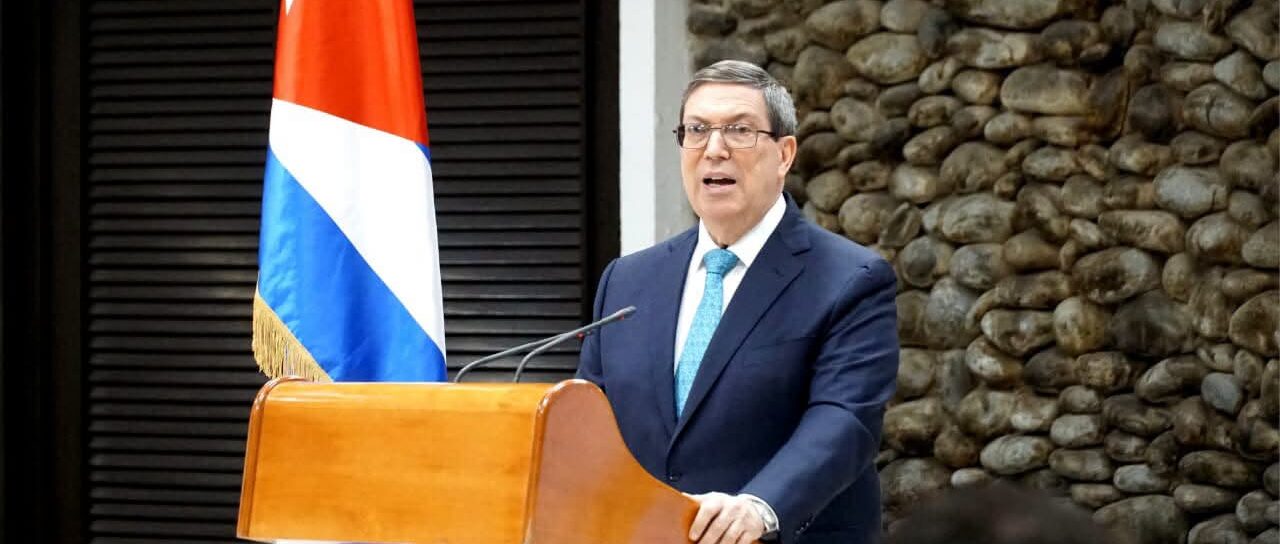
    Decades of diplomatic and economic estrangement between Cuba and the United States are set to return to the center of the global stage next week, after Cuban Foreign Minister Bruno Rodríguez confirmed that Havana has officially submitted a request for a special United Nations General Assembly session on July 7 to confront the long-standing U.S. embargo against the Caribbean island.

    Speaking at a formal press conference, Rodríguez laid out Havana’s core objective for the upcoming session: to force the international community to confront the crippling humanitarian toll that the 60-plus-year U.S. restrictive policy has inflicted on the Cuban people, the Cuban Embassy noted in an official press statement released after the event.

    Beyond laying out the harms of the embargo, Rodríguez issued a sharp rebuke of the United States, accusing the Biden administration of launching a coordinated, global diplomatic pressure campaign to derail the upcoming debate entirely. The Cuban foreign minister argued that U.S. officials have leveraged threats, blackmail, and diplomatic coercion to pressure other UN member states to oppose the special session and boycott its proceedings.

    According to Rodríguez, the cumulative damage of the U.S. sanctions regime has steadily worsened for Cuban civilians, with impacts felt in every sector of daily life across the island. He rejected long-standing U.S. justifications for the embargo, labeling the United States’ multi-faceted campaign of hostility against Cuba not as a defensive measure, but “a crime against humanity in full swing.”

    He went further in his condemnation, calling the targeted U.S. energy embargo and associated restrictive measures an act of genocide that amounts to collective punishment. These policies, he insisted, systematically violate the fundamental human rights of all Cubans and directly contravene established international humanitarian law.

    Rodríguez also pushed back against the core narrative the U.S. has relied on to maintain the embargo for decades, noting that Cuba, a small island nation, poses no credible security threat to the United States – the world’s largest military and nuclear power. “The blockade and the policy of aggression and hostility of the United States government against Cuba is a threat to the existence and well-being of the Cuban people, and to the exercise of their human rights,” he emphasized.

    Looking ahead to the July 7 vote and debate, Rodríguez pointed to three decades of precedent to justify his expectation of broad international support. The UN General Assembly has passed resolutions condemning the U.S. embargo 31 consecutive times, with each resolution winning overwhelming backing from the body’s 193 member states. That track record, he argued, demonstrates that the global community widely rejects the U.S. policy as a violation of international norms.

    Even so, Rodríguez detailed the extent of the U.S. campaign to stop the session. He alleged that the U.S. Permanent Mission to the UN in New York has threatened to pursue legal action to block the General Assembly from convening and deliberating on the embargo issue. He added that the U.S. State Department has mobilized its entire global diplomatic network to suppress discussion of the embargo, an attempt to censor Cuba’s right to raise a matter that directly impacts international peace and security and the survival of an entire nation.

    Despite these aggressive tactics, Rodríguez said he remains confident that the overwhelming majority of UN member states will once again stand in solidarity with Cuba when the session convenes. He framed the upcoming debate as a critical opportunity to reaffirm the authority of international law and the core principles enshrined in the UN Charter.

    Rodríguez defended the UN General Assembly as the global body best suited to adjudicate the issue, calling it “the most democratic, universal, and representative body of the United Nations” that is capable of addressing the dispute objectively in line with the UN’s founding purposes and values.

    Closing his press conference, Rodríguez issued a urgent warning about the rapidly deteriorating situation on the ground in Cuba, driven by intensifying U.S. pressure. “This is an urgent situation because the multidimensional aggression of the United States government against Cuba is already underway and intensifying. Its humanitarian damage is growing, and the suffering and deprivation it inflicts on our people increase every day,” he concluded.

  • Shelly Alfred wraps up first promotional tour of Grenada, sets sights on expanding Bouyon across the Caribbean

    Shelly Alfred wraps up first promotional tour of Grenada, sets sights on expanding Bouyon across the Caribbean

    Award-winning Dominican musician and frontman of leading Bouyon act Signal Band, Sheldon “Shelly” Alfred, has just concluded his first ever official promotional visit to Grenada, wrapping up a five-day tour focused on new music outreach, cross-cultural connection, and expanding his footprint across the Caribbean regional music landscape.

    Running from June 26 to 30, the tour centered on promoting Alfred’s latest collaborative single, “I Deserve This”, produced in partnership with Xpert Productions as part of the Ride Out Riddim project. The cross-island creative effort also features contributions from popular Grenadian artists Mystyk, Slatta, Terra D Governor and Tris. Beyond launching the new track, the trip served as a foundational networking stop ahead of Alfred’s planned return to the island for the 2026 edition of Grenada’s iconic Spice Mas carnival.

    For Alfred, the opportunity to visit Grenada was a long-awaited chance to engage with a new audience and experience the island’s culture firsthand, even after years of touring across the Caribbean with Signal Band. “I’ve been curious about Grenada. I love the culture, I love the music,” Alfred shared. “Although I’ve toured the Caribbean with Signal Band, I had never experienced Grenada. This collaboration was the perfect opportunity to visit the island, connect with the people and understand the culture firsthand.”

    As part of the promotional schedule, Alfred made appearances across Grenada’s top media outlets. He featured as a guest on “G’Morning Grenada”, the popular flagship morning talk show on the Grenada Broadcasting Network, alongside host Gordon “Innocent” Joseph. He also stopped by the island’s leading radio stations, including WEE 93.9 FM, Power 95.1 FM, MIX 96.9 FM, Star 101.1 FM and Boss104.1 FM, where he opened up to listeners about his creative journey, the inspiration behind his work, and his artistic mission to create music that balances entertainment with meaningful storytelling.

    His newest release, “I Deserve This”, draws on a relatable experience that resonates deeply across Caribbean communities, Alfred explained. “As Caribbean people, we work extremely hard, but when it’s finally time to enjoy ourselves, we often question whether we deserve it or can afford it. This song is simply encouraging people to go ahead and treat themselves. You work hard for it—you deserve it.”

    Grenadian media personalities who hosted Alfred during the tour offered overwhelmingly positive feedback on his presence and artistry. Cherise “Reciie” Bishop, host of MIX 96.9 FM’s “Midday Drive”, noted that Alfred fit seamlessly into island life from the moment he arrived: “Shelly stepped into Grenada and moved like he belonged here. Humble, grounded, and easy to connect with, his energy matched ours.” Michael Hutchinson, who interviewed the artist on WEE FM’s “The Beat”, described Alfred as “inspiring, purpose-driven, humble, and level-headed”, adding, “I genuinely enjoy his music, it is catchy, meaningful, and exceptionally well-composed.”

    Outside of media commitments, Alfred fully immersed himself in Grenadian culture through a custom itinerary arranged by Juwanna “MsJouvert” Ellis. He sampled the island’s signature national dish oil down and other local specialties, made stops at iconic neighborhood rum shops, joined a Sunday boat cruise along the coast, attended a public village Jab Jab launch, and took in exclusive events hosted by local Grenadian artists Lil Kerry and Bubbah473.

    This Grenadian tour marks just the first step in Alfred’s broader strategic push to deepen ties with audiences across the Caribbean and grow the mainstream reach of Bouyon, the dynamic, percussion-driven Caribbean music genre that originated in Dominica. “Grenada is the start of my deep immersion into Caribbean culture,” he said. “My goal is to spread Bouyon throughout the region and once we dominate here, then it’s world domination.”

    Alfred also used the platform to encourage fellow regional musicians to pursue opportunities outside their home markets, emphasizing that intentional creativity can break down geographic barriers. “I want artists from Dominica and across the region to know that we can break down walls. We can reach anywhere in the world if we’re intentional about our craft,” he urged.

    Official press materials from Alfred’s team note that the tour has already generated unexpected cross-regional fan engagement, with many Dominican music fans expressing new interest in visiting Grenada after following Alfred’s media appearances from home.

    A three-time National Junior Calypso Monarch, Alfred has built a respected career as the lead vocalist of Signal Band, one of Dominica’s most commercially and critically successful Bouyon groups. The act has released three full-length albums — *Signature*, *Controversy* and *The Electric Room* — and scored a string of hit singles in recent years, including 2024’s “On My Way (Side Life)” and “I’ll Be There for You”, 2025’s “Bye to de Old Me”, and 2026’s “Where Did You Come From?”. Their 2025 Bouyon Road March anthem “RAGS”, a collaboration with Dominica’s Trilla-G and St. Vincent and the Grenadines’ Skinny Fabulous, has already surpassed one million streams and views online, a testament to Bouyon’s growing popularity across the Caribbean. Shelly and Signal Band have also performed at major regional events, including CARIFESTA XIV in Trinidad and Tobago.

    Outside of his music career, Alfred holds a Master’s degree in Architecture from the Harvard Graduate School of Design, blending his creative passions across two distinct fields. He is currently scheduled to return to Grenada in August 2026 to take part in Spice Mas, where he will continue promoting “I Deserve This” and build on the connections he forged during his debut promotional tour.

  • Dominica pledges US$500,000 to Venezuela following devastating earthquakes

    Dominica pledges US$500,000 to Venezuela following devastating earthquakes

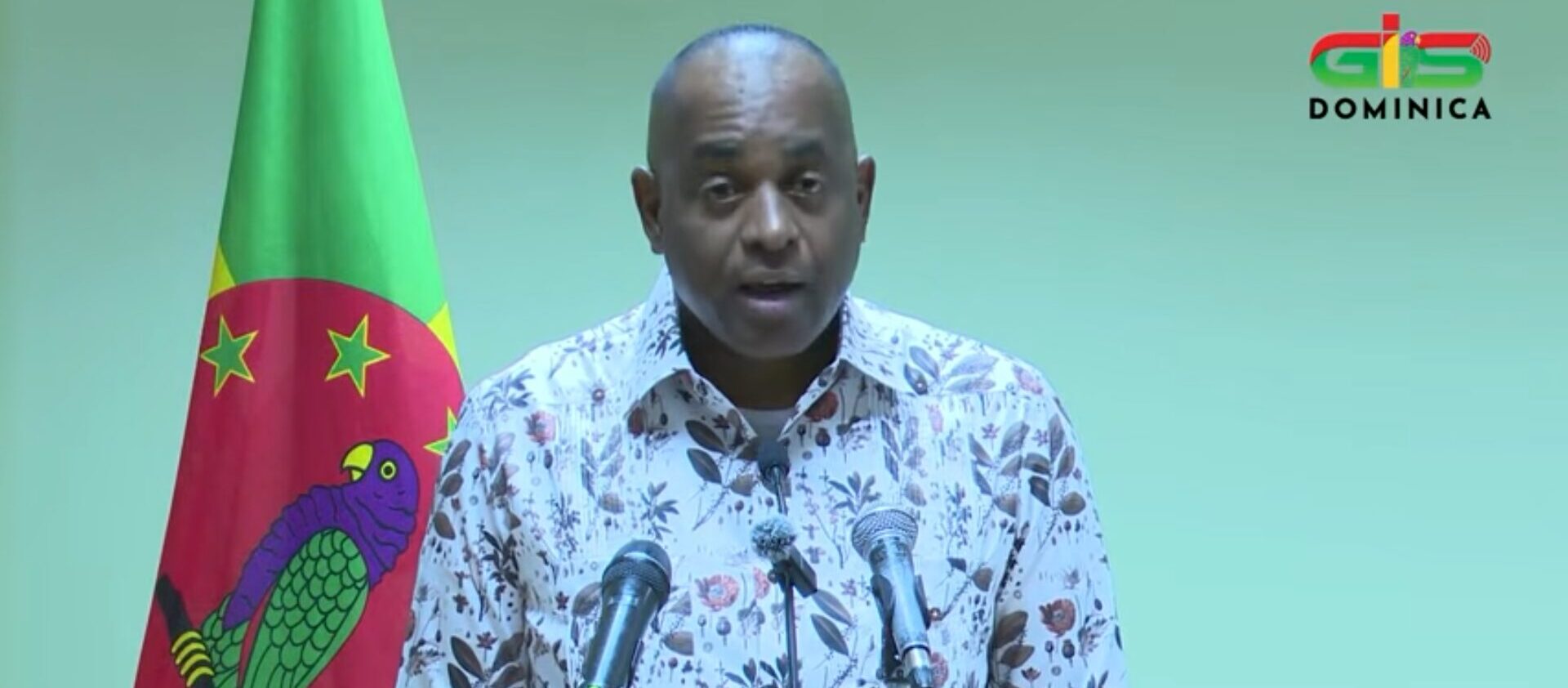
    In the wake of catastrophic back-to-back earthquakes that left northeastern Venezuela reeling from widespread destruction and heavy human loss, the Commonwealth of Dominica has stepped forward with urgent humanitarian support. Prime Minister Roosevelt Skerrit announced Thursday during an official press briefing that his government has greenlit an initial $500,000 financial donation to aid Venezuela’s disaster recovery efforts.

    Skerrit emphasized that this contribution embodies the core values of cross-border solidarity and collaborative action when communities face existential crisis. “Venezuela has always been a valued friend, a neighbor,” he noted, extending the deep sympathy and collective solidarity of the Dominican people to both the Venezuelan government and the public grappling with the aftermath of the disaster.

    The powerful seismic events hit northeastern Venezuela within hours of one another on June 24, 2026. The quakes reduced thousands of residential structures and public infrastructure to ruins, disrupted critical basic services, and forced panic-stricken local residents to evacuate into open streets for safety. As of the latest updates, global media outlets have confirmed that the death toll has surpassed 2,200, with more than 11,000 people sustaining injuries, and tens of thousands still remain unaccounted for amid the rubble.

    Venezuelan authorities continue to work to map the full scale of destruction, even as persistent aftershocks hamper relief operations across affected regions. Emergency response teams have remained on the ground around the clock conducting search-and-rescue missions and preliminary damage evaluations, while the national government has mobilized all available resources to deliver aid to impacted communities. Skerrit acknowledged the immense scale of the challenge ahead, stressing that recovery will be an enormous uphill task for Venezuela’s government and its people.

    Bilateral ties between Dominica and Venezuela have remained strong and cooperative for decades. Skerrit’s government has repeatedly extended political support to Caracas through past electoral processes, and has even offered to act as a neutral mediator to facilitate dialogue between Venezuela and the United States. For its part, Venezuela has been a key partner in Dominica’s national development, providing consistent assistance through regional integration frameworks including the PetroCaribe oil initiative and the Bolivarian Alliance for the Peoples of Our America (ALBA).

  • Regional leaders urge reform of global climate finance system at CDB annual meeting

    Regional leaders urge reform of global climate finance system at CDB annual meeting

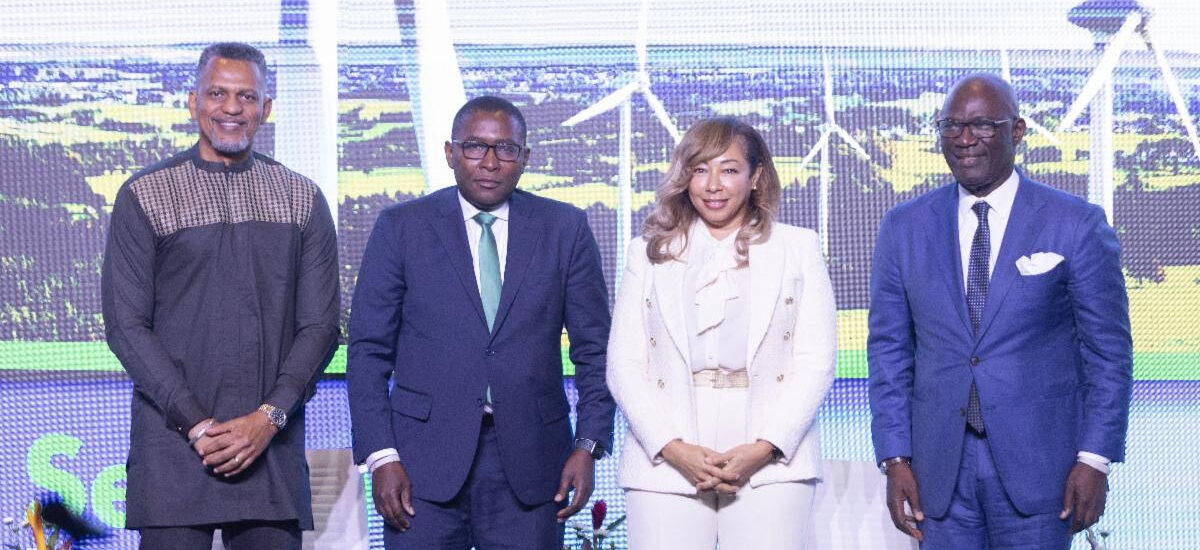
    When top climate finance and development stakeholders gathered for a high-stakes dialogue at the Caribbean Development Bank’s (CDB) 56th Annual Meeting in Nassau, The Bahamas this June, a clear, uncompromising message took center stage: the existing international financial framework is failing Small Island Developing States (SIDS), and transformative systemic reform is non-negotiable to help these climate-vulnerable nations adapt to worsening climate impacts. Held alongside the bank’s week-long gathering of regional and global development leaders from June 1 to 5, 2026, the invite-only discussion titled *“The Breakfast Exchange: A Climate Talk on the Global Economy”* convened a panel of seasoned experts to unpack systemic barriers to equitable climate resourcing and outline actionable pathways forward for at-risk regions across the globe. Moderated by CDB President Daniel M. Best, the conversation centered on the unique and disproportionate threats facing Caribbean SIDS, which rank among the world’s most climate-exposed nations despite contributing almost nothing to historical greenhouse gas emissions. Joining Best on the panel were four key figures shaping global climate action: Ibrahima Cheikh Diong, Executive Director of the UN-backed Fund for Responding to Loss and Damage (FRLD); Ambassador Selwin Hart, Special Adviser to the UN Secretary-General on Climate Action and UN Assistant Secretary-General; and Racquel Moses, CEO of the Caribbean Climate-Smart Accelerator (CCSA) and Chair of the Glasgow Financial Alliance for Net Zero (GFANZ) Caribbean. Opening with a stark assessment of global climate investment inequity, Ambassador Hart laid bare the deep imbalance that has defined climate finance flows since the 2015 Paris Agreement was signed. He revealed that 80 percent of all global clean energy investment has flowed to high-income advanced economies, leaving just 20 percent to serve the two-thirds of the global population that calls developing nations home. “The biggest failure in the current global financial architecture is that the system continues to reward the drivers of the climate crisis while penalising those that are vulnerable and contributed the least,” Hart told attendees. Diong expanded on this critique, framing accessible climate finance as a three-pronged challenge that hinges on three non-negotiable pillars: consistent availability, streamlined accessibility, and fair affordability. Too often, he noted, headline-grabbing international funding pledges fail to translate to tangible support on the ground for vulnerable nations, because bureaucratic barriers and unfavorable terms lock countries out of the resources they need in a timely, affordable way. Diong explained that the FRLD, which has secured $820 million in voluntary contributions to date, is designed to upend this broken model. The fund’s first financing facility will offer 100 percent grant-based funding, with a minimum of 50 percent of all resources reserved exclusively for SIDS and Least Developed Countries — a policy designed to ensure recipient nations do not accumulate unsustainable new debt to address climate harms. “The keyword is delivery, delivery, delivery,” Diong emphasized. “We are talking about people’s lives here.” CDB President Best echoed this urgency, warning that Caribbean nations are facing rapidly escalating climate threats while navigating an increasingly volatile global economic landscape that squeezes their ability to invest in resilience. “Development financing delayed is development financing denied,” Best stressed, underscoring the need to speed up the flow of resources to the region. Hart went on to call for a structural shift in how the Caribbean approaches climate finance, arguing that the current model of expecting individual small nations to navigate fragmented accreditation processes for dozens of separate global funding bodies is inefficient and unfair. Instead, he proposed that the CDB take on an expanded, centralized role as the region’s dedicated climate finance coordinator. “CDB should be the region’s climate bank,” Hart said. He also pushed back against the longstanding global practice of using per capita national income as the primary eligibility threshold for grants and low-interest concessional climate financing. Hart pointed out that Caribbean nations including The Bahamas, Barbados, and Antigua and Barbuda are locked out of most concessional funding opportunities despite facing some of the highest climate vulnerability on Earth. Instead of relying on income metrics, Hart argued, climate vulnerability itself should be the core determinant of eligibility for international climate support. Looking ahead to emerging economic opportunities for the region, Moses urged Caribbean governments to proactively capitalize on two fast-growing global trends: the global transition to renewable energy and the exponential expansion of artificial intelligence, which has spurred skyrocketing demand for low-carbon energy to power data centers. “Right now, the biggest thing that’s happening is AI, and they are looking everywhere to find energy for data centres,” Moses noted. “If we explore our true renewable energy potential, we will have excess energy that we can provide.” She warned that the window to seize this economic opportunity is limited, noting, “These things happen in waves, and when this wave is gone, it’s gone.” Echoing Hart’s call for collective action, Moses emphasized that Caribbean nations will achieve far more by collaborating through shared regional institutions than by pursuing fragmented, independent strategies to secure climate finance and economic development. Closing the discussion, Hart offered a note of cautious optimism, tying progress directly to sustained regional cohesion. “Despite this climate crisis, our best days are yet ahead of us — but it requires us as a region to work as a region,” he said. The CDB’s 56th Annual Meeting, which ran from June 1 to 5 in Nassau, featured a full slate of knowledge-sharing sessions focused on addressing the Caribbean’s most pressing development challenges, from climate resilience to economic inequality. A full recording of *“The Breakfast Exchange: A Climate Talk on the Global Economy”* is now available for public viewing on the CDB’s official website and YouTube channel.