标签: Dominica

多米尼克

  • ACTIF2026 Trade and Investment Forum postponed over public health concerns

    ACTIF2026 Trade and Investment Forum postponed over public health concerns

    The African Export-Import Bank (Afreximbank) and the federal government of Saint Kitts and Nevis have made a joint announcement delaying the upcoming Fifth Annual AfriCaribbean Trade and Investment Forum (ACTIF2026), a key cross-regional economic gathering, in response to shifting public health risks across multiple regions of Africa.

    Originally scheduled to take place from July 29 to 31, 2026, at the host destination of Basseterre, the capital city of Saint Kitts and Nevis, the high-profile trade and investment event will not proceed on its originally planned timeline, per an official statement published on the forum’s public website.

    Organizers confirmed that the postponement decision was shaped by the most recent guidance issued by regional, continental, and global public health bodies, which have been monitoring the rapidly evolving public health situation in several African nations. Both Afreximbank and the Saint Kitts and Nevis government emphasized that delaying the forum was the most ethically and pragmatically responsible choice to protect the physical health, personal safety, and overall well-being of hundreds of expected attendees, including delegates, keynote speakers, corporate sponsors, institutional partners, and supporting staff.

    In the official release, event leadership recognized the extensive time, resources, and advance planning that attendees and key stakeholders have already invested in preparation for the forum, noting that the difficult call to postpone came only after exhaustive deliberation across all organizing bodies. Organizers also extended their gratitude to delegates, sponsors, partner organizations, and other stakeholders for the high level of interest and commitment demonstrated in the months leading up to the planned event, while offering a formal apology for any disruption, scheduling conflicts, or logistical inconvenience the postponement may cause.

    Going forward, Afreximbank and the Saint Kitts and Nevis government have committed to publishing updated details, including a new confirmed event date and revised logistical information, through their official communication channels as soon as a revised plan is finalized. All registered participants and interested industry stakeholders are advised to regularly check the official ACTIF2026 website for the latest announcements and updates.

  • Dominica Council on Ageing celebrates nation’s centenarians as living national treasures

    Dominica Council on Ageing celebrates nation’s centenarians as living national treasures

    The Caribbean island nation of Dominica is marking a quiet but meaningful milestone, as the Dominica Council on Ageing Inc. (DCOA) has stepped forward to honor the country’s growing community of centenarians, framing these long-living residents as irreplaceable national treasures whose lives carry invaluable lessons for generations of younger Dominicans.

    In an official statement released to mark the occasion, the non-profit organization specifically highlighted two local residents who joined the exclusive ranks of centenarians in June 2026: Matthew St. Rose, a resident of the Kings Hill community, and Lucille Pascal, who calls Grand Fond home. Both recently celebrated their 100th birthdays, drawing attention to the island’s cohort of people who have reached the rare 100-year life milestone.

    With the addition of St. Rose and Pascal, Dominica now counts 15 centenarians across the country. The demographic breakdown of the group shows a notable gender gap, with 11 women and just four men making up the island’s community of people aged 100 and older.

    For the DCOA, these centenarians are far more than statistical curiosities. They perfectly embody the organization’s core mission, summed up in its official motto: “Empowering older persons to live life to the fullest.” DCOA officials noted that the centenarians stand as powerful, inspiring examples of three critical traits: lifelong resilience in the face of challenge, accumulated wisdom passed down through communities, and healthy longevity that reflects well on Dominica’s social fabric.

    Beyond honoring the centenarians themselves, the DCOA also used the statement to recognize the unsung work of the networks that support older Dominicans. The organization extended sincere gratitude to all those who help senior citizens maintain high quality of life, including paid professional caregivers, immediate family members, friends, residential care facilities, and other community and institutional partners that provide ongoing support to the island’s older population.

    To close out the announcement, the DCOA offered formal congratulations to all 15 of Dominica’s centenarians. The organization extended warm wishes for their continued good health and overall well-being, concluding with a prayer that they would continue to receive divine blessing in the years ahead.

  • LIVE from 10:30AM: Press Conference with PM Roosevelt Skerrit

    LIVE from 10:30AM: Press Conference with PM Roosevelt Skerrit

    The submission provided for news processing only includes social media sharing options and an image link, with no full textual body of the original news report. Without the core text content that outlines the event, facts, and context of the story, it is impossible to conduct a full in-depth rewriting, structural reconstruction, or detailed analysis of the reported news event. Any attempt to create a full news article based on only a sharing interface and an inaccessible image link would result in inaccurate, unsubstantiated content that does not meet journalistic accuracy requirements. Recipients of this processing request are advised to resubmit the complete full text of the original news along with the image context to enable a comprehensive, accurate analysis and rewrite per the stated requirements.

  • ILO launches first official Haiti mission under Caribbean office’s expanded role

    ILO launches first official Haiti mission under Caribbean office’s expanded role

    Six months after the International Labour Organization (ILO) shifted oversight of its Haiti engagement to the ILO Decent Work Team and Office for the Caribbean based in Port of Spain, Trinidad and Tobago, a senior ILO delegation has arrived in Haiti for the body’s first official visit to the Caribbean nation under the new regional mandate.

    Led by Joni Musabayana, director of the Caribbean-based ILO office, and joined by Senior Programming Officer Ingerlyn Caines-Francis, the five-day mission kicked off on June 30, 2026. This visit ushers in a new chapter of collaboration between the ILO and Haiti’s tripartite stakeholders — the national government, employer associations, and labor union representatives — following months of preliminary consultations and joint planning to align on shared national priorities.

    The on-the-ground mission comes just over one month after the ILO and Haitian partners signed the landmark 2026-2027 ILO Country Programme for Haiti during a May 14 ceremony in Port of Spain. The two-year framework formalizes the ILO’s technical cooperation commitments to Haiti, and the organization notes the early launch of implementation activities demonstrates its dedication to turning agreed plans into tangible progress alongside Haitian stakeholders. The agreement was signed by all key parties: Haiti’s Minister of Social Affairs and Labour Marc Elie Nelson signed on behalf of the Haitian government; Association of Industries of Haiti (ADIH) President Maulik Radia represented national employers; Yvel Admettre, Secretary General of the Confederation of Public and Private Sector Workers, and Louis Fignole St Cyr, General Secretary of the Autonomous Central of Haitian Workers, signed for Haitian labor organizations; and Musabayana executed the agreement for the ILO.

    The country programme outlines five core focus areas for ILO support in Haiti: strengthening inclusive social dialogue and upholding fundamental workers’ rights, building the capacity of national labor institutions and improving governance of the employment sector, expanding productive employment opportunities to drive national economic recovery, bolstering vulnerable household livelihoods, and expanding access to social protection while advancing safer working conditions across all industries.

    In remarks ahead of the mission, Musabayana emphasized that the ILO’s top priority is immediate implementation of the commitments laid out in the May programme agreement. “This mission is about moving quickly from agreement to action. Haiti’s tripartite partners have worked with commitment and clarity to define shared priorities for decent work,” Musabayana said. “Today’s discussions confirmed the importance of staying close to workers, employers and institutions on the ground as we support implementation of the country programme. The ILO Caribbean Office is committed to working with Haiti’s constituents through practical technical assistance, social dialogue and partnership.”

    Beyond launching new development projects, Musabayana noted that the visit is also intended to deepen long-term collaborative ties between the regional ILO office and national partners across Haiti. “It is important for us to be here, so that the ILO Caribbean Office can deepen its understanding of the realities facing constituents and give effect to our commitment to work with our Haitian partners in a spirit of mutual respect and shared responsibility,” he added.

    According to the ILO’s official updates, during the first two days of the mission, the delegation held working meetings with government officials, private sector leaders, and trade union representatives in northern Haiti. Core discussion topics included mapping the country’s most pressing decent work priorities, identifying pathways to strengthen cross-stakeholder cooperation, and outlining practical steps to expand effective social dialogue in industries that serve as the backbone of Haiti’s employment, economic activity, and household livelihoods.

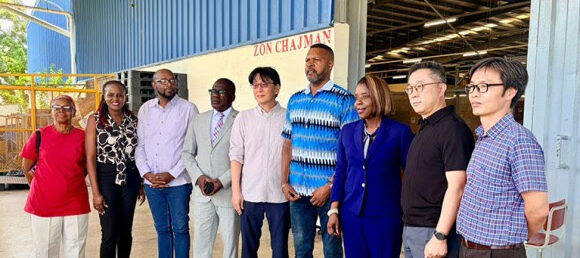
    The delegation also conducted site visits to a number of active work places across northern Haiti, allowing ILO officials to gather first-hand insight into the current challenges and opportunities facing Haiti’s industrial and employment sectors. During these on-the-ground visits, the team reviewed existing development initiatives, and explored how enhanced tripartite dialogue between employers, workers, and public institutions can improve workplace relations, build mutual trust, and foster greater economic and labor stability across the country.

    The transfer of Haiti oversight to the ILO Caribbean Office took effect in January 2026, expanding the office’s mandate to cover 14 ILO member states and nine non-metropolitan territories across the English- and Dutch-speaking Caribbean. The ILO notes that the broader mandate is designed to streamline regional coordination and deliver more timely, responsive technical support to Haiti and other Caribbean partner nations.

    The Haiti mission is scheduled to conclude on July 4, 2026, and will include additional working meetings with tripartite stakeholders and visits to ongoing ILO-supported development projects across the country. Citing ongoing national security concerns, the ILO has declined to disclose specific locations of mission activities to protect the safety of delegates and local partners.

    Moving forward, the ILO reaffirmed that its work in Haiti will remain rooted in its core global mandate: advancing decent work and social justice through tripartite cooperation between governments, employers, and workers. Under the new country programme, the organization will continue to support Haiti’s national efforts to strengthen labor institutions, expand social protection coverage, create inclusive employment opportunities, boost livelihoods, and advance productive social dialogue aligned with Haiti’s long-term national development priorities.

  • OECS advances community-based tourism strategy with regional policy workshop

    OECS advances community-based tourism strategy with regional policy workshop

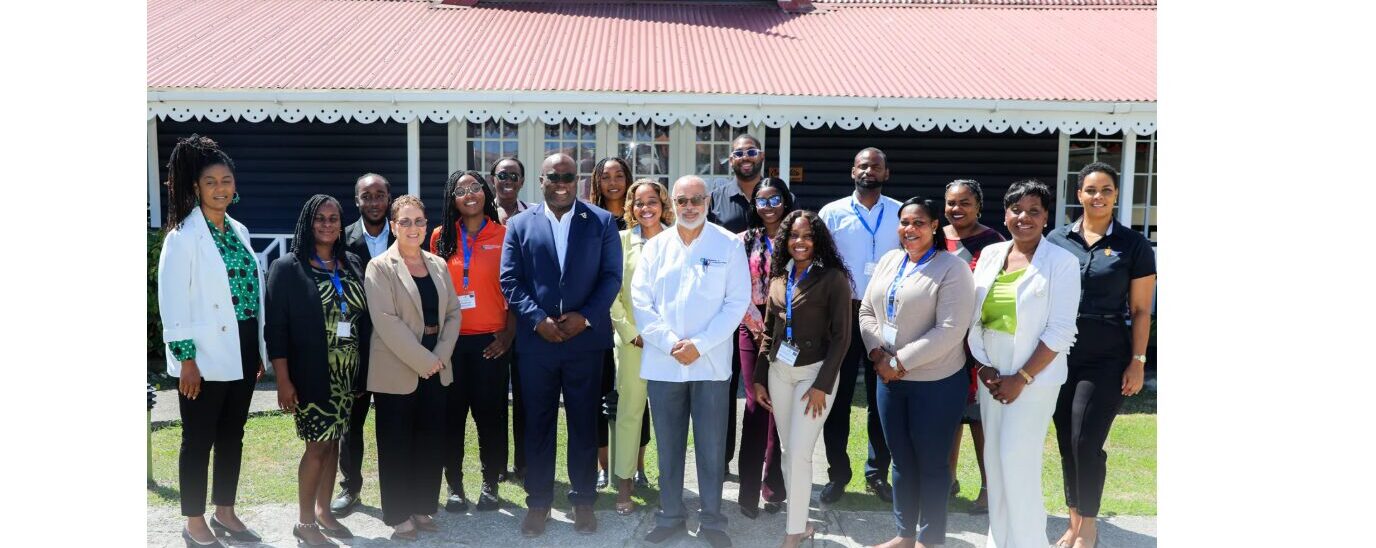
    Earlier this June, senior tourism stakeholders from all 11 member states of the Organisation of Eastern Caribbean States (OECS) convened in St. Lucia for a landmark three-day workshop focused on scaling up community-centered tourism across the region. Held from June 9 to 11 under the official theme “From Assessment to Action: CBT Policy Development and National Action Planning,” the Community-Based Tourism (CBT) Capacity Building Workshop brought together public officials, tourism strategists, and community development practitioners to craft actionable, region-aligned policies and national implementation roadmaps for expanding locally rooted tourism.

    Unlike traditional mass tourism models that often channel most revenue away from local populations, CBT is rooted in a core principle: local communities must lead tourism development, and they deserve to capture the direct economic benefits of a growing sector. The workshop was designed to equip attendees with evidence-based frameworks, practical tools, and collaborative networks to build strategies that center local communities as the primary architects of tourism experiences, rather than passive participants in outside-led development.

    This regional initiative is backed by funding from the 11th European Development Fund (EDF), delivered through the Regional Integration Growth Harmonisation and Technology (RIGHT) Programme. The funding supports long-standing regional efforts to shift Eastern Caribbean tourism toward more sustainable, inclusive models that address systemic economic gaps. Proponents of CBT note that the approach creates targeted entrepreneurship opportunities for groups that are often excluded from mainstream tourism benefits: young people, women, rural residents, and members of marginalized, underserved communities.

    Beyond expanding inclusive economic growth, keeping a larger share of tourism revenue within local borders strengthens household livelihoods while creating direct incentives for communities to protect the region’s one-of-a-kind cultural traditions, irreplaceable historical heritage, and fragile natural ecosystems that draw millions of visitors each year. OECS officials emphasized that the St. Lucia workshop marks a critical milestone in the region’s transition to sustainable tourism, enabling member states to update national policy frameworks that embed community benefit at the core of tourism growth strategies. Moving forward, participating states will work to implement the national action plans developed during the workshop, with ongoing regional coordination to share best practices and measure progress toward inclusive, sustainable development goals.

  • Dominica to return to revived ANOECS athletics championships with nine-member team

    Dominica to return to revived ANOECS athletics championships with nine-member team

    After nearly a decade away from one of the Caribbean’s most prominent regional track and field competitions, Dominica is gearing up to mark its long-awaited return. The country’s Olympic Committee (DOC) and Athletics Association (DAA) made a joint official announcement confirming Dominica’s participation in the 2026 ANOECS Track and Field Championships, which will be hosted from July 4 to 5, 2026, in St. Kitts and Nevis.

    The regional championships were put on hold following the 2017 edition – the same year Dominica last took part in the event – making the 2026 gathering the official revival of the competition after a nine-year suspension.

    Dominica will send a compact, competitive delegation of nine total members to the upcoming meet: eight rising and established athletes, accompanied by one head coach. Leading the contingent is Joel Hamilton, a seasoned coaching professional who currently holds the role of Club Representative for the DAA. The selected roster features athletes with prior international experience representing Dominica at the CARIFTA Games, and many of the competitors are also using the 2026 ANOECS Championships as a key preparation step for this year’s upcoming Central American and Caribbean Games and Youth Olympic Games.

    The full list of competitors includes: Jamical Titre, who will compete in the shot put event; Khaarim John Baptiste and Khumar John Baptiste, both set to contest the triple jump and high jump; Nycarl Williams, who will compete in the javelin throw; Keyoni Esprit, who will race the 100-meter and 200-meter sprints; Akiesha Luke, who is entered in the 400-meter and 800-meter middle-distance events; and Jeriah Lewis and Jaden Joseph, who will both compete in the long jump.

    Billy Doctrove, who holds dual roles as President of the Dominica Olympic Committee and Board Member of ANOECS, shared his enthusiasm for the revival of the championships and Dominica’s return. “I am very pleased ANOECS have taken steps to revive high level competition within the OECS, as is testament to the revival of this Track and Field Championships,” Doctrove said. He also extended gratitude to PANAM Sports for its critical funding and support that has made the 2026 championships and other ANOECS events this year possible. “I am confident Dominica will represent well, not just in athletic talent but also as young sports ambassadors and implore all members of the team to view this as a critical step in their athletic career,” he added.

    Brendan Williams, President of the Dominica Athletics Association, echoed that confidence in the selected national team. “On behalf of the Dominica Athletics Association, I am proud to see a team of talented local athletes representing our nation at the ANOECS Championships,” Williams said. “This group possesses tremendous promise, dedication, and the potential to make a significant mark on the regional stage. We have every confidence that they will compete with pride, determination, and the spirit that defines Dominican athletics. We wish them every success as they carry our flag with honor.”

    Per the DAA’s official statement, the 2026 ANOECS Championships serves a key developmental purpose for Dominica’s athletes: it will give rising competitors the chance to gain high-stakes regional competition experience while continuing their targeted preparations for the major international games on the 2026 calendar.

  • Sixteen new certified tour guides graduate in Kalinago Territory under UNDP-supported programme

    Sixteen new certified tour guides graduate in Kalinago Territory under UNDP-supported programme

    Sixteen Kalinago Territory community members have officially become certified professional tour guides, marking a major milestone in efforts to grow inclusive, community-led indigenous tourism and expand local economic opportunity across the region.

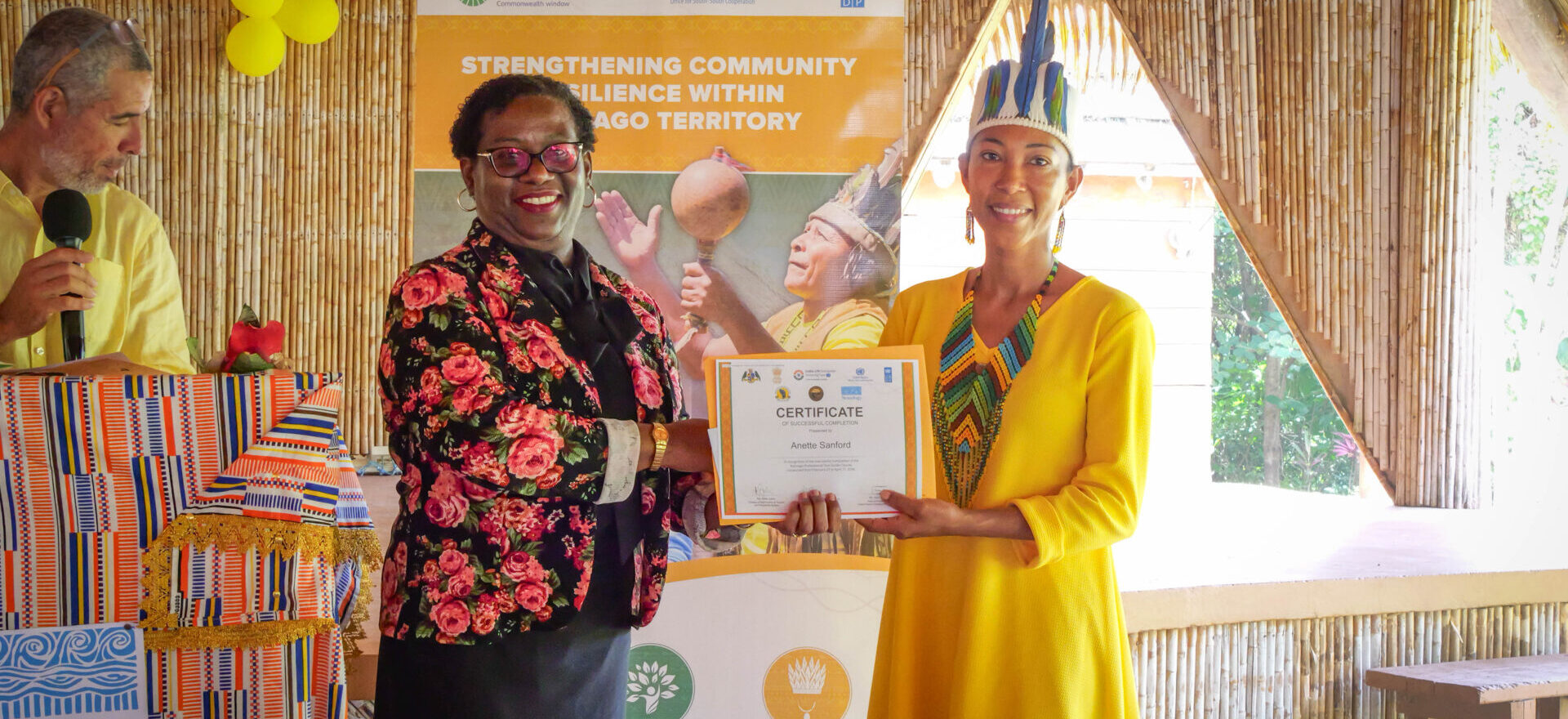
    The graduating cohort, made up of 10 women and six men, completed a rigorous, months-long training initiative before receiving their certification during a formal ceremony hosted at Barana Autê. The event drew a cross-section of attendees, including senior Dominican government officials, Kalinago community leadership, representatives from international development partners, local institutional stakeholders, and family members of the graduates, who gathered to honor the participants’ hard work and reaffirm shared commitments to sustainable, community-centered tourism development in the territory.

    Among the distinguished guests in attendance were Cozier Frederick, Dominica’s Minister for Environment, Rural Modernisation, Kalinago Upliftment and Constituency Empowerment; Annette Sanford, Chief of the Kalinago people; Duane Silverstein, Executive Director of conservation non-profit SeaCology; delegates from Dominica State College; members of the Kalinago Council; UNDP representatives; and other invited stakeholders.

    The training programme was organized through a collaborative partnership between the Kalinago Council, Dominica State College, and the Dominica Hotel and Tourism Association. Joint funding for the initiative was provided by the Strengthening Community Resilience in the Kalinago Territory (SCR-K) Project and SeaCology. The SCR-K Project itself is financed by the Government of India and implemented by the United Nations Development Programme (UNDP) in coordination with the Government of Dominica through the Ministry of Environment, Rural Modernisation, Kalinago Upliftment and Constituency Empowerment. The broader initiative works alongside the Kalinago Council and other local and national partners to build resilient local livelihoods through a range of focus areas: climate-smart agriculture, sustainable forest management, eco-indigenous tourism, and community capacity building.

    UNDP officials note that the tour guide training perfectly embodies the collaborative, community-centered approach at the core of the SCR-K Project. The Kalinago Council had already prioritized tour guide capacity building as a key step to grow tourism within the territory, and the initiative aligns directly with one of the SCR-K Project’s core objectives: expanding access to training for micro, small, and medium-sized enterprises (MSMEs) and tourism stakeholders in the eco-indigenous tourism sector. By aligning with the council’s existing priorities and partnering with local and organizational stakeholders, the project avoided redundant efforts and maximized long-term development impact for the community.

    Run from February 21 to April 4, 2026, the curriculum blended structured classroom instruction with hands-on fieldwork and practical exercises to equip participants with the full range of knowledge and skills needed to deliver authentic, high-quality visitor experiences. Instruction was led by faculty from Dominica State College, with additional technical support provided by the Dominica Hotel and Tourism Association. The curriculum covered a diverse set of core competencies: tourism industry fundamentals, Kalinago Territory history, cultural and heritage interpretation for Kalinago traditions, local flora and fauna identification, birdwatching and natural heritage interpretation, customer service, professional ethics, emergency first aid, and practical on-the-ground tour management techniques. To earn their certification, graduates were required to pass both comprehensive written examinations and hands-on practical assessments.

    Addressing the gathering of graduates and guests, Minister Cozier Frederick emphasized that the training represents far more than just learning tour leadership skills. “Guide training is far more than learning how to lead a tour. It is about becoming ambassadors of our people, our culture, and our environment. Through proper training, we preserve and share our history with accuracy and pride. We provide visitors with meaningful and memorable experiences that reflect the true identity of our community. We also develop the knowledge and skills to ensure the safety and well-being of those in our care. Guide training creates valuable employment opportunities and strengthens our tourism industry by promoting professionalism and excellence. Most importantly, it inspires us to protect our natural environment and cultural heritage so that future generations can continue to benefit from them,” Frederick said.

    Kalinago Chief Annette Sanford also commended the graduates for their dedication throughout the programme, and reminded them of their unique responsibility to share the authentic history and identity of the Kalinago people with the world. “As tour guides, you now hold a very special responsibility. You have the privilege of telling the Kalinago story the way it deserves to be told. For many years, textbooks and outside narratives have misrepresented who we are. We have often said that these stories need correcting. Well, we are part of that correction. Every visitor we guide gives you an opportunity to tell the truth. Tell them our story with confidence. Tell it with pride. Tell it with authenticity,” Sanford stated.

    Speaking on behalf of UNDP, Project Analyst Sawana Fabien noted that the graduation ceremony marks far more than the successful completion of a single training course. “Today is a celebration of commitment, perseverance, and your willingness to invest in yourselves, your families, and your community. When the Kalinago Council identified this training as one of its priorities, the SCR-K Project responded because we believe development should be driven by the aspirations of communities themselves – not by what a project thinks a community needs. That is the essence of partnership, and I believe the relationship between UNDP, the Government of Dominica, the Kalinago Council, and our implementing partners is one that should be celebrated. Our commitment does not end today. We remain committed to working alongside the Kalinago people, listening to your priorities, strengthening local capacity, and building partnerships that create opportunities for today and for future generations,” Fabien said. She added that the SCR-K Project centers its work on building community resilience by investing in people, local institutions, and collaborative partnerships, so communities have the skills, confidence, and access to opportunity needed to lead their own sustainable development trajectories.

    SeaCology Executive Director Duane Silverstein also reaffirmed his organization’s longstanding commitment to supporting conservation and community-led development initiatives that protect the Kalinago Territory’s one-of-a-kind natural and cultural heritage.

    Looking ahead, the newly certified guides are expected to play a transformative role in advancing the Kalinago Territory’s long-term vision for indigenous tourism, while opening new pathways for local employment, community entrepreneurship, and grassroots leadership. As Dominica prepares for a projected increase in international visitor arrivals, driven in part by the expansion of the country’s tourism infrastructure including the opening of a new international airport, the training programme ensures the Kalinago Territory is well-positioned to welcome guests with authentic, high-quality cultural and nature-based tourism experiences.

    Beyond equipping individual participants with marketable professional skills, the initiative is also expected to strengthen the Kalinago community’s ability to manage tourism growth sustainably, safeguard irreplaceable cultural heritage, and ensure that the full economic benefits of tourism development remain within the local territory. UNDP confirms that the SCR-K Project will continue its work alongside the Kalinago Council and its partner organizations to support additional initiatives that build resilient local livelihoods, empower indigenous communities, and preserve the Kalinago Territory’s distinctive cultural and environmental heritage for future generations.


  • Edline Harris unveiled as Roseau South candidate, promises community-centred leadership

    Edline Harris unveiled as Roseau South candidate, promises community-centred leadership

    Dominica’s United Progressive Party (UPP) has formally unveiled Edline Harris as its electoral candidate for the Roseau South constituency, framing her as a deeply connected local leader dedicated to advancing community interests ahead of the upcoming vote. At her official launch event, Harris accepted the party’s nomination, framing her candidacy as a natural extension of lifelong ties to the area and a deeply rooted ambition to lift the quality of life for all district residents.

    Calling the nomination one of the most transformative milestones of her life, Harris emphasized that she is not stepping into the race as just another political hopeful, but as a proud “daughter of the soil” who has shared in the daily joys and struggles of Roseau South residents. Opening her address, she framed her campaign as entirely people-focused, rejecting personal ambition in favor of amplifying the voices of ordinary constituents who have long been sidelined by political leadership.

    Harris argued that countless residents of the constituency have felt ignored and unrepresented for far too long, and pledged to be a visible, accessible public servant that remains engaged with community needs long after election day. “I will keep listening, learning, advocating, and working every single day to build a better Roseau South,” she told assembled supporters, outlining a broad, actionable policy agenda tailored to local economic and social needs.

    At the core of Harris’ vision is a constituency where young people can build meaningful careers and access high-quality education without relocating away from their home country. To support local economic vitality, she has proposed targeted policy frameworks to boost small business growth by attracting new investment and fostering local innovation. One of her flagship infrastructure proposals is the development of a commercial juicing factory in Roseau South, a project she says will create hundreds of local jobs, strengthen Dominica’s agricultural sector, and deliver broad economic benefits to both the constituency and the entire island nation.

    Harris also laid out plans to revitalize Roseau South’s bayside waterfront, proposing environmental upgrades and public space improvements that would position the area as a top tourist destination. The project would encourage longer visitor stays, driving more revenue for local restaurants, retailers, and cultural attractions while advancing sustainable, environmentally conscious economic growth.

    To address longstanding local transportation challenges, Harris has proposed constructing a new bypass road connecting the communities of Newtown and Loubière, a project designed to cut chronic congestion on routes entering and exiting Roseau, reducing commute times for workers, students and businesses. For the island’s floriculture sector, she proposed positioning the communities of Eggleston and Giraudel as Dominica’s official “flower basket”, and upgrading the existing Flower Show Site into a year-round tourist attraction that generates consistent income for local farmers, vendors, and transportation providers.

    Upgrading core community infrastructure is another central policy priority for Harris. She emphasized that every neighborhood deserves access to properly paved, well-maintained roads to improve public safety, reduce vehicle costs, and expand access to essential services including schools, healthcare facilities, and local businesses. Beyond infrastructure, Harris has pledged to advance greater governmental transparency and accountability, promising a constituency where leaders collaborate with residents rather than speak at them, and transparency replaces bureaucratic secrecy.
    “Restoring hope to the community will be the foundation of my leadership,” Harris said, framing hope as the core driver of stronger families, empowered young people, and meaningful national progress. She called on Roseau South residents to join her in building a grassroots movement rooted in compassion, integrity, and the core belief that every resident deserves to be seen and heard. She urged voters to reject political division, embrace mutual respect and open dialogue, and prioritize national and community interests over partisan gain.

    In closing, Harris encouraged all eligible residents to confirm their voter registration and participate in the upcoming election, describing voting as a fundamental democratic duty. In her full keynote address, she expanded on her people-first approach, noting that her campaign centers the needs of struggling single mothers, unemployed young graduates, dignity-seeking senior citizens, and persevering small business owners – all groups that have felt unheard by past leadership. “Leadership is not measured by titles, it is measured by the lives you improve and the trust you earn through consistent service,” she said, promising to remain present in communities year-round, rather than only appearing during campaign season.
    “We have a shared opportunity to write a new chapter for Roseau South, one built on hard work, honesty, unity, and hope instead of empty promises,” she added, ending her address with a blessing for the constituency and the Commonwealth of Dominica.

  • Africa-Caribbean initiative puts soil at the centre of climate and food security discussions

    Africa-Caribbean initiative puts soil at the centre of climate and food security discussions

    Against a backdrop of rising climate vulnerability and growing global food insecurity, a groundbreaking cross-continental knowledge-sharing initiative centered on climate-resilient agriculture has officially launched, connecting a diverse community of experts, policymakers, researchers, and smallholder farmers to reframe soil as a cornerstone of climate adaptation, sustainable development, and food system stability.

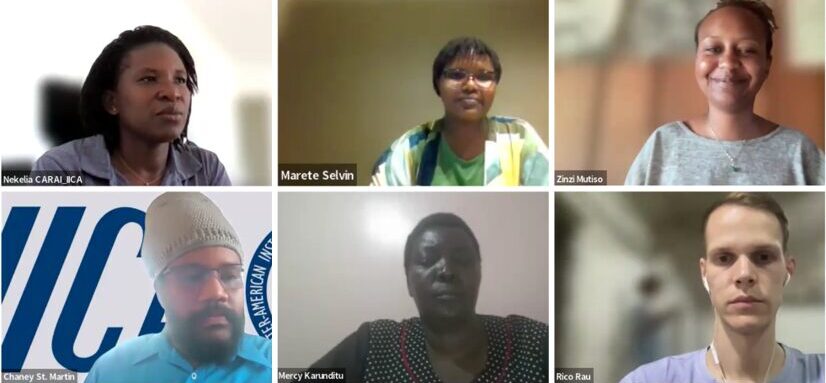
    Organized by the Caribbean Climate Responsive Agriculture Forum (CCRAF) in partnership with the Inter-American Institute for Cooperation on Agriculture (IICA) and environmental advocacy group The Allure of Soil, the new Africa-Caribbean Connect Knowledge Exchange Initiative opened with its first public webinar on June 2, 2026. Titled “Why Soil Changes Everything: Reframing Soil as the Foundation of Climate, Food and Water Systems and Development,” the online event drew more than 350 live attendees spanning the Caribbean, Africa, and other global regions.

    Unlike traditional climate discourse that often overlooks below-ground ecosystems, the webinar positioned healthy soil as far more than inert growing medium, framing it as a dynamic, living foundation that underpins climate regulation, global biodiversity, freshwater security, agricultural output, and rural livelihoods across the world. Discussions were led by a cross-regional cohort of specialists spanning soil science, agroforestry, climate policy, and sustainable land management, bringing together on-the-ground experience and academic expertise from two regions disproportionately impacted by climate change but rich in indigenous and practical agricultural knowledge.

    In her opening remarks, Nekelia Gregoire Carai, IICA’s Technical Specialist in Soil and Water Management and CCRAF Coordinator, emphasized that the new initiative marks a critical milestone in strengthening collaborative ties between the two regions. “The launch of the CCRAF Africa-Caribbean Connect Initiative represents an important milestone in building stronger bridges between Africa and the Caribbean. Both regions are rich in agricultural knowledge, innovation, and resilience. Through collaboration and practical knowledge exchange, we can strengthen food systems, empower communities, and accelerate climate action across both regions,” she said.

    Established in 2015, CCRAF has operated for over a decade as a leading regional platform for knowledge sharing and climate action across the Caribbean. Coordinated through IICA, the forum already supports a wide portfolio of activities designed to advance climate-resilient agriculture, including regional training programs, youth engagement projects, knowledge-to-action networks, and international partnerships. The Africa-Caribbean Connect Series marks the forum’s first formal, sustained cross-continental collaboration focused on soil health.

    Marete Selvin, founder of The Allure of Soil, noted that the dialogue filled a longstanding gap in global climate and development planning. “Soil is often invisible in many climate and development conversations, yet it sustains every major system we depend on. This session challenged participants to rethink soil not as dirt, but as living infrastructure essential to climate resilience, food security, water systems, biodiversity, and economic development. The Africa-Caribbean dialogue demonstrated the incredible opportunity we have when communities and regions learn from one another,” she explained.

    Chaney St Martin, IICA’s International Specialist in Water and Soil Management, unpacked the scientific case for prioritizing soil health during his presentation, outlining how healthy soil functions as a self-sustaining ecosystem that sequesters carbon, regulates hydrological cycles, supports beneficial microbial life, and boosts agricultural resilience to extreme climate events. He illustrated that degraded soils undermine the effectiveness of common agricultural investments, from irrigation infrastructure to synthetic fertilizers, drastically limiting the impact of climate adaptation efforts. “Soil is not simply a growing medium; it is living infrastructure that underpins climate stability, water systems, food production, and ultimately human survival,” St Martin emphasized.

    Attendees also received on-the-ground insights from East Africa, where regenerative soil practices have already delivered transformative results for smallholder communities. Mercy Karunditu, Director of External Relations and Advocacy at Trees for the Future, shared case studies of the organization’s Forest Garden Approach, an integrated model that combines tree planting, intercropping, composting, and regenerative farming techniques to reverse land degradation while boosting crop yields and household income. She highlighted a successful project in Tanzania, where coordinated soil restoration turned extensive degraded farmland back into a productive, biodiverse ecosystem. “Healthy soils are not just environmental assets, they are economic assets that improve livelihoods, stabilize communities, and strengthen long-term food security,” Karunditu noted.

    From a global policy perspective, Rico Rau, Policy and Research Consultant for the international Save Soil movement, outlined the systemic changes required to scale regenerative agriculture worldwide. Rau explained that widespread soil restoration offers a cost-effective, scalable solution to overlapping global crises, from food insecurity and biodiversity collapse to freshwater scarcity, while also generating long-term economic opportunity for rural farming communities. He stressed that a coordinated multi-sector effort is required to drive the transition, with critical roles for national governments, local communities, financial institutions, and educational systems. “Restoring soil is not only an environmental necessity, it is one of the most practical and scalable solutions available for climate adaptation and strengthening global food systems,” Rau said.

    Post-webinar audience polls found that attendees overwhelmingly identified food systems and freshwater systems as the two areas facing the greatest risk from ongoing soil degradation. Participants across the Caribbean, Africa, and other regions contributed actively to the event via live chat and question-and-answer sessions, praising the webinar for combining rigorous scientific insight, indigenous knowledge, narrative storytelling, and actionable, on-the-ground solutions to address shared climate challenges. Organizers noted that the high level of engagement reflects growing global momentum around soil restoration and regenerative agriculture as core components of effective climate action. The initiative is set to host additional events and collaborative projects in the coming year to continue building cross-regional capacity and advancing shared goals for climate-resilient development.

  • Exclusive report: New study raises fresh questions about security vetting in Caribbean Citizenship by Investment programmes

    Exclusive report: New study raises fresh questions about security vetting in Caribbean Citizenship by Investment programmes

    For years, Eastern Caribbean governments have operated Citizenship by Investment (CBI) programs, which grant citizenship to foreign applicants in exchange for substantial financial investment. As international scrutiny of these schemes has grown over the past decade, regional authorities have repeatedly defended their protocols, emphasizing that rigorous background checks and globally recognized due diligence frameworks effectively block high-risk and criminal applicants from securing citizenship. But a new peer-reviewed academic study published in the *Global Crime* journal, titled *Passports, Transactions and Trust: Middle Eastern Financial Executives on Money Laundering Risks in Caribbean Citizenship by Investment Schemes*, calls these official assurances into question, based on firsthand testimony from senior international banking leaders.