标签: Dominica

多米尼克

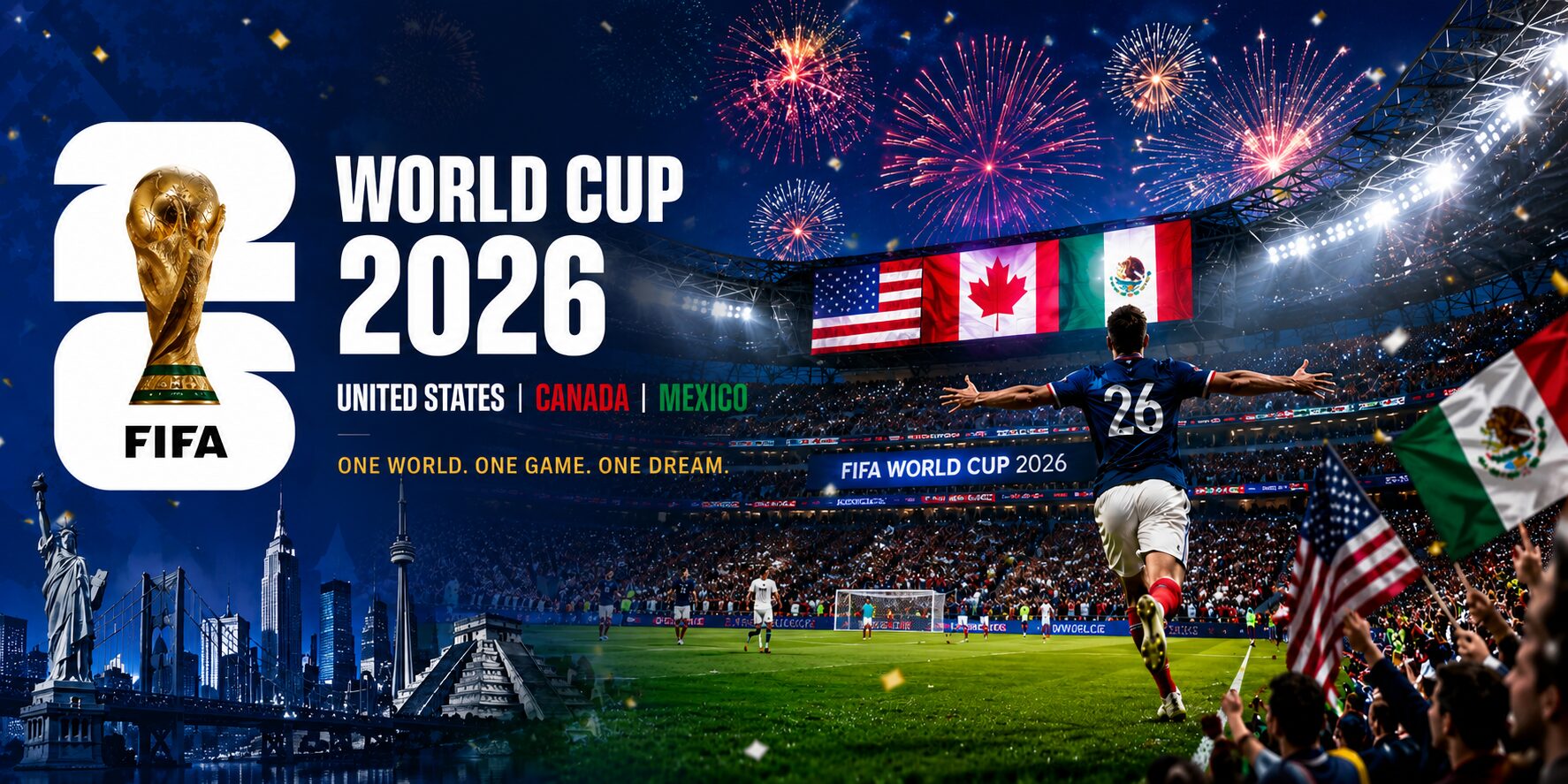
  • USA’s Balogun clear to play World Cup match tonight as FIFA rejects Belgium’s appeal

    USA’s Balogun clear to play World Cup match tonight as FIFA rejects Belgium’s appeal

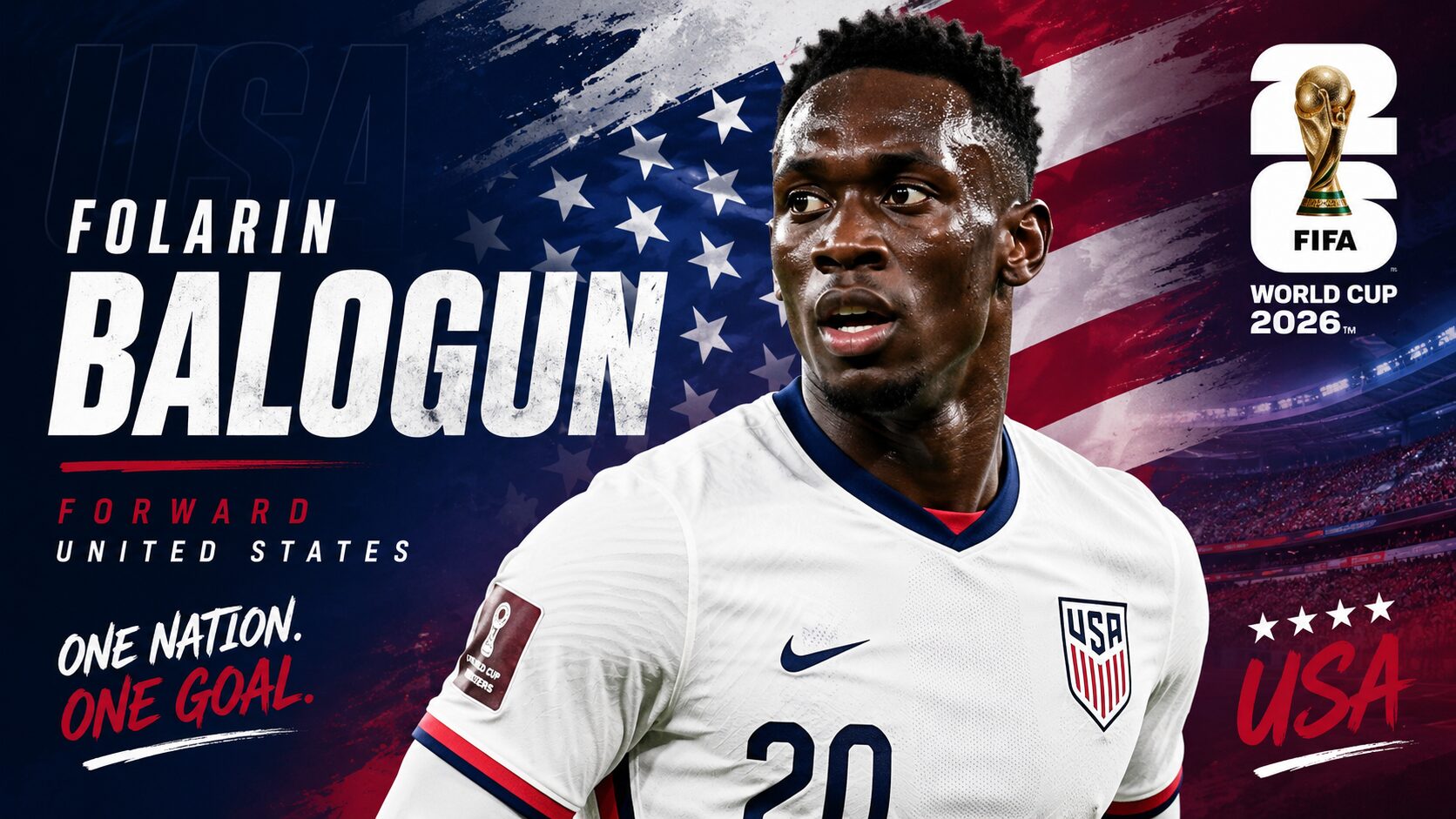
    Ahead of the highly anticipated 2026 FIFA World Cup round-of-16 matchup between the United States and Belgium, global soccer’s governing body has dealt a final blow to the Belgian Football Association’s last-ditch effort to block US forward Folarin Balogun from featuring in the match. FIFA has officially ruled the Belgian federation’s challenge over the player’s suspended one-match red card ban as inadmissible, clearing the way for Balogun to take the pitch.

    The controversy stems from an incident in the US Men’s National Team’s final group-stage fixture against Bosnia and Herzegovina on July 1, where Balogun was sent off with a straight red card. By rule, a straight red card typically carries an automatic one-match suspension that would force the player to miss the US’ knockout round opener. However, FIFA’s Disciplinary Committee made the decision to suspend the ban for a one-year period, a move that immediately drew pushback from Belgium ahead of their Monday clash.

    The Royal Belgian Football Association (RBFA) submitted an official appeal to challenge the ruling, claiming it had not received a clear explanation for why the suspension was paused and argued it had no alternative but to question Balogun’s eligibility. On matchday Monday, FIFA released its final ruling on the appeal, confirming that the Belgian federation lacks the legal standing to challenge the Disciplinary Committee’s decision.

    In its official statement, FIFA noted: “The FIFA Appeal Committee has rendered a request submitted by the Royal Belgian Football Association (RBFA) as inadmissible in relation to the FIFA Disciplinary Committee’s decision to suspend for one year the match suspension imposed on United States national team player Folarin Balogun after his dismissal for a direct red card during the FIFA World Cup 2026 match between the United States and Bosnia and Herzegovina.”

    To address any potential concerns over conflicts of interest, FIFA also clarified that Neil Eggleston, the chair of the FIFA Appeal Committee who holds US citizenship, recused himself entirely from the deliberations and did not take part in the final decision. The governing body reiterated that the core basis for rejecting the appeal is procedural: the RBFA was not a participating party in the original disciplinary proceedings against Balogun, and therefore has no legal right to appeal the outcome.

    The high-profile dispute even spilled over into political circles ahead of the ruling. FIFA President Gianni Infantino confirmed on Monday that he had held a discussion about the Balogun case with US President Donald Trump, during which Infantino made clear that all decisions regarding the striker’s eligibility would be reached independently by FIFA’s judicial bodies, free from external influence.

    With the appeal officially dismissed, the path is now fully clear for Balogun to lead the US attacking line in the decisive round-of-16 showdown. FIFA’s ruling reaffirms a core principle of its disciplinary process: only direct parties to original disciplinary proceedings are eligible to challenge committee decisions, blocking third-party teams from altering eligibility rules ahead of knockout-stage matches.

  • Pierre says CARICOM must deliver tangible benefits for Caribbean people

    Pierre says CARICOM must deliver tangible benefits for Caribbean people

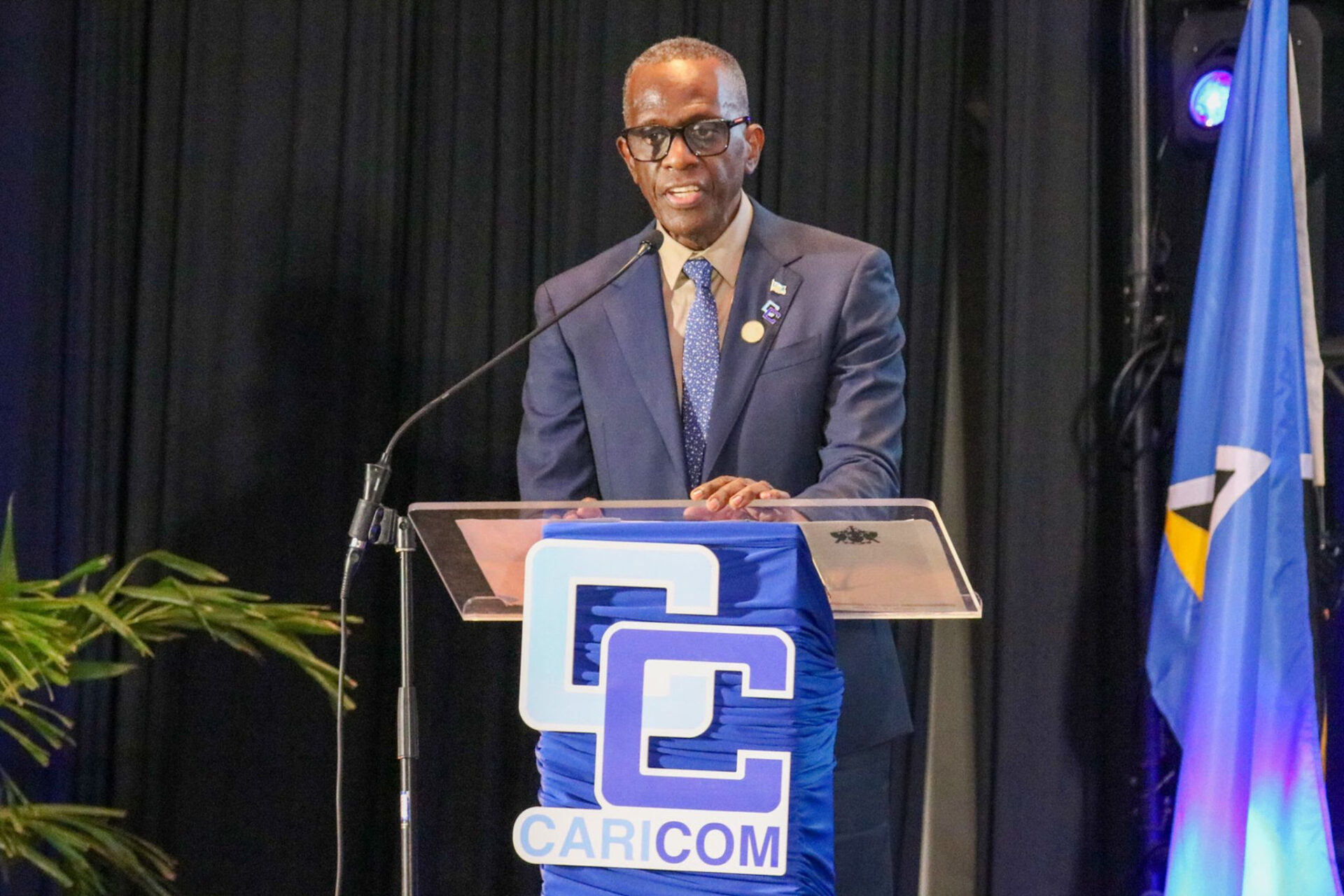
    On July 1, Saint Lucian Prime Minister Philip J. Pierre officially took over the rotating chairmanship of the Caribbean Community (CARICOM), and just days later, he laid out a bold, people-centered vision for his tenure at the opening of the bloc’s 51st Regular Conference of Heads of Government, held at Sandals Grande Saint Lucian on July 5. In his opening address, Pierre emphasized that the regional integration project that has long defined CARICOM must now deliver tangible, visible improvements to the daily lives of ordinary Caribbean citizens, responding to a widespread, sincere question he says is on the lips of people across the region: “What more can CARICOM do for me?”

    Pierre stressed that this question is not an attack on the 50-plus-year-old regional bloc, but rather a genuine call for action to address the most pressing challenges facing Caribbean communities today. These pressing issues include soaring global food and energy costs that have strained household budgets, increasingly intense and frequent hurricane seasons amplified by climate change, erratic rainfall patterns that disrupt agricultural production, lasting climate impacts on small-scale farming and fishing communities, and growing public anxiety over rising violent crime.

    Against this backdrop, the new chairman argued that CARICOM must shift its focus from abstract policy debate in conference rooms to on-the-ground implementation that directly improves community well-being. In a memorable framing of his approach, Pierre said: “It must move from conference rooms to communities; from rhetoric to reality; from communiqués to results.” He outlined a vision for a CARICOM that prioritizes people over procedure and results over rhetoric, noting that his chairmanship will be accountable not just to member state governments, but to the ordinary citizens that CARICOM was founded to serve.

    For Pierre, policy agreement is no longer sufficient—every major decision made by the bloc must be measured by the concrete difference it makes in daily life, and all commitments must be followed through. “It is not enough for our decisions to be recorded. They must be acted upon, measured, and followed through. My mantra is simple: Integration that our people cannot feel will not last,” he told assembled leaders.

    Strengthening regional unity sits at the top of Pierre’s priority list during his tenure, as he argued that collective action gives the Caribbean far more global clout than individual small island states can wield alone. He also committed to building a more inclusive CARICOM, ensuring that every member state, no matter its size, has an equal voice in the bloc’s work. “Every voice counts. Every nation matters. Every citizen must be able to see themselves reflected in the work of CARICOM,” he said.

    Beyond unity and inclusion, Pierre laid out a broad policy agenda for his term that touches on nearly every facet of Caribbean life. Key priorities include boosting citizen security by addressing crime and violence, advancing global climate justice for small island developing states that bear the brunt of climate change despite contributing the least to emissions, driving post-pandemic and post-energy crisis economic renewal, strengthening regional food and nutrition security to reduce dependence on imports, and expanding representation for young people, women, and vulnerable groups in regional development processes.

    A core institutional priority for Pierre will be deepening implementation of the CARICOM Single Market and Economy (CSME), a longstanding integration goal that has been held back by persistent cross-border barriers. His plan to advance CSME includes upgrading regional transportation infrastructure, expanding support for smallholder agriculture and artisanal fisheries, and helping member states capitalize on emerging technologies such as artificial intelligence to drive inclusive growth.

    Youth engagement will also be a central pillar of Pierre’s chairmanship, as he warned that the long-term survival of the regional project depends on winning the buy-in of younger generations. Young people across the region are asking whether CARICOM can deliver a better future for them, Pierre said, and the bloc must answer that question with tangible action rather than empty slogans.

    Finally, Pierre called for increased investment in and public awareness of CARICOM’s existing institutions, which he described as critical pillars of regional development and resilience. These institutions already deliver essential public goods across the region, from public health coordination and cross-border disaster response to educational collaboration, security information sharing, and economic development support, but greater public understanding of their impact is needed, he argued.

  • Trump says he asked FIFA to review US football star’s suspension; European football slams FIFA’s decision

    Trump says he asked FIFA to review US football star’s suspension; European football slams FIFA’s decision

    A last-minute reversal of a red card suspension for U.S. men’s national team star striker Folarin Balogun ahead of the 2026 FIFA World Cup round of 16 clash against Belgium has thrown the tournament into controversy, after former President Donald Trump revealed he personally pushed FIFA to review the initial ban.

    Speaking at an event in the Oval Office on Monday, Trump confirmed that he had requested a formal review of the red card ruling from FIFA, after discussions with FIFA President Gianni Infantino, whom Trump called a highly respected figure. The former president emphasized that he did not directly influence the final outcome of the review, saying “I had nothing to do with the decision” after asking for the case to be re-examined.

    Balogun, the United States’ top goalscorer at this World Cup with three tournament goals, received an automatic one-match suspension after he was shown a straight red card for a challenge on Bosnia and Herzegovina defender Tarik Muharemovic during the U.S. team’s 2-0 win in the final group stage match. Under standard tournament rules, an automatic suspension for a straight red would have forced Balogun to miss the knockout round matchup with Belgium.

    But in an unexpected move announced Sunday, FIFA opted to suspend Balogun’s one-match ban for a 12-month period, invoking a little-used regulation that allows for discretionary suspension of certain disciplinary penalties. The ruling immediately cleared the star striker to feature in Monday night’s do-or-die tie against Belgium, which will decide which team advances to the tournament’s quarterfinals.

    Trump publicly backed the reversal, arguing that the original red card was unwarranted. He described the on-field incident as an accidental collision between two competing athletes, saying “it was two great athletes that crashed into each other and got entangled” rather than the violent conduct that warrants a red card. He added that he opposed sidelining one of the American team’s most impactful players over what he viewed as a harsh officiating call. Shortly after FIFA announced its decision, Trump posted on his social platform Truth Social praising the governing body for “doing what was right and reversing a great injustice.”

    The decision has drawn fierce backlash from governing bodies across European soccer. UEFA, the continental governing body for European soccer, issued a scathing statement condemning the reversal as “unprecedented, incomprehensible and unjustifiable.” The organization argued that FIFA violated its own rules by granting a discretionary exception to the mandatory automatic suspension that follows a straight red card during the tournament, saying the governing body had “crossed a red line” with the ruling.

    UEFA also warned that the decision puts the integrity of global soccer competitions at risk, as it creates a harmful precedent that could force future disciplinary cases to grant similar exceptions for other high-profile players. The Belgian Football Association has also joined the criticism, saying it was shocked by FIFA’s ruling and confirming that it is currently “investigating all potential options” to challenge the outcome. Despite the ongoing controversy, the round-of-16 match between the United States and Belgium is still set to proceed as scheduled on Monday night, with a spot in the World Cup quarterfinals on the line.

  • FAO training equips Dominican farmers with modern irrigation and crop management skills

    FAO training equips Dominican farmers with modern irrigation and crop management skills

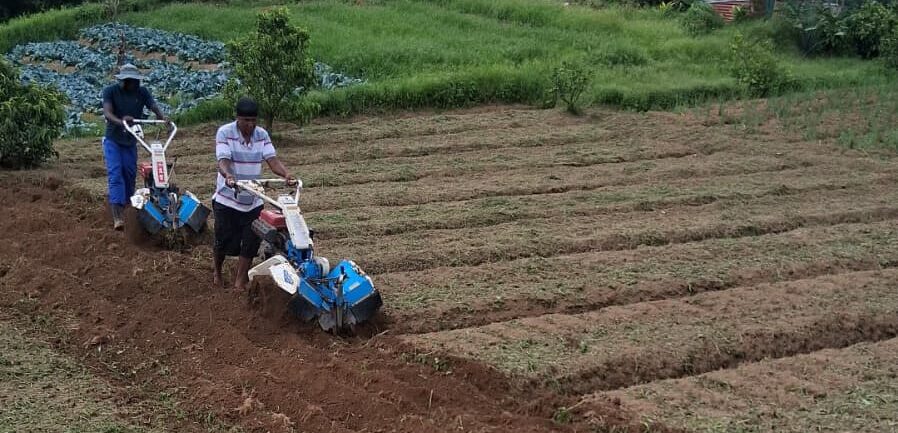
    In a targeted push to strengthen Dominica’s agricultural sector and boost long-term farmer livelihoods, more than 50 local producers and agricultural stakeholders have completed hands-on training focused on advancing vegetable output through cutting-edge irrigation, fertigation, and nutrient stewardship practices. Organized jointly by the Food and Agriculture Organization of the United Nations (FAO) and Dominica’s Ministry of Agriculture, Fisheries, Blue and Green Economy, the June 2, 2026, practical workshop was hosted at the One Mile Agricultural Station in Portsmouth, drawing 56 participants that included 29 women and 27 men. Attendees represented a cross-section of the island’s agricultural ecosystem, from smallholder farmers and government extension officers to representatives of sector-supporting organizations.

    This training forms a core component of FAO’s ongoing regional initiative, “Improving livelihoods through diversified high-value vegetable crop production in selected agroclimatic zones,” a program designed to help small-scale and commercial producers across Dominica adopt climate-smart, modern production technologies. A key deliverable of the project is the development of 16 demonstration sites across the island’s diverse agroclimatic regions, each showcasing advanced production models ranging from open-field sustainable farming to upgraded greenhouse structures, anti-pest net houses, and improved water and nutrient delivery systems. These demonstration hubs are designed to act as accessible, practical learning centers for local producers and extension staff, with the long-term goals of driving higher crop productivity, cutting resource waste, and lifting household incomes for farming communities.

    Led by two seasoned FAO technical specialists – Horticulture Specialist Marcko Theodoracopoulos and Plant Production and Protection Specialist Anne Desrochers, who also served as the project’s Lead Technical Officer – the workshop centered on immediately actionable skills that participants could apply on their own farms right after the training. Attendees gained hands-on experience installing and maintaining drip irrigation infrastructure, formulating and applying soluble fertilizers accurately, and building custom fertigation schedules aligned with specific crop growth stages and unique on-site field conditions.

    A core focus of the training was the correct operation and calibration of Venturi fertilizer injectors, low-cost, low-maintenance devices that leverage water pressure to evenly distribute fertilizer solutions through existing irrigation lines. Through a combination of technical lectures, live on-site demonstrations, and guided group practice, participants also worked through solutions for common on-farm challenges, including clogged irrigation lines, uneven water distribution, improper fertilizer mixing, and adapting nutrient and water schedules to shifting crop needs and weather conditions.

    Desrochers emphasized that the project’s impact extends far beyond just providing new equipment and infrastructure. “The project is not only providing irrigation, fertigation and protected-cultivation technologies. It is also ensuring that farmers and national technicians have the practical knowledge required to operate these systems effectively and make sound decisions based on crop stage, soil and field conditions,” she explained. “This combination of appropriate technology and strengthened technical capacity is essential for improving productivity, using water and fertilizers more efficiently, and building more resilient vegetable-production systems in Dominica.”

    Local agricultural stakeholders echoed Desrochers’ positive assessment of the training. Joanne Williams, Extension Officer for Dominica’s West Agricultural Region, noted that the new skills she gained will directly benefit the farmers and school agricultural programs she supports across the region. “This training provided me with valuable new knowledge that I can apply in the field and share with the schools and farmers I support, particularly to help them reduce production costs while improving profitability,” she said.

    Jeffrey Bruney, a farmer and agri-entrepreneur who operates Kubuli Farms, added that access to this hands-on technical training fills a critical gap for local producers. “This training was essential because it introduced farmers to new fertilizers and production systems, helping us to use these technologies effectively, apply the knowledge at our own farms and share it with other farmers,” he said.

    The one-day workshop was part of a broader five-day FAO technical mission to Dominica, conducted from June 1 to 5, 2026. Immediately following the training, FAO specialists and local government counterparts traveled to project beneficiary demonstration sites across the island to assess pre-installation preparations for new irrigation and fertigation infrastructure. During the site visits, the joint team evaluated key site characteristics including land preparation progress, water access, drainage capacity, field layout, and planned infrastructure placement. The assessments also mapped any remaining site preparation work and outstanding material requirements, allowing the team to finalize timelines for infrastructure installation.

    Looking ahead, FAO reaffirmed its long-term commitment to collaborating with Dominica’s Ministry of Agriculture to strengthen the island’s vegetable sector. The organization says it will continue to support the development of a sustainable, climate-resilient, market-focused agricultural industry through ongoing technical training, access to context-appropriate technologies, and sustained partnership with local farming communities.

  • Dominica Council on Ageing to host forum on seniors’ legal rights and protection

    Dominica Council on Ageing to host forum on seniors’ legal rights and protection

    Aging populations across the Caribbean face growing challenges around protection of personal rights, access to essential services, and prevention of abuse — and the Dominica Council on Ageing (DCA) is stepping forward to address these gaps with a upcoming public forum focused on empowering older residents and their support networks.

    Scheduled to take place on Saturday, July 11, 2026, at 10:00 a.m. in the conference room of the Dominica Public Service Union, the open forum is targeted at a broad audience: current senior citizens, individuals approaching retirement, professional caregivers, and family members of older adults. Unlike closed, invitation-only policy events, this gathering is open to all interested members of the public, with no admission fee charged to remove barriers to access.

    In an official press release announcing the initiative, the DCA laid out two core objectives for the panel discussion. First, the event aims to deliver clear, accessible education on a range of critical issues that impact the daily lives of older Dominicans. These topics span foundational needs including healthcare access, long-term financial security, safe and affordable housing, and the fundamental right of seniors to make their own personal decisions about their care and lives.

    Second, the forum is designed to spark constructive dialogue and collective action to improve existing governance for older residents. Organizers noted that the discussion will push for reviews and updates to current legal frameworks that protect older persons, with a specific focus on closing gaps that leave seniors vulnerable to financial exploitation, physical abuse, and neglect. The ultimate goal of these reforms is to guarantee that older adults’ personal wishes and civil rights are fully respected across all areas of life.

    To ensure the discussion is informed by diverse, expert perspectives, the DCA has assembled a cross-disciplinary panel of professionals to lead the conversation. Participating experts include two practicing attorneys, Singoalla Blomqvist-Williams and John Elue Charles, who will bring legal insight into existing rights and safeguards; psychiatrist Dr. Nadia Wallace, who will address mental health and autonomy issues; representatives from two major local financial institutions, the National Bank of Dominica (NBD) and the National Co-operative Credit Union (NCCU), who will cover financial protection topics; Mary-Therese Junkere, representing the Pharmaceutical Society of Dominica (PHARCS); and Ainsworth Irish, a representative of the DCA itself.

    Organizers emphasize that the forum will deliver more than just information: it will also serve as a launching pad for sustained advocacy. By equipping seniors, their families, and community leaders with knowledge of existing rights, the DCA hopes to build a broader movement for stronger protections that uphold three core values for older Dominicans: dignity, personal safety, and independent living in later life. The council has urged all relevant community groups, including senior organizations and caregiver networks, to attend and contribute to the discussion.

  • CDPF investigates apparent suicide in Lagoon, Portsmouth

    CDPF investigates apparent suicide in Lagoon, Portsmouth

    Authorities from the Commonwealth of Dominica Police Force (CDPF) have launched an active investigation into the sudden death of a 35-year-old man, whose body was found at a residential property in the Lagoon neighborhood of Portsmouth in what appears to be a suicide.

    According to official police reports, emergency dispatch received the initial report of the suspected death at roughly 7:54 a.m. local time on Sunday, July 5, 2026. Patrol officers assigned to the Portsmouth Police District were immediately dispatched to the residential location to respond to the call.

    When first responders arrived at the scene, they located the deceased individual identified as Maradona Melvon Bruno, a native of Savanne Paille who had been living at the Lagoon address where his body was discovered. A team of specialized law enforcement personnel, including investigators from the CDPF’s Scenes of Crime Unit, soon joined the response to conduct a thorough preliminary forensic examination of the site to gather evidence.

    Following the initial assessment, a licensed medical doctor attended the scene and officially pronounced Bruno dead at the location. His remains were transferred to a local funeral home shortly after the on-site investigation concluded, where they will be held until a post-mortem autopsy can be performed to confirm the official cause and manner of death.

    As of the latest update, law enforcement has not closed the case, and investigative efforts to fully map out the circumstances leading to Bruno’s death remain ongoing. In a public statement released following the discovery, the CDPF offered its heartfelt sympathies to Bruno’s family, extended family members, and close friends as they navigate this period of loss.

  • Nature Island Innovators Robotics Camp to equip Dominican youth with technology and leadership skills

    Nature Island Innovators Robotics Camp to equip Dominican youth with technology and leadership skills

    Young Dominicans from all corners of the island are about to get a transformative opportunity to dive into the fast-growing fields of robotics, coding, and creative innovation next week, as the Nature Island Innovators Robotics Camp prepares to kick off at Portsmouth Secondary School. The 6-day event, scheduled to run from July 13 to 18, 2026, is the latest initiative from The Duke of Edinburgh’s International Award – Dominica, organized to arm the next generation with the core competencies they need to thrive in a rapidly digitizing global economy.

    In an official press release announcing the camp, organizers outlined that the program will be delivered in partnership with Innovate My World, a group focused on expanding tech access for young people. Unlike traditional classroom learning, the camp will center entirely on immersive, hands-on engagement that gets participants actively building and problem-solving from day one. Attendees will tackle structured robotics engineering challenges, work through interactive coding workshops designed for a range of skill levels, collaborate on group projects that test communication, and participate in targeted activities to boost critical soft skills ranging from adaptability to creative thinking.

    Program designers emphasized that the camp serves a dual purpose: beyond building foundational technical knowledge in emerging tech fields, it is explicitly crafted to nurture leadership capacity and other transferable life skills that benefit young people across all career paths.

    The event will wrap up on July 18 with a public closing ceremony, where camp participants will showcase the full projects they developed throughout the week to attendees, organizers, and community partners. Every participant will walk away with an official certificate of completion to mark their achievement, while standout contributors will earn special recognition through category-specific awards highlighting innovation, teamwork, and technical skill.

    Organizers reiterated that the robotics camp aligns with The Duke of Edinburgh’s International Award – Dominica’s long-standing mission to expand accessible development opportunities for young people across the island and drive inclusive youth growth. The initiative would not have been possible without the collective support of a wide network of local stakeholders, including leading financial institutions the National Development Foundation of Dominica (NDFD), National Cooperative Credit Union (NCCU), National Bank of Dominica (NBD), and Republic Bank, along with local private enterprises J. Astaphans & Company and Fine Foods Inc. Additional backing comes from the regional Caribbean Digital Transformation Project and the national Ministry of Culture, Youth, Sports and Community Development, reflecting cross-sector commitment to investing in Dominica’s youth.

  • OP-ED – 4 July – CARICOM Day as a Caribbean national holiday? President of the Caribbean Court of Justice poses question to the region

    OP-ED – 4 July – CARICOM Day as a Caribbean national holiday? President of the Caribbean Court of Justice poses question to the region

    Five decades after the founding of the Caribbean Community (CARICOM), the call for a unified regional public holiday to commemorate the integration project is once again on the table for Caribbean policymakers to consider in July 2026.

    The story of CARICOM begins on July 4, 1973, when four transformative regional leaders — Errol Barrow of Barbados, Forbes Burnham of Guyana, Michael Manley of Jamaica, and Eric Williams of Trinidad and Tobago — gathered in Chaguaramas to sign the foundational Treaty of Chaguaramas. They launched what remains the most ambitious cross-border integration initiative ever undertaken by small developing states globally. Vere Bird of Antigua and Barbuda, a key early signatory to the precursor Dickenson Bay Agreement, also stands as a towering figure in the history of Caribbean regional cooperation. That 1973 date is far more than a footnote in history books: it marks the official birth of CARICOM, and the moment Caribbean nations first formalized their collective identity as “one out of many.”

    Public holidays around the world are never just exercises in historical remembrance. They serve critical contemporary and future-focused functions, giving communities a structured opportunity to reaffirm shared values, preserve collective memory, and nurture intergenerational bonds of belonging and continuity. National observances from Independence Day to Emancipation Day fulfill this role by reminding citizens not just of what happened on a historic date, but why it mattered and what it means for collective identity today. Yet despite decades of integration progress, CARICOM remains in an unusual position: it has built most of the infrastructure of a unified economic space, with shared institutions, a common legal heritage, coordinated educational systems, and an increasingly interconnected single market, but it lacks a single, collective day for all Caribbean citizens to pause and reflect on the regional project that made these achievements possible. Establishing an official CARICOM Day would fill this long-standing gap.

    Sustainable communities are shaped not just by geographic borders and bureaucratic institutions, but by shared symbols, traditions and collective rituals. These moments give ordinary citizens the chance to see themselves as part of a shared, ongoing enterprise. A yearly CARICOM Day would create exactly that kind of unifying moment. Instead of drawing a boundary on a map, it would carve out a shared space in time: one day each year for all Caribbean people to reflect on the regional integration journey and the shared aspirations that still drive it forward. Coincidentally, this date already carries global significance: on July 4 this year, the United States celebrates the 250th anniversary of its Declaration of Independence, a milestone that sees Americans gather yearly to mark their national origin. That same date offers the Caribbean a perfect, already recognizable opportunity to mark the birth and ongoing evolution of its own regional community.

    Regional integration has always been a multi-generational project. The founding leaders who gathered in Chaguaramas in 1973 understood that building a unified Caribbean would take decades, not years, so the responsibility to advance their vision has passed sequentially from one generation of leaders to the next. The foundational work of the region’s founding fathers was carried forward by a second generation of leaders including P.J. Patterson, Basdeo Panday, Owen Arthur, and Bharrat Jagdeo, who deepened economic integration and strengthened core regional institutions. In more recent years, contemporary leaders such as Kenny Anthony, Patrick Manning, Ralph Gonsalves, and Mia Mottley have continued to champion cross-border cooperation, adapting the integration movement to meet 21st-century challenges and realities. CARICOM, in short, is not the achievement of any single generation — it is a shared inheritance passed down across decades of progress.

    A yearly regional holiday would give Caribbean people a regular opportunity to reflect on how far the integration movement has come, and how much work remains to reach the project’s full vision. CARICOM has persisted and matured through changing national administrations, global economic turbulence, devastating natural disasters, and shifting global power dynamics. It has endured because its core idea remains as compelling today as it was in 1973: that Caribbean people, despite their diverse ancestral and national backgrounds, can deliver greater welfare, security, and shared prosperity by working together than they can ever achieve alone.

    Twenty years ago, the entry into force of the Revised Treaty of Chaguaramas and the launch of the CARICOM Single Market and Economy (CSME) marked a major milestone in the realization of that founding vision. Today, Caribbean nationals enjoy opportunities that would have been unthinkable to the founding generation. Citizens can travel freely across member state borders, launch businesses, provide professional services, pursue employment opportunities, and invest outside their home countries. The push for full free movement of all CARICOM nationals continues to advance, and every step forward reinforces a simple, powerful truth: a Jamaican, Dominican, Vincentian, Kittitian, Barbadian, Trinbagonian, Guyanese, or Belizean is not just a citizen of their individual nation — they are also a citizen of the broader Caribbean Community. The CARICOM passport stands as a tangible, widely recognized symbol of this shared identity.

    CARICOM’s shared regional institutions have also become one of the Caribbean’s greatest collective strengths. The University of the West Indies (UWI) has educated generations of Caribbean leaders, scholars, professionals, and public servants. The Caribbean Examinations Council (CXC) administers qualifications recognized across the region and around the world. The Caribbean Development Bank (CDB) has funded critical development projects across all member states. The Caribbean Public Health Agency (CARPHA) has strengthened the region’s collective capacity to respond to public health emergencies, while the Caribbean Disaster Emergency Management Agency (CDEMA) coordinates cross-border disaster relief when hurricanes and other crises strike. West Indies Cricket and the CARIFTA Games have long demonstrated sport’s unique power to unify the region, serving as enduring symbols of shared Caribbean identity and pride. The Caribbean Court of Justice (CCJ), the apex court for participating member states and the judicial guardian of the rights enshrined in the integration treaty, carries the unique responsibility of adjudicating regional matters, and has made significant progress in ruling on cases that shape the daily lives of Caribbean people. True to its motto “One People. One Region. One Court,” the CCJ belongs to all Caribbean people, and the public is encouraged to engage with the court’s work, whether via an in-person visit to its Port-of-Spain headquarters or through its official website and social media channels, to understand how its rulings impact communities from Kingston to Georgetown.

    These integration gains are too valuable to be taken for granted, and a shared holiday would help cement public understanding of their value. Establishing CARICOM Day as an official public holiday on July 4 (with the holiday moved to the first Monday of July when July 4 falls on a weekend — this year that falls on July 6) would mean far more than just an extra day off. It would act as a catalyst for action across all sectors of Caribbean society: for schools to integrate the history of regional integration into their curricula; for national governments to highlight the impact and achievements of shared regional institutions; for businesses and civil society groups to celebrate Caribbean enterprise and collective innovation; and for ordinary citizens to reflect on the shared inheritance that binds the region’s diverse communities together.

    Already, two CARICOM member states — Antigua and Barbuda, and Guyana — have formally recognized CARICOM Day as a public holiday, proving that the idea is practical, feasible, and widely popular. It is time for the rest of the region to follow their lead. Policymakers across the Caribbean should not let another five years pass without taking serious action to formalize this shared celebration of Caribbean history and future. Every July 4, all Caribbean people should pause to celebrate the movement’s hard-won achievements, reflect on the shared journey that brought the region to this point, and renew their collective commitment to the ongoing CARICOM project. At the end of the day, regional cooperation is the Caribbean people’s most valuable shared asset — imperfections and all.
  • Outgoing CARICOM Chairman Terrance Drew calls for stronger regional integration

    Outgoing CARICOM Chairman Terrance Drew calls for stronger regional integration

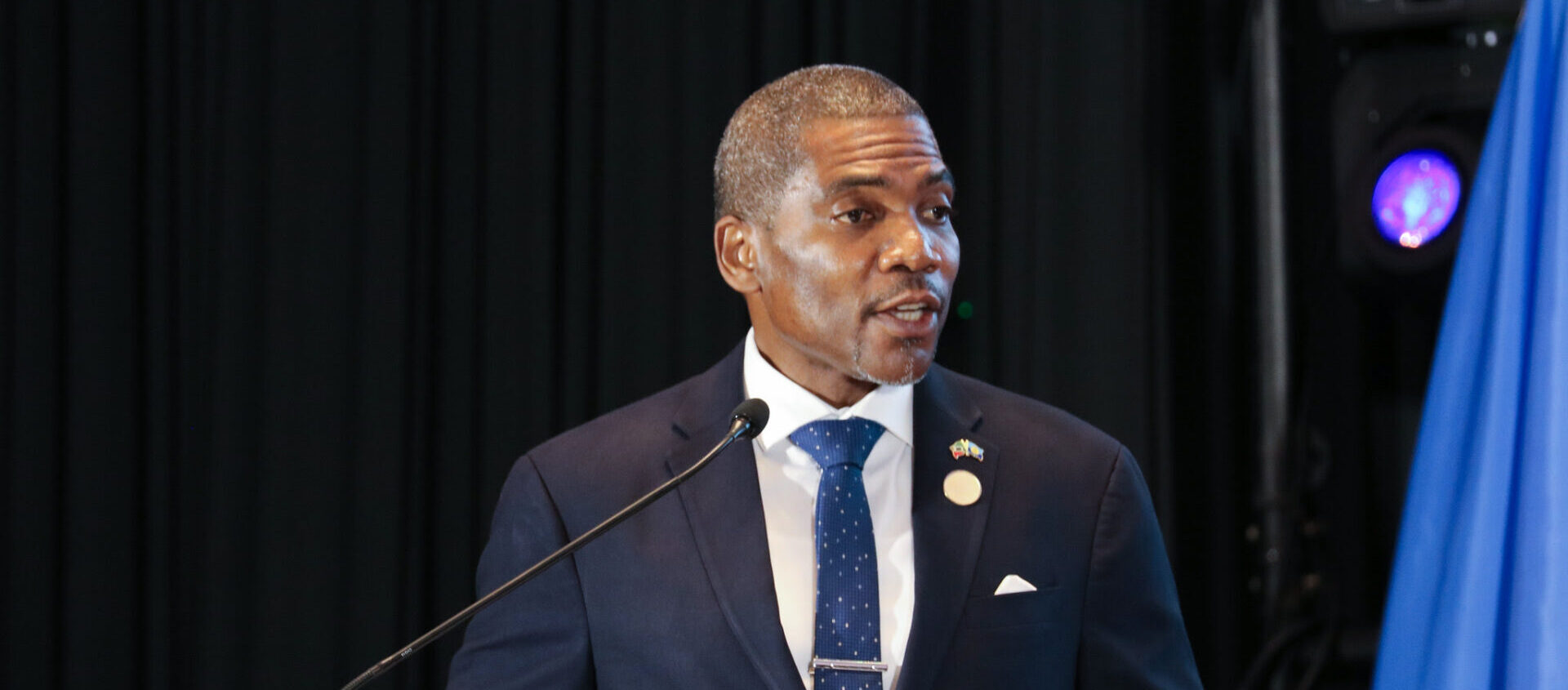
    On July 5, at the opening ceremony of the 51st Regular Meeting of the Caribbean Community (CARICOM) Conference of Heads of Government hosted in Saint Lucia, outgoing CARICOM Chairman Prime Minister Dr. Terrance Drew of St. Kitts and Nevis delivered a pivotal call to regional leaders, challenging them to forge a more robust, impactful CARICOM tailored to serve the Caribbean’s future generations.

    This year’s summit, held as the regional integration bloc celebrates its 53rd anniversary, carries the unifying theme “CARICOM: From Resilience to Renewal in a Changing World”, a framing that reflects the bloc’s ongoing efforts to adapt to shifting global conditions. During the opening proceedings, Drew formally handed the CARICOM chairmanship over to host nation Prime Minister Hon. Philip J. Pierre, in line with the bloc’s established procedures.

    Speaking to delegates gathered at the Jefferson Ballroom of Sandals Grande St. Lucia, Drew emphasized that while the 53-year-old organization must prioritize continuous evolution to meet modern demands, it must never abandon its core mission of advancing collective regional interests. Reflecting on his tenure at the helm of the bloc, he commended his fellow heads of government for upholding unwavering commitments to regional unity, democratic governance, and the rule of law through a period of unprecedented global uncertainty and persistent local challenges across the Caribbean.

    “Throughout these challenges, CARICOM chose engagement over isolation,” Drew noted in his address. “Together, we reaffirmed our commitment to a fair and rules-based international trading system, and ensured that the interests of small developing states continued to be heard.” He highlighted that during his chairmanship, the bloc deepened collaborative ties with long-standing traditional partners, while simultaneously expanding strategic cooperation with new partners across other global regions — most notably advancing the bloc’s growing relationship with the African Union. All partnerships, Drew stressed, were guided by a core principle: every collaboration must deliver mutual benefits for all participating parties.

    Within the bloc itself, Drew added that regional leaders made meaningful progress strengthening the CARICOM Single Market and Economy, boosting cross-regional trade cooperation, expanding labor mobility, and laying more solid foundations for long-term inclusive economic growth across member states.

    The outgoing chairman also used the platform to recognize the leadership and work of CARICOM Secretary-General Dr. Carla Barnett, praising her consistent professionalism, unwavering integrity, and deep personal dedication to the regional organization. He extended additional gratitude to the entire staff of the CARICOM Secretariat for their persistent support in advancing the bloc’s integration goals.

    “Throughout my tenure, whenever I called, you answered. Whenever support was required, you and your team responded with diligence, competence, and excellence,” Drew said, addressing Barnett directly. “You have served and continue to serve CARICOM with distinction. You have understood the importance of preserving the impartiality of the Secretariat while faithfully implementing the decisions of Heads of Government. That balance has strengthened this Community, and for this, I offer, on behalf of all of us, our sincerest gratitude.”

    Drew closed his remarks by reaffirming that building a stronger CARICOM for coming decades demands more effective regional governance, more rigorous execution of collective regional decisions, and ongoing targeted efforts to make the bloc safer, more prosperous, and more responsive to the daily needs and priorities of ordinary Caribbean citizens.

  • CARICOM Road Run/Walk celebrates Caribbean unity as Dominica delivers strong performances

    CARICOM Road Run/Walk celebrates Caribbean unity as Dominica delivers strong performances

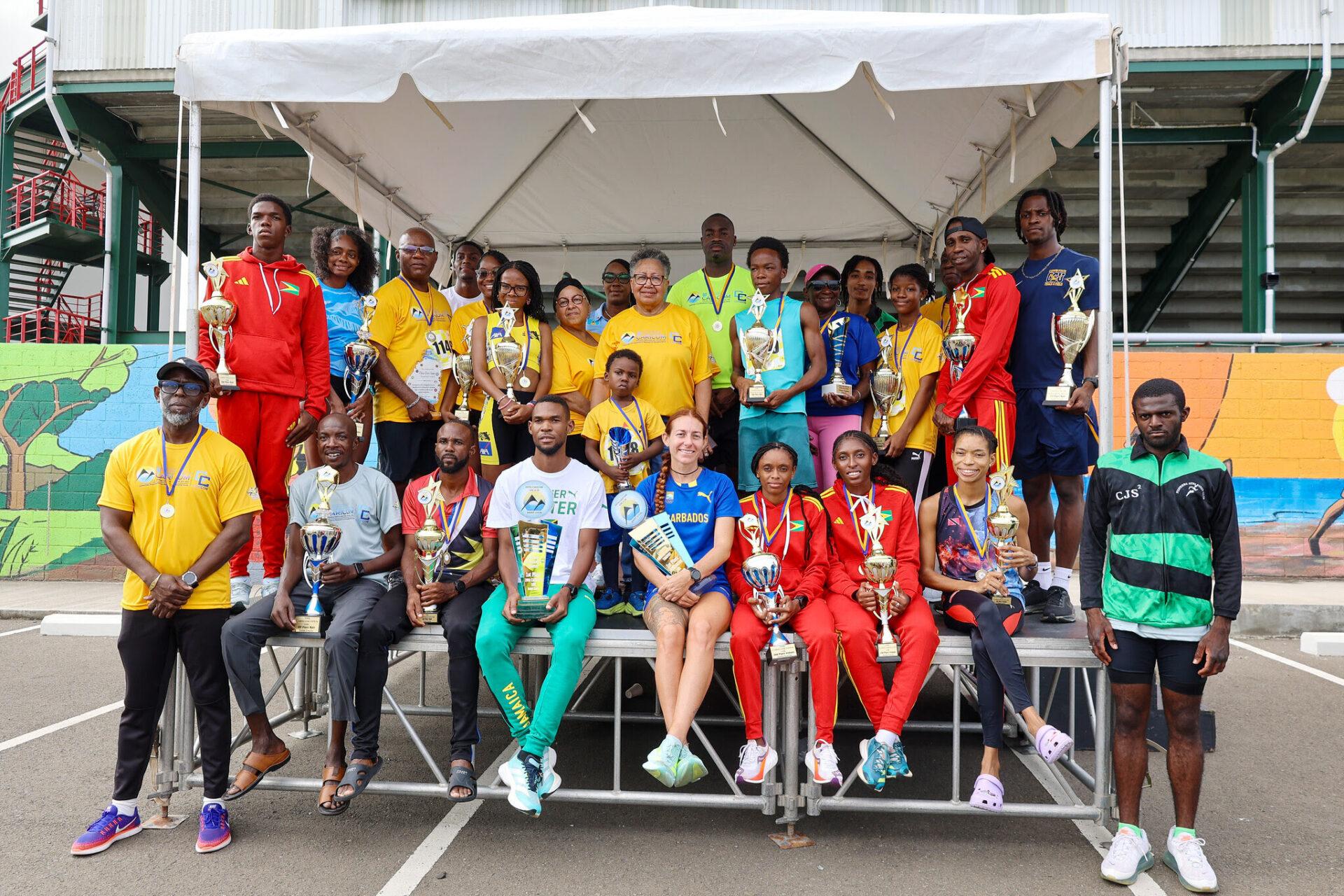
    On Sunday, July 5, the coastal town of Gros Islet, Saint Lucia played host to the 19th edition of the CARICOM Road Run/Walk, a landmark regional athletic event that brought over 250 competitors spanning 15 Caribbean countries and territories together. Held as an official pre-meeting activity for the 51st Regular Meeting of the Conference of Heads of Government of CARICOM – running July 5 to 8 under the chairmanship of Saint Lucia Prime Minister and CARICOM Chair Philip J. Pierre – the event served as both a celebration of Caribbean athletic excellence and a demonstration of cross-border regional unity.

    Competitors ranging from professional elite athletes to amateur recreational runners took to the course, with standout performances from athletes across the bloc. In the highly competitive Elite 10K Men’s division, Jamaica’s Garfield Gordon claimed the top spot and the prestigious CARICOM Chairman’s Trophy, followed by Odida Parkinson of Guyana in second and Kamar Thomas of Antigua and Barbuda in third. For the Elite 10K Women’s category, Barbados’ Carlie Robinson took home the CARICOM Secretary-General’s Trophy and first place honors, with Attoya Harvey of Guyana and Alexia John of Trinidad and Tobago rounding out the top three positions.

    Representing the Commonwealth of Dominica, which officially dispatched its team through the national Ministry of Sports, two athletes delivered strong results that cemented the country’s growing profile in regional distance running. Curvin Leatham crossed the Elite 10K finish line in an impressive 37 minutes and 24 seconds, securing 7th place overall out of 309 competing athletes. In the Local 10K division, Raedian Felix posted a time of 43 minutes 25 seconds to earn 10th place among 65 runners, further boosting Dominica’s solid showing at the event.

    In opening remarks ahead of the award ceremony, Saint Lucia’s Minister for Education, Youth Development, Sports and Digital Transformation Kenson Casimir – speaking on behalf of Prime Minister Pierre – framed the event as far more than a simple athletic competition. “This run/walk is more than a race. It is a celebration of health, discipline, unity, community spirit, and Caribbean friendship,” Casimir said. “It reminds us that CARICOM is not only about the meetings of Heads of Government, policy discussions and regional decisions. CARICOM is about people. It’s about athletes, our families, young people, our communities, and the shared Caribbean identity that connects us across borders. Today, every participant has contributed to that spirit. You are part of something meaningful. You have helped demonstrate the strength, energy and togetherness of our Caribbean Community.”

    Beyond unity and athletic achievement, the event also advanced a critical public health priority for the Caribbean bloc. CARICOM Secretary-General Dr. Carla Barnett highlighted that the Road Run/Walk aligns with the community’s ongoing campaign to address the sharp rise of non-communicable diseases (NCDs) across the region by encouraging regular physical activity and healthy lifestyle habits.

    “Across our Community, we have a very high incidence of non-communicable diseases, and we know that healthier lifestyles make it easier for us to manage these conditions and to prevent them,” Barnett explained. “Our numbers are on the high side in terms of the incidence of hypertension, diabetes and heart disease. I encourage everyone in the Community to continue to be active, to exercise and to live active lifestyles.”

    The ceremony saw top honors presented by key regional leaders: Minister Casimir awarded the CARICOM Chairman’s Trophy and other elite men’s prizes, while Secretary-General Barnett presented the Secretary-General’s Trophy to the top female elite competitor. In attendance for the event were CARICOM Deputy Secretary-General Dr. Armstrong Alexis, along with three Assistant Secretaries-General covering key portfolios: Alison Drayton for Human and Social Development, Elizabeth Solomon for Foreign and Community Relations, and Dr. Wendell Samuel for Economic Integration, Innovation and Development, alongside other senior CARICOM and Saint Lucian government officials.

    The strong performances from Dominica’s Leatham and Felix added to the spirit of regional excellence that defined the 2024 event, underscoring the country’s ongoing commitment to expanding sports development and advancing public health priorities across the Caribbean Community.