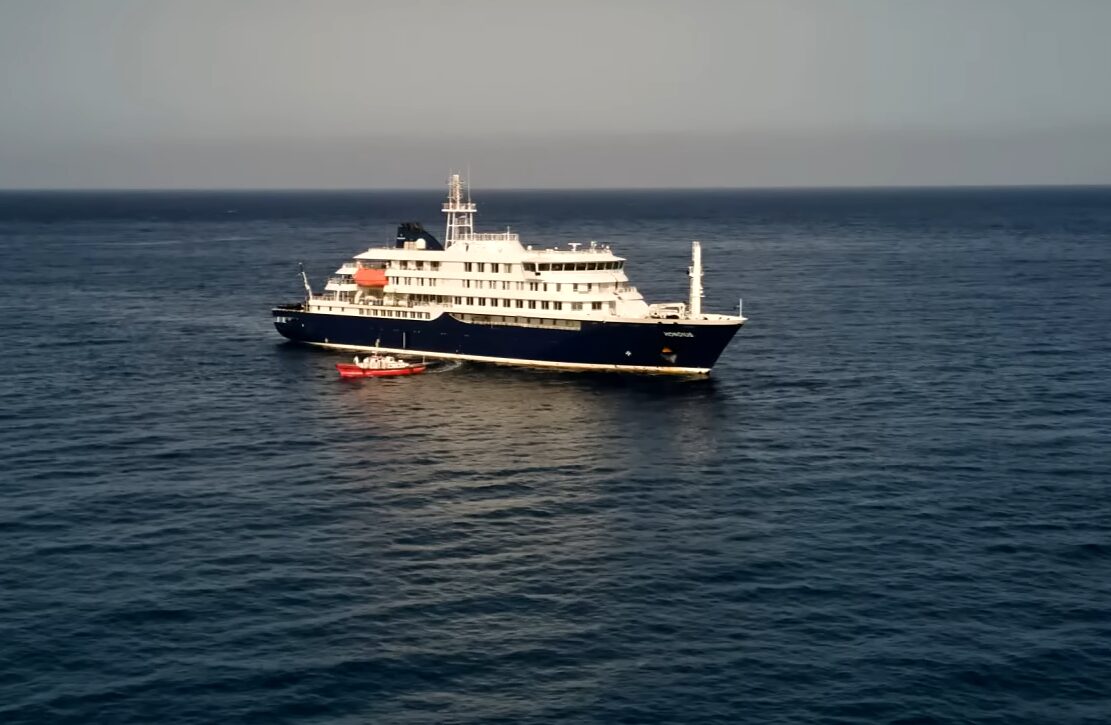
A rare hantavirus outbreak tied to the Dutch-flagged cruise vessel MV Hondius has sparked international public health alerts, after the ship completed an Atlantic voyage that departed from Argentina carrying nearly 150 passengers. Multiple fatalities linked to the outbreak have been confirmed, pushing public health agencies across several countries to launch urgent contact tracing operations and issue guidance urging anyone who may have been exposed to the virus to enter immediate self-isolation. As concern about potential wider spread grows, the World Health Organization has moved to reassure the public, stating that current data indicates the overall risk of sustained human-to-human transmission and large-scale global spread of the virus remains low. The global health body also added that it is continuously monitoring the evolving situation to adjust guidance as needed. Currently, international public health teams are working around the clock to track down all passengers who disembarked from the MV Hondius at different ports of call along the ship’s route, as many have already traveled to multiple countries since leaving the vessel. To clarify common public questions about the outbreak, *Medical News Today* consulted three independent infectious disease experts to break down key information: what telltale symptoms people should monitor for, when at-risk individuals should seek formal medical care, and what precautionary steps people can take if they believe they have had potential exposure to the virus. The outbreak has underscored the ongoing risks of infectious disease transmission on passenger vessels operating across international routes, even as global health systems maintain robust surveillance frameworks to contain emerging outbreaks quickly.