标签: Dominica

多米尼克

  • COMMENTARY: Radio and Artificial Intelligence

    COMMENTARY: Radio and Artificial Intelligence

    As the world celebrates World Radio Day on February 13, 2026, the enduring medium finds itself at a critical crossroads between traditional broadcasting and artificial intelligence integration. This international observance, originally proclaimed by UNESCO in 2011 and formally adopted by the UN General Assembly in 2012, honors radio’s century-long legacy as a unifying force across borders and generations.

    The 2026 theme, “Radio and Artificial Intelligence: AI is a tool, not a voice,” addresses the growing presence of AI in broadcasting while reaffirming radio’s fundamental human elements. While acknowledging AI’s potential to enhance content production, archiving, translation, and accessibility, the theme emphasizes that technology should serve as a support system rather than replace the human voice, editorial judgment, and credibility that define radio broadcasting.

    Historical context reveals radio’s resilience: World Radio Day commemorates the establishment of United Nations Radio in 1946, created post-World War II as a symbol of global communication and cooperation. Despite technological evolution, radio maintains its status as a trusted, accessible, and reliable medium worldwide.

    The Caribbean region specifically honors the legacy of pioneering broadcaster Alma Mock Yen, who recently passed away. As a trainer of countless radio journalists through the Radio Education Unit and Caribbean School of Media and Communication (CARIMAC) at the University of the West Indies, her influence continues through the voices she mentored and the strengthened Caribbean broadcasting landscape.

    The observance calls for ethical AI implementation that preserves radio’s core values of trust, authenticity, and community connection. It stresses that creativity, empathy, and moral responsibility remain uniquely human attributes that technology should enhance rather than replace. This approach ensures humans maintain accountability for editorial decisions rather than deferring responsibility to algorithms.

    As celebrations unfold globally, World Radio Day 2026 serves as both a tribute to radio’s historical significance and a forward-looking framework for responsible innovation in the digital age.

  • PAHO and CARPHA formalize partnership to enhance health initiatives across the Caribbean

    PAHO and CARPHA formalize partnership to enhance health initiatives across the Caribbean

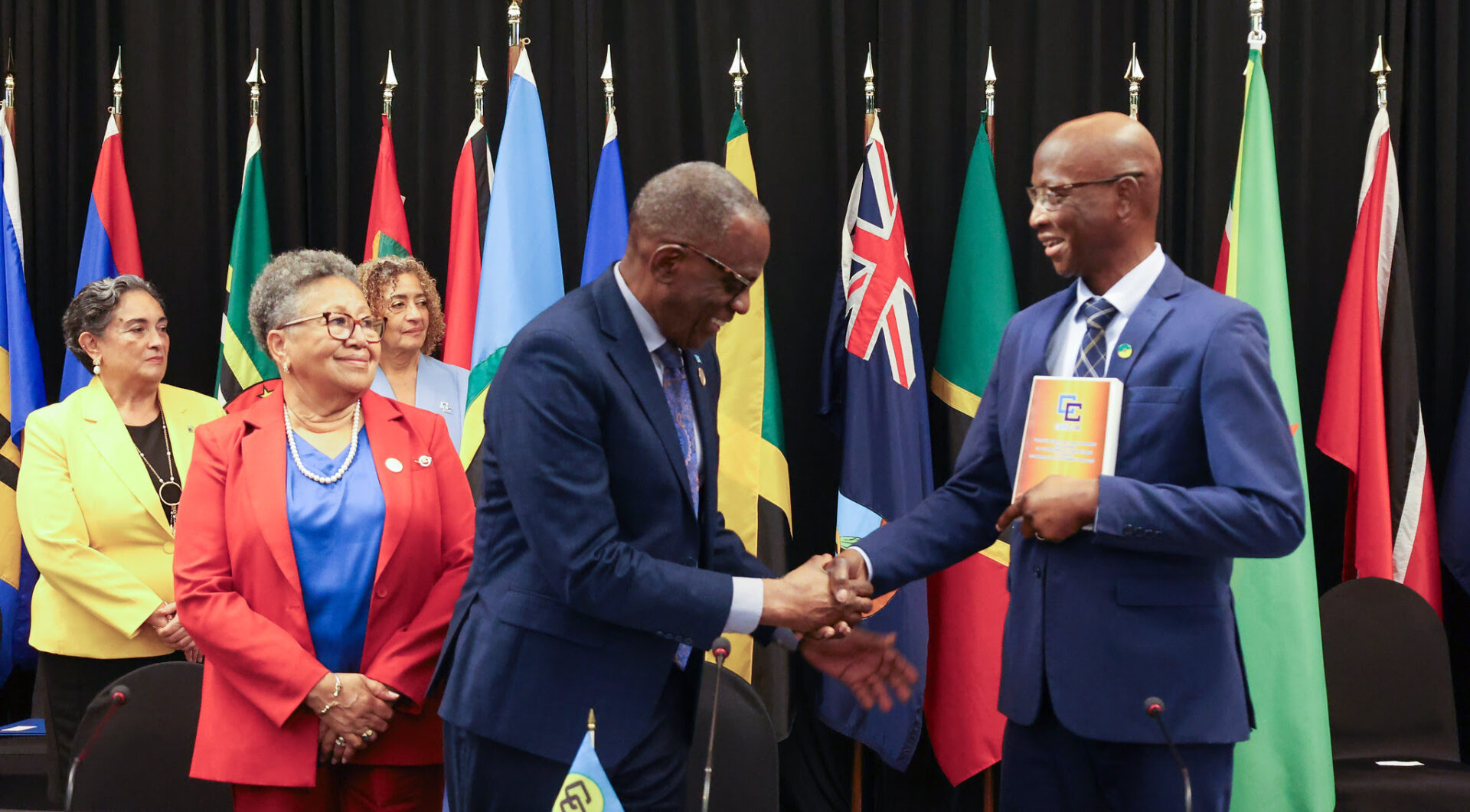
    In a significant move to address pressing public health challenges, the Pan American Health Organization (PAHO) and the Caribbean Public Health Agency (CARPHA) have formally solidified their partnership through a new Framework Agreement spanning 2026 to 2030. This strategic accord establishes a comprehensive operational blueprint designed to unify health initiatives across Caribbean nations, enhancing systemic coordination and multilateral partnerships during a period of escalating health demands and constrained resources.

    The five-year pact enables both organizations to operate cohesively under the PAHO–CARICOM Joint Subregional Cooperation Strategy, prioritizing the strengthening of health infrastructures, advancing emergency readiness, and elevating health outcomes for Caribbean communities. The agreement reinforces a longstanding collaboration founded upon shared responsibility, mutual accountability, and a unified vision for regional health advancement.

    During a virtual signing ceremony, PAHO Director Dr. Jarbas Barbosa emphasized the operational value of the framework: “This Agreement enables PAHO and CARPHA to jointly develop regional strategies and action plans, implement health programmes aligned with strategic objectives, and deliver technical cooperation tailored to country-specific needs. It further establishes a transparent structure for subsidiary agreements, ensuring accountability and results-driven implementation.”

    Echoing this sentiment, CARPHA Executive Director Dr. Lisa Indar stressed the critical importance of strategic resource utilization: “Caribbean nations rightly expect limited technical cooperation resources to be deployed with maximum efficiency and strategic impact. This can only be realized through intensified collaboration, streamlined execution, reduced duplication, and minimized operational burden on Member States.”

    Historically, PAHO has provided extensive support to CARPHA across multiple domains, including the development of a Caribbean regulatory system, expansion of laboratory capabilities, climate resilience and environmental health initiatives, management of non-communicable diseases, and risk communication and emergency preparedness—particularly in foodborne disease response.

    Both organizations have expressed strong commitment to translating this renewed framework into measurable improvements in public health outcomes throughout the Caribbean region in the years ahead.

  • STATEMENT: CARICOM Election Observation Mission to the general election of Barbados

    STATEMENT: CARICOM Election Observation Mission to the general election of Barbados

    The CARICOM Election Observation Mission (CEOM) has formally endorsed the credibility and transparency of Barbados’ February 11, 2026 General Election, concluding that the electoral outcome authentically represents the democratic will of the Barbadian populace. This three-member delegation, comprising senior electoral officials from Antigua and Barbuda, Belize, and Jamaica, conducted comprehensive oversight activities following an official invitation from the Barbadian government.

    During pre-election assessments, the Mission engaged in extensive consultations with key national stakeholders including Prime Minister Mia Amor Mottley, Opposition Leader Ralph Thorne, leaders of minority political parties, civil society representatives, and electoral authorities. These discussions revealed several systemic concerns regarding voters’ list accuracy, accessibility for disabled citizens, campaign financing mechanisms, and media access equity. Despite these challenges, the Mission acknowledged the Electoral and Boundaries Commission’s concerted efforts to address logistical issues preceding election day.

    On February 11, CEOM monitors observed electoral proceedings across nineteen constituencies, noting generally peaceful and orderly voting conditions. Polling stations opened punctually at 6:00 a.m. with adequate security presence and properly trained staff. While voter enthusiasm was evident, turnout rates appeared notably subdued throughout the day. The Mission documented inconsistencies in polling station configurations and identified accessibility barriers for elderly and disabled voters, though assistance protocols were generally implemented when required.

    The vote counting process, though transparent and legally compliant, revealed operational inefficiencies due to centralized ballot transportation that prolonged result tabulation. The Mission witnessed ballot boxes being transported under police escort to counting centers where tallying occurred simultaneously in the presence of party agents, with results subsequently transmitted to media outlets.

    In its preliminary assessment, the CEOM recognized the professional conduct of polling staff and security personnel while recommending three key improvements: enhanced physical accessibility at polling stations, decentralized counting procedures to accelerate result announcements, and comprehensive voters’ list management reforms. A detailed final report will be submitted to the CARICOM Secretary-General for distribution to Barbadian authorities and relevant stakeholders in the coming weeks.

  • STATEMENT: Commonwealth of Dominica Police Force, rules for Carnival saftey

    STATEMENT: Commonwealth of Dominica Police Force, rules for Carnival saftey

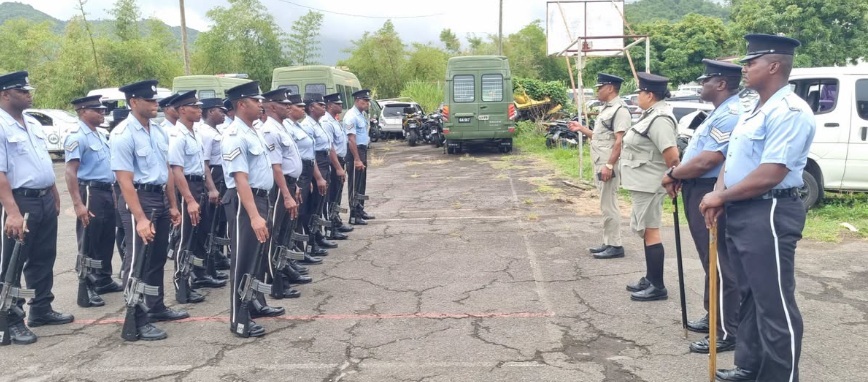
    The Commonwealth of Dominica has unveiled detailed regulatory measures for the upcoming Carnival 2026 celebrations, emphasizing the importance of responsible participation while preserving cultural traditions. Scheduled for February 16-17, 2026, the festivities will operate within strictly defined hours to ensure public safety and orderly conduct.

    Official carnival operations will commence at 4:00 a.m. on Monday, February 16th, continuing until 11:00 p.m., with Tuesday’s celebrations running from 8:00 a.m. to 10:00 p.m. Authorities have mandated that all participants maintain decent attire and orderly behavior throughout the designated periods.

    Specific regulations address traditional carnival costumes, particularly rope and sensay outfits. Individuals wearing these costumes must complete registration with the Dominica Festival Commission by February 9th, 2026, and display their registration number visibly at all times during events. The government has explicitly stated that unregistered costume wearers will not be considered decently clothed.

    Mask-wearing permissions will be limited to daytime hours between 8:00 a.m. and 6:00 p.m. during carnival days. An exception exists for Jouvert celebrations, where participants may use paint and coloring matter exclusively during the early morning hours of February 16th from 4:00 a.m. to 8:00 a.m.

    Prohibited items include weapons, lighted torches, fireworks, glass bottled drinks along carnival routes, and military-style uniforms. Noise restrictions prohibit loud music or instruments outside carnival hours and within 25 meters of critical facilities including police headquarters, fire stations, hospitals, and designated noise abatement zones.

    Law enforcement personnel and Special Constables retain authority to arrest without warrant, detain offenders for up to 48 hours, and maintain order by recording details of disorderly individuals. Violators face substantial penalties including fines up to $1,000 or imprisonment for six months.

    The Dominican government concludes with an appeal for collective responsibility, encouraging citizens to celebrate within legal boundaries while honoring the cultural significance of carnival traditions.

  • Dainisha Eusebe of Grand Bay is Miss Dominica 2026

    Dainisha Eusebe of Grand Bay is Miss Dominica 2026

    In a dazzling ceremony at Windsor Park Sports Stadium, Dainisha Eusebe from Grand Bay emerged victorious as Miss Dominica 2026, sponsored by Kingdom Bank Corporation. The competition, themed ‘Bouyon Bloom’ in celebration of Dominica’s vibrant music culture, featured five exceptional contestants vying for the prestigious title.

    Eusebe distinguished herself by capturing an impressive five major awards: Best Response to Question, Best Platform Community Project Video, People’s Choice Award, Best Performing Talent, and Best in Swimwear. Her winning platform, ‘Animal Welfare: Advocating for humane treatment of animals,’ resonated strongly with both judges and audience members.

    The first runner-up position was secured by Sheraine Mills, representing Jimmit and St Joseph, while Sanchia Tyson from Crayfish River in the Kalinago Territory earned second runner-up honors. Tyson additionally received the Chairperson’s Award for Best National Spectacular Wear Creation and Best in National Spectacular Wear Creation.

    Other notable award recipients included Darna Eugene, also representing Grand Bay, who won both Best Evening Wear and Best in Evening Wear Awards. Daina Graneau from the Atkinson/Kalinago Territory received the Best Swimwear Award.

    The Bouyon Bloom theme provided a colorful backdrop to the evening, celebrating Dominica’s rich musical heritage and the artists who contribute to this dynamic genre. The pageant showcased not only beauty and poise but also intellectual depth and social awareness through its various competition segments.

  • New agro-producing facility may be coming to Dominica, says PM SKerrit

    New agro-producing facility may be coming to Dominica, says PM SKerrit

    The Dominican government has unveiled ambitious plans to construct a state-funded agro-processing facility specifically designed to support local beekeepers and pepper sauce producers. Prime Minister Roosevelt Skerrit made the significant announcement during a recent stakeholder engagement session, highlighting the administration’s commitment to addressing critical infrastructure challenges within the agricultural processing sector.

    Prime Minister Skerrit identified several persistent obstacles facing small-scale agro-processors, emphasizing that access to appropriate infrastructure remains a fundamental constraint. “The requirements for proper processing, bottling, storage, quality testing, and standards compliance demand facilities that individual small producers cannot reasonably develop independently,” Skerrit explained during his address.

    In a groundbreaking commitment, the government revealed plans to fully finance and equip a modern processing center that will serve the specialized needs of both honey and pepper sauce producers. The facility will provide comprehensive services including production space, bottling capabilities, packaging solutions, and quality assurance infrastructure.

    “We are prepared to invest substantial resources into establishing a national production facility that will be available to producers at no cost,” Skerrit declared, underscoring the government’s willingness to shoulder the entire financial burden of the project. This initiative represents a significant intervention in Dominica’s agricultural value chain development, potentially transforming the economic prospects for small-scale agro-processors across the nation.

    The proposed facility aims to enhance product quality, improve market competitiveness, and increase export potential for Dominican honey and pepper sauce products. By centralizing processing operations, the government expects to achieve economies of scale while maintaining stringent quality standards that meet international market requirements.

  • Health department will be hands on to ensure food safety at Carnival events, says health official

    Health department will be hands on to ensure food safety at Carnival events, says health official

    Dominican health authorities are implementing comprehensive food safety measures ahead of the Mas Domnik 2026 Carnival celebrations to safeguard public health during the festivities. The Environmental Health Department has announced intensified surveillance operations targeting food vendors and mass gatherings throughout the Carnival season.

    Senior Environmental Health Officer Calma Louis confirmed that environmental health officers will maintain visible presence at major Carnival events including Sunrise and VIVA celebrations. The initiative focuses on collaborative prevention rather than enforcement disruption, working directly with vendors and event organizers to ensure safe food preparation and service standards.

    “Our objective centers on public health protection through cooperative engagement with all stakeholders,” Louis stated during a recent press briefing. She emphasized the department’s request for full cooperation from both vendors and patrons as officers execute their monitoring responsibilities.

    Health officials issued specific guidelines for food handlers, mandating maintained sanitary vending areas and appropriate attire including hair coverings and aprons. The department explicitly prohibited sleeveless garments and shorts in food preparation zones, emphasizing professional presentation standards.

    The advisory highlighted hand hygiene as critical prevention against foodborne illnesses, particularly after restroom use, monetary transactions, or raw food handling. Symptomatic food handlers experiencing vomiting or diarrhea must immediately avoid food preparation and service areas—a requirement extending to home-based preparers supplying local vending locations.

    Louis reinforced that public health protection begins with responsible practices from every food handler. Simultaneously, patrons received encouragement to exercise personal responsibility by purchasing exclusively from certified vendors and visually assessing stall cleanliness before transactions.

  • Miss Dominica pageant slated for this evening

    Miss Dominica pageant slated for this evening

    The Windsor Park Sports Stadium, transformed into Carnival City, prepares to host the prestigious Miss Dominica Pageant tonight at 8:00 PM. This annual spectacle, a cornerstone of Dominica’s Carnival celebrations, features five remarkable contestants vying for the national crown while championing significant social causes.

    Representing diverse communities across the island, the contestants bring powerful advocacy platforms to the stage. Ardel Laurent (22, Mahaut) promotes sustainable fashion as a vehicle for confidence building. Dainisha Eusebe (24, Grandbay) advocates for improved animal welfare standards, while Daina Graneau (23, Atkinson/Kalinago Territory) focuses on protecting children from domestic violence.

    Darna Eugene (21, Grandbay) campaigns for mental health awareness and personal empowerment, and Sheraine Mills (24, Jimmit/St Joseph) raises awareness about Polycystic Ovary Syndrome (PCOS) and women’s health. Sanchia Tyson (19, Crayfish River/Kalinago Territory) emphasizes cultural preservation and identity among Kalinago and Dominican women.

    This year’s event embraces the vibrant theme ‘Bouyon Bloom,’ honoring Dominica’s distinctive bouyon music genre and its cultural contributors. The pageant offers tiered ticketing options with general admission at $65, reserved seating at $100, and comprehensive VIP experience at $250, making the event accessible to various audiences.

  • Caribbean GIS specialists enhance environmental data accuracy during PRAIS 4 training in Grenada

    Caribbean GIS specialists enhance environmental data accuracy during PRAIS 4 training in Grenada

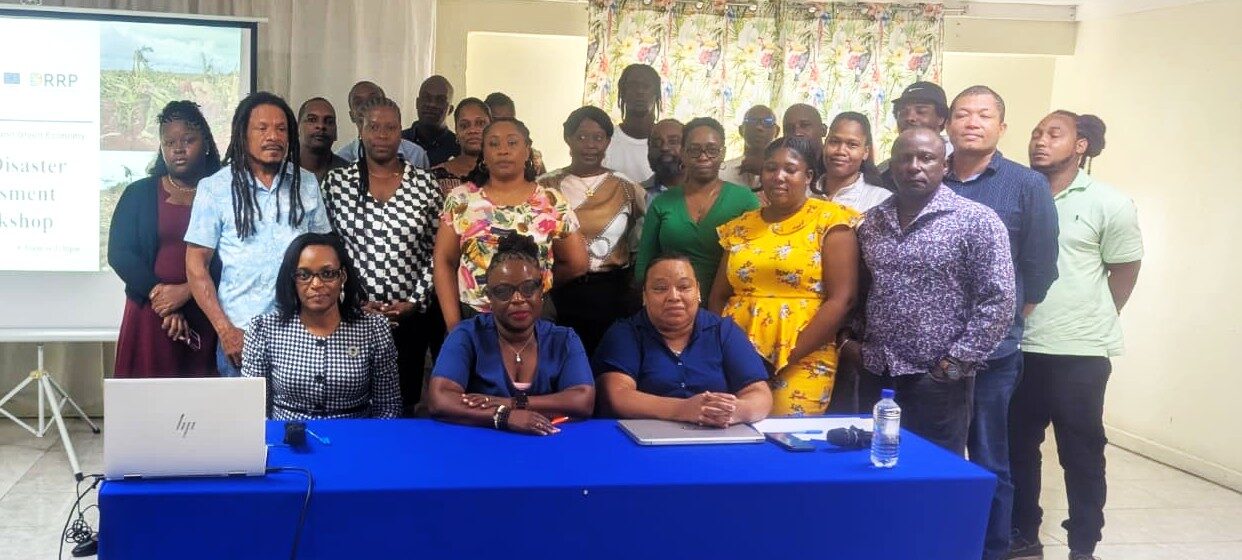
    Environmental specialists from Caribbean Small Island Developing States (SIDS) concluded an intensive five-day training program in Grenada on February 6, 2026, marking a significant advancement in regional capacity for land management monitoring. The specialized workshop, held in St. George’s, focused on mastering high-resolution data analysis techniques and advanced assessment tools specifically for the forthcoming 2026 Performance Review and Assessment of Implementation System (PRAIS 4) reporting framework.

    Organized through a collaborative effort between the Partnership Initiative for Sustainable Land Management (PISLM) and the United Nations Convention to Combat Desertification (UNCCD) Secretariat, the initiative received financial backing from the Global Environment Facility (GEF) with implementation oversight by the United Nations Environment Programme (UNEP). Regional organization APACHETA, dedicated to sustainable land use practices, provided additional collaborative support.

    Zylenna Darson, PRAIS Reporting Officer at Suriname’s Ministry of Oil, Gas, and Environment, emphasized the transformative impact of the training on national data quality. “This workshop enabled crucial validation of our national data,” Darson stated. “Previously, Suriname depended on default global datasets that inadequately represented our specific land degradation challenges. This training has facilitated a more realistic and accurate representation of our country’s situation.”

    The event transcended conventional technical training by establishing a dynamic platform for practical knowledge exchange and professional network development. Ayodele DeCosta, GIS Officer at St. Kitts and Nevis’ Department of Physical Planning, noted the training provided significantly more realistic assessments of land degradation phenomena compared to the generalized models typically applied to small island nations.

    Eder Audate, UNCCD Focal Point and Director of Forests in Haiti, revealed that his country’s recent completion of a comprehensive national soil survey positions them to gather unprecedented detail about land resources. Audate expressed optimism that the acquired expertise would enable Haiti to conduct subsequent workshops and initiatives targeting land degradation.

    Representatives from the Bahamas, Latonya Williams and Jenny Morris, projected that access to high-resolution data would substantially enhance both project development and policymaking processes, yielding more precise insights into land conditions.

    The PISLM has encouraged participants to extend the application of their newly acquired expertise beyond PRAIS 4 reporting requirements to inform broader environmental policy frameworks. This capacity-building initiative underscores the indispensable role of precise data collection, strengthened regional cooperation, and shared learning methodologies in addressing the unique land degradation challenges confronting Caribbean SIDS.

  • IOM calls for increased global action to combat child trafficking

    IOM calls for increased global action to combat child trafficking

    MARRAKESH – At the Sixth Global Conference on the Elimination of Child Labour, the International Organization for Migration (IOM) issued an urgent appeal for governments to address the critical intersection of child labor, migration, and human trafficking in their protection strategies. The conference, co-hosted by Morocco and the International Labour Organization from February 11-13, brought together government representatives, UN agencies, private sector leaders, and civil society organizations to accelerate global efforts against child exploitation.

    Recent IOM data reveals a disturbing reality: approximately 25% of all detected trafficking victims worldwide are children, totaling nearly 30,000 identified cases. However, experts caution that these figures represent merely the visible tip of the iceberg due to widespread underreporting and detection challenges. The actual number of children affected by trafficking is believed to be substantially higher.

    IOM Director General Amy Pope emphasized in a video address that ‘millions of children on the move face heightened risks of exploitation and trafficking, yet they remain too often invisible in global policies and protection systems.’ She called for immediate cross-border and cross-sectoral action to address these alarming protection gaps.

    Throughout the conference, IOM highlighted the essential role of robust data collection and research in identifying risks, shaping preventive measures, and implementing targeted interventions. A collaborative analysis between IOM and Harvard University, examining two decades of child trafficking data, demonstrated the complex interconnections between child labor, migration patterns, and trafficking networks. These findings advocate for greater integration of child protection frameworks with migration management and anti-trafficking mechanisms.

    In the ‘Alliance 8.7: 10 Years of Partnership and Action’ session, IOM underscored the necessity of coordinated, rights-based approaches. As chair of the Migration Action Group, the organization stressed that effective partnerships are crucial for bridging existing response gaps and assisting nations in developing comprehensive, integrated strategies.

    IOM showcased progress through its collaboration with Save the Children and UNICEF via the Global Programme on Protection for Migrant Children. This initiative, particularly active in East Africa, the Horn of Africa, and North Africa, is enhancing cross-border case management and referral systems to reduce risks faced by children during migration.

    The organization also introduced WakaWell, an innovative youth-led platform designed to empower young Africans with information for making safe and informed migration decisions. IOM’s participation was facilitated through the COMPASS program, a multi-regional effort focused on strengthening migration governance while protecting migrants’ rights.

    Looking ahead, IOM reaffirmed its commitment to working with governments, UN entities, civil society, and youth networks to ensure that children on the move are included in all efforts to eliminate child labor. The organization called for sustained investment in partnerships that support protective policies and programs, along with the development of more comprehensive global indicators that accurately reflect migration and trafficking realities, especially in preparation for the upcoming International Migration Review Forum.