标签: Dominica

多米尼克

  • Dominica Athletics Association Awards Ceremony 2025 and cocktail reception slated for this weekend

    Dominica Athletics Association Awards Ceremony 2025 and cocktail reception slated for this weekend

    The Dominica Athletics Association (DAA) has unveiled plans for its highly anticipated 2025 Annual Awards Ceremony, set to unfold on December 6th at the Public Service Union venue. Under the aspirational banner “Celebrating Excellence, Inspiring the Future,” the event promises to be a landmark occasion recognizing the nation’s athletic achievements.

    For decades, the DAA has served as the cornerstone of track and field development throughout Dominica, systematically nurturing talent from introductory programs to elite international competition. The association’s press release highlighted the exceptional 2024/2025 athletic seasons, which witnessed Dominican athletes delivering standout performances on both regional and global stages. This period also saw significant growth in youth participation and an expanded national athletics calendar, signaling robust health for the sport.

    The gala evening will honor the extraordinary contributions of athletes, coaches, technical officials, dedicated volunteers, and strategic partners whose collective efforts have propelled Dominican athletics forward. The program will include formal award presentations, special recognition segments, and an elegant cocktail reception to facilitate celebration and networking among the sporting community.

    Emphasizing the deeper purpose behind the festivities, the DAA stated that the ceremony fundamentally supports its core mission: to elevate the profile and standard of athletics within Dominica while motivating emerging generations to pursue greatness in all aspects of life, extending far beyond the track.

  • Agricultural research experts in Caribbean and Latin America reflect on Manuel Otero’s tenure as head of IICA

    Agricultural research experts in Caribbean and Latin America reflect on Manuel Otero’s tenure as head of IICA

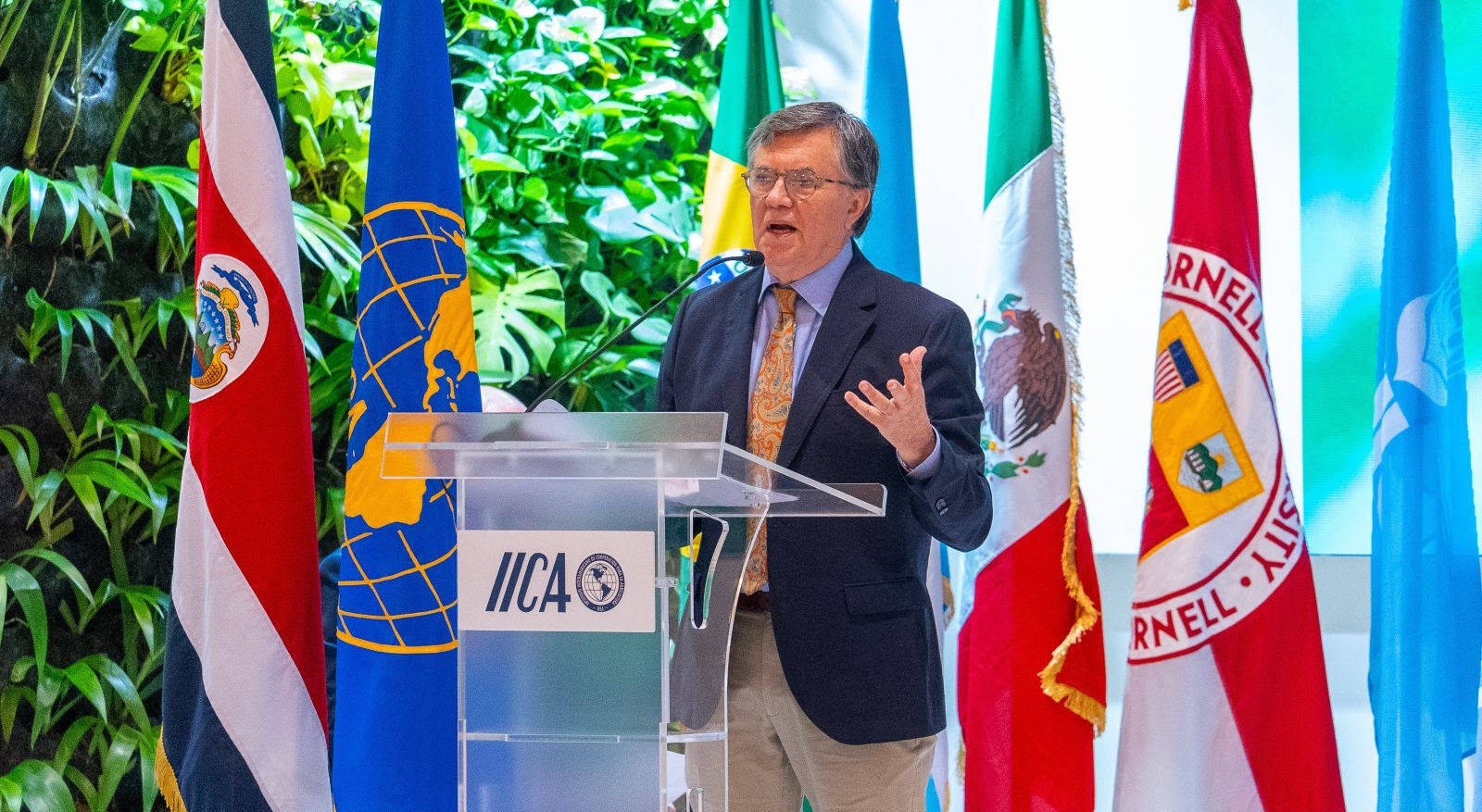
    Agricultural research leaders from across Latin America and the Caribbean have unanimously celebrated the impactful tenure of Manuel Otero as Director General of the Inter-American Institute for Cooperation on Agriculture (IICA), whose term concludes on January 15. Under Otero’s leadership since January 2018, IICA has undergone significant transformation, particularly through strengthened alliances with FONTAGRO, the region’s premier agricultural innovation platform.

    Otero’s strategic vision focused on enhancing the competitiveness of agrifood systems, poverty reduction, and promoting sustainable natural resource management. His administration supported 212 active agricultural innovation projects engaging over 8,000 researchers throughout the region.

    Regional agricultural directors highlighted various aspects of Otero’s legacy. Nicolás Bronzovich of Argentina’s INTA stated that Otero’s vision ‘transformed agricultural cooperation in our region,’ while Peru’s INIA Executive President Jorge Ganoza Roncal acknowledged his ‘steadfast support for capacity-building efforts.’

    Chile’s INIA Food Sector Head María Teresa Pino emphasized that ‘Otero’s commitment to innovation and research has been key to improving our capabilities,’ a sentiment echoed by Colombia’s AGROSAVIA Executive Director Miguel Serrano López, who praised Otero’s ability to ‘unite diverse nations behind a common goal.’

    Costa Rica’s INTA Executive Director José Roberto Camacho Montero noted that ‘Otero’s dedication to food security has been an example to us all,’ and Ecuador’s INIAP Director Raúl Jaramillo commended his efforts to address evolving agricultural challenges.

    Panama’s IDIAP acting head Alexandra Rodríguez recognized Otero’s crucial role in fostering agricultural innovation, while Uruguay’s INIA President Miguel Sierra praised his ‘tireless efforts to unite the agricultural community of Latin America.’

    FONTAGRO Executive Secretary Eugenia Saini highlighted the strategic partnership between IICA and the innovation fund, recalling that ‘Manuel Otero opened the doors of IICA to us at a difficult time.’ She noted that his leadership ‘put us back on the map’ in international dialogues.

    Otero will be succeeded by Guyanese agronomist Muhammad Ibrahim, who assumes the Director General position on January 15.

  • Dominica holds 5th National Climate Outlook Forum

    Dominica holds 5th National Climate Outlook Forum

    Dominica has launched its fifth National Climate Outlook Forum at the Prevost Cinemall, gathering cross-sector stakeholders to confront escalating climate challenges under the theme “Safeguarding Health and Lives against Dust and Climate Impacts.” The initiative represents a coordinated effort to bolster national resilience through scientific forecasting and strategic planning.

    Central to the discussions are the health implications of Saharan dust incursions and atmospheric pollutants, with experts emphasizing the urgent need for mitigation strategies. The forum features detailed analyses of the anticipated 2025 wet and hurricane season, providing critical data for emergency preparedness. Additionally, participants will examine projections for the 2025-2026 dry season to inform resource allocation and long-term planning.

    The event serves as a collaborative platform for sharing best practices and developing practical solutions to reduce climate-related health vulnerabilities. Through structured presentations and dialogues, attendees aim to create actionable frameworks that address the interconnected challenges of air quality, extreme weather, and public health.

    Notable participants included Mrs. Vernie Marcellin Honoroe from Dominica Meteorological Services, who welcomed delegates, and Mr. Adrian Thomas, Chief of Applied Meteorology at the Caribbean Institute for Meteorology and Hydrology. Key government representatives included Mr. Samuel Carrette, National Resilience Coordinator, Hon. Kent Edwards, Parliamentary Secretary for Health, and Permanent Secretary Jo-Anne Commodore from the Ministry of National Security, underscoring the multidisciplinary approach to climate resilience.

  • Gov’t officials confirm Dominica’s geothermal project on track for timely completion

    Gov’t officials confirm Dominica’s geothermal project on track for timely completion

    Dominica’s ambitious geothermal energy initiative has reached a pivotal construction phase, with national leaders confirming the project remains firmly on schedule for its critical February power transmission deadline. During an inspection tour of the Laudat facility, Prime Minister Roosevelt Skerrit expressed considerable satisfaction with the advancement of this transformative energy infrastructure project.

    The Prime Minister specifically highlighted the February timeline for connecting the geothermal output to Dominica Electricity Services (DOMLEC), which will subsequently distribute the renewable energy to households and commercial establishments across the nation. Skerrit attributed the project’s consistent progress to the dedicated oversight provided by Energy Minister Dr. Vince Henderson, recognizing his sustained leadership and strategic guidance throughout the development process.

    Both government officials praised the collaborative partnership with international geothermal specialist Ormat Technologies. Skerrit characterized the relationship as productive and professional, noting the company’s technical expertise and expressing anticipation for a continued 25-year operational partnership following plant completion.

    Energy Minister Henderson echoed these sentiments, describing Ormat as an ‘excellent partner’ despite the inherent complexities of public-private infrastructure contracts. He clarified the division of responsibilities within this partnership framework: the government manages transmission infrastructure development while Ormat oversees plant construction and operations.

    Henderson further confirmed the adjusted timeline, with commissioning activities beginning December 2025 and full commercial operations commencing March 2026—representing only a minimal two-month extension from original projections. The Minister emphasized that this achievement demonstrates Dominica’s capacity to successfully execute sophisticated engineering projects.

    This geothermal facility, with its 10-megawatt capacity, represents a fundamental component of Dominica’s strategic shift toward sustainable energy independence. The project is widely regarded as crucial infrastructure that will substantially enhance the nation’s energy security and environmental sustainability for decades to come.

  • Regional IT stakeholders evaluate the CARICOM Knowledge Management Web Portal and Framework

    Regional IT stakeholders evaluate the CARICOM Knowledge Management Web Portal and Framework

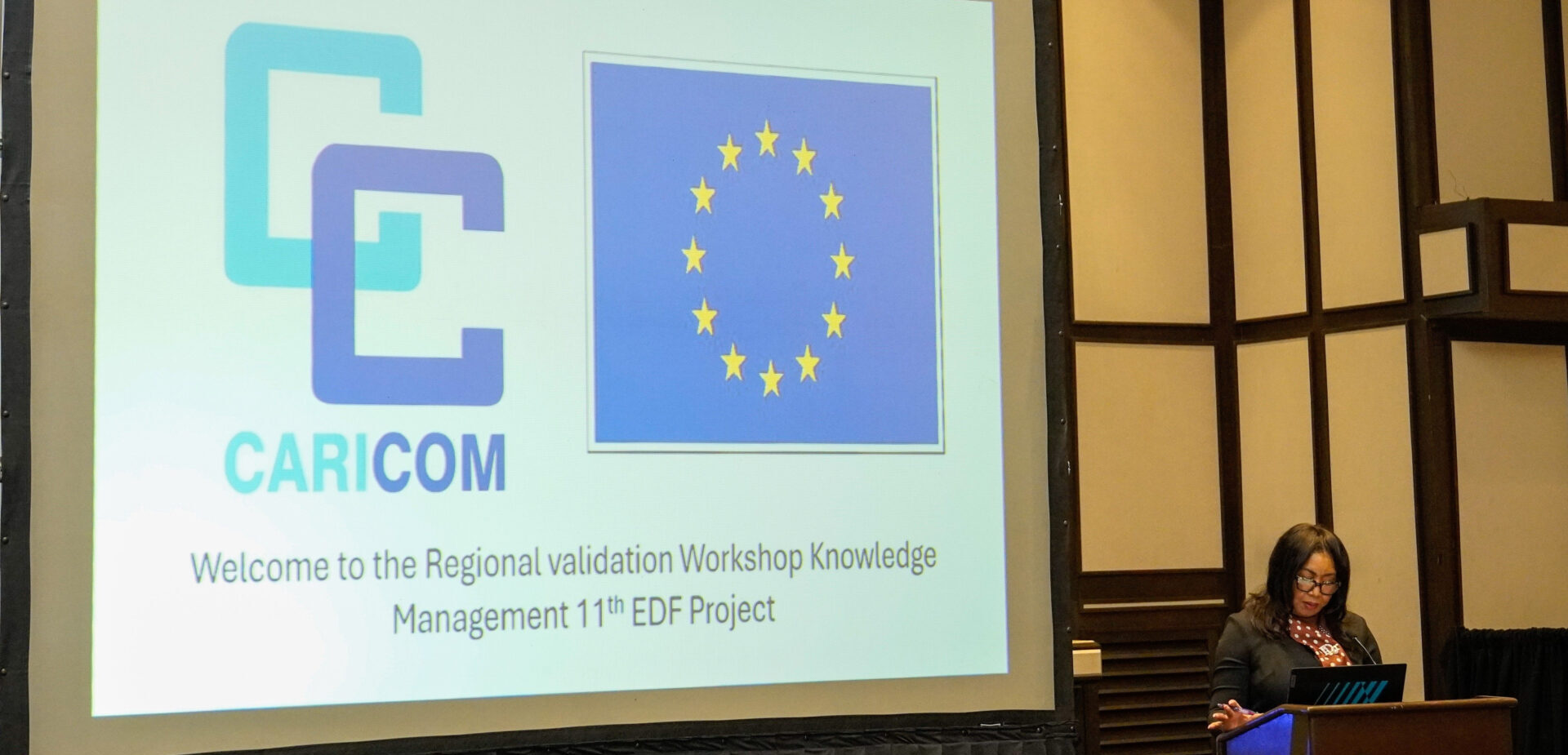
    In a significant stride toward regional digital integration, the Caribbean Community (CARICOM) has successfully validated its groundbreaking Knowledge Management Framework and Web Portal during a high-level workshop held in Trinidad and Tobago from November 19-20, 2025. This strategic initiative, funded by the 11th European Development Fund, represents a cornerstone in the implementation of the CARICOM Single ICT Space and the region’s transition to a data-driven digital economy.

    The validation workshop convened senior ICT officials and technical specialists from across member states, alongside representatives from key regional organizations including the Caribbean Telecommunications Union and Caribbean Broadcasting Union. This gathering marked the second phase of validation activities under the ICT4D component of the 11th EDF program, building upon previous groundwork established through the comprehensive ICT Sector Gap Analysis completed in May 2025.

    Ms. Evelyn Wayne, Director of Economic Policy and Development at the CARICOM Secretariat, emphasized the transformative potential of the initiative during her opening address. She characterized the Knowledge Management Framework and Portal as ‘a defining step forward in supporting evidence-based economic planning, strengthening digital governance, and enabling a coordinated approach to ICT development across the Community.’ The framework is positioned as essential infrastructure for enhancing regional digital resilience and strategic integration.

    The Knowledge Management Web Portal, scheduled for completion by December 31, 2025, will provide member states with advanced capabilities for secure data upload and verification, sophisticated analytical dashboards, and automated reporting functions at both national and regional levels. The platform will also feature controlled public access to aggregated regional indicators, promoting transparency while maintaining compliance with international reporting standards.

    Workshop participants demonstrated strong enthusiasm for the portal’s potential to address longstanding challenges in ICT data collection, including issues of fragmentation, methodological inconsistencies, and limited access to comprehensive regional datasets. Attendees contributed practical recommendations to optimize system usability, refine validation protocols, streamline workflows, and ensure alignment with both national priorities and international obligations.

    This initiative directly supports the systematic monitoring of progress toward the CARICOM Digital Agenda 2036, establishing clear targets and measurable outcomes for the region’s digital transformation journey.

  • STATEMENT:The UWI joins the world in observing 16 Days of Activism Against Gender-Based Violence

    STATEMENT:The UWI joins the world in observing 16 Days of Activism Against Gender-Based Violence

    Dr. Halimah DeShong, the newly appointed University Director of the Institute for Gender and Development Studies (IGDS) at The University of the West Indies, has articulated a dual-focused agenda for the 2025 16 Days of Activism Against Gender-Based Violence. This annual observance, running from November 25 to December 10, brings global attention to sexual and gendered violence disproportionately affecting women, girls, and gender-diverse individuals.

    This year’s campaign addresses two critical emerging issues. First, responding to the United Nations’ theme ‘UNiTe to End Digital Violence against Women and Girls,’ Caribbean activists are highlighting how information and communication technologies (ICTs) are being weaponized to perpetrate sexual and gender-based violence. These technology-facilitated harms manifest as cyberstalking, non-consensual sharing of intimate images, digital impersonation, and online sexual harassment—all targeting vulnerable groups with alarming frequency.

    Second, in Hurricane Melissa’s devastating aftermath across Haiti, Jamaica, and Cuba, the initiative emphasizes integrating gender and social inclusion perspectives into disaster preparedness and recovery efforts. Crisis situations exacerbate existing inequalities, leading to increased displacement of women and children, heightened unpaid care burdens, reduced access to reproductive health resources, and elevated risks of sexual violence.

    Despite these challenges, Dr. DeShong notes that digital technologies also empower activists. Organizations like ‘Intersect Antigua’ and IGDS’s own educational platforms demonstrate how digital tools can combat violence and promote gender justice. Additionally, a draft model law on technology-facilitated gender violence has emerged under the Belém do Pará Convention, which several Caribbean governments have endorsed.

    The statement calls for collective action to address the systemic roots of gender inequality, urging policymakers, civil society, and community leaders to prioritize inclusive disaster management and ethical technology use while supporting frontline organizations driving change.

  • Workshop in Dominica highlights cooperatives’ role in social equity, charts plan for growth

    Workshop in Dominica highlights cooperatives’ role in social equity, charts plan for growth

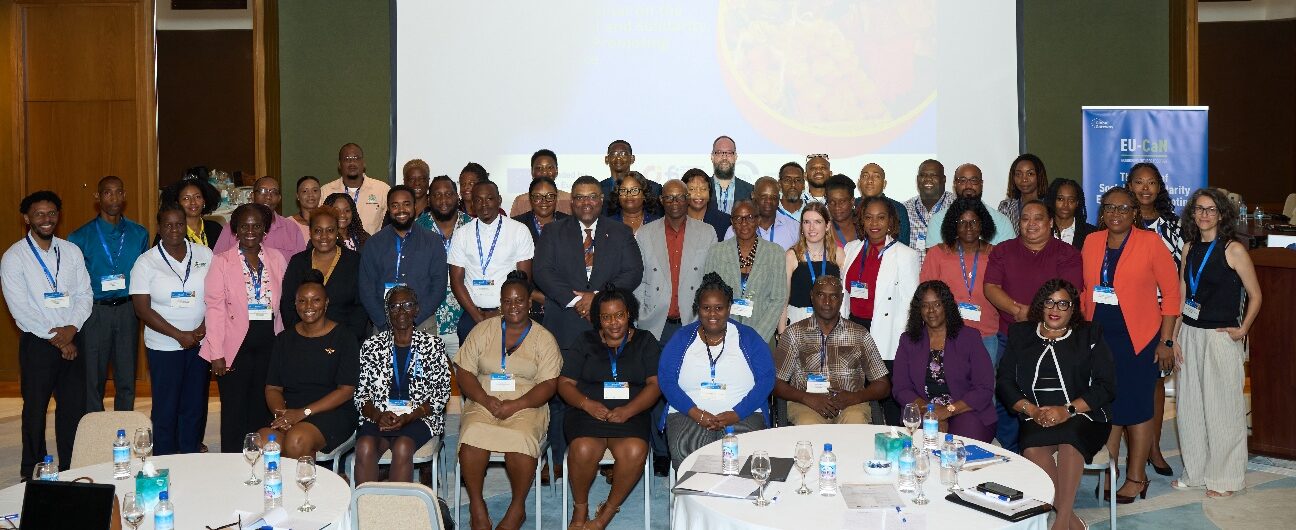
    Dominica recently hosted a pivotal regional workshop addressing the transformative potential of Social and Solidarity Economy (SSE) organizations, particularly cooperatives within agriculture and fisheries. Convened as part of the International Year of Cooperatives 2025 observances, the two-day forum assembled government officials, sector leaders, and technical experts from across the Eastern Caribbean. The primary objective was to forge actionable strategies for enhancing the capacity and influence of cooperatives in driving social justice, economic inclusion, and rural community resilience. Despite their recognized role in fostering social integration and decent employment, participants identified significant systemic constraints. Outdated legislation, fragmented institutional coordination, insufficient data collection mechanisms, and limited access to financial and non-financial services were cited as major impediments to progress. The event was orchestrated under the EU-funded EUCaN initiative, implemented by the Foundation for the Internationalization of Public Administrations (FIAP) and the Central Project Management Agency (CPVA). It enjoyed collaborative partnerships with a consortium of international bodies, including the OECS Commission, the International Labour Organization (ILO), the Inter-American Institute for Cooperation on Agriculture (IICA), and Dominica’s Ministry of Culture, Youth, Sports and Community Development. Keynote addresses underscored the necessity of people-centered development. Hon. Gretta Roberts, Dominica’s Minister of Culture, Youth, Sports and Community Development, emphasized the critical need for solidarity-driven models that synergize civil society, private enterprise, and government policy. A representative from the European Union Delegation to Barbados reaffirmed the EU’s commitment, through initiatives like EUCaN, to bolster regional food systems and resilience by supporting cooperatives as vital actors in creating inclusive value chains and ensuring local food sovereignty. Joni Musabayana, Director of the ILO Office for the Caribbean, championed the power of collective action, stating that collaborative efforts are fundamental to building an SSE ecosystem that empowers communities and secures sustainable livelihoods. Echoing this sentiment, Dr. Roxanne Brizan-St. Martin, Programme Director at the OECS Commission, highlighted the strategic importance of partnerships aligned with Sustainable Development Goal 17 (Partnerships for the Goals) to convert shared regional challenges into cooperative solutions. The forum featured knowledge-sharing sessions with international experts. Presentations from Spain’s Ministry of Labour and Social Economy and the Spanish Confederation of Social Economy offered adaptable frameworks on legal structures, institutional support, and innovative financing models. Contributions from the FAO, IICA, and the Cipriani College of Labour and Cooperative Studies provided practical insights into governance, market integration, inclusive finance, and climate-resilient agricultural practices. Delegates from participating nations conducted thorough analyses of their cooperative landscapes, pinpointing urgent needs in legislative modernization, capacity-building, data management, and market development. Consensus culminated in a preliminary work plan prioritizing capacity enhancement, inclusive policy formulation, robust data collection, and the strategic integration of digital technologies and artificial intelligence to propel the sector forward. In a conclusive statement, organizers affirmed that cooperatives serve as locally-anchored vehicles for generating dignified work, improving market access for small producers, fortifying climate resilience, and enabling shared investments in critical infrastructure and logistics.

  • Caribbean Airlines flight restructuring eliminates Dominica – Puerto Rico route from T&T

    Caribbean Airlines flight restructuring eliminates Dominica – Puerto Rico route from T&T

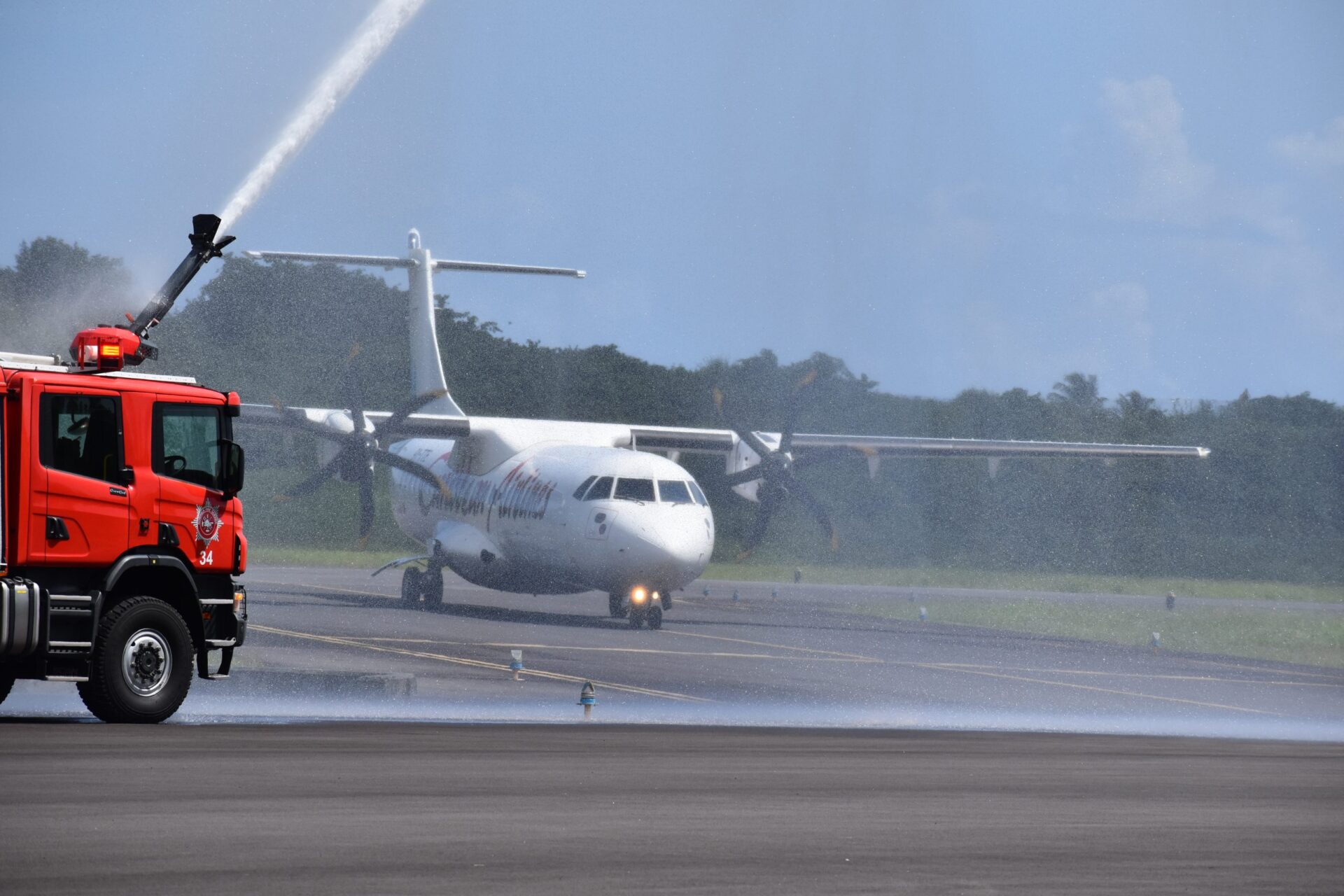
    In a decisive move to bolster operational efficiency and financial sustainability, Caribbean Airlines has unveiled a major restructuring of its flight network. The state-owned carrier confirmed it will terminate services on four specific routes connecting Trinidad with Dominica and Puerto Rico, effective January 10, 2026.

    The routes slated for discontinuation are BW 292 (Trinidad – Barbados – Tortola – Puerto Rico), BW 293 (the return flight), BW 296 (Trinidad – Dominica – Puerto Rico), and BW 297 (its return leg). This initiative is a core component of the airline’s broader Network Optimization Programme, designed to enhance schedule reliability and sharpen its competitive edge in a challenging aviation market.

    Concurrently, the airline announced a strategic reorganization of its Barbados hub operations, scheduled for February 2026. This will involve the reallocation of aircraft and crew currently based in Barbados, with Trinidad becoming the primary operational center. The airline has committed to directly contacting all affected passengers with existing bookings for travel after the cutoff date to arrange full refunds or alternative solutions.

    Acting Chief Executive Officer Nirmala Ramai emphasized that these difficult decisions are foundational to the carrier’s long-term strategy. ‘These changes form a critical part of our plan to deliver reliable service while managing our resources responsibly,’ Ramai stated. ‘Our customers remain our priority, and these adjustments ensure we continue to provide strong regional connectivity, supported by a sustainable and competitive operational model.’ The restructuring reflects the airline’s focus on consolidating its network around the most viable and profitable corridors, ensuring its continued service to the Caribbean community.

  • Caribbean Airlines to end Dominica–Puerto Rico flights, restructure Barbados hub

    Caribbean Airlines to end Dominica–Puerto Rico flights, restructure Barbados hub

    Caribbean Airlines has unveiled significant operational changes that will sever vital air connections within the Eastern Caribbean starting January 2026. The carrier confirmed it will terminate its Roseau-San Juan service effective January 10, 2026, eliminating a crucial link that facilitated connections between Dominica and North American destinations.

    The discontinued flights, designated BW 296 (Trinidad–Dominica–Puerto Rico) and BW 297 (Puerto Rico–Dominica–Trinidad), represented a key transportation artery for regional travelers. The airline has initiated direct communication with affected passengers holding reservations beyond the termination date, guaranteeing full refunds where applicable.

    This route suspension forms part of a comprehensive network optimization strategy that extends beyond Dominica. Caribbean Airlines will completely withdraw from both its Tortola, British Virgin Islands and San Juan, Puerto Rico routes, simultaneously discontinuing flights BW 292 (Trinidad–Barbados–Tortola–Puerto Rico) and BW 293 (Puerto Rico–Tortola–Barbados–Trinidad).

    In a parallel restructuring move, the airline announced it will reconfigure its Barbados hub operations beginning February 2026. Aircraft and crew currently stationed in Barbados will be relocated to Trinidad, while maintaining continued service to and from Barbados under a revised flight schedule. Company officials emphasized that these operational shifts will preserve seamless connectivity throughout the Northern and Eastern Caribbean regions.

    Acting CEO Nirmala Ramai characterized these measures as essential components of the airline’s strategic plan to enhance service reliability while optimizing resource allocation. ‘These adjustments are critical to delivering reliable service while managing our resources responsibly,’ Ramai stated, underscoring the airline’s dual commitment to maintaining regional connectivity while ensuring long-term operational sustainability and competitive positioning.

    The Trinidad-based carrier expressed gratitude to customers for their understanding during this transitional period, reaffirming its dedication to providing dependable air service across its network as it implements these structural changes to strengthen its overall travel offerings.

  • Trump hints at imminent expansion of U.S. travel ban list following national guard shooting incident

    Trump hints at imminent expansion of U.S. travel ban list following national guard shooting incident

    The Trump administration is evaluating a significant expansion of its travel restriction policies in response to last week’s shooting incident in Washington D.C. that left two National Guard personnel wounded. Homeland Security Secretary Kristi Noem announced via social media platform X that she has met with the President and recommended comprehensive travel prohibitions targeting nations she accused of “flooding our nation with killers, leeches, and entitlement junkies.”

    This potential policy escalation builds upon existing travel restrictions announced earlier this summer targeting 19 countries, with seven under partial bans affecting specific visa categories. The current list includes Afghanistan, Iran, Venezuela, and several African nations, with varying restrictions based on diplomatic relations and security assessments.

    The administration’s consideration gained momentum after authorities identified the suspected shooter in last week’s incident as a 29-year-old Afghan national. While neither Trump nor Noem has specified which additional countries might face restrictions, leaked documents reveal the administration had already been evaluating 36 potential additions to the ban list, predominantly from sub-Saharan Africa.

    According to diplomatic cables obtained by media outlets, the State Department had given these nations 60-day notices to improve travel documentation practices and address issues related to citizens residing illegally in the United States. Failure to demonstrate compliance would result in inclusion in the expanded restrictions.

    The proposed expansion aligns with President Trump’s recent declaration that he would “permanently pause migration from all Third World Countries to allow the U.S. system to fully recover,” signaling a fundamental shift in immigration policy that prioritizes security concerns and systematic recovery over traditional immigration pathways.