标签: Dominica

多米尼克

  • Voter registration to resume next month, says Electoral Office

    Voter registration to resume next month, says Electoral Office

    The Electoral Office of Dominica has officially declared the resumption of voter registration activities effective March 9, 2026, marking a significant milestone in the nation’s electoral modernization efforts. This development follows the successful implementation of the Registration of Electors Act, 2025, which mandated a comprehensive overhaul of the electoral infrastructure.

    The temporary suspension of registration services, initially implemented in 2025, was necessary to facilitate the transition to an advanced computerized system and align procedures with updated eligibility criteria established by the new legislation. The Act further stipulated that all existing voters must formally confirm their registration status, requiring the Electoral Commission to announce a designated confirmation period within one month of the law’s enactment.

    In accordance with these legal requirements, the Electoral Office implemented a phased approach, prioritizing the voter confirmation process that launched in October 2025 as the initial phase of implementation. During this transitional period, the Office was legally prohibited from processing registrations through previous mechanisms or utilizing outdated forms, necessitating the development of a completely new system for generating legislatively-compliant voter identification numbers.

    The newly deployed registration system represents a technological leap forward, featuring sophisticated software architecture, a high-tech registration platform, and comprehensively trained personnel. Specially appointed registering officers and their assistants will utilize computerized devices capable of direct data entry, document scanning, and photographic capture of applicants, significantly streamlining the registration process while enhancing security and accuracy.

    The Electoral Office has confirmed full operational readiness for this second phase implementation, ensuring compliance with all legislative deadlines while modernizing the democratic infrastructure of the Commonwealth of Dominica.

  • IICA reps meet with Bahamas agriculture minister to continue distribution to farmers in wake of Hurricane Melissa

    IICA reps meet with Bahamas agriculture minister to continue distribution to farmers in wake of Hurricane Melissa

    The Bahamas government, in partnership with the Inter-American Institute for Cooperation on Agriculture (IICA), has initiated a comprehensive agricultural support program for farmers devastated by Hurricane Melissa’s October impact. Minister of Agriculture and Marine Resources Jomo Campbell personally oversaw the distribution of critical farming inputs in Exuma district alongside IICA’s Bahamas Representative Mari Dunleavy and her technical team.

    The catastrophic hurricane, which caused significant fatalities and widespread destruction across the Caribbean region, particularly damaged agricultural infrastructure throughout the Bahamian archipelago. Long Island emerged as one of the most severely affected areas, prompting coordinated international response efforts spearheaded by IICA to facilitate procurement and delivery of essential supplies.

    Minister Campbell acknowledged IICA’s crucial support, stating: “This collaboration demonstrates our shared commitment to building agricultural resilience. Our ministry remains dedicated to implementing recovery strategies that will strengthen our food production systems against future climate challenges.”

    The initiative forms part of broader strategic policies aimed at enhancing national food security through reduced import dependency and promoted sustainable agricultural practices. Dunleavy emphasized IICA’s ongoing commitment: “The Bahamas has been advancing strategic initiatives to strengthen local food security and foster sustainable agricultural production, which we fully support through technical cooperation and resource mobilization.”

    Under Minister Campbell’s leadership, the recovery program integrates multiple developmental objectives including employment generation, support for traditional farmers and fisherfolk, and ensuring stable access to affordable fresh produce for the population. Notable components include expansion of sustainable agriculture projects and hydroponics systems across multiple islands, direct producer support through input provision and technical assistance, and value chain reinforcement through improved producer-distributor linkages.

    The Ministry has concurrently intensified focus on agricultural education, developing specialized programs with academic institutions to attract youth to the sector. Enhanced phytosanitary capabilities through mobile laboratories and improved crop protection measures further demonstrate the comprehensive approach to building a competitive, resilient agricultural sector capable of accessing international markets.

  • Marriage and Engaged Encounter set for annual celebration of World Marriage Day in St Joseph

    Marriage and Engaged Encounter set for annual celebration of World Marriage Day in St Joseph

    The St. Joseph Catholic Church is set to host its twelfth consecutive World Marriage Day observance on Sunday, February 8th, continuing its tradition of honoring committed relationships within the community. The event, commencing at 9:00 AM, welcomes couples across various relationship stages—married, engaged, or seriously dating—for a spiritual celebration of matrimonial bonds.

    This annual gathering serves as both a recognition of the institution of marriage and an opportunity for couples to reflect on their commitments. The church’s Marriage and Engaged Encounter ministry organizes the event, creating a dedicated space for relationship enrichment through shared experiences and spiritual practices.

    Unlike typical couple-focused events, World Marriage Day emphasizes the communal aspect of relationships, highlighting how marital bonds contribute to broader social stability. The celebration incorporates liturgical elements specifically designed to acknowledge the challenges and joys of long-term partnerships.

    The event represents one of the region’s most established observances of World Marriage Day, which itself is recognized internationally. Participants can expect a program blending traditional worship with contemporary reflections on modern relationship dynamics, all within the framework of Catholic teaching on sacramental marriage.

  • STATEMENT: Clarification on government grants to government-assisted schools

    STATEMENT: Clarification on government grants to government-assisted schools

    ROSEAU, DOMINICA – In response to emerging concerns within the educational sector, the Government of Dominica has issued an official clarification regarding salary management practices at government-assisted schools. This statement comes following the circulation of a letter from St. Mary’s Academy staff on February 4, 2026, prompting governmental intervention to ensure factual accuracy and public transparency.

    According to the clarification, government-assisted institutions operate as independent entities while receiving monthly grants specifically allocated for staff compensation. The government emphasized that with the notable exceptions of St. Martin Primary, St. Luke’s Primary, and St. John’s Primary Schools, educators at these facilities are not classified as government employees. Consequently, the administration of salary disbursements falls under the purview of individual school authorities rather than central government management.

    The Ministry of Finance maintains a established protocol ensuring that financial assistance to these educational institutions is distributed no later than the final business day of each month, provided all necessary requirements have been satisfactorily met. Although staff members at these schools do not hold public officer status, the government has consistently facilitated their compensation through structured grants, recently including negotiated salary enhancements of 3% and 2% in collaboration with the Dominica Association of Teachers, along with corresponding back-pay adjustments.

    Government officials acknowledged the critical contribution of both government-assisted and private educational institutions within the national framework. While maintaining their independent operational status, these schools are strongly encouraged to promptly collect available grants to ensure timely remuneration for their educational professionals.

    The Dominica Government reaffirmed its unwavering commitment to supporting all educational sectors, emphasizing the importance of continuous dialogue and cooperative engagement to address concerns effectively, ultimately prioritizing the best interests of both students and educators throughout the nation.

  • Vertiver Contemporary launches new art exhibition by Francilia Agar, ‘I Am Dominica’

    Vertiver Contemporary launches new art exhibition by Francilia Agar, ‘I Am Dominica’

    Vertivert Contemporary Fine Art Gallery in Dominica is currently hosting “I Am Dominica,” a compelling solo exhibition featuring the latest works of Dominican artist Francilia Agar. The showcase launched on February 3rd at Melrose House in Roseau, strategically timed to coincide with the island’s Carnival celebrations.

    Agar’s artistic practice demonstrates masterful manipulation of color, dynamic movement, and rich texture. Her creations serve as visual narratives that capture Dominica’s breathtaking natural scenery, collective cultural memories, and profound sense of identity. This exhibition represents an expansion of the thematic exploration began in her critically acclaimed 2024 show, “I Am Kalinago,” which examined concepts of heritage and belonging.

    Born in Sineku, Dominica, and adopted at age two, Agar has developed a multifaceted career as a pianist, educator, and interdisciplinary artist. Though presently residing in Arizona, she maintains strong ties to her Caribbean roots, regularly returning to exhibit her work and participate in Dominica’s artistic community.

    Her paintings reveal a fascinating visual dialogue between the lush tropical vegetation of the Caribbean and the arid desert landscapes of the American Southwest. This unique perspective emerges through Agar’s intuitive approach to mark-making, creating artwork that bridges her dual environmental experiences while celebrating her Dominican origins.

  • Sports minister says WIndsor Park lighting project back on track after ‘unavoidable’ delays

    Sports minister says WIndsor Park lighting project back on track after ‘unavoidable’ delays

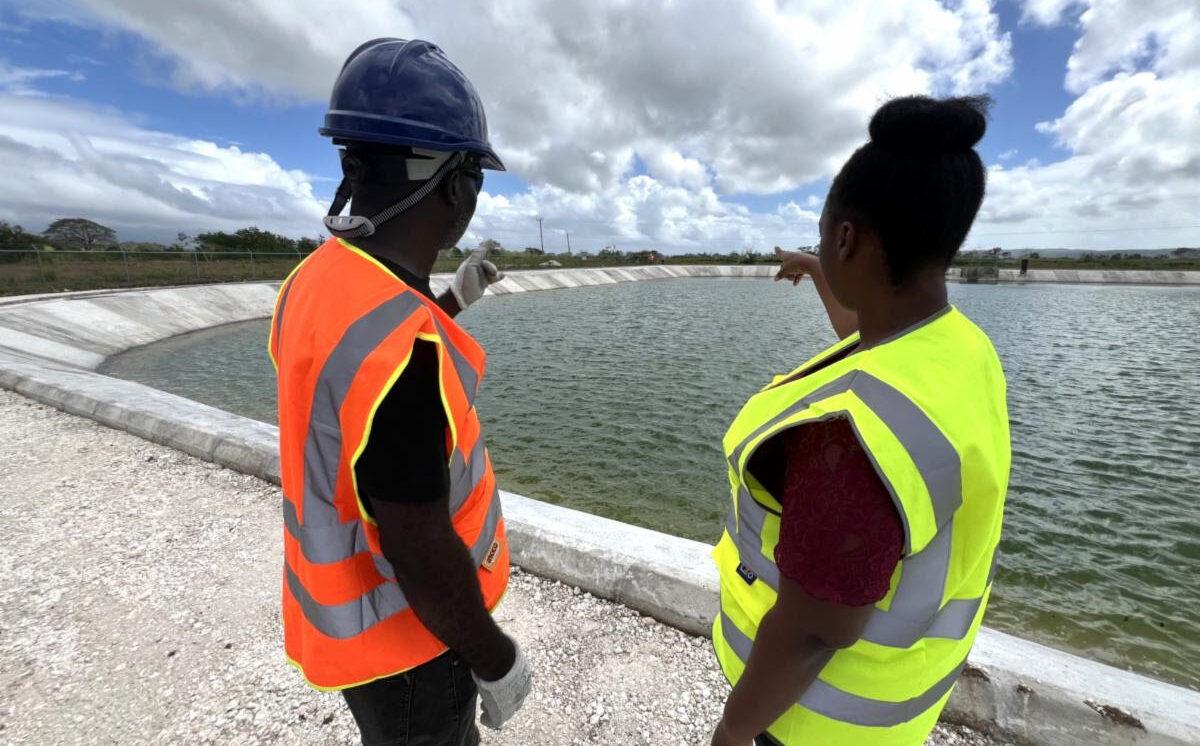
    The Windsor Park Sports Stadium illumination initiative is progressing decisively after overcoming logistical setbacks, according to Senator Oscar George, Minister of State for Culture, Youth, Sports and Community Development. The $13.8 million development, funded through the Dominica Lotteries Commission, encountered unforeseen delays in the delivery of specialized lighting components from international suppliers.

    Senator George provided a detailed technical update, confirming that the concrete foundations for the towering light structures have been successfully poured. These foundations require an additional fourteen-day curing period to achieve the necessary structural integrity to support the 150-foot towers. The lighting components have now successfully arrived from manufacturing facilities in India and await assembly.

    ‘The various structural elements have been delivered to Dominica,’ Senator George stated. ‘Specialized technicians will now commence the process of connecting and welding these components into complete units during the concrete curing phase.’

    Following the structural assembly, crews will initiate the comprehensive electrical installation phase. This critical stage involves routing armored underground cabling, establishing connections between control rooms and foundation points, and finally integrating the wiring through each tower to the lighting fixtures themselves.

    A significant aspect of the project involves knowledge transfer and capacity building. The government has implemented a strategic workforce development plan to engage numerous young Dominicans in the installation process. These participants will receive hands-on technical training in specialized electrical and structural installation techniques.

    ‘Our intention is to identify and retain the most skilled individuals from this training cohort for permanent roles upon project completion,’ Senator George explained. ‘This approach ensures we develop sustainable local expertise to maintain the stadium’s advanced lighting infrastructure for decades to come.’

    The project represents a major enhancement to Dominica’s sports infrastructure and is expected to enable extended training hours and potential nighttime competitions upon its completion.

  • CARICOM IMPACS program equips local law enforcement officers to develop digital training material

    CARICOM IMPACS program equips local law enforcement officers to develop digital training material

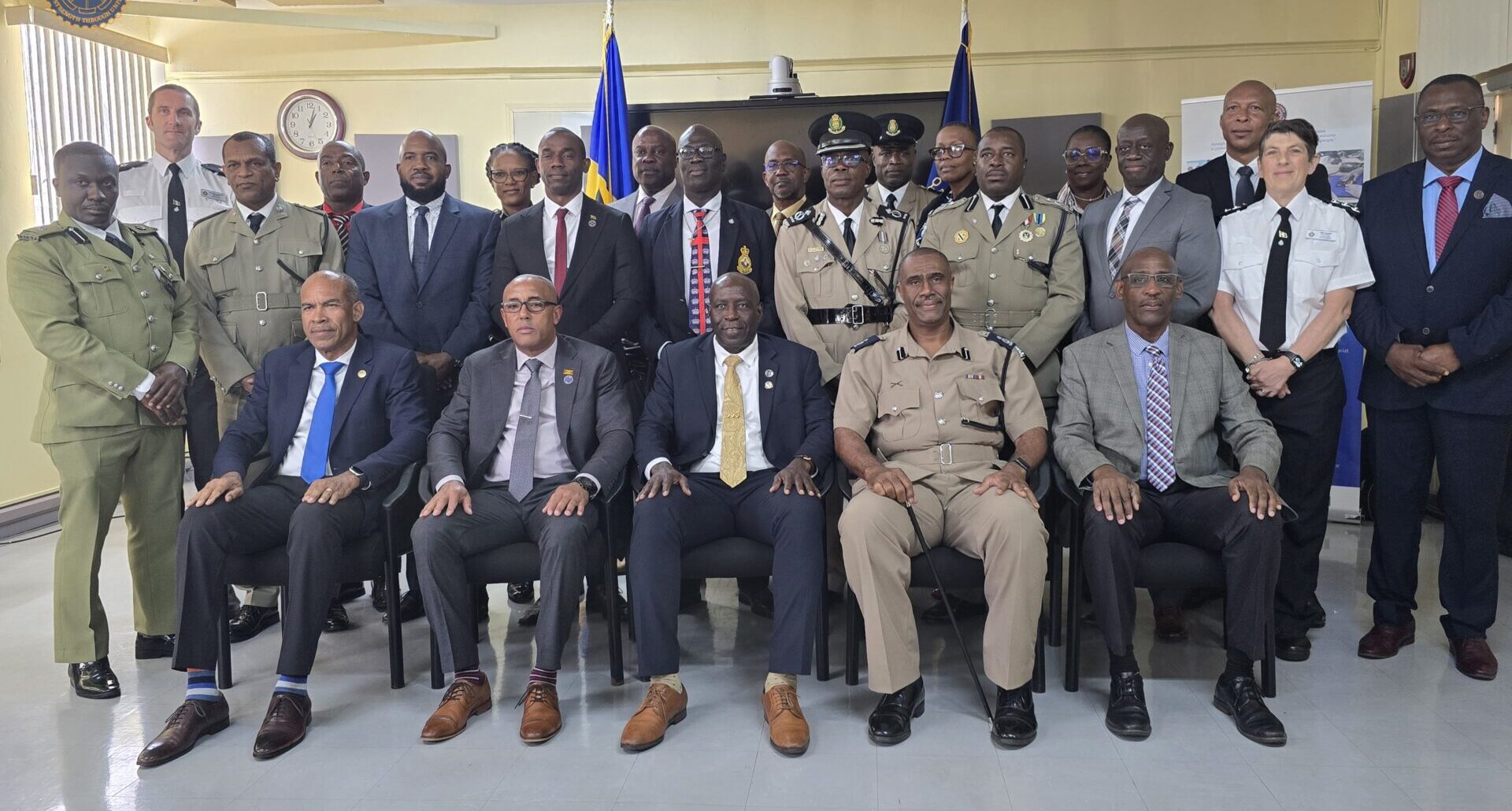
    In a significant capacity-building initiative, eighteen specialized officers from Dominica’s law enforcement sectors have successfully concluded an intensive training program on digital content creation for security education. The week-long workshop, conducted from January 19-23, 2026, was administered by the Caribbean Community Implementation Agency for Crime and Security (CARICOM IMPACS) with strategic partnership from the U.S. Department of State’s Bureau of International Narcotics and Law Enforcement Affairs (INL).

    The comprehensive curriculum equipped personnel from the Commonwealth of Dominica Police Force, Immigration Department, and Customs Division with advanced technical skills to develop sophisticated digital training materials. This initiative represents a crucial advancement in establishing standardized, sustainable, and modernized learning frameworks for security agencies throughout the Caribbean region.

    This training session marked the conclusive phase of the English-speaking Caribbean implementation, following similar programs across twelve CARICOM Member States. The project now prepares to expand to Spanish-speaking partner institutions in the Dominican Republic scheduled for February 2026, demonstrating the program’s continuing regional development.

    According to official statements, CARICOM IMPACS remains committed to broadening capacity-building support, with plans to extend these specialized training opportunities to additional Member and Associate States through future initiatives. This multinational cooperation underscores the growing importance of digital proficiency and standardized training protocols in contemporary law enforcement practices throughout the Caribbean basin.

  • Rotary Club of Dominica fosters project at Psychiatric Unit, completes handover

    Rotary Club of Dominica fosters project at Psychiatric Unit, completes handover

    In a landmark achievement for Caribbean mental healthcare infrastructure, the Rotary Club of Dominica has unveiled a comprehensively renovated Acute Psychiatric Unit following a significant modernization initiative. The completed project was officially inaugurated during a ceremonial event on January 30, 2026, attended by government officials, healthcare specialists, and Rotary representatives.

    The renovation project focused on four primary objectives: comprehensive physical infrastructure modernization, creation of a safer and more dignified patient-centered environment, enhancement of working conditions for medical staff, and substantial strengthening of Dominica’s mental health treatment capabilities.

    Substantial facility improvements included complete electrical system upgrades, modernized plumbing infrastructure, comprehensive refurbishment of both patient wards and staff offices, acquisition of new beds and mattresses, and a complete repainting of the facility. These enhancements collectively create a more therapeutic and welcoming environment conducive to patient recovery and healing.

    Notably, the project funding totaling XCD$44,218.92 was primarily generated through the Rotary Club’s annual Carnival Souse and Punch fundraising event, demonstrating how community-supported initiatives directly contribute to critical infrastructure development.

    During the inauguration ceremony, Health Minister Cassanni Laville expressed profound gratitude for the Rotary Club’s partnership, emphasizing that “well-maintained and dignified facilities are fundamental to effective mental healthcare and successful patient recovery.” He highlighted the critical importance of collaborative efforts between service organizations and government entities in advancing national healthcare infrastructure.

    Rotary District 7030 Governor Soraya A.J. Warner-Gustave commended the project as embodying Rotary’s core principles of compassion, community service, and sustainable impact. She noted that such partnerships between service organizations and government agencies yield profound and lasting benefits for society.

    Dr. Jermaine Jewel Jean-Pierre, President of the Rotary Club of Dominica, reaffirmed the organization’s ongoing commitment to supporting national healthcare systems. He emphasized the project’s alignment with Rotary International’s strategic focus on “Disease Prevention and Treatment,” particularly through infrastructure improvements that directly enhance patient wellbeing.

    The renovated APU facility holds particular historical significance, having been originally established in 1982 through Rotary Club vision and resources. The recent modernization project reinforces the organization’s enduring legacy of sustainable community development and service excellence.

    The Rotary Club extended special recognition to Harris Paint Dominica for material donations, along with numerous volunteers, supporters, and the dedicated staff of the Ministry of Health and APU for their cooperation and commitment to serving some of the nation’s most vulnerable citizens.

  • Saint Mary Academy teachers stage brief industrial action over salary delays

    Saint Mary Academy teachers stage brief industrial action over salary delays

    Educators at Saint Mary Academy initiated a brief work stoppage on Monday, February 2nd, in response to the non-payment of January salaries by the Ministry of Education. This industrial action serves to spotlight systemic compensation issues plaguing teachers within government-assisted educational institutions across Dominica.

    According to an official communiqué released by the faculty, salary disbursements that were historically punctual have experienced consistent delays since December 2018. Similar to other assisted secondary schools nationwide, Saint Mary Academy relies on monthly governmental grants for payroll funding. Staff representatives report that school administrators now routinely undertake multiple personal visits to the Treasury Department, frequently receiving explanations that necessary checks remain either unprepared or awaiting signatures.

    The teaching body emphasized that this compensation crisis extends beyond their institution, affecting educators throughout Dominica’s network of government-assisted schools. They detailed how belated payments create substantial financial distress, preventing teachers from meeting critical obligations including loan repayments that often accumulate penalty fees and additional interest charges.

    “The normalization of end-month or post-month salary payments must cease,” the statement asserted, highlighting that assisted-school teachers remain excluded from the timely payment protocols granted to other educational professionals. Staff further noted that while certain public officials receive advance compensation during national holidays like Creole Day and Christmas, educators at assisted institutions consistently face financial disadvantage.

    Faculty members are demanding equitable treatment through several specific measures: implementation of consistent timely salary payments, immediate disbursement of overdue back pay, and salary reclassification parity with government secondary school teachers based on equivalent qualifications and experience. Additionally, they urge full implementation of existing agreements between the Dominican government and assisted schools, characterizing these changes as fundamental to achieving professional fairness and justice.

    Despite these operational challenges, Saint Mary Academy maintains exceptional educational standards, achieving consistent 100% pass rates in multiple subjects and regularly securing top rankings in national and regional academic comparisons. Teachers expressed profound pride in their contributions to Dominica’s educational excellence while reaffirming their unwavering commitment to student development.

    The academic staff recognized ongoing advocacy efforts by educational trade unions and requested continued support from the Catholic Schools’ Board of Management and other supervisory bodies. They issued a final appeal to the Ministry of Education’s sense of justice, framing resolution of these compensation issues as both a moral imperative and a matter of professional dignity.

  • Queen’s Commonwealth Writing Competition 2026 launches with new inclusive structure

    Queen’s Commonwealth Writing Competition 2026 launches with new inclusive structure

    In a landmark evolution of literary recognition, the Queen’s Commonwealth Writing Competition has announced a comprehensive restructuring for its 2026 edition that will fundamentally reshape how young voices are celebrated across the Commonwealth nations. This historic initiative, among the world’s most prestigious literary contests for youth, introduces a groundbreaking regional selection process designed to ensure global representation and amplify diverse perspectives.

    The revitalized competition framework will establish five regional champions representing Africa, Asia, the Americas and Caribbean, Europe, and the Pacific. These regional winners will subsequently compete for the distinction of overall Commonwealth champion, creating a layered recognition system that guarantees geographical diversity in its highest honors. The competition maintains its commitment to writers under 18 who are either Commonwealth nationals or residents, thereby preserving its core mission while expanding its inclusive reach.

    Janet Cooper OBE, Chair of the Royal Commonwealth Society, characterized the changes as both transformative and necessary: ‘This reimagining represents a timely evolution that strengthens regional representation across our global community. By restructuring our selection process, we ensure that a richer tapestry of voices, perspectives, and experiences are elevated and celebrated. This renewed structure honors our legacy while positioning the competition to be more accessible and responsive to young people across all regions.’

    Complementing the structural changes is a complete visual rebranding featuring a new logo that artistically incorporates symbols of creativity, writing implements, and the five Commonwealth regions. This modernized aesthetic reflects the competition’s renewed commitment to innovation while maintaining its prestigious heritage.

    The competition continues to enjoy royal endorsement through Her Majesty The Queen, Vice-Patron of the Royal Commonwealth Society, whose sustained advocacy for literacy initiatives has contributed to a remarkable 53% surge in participation during the past year. This growth demonstrates the increasing relevance and appeal of the competition among young writers throughout the Commonwealth nations.

    The 2026 competition will commence accepting entries on March 4, 2026, inviting the next generation of literary talent to share their creative visions with a global audience through this redefined platform that promises unprecedented regional representation and recognition.