标签: Dominica

多米尼克

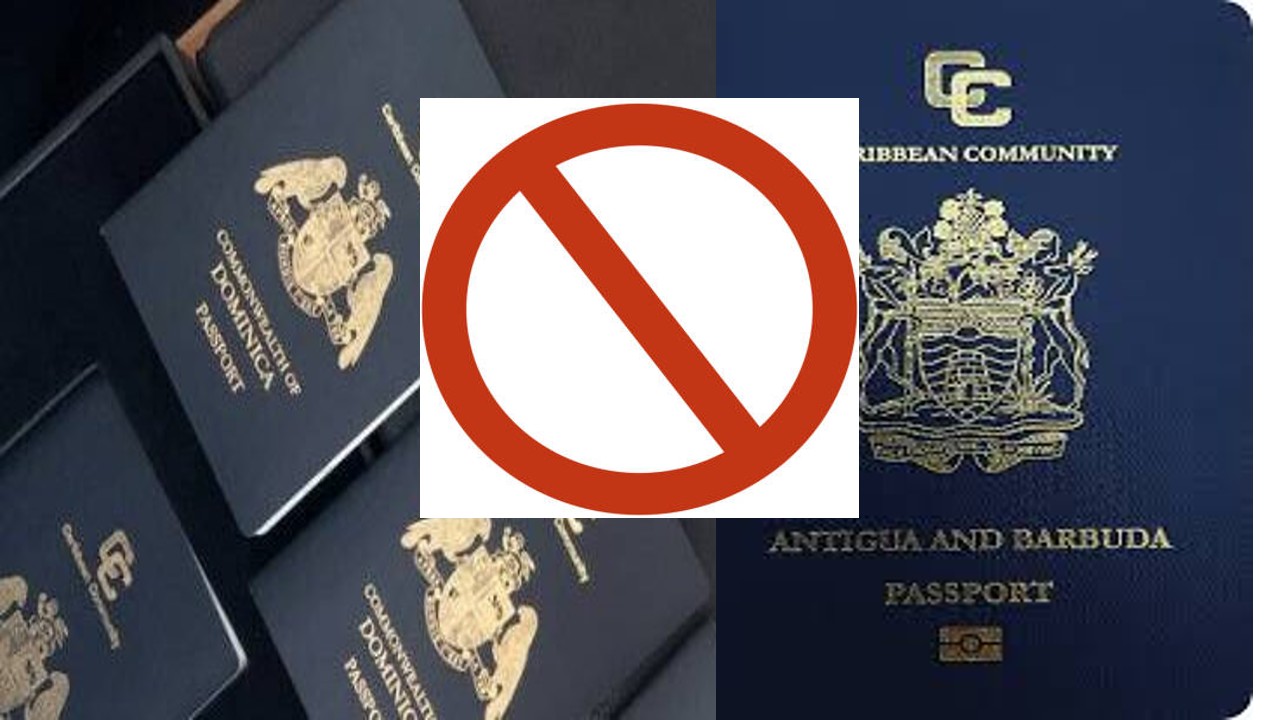
  • OP-ED: Immigration restrictions on nationals from Antigua and Barbuda and Dominica – An analysis of crime rates, CBI program security, and ethical considerations

    OP-ED: Immigration restrictions on nationals from Antigua and Barbuda and Dominica – An analysis of crime rates, CBI program security, and ethical considerations

    A recent policy proclamation by the United States government imposing entry restrictions on nationals from Antigua and Barbuda and Dominica has sparked significant debate regarding its empirical foundation and ethical implications. Issued on December 16, 2025, and justified on national security grounds, this measure faces mounting scrutiny from immigration experts and ethicists alike.

    Extensive criminological research demonstrates that immigrants from Caribbean nations consistently exhibit lower crime rates than native-born U.S. citizens. Comprehensive studies reveal immigrant incarceration rates significantly below those of U.S.-born individuals, with undocumented immigrants showing conviction rates 26–61% lower for serious crimes including homicide. While specific data on Antiguan and Dominican nationals is limited due to small diaspora populations, aggregated Caribbean immigrant statistics align with these broader trends, showing substantially lower incarceration and conviction rates compared to native-born Americans.

    The Citizenship by Investment (CBI) programs operated by Antigua and Barbuda and Dominica incorporate multilayered security protocols that exceed many standard visa requirements. Both nations mandate rigorous background checks through Interpol, World-Check, and third-party international vetting firms. Antigua and Barbuda requires certified documents, police certificates, and enhanced due diligence fees ranging from US$7,500–$8,500 for main applicants. Dominica has implemented mandatory interviews since 2024 alongside sophisticated vetting procedures, with primary applicant fees set at US$7,500. These programs maintain substantial rejection rates for high-risk applicants, demonstrating proactive risk management.

    Ethical considerations present further challenges to nationality-based restrictions. Philosophical frameworks emphasize the violation of equal moral worth when policies discriminate based on arbitrary birth circumstances rather than individual risk assessment. Such measures echo historical exclusions rooted in racial and ethnic prejudice, conflicting with fundamental human rights principles. From a moral perspective, collective punishment of entire nationalities for hypothetical risks contradicts religious imperatives of hospitality and presumes guilt by association—a fundamental violation of justice principles.

    Legal experts note that legitimate restrictions require proportionate, evidence-based justification. The absence of data indicating higher criminality among Antiguan or Dominican nationals undermines claims of necessity under international law standards. The sophisticated due diligence mechanisms within CBI programs further negate security rationales for blanket restrictions.

    The comprehensive analysis concludes that empirical evidence, security protocols, and ethical frameworks all fail to support nationality-based entry restrictions. Policy recommendations emphasize individualized assessment approaches that respect human dignity while maintaining security through evidence-based methods rather than collective stigma.

  • PM Skerrit offers Dominica’s mediation between US and Venezuela, to maintain zone of peace

    PM Skerrit offers Dominica’s mediation between US and Venezuela, to maintain zone of peace

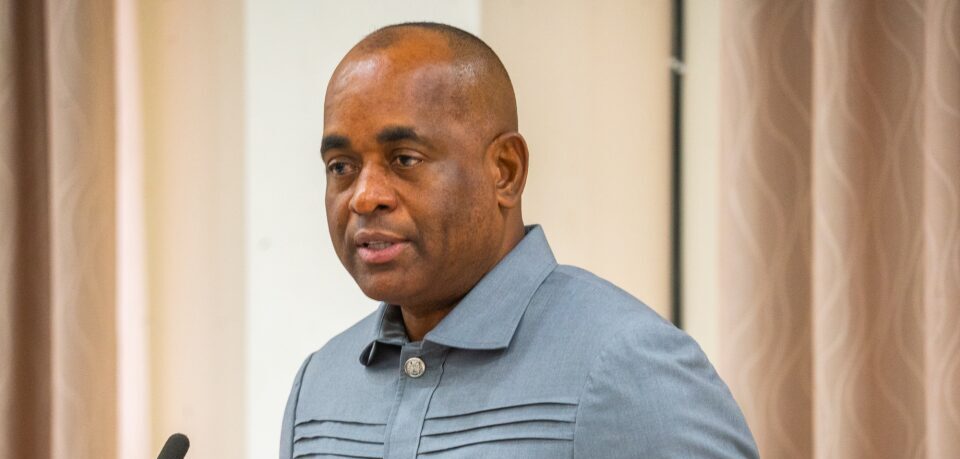
    Prime Minister Roosevelt Skerrit of Dominica has formally extended his nation’s diplomatic services to mediate escalating tensions between the United States and Venezuela. During his year-end press conference, the Caribbean leader positioned Dominica as a neutral intermediary capable of facilitating dialogue between the conflicting parties.

    Skerrit emphasized the Caribbean region’s vulnerability to external shocks, stating that military conflict would have devastating consequences for all regional economies. “We have always maintained that the Caribbean should be a zone of peace,” Skerrit declared. “Any thought of military actions in the Caribbean should be reconsidered. We believe that dialogue and diplomatic channels represent superior approaches to resolving differences.”

    The Prime Minister highlighted Dominica’s existing friendly relations with both nations and referenced previous successful mediation efforts. “Dominica is a good friend of both the United States and Venezuela,” he noted. “We have worked together as an intermediary in the past and stand prepared to do so in this current situation.”

    Skerrit specifically addressed U.S. President Donald Trump, acknowledging his previous negotiation successes in global conflicts and urging continued diplomatic engagement. This development comes amid reported U.S. military buildup in the Caribbean Sea under the pretext of anti-drug trafficking operations—a move that Caracas interprets as direct aggression aimed at overthrowing President Nicolás Maduro’s government.

    According to international media reports, tensions have intensified following President Trump’s accusations that Maduro’s administration facilitates drug trafficking and drives mass migration from Venezuela to the United States. Prime Minister Skerrit’s intervention represents a significant diplomatic initiative from a Caribbean nation to prevent further escalation in regional tensions.

  • STATEMENT: Dominica Hotel and Tourism Association on the increased site user fees

    STATEMENT: Dominica Hotel and Tourism Association on the increased site user fees

    The Dominican Hotel and Tourism Association (DHTA) has issued a stark warning regarding recent policy decisions that threaten to undermine the Caribbean nation’s carefully cultivated tourism model. Representing hotels, tour operators, transportation providers, and thousands of industry workers, the association expresses deep concern over the government’s departure from previously agreed-upon funding mechanisms.

    For years, both governmental and private sectors have acknowledged critical funding shortfalls in destination marketing and natural site maintenance. This financial gap has directly impacted Dominica’s competitiveness and visitor experience quality. In response, the DHTA had supported implementing a visitor levy under specific conditions: a $20 fee collected through IATA systems, establishment of a jointly managed tourism fund, and elimination of individual site fees in favor of a unified ‘One National Park’ concept.

    However, the recently announced budget measures diverge significantly from these agreements. The government has implemented a $30 levy (50% higher than proposed), maintained cruise head taxes at current levels instead of increasing them to $12.50, introduced substantially higher site pass fees, and made no mention of the jointly managed fund structure. Most concerning is the 300% increase in site fees, creating an additional $272 financial burden for a typical family of four—a 566% overall increase when combined with the new levy.

    The economic impact is already materializing, with over 10,000 pre-booked room nights for 2026 facing significant losses under the new fee structure. Small and medium properties report unbudgeted adjustments exceeding EC$10,000, while tour operators struggle with mid-cycle changes to contracts typically set 12-18 months in advance.

    The association highlights a critical equity issue: cruise visitors represent 80% of arrivals but contribute less than 10% of tourism GDP, while stayover visitors—who spend fifty times more per capita—bear nearly the entire financial burden of site maintenance and marketing. This imbalance contradicts Dominica’s longstanding tourism master plans emphasizing high-yield, low-volume, nature-based tourism.

    The DHTA reaffirms its commitment to collaborative solutions that protect Dominica’s unique brand as the world’s premier nature destination while ensuring fair contribution across all tourism segments and upholding environmental stewardship principles.

  • Dominica announces expanded flight options for regional, US and UK connectivity

    Dominica announces expanded flight options for regional, US and UK connectivity

    The Commonwealth of Dominica has unveiled a strategic aviation expansion set to dramatically enhance its international connectivity for the 2025–2026 winter season. This initiative, jointly announced by the Ministry of Tourism and the Discover Dominica Authority (DDA), represents a significant upgrade to the island’s airlift capacity, targeting key markets in the Caribbean, the United States, and the United Kingdom.

    The enhanced flight network is designed to facilitate smoother and more frequent travel to the ‘Nature Isle,’ a move that directly addresses previous logistical challenges for tourists. The expansion includes increased flight frequencies on existing routes and the introduction of new services from major international hubs. This development is a cornerstone of the government’s broader economic strategy, which positions tourism as a primary driver of sustainable development.

    Analysts project that the improved accessibility will catalyze a substantial uptick in visitor arrivals, providing a considerable boost to the local hospitality sector, including hotels, tour operators, and ancillary services. The government emphasizes that this infrastructural advancement is a direct response to growing global interest in eco-tourism and destination weddings, for which Dominica is increasingly renowned. This calculated investment in air transport is expected to solidify the island’s competitive stance within the regional tourism market and foster long-term economic resilience.

  • STATEMENT: Government of Dominica seeks clarification and dialogue with United States on presidential  proclamation

    STATEMENT: Government of Dominica seeks clarification and dialogue with United States on presidential proclamation

    The Commonwealth of Dominica has formally requested immediate diplomatic consultations with the United States government following the December 16, 2025 proclamation imposing partial entry restrictions on Dominican nationals. While acknowledging America’s sovereign right to implement national security measures, the Dominican government expressed profound concern about its inclusion in the travel restrictions given its extensive cooperation with U.S. authorities and substantial reforms to its Citizenship by Investment Program.

    Throughout 2024-2025, Dominican officials maintained continuous engagement with multiple U.S. agencies through various channels including the Prime Minister’s Office, Ministry of Foreign Affairs, and its Washington D.C. embassy. These collaborative efforts addressed all concerns raised by American officials regarding CBI operations, culminating in Dominica becoming the first Organization of Eastern Caribbean States member to enact comprehensive legislative reforms on October 14, 2025.

    The groundbreaking reforms introduced stringent new requirements including enhanced residency provisions, rigorous name-change controls, strengthened due diligence protocols, improved financial transparency measures, and the creation of an independent regulatory authority to ensure compliance with international standards.

    The Caribbean nation now seeks clarification regarding whether these implemented measures satisfy U.S. security requirements referenced in the proclamation. Dominican authorities have requested urgent dialogue before the restrictions take effect on January 1, 2026, consistent with the partnership spirit outlined in the proclamation itself.

    Emphasizing its long-standing bilateral relationship with the United States, particularly regarding maritime security and regional stability cooperation, Dominica reiterated that threats to U.S. security equally concern the Caribbean region. The government remains committed to transparent collaboration and shared security objectives while seeking resolution through constructive diplomatic engagement that reflects mutual respect between both nations.

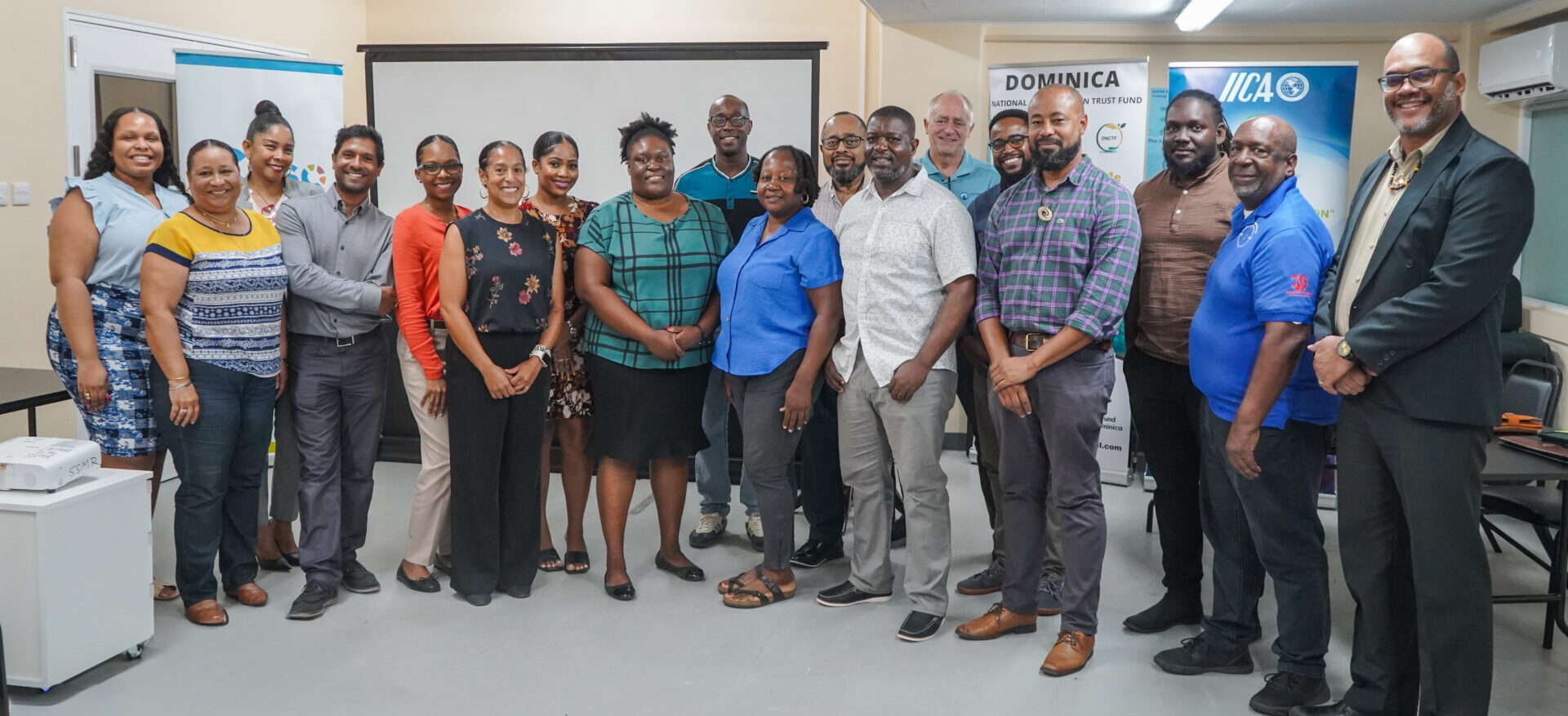
  • Dominica National Conservation Trust Fund announces first grant recipients under conservation fund

    Dominica National Conservation Trust Fund announces first grant recipients under conservation fund

    In a historic move for environmental conservation, Dominica’s National Conservation Trust Fund (DNCTF) has officially launched its inaugural grant program, selecting two pioneering projects that merge ecological preservation with gender equality. The December 11th signing ceremony marked a transformative moment in Caribbean conservation financing, channeling support through the Gender Smart Facility—a specialized program under the Caribbean Biodiversity Fund’s CORE Project implemented with Global Affairs Canada.

    The selected initiatives, led by the Inter-American Institute for Cooperation on Agriculture (IICA) and the Anse Kouanari Tourism Association (AKTA), represent a dual approach to sustainable development. IICA’s project addresses Dominica’s dependency on imported livestock feed by establishing climate-resilient forage production systems at the Central Livestock Farm. Through distribution of drought-tolerant Brachiaria and Clitoria plant varieties to small-scale farmers, particularly those in the Dominica Livestock Cooperative and National Association of Youth in Agriculture, the project aims to reduce feed costs by up to 60% while rehabilitating degraded lands.

    AKTA’s initiative tackles the critical shortage of native plant species essential for reforestation and pollinator habitat restoration. The program will provide comprehensive training in plant propagation and nursery management to rural farmers, with special emphasis on women and youth participation. This approach not only addresses ecological needs but creates sustainable livelihood opportunities in marginalized communities.

    Dr. Rhonda Linton, CEO of DNCTF, emphasized the significance of these grants: ‘These first two grants represent a significant moment for Dominica’s conservation landscape. By funding projects that are both community-led and scientifically grounded, DNCTF is ensuring that conservation financing reaches the people and ecosystems that need it most.’

    The Gender Smart Facility specifically targets eight Caribbean nations, ensuring conservation and climate adaptation efforts actively promote women’s empowerment and inclusion of marginalized groups. Nayari Diaz, lead of the CORE Project, noted that ‘these projects restore ecosystems and challenge traditional barriers that have kept women out of agricultural decision-making and environmental leadership.’

    Canada’s support through Global Affairs Canada was highlighted by Ena Cimic, Second Secretary at the High Commission of Canada to Jamaica: ‘When women have equal opportunities in agriculture and environmental management, everyone benefits. This results in better-protected ecosystems, more resilient communities, and expanded economic opportunities.’

    These groundbreaking initiatives establish DNCTF as Dominica’s primary mechanism for financing biodiversity conservation, effectively connecting communities, government agencies, and international donors to foster enduring environmental and socio-economic resilience across the nation.

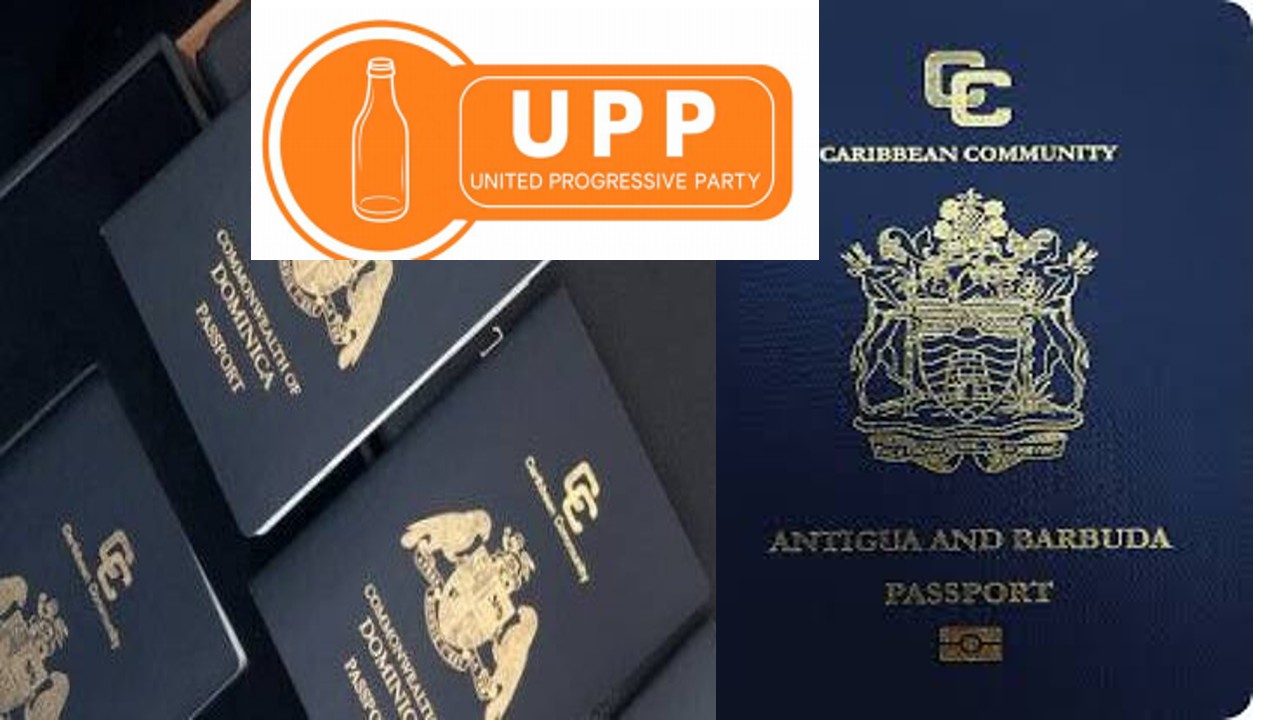
  • UPP concerned about US visa sanctions, blames government mismanagement of CBI Programme

    UPP concerned about US visa sanctions, blames government mismanagement of CBI Programme

    The United Progressive Party (UPP) has characterized recent US-imposed visa restrictions on Dominican nationals as a catastrophic failure of governance, accusing the administration of jeopardizing national security through inadequate management of the Citizenship by Investment (CBI) program.

    In a strongly-worded declaration, the opposition party asserted that President Donald Trump’s suspension of immigrant entry and restrictions on B-1, B-2, F, M, and J visas directly resulted from governmental negligence. The UPP maintains that despite official assurances of rigorous screening protocols, the administration prioritized economic gains over effective due diligence, ultimately compelling American authorities to designate Dominican passports as security liabilities.

    According to the party’s analysis, the repercussions extend far beyond diplomatic spheres, creating tangible hardships for citizens across multiple sectors. Students confront disrupted academic trajectories in American institutions, families experience heightened barriers to reunification, and business professionals face constrained international mobility. The UPP further warned that Dominica’s regional standing within the Caribbean community has been significantly compromised, potentially affecting future cooperation and economic opportunities.

    Characterizing the situation as a generational crisis, the opposition outlined a comprehensive recovery plan demanding full transparency regarding CBI program failures, immediate collaboration with US authorities to address security concerns, and substantial reforms to align vetting procedures with international standards. The party additionally called for establishing a bipartisan commission to investigate the program’s management and ensure accountability for those responsible.

    The UPP concluded that only through fundamentally reformed leadership committed to integrity could Dominica restore its international reputation, emphasizing that the nation’s future depends on urgent governmental accountability.

  • STATEMENT: Ministry of Foreign Affairs on US visa sanctions

    STATEMENT: Ministry of Foreign Affairs on US visa sanctions

    The Commonwealth of Dominica has formally responded to the United States government’s recent imposition of partial travel restrictions targeting Dominican nationals. The White House disclosed this diplomatic decision on December 16, 2025, with implementation scheduled for January 1, 2026.

    In an official statement, Dominican authorities acknowledged potential concerns arising from this development while emphasizing their serious and urgent approach to the matter. The government has initiated high-level communications with the United States Embassy based in Bridgetown, Barbados, seeking comprehensive clarification regarding multiple aspects of the new measures.

    Diplomatic engagements focus on three primary objectives: determining the precise scope of restrictions, understanding the foundational rationale behind the implementation, and identifying specific consequences for Dominican travelers, international students, family members, and legitimate visa holders. The government has committed to protecting citizen interests through continued collaboration with American officials to resolve identified challenges.

    Transparency remains a priority throughout these diplomatic exchanges, with authorities pledging to provide accurate information to the public as developments occur. The government has promised subsequent updates once additional details are formally confirmed through diplomatic channels.

  • Dominica and Antigua added to U.S. entry restrictions under Trump proclamation

    Dominica and Antigua added to U.S. entry restrictions under Trump proclamation

    The United States has significantly expanded its travel restriction policies targeting several Caribbean nations, citing substantial national security vulnerabilities. President Donald Trump’s December 16th proclamation adds Dominica and Antigua and Barbuda to existing entry limitations previously imposed on Haiti and Cuba.

    The executive order specifically identifies weaknesses in foreign identity-management systems as creating unacceptable risks for American security agencies. According to the document, these deficiencies severely hinder the U.S. government’s ability to conduct thorough vetting procedures for travelers seeking entry into the country.

    Haiti continues to face comprehensive entry suspensions covering both immigrant and nonimmigrant travel categories. Cuba maintains its partial restrictions across similar visa classifications. The newly designated nations—Antigua and Barbuda and Dominica—now face specific limitations that bar their nationals from entering the United States as immigrants or on B-1, B-2, B-1/B-2, F, M, and J visas.

    A central concern highlighted in the proclamation involves Citizenship-by-Investment (CBI) programs operated by both newly added countries. These initiatives permit individuals to obtain citizenship through financial investment without establishing residency, creating potential pathways for citizens from restricted countries to acquire new passports and apply for U.S. visas under different nationalities.

    U.S. law enforcement and State Department assessments have historically identified CBI programs as vulnerable to exploitation, including identity concealment, asset hiding, and circumvention of existing travel and financial restrictions.

    Notably exempt from the restrictions are lawful permanent residents, dual nationals traveling on passports from non-designated countries, specific diplomatic and official visa categories, and individuals attending major international sporting events. Refugees and asylees already within the United States also remain exempt, with the proclamation explicitly preserving rights to seek humanitarian protections under U.S. law.

    The restrictions will become effective at 12:01 a.m. EST on January 1, 2026, with mandatory reviews scheduled every 180 days to assess whether measures should be continued, modified, or terminated. The U.S. government will concurrently engage with affected nations to improve screening, vetting, and information-sharing protocols.

  • Dominica among Caribbean nations reportedly barred by Norway despite visa-free status

    Dominica among Caribbean nations reportedly barred by Norway despite visa-free status

    Despite official assurances from Norwegian authorities, passport holders from five Caribbean nations participating in Citizenship by Investment (CBI) programs are facing systematic entry refusals and deportations at Norwegian airports, according to investigations by Immigration Migration Insider (IMI).

    Since August 2024, travelers carrying CBI passports from Dominica, Saint Kitts and Nevis, Antigua and Barbuda, Grenada, and Saint Lucia have encountered heightened scrutiny and denial of entry at both Bergen and Oslo international airports. Border control officers have been specifically interrogating these individuals about their method of obtaining citizenship, despite these countries historically enjoying visa-free travel privileges to Norway under the Schengen arrangement.

    The situation presents a stark contradiction between official policy and on-the-ground implementation. Norway’s Directorate of Immigration (UDI) explicitly stated in August that visa-free access for these Caribbean nations remained unchanged. However, IMI has documented multiple instances where Norwegian police have invoked Section 17 of the Immigration Act to declare CBI passports invalid, citing Norway’s requirement for personal attendance during passport issuance as grounds for refusal.

    Notable incidents include an Indian national using a Saint Kitts and Nevis passport who was promptly removed from Bergen Airport in August after authorities deemed his travel document “not valid in Norway.” In a separate November occurrence, two Dominican citizens were detained overnight in Oslo, subjected to intensive questioning regarding their passports, and subsequently deported the following day.

    Several immigration consultancies—including Latitude, Cross Border Freedom, and Apex Capital Partners—have confirmed multiple cases affecting their clients. Industry experts challenge Norway’s justification, pointing out that numerous countries, including the United Kingdom and United States, permit remote passport renewal procedures without compromising international recognition of these documents.

    The Norwegian government has not issued any public directive regarding this apparent policy shift, maintaining that current border enforcement actions merely reflect “general policy” implementation. This development creates a paradoxical situation where Caribbean CBI nations technically retain visa-free status on paper while their citizens face effective exclusion in practice.