标签: Dominica

多米尼克

  • Dominica’s Bee Natural highlights export challenges at regional IICA-CDB forum

    Dominica’s Bee Natural highlights export challenges at regional IICA-CDB forum

    A regional virtual forum hosted by the Inter-American Institute for Cooperation on Agriculture (IICA) and the Caribbean Development Bank (CDB) has centered on the unique struggles that micro and small agricultural enterprises (Agri-MSMEs) across the Caribbean face when attempting to break into regional and international export markets, spotlighting two standout local businesses from Dominica and Antigua & Barbuda.

    The event, branded under the theme “Moving Products to Markets, Literally!”, forms a core component of a long-running collaborative initiative between IICA and CDB designed to remove the most persistent barriers to market entry for small agri-enterprises. The program supports participating businesses through export pilot trials, targeted support to boost production capacity, and expanded access to critical financing that many small operations struggle to secure.

    Dominica’s homegrown wellness brand Bee Natural was one of the featured businesses at the forum, with founder Terri Henry-Lovell sharing the company’s journey to build a customer base across multiple Caribbean nations. Henry-Lovell detailed that Bee Natural, which produces award-winning wellness goods crafted from locally harvested honey, beeswax and propolis, has made notable inroads into regional markets, but persistent logistical challenges continue to stunt its growth.

    She echoed a widespread frustration shared by small island-based Agri-MSMEs: affordable, reliable freight and logistics infrastructure remains severely limited across the region. For many operations, the only feasible way to move products to neighboring markets is to rely on traveling passengers to carry goods in their personal luggage, an ad-hoc solution that cannot support scalable long-term growth. Beyond unreliable transportation, forum participants identified a suite of additional barriers: inconsistent shipping timetables, exorbitant freight costs, burdensome and unclear cross-border customs procedures, steep packaging costs, limited cold storage capacity for perishable goods, and difficulty building partnerships with established regional distributors.

    Antigua & Barbuda’s Shade Hydroponics, known by its brand name SHAADE, also joined the forum to showcase its line of local products, which includes artisanal herbal teas, raw honey, fresh peppers and a range of other wellness goods. Like Bee Natural, SHAADE outlined the practical support that would allow the business to scale its distribution across the Caribbean.

    Diana Francis, IICA’s representative in Trinidad and Tobago and the project’s coordinator, emphasized that the initiative is built around delivering tangible, measurable commercial outcomes rather than generic capacity building. “This forum starts with the endgame – literally placing products on shelves, in homes across regional markets, and potentially beyond. This project wants to go beyond conventional capacity building and just telling Agri-MSMEs where the markets are. We want to help them put their products on the shelves and keep them there,” Francis explained.

    In its closing, the forum reaffirmed that Caribbean Agri-MSMEs already have the core components needed for export success: the region is home to passionate, skilled entrepreneurs crafting high-quality, innovative products that have strong demand in regional and global markets. To unlock that potential, participants agreed that cross-sector collaboration is non-negotiable. Stronger coordinated partnerships between national governments, logistics service providers, financial institutions and regional development agencies will be critical to breaking down systemic barriers and helping small agri-enterprises expand their footprint, strengthen regional trade, and drive inclusive economic growth across the Caribbean.

  • Antigua & Barbuda-flagged cargo ship damaged in Black Sea attack

    Antigua & Barbuda-flagged cargo ship damaged in Black Sea attack

    A deadly Russian attack on commercial shipping in the Black Sea off Ukraine’s Odesa coast has left one Filipino seafarer unaccounted for and drawn renewed international attention to the escalating dangers facing civilian vessels transiting the contested waterway.

    The July 19 strike targeted the VENTURO, a 57,000 deadweight tonnage Supramax bulk carrier registered under the flag of Antigua and Barbuda. According to official statements from the Ukrainian Navy reported by regional and international media outlets, the attack destroyed the vessel’s propulsion systems, leaving it dead in the water and stranded far from shore.

    At the time of the strike, the VENTURO was en route from Varna, Bulgaria, to the Romanian port of Sulina, operating along regular commercial trade routes that connect the Black Sea and Mediterranean. All 18 members of the vessel’s crew were Filipino nationals.

    Coordinated rescue operations launched shortly after the attack successfully brought 17 crew members safely to shore. Three injured seafarers were evacuated to local medical facilities for urgent treatment, but search teams have been unable to locate the 18th crew member, who remains officially listed as missing following the incident.

    The empty VENTURO remains adrift and disabled in the strike zone, unable to move under its own power to exit the area. As emergency teams work to secure the vessel and recover the missing crew member, new threats have emerged against response operations: the Antiguan Herald reports that a follow-up Russian strike targeted rescue infrastructure in the Odesa region, putting first responders and recovery teams at equal risk to crews caught in initial attacks.

    Diplomatic and security tensions have risen sharply following the incident. Ukrainian officials have condemned the strike as a deliberate attack on unarmed civilian commercial shipping, a violation of international maritime law. For its part, Russia has claimed the vessel was targeted because it claimed that all ships operating in the region were suspected of carrying military cargo bound for Ukraine. This allegation has not been independently verified by any third-party observers or international bodies to date.

    The attack is the latest in a growing string of strikes targeting commercial shipping in the Black Sea following Russia’s withdrawal from the UN-brokered Black Sea Grain Initiative in 2023. Security analysts warn that the persistent targeting of civilian vessels has pushed risk premiums for maritime insurance in the region to record highs, driving many commercial shipping companies to re-route their vessels away from Black Sea ports entirely, disrupting global grain and commodity supply chains already strained by geopolitical conflict.

  • Women and girls take the plunge at Dominica’s inaugural Women’s Dive Day

    Women and girls take the plunge at Dominica’s inaugural Women’s Dive Day

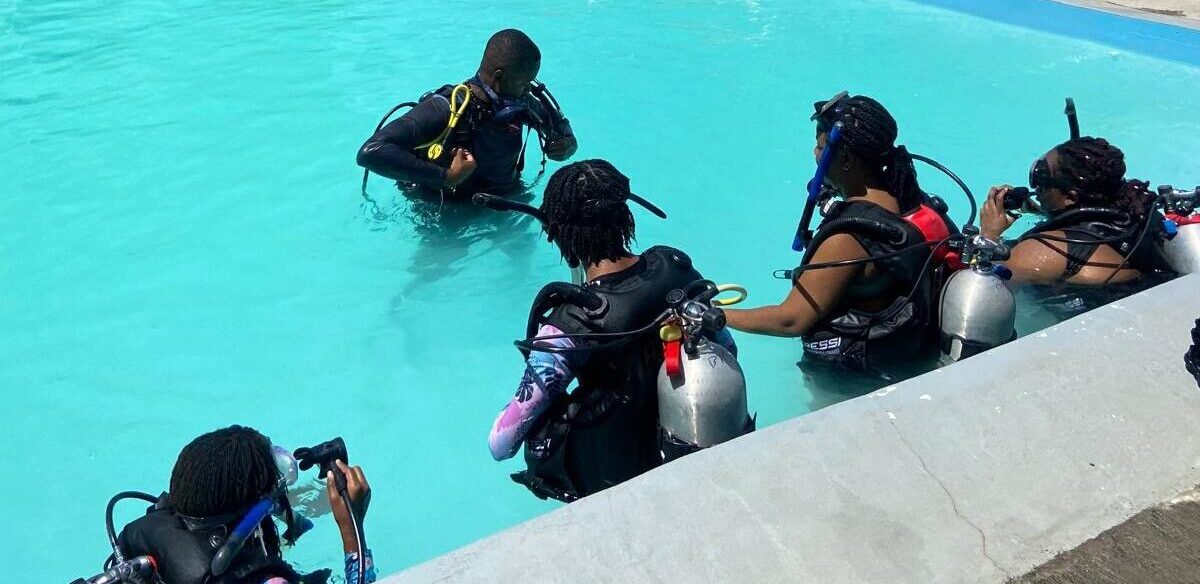
    On July 18, a groundbreaking initiative unfolded on the Caribbean island of Dominica, as local dive operator Dive Dominica Ltd. welcomed more than 100 girls and women across age groups for the nation’s first ever Women’s Dive Day. Designed to shatter long-standing gender stereotypes in the watersports industry, the event opened the door for female participants to take their very first breaths underwater and explore the transformative recreational and professional opportunities that ocean activities can offer.

    Hosted at the Anchorage Hub’s purpose-built confined water pool facility, the full-day introductory program centered on making scuba diving approachable and accessible for women who had never before interacted with dive equipment. Unlike open-water introductory events that can feel overwhelming for first-timers, the controlled pool environment let new divers build skills gradually, surrounded by peers who shared their same starting point. Participants spanned five decades of life, ranging in age from 10-year-old young ocean enthusiasts to 60-year-old women curious about exploring a new outdoor hobby.

    Leading the immersive session was Earl Martindale, Dive Dominica’s lead PADI-certified instructor, who walked attendees through core foundational knowledge before they ever entered the water. The curriculum opened with a detailed safety briefing to address common first-time anxieties, followed by one-on-one assistance to properly fit each participant’s scuba gear, ensuring comfort and safety for their first underwater experience. Once in the pool, Martindale and his team of assistant instructors guided each diver through basic scuba skills as part of PADI’s official Discover Scuba program, structured to build confidence slowly rather than push new participants beyond their comfort zone.

    By the end of the day, every single participant had successfully completed all requirements of the introductory dive, walking away with an official PADI Discover Scuba Certificate of Completion to mark their milestone. The event received additional community support through a partnership with local supplier Fine Foods Inc., which donated Blue Waters bottled water to keep attendees hydrated throughout the day. Several participants also received custom PADI-branded gifts as souvenirs to commemorate their first underwater adventure.

    For Dive Dominica, the event was far more than a one-off recreational gathering: organizers frame it as a critical first step toward closing the gender gap in the global watersports and marine tourism sectors, where men have historically held the majority of recreational participants and professional roles. By creating a low-pressure, welcoming space exclusively for women and girls to try diving, the company aims to inspire more females to pursue scuba diving both as a leisure activity and as a long-term career in marine tourism, conservation, or dive instruction. In a statement following the event, Dive Dominica celebrated the participants’ willingness to step outside their comfort zones, saying: “Dive Dominica congratulates all participants on disrupting the status quo and feeding the ‘urge to submerge’!”

  • Esports event blending sport, technology and entertainment carded for Portsmouth in August

    Esports event blending sport, technology and entertainment carded for Portsmouth in August

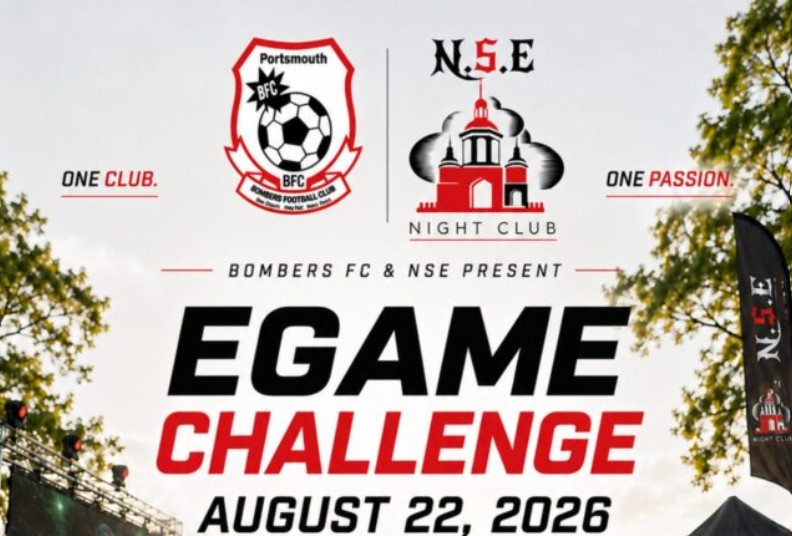
    Portsmouth Bombers Football Club (Bombers FC) has revealed an exciting new collaboration with NSE Night Club that marks a major step forward in blending traditional sports and digital youth culture. The partnership will deliver the Bombers FC EGame Challenge 2026, an open-air esports tournament centered on the popular EA SPORTS FC 26 game, scheduled to take place on August 22, 2026, at Portsmouth’s Benjamin Park.

    Organizers project the one-day event will draw competitive players from every corner of Dominica, framing the tournament as a deliberate strategic push by the club to expand its reach beyond the traditional pitch. By embracing the rapidly growing global esports sector, Bombers FC aims to build deeper connections with young community members, strengthen bonds with existing football supporters, and launch a new model of innovative, inclusive community gathering.

    Unlike traditional esports events held in indoor venues, the Bombers FC EGame Challenge is designed as a multi-layered community celebration that merges competitive gaming with core elements of football, live music, and general entertainment. While registered participants battle for top tournament prizes, attending spectators will have access to a full schedule of family-friendly activities, including on-site food vendors, non-stop live entertainment, and a massive LED screen broadcasting the tournament’s most anticipated matches in real time.

    “For our club, expanding access to football and connecting with the next generation of fans is always our top priority,” shared a club spokesperson. “Esports has emerged as one of the fastest-growing cultural and economic industries across the globe, and this challenge gives us a unique chance to bring gamers, football lovers, local families, and entire community groups together in an energetic, welcoming space. This event is just the latest reflection of Bombers FC’s long-standing commitment to innovation, youth development, and active community engagement.”

    To ensure the tournament accommodates players of all ages and skill levels, the competition will be split into five distinct competitive divisions: Under-13, Under-15, Under-18, Open Male, and Open Female. To keep entry barriers low for all interested participants, registration has been priced at just EC$25, a rate the club says is intentionally set to keep the event accessible to casual and competitive gamers alike, regardless of experience level.

    Attendees can expect a festival-style atmosphere throughout the day, with multiple dedicated gaming stations for competing players, a knockout bracket structure that builds to a thrilling final, and all key matches displayed live on the giant outdoor LED screen for the crowd to enjoy. This setup is designed to ensure both participants and spectators leave with a memorable, engaging experience.

    Looking ahead, Bombers FC leadership expressed confidence that the EGame Challenge can grow into a staple annual event on Dominica’s national sports and entertainment calendar. Beyond local community impact, the club also believes the tournament will help position Dominica as a growing destination for esports competitions and youth-focused cultural events.

    For community members seeking more information, the club is urging interested people to scan the QR code included on the official event poster to access full tournament details, registration instructions, and real-time updates moving forward. Additional official announcements, including full competition rules and confirmed registration opening dates, will also be posted to Bombers FC’s official website and public Facebook page in the coming weeks. The club extended an open invitation to all gamers, football fans, potential sponsors, and community members across Dominica to take part in what it calls a trailblazing new event that unites sport, cutting-edge technology, and mass entertainment.

  • Antigua & Barbuda set to host six days of CPL cricket and festivities

    Antigua & Barbuda set to host six days of CPL cricket and festivities

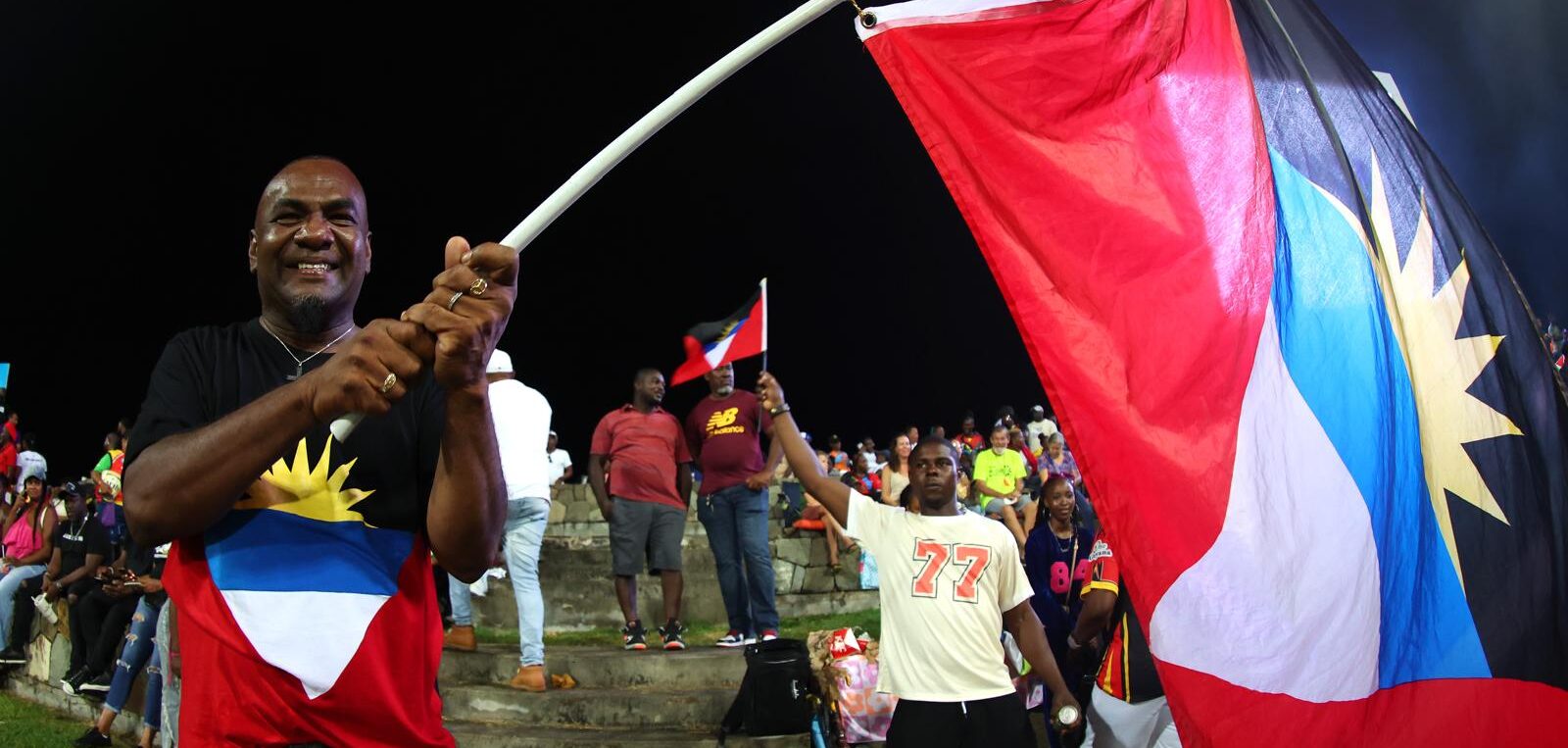
    The Caribbean Premier League (CPL), one of the most anticipated annual sporting celebrations in the region, is set to return to Antigua and Barbuda for six days of elite cricket, nonstop entertainment, and cultural celebration. Scheduled to run from August 20 to 25, 2026 at the iconic Sir Vivian Richards Stadium, this year’s iteration of the Republic Bank-backed tournament is already being hailed as the ultimate fusion of sport and island revelry, living up to the destination’s self-given title as the global “Home of Party Cricket.”

    At the heart of the local action is the Antigua and Barbuda Falcons, the tournament’s host team, which will play four home matches on its home turf throughout the week. Fans can mark their calendars for the team’s opening clash against the St. Kitts & Nevis Patriots on August 20, followed by matchups with the Trinbago Knight Riders on August 22, the Guyana Amazon Warriors on August 23, and the Barbados Tridents on the tournament’s closing day, August 25. All matches are slated to kick off at 7:00 p.m. local time, giving attendees plenty of daytime to explore the twin islands before the on-field action begins.

    Beyond the boundary ropes, the tournament represents a key strategic win for Antigua and Barbuda’s burgeoning sports tourism sector. Charmaine Spencer, Chief Marketing Officer of the Antigua and Barbuda Tourism Authority, explained that high-profile sporting events like the CPL are central to the country’s efforts to expand its tourism offerings, attract diverse visitor segments, extend average guest stays, and drive consistent travel demand across the calendar year.

    “CPL doesn’t just bring cricket fans to our shores—it gives us a one-of-a-kind platform to show the world the warmth of our hospitality, the stunning natural beauty of our islands, and the richness of our Caribbean culture,” Spencer noted. “We’re inviting every visitor to dig deeper and explore everything Antigua and Barbuda has to offer, long after the final wicket falls.”

    That approach is front and center in the 2026 campaign from the Antigua and Barbuda Falcons, which carries the tagline “Come for the Fete, Stay for the Match.” Sabrina Webster, the team’s Brand and Marketing Communications Manager, said the campaign is designed to frame the tournament as much more than a series of cricket matches—it’s an entry point to a full island experience that blends world-class sport with authentic Caribbean celebration.

    “Our 2026 campaign invites cricket fans from across the globe to experience the very best of Antigua and Barbuda through the electric energy and unmatched excitement that only CPL can deliver,” Webster said. For both die-hard cricket supporters and casual travelers looking for a one-of-a-kind tropical getaway, this August’s CPL stop in Antigua and Barbuda promises to deliver an unforgettable combination of top-tier athletic action and full-blooded Caribbean carnival fun.

  • COMMENTARY: Why Caribbean hospitals should embrace clinical ethicists in healthcare teams

    COMMENTARY: Why Caribbean hospitals should embrace clinical ethicists in healthcare teams

    Caribbean healthcare systems are grappling with a growing set of interconnected challenges that go far beyond the delivery of routine medical care. Shifts including rapid advancements in medical technology, rapidly aging regional populations, rising unmet demand for mental health services, and persistent systemic resource constraints have left frontline healthcare providers regularly confronting complex ethical dilemmas that lack clear, straightforward solutions. As these pressures continue to intensify, a leading regional bioethics expert is arguing that Caribbean hospitals must urgently evaluate the critical value of adding trained clinical ethicists to standard care teams.

    A clinical ethicist is a specialized professional trained to help clinical teams, patients, and their loved ones navigate the messy, emotionally charged ethical conflicts that arise in modern medicine. Unlike common misconceptions, their role is not to override the decisions of treating clinicians or family members; instead, they act as neutral facilitators, helping stakeholders clarify core ethical concerns, bridge communication gaps, and work toward decision outcomes that are fair, respectful, and aligned with all parties’ values. While formal clinical ethics support services are a standard fixture of healthcare systems across much of North America and Western Europe, these roles remain extremely limited across most of the Caribbean, even as demand for ethical guidance grows exponentially.

    One of the most prevalent ethical flashpoints in Caribbean healthcare centers on the role of family in medical decision-making. Caribbean cultures are broadly characterized by strong collective family ties, and it is standard practice for relatives to play an outsized role in care choices for loved ones. While this built-in support system often improves patient outcomes, it can also spark significant conflict between clinical teams and family members over treatment plans. Common points of contention include disagreements over whether to continue life-sustaining treatment, disputes over a patient’s capacity to understand their own diagnosis and prognosis, and uncertainty over legal and moral authority to make care decisions when a patient loses decision-making capacity. A trained clinical ethicist brings the skills to mediate these conversations in a way that honors both cultural norms and patient autonomy, creating space for respectful resolution.

    End-of-life care represents a second major domain where ethical tensions arise regularly across the region. Caribbean hospitals care for large numbers of patients living with advanced chronic conditions, serious traumatic injuries, and terminal illnesses, all of which require difficult conversations about treatment goals and quality of life. Clinicians often struggle with the moral weight of continuing aggressive, invasive treatment when meaningful recovery is effectively off the table, while families frequently face overwhelming emotional distress navigating choices around life support and palliative care. Without formal ethics support to structure these conversations, these situations often lead to confusion, open conflict, and persistent moral distress for clinicians, patients, and families alike. Clinical ethicists are trained to guide these difficult discussions in a calm, structured, and compassionate manner that reduces unnecessary tension.

    Systemic resource scarcity is an ongoing source of ethical strain for most public healthcare systems across the Caribbean. Public hospitals routinely face shortages of clinical staff, life-saving equipment, specialized care services, and inpatient beds, forcing frontline providers to make impossible triage decisions about which patients receive prioritized care. These unguided choices place enormous emotional strain on care teams and can often lead to perceptions of unfairness among patients and their families. Trained clinical ethicists can help institutional leadership develop clear, transparent, and equitable frameworks for resource allocation and institutional decision-making that reduce bias and build public trust.

    Additional context-specific ethical challenges emerge in Caribbean mental health and correctional healthcare settings, where questions around involuntary treatment, patient confidentiality, human dignity, autonomy, and institutional safety arise on a regular basis. Frontline clinicians managing these complex cases overwhelmingly report a lack of specialized guidance to navigate these dilemmas, making the structured support a clinical ethicist provides particularly valuable.

    Integrating clinical ethicists into care teams also delivers secondary benefits for hospitals, including structured staff education and improved organizational communication practices. A large share of formal patient complaints and clinical disputes can be traced back to simple miscommunication or uncertainty around how to approach difficult ethical choices. By creating space for open dialogue and addressing emerging ethical concerns early in the decision-making process, hospitals can reduce preventable conflict while strengthening trust between providers, patients, and the broader community.

    For generations, Caribbean healthcare has been rooted in core values of compassion, collective community care, and patient-centered practice. Formal clinical ethics services directly reinforce these values by helping institutions navigate difficult, high-stakes situations with thoughtfulness and respect. As regional healthcare systems continue to evolve to meet shifting population needs, ethical dilemmas are no longer rare edge cases—they have become a routine part of daily clinical practice.

    Crucially, adding clinical ethicists to care teams does not replace the specialized expertise of physicians, nurses, or hospital administrators. Instead, it complements and strengthens a hospital’s ability to respond to complex situations in a way that is fair, organized, and aligned with the region’s core care values. By proactively integrating clinical ethics services into standard care, Caribbean hospitals can improve patient outcomes, better support frontline clinicians facing moral distress, and deliver more effective, equitable care to the communities that rely on them.

    This analysis comes from Latelle J. Barton, II, MD, HEC-C, Northern Regional Representative for the Bioethics Society of the English-Speaking Caribbean.

  • Guyana suspends ferry management team following deadly MV Barima capsizing

    Guyana suspends ferry management team following deadly MV Barima capsizing

    A devastating maritime disaster has unfolded off the coast of Guyana, after passenger ferry MV Barima overturned in rough waters late Saturday, leaving scores of people dead or unaccounted for and triggering a sweeping official investigation. The Caribbean Community (CARICOM) has moved quickly to extend its full solidarity and support to the South American nation in the wake of the tragedy.

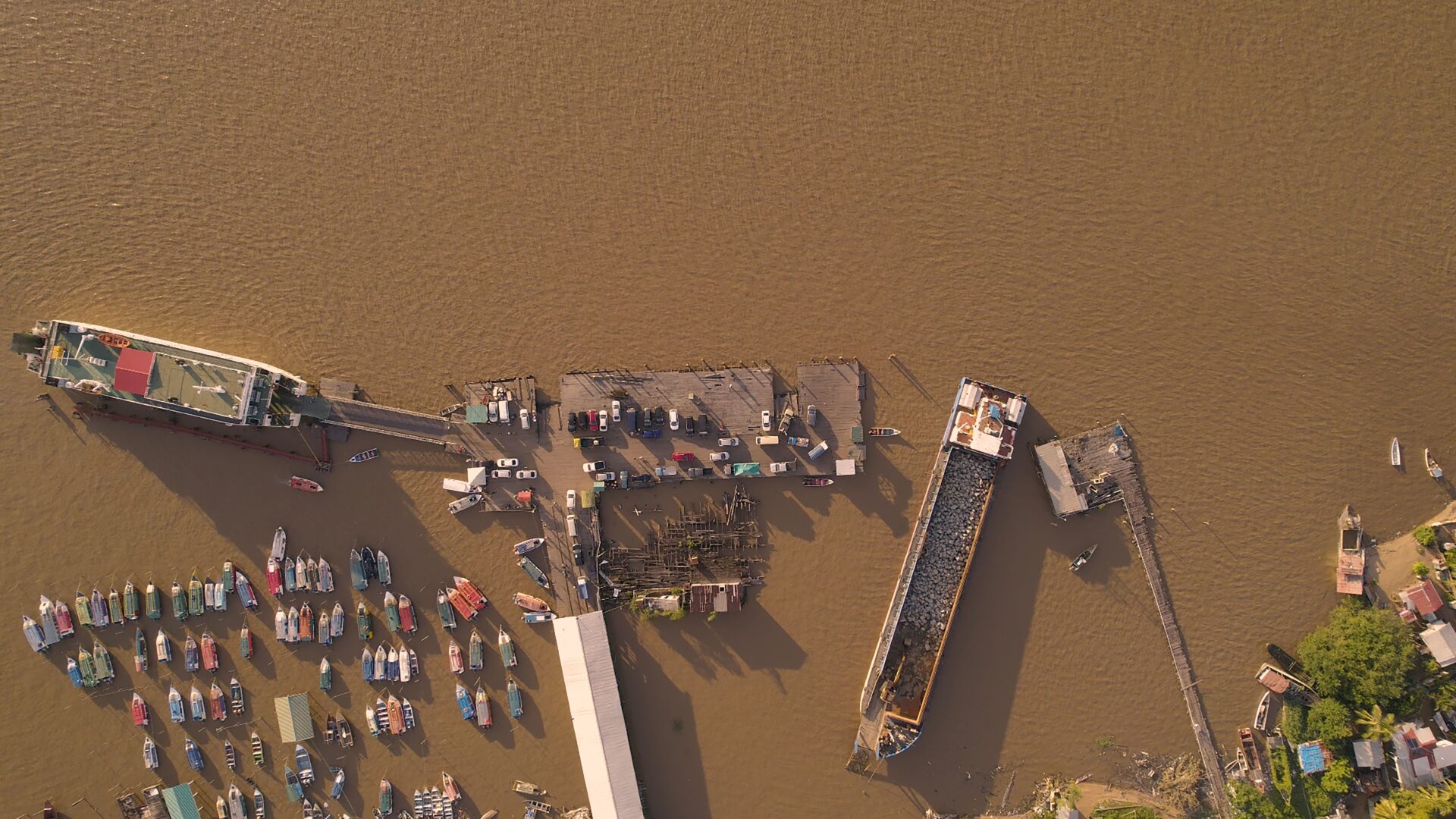
    The ill-fated vessel was en route from Guyana’s capital Georgetown to Port Kaituma when it capsized roughly seven miles offshore, near the mouth of the Pomeroon River, shortly after departing the Kingston Goods Wharf that same afternoon. By Sunday evening, coordinated search and rescue teams had pulled 67 survivors from the water and recovered two bodies, with operations continuing around the clock to locate remaining missing passengers.

    In an official statement released after the incident, CARICOM said it was deeply saddened by the loss of life and disruption caused by the capsizing off Guyana’s Atlantic coast. The regional bloc also offered public recognition to the emergency responders, government agencies and private boat operators who mobilized immediately after the disaster, noting that these crews worked through dangerous overnight conditions to save as many lives as possible. “CARICOM stands in solidarity with the Government and people of Guyana, in particular, the families and communities that are being impacted by this unfolding disaster,” the statement added, confirming the bloc would continue to monitor search and investigation efforts and keep affected families in its prayers.

    In the early days of the probe, serious irregularities have already emerged that have prompted swift official action. The Guyanese government has suspended the entire management team responsible for the ferry’s loading, departure and ongoing operational oversight, Public Works Minister Juan Edghill confirmed Monday. Edghill explained the temporary suspensions are a proactive step to protect the integrity of the investigation, eliminating any risk of evidence tampering and ensuring the probe remains full, transparent and impartial.

    Retired Brigadier and Prime Minister Mark Phillips ordered an urgent, multi-agency investigation after initial inquiries uncovered a series of troubling inconsistencies. Most notably, official passenger records only listed 35 of the 67 passengers who were rescued from the capsized ferry, pointing to major inaccuracies in the vessel’s official manifest. Al Jazeera reports that the ferry was actually carrying at least 133 passengers when it departed, meaning dozens of people could still be missing and presumed dead.

    Investigators have also confirmed a disturbing additional finding: both the ferry’s captain and first engineer tested positive for cannabis in mandatory drug screenings conducted after they were rescued. Guyanese government officials have stressed that any individual found to have committed negligence, misconduct or criminal acts connected to the disaster will face full accountability under national law.

    President Irfaan Ali has already met with survivors and the families of missing passengers to offer government support and hear their concerns. As of the latest updates, search operations are still ongoing across the local Atlantic waters and adjacent shorelines, as authorities work to locate all missing people and deliver answers to waiting families.

  • Spain are FIFA World Cup 2026 cham[pions

    Spain are FIFA World Cup 2026 cham[pions

    The 2026 FIFA World Cup has crowned its new king, with Spain claiming the sport’s biggest international prize for the second time in its history after edging out defending champions Argentina 1-0 in a tense, extra-time final at New Jersey’s MetLife Stadium in East Rutherford.

    The game-winning moment arrived in the 105th minute of play, when a clever header from Nico Williams landed perfectly into the run of Ferran Torres. The Spanish forward kept his composure under massive pressure, slotting the ball past Argentina’s standout goalkeeper Emiliano Martínez to decide a contest that had kept fans on the edge of their seats for 90 minutes.

    Throughout regulation time, both sides traded dangerous scoring chances, but neither could find a way past two inspired goalkeeping performances. Spain’s Unai Simón and Argentina’s Martínez repeatedly pulled off spectacular stops to keep the game locked at 0-0, setting the stage for Torres’ late title-clinching finish.

    Sunday’s victory caps an extraordinary, undefeated run for manager Luis de la Fuente’s young Spanish side, and adds the 2026 World Cup trophy to their UEFA Euro 2024 crown. This makes Spain only the latest men’s national team to pull off the coveted back-to-back European Championship and World Cup double, and marks their first World Cup triumph since their legendary 2010 win in South Africa. The result firmly cements La Roja’s return to the very peak of global men’s football, confirming their status as the current dominant force in the international game.

    For Argentina, the devastating defeat brings an end to their historic bid to become the first men’s national team since Brazil in 1962 to successfully defend a World Cup title. It also spells a heartbreaking end to Lionel Messi’s long-awaited pursuit of a second World Cup winners’ medal, a goal that fell just one game short for the Argentine icon.

    Meanwhile, Spain’s emerging new generation of talent has written itself into football folklore with a disciplined, poised, and widely acknowledged title-winning performance that one fans can celebrate as deserved.

  • LIAT’s new Guadeloupe-Montego Bay service strengthens Caribbean ties

    LIAT’s new Guadeloupe-Montego Bay service strengthens Caribbean ties

    On July 15, Caribbean regional airline LIAT marked a landmark milestone for regional connectivity when its first direct flight from Pointe-à-Pitre, Guadeloupe touched down at Montego Bay’s Sangster International Airport, carrying 33 passengers to open a groundbreaking new air corridor between the two Caribbean islands. The new year-round service will operate on a twice-weekly schedule, with flights landing in Montego Bay every Tuesday and Saturday, creating a permanent, convenient link between the French Caribbean and Jamaica’s top tourism hub.\n\nIndustry and government stakeholders across the region have framed the new route as far more than an expansion of airline service: it is a transformative step toward deeper economic, social and cultural integration across the Caribbean archipelago. For decades, travel between neighboring Caribbean islands often required inconvenient connections through North American hubs or multiple regional airports, adding time, cost and friction to personal, tourism and business trips. The new direct connection eliminates that barrier, unlocking a host of shared opportunities for both destinations.\n\nFor Jamaica, the route aligns with a key strategic priority of the country’s tourism sector: diversifying its source markets beyond traditional core markets of North America and the United Kingdom. By opening a direct gateway to the French Caribbean, the service makes it far easier for French and other European vacationers to reach Jamaica’s world-famous beaches, culture and attractions, while also strengthening Montego Bay’s growing reputation as a regional aviation hub for the broader Caribbean.\n\nGuadeloupe stands to gain equally from the new connection. The direct link opens the door to growing multi-island Caribbean itineraries that combine the distinct cultural experiences of French-speaking and English-speaking island destinations, a product that is increasingly popular with international travelers seeking immersive regional vacations. Beyond tourism, the route is expected to drive growth in business and conference travel, simplify family visits for communities spread across the region, create new opportunities for partnerships between airlines and cruise lines, and expand cultural exchanges across music, cuisine, festivals and sports.\n\nJamaica’s Minister of State in the Ministry of Tourism, Hon. Tova Hamilton, emphasized the transformative potential of the new route during welcoming ceremonies for the inaugural flight. She rejected the idea of Caribbean islands operating in isolation, noting that the region can only unlock its full collective potential through greater connectivity. “Every seat on this aircraft represents opportunity,” Hamilton said. “The Caribbean cannot reach its full potential as a collection of isolated islands. Our strength lies in moving people, goods, and culture more freely across our borders.”\n\nThat vision was echoed by LIAT Air Chief Operating Officer Obiukwu Mbanuzuo, who framed the new route as a symbolic as well as practical milestone for the regional carrier. For LIAT, which has long centered its mission on connecting Caribbean communities, the new service is more than just an addition to the airline’s route network. “It is a connection between two nations, their peoples and their economies,” Mbanuzuo said.

  • Two Dominican youth represent country at CARYFED 2026 forum in Grenada

    Two Dominican youth represent country at CARYFED 2026 forum in Grenada

    As regional conversations around youth-led sustainable development gain momentum across the Caribbean, two young Dominicans are stepping onto the international stage to represent their island nation at the 2026 Caribbean Youth Forum for Environment and Development (CARYFED), hosted in Grenada from July 14 to 24. The delegation is backed by Project Discovery Dominica, a non-profit organization dedicated to nurturing a new cohort of environmentally conscious and community-focused leaders, marking the latest milestone in the group’s rapid growth since its official launch just two years ago.

    The partnership between Project Discovery Dominica and CARYFED stretches back years, laying the groundwork for the organization’s current work. In 2023, three young Dominican participants attended the CARYFED gathering in Trinidad and Tobago, where they gained hands-on leadership training and deepened their understanding of cross-regional sustainable development challenges and youth engagement strategies. That transformative experience inspired a group of local young leaders to formally establish Project Discovery Dominica in 2024 as a national platform for youth empowerment centered on environmental stewardship. Later that same year, Dominica itself hosted the annual CARYFED forum, welcoming hundreds of youth delegates from across the Caribbean and cementing the country’s reputation as a committed supporter of youth leadership in the climate and environmental space.

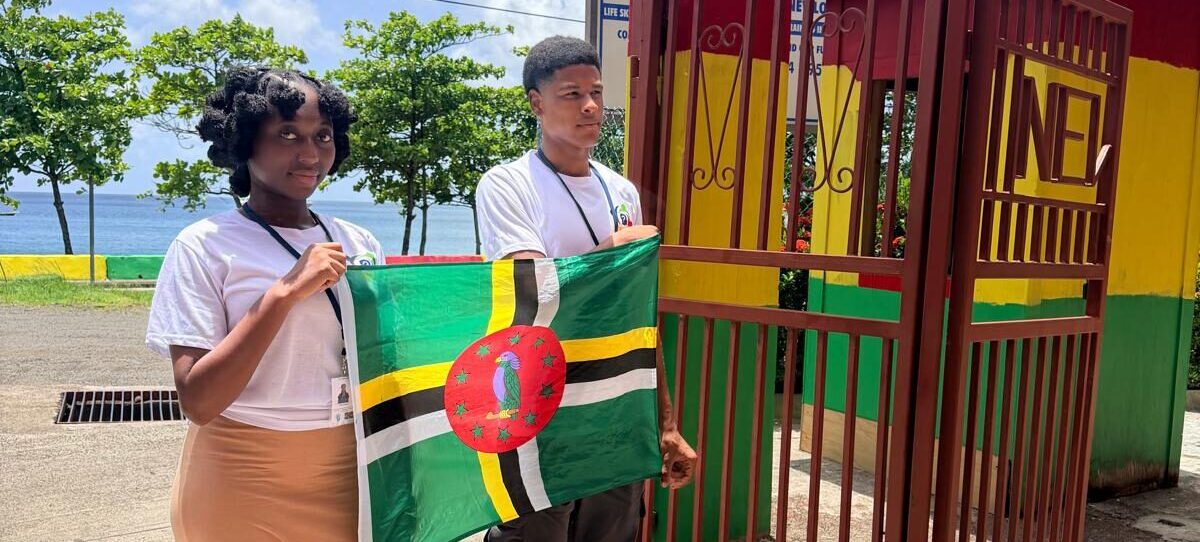
    This year, 19-year-old students Geyoudena Desir and Reece Lantan, both attendees of Dominica Grammar School, have been selected to carry the island’s flag at the Grenada forum. For Desir, who currently serves as Project Discovery Dominica’s Communications Officer, the opportunity is a full-circle moment: she attended the 2024 CARYFED forum on her home island, the same event that launched the organization she now helps lead. “My first CARYFED Forum was held in Dominica, and it was an incredible experience. It was also the year Project Discovery Dominica was launched,” Desir shared ahead of the trip. “Although I was unable to attend last year’s forum, I am thrilled to participate in this year’s CARYFED Forum in Grenada. This is my first visit to the island, and I look forward to fully immersing myself in the experience. CARYFED has consistently created meaningful opportunities for young people across the region. As a representative of Project Discovery Dominica, I hope to use the knowledge, experience, and networks I gain to strengthen our chapter and share those opportunities with youth throughout Dominica.”

    For first-time delegate Lantan, the forum represents a chance to grow as a leader and encourage more of his peers to engage with environmental action. “I expect CARYFED to be both an interesting and enjoyable experience, and I am looking forward to learning and growing throughout the forum,” he said. “I would encourage other young people to get involved in opportunities like this. I hope to return with a new perspective that will help create a better future and inspire other young people to enjoy the same life-changing experience.”

    Upon their return to Dominica, the pair are tasked with a key mission: to revitalize Project Discovery Dominica by recruiting new young members, designing accessible local environmental programs, and motivating more youth to step into leadership roles in their schools and hometown communities. Organization chairperson Beverly Leblanc emphasized that investing in these young delegates is equivalent to investing in Dominica’s long-term future. “Our investment in young people is an investment in the future of Dominica. We are incredibly proud of our delegates as they represent our country and Project Discovery Dominica on the regional stage,” Leblanc said in a formal press statement. “Their participation is not only an opportunity for personal growth but also a chance to bring back fresh ideas, strengthen youth leadership, and help shape the next chapter of Project Discovery Dominica. We are excited about the energy, innovation, and vision they will bring as we work together to expand opportunities for young people across the island.”

    To date, Project Discovery Dominica remains focused on its core mission: creating accessible opportunities that build leadership capacity, foster a culture of volunteerism, embed environmental responsibility, and encourage active youth citizenship. The organization works to equip young Dominicans with the technical knowledge, practical skills, and cross-regional professional networks they need to become effective advocates for sustainable development across the island. As Desir and Lantan prepare to engage with hundreds of regional youth leaders in Grenada, the organization extended its well wishes for a productive and transformative forum, highlighting the critical role this participation plays in advancing both local and regional environmental goals.