标签: Dominica

多米尼克

  • COMMENTARY: The price of CARICOM countries’ competing foreign policy dispositions

    COMMENTARY: The price of CARICOM countries’ competing foreign policy dispositions

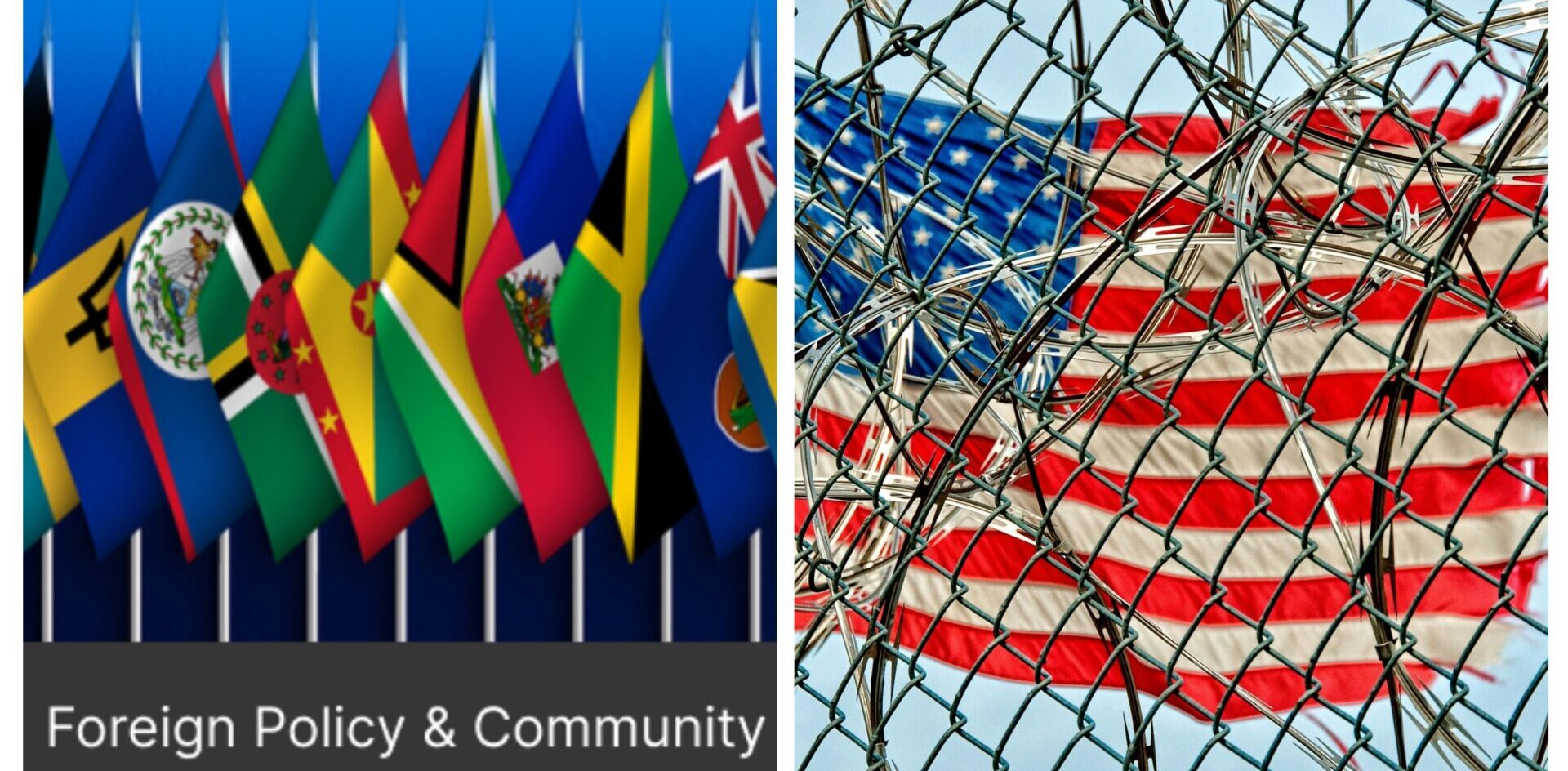
    The Caribbean Community (CARICOM) is experiencing unprecedented diplomatic fragmentation as member states struggle to formulate a unified response to the United States’ ongoing military presence in the region under ‘Operation Southern Spear.’ This strategic divergence has exposed fundamental rifts within the 14-nation bloc, threatening its collective foreign policy coherence.

    Trinidad and Tobago has emerged as the most vocal dissenter, breaking radically from fellow member states by condemning the operation as emblematic of American hegemony in the Western Hemisphere. Conversely, Guyana has openly endorsed Washington’s power projection, leveraging the situation to strengthen its strategic partnership with the U.S.

    Jamaica finds itself in a delicate balancing act. While U.S. Secretary of State Marco Rubio identified Jamaica among Caribbean nations ‘openly cooperating’ with American forces, outgoing CARICOM Chair Prime Minister Andrew Holness has simultaneously advocated for regional unity. His recent warning that the region must act with ‘clarity, cohesion, and strategic discipline’ underscores growing concerns about CARICOM’s vulnerability to external pressures.

    The administration of ‘Trump 2.0’ has significantly complicated CARICOM’s diplomatic calculus, forcing member states to navigate competing national interests against regional solidarity. High-level meetings between U.S. and Jamaican delegations in Kingston on December 11 occurred with minimal public disclosure, highlighting the sensitive nature of these engagements.

    With CARICOM’s next summit scheduled for early 2026, the bloc faces a critical test of its diplomatic resolve. The Guyana-based CARICOM Secretariat must mobilize all available diplomatic channels to address these challenges. However, experts caution that even concerted efforts may prove insufficient to overcome deeply entrenched foreign policy divisions, potentially increasing the diplomatic costs for the regional grouping and its international partnerships.

  • CDB and the government of Canada announce historic $27.5 million funding to upgrade Belize’s power infrastructure

    CDB and the government of Canada announce historic $27.5 million funding to upgrade Belize’s power infrastructure

    In a landmark financial collaboration, the Caribbean Development Bank (CDB) and the Government of Canada have unveiled a comprehensive $27.53 million funding package to revolutionize Belize’s electricity infrastructure. The initiative, designated as the Power VIII Project, represents the most substantial financial arrangement ever extended by CDB to Belize Electricity Limited (BEL) and marks the first instance of non-sovereign, unsecured financing provided by the development bank.

    The innovative funding structure comprises a $24.2 million loan drawn from CDB’s Ordinary Capital Resources, complemented by a $3 million grant from its Special Funds Resources. This financial backing receives additional support through Canada’s Supporting Resilient and Green Energy (SuRGE) Initiative, demonstrating international commitment to sustainable energy development in the Caribbean region.

    Alexander Augustine, Portfolio Manager at CDB, emphasized the strategic importance of this venture: “The Bank is proud to support Belize’s transition to a smarter, more climate-resilient grid. This project directly aligns with our priorities for digital infrastructure, energy security, and climate resilience. BEL has demonstrated the institutional maturity and financial capacity required for non-sovereign-guaranteed financing.”

    The ambitious three-year implementation plan will see the nationwide deployment of 115,000 advanced smart meters, supported by cutting-edge communication systems and data analytics capabilities. This technological overhaul will enable enhanced real-time monitoring, improved outage management, precise voltage regulation, accurate billing systems, and seamless integration of renewable energy sources, particularly solar power.

    Ricardo Martin González, Canada’s Chargé d’Affaires to Belize, affirmed his nation’s commitment: “Canada is pleased to support Belize’s efforts to modernize its electricity grid through this important partnership. By contributing through the SuRGE initiative, we’re helping advance cleaner, more reliable, and climate-resilient energy infrastructure that will benefit communities across the country.”

    BEL’s CEO, John Mencias, welcomed the development as a testament to the longstanding partnership between the institutions, noting that collaboration dates back to the early 1970s. The project will additionally benefit from a $330,000 SuRGE grant and $7.05 million in matching funds from BEL, creating a total investment package that signals strong confidence in Belize’s energy development trajectory.

  • OP-ED: Between sovereignty and security – Reframing the Caribbean CBI debate in light of U.S. and EU pressure

    OP-ED: Between sovereignty and security – Reframing the Caribbean CBI debate in light of U.S. and EU pressure

    The recent U.S. Presidential Proclamation suspending visa categories for nationals of several Caribbean nations has ignited intense regional debate, revealing deeper geopolitical undercurrents beyond surface-level compliance issues. While commentators Paul Alexander and Diana Pascal present contrasting views—the former criticizing U.S. weaponization of visa policies, the latter highlighting Caribbean institutional weaknesses—both overlook the fundamental geopolitical recalibration underway.

    The suspension affecting Dominica, Antigua & Barbuda, and implicitly other Eastern Caribbean states represents more than immigration policy adjustments. It reflects Washington’s strategic containment efforts targeting nations perceived as facilitating mobility for nationals from adversarial states, particularly within the Venezuela-Cuba axis. The timing coincides with Trinidad and Tobago Prime Minister Kamla Persad-Bissessar’s rejection of CARICOM solidarity, signaling regional fragmentation amid renewed U.S. ‘gunboat diplomacy’ under Secretary of State Marco Antonio Rubio’s influence.

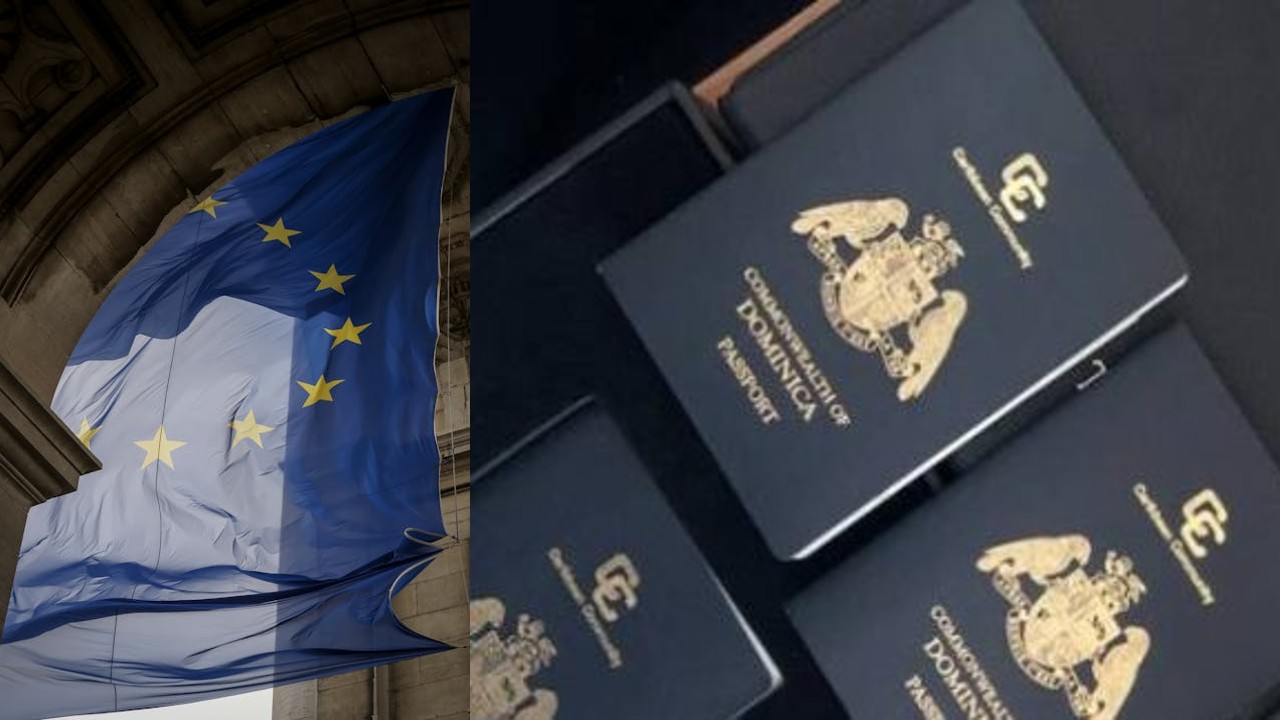
    European pressure compounds the challenge, with the EU revising its Visa Suspension Mechanism to treat Citizenship by Investment (CBI) programs as structural risks regardless of misuse. This transatlantic coordination threatens the visa-free access that has long been a cornerstone of Caribbean CBI marketing.

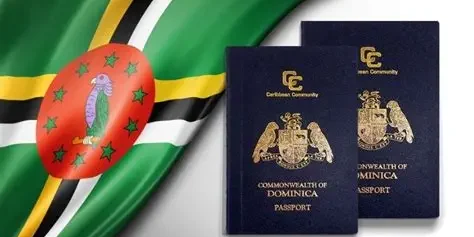
    Despite these pressures, CBI programs have legitimately funded critical infrastructure including hospitals, climate resilience projects, and education systems. The core issue remains enforcement cooperation rather than revenue model validity. Some nations like Dominica have implemented substantive reforms including enhanced due diligence and name-change protocols, while St. Vincent promotes regional solidarity over isolation.

    The path forward requires sovereign transparency through formalized data-sharing agreements with U.S. and EU authorities, accelerated establishment of the Eastern Caribbean CBI Regulatory Authority (EC CIRA), and recommitment to CARICOM unity despite internal disagreements. Caribbean states must engage international partners from a position of mutual interest rather than guilt or defiance, recognizing citizenship as a sacred trust with global responsibilities.

    This geopolitical stress test demands professional regulatory convergence and diplomacy grounded in mutual respect, moving beyond blame games toward strategic recalibration that preserves sovereignty while earning international legitimacy.

  • Kalinago Christmas event: ‘The Birth of Christ’ (with video)

    Kalinago Christmas event: ‘The Birth of Christ’ (with video)

    In a notable display of community engagement, former Prime Minister OJ Seraphin and his wife Lily made a special appearance at a distinctive Christmas event organized by the Kalinago community. The couple was present for the performance of “The Birth of Christ,” a dramatic production presented by the Hunger and Thirst After Righteousness Drama Group.

    The event, which blends cultural tradition with religious observance, represents the unique Christmas celebrations within the Kalinago territory. The presence of the former head of government underscores the ongoing connection between national leadership and indigenous communities, particularly during significant cultural and religious holidays.

    The dramatic performance itself serves as both spiritual reflection and cultural preservation, showcasing the community’s interpretation of the Nativity story through local artistic expression. Such events highlight how traditional Christmas observances are adapted and celebrated within different cultural contexts across the nation.

    The appearance of the former political leader at this community-driven event demonstrates the continuing role of public figures in supporting local cultural initiatives and maintaining connections with diverse constituencies beyond their formal terms in office.

  • King Dice says ‘no-go’ for Calypso monarch competition 2026

    King Dice says ‘no-go’ for Calypso monarch competition 2026

    In a seismic development for Caribbean musical culture, ten-time Calypso Monarch Dennison ‘King Dice’ Joseph has declared his formal withdrawal from the 2026 competition season. The iconic performer made his startling revelation through social media channels this weekend, sending ripples through the calypso community.

    The reigning champion until his dethronement in 2024, Joseph yielded his crown to current titleholder Joy ‘Joy’ Stoute during last year’s finals, where he secured first runner-up position. His departure from competition follows what appears to be growing dissatisfaction with judging protocols within the traditional art form.

    Joseph pointedly questioned the fairness of his 2025 evaluation, asserting: ‘The performance was there, the song was on point, the presentation was on point.’ His rhetorical challenge to followers—’Where did I go wrong?’—preceded his enigmatic observation that ‘Calypso is Carnival, not church,’ suggesting fundamental disagreements about artistic evaluation criteria.

    While withholding specific details about his grievances, the calypsonian issued apologies to his dedicated supporters while firmly closing the door on 2026 participation. He articulated a fundamental principle regarding artistic judgment: performances and compositions should be evaluated on their merits rather than the performers themselves.

    The musical visionary concluded his announcement by hinting at forthcoming creative projects, indicating that his artistic journey will continue through alternative channels beyond competitive platforms. This development marks a significant moment for calypso’s evolving landscape, potentially prompting broader conversations about artistic validation in traditional musical forms.

  • Dominica’s fire chief says 2025 was a year of ‘mixed fortune’, urges public support moving forward

    Dominica’s fire chief says 2025 was a year of ‘mixed fortune’, urges public support moving forward

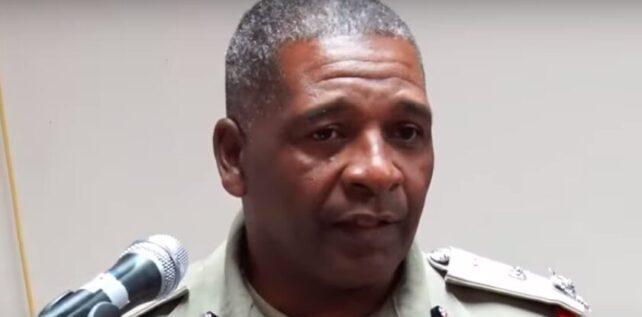
    Fire Chief Wayne Letang has characterized 2025 as a period of both challenges and achievements for Dominica’s Fire and Ambulance Services in his year-end assessment. Assuming leadership following the retirement of former chief Josiah Dupuis at the close of 2024, Letang described the year as one of contrasting fortunes during an interview on state-owned DBS radio.

    Among the year’s most significant accomplishments was Dominica’s hosting of the inaugural Caribbean and South American Women in Service Conference last March. Organized by the Institute of Fire Engineers, the landmark event brought together female personnel from various emergency and security services across the region, including fire, police, customs, army, and coast guard divisions.

    The conference proved remarkably successful according to participant feedback, with attendees reportedly gaining valuable insights into the experiences of women working within these essential services. Chief Letang emphasized the profound engagement and appreciation expressed by all who participated in this groundbreaking gathering.

    In his remarks, Letang extended heartfelt gratitude to the nation’s fire officers, acknowledging that the department’s very existence and service delivery throughout 2025 depended entirely on their dedication and resilience. He praised their endurance and collaborative spirit, noting that discussions during organizational meetings frequently highlighted the remarkable resilience demonstrated by personnel.

    The Fire Chief also expressed appreciation to Dominican citizens for their ongoing cooperation and support throughout the year. Looking ahead, Letang called for continued solidarity from the public as the service works toward enhanced service delivery in the coming years. He concluded with seasonal greetings to all fire officers, encouraging them to enjoy time with family and appreciate the beauty of Dominica during the holiday period.

  • COMMENTARY: Educator & social reform champion – The life and times of Dr. Dorothy Wills Green

    COMMENTARY: Educator & social reform champion – The life and times of Dr. Dorothy Wills Green

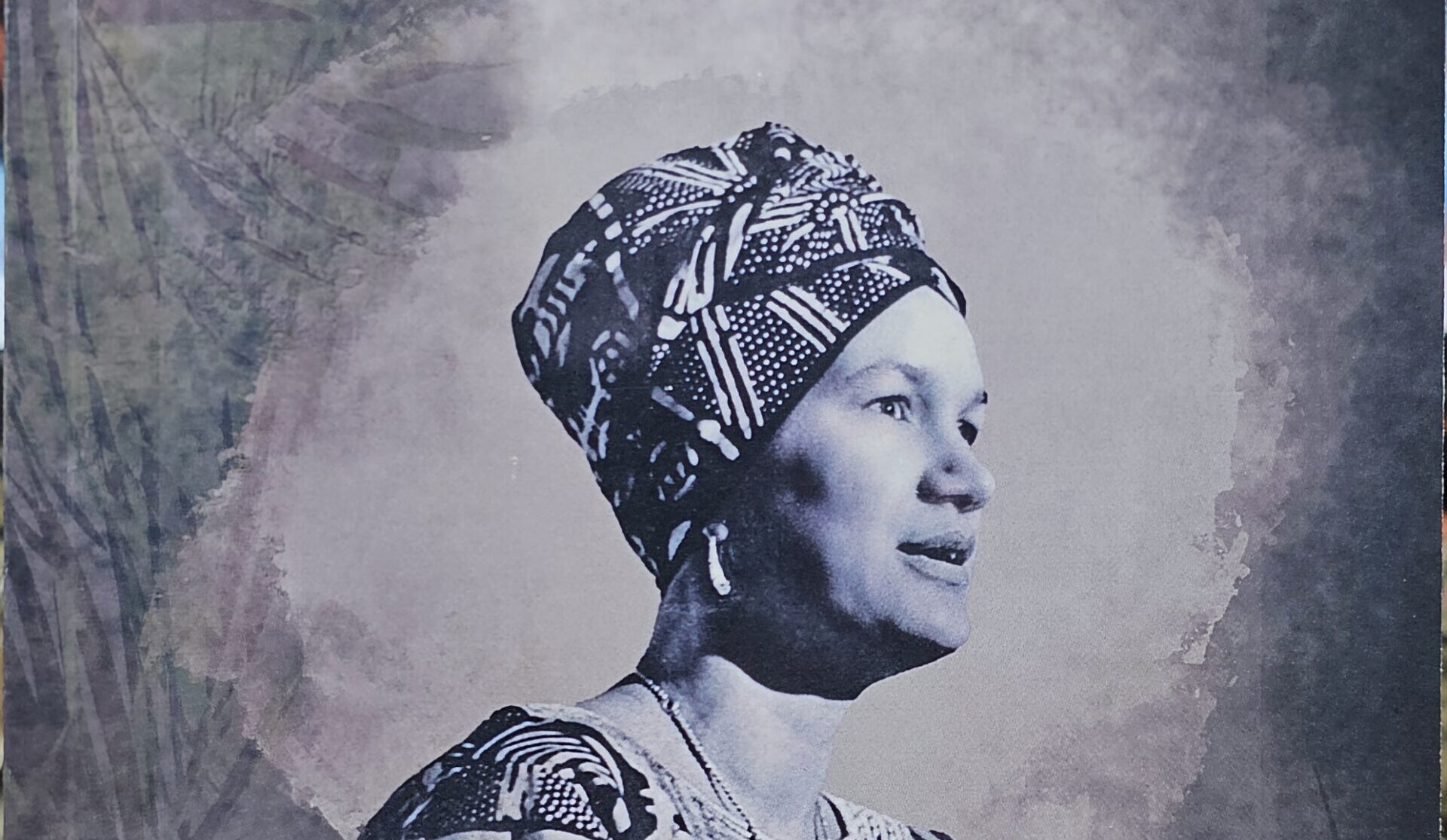
    Dr. Dorothy Wills Green embodies an extraordinary journey from the Caribbean island of Dominica to becoming a transformative figure in Canadian education and social justice. Born in 1933 to Andrew Green, a Harvard-educated civil engineer who worked on the Panama Canal, and Edith Lucas Green of Trinidad, Dorothy’s early life in Dominica’s Morne Daniel estate instilled values of community service and empathy that would define her lifetime of achievement.

    Her educational journey began at Convent High School in Dominica before progressing to Mount Saint Vincent University in Canada, where she graduated with honors in 1956. Dr. Wills Green’s academic pursuits culminated in a Ph.D. in Philosophy of Education from Pacific Western University, complemented by multiple master’s degrees in Social Work and Education, including participation in Howard University’s Educators to Africa program.

    As Dean of the Faculty of Applied Technologies at Vanier College in Montreal, Dr. Wills Green managed a diverse academic community while expanding technology programs and strengthening industry partnerships. Her leadership created unprecedented opportunities for students and established new benchmarks in educational excellence.

    Beyond academia, Dr. Wills Green emerged as a formidable force in cultural preservation and civil rights advocacy. She participated in FESTAC in Nigeria, met Emperor Haile Selassie of Ethiopia, and became an active member of the Montreal branch of the Universal Negro Improvement Association. Her activism included supporting Rosie Douglas and other West Indian students arrested during the historic Sir George Williams University anti-racism uprising of February 1969.

    As a founding member of the National Black Coalition of Canada and leader within the Dominica Academy of Arts & Sciences, Dr. Wills Green initiated transformative projects including “Backpacks for Schools” and secured computers and educational materials for Dominican schools. Her philanthropic vision extended to improving conditions for laborers and advocating for marginalized communities.

    Married to bacteriologist and former professor Roland Wills, with whom she has two children, Dr. Wills Green’s family connections span Nigeria and Guyana, reflecting her Pan-Africanist commitments. Her numerous accolades include honorary doctorates from Concordia University, Dalhousie University, and Mount St. Vincent University, plus the Order of Canada in 1989.

    Despite her privileged background, Dr. Wills Green dedicated her life to social reform, educational equity, and supporting African liberation causes alongside collaborators like Marlene Green. Her legacy stands as a powerful testament to the impact of combining academic excellence with unwavering commitment to social justice, inspiring generations to embrace service leadership and community empowerment.

  • EU signals tougher stance on Caribbean citizenship programmes

    EU signals tougher stance on Caribbean citizenship programmes

    The European Commission has dramatically intensified its stance against Caribbean Citizenship-by-Investment (CBI) programs, declaring that the mere operation of such schemes now constitutes legitimate grounds for suspending visa-free access to the Schengen area. This hardened position emerges from the Commission’s 8th annual Visa Suspension Mechanism assessment, which represents a fundamental shift in policy rationale.

    Rather than focusing on whether investors establish ‘genuine links’ to host nations, Brussels now categorizes all investor citizenship programs operated by visa-exempt countries as inherent security threats. The report explicitly identified five Eastern Caribbean nations—Antigua and Barbuda, Dominica, Grenada, Saint Kitts and Nevis, and Saint Lucia—as presenting challenges of ‘much greater scale’ than European neighboring countries with similar programs.

    These nations have collectively issued over 100,000 passports through CBI arrangements, maintaining robust demand with 13,113 applications in 2023 and 10,573 in 2024. The Commission raised serious concerns regarding security vetting procedures, highlighting remarkably low rejection rates: Antigua and Barbuda refused just 1.7% of applicants in 2024, while Saint Lucia and Dominica rejected 5.3% and 6.5% respectively.

    Despite acknowledging recent reforms including standardized minimum investment thresholds of $200,000 and enhanced screening protocols, Brussels concluded that substantial risks persist. In formal recommendations, the Commission urged these nations to strengthen vetting procedures ‘pending the discontinuation’ of their programs—language suggesting the EU ultimately envisages complete termination of Caribbean CBI schemes.

    The revised mechanism establishes that non-compliance could trigger suspension of visa-free travel privileges, mirroring measures already implemented against Georgia. The EU previously announced plans to suspend visa-free access for holders of Georgian diplomatic, service, and official passports by December’s end, with broader restrictions possible if concerns remain unaddressed.

    The Commission emphasized that countries must demonstrate ‘without delay’ measurable progress to avoid formal suspension procedures. The report further reinforced that EU candidate countries must completely abolish investor citizenship programs, following an April 2025 European Court of Justice ruling that found Malta in violation of EU law for operating a CBI scheme, establishing that member states cannot offer naturalization through transactional procedures.

  • LIVE: Diocese of Roseau Closing of the Church of the Universal Jubilee Mass 2025

    LIVE: Diocese of Roseau Closing of the Church of the Universal Jubilee Mass 2025

    The artificial intelligence landscape is witnessing a significant shift as China’s DeepSeek AI introduces its groundbreaking DeepSeek-V3 model, positioning itself as a formidable competitor to established giants like OpenAI’s ChatGPT. This advanced chatbot has demonstrated exceptional capabilities with a context window extending to an impressive 128K tokens, enabling more sophisticated and coherent conversations than previously possible.

    What distinguishes DeepSeek-V3 in the increasingly crowded AI market is its revolutionary accessibility approach. Unlike many premium AI services, DeepSeek has opted to make its cutting-edge technology available to users completely free of charge. This strategic decision potentially disrupts the emerging subscription-based models that have become commonplace in the AI industry.

    The model represents a substantial leap forward from its predecessor, DeepSeek-V2, showcasing enhanced performance across multiple domains including complex reasoning, creative writing, and technical problem-solving. Early adopters have reported remarkably human-like interactions, with the AI demonstrating nuanced understanding of context and an ability to maintain coherent dialogue across extended conversations.

    This development emerges amid growing global interest in artificial intelligence capabilities, with particular attention on China’s rapid advancements in the field. DeepSeek-V3’s release signals not only technical achievement but also a philosophical departure from the commercialization trends dominating Western AI development, potentially expanding access to advanced AI technology across different economic demographics.

    Industry analysts are closely monitoring how this free-access model might influence global AI development strategies and whether other major players will need to adapt their business models in response. The move could accelerate AI adoption worldwide while simultaneously raising questions about sustainable development practices for advanced artificial intelligence systems.

  • ‘World is at a crossroads’: Dominica’s President H.E. Sylvanie Burton talks diplomatic ties with China, US Caribbean strikes, on Chinese CGTN (with video)

    ‘World is at a crossroads’: Dominica’s President H.E. Sylvanie Burton talks diplomatic ties with China, US Caribbean strikes, on Chinese CGTN (with video)

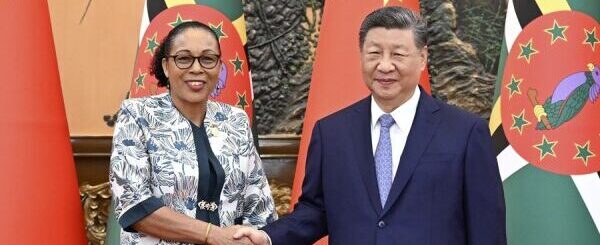
    In a comprehensive October 2025 interview with China’s ‘Leader Talk’ program, Dominica’s President Sylvanie Burton articulated a robust vision for Sino-Caribbean relations while delivering sharp criticism of United States foreign policy. The diplomatic exchange, conducted during President Burton’s official visit to China, provided significant insights into the evolving geopolitical landscape.

    President Burton offered detailed analysis of how China’s Belt and Road Initiative has generated tangible benefits for Dominican communities, emphasizing infrastructure development and economic cooperation. She highlighted China’s crucial role in supporting Dominica’s recovery and reconstruction efforts following devastating natural disasters, framing the assistance as emblematic of genuine South-South cooperation.

    The Dominican leader issued particularly strong remarks regarding climate change vulnerabilities, noting that small island developing states like Dominica face existential threats from environmental challenges. She positioned climate action as an urgent moral imperative for the international community.

    On diplomatic matters, President Burton reaffirmed her government’s unwavering commitment to the One-China policy, describing it as a cornerstone of Dominican foreign relations. The interview took a more confrontational turn when addressing United States military actions in the region, which Burton characterized as ‘bullying’ tactics designed to subordinate smaller nations.

    Articulating a vision of regional autonomy, President Burton formally declared the Caribbean a ‘Zone of Peace’ and called for the United States to engage in more respectful dialogue with Caribbean nations rather than pursuing coercive approaches. Her comments represent a significant diplomatic positioning that aligns with China’s growing influence in the region while challenging traditional American hegemony.