In recent submissions to the news processing system, only social sharing buttons and an image link were provided, with no actual text of the news story that requires analysis and rewriting. This incomplete submission leaves no core journalistic content, background details, event context or stakeholder quotes to examine. Without the full text of the original news report, it is impossible to verify the facts of the event, reconstruct a narrative, or conduct the required analysis and classification. Content providers are reminded to submit the complete text of the news story alongside any supporting links or media references to enable full processing per requirements.
标签: Dominica
多米尼克
-
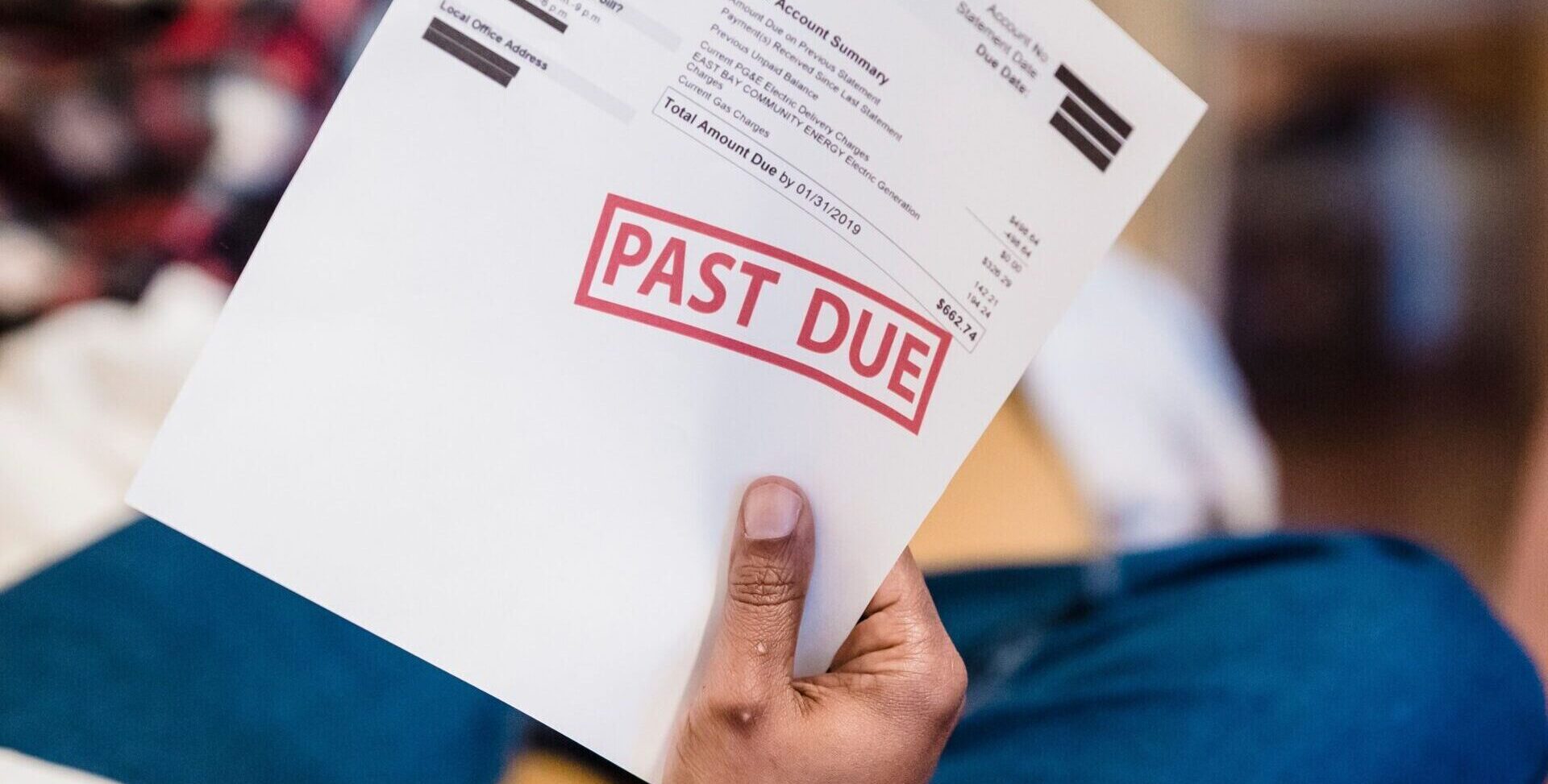
Roseau City Council to publish property tax and fee defaulters list as part of operations review
Roseau City Council has launched a wide-ranging review of its financial and municipal administrative operations, framing the effort as a targeted push to boost operational efficiency, reinforce public accountability, and shore up the critical revenue stream required to keep core city services running for local residents. As a centerpiece of this broader revenue recovery strategy, the municipal governing body recently announced that it will imminently release a public roster of individual residents and local commercial entities that hold long-outstanding property tax and municipal fee debts. Council officials emphasized in an official statement that the new transparency measure is designed to recoup unpaid funds that form a core part of the budget for high-priority public services across Roseau. “This upcoming publication specifically focuses on individuals and businesses that have carried long-standing unpaid debt obligations to the city,” the statement read. “All revenue recovered through this initiative will go directly toward funding essential community services, from sanitation pickup to sidewalk repairs and storm drain maintenance.” To give defaulters a path to avoid public naming, the council is urging all property owners and business operators with overdue accounts to take proactive action before the official list is published. The administration is encouraging anyone with outstanding balances to reach out to council offices at the earliest opportunity to confirm their account status, pay off what they owe, or negotiate a structured, feasible payment plan that fits their financial circumstances. Under the council’s policy, any individual or business that either pays their full outstanding balance or enters into a formal, binding payment agreement prior to the publication deadline will be removed from consideration and excluded from the public list. “Defaulters that resolve their outstanding accounts or sign a formalized payment plan before the publication date will have their names kept off the public list,” the council confirmed in its statement. For residents or business owners with questions about their existing account balances, payment processes, or how to set up a settlement arrangement, the council advises visiting its administrative offices in person or reaching out directly to the municipal administration for one-on-one support.
-
Americas call for science-based food trade rules amid EU pesticide proposal concerns
Senior agricultural leaders from across the Americas have launched a coordinated pushback against a pending European Union regulation targeting pesticide residue limits in imported crops, warning the draft rule risks erecting unjustified trade barriers that could endanger global food stability and disproportionately harm small-scale producers.
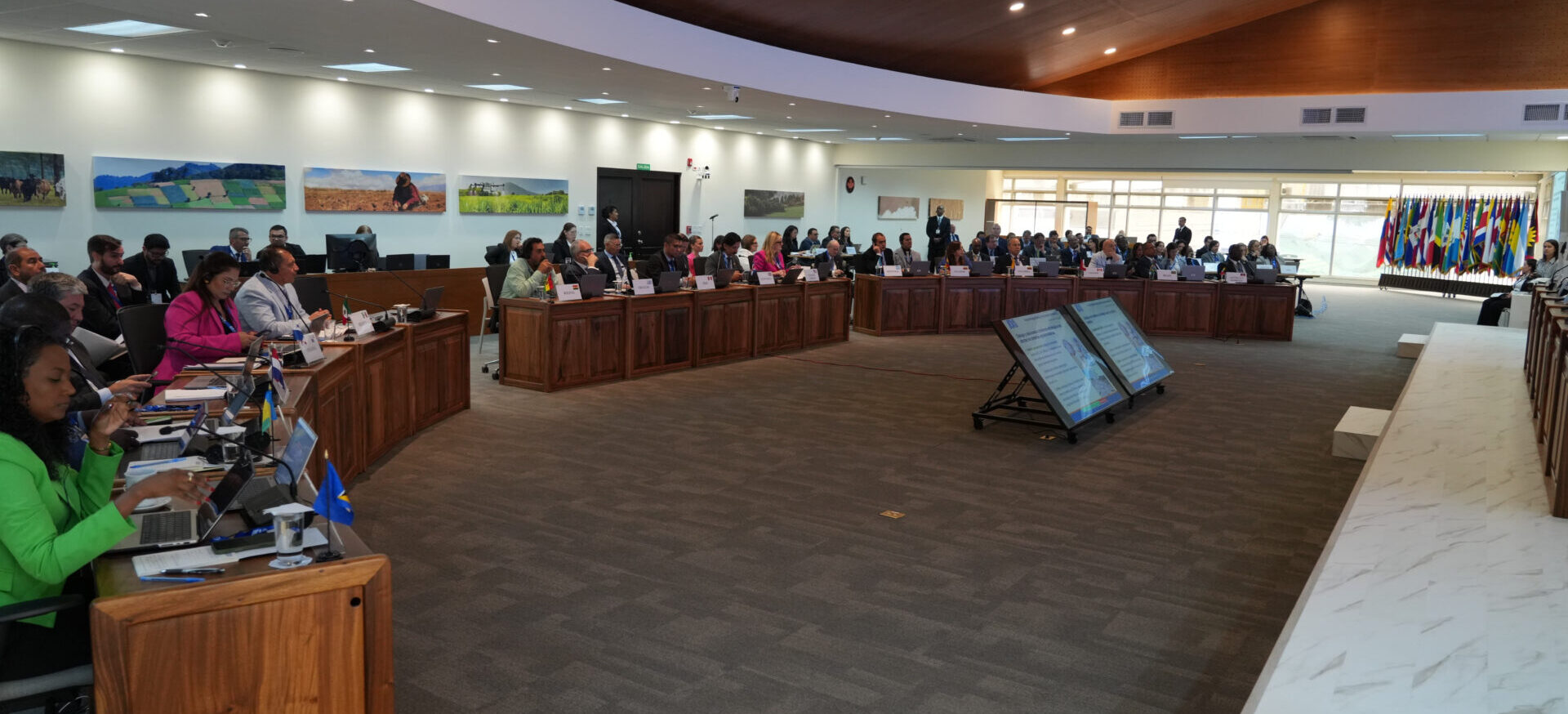
The unified condemnation came out of the Inter-American Institute for Cooperation on Agriculture (IICA) Executive Committee’s annual gathering in San José, Costa Rica, where cabinet-level agriculture ministers and senior government officials voted unanimously to approve a formal resolution demanding all global agri-food trade rules adhere to three core principles: transparency, grounding in robust scientific evidence, and alignment with established international standards. The resolution, IICA confirmed in an official press statement following the meeting, will be transmitted to the World Trade Organization (WTO) by committee chair Roberto Linares, who also serves as Panama’s Minister of Agricultural Development.
Delegates used the gathering to stress that if enacted in its current form, the EU’s proposed maximum residue limits (MRLs) regulation for crop protection products will function as an effective non-tariff barrier to agricultural imports from the Western Hemisphere. The resolution reaffirmed all participating nations’ unwavering support for the WTO’s rules-based multilateral trading system, which has served as the foundation of predictable global food commerce for decades.
In a breakdown of the regulation’s potential impacts, IICA outlined that exporters across the hemisphere would be forced to overhaul longstanding, science-based pest management protocols to meet the EU’s new requirements. Smallholder farmers, the institute warned, would shoulder the heaviest burden, as they lack the financial and technical resources to quickly adapt their production practices to shifting regulatory demands.
A wide range of key export commodities face significant disruption should the rule take effect, including high-value fresh produce such as bananas, citrus fruits, mangoes, pineapples, peppers and tomatoes, as well as major cash crops like coffee, cocoa and sugarcane. Bulk commodities including soybeans, maize, cotton, and even beef exports would also feel negative impacts, according to delegates. For the United States alone, the U.S. Department of Agriculture’s Foreign Agricultural Service calculates that affected products account for more than $5.4 billion in annual exports to the EU.
The conversation was initiated by Paraguay’s delegation, which has long pushed back against non-tariff barriers to hemispheric agricultural exports. Ambassador Julio Duarte Van Humbeck, speaking for Paraguay, noted that “Our country, like many others across the hemisphere, produces food for the world that meets multilateral standards of quality, animal and plant health, and food safety. However, our producers continue to face non-tariff barriers that affect exports. These are justified on environmental, sanitary, and phytosanitary grounds, but in most cases they restrict trade more than necessary and are not based on science.”
He added that the growing trend of prioritizing political expediency over established scientific consensus in trade regulation is deeply alarming: “It is concerning that political arguments are prevailing over scientific ones. This undermines predictability, erodes trust, and has the potential to negatively affect exports from our hemisphere, with serious economic implications.”
Paraguay’s call for a unified response earned broad backing from all participating nations, who agreed that the responsible, science-guided use of pesticides remains an irreplaceable tool for controlling crop diseases and pests, while sustaining the efficient agricultural production needed to feed a growing global population.
Senior U.S. Department of Agriculture official Michelle Bekkering, Deputy Under Secretary for Trade and Foreign Agricultural Affairs, confirmed Washington’s full backing of the resolution, emphasizing that the opposition is not an attempt at confrontation, but a defense of farming households across the hemisphere. “If our farmers are required to adapt to standards that lack scientific justification, they will face higher costs and greater uncertainty. This is not an abstract debate,” Bekkering said.
Mexico also joined the chorus of criticism, with Santiago Ruy Sánchez de Orellana, international affairs coordinator for Mexico’s Secretariat of Agriculture and Rural Development, noting that “We recognize the European Union’s right to update its phytosanitary regulatory framework, provided that it is based on scientific evidence.”
Brazil’s Vice Minister of Agriculture and Livestock Cleber Soares echoed that position, stressing that American nations have developed their own functional regulatory systems that deserve global respect. “It is crucial that any measure be based on evidence, as we stated at the recent CAS meeting in Bolivia,” Soares said.
Canada also shared the widespread concern, with Aleksandar Jotanovic of Canada’s Ministry of Agriculture and Agri-Food explaining that “Like many of IICA’s Member States, we are suppliers of food to the EU and share these concerns. This regulation could have undesirable effects not only on trade, but also on food security and on producers’ adoption of agricultural innovations. Canada appreciates IICA’s efforts to build consensus around rules that are consistent with WTO agreements and the Codex.”
The IICA meeting’s discussion builds on recent unified pushback from the Southern Agricultural Council (CAS), a bloc of South American nations including Argentina, Bolivia, Brazil, Chile, Paraguay and Uruguay. That group previously issued a warning that the proposed EU measures would reduce predictability in global food trade and weaken the entire multilateral trading system. IICA acts as the technical secretariat for the CAS.
-
Barnett urges stronger, technology-driven tax systems to support CARICOM’s future
Against a backdrop of shrinking and volatile international development aid, the top official of the Caribbean Community (CARICOM) has called on regional tax administrations to step into a central role in building stronger, more economically resilient nations across the Caribbean.
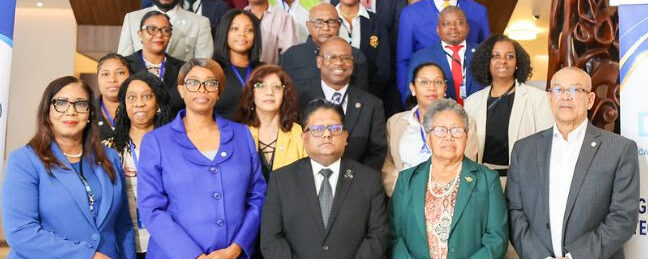
CARICOM Secretary-General Dr. Carla Barnett delivered this call to action during the opening session of the Caribbean Organisation of Tax Administrators (COTA) 27th General Assembly and Technical Conference, which kicked off Monday in Georgetown, Guyana. The five-day gathering, which brings together tax policy leaders from across the region, centers on the official theme: “Future-Ready CARICOM Tax Administration: Smart, Data-Driven and AI-Enabled for Sustainable Revenue.”
Before turning to the conference agenda, Barnett opened her address by offering formal condolences to the government and people of Guyana in the wake of the M.V. Barima disaster, affirming that the entire CARICOM bloc stands in solidarity with all those impacted by the tragedy.
Barnett framed the conference as a pivotal gathering for the region, coming at a moment when CARICOM heads of government have advanced a sweeping slate of shared regional priorities. These priorities include the recent admission of Martinique and French Guiana as Associate Members, deepening integration through the CARICOM Single Market and Economy, expanding the free movement of people across borders, strengthening regional food and energy security, boosting climate disaster resilience, and continuing collective advocacy for comprehensive reform of the global international financial system.
Achieving these ambitious goals, Barnett stressed, hinges on governments having consistent, sufficient financial resources to invest in critical public goods: from transportation and digital infrastructure to healthcare systems, public education, climate adaptation measures, and a range of other essential community services.
“Particularly in this period when international development cooperation is increasingly uncertain, sustainable development, more than ever, depends on more reliable, resilient and home-grown sources of financing long-term growth and prosperity,” Barnett told delegates.
She went on to outline the unique structural pressures facing Caribbean nations that strain public budgets: small open economies that are disproportionately vulnerable to volatile global economic shocks, coupled with the rapidly growing costs of climate change impacts that force governments to divert funds from long-term development to emergency response and recovery.
Barnett also recognized COTA’s 50-plus year legacy of advancing cross-border cooperation, professional training, and knowledge sharing among regional tax agencies, work that has laid the groundwork for modernizing tax systems across the bloc. She emphasized that integrating digital tools, advanced data analytics, and artificial intelligence into tax administration can transform core operations: boosting total tax collection rates, improving customer service for individual and business taxpayers, and catching tax fraud far more efficiently than outdated manual systems. Even so, she acknowledged the growing risks that come with digital transformation, including rising cybersecurity threats and persistent digital divides that can leave smaller jurisdictions at a disadvantage.
In closing, Barnett encouraged conference delegates to use their five days of discussion and collaboration to develop concrete, actionable recommendations that will strengthen public financial governance, increase confidence among global and regional investors, and help build a more competitive, integrated, and sustainable Caribbean Community for future generations.
-
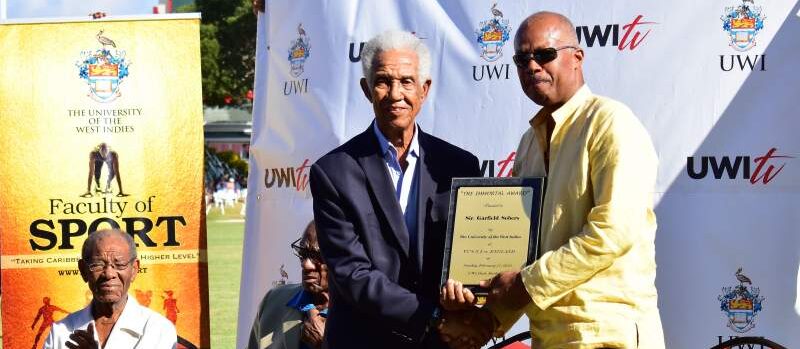
STATEMENT: Sobers – A sobering understanding
Following the passing of cricket icon Sir Garfield St. Aubrun Sobers, Professor Sir Hilary Beckles, Vice-Chancellor of The University of the West Indies (The UWI), has released a moving tribute honoring the life, legacy and far-reaching impact of the Caribbean sporting and cultural hero. The tribute frames Sobers not merely as a generational sports talent, but as a revolutionary figure who intertwined athletic excellence with the regional fight for independence and racial justice.
Emerging from the most marginalized communities of the British colonial Caribbean, Beckles writes, Sobers blazed a trail of possibility for Black and working-class people across the region and the colonized world. Born and raised in Barbados, a territory shaped by the brutal chattel sugar plantation system that systematically blocked upward mobility for enslaved descendants, Sobers broke every preconception placed on poor, Black athletes. By the age of 25, he had already cemented his reputation as the greatest all-round cricketer in the world, his on-field productivity setting records that statisticians continue to study as unmatched in modern cricket history.
Beckles emphasizes that Sobers’ greatness extended far beyond the numbers recorded on scorecards. He was a distinctly West Indian artist of the game, whose style, grace and confidence inspired both intellectual leaders and working-class communities across every Caribbean island. His message was unmistakeable: when God-given talent is unshackled from colonial oppression and given space to shine on the global stage, even the loftiest goals are within reach. He galvanized generations, proving that the children of poor, enslaved communities could reach the pinnacle of global achievement.
Sobers’ rise to leadership was nurtured by legendary West Indian captain Sir Frank Worrell, who identified his talent early and named him as his successor in 1964. At the time, the West Indian Test cricket team had languished as an also-ran since its founding in 1928, but Worrell saw that Sobers had the skill and leadership to lift the side to new heights. That promise came to fruition in 1965, when Sobers led West Indies to a historic victory over the defending world champions from Australia, securing the region’s first official title as Test Cricket World Champions. This landmark win laid the foundation for decades of continued West Indian cricket excellence under later captains including Clive Lloyd and Viv Richards.
Beyond the cricket pitch, Sobers’ success reshaped the political trajectory of the Caribbean. Beckles argues that his historic achievement made colonial rule untenable: if Barbados had produced the greatest cricketer in the world, a leader who had taken his people to the top of global sport, it had no place remaining under imperial bondage. Sobers’ call for talent to be freed from colonial oppression directly empowered Barbados’ independence movement, turning his athletic excellence into a political statement that accelerated the end of imperial rule. He reimagined the very structure and style of cricket, breaking from the rigid traditions of the old colonial order and creating a new, distinctly West Indian approach to the game that made him the defining symbol of Caribbean excellence in the age of independence.
At a time when regional political federation efforts stalled across the Caribbean, Beckles notes, cricket became the unifying force that bound the imagined West Indian nation together, and Sobers stood as its central icon. He left a lasting lesson: regional institutions must proactively identify, nurture and support talent, rather than leaving future genius to chance. In addition to his athletic and political legacy, Beckles highlights Sobers’ universal dignity and unwavering human decency, framing him as a guiding light for the Caribbean.
In recognition of his extraordinary contributions to regional sport, culture and independence, The University of the West Indies awarded Sobers an Honorary Doctor of Laws (LL.D.) degree in 1992. Beckles closes the tribute by affirming that Sobers will forever remain the brightest visionary star in the Caribbean constellation, whose legacy continues to shape the region’s identity and aspirations. The tribute was released alongside a 2019 UWI Photo Archive image showing Sobers being honored as a UWI Vice-Chancellor’s XI ‘Immortal’ by Beckles.
-

More details on missing person Jerbiah Paul
Law enforcement authorities in the Commonwealth of Dominica are ramping up efforts to locate a missing teenage girl who disappeared from her home in the northern town of Portsmouth more than a week ago. The Commonwealth of Dominica Police Force (CDPF) has confirmed that the investigation into the disappearance of 16-year-old Jerbiah Kaysia Paul is actively ongoing, and officials are appealing to the public for any information that could help bring the teen home safely.
According to Fixton Henderson, Acting Superintendent of Police and the police force’s public relations officer, the missing teenager’s mother, Jacinta Paul—who resides in Georgetown, a community within the Glanvillia district of Portsmouth—officially filed the missing person report after her daughter failed to return home.
The last confirmed sighting of Jerbiah was at her family’s Georgetown residence on the evening of Friday, July 24, 2026. At approximately 8:30 p.m. that day, Jerbiah told her mother she was leaving the house to walk down the road to visit a friend. She has not been contacted by friends or family since that evening, and no one has reported seeing her after she left the property.
Police have released a physical description of the missing teen to help community members identify her: Jerbiah stands 5 feet 3 inches tall, has brown skin, and was wearing a blue blouse when she departed her home. Authorities are urging any member of the public, whether local resident or visitor, who has any information about Jerbiah’s current whereabouts to contact law enforcement immediately.
Tips can be submitted through multiple channels: the Portsmouth Police Station at 266-4654, the CDPF’s Criminal Investigations Department at 266-5165, the anonymous tip line Crime Stoppers at 1-800-8477, or directly to Jacinta Paul at 276-4052. Tips can also be filed in person at any local police station across the country.
-
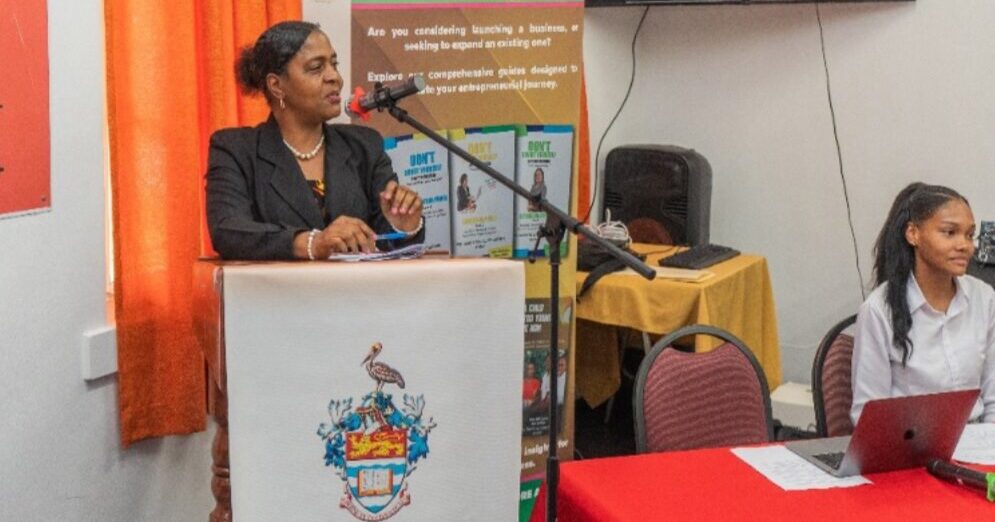
Dominican author launches skills development books aimed at preparing children and youth for the future
In June 2026, Dominican entrepreneur and youth development advocate Marilyn A. Cuffy-Morris officially launched two groundbreaking skills development textbooks tailored to support children and young adults in building foundational practical abilities for personal, academic, and long-term professional success.
The launch marks a key milestone in Cuffy-Morris’ years-long work advancing youth empowerment and entrepreneurial education across Dominica, according to an official press statement from her team. Titled *GROW Smart, Skills for Great Kids* and *FUTURE Builders, A Complete Skills Book for Today’s Youth*, the two publications fill a gap in local educational resources by serving as a single comprehensive hub for multi-disciplinary skills training that is not currently available in one unified local textbook. The content covers a broad spectrum of critical competencies, ranging from physical health and personal safety to social skills, soft professional skills, core academics, financial literacy, digital proficiency, information technology, and technical vocational skills.
Cuffy-Morris emphasizes that while early cognitive development begins at birth, key life and professional skills require intentional teaching and nurturing throughout childhood and adolescence. Building these capabilities early, she argues, is essential to helping young people grow into confident, capable adults prepared to meet the demands of modern work and life.
The first text, *GROW Smart, Skills for Great Kids*, is designed specifically for children aged 8 to 11. Structured as a supplementary learning resource for primary school classrooms, it includes ready-to-use activities for educators to reinforce core skills lessons and engage young learners hands-on.
The second publication, *FUTURE Builders, A Complete Skills Book for Today’s Youth*, targets a broader youth demographic spanning 13 to 21 years old. To better align with different developmental stages, the text is paired with two separate activity workbooks tailored for 12- to 15-year-olds and 16- to 21-year-olds respectively. The flexible resource format makes the materials adaptable for a wide range of learning settings, including Health and Family Life Education (HFLE) curricula, standard classroom instruction, youth clubs, community organizations, non-profits, youth-focused business programs, and specialized initiatives such as Technical Vocational Education and Training (TVET) and 4-H clubs.
Leading up to the official launch, Cuffy-Morris built momentum for the initiative with a complementary skills outreach project: an original skills-focused song titled “Check out the lineup, check out the time,” which she premiered during an appearance on Vibes Radio on June 3, 2026. The track encourages young people to pursue skills development opportunities and urges parents to actively support their children’s engagement in practical learning programs.
Through her company MAANZ Limited, Cuffy-Morris plans to expand this work with a new upcoming initiative branded “Young Skilled Bosses,” which will invite parents to register their children for a range of structured skills development programs.
During the June 2026 launch events, hundreds of copies of the new books were distributed to students participating in a local STEM initiative, with recipients including learners from Wesley High School, Dominica Grammar School, and Petite Savanne Primary School. Additional copies were donated to the Dominica Scouts Association and multiple other educational institutions across the country. The launch also featured a career panel where working professionals from diverse fields shared how foundational skills development shaped their career trajectories. Speakers included Dr. Curtis St. John, who shared insights on skill building for medical careers; experienced automechanic Ernest St. Jean, who discussed the value of technical skills for automotive work; Rawle Leslie, former Dean of the Food, Agriculture and Applied Technology (FAAT) Department at Dominica State College, who highlighted core competencies for agricultural careers; and a TVET representative, who outlined available vocational training opportunities for Dominican youth.
Cuffy-Morris’ work in youth development already extends deeply into the growing STEM education space in Dominica. On May 14, 2026, she was invited to present on the topic “STEM and Entrepreneurship, bridging the gaps” at a STEM Fair Lead Teachers Workshop hosted at the University of the West Indies Open Campus. She also took part in a STEM exhibition, where she showcased her earlier STEM-aligned book *I’m a child, I’m not too young, tell me now*, which supports early STEM entrepreneurship education for children.
Across all her projects, Cuffy-Morris is working to shift attitudes toward youth skills training, encouraging parents, schools, and community stakeholders to prioritize early exposure to entrepreneurship and practical skill building. She believes that early intentional investment in these areas will not only help children grow into well-rounded, adaptable adults but also drive long-term positive economic growth across Dominica by building a more skilled, capable future workforce.
-
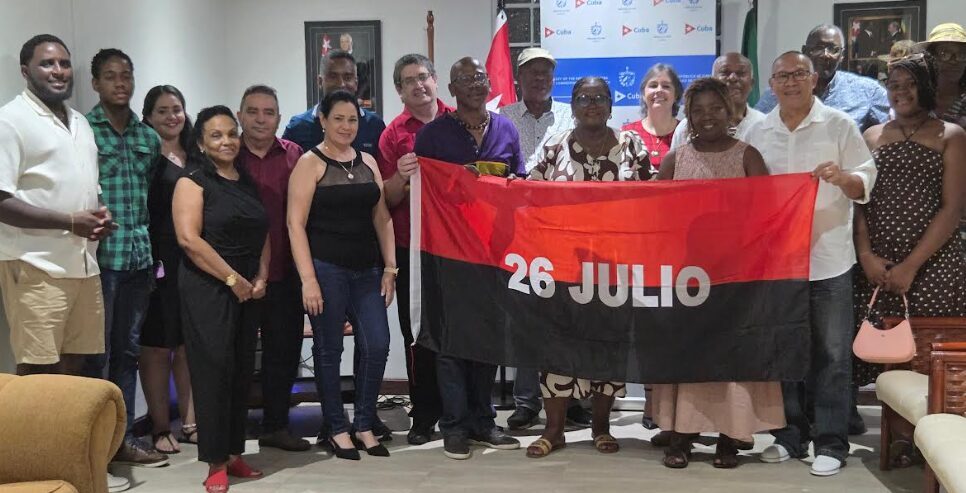
Cuba’s National Rebellion Day observed in Dominica with calls for continued solidarity
On a significant diplomatic occasion at its headquarters in Dominica, the Embassy of the Republic of Cuba hosted a formal ceremony to celebrate the country’s National Rebellion Day, drawing attendees from two key bilateral organizations: the Dominica Guild of Cuban Graduates and the Dominica-Cuba Friendship Association.
Beyond its commemorative purpose, the gathering served as a platform to celebrate the decades-long collaborative bond between Havana and Roseau, while shining a spotlight on the critical contributions the two participating organizations have made over the years to nurturing people-to-people ties and advancing official cooperation between the two Caribbean nations.
In his keynote address to attendees, Cuban Ambassador to Dominica Miguel Fraga opened a discussion on the pressing contemporary challenges that Cuba navigates, according to an official press statement released by the embassy following the event. Fraga centered much of his remarks on the far-reaching harm caused by the longstanding, recently intensified economic, commercial and financial blockade enforced by the United States. He placed specific focus on the crippling impacts of the oil embargo component of the restrictions, detailing the widespread daily hardships the policy has imposed on ordinary Cuban citizens.
Fraga also directed sharp criticism at what he framed as the growing aggression and hostile policy threats against Cuba advanced by the administration of former U.S. President Donald Trump, underscoring how these actions have exacerbated existing pressures on the island nation. Despite these challenges, the ambassador emphasized that Cuba retains widespread backing across the global community. He pointed to the most recent annual United Nations vote on the blockade as clear evidence of this support, noting that an overwhelming majority of UN member states once again voted in favor of a resolution calling for an immediate end to the U.S. embargo. Fraga noted that this lopsided outcome underscores the growing international isolation of Washington’s policy toward Cuba on the global stage.
As part of the day’s commemorative activities, the ceremony included a special honor for Dr. Damien Dublin, who was recognized by the Dominica Guild of Cuban Graduates for his unwavering, longstanding commitment to deepening bilateral friendship and cooperation between Cuba and Dominica, as well as his consistent public support for the Cuban Revolution.
Following the address and award presentation, representatives from all participating organizations issued a collective reaffirmation of their solidarity with Cuba. They pledged to continue standing with the Cuban people in defense of the country’s sovereign right to self-determination, in the face of ongoing U.S. sanctions and other unilateral coercive measures.
The event drew to a close with attendees reflecting on the deep, durable roots of the Cuban-Dominica relationship, which has been built across decades of shared cooperation, mutual respect for national sovereignty and reciprocal support. All attendees united in a public commitment to continuing work to expand and strengthen the bilateral partnership in the years ahead.
-

OECS appoints Aisha Maina as strategic advisor to strengthen Africa-Caribbean cooperation
The Organization of Eastern Caribbean States (OECS) Commission has made a key strategic appointment to deepen cross-regional ties, announcing that Aisha Maina, current Chief Executive Officer of Pan-African advisory firm Aquarian Consult Limited, will take up the newly created role of Strategic Advisor for Africa-Caribbean Cooperation. Official OECS press materials confirm the appointment officially went into effect on July 1, 2026, and is designed to accelerate the bloc’s ongoing work to build stronger, mutually beneficial partnerships between Eastern Caribbean nations and African countries across trade, investment, and a range of shared priority sectors.
Maina brings a diverse and extensive professional background to the new position, with deep expertise spanning governance frameworks, international trade, energy development, agribusiness, the creative economy, and socially impactful investment, per OECS assessments. Over her tenure leading Aquarian Consult Limited, she has overseen the delivery of dozens of high-impact regional and international development initiatives, while building deep, collaborative relationships with public sector institutions and private sector leaders across every major region of Africa. These cross-sector connections and proven leadership track record position her uniquely to drive forward cooperation between the two regions, OECS officials note.
In welcoming Maina to the OECS team, OECS Director General Dr. Didacus Jules emphasized the strategic importance of the appointment. “We are thrilled to welcome Ms. Aisha Maina to the OECS Commission,” Jules said. “Her proven track record of delivery, transformational leadership at Aquarian Consult, and expansive, forward-thinking vision for equitable South-South collaboration make her the ideal person to lead our strategic engagement with African nations. This appointment is a clear reflection of our unwavering commitment to building a more resilient, globally connected, and economically prosperous community for all OECS member states.”
In her new advisory capacity, Maina will report directly to the Office of the Director General, collaborating closely with OECS leadership to co-design policies and strategic frameworks that unlock new economic opportunities for businesses and communities on both sides of the Atlantic, while strengthening institutional collaboration between the two regions.
Reacting to her appointment, Maina highlighted the deep historical, cultural, and social ties that have long bound African and Caribbean peoples together, and expressed measured optimism about the untapped potential of the expanded partnership. “It is a deep privilege to serve the Organisation of Eastern Caribbean States in this capacity,” Maina said. “The historical, cultural, and economic synergy between Africa and the Caribbean represents an immense, largely untapped frontier of opportunity for shared growth. I look forward to working closely with Director General Dr. Didacus Jules and the entire OECS Commission team to translate our shared vision into transformative trade partnerships, inclusive sustainable growth, and lasting people-to-people connections for both our regions, strengthening what we see as a critical Transatlantic Bridge between the Global South.”
OECS leadership has framed the appointment as a deliberate, incremental step forward in the bloc’s broader commitment to advancing equitable South-South cooperation, and building deeper economic and cultural people-to-people ties between African nations and the 11 Eastern Caribbean member states that make up the OECS bloc.
-
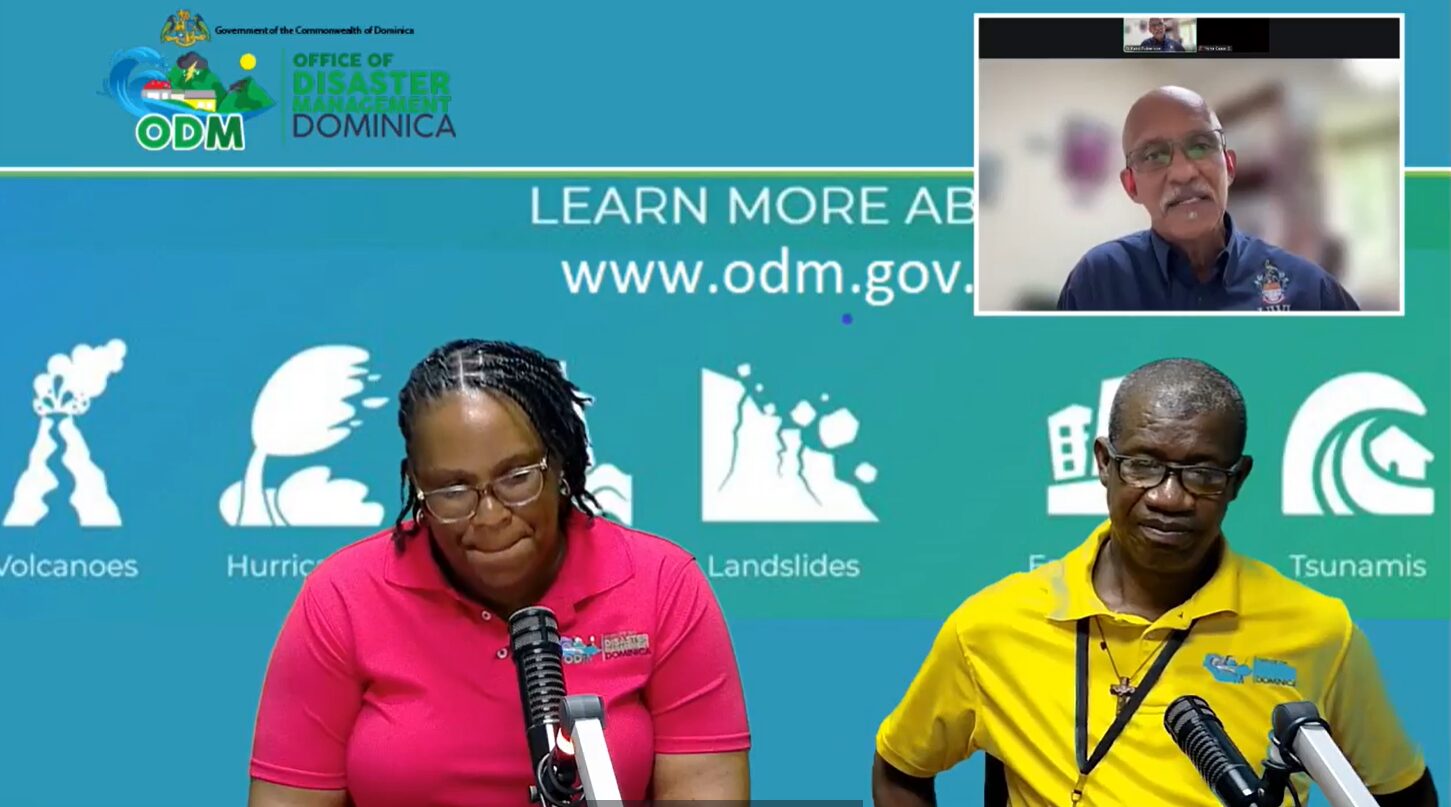
LIVE: Disasters And You with the Office of Disaster Management
The submitted content for news processing only contains social media sharing interaction elements (including share, tweet, and pin options) and a link to an image hosted on an external news server. No actual core news text, event details, contextual background, or factual information about a specific newsworthy event is provided in the original input. Without the full substantive content of the news story, it is not possible to conduct a complete analysis, in-depth narrative reconstruction, or detailed reporting of the event that the image is associated with.