标签: Dominica

多米尼克

  • Dominica’s oldest centenarian, Asher Timothy, passes away at 108

    Dominica’s oldest centenarian, Asher Timothy, passes away at 108

    The Dominica Council on Ageing Inc. (DCOA Inc.) has confirmed the death of Asher Timothy, a resident of Marigot who was widely recognized as the oldest living centenarian in the Caribbean nation of Dominica, at the age of 108.

    In an official public statement, DCOA shared that Timothy had recently been moved to the Dominica Infirmary ahead of his passing. For years, Timothy stood as far more than just a record-holder for longevity across the country; he was embraced as a cultural icon of resilience, whose century-long life embodied the steady strength and perseverance that define generations of Dominican people.

    According to the statement, Timothy maintained deep, lasting ties to the cultural heritage of Dominica’s senior community throughout his decades, leaving behind a legacy that extends far beyond his impressive lifespan.

    The DCOA expressed sincere sorrow over the loss of Timothy, while noting that the organization, alongside residents of Marigot and Dominicans across the country, is not only mourning his passing but also pausing to celebrate the extraordinary, impactful life he built.

    Local media outlet Dominica News Online has also extended its formal condolences to Timothy’s family, close loved ones, and the countless community members whose lives were shaped by his quiet, enduring presence over more than a century.

  • Tourism minister addresses Stonefield quarrying concerns [with audio]

    Tourism minister addresses Stonefield quarrying concerns [with audio]

    Public anxiety has been building across Dominica in recent weeks over a planned basalt quarry in the Stonefield Concord area, prompting the island nation’s Tourism Minister, Honorable Denise Charles-Pemberton, to step forward to directly answer constituent concerns. According to official documents from the Office of the Prime Minister (OPM), the quarry operation is intended to extract raw basalt material to support ongoing expansion and construction work on the runway of Dominica’s planned new international airport — a major infrastructure project that has drawn both support for its long-term economic benefits and pushback from local communities worried about environmental and quality-of-life impacts. The project’s connection to a critical national development initiative has amplified public attention to the quarry proposal, with many local residents raising questions about unaddressed environmental degradation, noise pollution, and disruption to nearby residential and ecologically sensitive areas. In her public address, which was recorded and released to media for public distribution, Charles-Pemberton acknowledged the depth of community worry, emphasizing that the government is committed to full transparency around the project’s permitting, environmental impact assessments, and operational plans. The minister’s intervention marks a key step in the government’s engagement with local stakeholders, as the future of the quarry and its role in advancing the island’s flagship airport project remain top of public discussion in Dominica.

  • OP-ED: From schoolyard games to couches – Why play belongs at the heart of public health

    OP-ED: From schoolyard games to couches – Why play belongs at the heart of public health

    As the international community marked World Day of Physical Activity on April 6 and World Health Day on April 7 2026, two Caribbean public health advocates are calling for a return to the region’s deep-rooted cultural tradition of spontaneous, community-centered play as a foundational solution to growing public health crises.

    For generations across Caribbean island nations, unstructured physical movement was woven into the very fabric of childhood. Simple, shouted calls—“RUN!”, “HOME!”, “OUT!”—sent generations of children sprinting across sunbaked fields, dodging opponents and chasing victory across open community spaces. Long before “physical activity” became a formal public health term, movement was just part of how children lived: through local games adapted to every island’s unique culture and landscape.

    In Barbados, children repurposed city sidewalks into makeshift courts for road tennis, gripping rough wooden paddles to rally back and forth across chalked boundary lines. In Trinidad and Tobago, traditional games like Scotch, Moral and Peesay had children hopping, balancing, and jumping in steady rhythm, while marble matches kept competitors crouched for hours, honing focus and fine motor control. Jamaica’s beloved Dandy Shandy and Stuck and Pull had children running, twisting, and laughing together, filling neighborhood open spaces with squeals of delight. From rounders to chase, every island had its own set of rules, its own shared calls, and its own memories of movement tied to community connection. This spontaneous play was never structured or formal—but it acted as an informal, remarkably effective public health system, building physical strength, coordination, emotional resilience, and tight social bonds across generations.

    Today, however, that legacy of natural daily movement has faded. The rise of screen time, packed structured schedules, and the loss of open community play spaces have pushed traditional childhood games out of schoolyards and neighborhoods. What was once an automatic part of growing up has been replaced by a modern narrative that frames physical activity as something that only happens in gyms, structured fitness programs, or competitive performance contexts—erasing the Caribbean’s own cultural foundation of free movement in the process.

    This shift is not just a loss of cultural nostalgia; it has created a measurable public health crisis across the region. Non-communicable diseases (NCDs) including hypertension, type 2 diabetes, and heart disease now account for more than 70% of all deaths across the Caribbean, and the region holds one of the world’s highest rates of premature death from NCDs among people aged 30 to 70. Public health researchers point to physical inactivity, alongside unhealthy diets, tobacco use, and excessive alcohol consumption, as a key driver of this crisis. Currently, 30 to 40% of all Caribbean adults fail to meet the World Health Organization’s recommended minimum weekly physical activity levels, a trend that traces back to the decline of active play in childhood. The “stillness” that has replaced neighborhood games in childhood follows people into adulthood, creating lifelong health risks that strain regional healthcare systems, which must bear the cost of long-term treatment, medications, and ongoing care for preventable chronic conditions.

    As the authors, youth public health advocate Kayla Wright and sports medicine and physiotherapy specialist Offniel Lamont, both advocates with the Healthy Caribbean Youth and Healthy Caribbean Coalition, note, the traditional Caribbean saying “prevention betta dan cure” holds true here—but most current prevention efforts focus only on changing adult behavior, rather than restoring the community and school environments that made daily movement natural for children. Reclaiming this tradition of active play is not just about nostalgia; it is about recognizing that good health is built early in life, through shared, joyful community activity.

    Regional policymakers have already laid the groundwork for action. CARICOM member states have enshrined the right to health in national policy frameworks, and the Caribbean Public Health Agency (CARPHA) has developed the Six-Point Policy Package, a targeted strategy to combat NCDs and childhood obesity across the region by transforming food and activity environments. Regional initiatives like Caribbean Moves have launched national public campaigns to promote active lifestyles, spurring local programs including Jamaica Moves, Dominica’s Fit for Life Campaign, St. Lucia’s National Physical Activity Day, and Barbados’ Creative Play Initiative. Recent policy moves, such as Jamaica’s proposed sugar-sweetened beverage tax, also signal growing recognition that systemic action to address the root causes of NCDs is critical. The path forward, the authors argue, does not require new policy promises—it requires full implementation of the commitments regional leaders have already made, starting with recognizing safe, accessible, unstructured play as a core public health priority that cannot be overlooked.

    On this year’s back-to-back global health observances, the message from the region’s advocates is clear: daily movement is not a privileged lifestyle choice for the wealthy—it is a birthright, and a core part of Caribbean cultural heritage that must be protected. If the region is serious about preventing chronic illness and improving long-term public health, policymakers, schools, and communities must make space once again for the joyful, traditional play that defined generations of Caribbean childhood.

  • STATEMENT: Government of Dominica congratulates Addison James on gold medal win at CARIFTA Games

    STATEMENT: Government of Dominica congratulates Addison James on gold medal win at CARIFTA Games

    Roseau, Dominica – April 6, 2026: The small Caribbean island of Dominica is celebrating a standout athletic achievement after local javelin thrower Addison James secured his second consecutive regional title at the 53rd CARIFTA Games hosted in Grenada. James delivered a winning throw of 63.73 meters to claim the gold medal in the under-20 men’s javelin event, cementing his status as one of the Caribbean’s most promising young track-and-field talents.

    What makes James’ victory particularly notable is that it marks back-to-back gold medals for the athlete, following his first CARIFTA title win in 2025. This rare repeat win at the prestigious regional youth athletics competition demonstrates not just raw natural talent, but consistent training, unwavering commitment, and a relentless drive to push his own performance limits.

    Officials from the Government of Dominica have publicly extended their warmest congratulations to James on his historic achievement. The Ministry of Culture, Youth, Sports and Community Development joined the national administration in applauding the young athlete’s outstanding result, noting that his success is a powerful example of what persistence and strong character can help young people accomplish. For a small nation like Dominica, James’ repeat gold medal win has become a source of widespread national pride, with government representatives saying his career trajectory will serve as inspiration for the next generation of Dominican athletes. The government and ministry have also extended their well wishes for James’ continued success in future competitive events as he advances his athletic career.

  • OP-ED: Sport is a universal language which serves as a powerful catalyst for social transformation

    OP-ED: Sport is a universal language which serves as a powerful catalyst for social transformation

    Against a backdrop of growing global fragmentation, the United Nations is gearing up to mark the 2026 International Day of Sport for Development and Peace (IDSDP) on April 6, shining a spotlight on sport’s unique, underrecognized power to drive cross-border solidarity, advance inclusive development, and break down systemic barriers.

    For decades, global leaders and development experts have framed sport as far more than a recreational pastime. The United Nations has long championed it as a transformative social force: even amid active conflict and deep political divisions, athletic activity creates neutral, shared space that connects communities across generational and national divides, eases isolation for marginalized groups, and fosters the dialogue, mutual respect, and solidarity that form the foundation of cooperation between nations. This unrivaled reach, universal popularity, and inherent foundation of positive values are what led the UN General Assembly to formally establish April 6 as a global observance of sport’s contributions to global peace and development.

    The 2026 IDSDP theme, “Sport: Building Bridges, Breaking Barriers,” amplifies growing international recognition of sport’s positive impact on advancing human rights, inclusive economic progress, and social equity. This year’s observance will center evidence-based strategies and proven best practices that demonstrate how sport delivers measurable progress toward the 2030 UN Agenda for Sustainable Development, with a particular focus on advancing public health, gender equality, reduced inequality, and inclusive, peaceful societies. Through cross-sector dialogue, collaborative partnerships, and shared community experiences, IDSDP 2026 will reaffirm sport’s role as a strategic development tool: one that connects diverse groups of people and dismantles barriers to full inclusion, upholding the core promise of the 2030 Agenda to leave no one behind.

    Concrete examples of sport’s unifying power stretch across decades and regions. For many, Jamaica’s historic 1998 FIFA World Cup qualification remains a defining example of how athletic achievement can rally an entire nation. When the Reggae Boyz secured their spot in the tournament, long-standing social divisions that typically split the country fell away, and the entire population united behind the team. Moments like these—when national flags are raised and anthems played at international competitions—forge a shared sense of national pride that transcends class, regional, and political divides.

    Closer to home for Caribbean nations, the annual CARIFTA Games stands as a long-running model of sport-driven regional integration. Founded in 1972 by then Amateur Athletic Association of Barbados president Austin Sealy, the games were launched to mark the transition from the Caribbean Free Trade Association (CARIFTA) to the Caribbean Community (CARICOM), with a core mission of strengthening ties between the region’s English-speaking countries. Held every Easter over three days, the games host more than 150 track and field competitions ranging from sprints and hurdles to jumping, throwing, and relay events. For half a century, the event has served as a foundational vehicle for regional integration, cross-border cooperation, peace, and inclusion across CARICOM member states.

    At the global level, the United Nations’ Football for the Goals (FFTG) initiative leverages football’s unmatched global reach to advance the Sustainable Development Goals (SDGs). As a membership-based platform, FFTG brings together the entire global football ecosystem—from grassroots community clubs and local nonprofits to professional leagues and international confederations—to align their strategies, messaging, and operations with SDG aspirations. The initiative supports organizations to build on existing sustainability work and implement SDG-aligned strategies that drive tangible behavioral change, while also leveraging member organizations’ global visibility to raise public awareness of the 2030 Agenda.

    As the global community prepares to commemorate IDSDP 2026, development educator and commentator Wayne Campbell, the author of this analysis, is calling for urgent policy shifts to unlock sport’s full potential. Campbell emphasizes that governments worldwide must increase public investment in youth athletic development, and reframe school physical education to align with UN sustainable development objectives. Too often, he notes, physical education is sidelined as an afterthought, receiving little funding or policy attention—an oversight that must be corrected to align school sports with broader national development and peacebuilding goals.

    Campbell argues that development efforts must move beyond outdated top-down models to incorporate bottom-up, collaborative approaches that engage all stakeholders. The core goal of development, he notes, is to create an enabling environment where all people can build long, healthy, creative lives, so intentional partnerships with communities are essential. Nations must also recognize that athletes are national treasures that deserve targeted investment and support.

    This focus on sport as a peacebuilding tool is rooted in centuries of tradition. The ancient Greek practice of ekecheiria, or the Olympic Truce, dates back to the 8th century BCE, and was revived by the International Olympic Committee in 1992. Today, a UN General Assembly resolution urges all member states to observe the truce from seven days before the opening of each Olympic Games through seven days after the Games close. The 2030 Sustainable Development Agenda, adopted by global leaders in 2015, formally reaffirmed sport as a critical enabler of sustainable development, aligning with the Olympic movement’s core mission to build a more peaceful future through athletic education. The Games bring together athletes from every corner of the globe, advancing the shared UN and Olympic goals of peace, mutual understanding, and global goodwill.

    As the world marks the 2026 IDSDP, the words of Nelson Mandela remain as relevant as ever: Sport has the power to change the world. It has the power to inspire, and to unite people in a way few other forces can. It speaks to young people in a language they understand, and it can create hope where once there was only despair.

  • COMMENTARY: The life & times of Pearle Christian – A cultural Jewel of Dominica’s musical heritage

    COMMENTARY: The life & times of Pearle Christian – A cultural Jewel of Dominica’s musical heritage

    Nestled in the heart of the Caribbean, the Commonwealth of Dominica has produced countless extraordinary cultural figures, but few have left as indelible a mark on national identity as Pearle Christian. Born March 20, 1955, in the coastal village of La Plaine, Christian—affectionately known to all Dominicans as “Aunty Pearle”—is far more than a celebrated music educator and choral director. Over a career spanning six decades, she has emerged as one of the island nation’s most dedicated nation-builders, proving that cultural education is a powerful tool for shaping personal character, collective identity, and enduring national pride.

    Christian was born into a family deeply woven into Dominica’s educational, political, and cultural fabric. Her mother Muriel Christian was a respected educator and cultural practitioner, while her father Henckell Lochinvar Christian served as Dominica’s Minister of Education and Health. Her artistic lineage grew even stronger through her uncle, Lemuel McPherson Christian MBE, the legendary composer who penned Dominica’s beloved national anthem *Isle of Beauty, Isle of Splendour*. With this rich heritage surrounding her from childhood, a life dedicated to music was not just a choice—it was a calling. She began formal piano lessons at age seven, first training through the Christian Musical Class founded by her uncle, then studying under renowned music educator Rosemary Cools-Lartigue. She completed her academic foundation at three leading institutions in Dominica’s capital Roseau: Convent Preparatory School, Convent High School, and Sixth Form College, laying the groundwork for her decades-long career.

    As a young educator at her former alma maters Convent Preparatory and Convent High Schools, Christian quickly demonstrated her dual commitment to academic excellence and artistic growth. While teaching full-time, she pursued professional certification through the Associated Board of the Royal Schools of Music, and recognized her own exceptional potential, she went on to pursue advanced musical training at the Jamaica School of Music (now the Edna Manley College of the Visual and Performing Arts) from 1976 to 1980. During her time there, she rose to the top of her cohort, earning a Diploma in Music Education, winning awards for her original compositions, and being named Student of the Year. Her talent was so widely respected that she was invited to join the school’s faculty, serving as a teacher and Junior Choir Director before returning to her home country of Dominica in 1981 to begin her iconic public service career.

    After returning home, Christian embarked on a 34-year historic tenure as a Cultural Officer within Dominica’s Division of Culture, where she became one of the chief architects of the island’s modern choral development movement. She collaborated with the National Chorale, performed as a member of the Dominica Folk Singers, and contributed to sacred music through the St. Alphonsus Folk Choir. Her most transformative contribution during this period came in 1994, when she co-founded and directed the Sixth Form Sisserou Singers, a joint initiative between the Cultural Division and Sixth Form College. Through this acclaimed ensemble, Christian proved that traditional Dominican folk music could be reimagined as sophisticated, world-class choral work that holds its own on any international stage.

    Christian’s dedication to expanding access to music education extended far beyond her work with performance groups. For 17 years, she served as a lead principal tutor at the Kairi School of Music, training generation after generation of Dominican musicians in flute, recorder, and choral technique. In 2000, she founded the Dominica Association of Music Educators, an organization with a core mission of ensuring that every child in Dominica—regardless of socioeconomic background—has access to high-quality, meaningful music education. This initiative embodied her core belief that music is a democratic art form, equally capable of nurturing discipline, collaborative spirit, and creative expression in all young people.

    In 2001, Christian further bolstered her academic expertise by earning a Master’s degree in Music Education from Texas State University in San Marcos, Texas. This advanced training reinforced her long-held philosophy that Caribbean folk culture must remain at the center of Dominican artistic and educational development. Throughout her career, she composed and produced dozens of children’s musicals and educational works that wove traditional Dominican storytelling, rhythms, and Creole language into formal music instruction, ensuring that the nation’s cultural heritage remained a living, evolving part of its education system rather than a static historical artifact.

    When Christian retired from government service in 2015, she showed no signs of slowing down her work with young people. One of her most enduring legacies, the Henckell & Muriel Christian Musical Workshop, was founded after her retirement, named in honor of her parents to carry forward the family’s legacy of service. From this community institution, which she runs with characteristic discipline and heartfelt care, she continues to teach students far more than music: core values of punctuality, presentation, mutual respect, and strong character development. As many who have studied with her note, Christian has always insisted that personal discipline and moral character are inseparable from musical excellence.

    Christian’s work with the Sisserou Singers choral movement also remains one of her most defining achievements, helping set a standard for Dominican choral excellence that shaped an entire generation of performers. Through this initiative, she showcased her unique gift for blending rigorous technical musical training with unshakable cultural pride, producing performances that celebrate the unique folklore, language, and rhythms of the Caribbean while building lasting confidence in every young performer who joins the ensemble. Her career is rooted in a clear philosophy: culture is not a static relic of the past, but a living tradition that must be actively nurtured through education and public performance to remain relevant.

    Christian’s lifetime of dedicated service has not gone unrecognized by her nation. In 2016, just one year after her retirement from public service, she received the Golden Drum Award, Dominica’s highest honor for exceptional contributions to the cultural sector. Yet for Christian herself, the greatest reward has never been awards or official recognition. As she has shared in reflections on her career, her proudest achievement is the countless young people from all walks of life whose lives and trajectories she has helped shape. For her, the greatest satisfaction comes from providing a platform for the holistic growth of young Dominicans, helping them grow into confident, capable stewards of their nation’s culture.

    To understand Dominica’s modern cultural landscape is to understand the quiet, transformative impact of Pearle Christian. Like the distinguished relatives who came before her, she understands that the true value of cultural work is measured not in standing ovations or public acclaim, but in the legacy left for future generations. Through her choirs, her compositions, her hundreds of students, and the enduring institutions she founded, she has ensured that Dominica’s rich musical traditions remain vibrant, accessible, and relevant for decades to come. In the end, Pearle Christian embodies the very best of Dominica’s cultural heritage: disciplined yet endlessly creative, deeply rooted in national heritage yet unafraid to look forward, and unwaveringly committed to lifting up the next generation. Her life’s work proves that the role of a cultural leader is far more than administrative—it is a work of building civilization itself. As a cultural guardian of the “Nature Isle” of Dominica, “Aunty Pearle” has secured her place as a true daughter of the nation, whose influence will resonate through generations of Dominican musicians and leaders.

  • OP-ED: How did we get here? Let the children play

    OP-ED: How did we get here? Let the children play

    The Caribbean, long celebrated globally for its postcard-perfect coastlines and warm, inviting tropical climate, is grappling with a rapidly growing public health crisis that threatens the long-term well-being of its youngest populations. Data collected by the Caribbean Public Health Agency (CARPHA) in 2025 paints a stark picture: more than 50% of Caribbean adults and 33% of children currently live with overweight or obesity, with the condition affecting every age demographic across the region. If left unaddressed, this widespread public health issue puts the region’s future generations at elevated risk of lifelong chronic illness.

    Under the United Nations Convention on the Rights of the Child, every child holds an inherent right to access the highest attainable standard of health, as well as age-appropriate opportunities for play and recreation. Yet in the Caribbean, these fundamental rights are regularly sidelined by overlapping pressures: intensifying academic demands on young students, rapid urbanization that reshapes daily routines, and the growing influence of global commercial food and beverage marketing. To reverse this damaging trend, public health advocates argue that a rethinking of primary and secondary education systems—especially the role of structured physical education (PE)—is critical to laying the foundation for lifelong healthy habits.

    UNESCO’s International Charter of Physical Education, Physical Activity and Sport has long recognized that upholding children’s right to activity is a cornerstone of both quality education and lifelong population health. To implement effective reform, advocates emphasize the need to draw a clear distinction between traditional athletic coaching and formal school-based PE. While coaching focuses on preparing individual athletes or teams for competitive performance, PE is a universal, curriculum-based subject designed to build core movement skills, social competence, self-confidence, and sustained healthy habits for *all* students, regardless of athletic ability. Public health leaders argue that PE deserves status as a core academic subject, and Caribbean governments should leverage UNESCO’s global guidelines to update outdated national curricula. This distinction is key to unpacking the systemic, interconnected public health challenges facing Caribbean youth today.

    Caribbean public health authorities outline three overlapping systemic drivers of the region’s childhood health crisis:
    – **Chronic physical inactivity**: Fewer than one in three Caribbean teenagers meet the World Health Organization’s recommended 60 minutes of daily moderate-to-vigorous physical activity, creating an immediate public health risk that requires urgent intervention.
    – **Unhealthy dietary shifts**: The rapid proliferation of ultra-processed food products, sugar-sweetened beverages, and meals high in unhealthy saturated fats across local food systems has drastically accelerated the development of obesity and related chronic conditions, demanding prompt policy action.
    – **Lack of accessible public recreation infrastructure**: Most urban centers across the region lack safe, free-to-access public play spaces for children, limiting opportunities for unstructured activity and compounding existing health risks for low-income and marginalized communities.

    Across Caribbean school systems, institutional priorities have pushed PE to the margins, with academic subjects treated as inherently more valuable than physical development. This culture frames play and activity as secondary to test scores and college preparation, creating a systemic imbalance that threatens the holistic development of children. Advocates warn that both extreme academic pressure and passive, unstructured leisure time centered on screen use harm healthy childhood growth.

    Decades of global public health research confirm that regular physical activity delivers wide-ranging benefits beyond physical health: it boosts cognitive function, improves mental health and mood, strengthens social skills, builds self-esteem, and increases resilience to stress. For this reason, PE and daily activity are irreplaceable components of a complete education, and a critical tool to prevent an entire generation from developing preventable chronic health conditions later in life.

    To address the crisis, public health leaders from Healthy Caribbean Youth have outlined a five-point actionable policy framework tailored to the Caribbean context:
    1. **Make PE a mandatory core subject in all schools**: Governments must invest in ongoing training for qualified PE teachers, fund updated equipment and safe facilities, set a legal requirement for a minimum number of weekly PE hours, and regularly monitor participation and health outcomes. Successful reform also requires buy-in from school leaders, parents, and local community partners to sustain long-term change.
    2. **Break down inter-ministerial silos**: Ministries of health, education, and urban planning must coordinate proactively to integrate play and healthy habit formation into every child’s daily routine, rather than treating these goals as the sole responsibility of a single government department.
    3. **Invest in community-centered safe play spaces**: Governments must prioritize the urgent development of free, accessible recreational infrastructure in all communities, with targeted investment in low-income urban neighborhoods that currently lack these resources. This can be achieved through reallocating public budget resources, pursuing global public health grants, and building cross-sector partnerships with local businesses and non-governmental organizations. Local community groups can also play a key role in long-term maintenance of these spaces.
    4. **Restrict unhealthy food access in schools**: Governments must implement a full ban on the sale and marketing of ultra-processed food products in all school facilities, require schools to implement daily structured movement programs, and conduct regular compliance inspections with clear penalties for schools that fail to meet standards. Education authorities must provide immediate administrative support to help schools implement these new rules smoothly.
    5. **Normalize daily activity beyond competitive sports**: The movement advocates for expanding access to all forms of play and physical activity for every child, not just elite athletes, to protect long-term population well-being.

    The urgency of this crisis cannot be overstated: continued delays and policy inaction will lead to irreversible public health outcomes that will impact every sector of Caribbean society, from healthcare costs to economic productivity, far beyond physical health alone.

    Now is the time for collective action from communities, policymakers, educators, and families across the region. Advocates are calling for concrete, binding programs and policies that prioritize children’s health, play, and holistic development above competing political and institutional priorities. Two core measurable targets have been put forward to hold leaders accountable: cutting childhood obesity rates by 10% over the next decade, and guaranteeing that every primary and secondary school in the region provides a minimum of 120 minutes of structured physical activity per week for all students. Public tracking of these clear benchmarks and transparent sharing of progress will help build momentum for collective regional change. Every member of the public can raise their voice to demand that leaders, educators, and caregivers act without delay. The future of Caribbean children depends on immediate, decisive action—this is the moment to champion every child’s fundamental right to play and thrive.

    This commentary was written by Offniel Lamont, a Sports Medicine Physiotherapist and Public Health Youth Advocate affiliated with Healthy Caribbean Youth (HCY), Jamaica Health Advocates – Youth Arm (JHAYA), and Fix My Food Jamaica (a UNICEF Jamaica initiative). The article includes a standard disclaimer noting that the author’s views and claims are his own and do not represent the official positions of Duravision Inc., Dominica News Online, or any of their subsidiary brands.

  • LIVE NOW: Easter Vigil from Our Lady of Fatima Parish Church

    LIVE NOW: Easter Vigil from Our Lady of Fatima Parish Church

    The material submitted for news processing only contains social media sharing prompts (Share, Tweet, Share, Pin) and a link to an external image hosted at https://news-minio.triplec.cc/news/2026/04/06/8755d93f8af3fc3d94cf1d7642904143.jpg. No substantive news text, event details, or core reporting content is included in the provided input. Without the full textual context of the news story, it is impossible to conduct a complete analysis, fact-checking, or narrative reconstruction of the reported event. Readers and content processors are unable to access the key information, core claims, or contextual background that defines the original news report.

  • Caribbean author and diplomat writes political thriller: The story behind ‘The Soft Underbelly’

    Caribbean author and diplomat writes political thriller: The story behind ‘The Soft Underbelly’

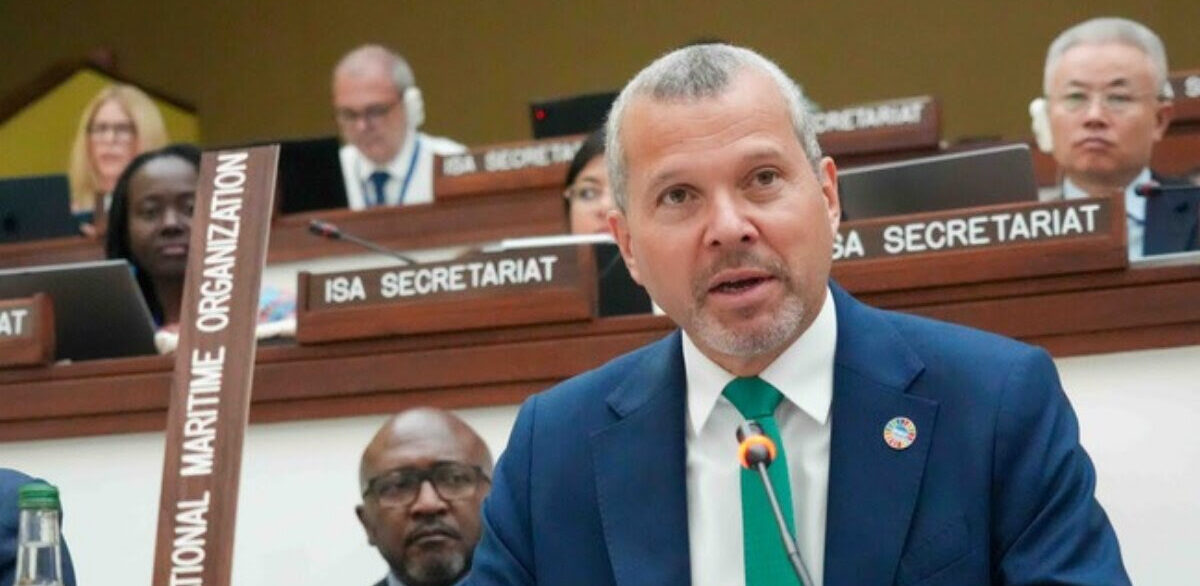
    For decades, Carlisle Richardson has operated at the intersection of global diplomacy and multilateral cooperation, building a decades-long career as an international relations expert, United Nations negotiator, and diplomat representing small island developing states. Now, he is stepping into a new role: bringing long-overlooked Caribbean perspectives to the global crime fiction genre with his upcoming political thriller, *The Soft Underbelly*, set for release on June 1, 2026.

  • VATICANO – 2024-03-24 – A pilgrimage throughout the Easter Triduum from Jerusalem to Rome

    VATICANO – 2024-03-24 – A pilgrimage throughout the Easter Triduum from Jerusalem to Rome

    When browsing through digital news platforms and social media sharing interfaces, users often encounter fragmented UI elements that signal content engagement options. In this case, the only visible elements are interactive text labels for common social media distribution actions: “Share”, “Tweet”, “Share”, and “Pin”. These labels represent standard features that allow readers to distribute content across platforms like Twitter (X), Facebook, and Pinterest, but there is no actual core news article attached to these interaction buttons. Without the full underlying news content, it is impossible to assess the story’s topic, context, key claims, or intended audience. This situation commonly occurs when content fails to load properly, when a snippet is shared incorrectly, or when only UI components are copied without the associated news text. No verifiable information, event reporting, or analysis can be derived from the isolated interactive labels provided here.