标签: Dominica

多米尼克

  • IICA and Central American Agricultural Council strengthen partnership to advance agriculture and food security in the region

    IICA and Central American Agricultural Council strengthen partnership to advance agriculture and food security in the region

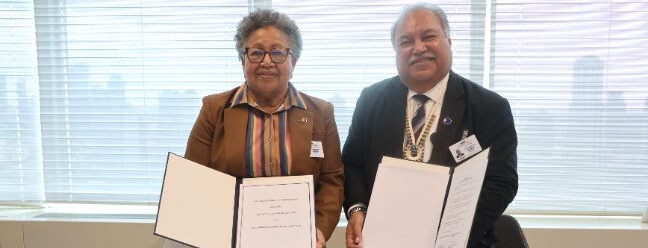
    Top agricultural leaders from two key inter-American organizations have sealed a new collaborative agreement to advance a unified regional agenda focused on lifting up agricultural resilience and productivity across Mesoamerica. The deal was reached during working meetings hosted at the headquarters of the Inter-American Institute for Cooperation on Agriculture (IICA) in Costa Rica, bringing together IICA Director General Muhammad Ibrahim and David Martínez, Executive Secretary of the Central American Agricultural Council (CAC).

    A public statement issued by IICA outlines that the joint agenda will center on three high-priority pillars critical to the region’s agricultural growth: expanding accessible agricultural insurance products, establishing regional guarantee funds, and refining targeted financing mechanisms to deliver much-needed support to small and large agricultural actors across the area. Beyond these core focus areas, the discussions also centered on deepening institutional collaboration around project design, streamlined resource allocation, and on-the-ground operational support for shared initiatives. As part of the growing partnership, Martínez formally extended an invitation for Ibrahim to take part in upcoming strategic CAC planning meetings scheduled for the coming weeks.

    To contextualize the partnership, the CAC operates as the official agricultural governing body under the Central American Integration System, tasked with developing and rolling out coordinated regional policies and cross-border projects spanning agriculture, forestry, and fisheries. Its membership includes the national agriculture ministers of eight regional economies: Belize, Costa Rica, the Dominican Republic, El Salvador, Guatemala, Honduras, Nicaragua, and Panama. At its core, the organization’s overarching mission is to advance regional food security and raise the global competitiveness of Central America’s agricultural sectors.

    One of the most urgent topics on the meeting’s agenda was preparing for the forecasted intense El Niño event projected to hit Central America later this year. Climatic forecasts warn that this event could bring extreme drought to the region’s vulnerable Dry Corridor, alongside sustained higher-than-average temperatures and significantly reduced rainfall across large swathes of agricultural land. During talks, both leaders prioritized developing data-driven decision-support tools built on peer-reviewed scientific evidence and actionable lessons drawn from past El Niño events to help farmers and policymakers adapt to coming climate shocks.

    Martínez’s official visit also served as an opportunity to reinforce long-term institutional ties between the two organizations, underscoring the critical value of coordinated regional collective action on a range of shared challenges. These cross-cutting issues include agricultural biosecurity, sustained food security, the complex links between agricultural disruption and human migration, and inclusive regional market development.

    For IICA, Central America has grown in strategic importance in recent years as a hub for project delivery, as well as technical and administrative support for national-level agricultural programs across the hemisphere. As such, IICA officials framed the deepened partnership with the CAC Executive Secretariat and other regional stakeholders as a core strategic priority for the institute’s work in the coming years, positioning the alliance to deliver tangible, long-term benefits for agricultural communities across Mesoamerica.

  • STATEMENT: A defining moment in the history of women’s cricket in the West Indies

    STATEMENT: A defining moment in the history of women’s cricket in the West Indies

    Half a century after a watershed moment for Caribbean women’s cricket, Cricket West Indies is marking the golden anniversary of the West Indies Women’s national team’s first-ever international match, played against Australia in 1976. What began as a single contest in a bilateral series grew into far more than a game on the pitch: it was the official debut of West Indies women on the global cricket stage, opening an era of progress that still motivates young female athletes across the region today.

    Led by trailblazer Louise Browne, who made history as the team’s first captain and the first batter to face a delivery for the side, the 1976 squad stepped onto the field at a time when systemic barriers severely restricted competitive opportunities for women in cricket. Even with limited support and visibility, the group embodied remarkable courage, unshakable resilience, and unwavering belief in their right to compete at the highest level.

    The groundwork laid by that pioneering team has reshaped the landscape of women’s cricket across the Caribbean. From those tentative, barrier-breaking early outings to consecutive Women’s Cricket World Cup appearances and a regional reputation as a tough, competitive global contender, the steady rise of West Indies women’s cricket stands as a direct testament to the vision and grit of the 1976 pioneers.

    In commemorating this 50-year milestone, Cricket West Indies has reaffirmed its commitment to preserving and honoring the legacy of those first international players. Their story is one of tearing down long-standing gender barriers, creating accessible pathways for future generations of female cricketers, and writing one of the most proud and enduring chapters in the entire history of West Indies cricket.

  • Castle Bruce Health Centre to be renamed Nurse Hyacinth Thomas Health and Wellness Centre

    Castle Bruce Health Centre to be renamed Nurse Hyacinth Thomas Health and Wellness Centre

    A beloved decades-long healthcare leader in Dominica’s Castle Bruce district will soon have her decades of selfless service permanently enshrined in the community she served: the local Castle Bruce Health Centre will officially be renamed the Nurse Hyacinth Thomas Health and Wellness Centre, following a formal decision from the Ministry of Health, Wellness and Social Services.

  • University of the West Indies Five Islands Campus to lead open house and public lecture in Dominica

    University of the West Indies Five Islands Campus to lead open house and public lecture in Dominica

    In a targeted push to expand higher education access and deepen institutional ties across the Eastern Caribbean, the University of the West Indies (UWI) Five Islands Campus is preparing to host a three-day public outreach mission to Dominica, scheduled for May 11 to 13, 2026. The initiative centers on strengthening collaborative partnerships with Dominican stakeholders, opening new pathways to tertiary education for local students, and fostering public dialogue on pressing regional economic challenges amid global shifts. Leading the UWI delegation will be Pro Vice-Chancellor and Campus Principal Professor C. Justin Robinson, who will spearhead discussions with senior Dominican government leaders during the visit. The core of these talks will center on expanding educational opportunities for Dominican citizens, co-developing new research projects aligned with local priorities, and adjusting UWI’s academic curricula to better support Dominica’s long-term national development objectives. A key public highlight of the mission will be Professor Robinson’s free public lecture, set to take place at 5:00 PM on May 12 at Dominica State College. Titled “No One Is Coming to Save Us: Economic Strategies for the Nature Isle in a Changing Global Order,” the address will examine the unique economic hurdles and growth opportunities facing both Dominica and the broader Organisation of Eastern Caribbean States (OECS), against a backdrop of rapidly shifting geopolitical alliances and evolving global trade frameworks. In prepared remarks ahead of the visit, Professor Robinson emphasized the critical role of context-aware higher education in empowering small island developing states. “The geopolitical tide is turning, and small island states cannot afford to be passive observers,” he said. “A high-quality university education – one rooted in the realities of our Caribbean context – is not a luxury; it is the single most powerful instrument our people have for shaping their own economic destiny. The UWI Five Islands Campus exists precisely to ensure that young men and women across the OECS have access to that opportunity, so that when the global order shifts as it is shifting now, we are architects of the response, not subjects of it.” Complementing the lecture, the UWI Five Islands Campus will partner with Dominica State College to host the 2026 Dominica Open House the same day, running from 10:00 AM to 4:00 PM on the college campus. The open house is designed to demystify the university admissions process for prospective students, their families and community members, providing detailed information on available academic programs, application requirements, student financing options, and campus life at the Five Islands Campus. University representatives will be on hand throughout the day to answer individual questions and support attendees with enrollment inquiries. Per the university’s official media statement, the Dominica Open House is part of a broader institutional strategy to break down long-standing barriers to high-quality tertiary education across OECS member states, addressing both geographic isolation and financial constraints that have historically limited many Caribbean students’ ability to pursue university studies. The outreach mission marks a deliberate expansion of UWI Five Islands Campus’ engagement across OECS territories, with the aim of centering regional needs in higher education provision and economic development planning.

  • COMMENTARY: A coffin in every ward – The reconstruction we owe the dead

    COMMENTARY: A coffin in every ward – The reconstruction we owe the dead

    On the evening of April 14, inside a quiet residential lane off Bridgetown’s Spruce Street, a family gathered to celebrate a quiet milestone: Daquan Robert’s grandmother had just turned 63, and the room filled with the sound of birthday singing. Daquan, 26, was a final-year law student at the University of the West Indies Cave Hill campus, poised to continue his legal training at the prestigious Hugh Wooding Law School. Before the song ended, a white van slowed at the edge of the lane, and multiple gunshots rang out. Daquan fled down the lane alongside his father, but he collapsed before he could reach safety. His grandmother watched him take his last breath, on her own birthday.

    By the time a reader finishes this column, another family across the Caribbean will already be walking through the same unthinkable grief. What was long framed as a localized problem confined to a few nations has spread into a systemic crisis across the region, turning what is globally known as a paradise into one of the deadliest areas on Earth.

    For generations, Caribbean leaders and publics framed widespread violent homicide as uniquely Jamaica’s challenge. Then Trinidad and Tobago saw its own grim surge, climbing from just 97 murders in 1998 to 625 by 2024. Today, the violence touches every corner of the region. Saint Vincent closed out 2024 with a homicide rate of 53.7 per 100,000 people. Barbados, long held up as the regional model of public safety and order, saw its murder count jump 138% in a single year, rising from 21 to 50. The Turks and Caicos Islands now hit a rate of 103 per 100,000, the highest in all of Latin America and the Caribbean. Across the region as a whole, homicide rates are many times higher than the global average of roughly 6 per 100,000; only Antigua & Barbuda and Grenada stand out as exceptions with consistently low murder rates, per 2023 UN Office on Drugs and Crime data.

    Firearms are responsible for the vast majority of these killings, and investigative tracing shows the overwhelming majority of these weapons flow into the region through illicit channels originating in the United States. Daquan’s death was not an isolated, random tragedy: it was the product of a regional system that is armed from outside, enabled by local complicity, and normalized by leaders who dismiss each killing as an individual tragedy while refusing to acknowledge the larger pattern of systemic collapse.

    Every homicide, at its core, is an attack on the legitimacy of the modern state. The foundational promise of any sovereign state is a monopoly on the legitimate use of violence: it asks citizens to surrender personal weapons, abide by the law, pay taxes, and trust its judicial systems, in exchange for guaranteed protection. Across the Caribbean, that promise lies broken. When a gunman opens fire on a grandmother’s birthday celebration from a moving van, he is explicitly declaring that the state’s authority does not extend to that space. He is building a parallel system of order, and he rules through fear. His own justice system has only one sentence: death. He takes life with impunity, with no regard for his own future or the lives of his victims.

    The damage of this crisis extends far beyond the human cost. The Inter-American Development Bank and World Bank estimate that violent crime costs the Caribbean region 3 to 4% of its total GDP every year. A state that cannot deliver basic law and order loses the moral authority to make any other demands of its citizens. How can a government tax a small shopkeeper, a public school teacher, or a hotel worker, when men with no verifiable legal income are able to build large homes, import luxury vehicles, and operate violent criminal networks in plain sight? Law and order is the foundation on which every other function of the state rests; without it, all other governance claims collapse.

    But it is wrong to frame this as solely a failure of the state. The killers are not foreign invaders: they are young men raised within our own communities, shaped by homes, schools and neighborhoods where authority, guidance, economic opportunity and accountability all failed at once. Many grew up in neighborhoods where the most visible, successful adult men were armed, feared, wealthy from crime, and never held to account. The collapse of Caribbean family structures, the systemic exclusion of young men from economic and social life, and the rising homicide crisis are not three separate problems. They are three symptoms of a single, interconnected national crisis.

    This is not a matter of blaming overstretched single mothers or romanticizing absent fathers. The home is the first and most effective crime prevention institution a society has. Consistent parenting, guidance, healthy boundaries, affection and accountability are not private, personal luxuries: they are core matters of national security. And communities can no longer afford to stay silent. A neighborhood cannot shelter a known shooter on Monday, turn out for his victim’s funeral on Friday, and then complain that the state has failed. Silence is not neutrality: when everyone in a community knows who carries the guns, who is protecting them, and how they fund their lifestyles, looking the other way makes the community complicit.

    Caribbean nations have a long, strong tradition of social democratic policy, but these existing programs were designed to address poverty, illiteracy and systemic exclusion, not the specific crisis of retaliatory gang violence, the drift of young men into criminal networks, witness protection, disruption of illicit financial flows, or rebuilding healthy male authority in communities. The existing social agenda is not obsolete, but it is incomplete. The traditional welfare state must evolve into a violence-prevention state: it must provide not just school meals and free education, but systems to flag at-risk young boys before they become homicide statistics, trauma care for survivors of violence, and support for children who grow up surrounded by fear before they ever learn basic math.

    Gangs did not seize power in a vacuum. Decades of neglect, denial, and active political collusion left public spaces open for criminal control. Reclaiming the state’s monopoly on legitimate force is a process of national reconstruction, not just a military war. Heavy-handed tactics like widespread militarization, curfews and states of emergency have only limited utility. On their own, they increase body counts but do not rebuild public trust in state authority.

    What works is far harder, slower, and demands greater accountability: intelligence-led policing carried out by small, trusted local units; expanded forensic capacity to raise the extremely low rate of solved homicides across the region; robust witness protection programs that do not force citizens to choose between staying silent and being killed; and the reclaiming of abandoned, underserved neighborhoods through public investment in street lighting, youth outreach, consistent community policing, recreational programming, mental health counseling and job creation.

    This work also requires explicit action to criminalize the links between political actors and criminal gangs. No government can credibly claim to fight gangs when its political culture rewards candidates who “control” neighborhoods through intimidation and violence. The Caribbean Community (CARICOM) must treat the cross-border illicit gun pipeline as what it is: a direct threat to regional sovereignty. Caribbean nations did not manufacture these weapons, but we are burying our children because of them.

    Gun violence has a clear financial trail. Weapons are purchased, drug shipments are moved, lawyers are hired, witnesses are bribed, politicians are courted, and legitimate property is bought with illicit proceeds. Any national homicide reduction strategy that does not prioritize following this financial trail is just chasing low-level trigger pullers while leaving the criminal infrastructure intact. Every Caribbean government needs a dedicated violence finance strategy, where tax authorities, customs, police, financial intelligence units, property registries and prosecutors coordinate to map and disrupt criminal networks. Unexplained wealth, hidden beneficial ownership of property, and suspicious real estate transactions all must be treated as core parts of homicide investigations. Al Capone was not ultimately brought down by his convictions for violence, but by following his money trail. If the trigger puller is the hand that pulls the trigger, illicit money is the bloodstream that keeps the entire criminal system alive.

    The state holds the monopoly on legitimate violence, but it does not control all the root causes of violence. Those causes take root in spaces that police cannot permanently occupy: family homes, school classrooms, and the silences that communities choose to keep.

    Fixing this requires an all-of-society compact. Families must raise boys who do not equate manhood with domination, easy money from crime, or carrying a weapon. Faith communities must refuse to offer moral blessing to politicians, donors and local strongmen who work with gunmen. Schools must stop pushing out at-risk boys who end up in the morgue instead of the graduation stage. The private sector must go beyond hiring private security for their own properties to create large-scale apprenticeship programs for unemployed young people, and stop laundering criminal respectability through awarding contracts to known gang leaders.

    Media outlets must abandon the sensationalism of printing daily body counts, and instead focus on investigative reporting that traces guns, follows the money, and holds the entire system accountable. Caribbean diaspora communities must be engaged as full partners in this work, not just asked to send remittances and donations.

    None of these proposals matter without accountability. Every Caribbean government must be required to publish a quarterly public dashboard tracking homicide reduction progress. A cabinet minister who cannot clearly explain these numbers and the government’s strategy does not deserve to hold office. A prime minister who cannot deliver sustained reductions in violence does not deserve re-election. This is the most fundamental test of the consent of the governed: if a state cannot protect its citizens, it has no right to ask for their loyalty.

    Critics will call this approach too soft, and demand more military helicopters, more soldiers, more curfews, more televised displays of toughness. But what is actually soft? The state that cannot protect a promising law student at his grandmother’s birthday party is soft. The politician who takes calls from known gang leaders before he calls the victim’s family is soft. The church that accepts donations from criminal actors and looks past the blood on their hands is soft. The government that taxes honest working people but fears confronting wealthy violent criminals is soft.

    True strength means rebuilding what has been broken: functional, fair courts; accountable, transparent police; schools that do not push out at-risk students; families that refuse to look away; churches that do not bless gunmen; and a region that speaks with one unified voice to demand an end to the illicit flow of weapons from outside. When we can provide safety, healing, opportunity and due process that is better than anything any gang can offer, the state’s monopoly on legitimate violence will be restored not through conquest, but through the consent of the people it protects. Anything less is just another gang, with better branding and nicer offices.

    Daquan Roberts should have walked across a graduation stage this year to accept his law degree. Instead, his classmates walked to a peace pole to honor his memory. We owe his grandmother, and every future family that could face this grief, far more than just condolences. We owe them a region where every family, community, church, business and government understands that a coffin in every neighborhood is not an inevitable fate. It is a choice, and it is a failure – one we have the power to fix.

  • Price of electricity with geothermal: expected medium term price drop but short term fluctuation

    Price of electricity with geothermal: expected medium term price drop but short term fluctuation

    Dominica Electricity Services (DOMLEC) board member Samuel Raphael has announced upcoming tiered electricity price reductions for all customer groups, a policy shift driven by the recent launch of the island’s new geothermal power facility. Speaking at a public press conference on Wednesday, Raphael laid out a clear breakdown of savings tailored to different consumption levels: residential and small-scale users will see their bills drop by up to 17%, small business owners will enjoy a 12% reduction, and larger commercial operations will benefit from a 10% cut. To illustrate the tangible impact for average households, Raphael offered a simple example: a customer currently paying $100 monthly for electricity would see their monthly payment fall to $83, translating to $17 in monthly savings.

    While the long-term trajectory for energy costs is downward, Raphael cautioned that short-to-medium term prices will likely see fluctuations driven by ongoing volatility in global crude oil markets. This instability, he noted, stems from escalating geopolitical tensions between the United States and Iran, which have pushed international oil prices upward in recent weeks. Currently, DOMLEC’s energy mix still relies on diesel for 25% of its total generation, leaving the grid exposed to swings in global fossil fuel pricing. As the market stabilizes over time, Raphael emphasized, the full cost benefits of geothermal power will take full effect, bringing consistent, lower prices.

    The new 10-megawatt geothermal plant has now been fully operational for approximately one month, injecting clean, renewable energy into DOMLEC’s supply grid. When combined with the island’s existing hydroelectric power infrastructure, renewable energy now accounts for 75% of DOMLEC’s total generation capacity. Raphael, who is also a private business owner and a stakeholder in Dominica’s key eco-tourism sector, expressed particular enthusiasm for this milestone. The shift to majority renewable energy not only brings down long-term consumer costs, he added, but also aligns with the island’s sustainability goals that underpin its eco-tourism brand.

    Even with the progress achieved, Raphael acknowledged that the remaining 25% dependence on fossil fuels means the utility will continue to face external price pressures until renewable capacity can be further expanded. No exact timeline for the full rollout of the permanent price cuts was shared during the press briefing, but Raphael confirmed that the utility is working toward implementing the reductions as soon as market conditions allow.

  • LIVE NOW: DOMLEC Press Conference – Geothermal transition and recent outages

    LIVE NOW: DOMLEC Press Conference – Geothermal transition and recent outages

    The submitted news submission only includes social media sharing buttons and an image link, with no complete, legible news text content available for analysis, restructuring, or rewriting. Without the core textual information that conveys the news event, background details, key arguments, or relevant data, it is impossible to complete the comprehensive news processing workflow requested. Users who wish to have a news piece analyzed and rewritten need to provide the full, complete text of the original news alongside any supplementary materials to allow for accurate processing.

  • CARPHA says Hantavirus threat to Caribbean remains low amid cruise ship cases

    CARPHA says Hantavirus threat to Caribbean remains low amid cruise ship cases

    A recent hantavirus outbreak linked to a Central Atlantic cruise ship has put global public health authorities on alert, though regional leaders in the Caribbean are moving quickly to reassure communities and travelers that the risk of local transmission remains low.

    The incident first came to international attention on May 2, 2026, when the United Kingdom’s International Health Regulations (2005) Focal Point formally notified the World Health Organization (WHO) of an unexplained cluster of respiratory illness striking both passengers and crew aboard the vessel. Laboratory analysis later confirmed hantavirus infection in one patient who was in critical condition. By May 6, the WHO had updated its tally to 8 connected cases: three confirmed infections, five suspected cases, and three reported fatalities.

    The Caribbean Public Health Agency (CARPHA) first detected the emerging incident through its automated Information Environment and Monitoring platform on May 3, activating its regional response protocols just days after the initial notification. For context, hantaviruses are zoonotic pathogens carried primarily by rodents, with human infection occurring through direct or indirect contact with infected animals’ contaminated urine, saliva, or fecal droppings. While rare cases of person-to-person transmission have been documented, CARPHA leadership emphasizes that such spread is highly uncommon.

    In an official statement aimed at calming public concern, CARPHA Executive Director Lisa Indar stressed that the overall threat to Caribbean nations remains minimal. “In the Americas, hantaviruses are most commonly transmitted by wild field rodents rather than urban rat populations, where transmission is far less likely to occur,” Indar explained. She also reaffirmed that the region’s existing public health infrastructure is well-equipped to detect and contain any potential importation of the virus.

    The warning comes at a critical time for the Caribbean’s $35 billion cruise tourism industry: the region accounts for roughly 44% of global cruise traffic and welcomed more than 16.3 million cruise passengers in 2025 alone, making maritime public health surveillance a top priority for economic and community health. In light of the outbreak, CARPHA is urging all member states to review and strengthen existing disease monitoring protocols at ports and other border entry points, to catch potential imported cases before they can spread.

    Indar noted that the agency has long invested in specialized monitoring infrastructure tailored to the region’s tourism-dependent economy, and these systems are already delivering results. CARPHA’s existing tools, including the Tourism and Health Information System (THiS) and the upgraded Caribbean Vessel Surveillance System (CVSS), are designed to deliver early warnings for public health threats linked to travel, maritime vessels, and tourism accommodations. “These systems enable timely information sharing, strengthen decision-making, and support rapid, targeted responses by national health authorities,” Indar said.

    Early performance data for the upgraded CVSS shows that the system already identifies syndromic (symptom-based) suspected cases before vessels dock at Caribbean ports, with more than 96% of cruise ship public health alerts delivered to member state health authorities within 24 hours of detection. CARPHA says it will continue to track the Central Atlantic outbreak closely in coordination with the WHO and other international partners, and will issue public updates immediately if the risk profile changes. The agency also reaffirmed its long-term commitment to protecting both local communities and the region’s vital tourism sector through proactive, data-driven public health action.

  • OP-ED: Portsmouth and green fuels – A northern industrial hub for hydrogen, ammonia—and medical oxygen

    OP-ED: Portsmouth and green fuels – A northern industrial hub for hydrogen, ammonia—and medical oxygen

    As the Caribbean nation of Dominica lays the groundwork to scale up its domestic geothermal energy capacity, a new long-term industrial vision has emerged for the northern coastal city of Portsmouth, centered on building a pilot green fuel production facility powered by zero-carbon geothermal electricity. This proposal, outlined in the final installment of a three-part investigative series by independent contributor McCarthy Marie, frames the green fuels project as a secondary strategic priority that would only move forward after Dominica meets its core national energy goal: expanding geothermal power to replace polluting diesel generation and speed up electric vehicle adoption across the island.

    Marie notes that a viable geothermal resource has already been identified in the northern region of Dominica, creating the foundation for industrial development. If the country successfully expands its initial 10 megawatt geothermal capacity to 20 megwatts and strengthens its national grid to support new large-scale energy loads, the green fuels pilot becomes a technically realistic possibility. For operational flexibility, the industrial facility could run as a largely independent power producer using the northern geothermal field, with a backup connection to the national grid only for emergency contingencies.

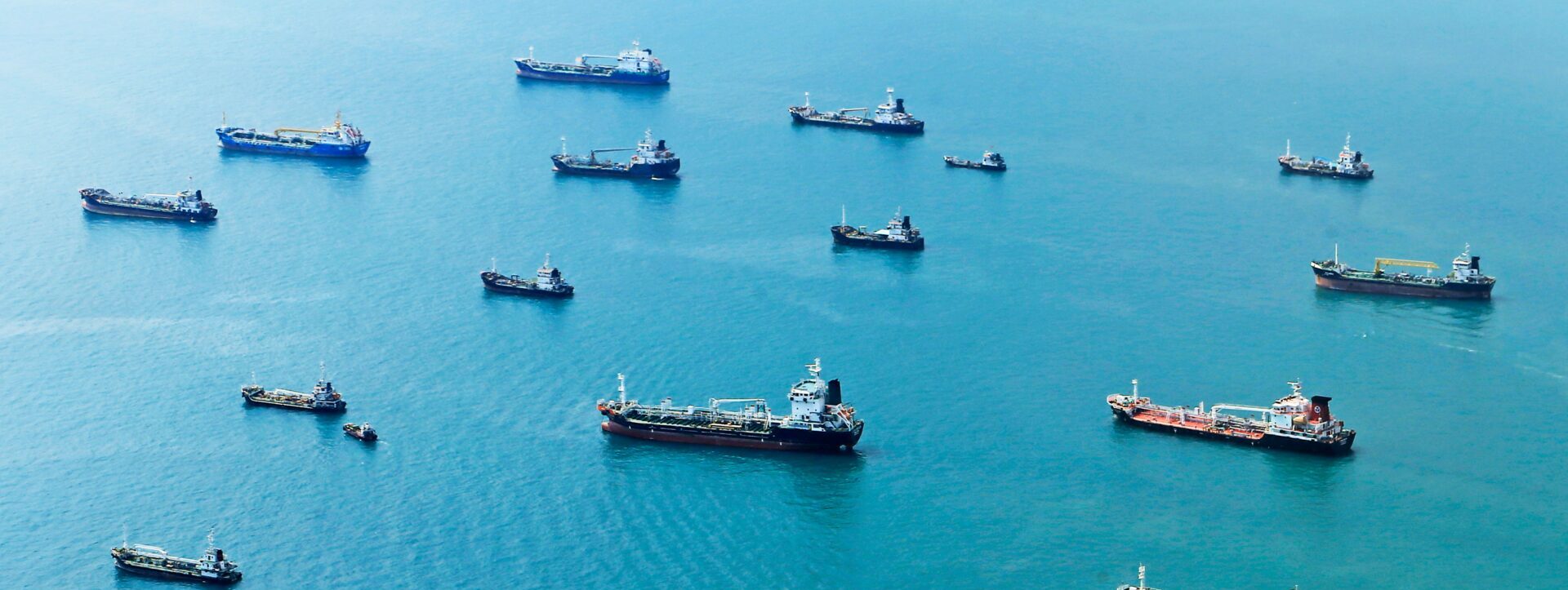
    To make the proposal accessible to non-technical audiences, Marie breaks down the basic science behind the three core products the facility would produce: green hydrogen, green ammonia, and medical oxygen. Unlike carbon-intensive hydrogen produced from fossil fuels, green hydrogen is created by splitting water molecules through electrolysis, a process powered entirely by renewable electricity. Green ammonia, in turn, is synthesized by combining that green hydrogen with nitrogen captured from the atmosphere. Ammonia already serves as a critical input for global fertilizer production and is emerging as a promising low-carbon fuel for the international shipping industry.

    Unlike many industrial inputs, all key raw materials required for production are available locally on Dominica. The island’s abundant geothermal and hydropower resources provide the required zero-carbon electricity, fresh purified water supplies the water for electrolysis, and nitrogen for ammonia production can be captured directly from ambient air using small-scale, compact pressure swing adsorption or membrane air separation technology that can be installed on-site, eliminating the need for costly nitrogen imports.

    One often-overlooked benefit of green hydrogen production that this project would leverage is the co-generation of medical-grade oxygen. For every 1 kilogram of hydrogen produced through electrolysis, approximately 8 kilograms of oxygen are created as a byproduct. This oxygen has immediate, high-value public benefits for Dominica: it would drastically strengthen the country’s medical oxygen supply resilience, improving hospital capacity and emergency preparedness for public health crises. If the facility scales up over time, surplus oxygen could also open new export opportunities for the island, provided logistics, certification, and market conditions prove favorable.

    Structured around three core revenue streams, the Portsmouth facility would prioritize practical near-term use cases before pursuing larger commercial opportunities. Green hydrogen would first supply local industrial operations and small-scale pilot power projects, or serve as an intermediate input for ammonia production. Green ammonia would target two potential markets: as a domestic fertilizer input and as a maritime bunkering fuel for international shipping, but only if the project meets strict port safety and bunkering standards and proves financially viable. Medical oxygen would be reserved for domestic hospital use first, with exports considered only after meeting all local demand.

    Marie emphasizes that the proposal follows a strict, cautious development framework: feasibility assessment first, pilot testing second, and large-scale scaling only if all preliminary checks confirm the project’s viability. Crucially, the green industrial project must not distract from Dominica’s urgent immediate goal of rapidly expanding geothermal capacity to displace diesel.

    The concrete next step outlined in the proposal is a comprehensive feasibility study for the Portsmouth site, which will examine six core areas: total electricity demand for the pilot facility, water sourcing and purification requirements, safety protocols and storage infrastructure (especially for ammonia, which requires strict handling), alignment with international port handling and bunkering standards, identification of realistic off-takers starting with medical oxygen, and access to climate finance and resilience funding to cover pilot development costs.

    If the feasibility study returns positive results, the Portsmouth project could mark a strategic turning point for Dominica, moving the country beyond energy sovereignty for electricity and road transport to build a more resilient, low-carbon industrial economy centered on sustainable maritime logistics. Marie stresses that development would proceed incrementally, prioritizing safety, financial viability, and alignment with the country’s core national priorities at every step.

  • EU-funded CDB programme strengthens trade capacity and competitiveness across Caribbean

    EU-funded CDB programme strengthens trade capacity and competitiveness across Caribbean

    After five years of targeted intervention across 15 Caribbean nations, an €8.7 million regional trade capacity building initiative, funded by the European Union (EU) and administered by the Caribbean Development Bank (CDB), has formally concluded, leaving behind measurable improvements to regional trade systems, institutional capabilities and global economic competitiveness.

    The programme merged two complementary frameworks: the European Development Fund’s Economic Partnership Agreement (EPA) initiative and the CARICOM Single Market and Economy (CSME) Standby Facility for Capacity Building, designed to address a longstanding gap between regional trade agreements and on-the-ground implementation. At a closing event held in Bridgetown, Barbados, stakeholders from participating governments, regional bodies and development partners gathered to celebrate the initiative’s outcomes and reflect on lessons learned for future collaborative projects.

    Over its operational lifespan, the programme delivered 27 separate targeted interventions across the Caribbean Forum (CARIFORUM) region, partnering with more than 100 local, national and regional institutions, and contributing over 11,000 hours of specialized technical assistance to build sustainable capacity. Each participating nation received more than €350,000 in combined grant financing and technical support, focused on priority areas including trade facilitation, export expansion and value chain development, technical and vocational skills training, quality infrastructure improvement, and the alignment of domestic food safety and certification standards with global requirements.

    Lisa Harding, Division Chief of CDB’s Private Sector Division, emphasized that the programme’s success grew from intentional collaboration, hands-on on-location support, and investment in long-term institutional strengthening rather than one-off policy changes. Results, she noted, are already visible across core economic sectors including trade, agriculture, skills development and export growth. “This programme reinforces a lesson we know well: Transformation does not come from agreements alone. It comes from implementation, capable institutions, and sustained partnerships,” Harding told attendees at the closing ceremony.

    Paula Byer, Acting Director of Foreign Trade at Barbados’ Ministry of Foreign Affairs and Foreign Trade, highlighted that the programme’s priorities align directly with the needs of small, vulnerable Caribbean economies, as well as Barbados’ own national development strategy and commitment to deeper regional integration. While trade agreements open new market access, Byer explained, nations must first build the institutional capacity and competitive muscle to capitalize on those opportunities. “MSMEs are the backbone of our regional economies, yet they face the greatest barriers in international trade,” she noted. A more integrated CARIFORUM economy, she added, allows Caribbean nations to pool collective resources, expand cross-border production networks, and compete more effectively in global markets, while long-term partnerships with the EU remain critical to advancing export diversification and sustainable, inclusive growth across the region.

    Chiara Tardivo, Team Leader for Economics and Trade at the EU-Caribbean Partnership, echoed that sentiment, expressing the EU’s continued commitment to Caribbean regional development and satisfaction with the programme’s concrete, verifiable outcomes across all participating countries. CARIFORUM Director-General Alexis Downes-Amsterdam further emphasized that market access alone cannot deliver broad-based economic gains. For small Caribbean economies to convert trade opportunities into tangible market presence and long-term growth, she explained, sustained investment in financing, targeted technical assistance, and ongoing institutional strengthening are non-negotiable.

    CDB officials confirmed that the programme’s interventions have laid a robust foundational framework for building more resilient, competitive national and regional economies across the Caribbean, positioning participating nations to better pursue their long-term development priorities in an increasingly interconnected global trading system.