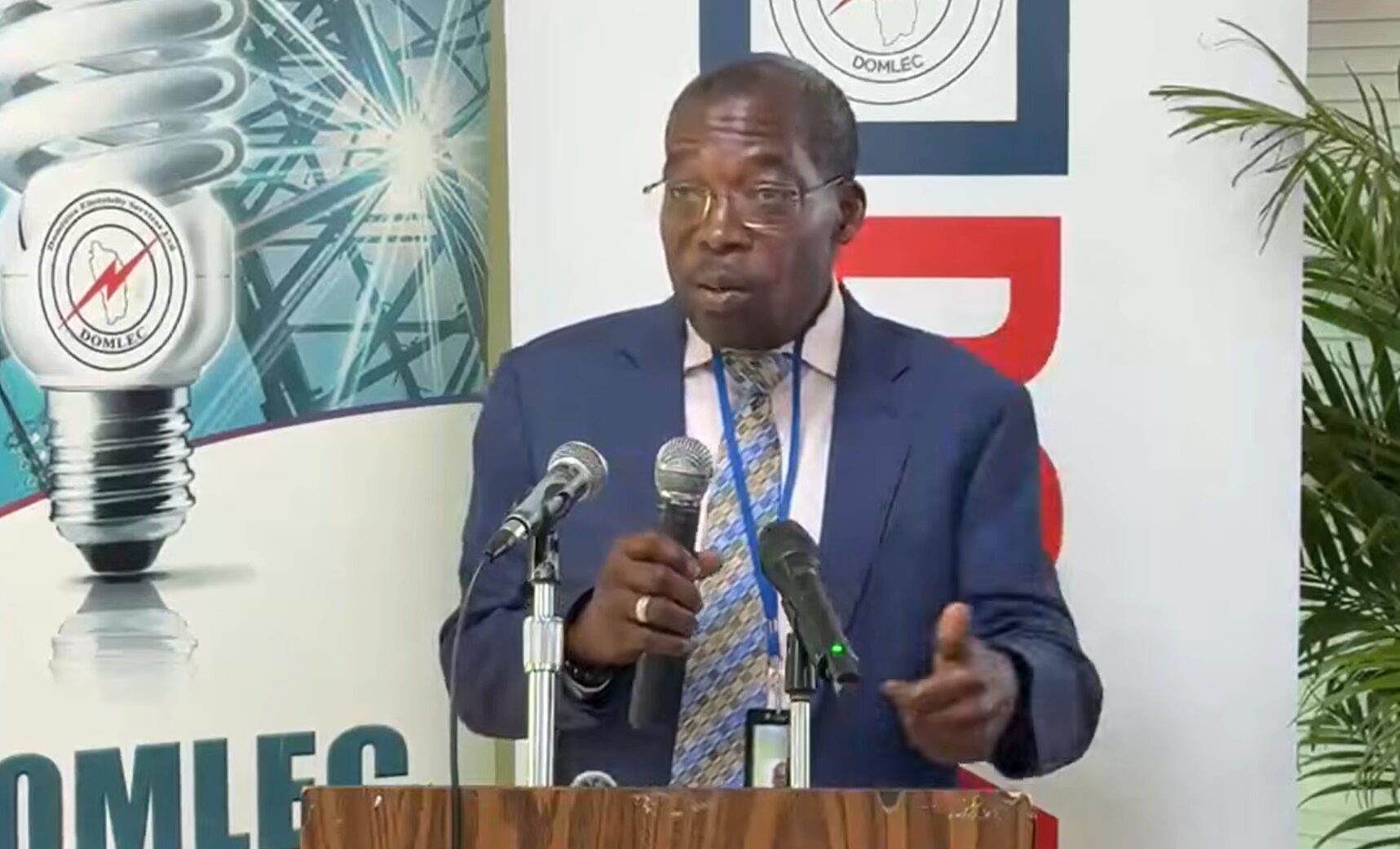
Dominica Electricity Services (DOMLEC) board member Samuel Raphael has announced upcoming tiered electricity price reductions for all customer groups, a policy shift driven by the recent launch of the island’s new geothermal power facility. Speaking at a public press conference on Wednesday, Raphael laid out a clear breakdown of savings tailored to different consumption levels: residential and small-scale users will see their bills drop by up to 17%, small business owners will enjoy a 12% reduction, and larger commercial operations will benefit from a 10% cut. To illustrate the tangible impact for average households, Raphael offered a simple example: a customer currently paying $100 monthly for electricity would see their monthly payment fall to $83, translating to $17 in monthly savings.
While the long-term trajectory for energy costs is downward, Raphael cautioned that short-to-medium term prices will likely see fluctuations driven by ongoing volatility in global crude oil markets. This instability, he noted, stems from escalating geopolitical tensions between the United States and Iran, which have pushed international oil prices upward in recent weeks. Currently, DOMLEC’s energy mix still relies on diesel for 25% of its total generation, leaving the grid exposed to swings in global fossil fuel pricing. As the market stabilizes over time, Raphael emphasized, the full cost benefits of geothermal power will take full effect, bringing consistent, lower prices.
The new 10-megawatt geothermal plant has now been fully operational for approximately one month, injecting clean, renewable energy into DOMLEC’s supply grid. When combined with the island’s existing hydroelectric power infrastructure, renewable energy now accounts for 75% of DOMLEC’s total generation capacity. Raphael, who is also a private business owner and a stakeholder in Dominica’s key eco-tourism sector, expressed particular enthusiasm for this milestone. The shift to majority renewable energy not only brings down long-term consumer costs, he added, but also aligns with the island’s sustainability goals that underpin its eco-tourism brand.
Even with the progress achieved, Raphael acknowledged that the remaining 25% dependence on fossil fuels means the utility will continue to face external price pressures until renewable capacity can be further expanded. No exact timeline for the full rollout of the permanent price cuts was shared during the press briefing, but Raphael confirmed that the utility is working toward implementing the reductions as soon as market conditions allow.