标签: Dominica

多米尼克

  • British Virgin Islands official commends OECS, explores full membership

    British Virgin Islands official commends OECS, explores full membership

    Nearly 42 years after joining as an associate member, the British Virgin Islands (BVI) is moving forward with plans to attain full membership in the Organisation of Eastern Caribbean States (OECS), reaffirming its longstanding commitment to regional integration during the bloc’s latest commission gathering.

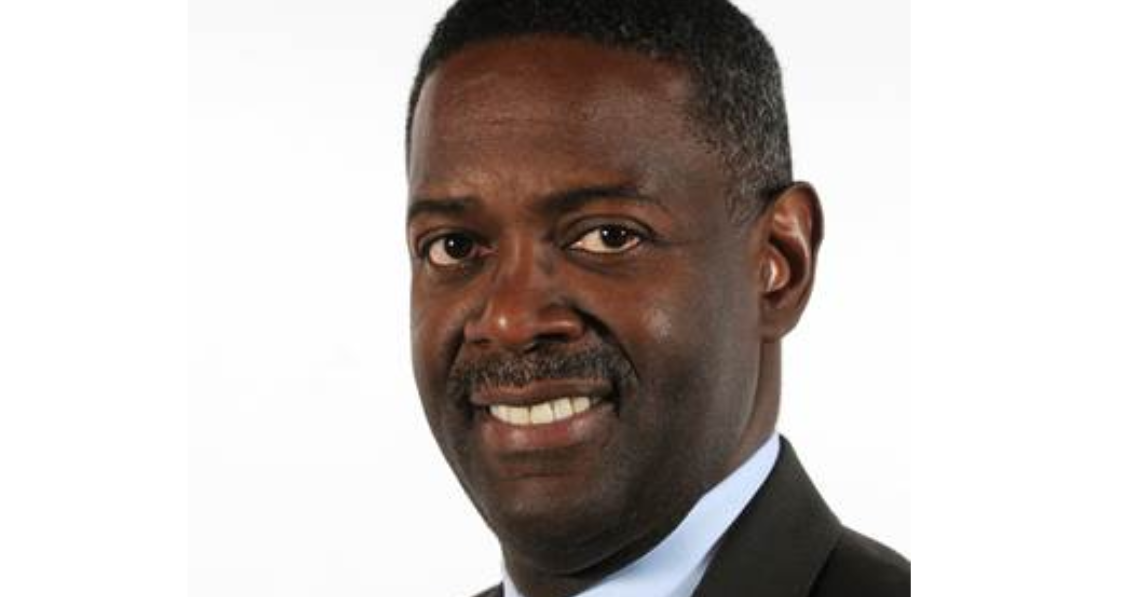
    BVI Special Envoy and OECS Commissioner Benito Wheatley laid out the territory’s position at the 49th Meeting of the OECS Commission, held April 30, according to an official release from the BVI government. The high-level gathering brought together OECS Director General Didacus Jules, the organization’s senior leadership cohort, and ambassador-level commissioners from all member governments. Wheatley also attended the 3rd Meeting of OECS Associate Members held one month prior on March 31 in his official capacity.

    In his address to the commission, Wheatley highlighted the decades of mutual value BVI has gained from OECS affiliation, dating back to its acceptance as an associate member in 1984. He commended the wide-ranging benefits delivered through the organization’s regional cooperation frameworks, pointing to core OECS institutions and collaborative initiatives as transformative for both the BVI and the broader subregion. These include the Eastern Caribbean Supreme Court, the unified Eastern Caribbean currency system, the OECS Economic Union, and cross-sector partnerships covering public health, education, civil aviation, agriculture, sports, and more.

    Today, the BVI hosts the Commercial Court Division of the Eastern Caribbean Supreme Court, a development that has strengthened the territory’s critical financial services sector, boosted its overall economy, and improved judicial access for the entire OECS subregion, Wheatley explained. He also noted that the BVI’s participation in the OECS Pool Procurement Services allows the territory to source high-quality pharmaceuticals and health supplies at far lower prices than independent procurement, delivering direct, tangible savings and benefits to BVI residents.

    Wheatley also recalled the critical support the OECS extended to the BVI in the aftermath of Hurricanes Irma and Maria, the 2017 category 5 storms that left widespread catastrophic destruction across the territory. Beyond disaster response, he emphasized that the OECS continues to play an indispensable role in coordinated regional action and global advocacy for pressing shared priorities, including climate change adaptation, biodiversity protection, and inclusive sustainable development.

    Formally signaling the BVI’s next step in its relationship with the organization, Wheatley confirmed that the territory now seeks to transition from associate member status to full membership after 42 years of association. He outlined that deeper integration through full membership, including participation in the OECS Customs Union, would open new opportunities for the BVI by expanding the territory’s access to affordable, high-quality agricultural goods and food products from across the entire OECS region.

    “We are very pleased with the ongoing exploratory discussions between the BVI and OECS on Full Membership and grateful to all OECS Member States for their encouragement and support as we continue dialogue on this important endeavour,” Wheatley said. He closed his address by extending formal gratitude to the OECS for its decades of contribution to the BVI’s sustained growth and institutional development.

  • DABA launches two-day referee clinic to strengthen basketball officiating in Dominica

    DABA launches two-day referee clinic to strengthen basketball officiating in Dominica

    The Dominica Amateur Basketball Association (DABA) has launched a targeted two-day Referee Clinic on Wednesday, marking a key milestone in the organization’s ongoing work to elevate officiating standards and grow competitive basketball across the Caribbean island nation.

    In an official press statement announcing the initiative, DABA noted that the training program gathers seasoned veteran referees, promising new aspiring officials, and other key stakeholders from Dominica’s local basketball ecosystem for a packed schedule of rigorous skill-building activities. The core goal of the gathering is to refine existing officiating capabilities and deliver greater consistency in decision-making across all levels of domestic play.

    Throughout the clinic, participating officials are receiving specialized, up-to-date instruction across a full spectrum of professional officiating competencies. Topics covered include the latest interpretations of international basketball rules, strategies for maintaining tight control during high-stakes games, optimal on-court positioning for referees, standardized officiating mechanics, effective communication between crew members, and other critical elements of elite game management. Per DABA, this clinic is not an isolated training event, but rather a core component of a wider, multi-year strategy to strengthen the quality of refereeing for every tier of basketball competition on the island.

    The two-day agenda blends multiple learning formats to cater to different skill levels and learning styles: attendees will complete structured classroom-based theory sessions, hands-on practical drills held directly on court, detailed video reviews of past game calls to identify areas for improvement, and collaborative group discussions to address shared challenges faced by local officials. Organizers explain that combining theoretical learning with applied, on-site practice is designed to help officials build both the confidence and technical expertise required to perform at a higher competitive level.

    DABA leadership emphasized that consistent investment in referee development remains non-negotiable for the long-term growth of basketball in Dominica. High-quality, well-trained officiating, the association notes, plays an outsize role in fostering healthy player development, ensuring smooth and fair game management, and lifting the overall level of professionalism across the sport nationally.

    Association officials also reaffirmed their ongoing commitment to creating accessible, high-quality training opportunities for all key groups within the national basketball community, including referees, head coaches, players, and league administrators. This commitment aligns with DABA’s long-term strategic vision for sustained, inclusive growth of basketball across Dominica.

    As the clinic got underway, DABA extended a reminder to all participants to take full advantage of the access to expert training and networking opportunities the event provides. The organization also offered public gratitude to the lead facilitators, participating officials, and community partners who worked to bring the clinic to fruition and support its successful execution.

  • Dominican students to showcase innovation at national STEM Fair 2026

    Dominican students to showcase innovation at national STEM Fair 2026

    On Friday, May 8, 2026, hundreds of young innovators across the Caribbean island of Dominica will gather at the St. Alphonsus Parish Hall to take part in a nationwide showcase of STEM ingenuity, hosted by the country’s Ministry of Education, Human Resource Planning, Vocational Training, and National Excellence.

    Kicking off at 10:00 AM local time under the official theme “STEM at Work: Building Industry Capacity through Ideas,” the fair brings together primary and secondary school students from every corner of the island, each presenting original projects that apply science, technology, engineering, and mathematics to solve pressing everyday problems and practical, real-world challenges. Unlike traditional classroom assessments that focus solely on theoretical knowledge, the event is structured to celebrate hands-on experimentation and out-of-the-box thinking, turning student ideas into tangible solutions that can resonate with local communities.

    In an official press release announcing the event, ministry organizers outlined the dual core goals of the initiative. First, the fair seeks to cultivate essential 21st-century skills among young Dominicans: creative thinking, critical analysis, and structured problem-solving that will serve students regardless of their future career paths. Second, it aims to highlight the critical role that robust STEM education plays in driving long-term national economic growth and expanding the capacity of Dominica’s local industries, by nurturing a new generation of skilled talent ready to meet evolving industry needs.

    Starting at 11:00 AM and running through 1:30 PM, the event opens its doors to members of the general public. Attendees will have the chance to walk through interactive exhibits, speak directly with the student creators behind each project, and gain a first-hand look at the depth of creative talent and innovative potential that educational institutions across Dominica are fostering today. For many students, the fair also represents a rare opportunity to share their work with community members, receive feedback, and see how their classroom learning can translate into tangible impact beyond school walls.

  • Two Dominican police officers successfully wrap leadership training in Barbados

    Two Dominican police officers successfully wrap leadership training in Barbados

    Two senior leaders of the Commonwealth of Dominica Police Force (CDPF) have marked a major professional milestone, wrapping up one of the law enforcement community’s most rigorous international leadership development programs and earning their Level 6 Gold certification in International Leadership and Management for 2026.

    Acting Superintendent Michael Sebastian and Inspector Murthy Jno. Jules completed the intensive training program, which ran from February 23 to April 2, 2026, at a host venue in Bridgetown, Barbados. The 6-week course was a collaborative initiative between the Regional Security System, the Caribbean’s leading regional security and capacity-building body, and Durham Constabulary, one of the United Kingdom’s most respected police forces. Aligned with the 2026 program’s core theme “Together Empowering Leaders: A Global Approach to Excellence,” the curriculum was built to address the evolving strategic challenges facing modern law enforcement.

    Unlike tactical or operational training programs, this gold-level course is tailored exclusively for senior law enforcement personnel serving in executive and strategic leadership roles. Eligible participants include senior superintendents, division commanders, and assistant commissioners from regional police forces, with a curriculum focused on boosting both personal leadership capabilities and long-term professional growth. Trainees graduated with the advanced strategic management skills required to lead large teams, complex departmental operations, and entire law enforcement organizations effectively across shifting security landscapes.

    Following the announcement of the two officers’ successful completion, the CDPF issued an official statement celebrating the pair’s achievement and reaffirming the force’s ongoing commitment to investing in continuous professional development and leadership advancement for its personnel. “The CDPF remains dedicated to nurturing the next generation of policing leaders as we continue striving for excellence in policing and national service to the people of Dominica,” the statement read.

  • Roseau mayor and council pledge support to those affected by recent fire

    Roseau mayor and council pledge support to those affected by recent fire

    A destructive blaze broke out in the capital city of Roseau in the pre-dawn hours of Wednesday, leaving a trail of damage across multiple commercial properties and upending the livelihoods of dozens of local workers, business owners and patrons. In the wake of the emergency, the Roseau City Council — including Mayor Lucy Belle-Matthew, elected city councillors and all administrative staff — has issued a public statement extending full solidarity to everyone impacted by the unexpected disaster.

    In the announcement, the council emphasized that the most critical takeaway from the incident is the absence of any loss of human life, a outcome for which the local government body expressed profound gratitude. “Recovery and rebuilding will come,” the statement affirmed. “We stand with you, and we are committed to supporting your recovery and rebuilding efforts every step of the way.”

    The council also reserved special praise for the rapid, professional response from emergency personnel on the ground. First responders including local firefighters, who worked to contain the spread of the fire and prevent greater damage to surrounding areas, and police officers, who managed crowd control, secured the site and supported coordination efforts, earned explicit recognition for their outstanding work during the emergency. “God’s strength to all as we seek to rebuild again,” the statement concluded.

    As of the latest update, official records confirm that a total of nine buildings suffered damage from the blaze. Local law enforcement and fire investigation teams have launched a formal probe into the origins and cause of the fire, with investigations currently ongoing and no preliminary findings released to the public as of yet.

  • Dominica hosts regional African Swine Fever surveillance exercise

    Dominica hosts regional African Swine Fever surveillance exercise

    In a critical proactive step to safeguard the Caribbean’s pork industry and food security, Dominica’s Ministry of Agriculture, Fisheries, Blue and Green Economy has teamed up with two leading agricultural bodies—the Inter-American Institute for Cooperation on Agriculture (IICA) and the United States Department of Agriculture (USDA)—to host a two-day African Swine Fever (ASF) sampling pilot between May 6 and 7, 2026.

    Held at the Dominica China Agricultural Science Complex in Portsmouth, the pilot forms a core component of a broader regional program titled “Strengthening Surveillance and Response Capacity for African Swine Fever through Training and Sample Collection in the Caribbean Region”. Per an official press release outlining the initiative, the overarching goal is to lay the groundwork for robust ASF surveillance and response frameworks for both Dominica and the entire CARICOM trade bloc.

    ASF is a notoriously deadly, highly contagious viral pathogen that targets both domesticated and wild pig populations, with a near-100% mortality rate for infected animals. While public health officials have confirmed the virus cannot jump to humans, its economic and food system impacts are severe: it puts entire national pig farming sectors at risk, undermines regional food and nutrition security, erodes the livelihoods of small-scale and commercial pig farmers, and disrupts cross-border agricultural trade.

    Right now, regional authorities are on high alert. ASF outbreaks have already been officially confirmed in neighboring Dominican Republic and Haiti, and a combination of underregulated, porous borders, tightly interconnected regional economies, and limited veterinary infrastructure across many parts of the Caribbean leaves the entire CARICOM region facing a high risk of widespread transmission. Local and international stakeholders alike stress that early detection, enabled by standardized, proper sampling and accurate diagnostic testing, is the single most critical factor in preventing outbreaks, containing any spread that does occur, and eliminating the virus from affected areas entirely.

    The first day of the pilot, Wednesday May 6, was dedicated entirely to hands-on technical training, running from 9:30 AM to 4:00 PM at the Dominica China Agricultural Science Complex’s One Mile campus in Portsmouth. A diverse cross-sector cohort took part in the training, including licensed veterinary professionals, animal health technicians, public sector laboratory staff, national quarantine officers, independent pig farmers, and representatives from both public and private agricultural organizations across the island.

    Training modules covered a full range of core competencies needed for effective ASF response: from recognizing the key clinical signs of ASF infection in pigs, to step-by-step protocols for collecting diagnostic ear and blood swab samples, and safe handling practices for potentially contaminated materials. Trainees also received detailed instruction on field biosafety and biosecurity protocols, including hands-on guidance for the correct use of personal protective equipment (PPE) to prevent accidental spread during sampling activities.

    Supplementing the technical skills training, participants also held working discussions on standardized regional ASF surveillance and response protocols, as well as best practices for correct packaging, temperature-controlled storage, and compliant cross-border transportation of diagnostic samples to testing facilities.

    On the second day of the pilot, Thursday May 7, joint technical teams made up of staff from IICA, USDA, and Dominica’s national veterinary services traveled to targeted high-risk communities across the island. These priority locations included border zones close to other Caribbean nations and areas with particularly high concentrations of pig farming operations.

    During this field practicum, the joint teams collected ear and blood swab samples from pigs in the selected high-risk sites. All collected samples have been prepared for shipment to the USDA National Veterinary Services Laboratory based at Plum Island, where full diagnostic testing will be conducted to confirm the presence or absence of the ASF virus.

  • Cuba condemns new U.S. sanctions as Washington intensifies pressure campaign

    Cuba condemns new U.S. sanctions as Washington intensifies pressure campaign

    A fresh round of U.S. sanctions targeting Cuba has deepened a months-long pressure campaign against the Caribbean island nation, announced just hours after United Nations experts slammed Washington’s restrictions on Cuban fuel supplies as a campaign of “energy starvation” that threatens humanitarian catastrophe.

    The new measures, revealed by the U.S. Department of the Treasury on May 7, 2026, mark the first enforcement action stemming from a White House executive order signed on May 1 that escalates Washington’s decades-long economic, financial, and commercial blockade of Cuba to unprecedented levels, according to Cuba’s Ministry of Foreign Affairs. In an official statement released via the Cuban embassy, Havana issued a fierce rejection of both the executive order and the latest sanctions, which add two major Cuban entities — the group Gaesa and mining firm MoaNickel S.A. — to the U.S. Specially Designated Nationals List.

    Cuban officials characterize the move as a brutal act of economic aggression designed to expand the blockade’s impact far beyond U.S. borders, opening the door to secondary sanctions against foreign companies, banks, and third-party entities even when their operations have no legitimate connection to U.S. commercial activity. This extraterritorial overreach, the statement argues, directly violates core principles of international law and the foundational norms of global free trade, while infringing on the sovereign right of all nations to maintain independent economic and diplomatic relations with Cuba.

    The Cuban government links the latest sanctions escalation to restrictive energy measures imposed by the Trump administration in January 2026, which severely disrupted the country’s fuel imports. Together, the combined measures are pushing Cuba’s already fragile economy to the breaking point, exacerbating existing shortages of basic goods and amplifying the risk of a full-scale humanitarian crisis. U.S. diplomatic and financial pressure designed to discourage global engagement with Cuba is a deliberate tactic to cut the island off from global markets, Cuban officials say, part of a broader strategy to weaken the national economy and inflict widespread hardship on the Cuban people in an attempt to force political change.

    Worsening conditions, the ministry warns, could be leveraged by Washington as a pretext for further escalatory actions against the country. Cuba rejects any claim that external pressure justifies interference in its domestic political and economic systems, and stresses that it will continue to defend its sovereignty through diplomatic channels in international forums.

    “We denounce the criminal nature of these aggressive measures aimed at forcing the entire Cuban population to surrender through hunger and desperation and at attempting to create a social, economic, and political catastrophe on a national scale,” the statement reads. “We also reject the U.S. government’s intention to create a humanitarian crisis in order to justify more dangerous actions, including military aggression against Cuba.”

    U.S. restrictions on Cuba have a decades-long history: the original trade embargo was first imposed in 1962, and it remained in place until President Barack Obama normalized relations and lifted most sanctions during his tenure. The Trump administration reimposed sweeping restrictions in January 2026, launching a targeted energy blockade that has been expanded further through the May 1 executive order and this week’s new sanctions designations. The UN experts’ recent warning that U.S. policy has already created a crisis of “energy starvation” adds international condemnation to the escalating standoff, as Cuba calls on the global community to reject Washington’s unilateral measures and defend the principle of national sovereignty.

  • Dominica joins regional push for urban climate resilience at UN House meeting in Barbados

    Dominica joins regional push for urban climate resilience at UN House meeting in Barbados

    Seven Caribbean nations have concluded a two-day regional climate resilience workshop in Bridgetown, Barbados, marking a critical step forward in translating global climate pledges into tangible action for vulnerable urban communities across the region.

    Hosted at UN House and organized by UN-Habitat’s Sustainable Urban Resilience for the Next Generation (SURGe) programme in partnership with the Government of Barbados and the UN Sub-Regional Team for Barbados and the Eastern Caribbean, the workshop brought together senior housing and urban development officials from Dominica, Barbados, Belize, Guyana, Saint Vincent and the Grenadines, Suriname, and Trinidad and Tobago. Climate change focal points from the United Nations Framework Convention on Climate Change also joined the proceedings virtually.

    The gathering centered on accelerating coordinated urban climate action, with targeted focus on three high-priority areas: climate-resilient housing, critical infrastructure upgrades, and long-term resilience planning. At its conclusion, participants formally launched the Bridgetown Technical Roadmap, a country-led framework that outlines clear priorities, accountability checkpoints, and coordinated next steps for the next 12 months to guide collective action across participating nations.

    Addressing delegates at the opening ceremony, Barbados’ Minister of Housing, Lands and Maintenance Christopher Gibbs emphasized that the region can no longer rely on non-binding pledges to protect communities from climate harm. “Across the Caribbean, we have made strong climate commitments. Through our Nationally Determined Contributions, our countries have set out ambitious goals to reduce emissions, build resilience, and protect our people and economies from the impacts of climate change. But commitments alone will not protect a roof. Commitments alone will not drain a flooded road,” Gibbs said.

    Drawing lessons from recent devastating hurricane seasons, Gibbs pointed to long-neglected infrastructure gaps—particularly inadequate drainage systems—as a critical unaddressed challenge, noting the widespread flood damage seen in Jamaica following recent storm events that was amplified by poor infrastructure planning. He also highlighted housing finance as a persistent barrier to resilience, explaining that many Caribbean households still struggle to access adequate funding for climate-resilient home ownership even when they meet mortgage eligibility requirements.

    UN Resident Coordinator for Barbados and the Eastern Caribbean Simon Springett praised Caribbean nations for their global climate leadership, even amid growing uncertainty around international climate finance and support. “The Caribbean is not a place that waits to be saved. The Caribbean is a place that produces solutions. It exports ideas, and it speaks time and time again with the clarity and moral force that punches profoundly above its weight in global conversations,” Springett said in his welcome address.

    Elkin Velasquez Monsalve, Regional Director of UN-Habitat for Latin America and the Caribbean, reaffirmed that all ongoing and future resilience work in the region will remain centered on national priorities and local realities. “In the Caribbean, adequate housing sits at the centre of urban climate action. This Workshop, and the work that follows, reflects exactly that conviction: country-led, anchored in multilevel governance, and grounded in the realities of each country,” he said.

    Luis Antonio Ramírez García echoed this framing, noting that housing is the most consistently and devastatingly impacted asset when climate disasters strike. “When we speak about climate change, we speak about many things: hurricanes, floods, rising seas. But what is most consistently affected, and most painfully lost, is housing. We lose our homes, our history, the very places that hold who we are, and we are left vulnerable. That is what we are here to change,” he said, confirming that the roadmap binds both participating governments and UN-Habitat to its 12-month action plan.

    One of the workshop’s landmark outcomes is the Caribbean Urban Climate Action Collective Baseline, the first regional self-assessment of its kind that analyzes how Caribbean nations are currently integrating climate considerations into housing and urban planning policy. The assessment maps key barriers to climate-resilient urban development and identifies priority areas where UN-Habitat will provide targeted technical support to participating nations over the coming year.

    Beyond the roadmap and baseline assessment, delegates also used the event to exchange practical experiences and solutions for managing densely populated urban areas and upgrading living conditions in climate-vulnerable communities. Three core outputs from the initiative are expected: the baseline assessment, the Bridgetown Technical Roadmap, and the SURGe Caribbean Background Paper, which will document regional needs and priorities for global stakeholders.

    The work launched in Bridgetown is expected to inform global climate and urban policy discussions at the upcoming 13th World Urban Forum and the 31st UN Climate Change Conference (COP31). It also lays the foundation for a long-term technical partnership between UN-Habitat and Caribbean governments, with implementation of the roadmap’s commitments supported by the United Nations Country Team for Barbados and the Eastern Caribbean, which collaborates with sub-regional governments to advance national development priorities.

  • One in custody following massive fire in Roseau

    One in custody following massive fire in Roseau

    A devastating large-scale fire swept through a commercial district in Roseau this week, leaving nine buildings completely destroyed and causing widespread damage to local businesses and community infrastructure. Law enforcement officials have confirmed that a single man has been taken into police custody as authorities work to unpack the circumstances surrounding the outbreak of the blaze.

    The fire broke out at the intersection of Great Marlborough Street and Upper Lane, a busy corridor that hosts a mix of professional offices, retail spaces, and local dining establishments. Early damage assessments released by Deputy Fire Chief Matthew Prosper confirm that several high-profile local properties were lost in the fire, including the office of local attorney Joshua Francis, the well-known French Connection Building, and the popular local eatery Family Restaurant.

    In comments following the emergency response, Prosper characterized the destruction as a devastating blow to the Roseau community, noting that the loss of these buildings will have long-lasting impacts on business owners, employees, and residents who rely on the neighborhood’s services. Emergency crews have completed their initial on-site response work, clearing debris and securing the burned area to prevent additional safety hazards.

    As of the latest update, official investigations into the cause and origin of the fire remain ongoing. Authorities have not yet released additional details about the person taken into custody, including potential charges or a possible motive for the blaze, and are asking any members of the public who witnessed activity in the area before the fire started to contact local law enforcement with information.

  • Dominica to host gospel song writing workshop with focus on liturgical music

    Dominica to host gospel song writing workshop with focus on liturgical music

    Dominica is set to make history in its liturgical and cultural landscape with the launch of the world’s first-ever Gospel Songwriting Workshop, an innovative two-day program tailored for aspiring and established creators seeking to hone their sacred music composition craft. Organized by the Institute of Spiritual Leadership and Growth Mentorship, the initiative fills a longstanding gap for creators eager to connect their artistic practice to the theological roots of Catholic worship, blending deep spiritual learning with hands-on technical training.

    Ivenia Benjamin, founder of the Institute and lead organizer of the event, outlined that the workshop’s core mission goes far beyond teaching basic songwriting techniques. Instead of framing composition as merely an artistic pursuit, the program encourages participants to approach songwriting as a form of prayer and a core component of religious ministry, while reaffirming the central role that music plays in Catholic liturgy and collective worship.

    Over the course of the two split sessions, attendees will dive into a structured curriculum that balances academic grounding, practical skill-building, and collaborative creative work. The program opens with exploration of the biblical and theological foundations of sacred music, helping participants understand the historical and spiritual purpose of liturgical song. From there, creators will learn actionable composition techniques to craft everything from hymns and praise songs to musical settings for segments of the Catholic Mass. The curriculum also emphasizes inclusive creativity, teaching creators how to weave local cultural and linguistic traditions into their work to make worship more accessible and resonant for diverse congregations. Collaborative co-writing exercises with peers and expert facilitators are also designed to build new creators’ confidence in both composing new work and performing it for audiences.

    Leading the workshop is a lineup of highly experienced, widely respected sacred music composers and clergy, bringing decades of collective experience and contribution to global Catholic liturgical music. Headlining the local faculty is Monsignor Eustace Thomas, a priest with nearly 60 years of service, who has earned acclaim for his extensive catalog of beloved Catholic hymns written in both English and Creole. His best-known works include *We Are the Living Stones*, *Together We Are Christ’s Body*, and *This is My Body, This is My Blood*, among many others. Joining him is Monsignor William John-Lewis, a distinguished Dominican composer and priest whose popular liturgical compositions include *Agneau de Dieu*, *Senyè Pran Pityé*, and *Forbes Te Deum*.

    The program will also feature a special in-person session from international guest facilitator Brother Paschal Jordan OSB, a Benedictine monk of Guyanese descent based in Trinidad. Brother Jordan is internationally celebrated for his extensive body of sacred work, including well-known pieces such as *To Be the Body*, *Praise to the Lord*, and *In God’s House*, and will travel to Dominica specifically to lead the workshop’s second session.

    Unlike many similar faith-based arts programs that are held on consecutive days, this workshop is structured as two non-consecutive Saturdays to accommodate participants with existing work and family commitments. The first session, led by the local facilitator team, will take place on May 16, 2026, at the Diocesan Pastoral Centre in Morne Bruce, running from 9:00 AM to 3:30 PM. Brother Jordan will lead the second and final session one week later on May 23, 2026, at the same venue, keeping the same daily schedule.

    Benjamin shared that the Institute’s ultimate goal for the initiative is to uplift new, diverse creators, encouraging what the organization describes as “new voices to sing a new song to the Lord.” By nurturing a new generation of liturgical composers, the Institute hopes to enrich communal worship across Dominica and draw worshippers closer to the core of their faith. Organizers note that the combination of rigorous theological teaching, hands-on technical training, and intentional spiritual formation makes this event a one-of-a-kind gathering that is poised to leave a lasting mark on Dominica’s religious and cultural community. Interested participants can reach out to the Institute of Spiritual Leadership and Growth Mentorship at (767) 295 9089 for additional registration and program details.