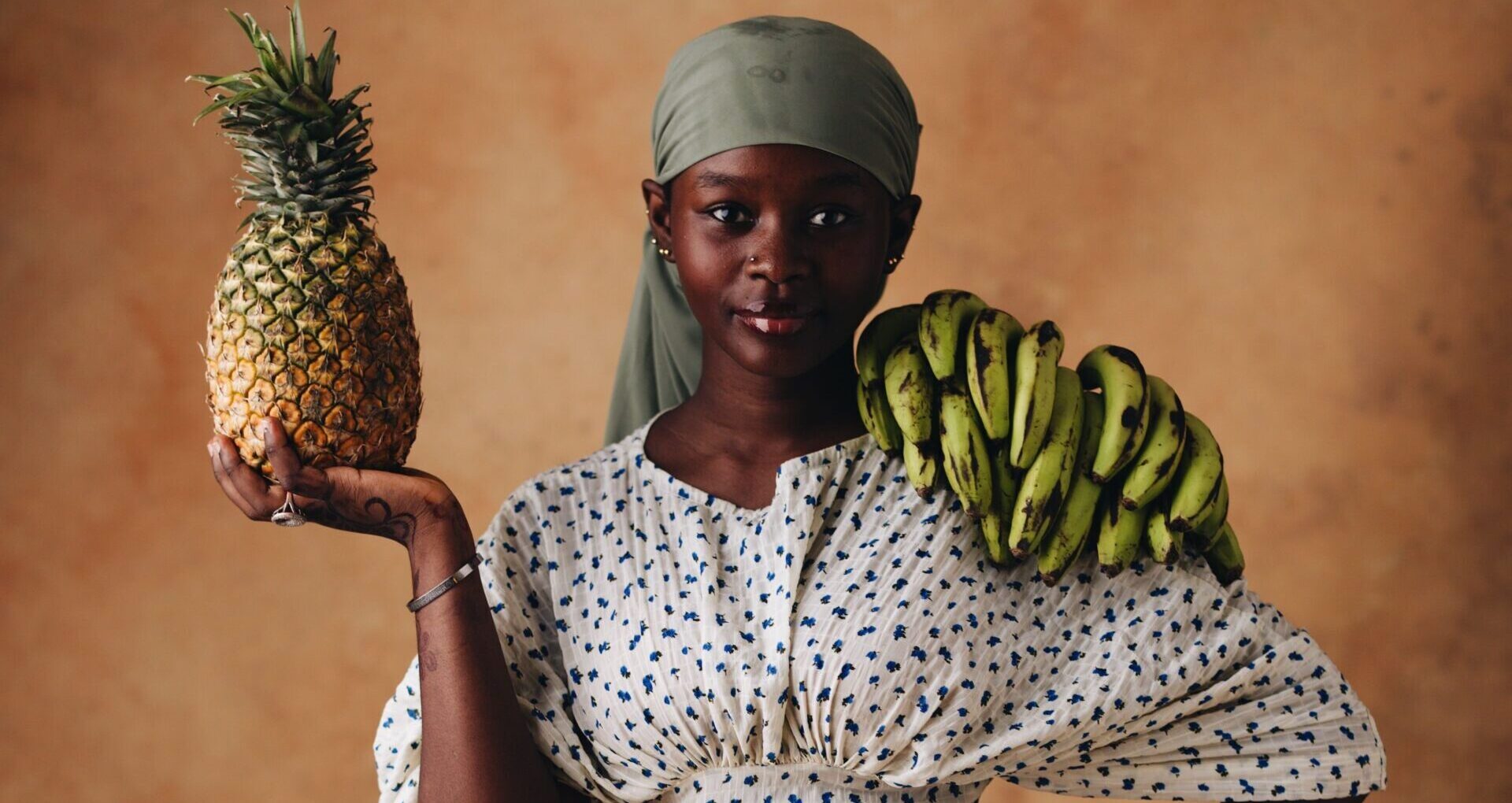
This is the final installment of a four-part series examining the transatlantic slave trade through the archival records of the system itself. In the first three parts, enslaved African ancestors were reduced to mere ledger entries, cargo, property, and compensation claims on the pages of slave trading logs, auction circulars, and 37 volumes of plantation management records. This concluding chapter begins with a different kind of document: a land deed that changed the story of freedom when it changed hands on August 1.
标签: Dominica
多米尼克
-
Roseau North hopefuls outline competing visions at Dominica Business Forum
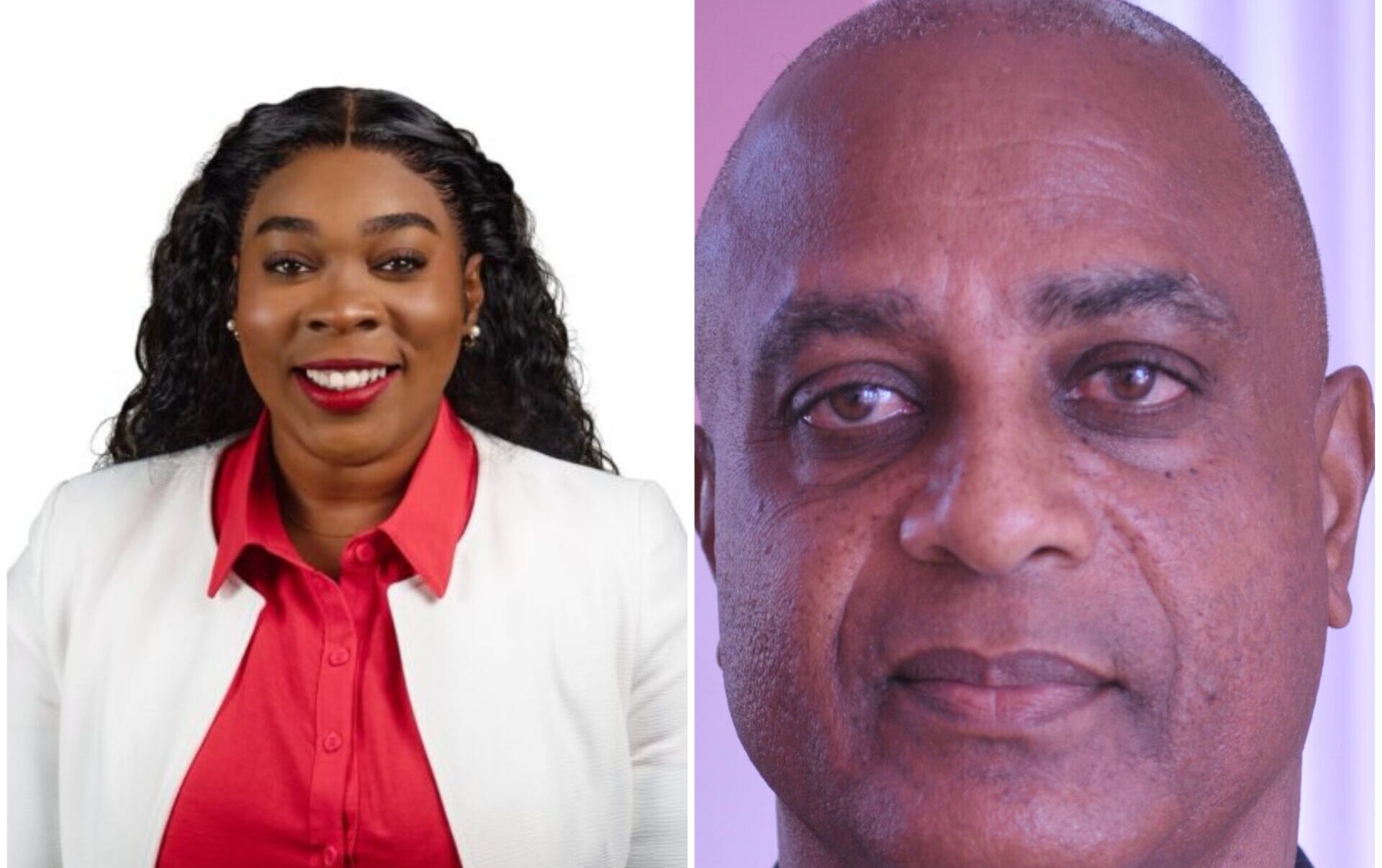
As the closely watched Roseau North by-election draws near, the two major party candidates have unveiled starkly different policy agendas, each highlighting what they frame as the most pressing unmet needs for constituents in the constituency. The policy pledges were formally presented this week at a public forum hosted by the Dominica Business Forum, held at the Dominica-China Friendship Hospital.
Daniel Lugay, the United Workers Party (UWP) nominee, opened his remarks by flagging two urgent public health crises that he says have plagued the constituency for far too long. At the top of his list is the relocation of the Fond Cole Landfill, locally known as “Labass,” a facility he argues has long passed its functional lifespan and now poses severe risks to nearby residents. “This will be relocated out of the constituency to a more suitable location,” Lugay confirmed. “The Labass has now become a major health hazard, with frequent uncontrolled fires that release cancer-causing smoke and toxic fumes that impact surrounding communities.” He added that inconsistent municipal waste collection is a second persistent public hazard, noting that uncollected garbage often sits piled for weeks, creating breeding grounds for disease-carrying flies, mosquitoes and rodent infestations.
Beyond environmental and public health priorities, Lugay outlined the UWP’s core national commitment: expanding universal healthcare coverage for all Dominican citizens, a promise he says comes directly from UWP Leader Dr. Thomson Fontaine and the party’s Team Dominica platform. Lugay also called out the incumbent Dominica Labour Party (DLP) administration for failing to deliver on a decades-old promise of a dedicated vendors’ arcade, and put forward a plan for a new commercial hub and mall that would generate targeted employment opportunities for a wide range of local workers and small business owners. The proposed development would serve hair-braiders, nail technicians, massage therapists, artisans, visual artists, independent pharmacists, food service operators, musicians and other small entrepreneurs, according to Lugay. The planned commercial zone would stretch from the existing Public Works Corporation property all the way to the Dominica Banana Marketing Corporation building, encompassing the DEXIA warehouse and the former Home Industries site.
In her own remarks at the forum, DLP candidate Ashma McDougall laid out a competing set of priorities, centered first on expanding access to affordable, safe housing for Roseau North residents. “A home is not just concrete and steel,” McDougall explained. “A home provides security, dignity, and it is a transferable asset across a family.” She argued that any new housing development must include complementary infrastructure investments such as improved drainage systems, paved roads, and public street lighting to ensure livable communities for new homeowners. McDougall noted that while the existing $1 per square foot land legislation has already opened up new pathways to land ownership for many Dominicans, the administration is preparing additional policy measures to make home ownership more accessible and affordable for working families.
McDougall’s second key priority is revitalizing the small business ecosystem that forms the economic backbone of Roseau North. Two weeks prior to the forum, McDougall said her campaign team conducted on-the-ground outreach to small business owners across the constituency, mapping more than 250 small operations across 20 distinct sectors. “That is not a shortage of ambition,” she emphasized. “It is an economic base waiting to be energised and to be strengthened.” McDougall noted that too many promising local small businesses remain stuck at the survival level, with limited access to capital cited as one of the most persistent barriers to growth. But she added that improved financing alone is not enough to unlock that potential. Instead, she pledged to champion a comprehensive support pathway that guides entrepreneurs from early-stage startup through to market readiness, and where viable, helps them access international export opportunities.
On the issue of employment, McDougall argued that temporary income relief is only a short-term solution, and sustainable, well-paying work is the only path to long-term economic independence for residents. She outlined a two-pronged approach to expanding employment: first, building out training programs and pathways into the growing digital economy, and second, aligning workforce development with the DLP’s ongoing large-scale infrastructure investment plan, connecting job seekers to open roles in construction, hospitality, and other growing service sectors. She highlighted the already proven success of the government’s Work Online Dominica initiative, which she said has opened up new remote work opportunities that let residents earn competitive incomes without relocating or leaving their home communities. The program already connects single mothers in Stockfarm, Yampiece, and Tarish Pit, and young people in Fond Cole hamlets to legitimate remote work, she noted.
-
Sherman Boston: ‘What we need is unity’
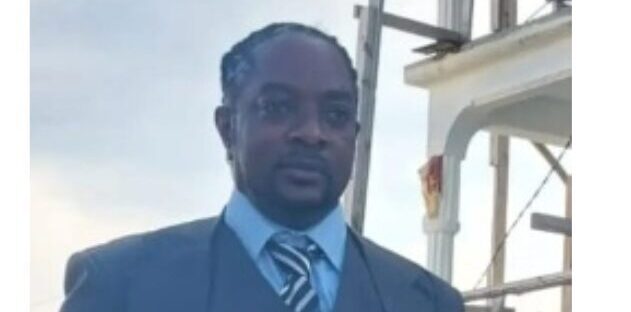
As the Roseau North by-election approaches, independent contender Sherman Boston is calling for an end to partisan political division, arguing that cross-community unity is the only way to resolve the years-long unaddressed challenges that have plagued the Dominican constituency.
Boston laid out his platform during a public forum hosted by the Dominica Business Forum on Wednesday evening, held in the auditorium of the Dominica-China Friendship Hospital. The candidate, who has decades of experience working on local infrastructure projects, pulled from his own firsthand knowledge to detail the gaps in development that have left Roseau North residents underserved.
Among the examples he cited was the unfinished Netball Stadium, a project he helped conceptualize in the early 2000s that has yet to be completed. He also pointed to major highway infrastructure he worked on near Stock Farm and the local college, noting the critical safety gap created by the absence of sidewalks along the high-traffic route. For more than a year, Boston has been a vocal advocate for resolving longstanding problems with the constituency’s landfill, a issue that continues to impact surrounding communities.
These infrastructure shortcomings are not isolated, Boston explained, cutting across multiple neighborhoods spanning Stock Farm, Yampiece, Gutter, Tarish Pit, and Fond Cole. One of the most pressing issues he highlighted is the lack of vehicle access for hundreds of residents who hold legal land titles to their properties. Even after the government sold them the land and issued official documentation, many homeowners are still forced to walk long distances to reach their homes, carrying their belongings on foot because no access roads have been constructed.
Vulnerable populations bear the brunt of this neglect, Boston emphasized, adding that elderly residents in Yampiece, Gutter, and Fond Cole face disproportionate hardship due to the lack of safe, reliable access to their communities.
While Boston outlined a lengthy roster of unmet needs across the constituency, he made clear that his core campaign message is not just a list of grievances — it is a call for systemic change to the partisan tribalism that has stalled progress for years. “I could stand here all night listing every problem that needs fixing in Roseau North,” he told attendees. “But my priority tonight is to tell you that what we need first is unity.”
He argued that ongoing political factionalism has prevented meaningful progress on even the most basic community needs, and it is long past time for these divisions to end. Facing the complex current and future challenges that Dominica as a whole must confront, Boston said every citizen has a role to play in moving the country forward. “We need all hands on deck,” he stated.
Closing his remarks at the forum, Boston urged all Dominican people to set aside partisan divides and come together to build a nation that all residents can be proud of.
-
LIVE: Our Lady of Fair Haven Emancipation Celebration History Night
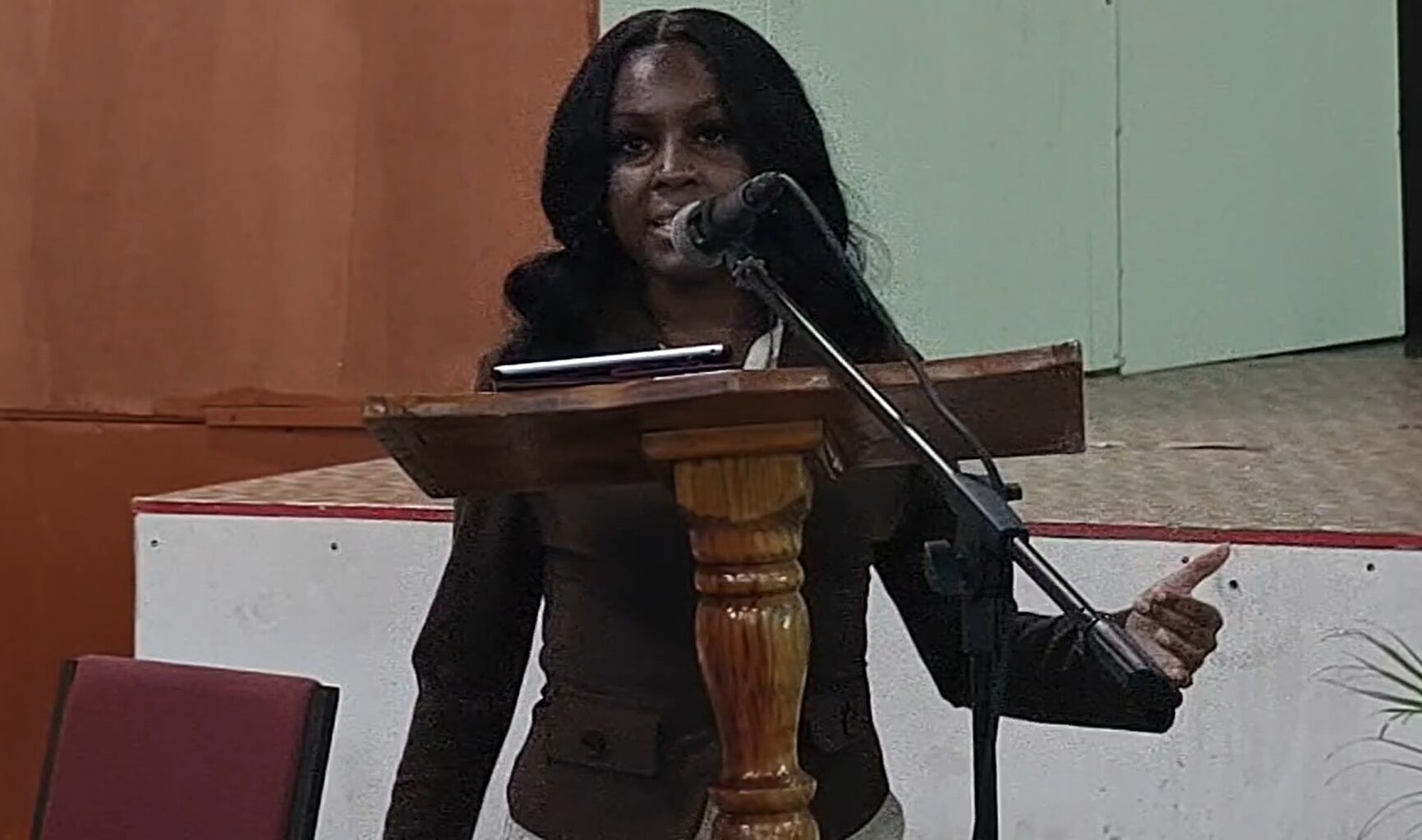
A community-focused educational event is inviting members of the public to gather for a thought-provoking evening centered on unpacking the complex history of Emancipation and examining its ongoing social impacts on contemporary communities. Scheduled to be led by experienced facilitator and presenter Ms. Whitney White, the gathering will combine guided reflection with open, inclusive discussion to help attendees connect the historic milestones of emancipation to current social realities. Organizers have framed the event as a rare opportunity for meaningful dialogue, encouraging participants from all backgrounds to engage with the legacy of emancipation and explore how its effects continue to shape lived experiences for marginalized communities today. The interactive format is designed to foster mutual understanding, deepen public knowledge of this critical chapter of history, and spark thoughtful conversation about its enduring relevance in 21st-century society.
-
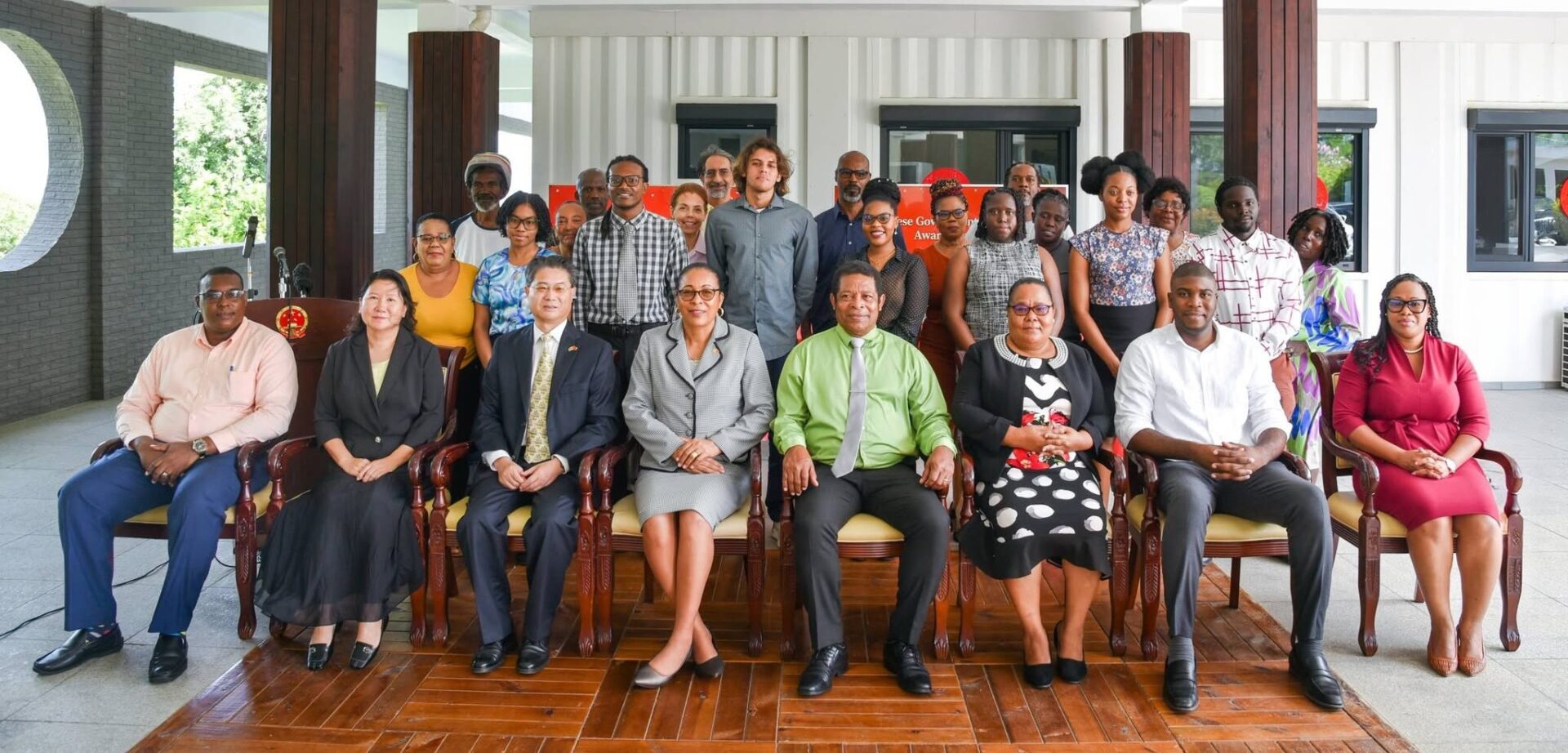
Seven students receive Chinese scholarships
In a formal ceremony hosted Wednesday at the Chinese Embassy in Morne Daniel, seven young Dominican scholars formally received full scholarships funded by the Chinese government to pursue higher education at top universities across China.
The seven recipients, selected through the bilateral Chinese Government Scholarship Program, are Tiago Alishaw, Clint Iverson Lecointe, Michaela Warrington, Ayana Nakita Jordanne Augustine, Abigail Hannah Daniel, Nicquan Kern Richards and Jeriah Makeya Ovesen, comprising three male and four female students from the Caribbean island nation.
Speaking on behalf of the government and people of the Commonwealth of Dominica, Octavia Alfred, the country’s Minister for Education, described the moment as a landmark occasion filled with national pride and profound gratitude. She emphasized that this opportunity marks a transformative turning point not only for the seven individual students, but also for the long-term future of Dominica as a whole.
Alfred reinforced the widely held principle that education stands as the most impactful long-term investment a nation can make in its own development. With this scholarship initiative, she noted, that critical investment is being directed straight to Dominica’s most valuable national asset: its young people.
Beyond framing the support as traditional development assistance, Alfred underlined the deeper meaning behind the gesture. The scholarship program, she explained, is far more than an act of generosity or a routine component of bilateral cooperation – it is a tangible demonstration of mutual trust. This trust extends to the potential of Dominican youth, the growth trajectory of the country, and the enduring bilateral friendship between Dominica and China that has consistently deepened year after year. Alfred closed her remarks by extending formal thanks to the government and people of the People’s Republic of China for their unwavering partnership and investment in Dominican education. The official photograph of the scholarship recipients alongside diplomatic and government officials was provided courtesy of the Chinese Embassy in Dominica.
-

Thea LaFond completes Commonwealth Games medal collection with triple jump gold
Glasgow 2026 Commonwealth Games has delivered another iconic moment for Caribbean athletics, as Dominica’s beloved Olympic gold medalist Thea LaFond made history by claiming the top spot on the women’s triple jump podium, completing a full collection of Commonwealth Games medals across three consecutive editions of the games.
LaFond sealed her gold-medal win with a standout leap of 14.60 metres, recorded with a +0.7 wind assistance, a result that put her far ahead of competitors and secured her place in the history books of Dominican sport. This latest victory adds a Commonwealth gold to the bronze medal she claimed at the 2018 Gold Coast Commonwealth Games and the silver medal she took home at the 2022 Birmingham Commonwealth Games, making her the first Dominican athlete to earn a medal sweep of every color at the multi-sport event.
The milestone achievement marks yet another high point in LaFond’s storied career, which already includes an Olympic gold medal from the 2024 Paris Games, cementing her status as one of the most decorated Caribbean track and field athletes of her generation. Following the win, the Prime Minister of Dominica, Roosevelt Skerrit, offered his public congratulations to the star athlete in an official post shared to the government’s Facebook page.
In his message, Skerrit framed LaFond’s latest win as a source of immense national pride for the small island nation. “Congratulations to Thea Lafond-Gadson on winning Gold in the Women’s Triple Jump at the 2026 Commonwealth Games,” Skerrit wrote. “Your achievement is another proud moment for Dominica! Way to go Champ!” The post quickly drew thousands of likes and celebratory comments from Dominicans at home and abroad, as well as fans of track and field from across the globe.
-

Dominica Bike Festival 2026 set to draw over 300 overseas riders for four-day celebration
The Caribbean island nation of Dominica is preparing to welcome hundreds of motorcycle enthusiasts from across the region and across the globe for its third annual Dominica Bike Festival, a four-day celebration of two-wheeled culture set to run from July 31 to August 3. Organized by local group 767 Bike Life with backing from Dominica’s Ministry of Tourism and the Discover Dominica Authority (DDA), the event has expanded steadily since its launch, with this year’s edition projected to draw more than 300 participating riders — a notable jump from 2024’s gathering, which brought 233 visiting riders alongside 470 local competitors and nearly 5,000 total spectators over two days at Canefield Airport.
This year’s participant roster boasts a truly international footprint, with riders set to travel from 13 countries and territories including Antigua and Barbuda, Barbados, Brazil, Curaçao, Grenada, Guadeloupe, Martinique, Saint Lucia, St. Kitts and Nevis, St. Maarten, St. Thomas, St. Vincent and the Grenadines, and the United States. Adding star power to the lineup are several high-profile international stunt riders and digital content creators, among them Brazil’s Vinicius Moffati, Lil E of St. Maarten, Miami Skeet from the U.S., and prominent automotive influencer Nick Lue. These guests are expected to share their experiences at the festival with their millions of global social media followers, putting Dominica’s tourism offerings in front of a vast new international audience.
The packed event schedule kicks off on Friday, July 31, with a free opening celebration along Dame Eugenia Charles Boulevard, running from 5:00 PM to 8:00 PM. After the opening ceremony, attendees will gather for an informal meet-and-greet at The Lot Bar and Grill. High-octane drag racing competitions will take over Canefield Airport on Saturday, while Sunday will be dedicated to thrilling stunt exhibitions and skill-based contests that test the precision and daring of participating riders. The festival will conclude on Monday, August 3, with a scenic island-wide ride that starts at the Bayfront Cruise Ship Berth, makes stops at multiple local communities across Dominica, and ends with a closing gathering at Le Village Beach Club.
For Dominica’s tourism sector, the growing popularity of the bike festival represents a significant economic boost, DDA Chief Executive Officer Marva Williams explained. “The growth from 233 visiting riders last year to more than 300 expected this year shows increasing regional and international interest in the Dominica Bike Festival,” Williams said. “Importantly, that growth translates into additional visitors staying in our accommodations, dining at our restaurants, using local transportation and exploring the island during their time in Dominica.”
To ensure the event runs smoothly and safely for all participants and spectators, organizers have coordinated comprehensive safety protocols with local police, fire departments, and emergency medical services. All attendees and competitors have been reminded to adhere to official event guidelines throughout the four-day gathering to maintain a secure and enjoyable environment for everyone involved.
-
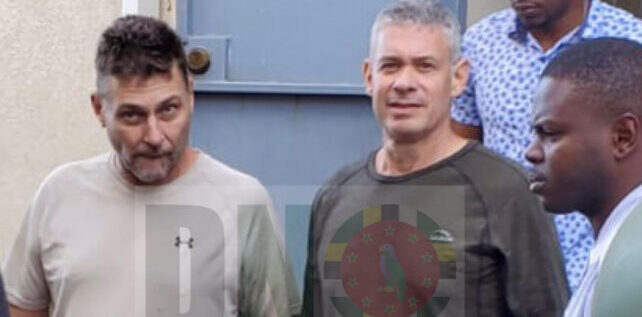
Security Minister commends police, prosecutors after guilty verdicts in Langlois-Marchand murder case
A high-profile double murder case that captured international attention has reached a guilty verdict in Dominica, with local authorities highlighting the strength and reliability of the Caribbean nation’s judicial process. Robert Thomas Snider Jr. and Jonathan Scott Lehrer, both U.S. citizens, were found guilty of murdering Daniel Langlois, a prominent Canadian eco-resort entrepreneur, and his partner Dominique Marchand, in a ruling that closes one of the most closely watched criminal cases in the country’s recent history.
The victims’ charred remains were first discovered inside a burned-out vehicle in Dominica’s Soufrière region on December 1, 2023, weeks after they were reported missing to local authorities. With no direct eyewitness testimony, investigators built their case on a strong foundation of circumstantial evidence, linking the two accused men to the killings. Both defendants have remained in police custody since they were first charged in connection with the double homicide.
Following the delivery of the guilty verdict, Dominica’s Minister for National Security Rayburn Blackmore publicly praised the collaborative work of law enforcement, investigative teams, and prosecuting officials that led to the conviction. Blackmore specifically highlighted the leadership of Police Chief Lincoln Corbette, who personally oversaw the early stages of the investigation at the crime scene, as well as Deputy Commissioner of Police Jeffrey James, who served as the lead investigator on the case. The national security minister extended his commendation to the entire Criminal Investigation Department and the wider Dominican police force, saying the thorough probe demonstrated the high level of skill and professionalism within the country’s law enforcement ranks.
“I want to place on the record my commendation for the police,” Blackmore told reporters after the verdict. “This investigation demonstrates the level of excellence within the police force, and the caliber of talent that the police force has.”
Blackmore also recognized the contributions of the prosecution team, including Director of Public Prosecutions Sherma Dalrymple, lead prosecutor Keith Scotland, all additional legal staff working on the case, and the witnesses who came forward to testify during the high-court trial. He emphasized that the Dominican government prioritized allocating all necessary resources to the investigation and prosecution to ensure a full and fair pursuit of justice.
“The role of the ministry and that of the government was to provide the requisite resources to ensure that that matter was properly prosecuted,” he said. The minister added that the guilty verdict should send a clear warning to any individual considering engaging in violent or criminal activity within Dominica’s borders.
“I believe that the way we have to look at it is from the perspective of lessons learned from that experience and those who intend to do wrong, to have within their psyche you may be caught or you will be caught, and that the rule of law and the justice system in Dominica works,” Blackmore stated.
The case gained international media attention due to the status of the victims, who owned and operated a popular eco-resort on the island. Prior to the full High Court trial, Chief Magistrate Candia Carette-George rejected a no-case motion filed by the defense, ruling that prosecutors had presented sufficient prima facie evidence to require the two men to stand trial.
In addition to his double murder conviction, Lehrer faces separate criminal charges related to the alleged trafficking and unlawful importation of firearms. Those charges stem from an unrelated incident that occurred just days after Langlois and Marchand were killed.
-

Europe’s football associations threaten World Cup boycott over FIFA investment plan
In a dramatic standoff that has sent shockwaves through global football, all 55 national football associations under the Union of European Football Associations (UEFA) have passed a unanimous resolution to boycott every FIFA-run competition — including the men’s and women’s World Cups and the Club World Cup — if FIFA moves forward with its controversial plan to sell minority ownership stakes in top tournaments to private investors.
The unanimous decision was reached during an emergency virtual gathering convened by UEFA president Aleksander Čeferin, coming just days after FIFA publicly unveiled plans to launch a new commercial subsidiary, FIFA Forward Enterprise (FFE), that would open the door for outside private capital to acquire minority holdings in FIFA’s most high-profile competitions. According to reporting from the BBC, which first broke details of the unanimous vote, the boycott will go into effect if the plan, spearheaded by FIFA president Gianni Infantino, secures approval from a majority of FIFA’s 211 global member associations. The first major opportunity to test UEFA’s hardline stance could come as early as October, during the upcoming Women’s World Cup qualifying play-offs.
In a uncompromising official statement released immediately after the emergency meeting, UEFA emphasized that its 55 member associations remain unified in total opposition to the proposal. “We unanimously and unequivocally reject FIFA’s proposal to transfer ownership interests in the World Cup and other FIFA competitions to private investors,” the statement read. “The World Cup cannot be treated as an investment product. It is one of football’s greatest sporting legacies… No part of it should ever be surrendered to private investors. The World Cup is not for sale.”
Major European national governing bodies have already lined up to reinforce UEFA’s position. The Football Association of England reaffirmed its full solidarity with fellow European associations, with a spokesperson noting that “the FIFA World Cup belongs to football and always will.” The Scottish Football Association echoed this support, while raising sharp concerns over the lack of transparent consultation and poor governance practices that have defined the development of FIFA’s proposal.
While UEFA only represents roughly a quarter of FIFA’s 211 total member associations, European football commands unparalleled influence in the global game: European nations have claimed victory in 13 of the 23 men’s World Cup tournaments held to date, and at the most recent 2026 edition, six of the eight quarter-finalists — including eventual champion Spain — were European sides.
Under the terms of FIFA’s plan, FFE would be created to manage all commercial and event operations for FIFA’s flagship competitions, with outside investors invited to purchase minority, non-controlling stakes in the new subsidiary. Multiple sources familiar with the plan, cited by the BBC, indicate that Infantino has offered every one of FIFA’s 211 member associations up to $40 million in direct payments if they vote in favor of the proposal, with an initial $20 million payout available to associations that approve the plan by the September 19 deadline.
The proposal still requires a majority vote from FIFA’s global membership to move forward. If approved, the BBC reports that U.S.-based venture capital firm Thrive Eternal — founded by Joshua Kushner, brother of Jared Kushner, former U.S. President Donald Trump’s son-in-law — is poised to lead the investor group backing FFE.
UEFA has not only rejected the substance of the proposal but also lashed out at the process FIFA has followed to advance it, accusing the global governing body of drafting the plan in secret without conducting any meaningful consultation with member confederations. In its statement, UEFA labeled the initiative “irresponsible and indefensible,” arguing that FIFA has effectively issued a take-it-or-leave-it ultimatum to national associations in exchange for financial incentives.
“This is not merely a profound failure of leadership, but an abdication of FIFA’s duty as the custodian of world football,” UEFA said, per the BBC. The European body added that the proposal amounts to “governance by intimidation” and “an act of coercion unworthy of an institution entrusted with the stewardship of the global game.”
-
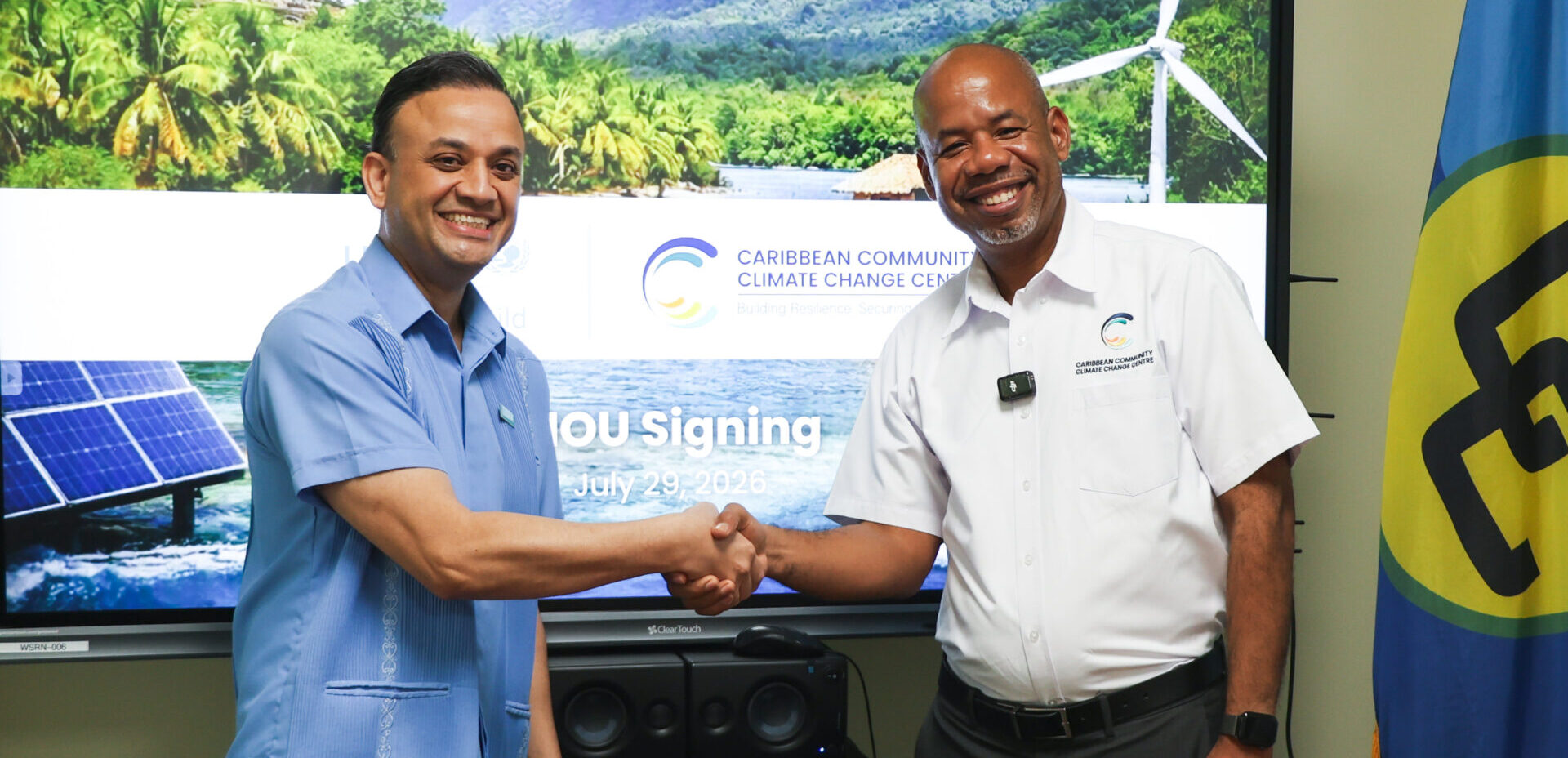
UNICEF and Caribbean Climate Change Centre forge five-year partnership to protect children from climate impacts
In a formal signing ceremony held at the Caribbean Community Climate Change Centre (CCCCC) headquarters in Belmopan, Belize, UNICEF and the regional climate body have launched an ambitious five-year strategic partnership designed to shield Caribbean children and young people from the accelerating harms of the global climate crisis. The newly signed Memorandum of Understanding (MoU) establishes a formal collaborative framework centered on embedding the unique needs of children into every level of regional climate policy and action. For years, Caribbean communities have grappled with a sharp rise in the frequency and intensity of climate-related disasters, including destructive hurricanes, widespread flooding, prolonged droughts, and record-breaking extreme heat. For children across the region, these events have triggered cascading harm: interrupting access to education, cutting off critical healthcare services, contaminating safe drinking water supplies, undermining nutrition programs, and breaking down child protection systems that vulnerable young people depend on. As UNICEF Representative Sajid Ali emphasized during the ceremony, the climate crisis is far more than an environmental issue—it is a fundamental violation of children’s rights. “Children are among those least responsible for the climate crisis yet they bear some of its greatest consequences,” Ali noted. This new partnership, he explained, will prioritize centering children in regional climate policies, investments, and programming, while reinforcing the essential public services and systems that children rely on daily. Under the terms of the agreement, the two organizations will work in lockstep to advance child-sensitive climate governance across the Caribbean. Key priorities include building climate resilience into core social systems, from education and healthcare to nutrition, water access, and sanitation and hygiene (WASH) services. The collaboration will also scale up child-focused social protection programs, expand community-level disaster preparedness initiatives, support targeted research on child climate vulnerability, coordinate global climate resource mobilization, and share evidence-based knowledge on building child-centered climate resilience. CCCCC Executive Director Dr. Colin Young highlighted that children and youth have long been overlooked in climate resilience planning, both across the Caribbean and globally. He noted that UNICEF’s decades-long track record of advancing child rights and centering young people in climate action aligns perfectly with the CCCCC’s strategic priorities, filling a critical gap that has gone unaddressed for too long. “This Memorandum of Understanding sets out the framework for the work we will do together and allows us to combine our expertise to ensure that children are at the heart of climate action,” Young said. “We are absolutely delighted to be partnering with UNICEF and to draw on its extensive experience working with children and youth across the Caribbean and in Belize.” One of the flagship components of the new partnership will focus on transforming climate-resilient sanitation systems across the region’s most vulnerable communities. Leveraging UNICEF’s deep technical expertise in WASH programming, the initiative will advance evidence-based policy advocacy, build local technical capacity, facilitate cross-community knowledge sharing, and unlock targeted climate financing to upgrade and protect sanitation infrastructure for at-risk populations. Beyond infrastructure and service delivery, the partnership will also expand leadership opportunities for children and young people—with a specific focus on including adolescent girls and marginalized youth groups. The organizations aim to empower young people to build the skills they need to actively participate in climate solution design, contribute to national and regional public policy debates, and lead grassroots advocacy efforts for climate action. This joint initiative brings together UNICEF’s global mandate to protect and advance child rights with the CCCCC’s role as the leading coordinator of regional climate action in the Caribbean. The shared end goal is to build a more resilient, sustainable, and equitable region where every child can grow and thrive, even as the impacts of climate change continue to intensify.