标签: Dominica

多米尼克

  • COMMENTARY: World Day of Social Justice

    COMMENTARY: World Day of Social Justice

    As the world observed World Day of Social Justice on February 20, a pressing global conversation has emerged regarding the persistent challenges in achieving equitable societies. Established by the United Nations General Assembly in 2007, this annual observance serves as a critical reminder that justice remains an elusive ideal for millions worldwide.

    The contemporary landscape reveals a paradoxical reality: while significant progress has been made in poverty reduction, educational access, and social protection systems, structural inequalities continue to undermine development efforts. This year’s theme, ‘Renewed Commitment to Social Development and Social Justice,’ highlights both the recognition of achievements and acknowledgment of persistent barriers including labor market informality, gender disparities, and declining institutional trust.

    The concept of social justice, originally coined by Italian Jesuit priest and economist Luigi Taparelli d’Azeglio in 1855, has evolved into a comprehensive framework for ensuring fair opportunities and outcomes regardless of gender, ethnicity, socioeconomic background, or disability. The United Nations identifies social justice as fundamental to poverty eradication, decent work expansion, and human rights protection—cornerstones of the Sustainable Development Goals.

    A critical dimension of this discussion involves gender equality, which represents both a shared vision of social justice and a practical challenge. The theory of intersectionality acknowledges how gender intersects with race, class, sexuality, and ability to create unique experiences of oppression and privilege. A gendered perspective examines how traditional roles, stereotypes, and power structures perpetuate inequality, particularly through patriarchal systems that disproportionately disadvantage women and girls.

    The World Bank emphasizes that authentic social development requires putting people first through social inclusion, community empowerment, and institutional accountability. However, the digital and technological divide continues to exacerbate global inequalities, creating renewed divisions between the Global South and Global North.

    This year’s observance builds upon momentum generated by the Second World Summit for Social Development in Doha and the subsequent Doha Political Declaration, which reaffirmed collective responsibility for accelerating progress in poverty eradication and social protection.

    As educator and social commentator Wayne Campbell notes, referencing Benjamin Franklin’s wisdom: true justice requires that those unaffected by injustice must become as outraged as those who are. This World Day of Social Justice serves as a call to action for strengthened policy coherence, reinforced multilateral cooperation, and renewed commitment to placing equity and solidarity at the center of global policymaking.
  • UN highlights critical role of Caribbean media in promoting progress toward the SDGs

    UN highlights critical role of Caribbean media in promoting progress toward the SDGs

    The United Nations has formally recognized Caribbean journalists as pivotal agents in advancing regional progress toward equality, economic development, and environmental sustainability. In a significant endorsement of media influence, the UN Office for Barbados and the Eastern Caribbean has partnered with the Caribbean Broadcasting Union (CBU) to establish the SDG Champion Award—a new category within the CBU’s annual Media Awards program.

    This prestigious accolade will celebrate outstanding journalistic contributions across print, radio, television, and digital platforms that effectively highlight the Sustainable Development Goals (SDGs). The initiative aims to amplify reporting that connects these global frameworks to local contexts, making complex issues like climate change and inequality accessible to general audiences while promoting actionable solutions.

    Eligibility extends to media professionals from multiple Caribbean territories including Dominica, Anguilla, Antigua and Barbuda, Barbados, British Virgin Islands, Grenada, Montserrat, St. Kitts and Nevis, St. Lucia, and St. Vincent and the Grenadines. The award will feature four distinct categories, each designed to recognize content that aligns with national development priorities and inspires concrete action toward achieving the SDGs.

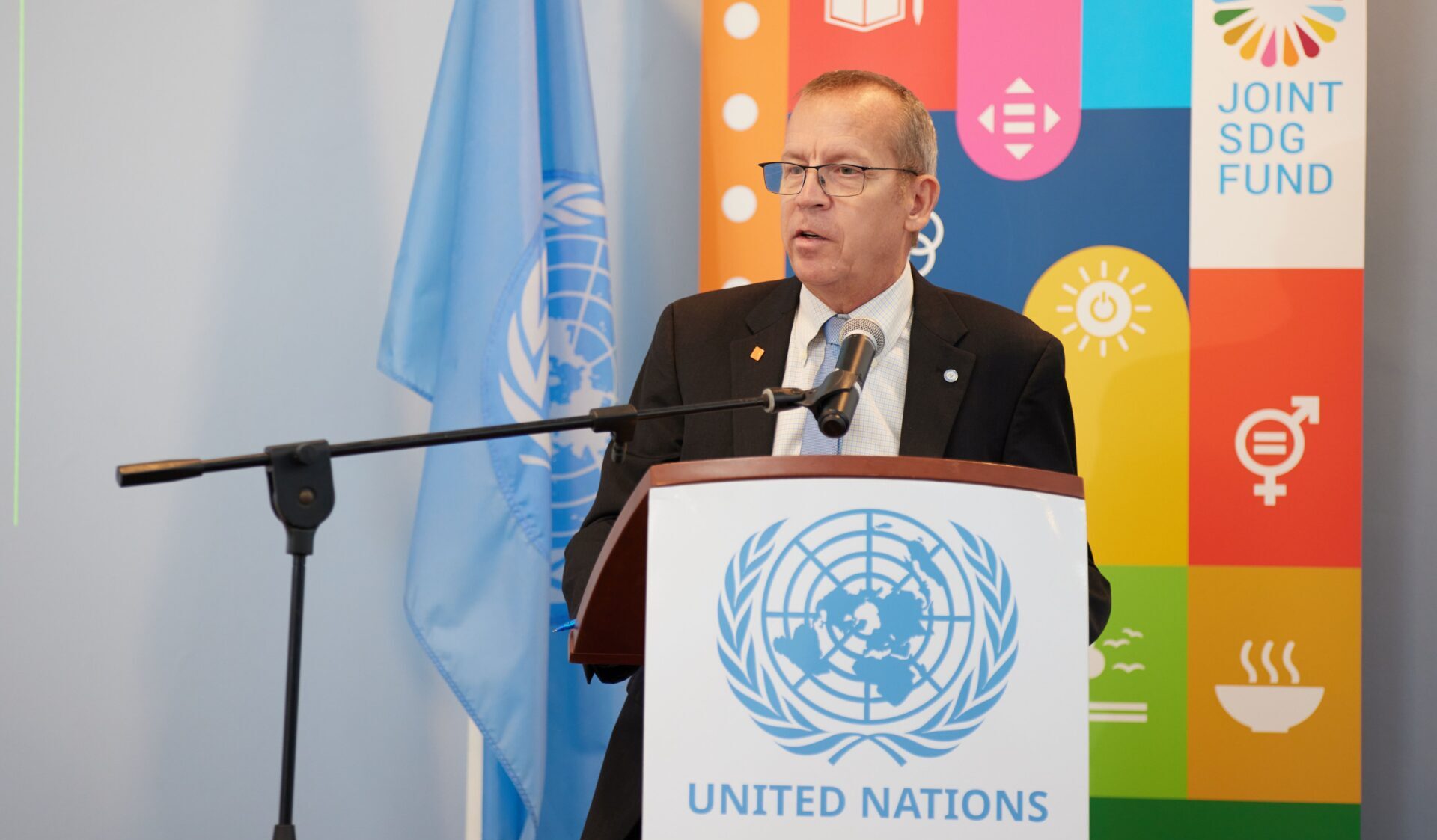
    UN Resident Coordinator Simon Springett emphasized the media’s role as a valuable partner, stating: “We see this initiative as a continuation of our solid partnership, which we hope to strengthen by celebrating journalistic excellence that educates communities, drives sustainable development and inspires meaningful action.”

    CBU President Anthony Greene echoed this sentiment, noting the natural alignment between the partnership and the organization’s mandate to contribute to regional development through media and communications.

    The submission window for the 37th CBU Media Awards opened in November 2025 and will close on February 28, 2026. Shortlisted candidates will be announced in May 2026, with the awards ceremony scheduled for August 2026. Interested participants can access detailed guidelines and submission procedures through the CBU’s official website or via email at [email protected].

  • PRESS RELEASE: EU and IOM enhance Caribbean disaster preparedness with critical relief supplies

    PRESS RELEASE: EU and IOM enhance Caribbean disaster preparedness with critical relief supplies

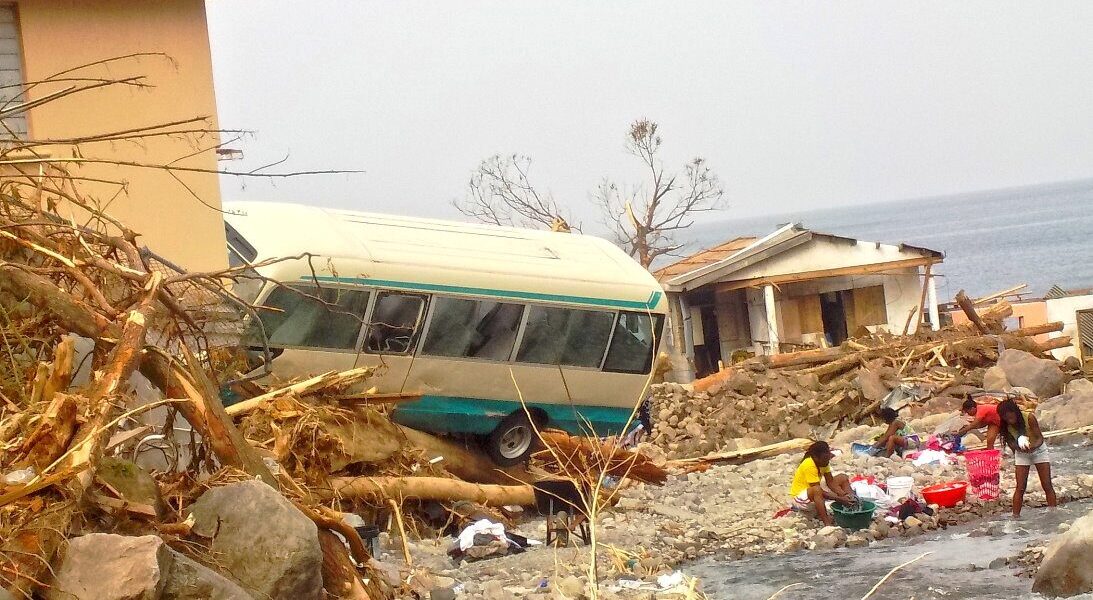
    The European Union and the International Organization for Migration’s Caribbean office (IOM Caribbean) have established a strategic emergency stockpile in Barbados, marking a significant advancement in regional disaster preparedness. This initiative, valued at approximately €340,000, addresses the critical need for rapid humanitarian response when hurricanes devastate Caribbean nations.

    The repository contains essential relief materials specifically identified as priority needs for vulnerable populations affected by disasters. The inventory includes heavy-duty tarpaulin sheets, comprehensive shelter repair kits, family tents, hygiene kits, multipurpose communal tents, and mosquito nets. These supplies are strategically positioned to provide immediate assistance to up to 1,000 families through IOM and partner organizations following major emergencies.

    Housed at the Caribbean Regional Logistics Hub operated by the Caribbean Disaster and Emergency Management Agency (CDEMA) with logistical support from the UN’s World Food Programme, this Barbados stockpile complements existing IOM and EU reserves in Panama. This multi-location strategy ensures life-saving support can be deployed immediately after disasters strike, overcoming the logistical challenges that have hampered previous response efforts.

    The initiative draws from hard-learned lessons during recent catastrophic hurricanes. Patrice Quesada, IOM Caribbean Coordinator, highlighted the proven effectiveness of pre-positioned supplies: ‘In 2024 and 2025, our ability to quickly mobilize stocks pre-positioned in Barbados enabled rapid assistance to St Vincent & the Grenadines, Grenada, and Jamaica following Hurricanes Beryl and Melissa.’

    Daniela d’Urso, head of EU Humanitarian relief in the Caribbean, emphasized the non-seasonal nature of preparedness: ‘This stockpile allows the EU to boost regional response capacity and deliver timely assistance where it’s needed most, as we have just witnessed with Hurricane Melissa where anticipation and timing of response were key.’

    Concurrently, through the ‘Resilient Caribbean’ project, the EU is supporting the development and training of a network of regional partners to ensure efficient management of relief items. This comprehensive approach includes the establishment of the Caribbean Shelter Sectoral Working Group by CDEMA and IOM, which promotes information sharing, resource pooling, and collaboration among agencies, NGOs, and civil society groups, ultimately strengthening local capacity and community resilience across the region.

  • CARPHA joins regional policy gathering on digital health data

    CARPHA joins regional policy gathering on digital health data

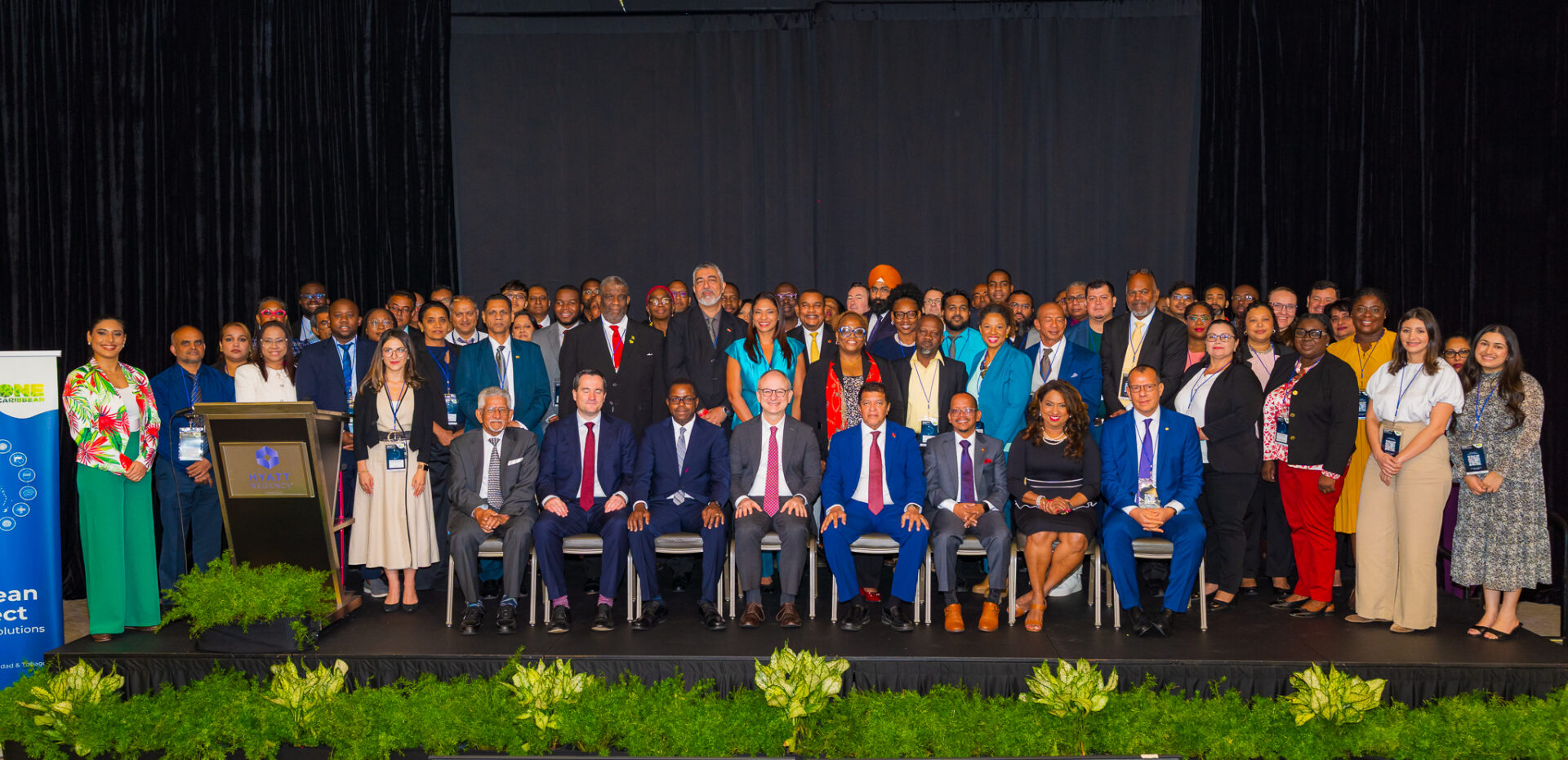
    PORT OF SPAIN – A landmark regional conference has set the stage for a transformative digital health revolution across the Caribbean. The Inter-American Development Bank (IDB) Group, hosting the ONE Caribbean Connect Regional Policy Dialogue in Trinidad and Tobago, successfully convened a coalition of leading health and technology institutions to forge a unified path toward secure, cross-border health data exchange.

    The high-level dialogue brought together a powerful consortium of regional bodies, including the Caribbean Public Health Agency (CARPHA), the Pan American Health Organization (PAHO), and the Caribbean Community (CARICOM). Delegations from seven Caribbean nations—The Bahamas, Barbados, Belize, Guyana, Jamaica, Suriname, and host Trinidad and Tobago—participated in intensive strategic planning sessions.

    Central to the discussions was the urgent need to establish interoperable digital health systems that can seamlessly share critical health information across national borders. This initiative builds upon the foundational work of the Pan-American Highway for Digital Health (PH4H), a collaborative framework established by the IDB and PAHO.

    CARPHA’s delegation, led by Executive Director Dr. Lisa Indar, played a pivotal role in the proceedings. The agency demonstrated its advanced digital surveillance capabilities, particularly its real-time, integrated early warning and response surveillance systems (REIWSS), which are being implemented through a Pandemic Fund Grant with the IDB as a key partner.

    The conference yielded a major strategic outcome: the formal adoption of the ONE Caribbean Digital Health Roadmap Commitment. This comprehensive document outlines concrete priority actions across three critical domains: establishing robust governance structures, developing supportive legal and policy frameworks, and ensuring technical interoperability. The roadmap sets an ambitious target for the initiation of cross-national health data sharing by 2028.

    Technical expertise flowed from multiple directions throughout the event. IDB representatives facilitated crucial strategy sessions, while PAHO contributed specialized knowledge in digital health and surveillance systems. CARICOM provided valuable insights on regional digital transformation through its leadership in information and communication technology for development.

    The collective effort represents a significant leap forward in regional health cooperation, positioning the Caribbean to better respond to public health challenges through enhanced data-driven decision-making and coordinated outbreak response capabilities.

  • Tyrone Jarvis remanded into custody in Bozel murder case

    Tyrone Jarvis remanded into custody in Bozel murder case

    A prominent Dominican businessman has been formally charged in connection with the fatal shooting of an American tourist during the island’s Carnival celebrations, marking a serious incident that has drawn attention to violent crime in the Caribbean nation.

    Tyron Jarvis, a 40-year-old co-proprietor of TJ’s Enterprises residing at 83 Hillsborough Street in Roseau/Massacre, was arraigned before a magistrate in Roseau on Friday, February 20, 2026. The court formally read murder charges against him for the death of 47-year-old Arthur Bozel, a resident of Goodwill, Dominica, who was living in the United States and returning home for vacation during the festive season.

    Judicial proceedings revealed that Jarvis was not permitted to enter a plea during this initial hearing, as murder is classified as an indictable offense within Dominica’s legal system, requiring future proceedings in a higher court. The magistrate subsequently ordered Jarvis remanded into custody at the Dominica State Prison until his next court appearance, which has been scheduled for May 2026.

    According to official reports from the Dominica Police Force, the incident occurred on the night of Sunday, February 15th, on Independence Street in the capital city of Roseau. Preliminary investigations indicate Bozel was shot by Jarvis during an altercation.

    The Criminal Investigation Department (CID) has launched a comprehensive investigation into the circumstances surrounding Bozel’s death. Authorities are examining the events that led to the shooting of the US-based Dominican national, who was visiting his home country to participate in the annual Carnival festivities.

    The case has garnered significant local attention, highlighting concerns about public safety during major national events and the judicial handling of serious violent crimes. The adjournment of the case until May allows time for the prosecution to prepare its evidence for trial.

  • US Supreme Court rules Trump’s extensive tariff impositions illegal

    US Supreme Court rules Trump’s extensive tariff impositions illegal

    In a landmark constitutional ruling, the U.S. Supreme Court has declared that former President Donald Trump’s expansive global tariff regime exceeds presidential authority and requires Congressional approval. The 6-3 decision represents the most significant judicial rebuke of Trump’s executive actions during his presidency.

    Justice Neil M. Gorsuch, a Trump appointee, authored a comprehensive 46-page concurring opinion emphasizing that “the Constitution lodges the Nation’s lawmaking powers in Congress alone.” The ruling specifically addressed Trump’s use of the 1977 International Emergency Economic Powers Act (IEEPA), which the Court found never explicitly granted tariff-imposing authority to the executive branch.

    The decision invalidates two major categories of tariffs: country-specific “reciprocal” tariffs ranging from 34% for China to a 10% baseline for other nations, and a separate 25% levy on certain imports from Canada, China, and Mexico allegedly related to fentanyl control failures. However, tariffs imposed under different legal authorities, including those on steel and aluminum, remain unaffected.

    Economic data reveals these contested tariffs generated approximately $130 billion in revenue through mid-December, according to U.S. Customs and Border Protection. Trump had controversially claimed the figure reached $3 trillion when including trade deal arrangements negotiated during his administration.

    The ruling culminates legal challenges from small business owners who argued the tariffs caused severe economic harm, increased consumer prices, and damaged manufacturing employment through higher imported component costs. Lower courts had previously ruled against the administration’s legal position, maintaining tariffs only during appeal proceedings.

    Responding to the decision, Trump promised to pursue alternative mechanisms to maintain trade pressures, stating: “Other alternatives will now be used to replace the ones that the court incorrectly rejected. We have alternatives. Great alternatives. Could be more money.”

  • Girl Guides of Dominica World Thinking Day activities celebrating 100 years of friendship

    Girl Guides of Dominica World Thinking Day activities celebrating 100 years of friendship

    The Girl Guides Association of Dominica launches a landmark celebration honoring the 100th anniversary of World Thinking Day, centering this year’s festivities around the powerful theme of “Friendship.” This extraordinary milestone unfolds through a meticulously planned series of events from February 22nd to 27th, engaging members, alumni, and the wider community.

    The commemorative week commences with profound solemnity on Sunday, February 22nd, as a special Mass is conducted at the historic Roseau Cathedral. The ceremony will be graced by the esteemed presence of Her Excellency Sylvanie Burton, President of the Commonwealth of Dominica, who holds the honorary title of Chief Guide. She will be accompanied by her husband, Mr. Burton, with additional participation from the National Scouts Organization, symbolizing a unified youth front.

    Intellectual discourse takes center stage on Monday, February 23rd, with a Centennial Panel Discussion hosted at the UWI Auditorium. Entitled “Bond That Time Could Not Break,” the panel will be accessible to a global audience via live stream on the association’s Facebook platform, fostering a digital dialogue on enduring friendship.

    Creative expression follows on February 24th, as participants channel the spirit of the centenary into arts and poster creation activities. These artistic endeavors are designed to visually commemorate the organization’s rich legacy and its core values.

    A vibrant display of unity and pride is scheduled for Thursday, February 26th, designated as National Pride Day. All current members and alumni across all branches—including Girl Guides, Rangers, Brownies, and Rainbows—are encouraged to don their formal uniforms publicly, transforming the day into a visible testament to their lifelong affiliation and pride.

    The celebratory week culminates in a spectacular finale on February 27th: a Talent Show hosted at the St. Martin Secondary School. This grand event promises to showcase the multifaceted talents of the youth, offering a dynamic and joyful conclusion to a week dedicated to reflecting on a century of empowerment, community service, and global friendship.

  • Next parliamentary session to convene February 23

    Next parliamentary session to convene February 23

    The Third Session of Dominica’s Eleventh Parliament is set to commence on Monday, February 23, 2026, marking a significant legislative agenda aimed at national development and regional cooperation. The Office of the Prime Minister has confirmed that lawmakers will deliberate on five pivotal bills designed to transform key sectors of the nation’s infrastructure.

    Central to the parliamentary agenda is the Payment System and Services Bill 2026, which establishes a comprehensive licensing regime for payment service providers. This groundbreaking legislation expands regulatory oversight of financial infrastructure while strengthening consumer protections across the Eastern Caribbean Currency Union.

    In a major push for public health advancement, the Food Safety Bill 2026 introduces enhanced inspection protocols and enforcement mechanisms to elevate food quality standards nationwide. The legislation represents the most significant update to food safety regulations in decades, providing strengthened safeguards for Dominican consumers.

    Regional integration takes center stage with the Caribbean Community (Movement of Factors) Bill 2026, which implements critical provisions of the Revised Treaty of Chaguaramas. This landmark legislation will facilitate the free movement of capital, right of establishment, and service provision across CARICOM member states, creating new economic opportunities for Dominican businesses and professionals.

    The healthcare sector undergoes substantial reform through two complementary bills. The Medical Profession Bill 2026 establishes the Dominica Medical Council to oversee practitioner registration, licensing, and professional conduct standards. Simultaneously, the Nurses and Midwives Bill 2026 creates a parallel council for nursing professionals, implementing robust standards for registration, professional conduct, and continuing education requirements.

    The parliamentary proceedings will be broadcast live through the Government Information Service (GIS) and Dominica Broadcasting Station (DBS) beginning at 10:00 AM, allowing citizens unprecedented access to these historic legislative deliberations.

  • Research analyst for Dominica-China Friendship Hospital presents numbers for 2025

    Research analyst for Dominica-China Friendship Hospital presents numbers for 2025

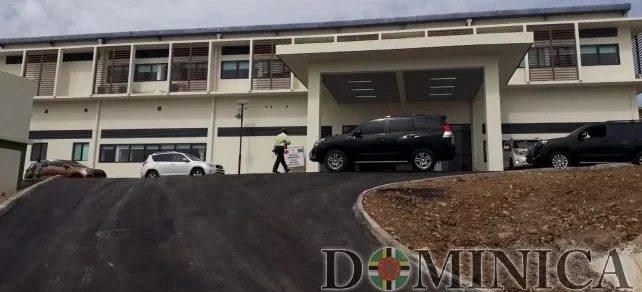
    The Dominica Hospitals Authority has demonstrated its commitment to operational transparency through a comprehensive performance review of the Dominica-China Friendship Hospital (DCFH) for 2025. Presented by Health Management Information System Manager Mrs. Sherry Shillingford-Sorhaindo, the data-rich assessment reveals both significant achievements and emerging challenges within the nation’s healthcare landscape.

    During 2025, the facility documented substantial patient engagement across multiple departments. The hospital processed 25,259 patient visits through booked clinics, with 16,494 appointments successfully completed. The Accident and Emergency Department handled 22,863 cases, while surgical teams performed 1,644 procedures. The Imaging Department processed an impressive 21,720 patients, illustrating the institution’s critical role in national healthcare delivery.

    Inpatient services accommodated 5,915 patients across nine specialized units, with surgical and medical wards accounting for 38% and 35% of admissions respectively. Maternal services represented 15% of admissions, while psychiatric and intensive care units each accounted for 3% of cases. The average patient stay duration stood at 7.2 days, though psychiatric cases extended this average to approximately two weeks due to specialized treatment requirements.

    Bed occupancy rates revealed systemic pressures, with medical wards consistently operating at optimal capacity above 85% and surgical wards experiencing high utilization. Notably, the male psychiatric unit exceeded capacity monthly throughout the year, highlighting resource constraints in mental health services.

    The hospital celebrated exceptional maternal health outcomes with zero maternal deaths and only one neonatal death among 513 live births, positioning Dominica well below the United Nations Sustainable Development Goal threshold of 12 deaths per thousand live births. However, the report identified a concerning 6% decline in births from 2024, continuing a decade-long trend potentially influenced by environmental and pandemic factors.

    Mortality analysis indicated approximately 6% of admitted patients died, with the highest rate (30%) occurring in the Intensive Care Unit. Medical wards recorded an 11% mortality rate, while neonatal services maintained a minimal 0.6% rate.

    Surgical services achieved 79% theater utilization, with 75% of procedures serving public cases and 20% addressing emergencies. The outpatient department struggled with a 35% no-show rate, particularly affecting ophthalmology, orthopedics, and oncology services, causing significant appointment delays for other patients.

    The report confirmed that Marigot Hospital continues providing 24/7 urgent care services alongside specialty clinics, with medical staff from DCFH supporting operations. Dental services initiated in late 2024 continued throughout 2025, though specific metrics for dental care were not yet available for presentation.

  • Caribbean Archbishop supports Archbishop of Canterbury in response to Project Spire criticism

    Caribbean Archbishop supports Archbishop of Canterbury in response to Project Spire criticism

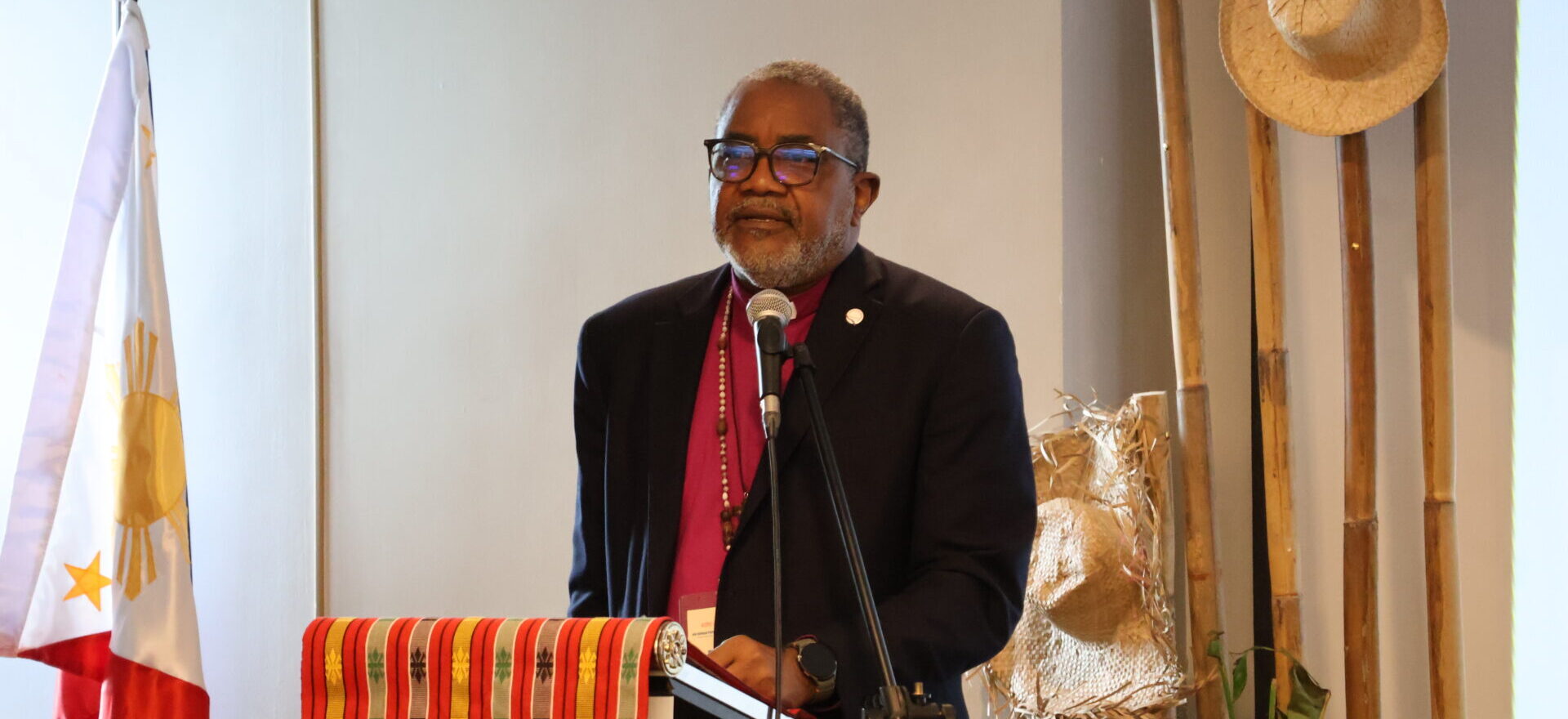
    In a significant address to international religious leaders, Archbishop Philip Wright of the Church in the Province of the West Indies has championed the Church of England’s controversial Project Spire initiative while challenging the global Anglican community to move beyond symbolic gestures in addressing historical injustices.

    The Archbishop’s remarks came during the “Breaking the Chains of Injustice” International Consultation, convened by UK-based charity USPG (United Society Partners in the Gospel). The gathering brought together 40 Anglican leaders from 31 nations to examine the persistent impacts of colonialism on indigenous cultures, languages, and territories across the Caribbean region.

    Despite the formal abolition of slavery in the British Caribbean in 1834, Archbishop Wright emphasized that the region continues to grapple with profound economic disparities, social inequalities, and environmental degradation directly linked to this historical legacy. He positioned the Anglican Church at a “significant moral crossroads,” noting that while acknowledgment of institutional complicity in the transatlantic slave trade represents a transformative opportunity, empty rhetoric could ultimately prove more damaging than the original offense.

    The Archbishop’s endorsement of Project Spire—a £100 million reparative justice initiative launched by the Church of England in 2023—signals growing momentum within religious institutions to address historical wrongs. This development follows a decade of intensified reparations advocacy, including CARICOM’s 2013 “Ten Point Plan for Reparatory Justice” and the CPWI’s 2015 motion supporting Caribbean reparations claims.

    Archbishop Wright clarified that reparative justice seeks not retribution but recognition of harms caused by centuries of enslavement, requiring “deliberate and intentional redress.” He cited both Project Spire and USPG’s Codrington Project as pioneering efforts in this direction. The latter initiative, launched in 2024, addresses USPG’s historical entanglement with slavery through Christopher Codrington’s 1710 donation of a Barbados plantation. The project aims to transfer plantation ownership to descendants of enslaved individuals and commemorate burial sites of those enslaved.

    USPG General Secretary Duncan Dormor reinforced the moral imperative for action, stating that reparative justice lies “at the heart of Christian mission today.” He emphasized the Church’s deep involvement in “brutal, inhumane, and shameful activities” of the slave trade and called for work toward repair and reconciliation conducted with “openness, humility and constructive critical reflection.”

    When questioned about practical support for Caribbean communities, Archbishop Wright emphasized that meaningful change extends beyond financial compensation. He called for collaborative efforts to build schools and hospitals, enabling Caribbean peoples to “step out of the legacy of this horrendous period of history” while acknowledging the substantial good the Church has accomplished in the region over centuries.

    The gathering received encouraging words from Archbishop of Canterbury Sarah Mullally, who praised USPG’s “commitment to partnership, justice, and the flourishing of local churches” as continuing to bless the Anglican Communion in “profound and enduring ways.”